
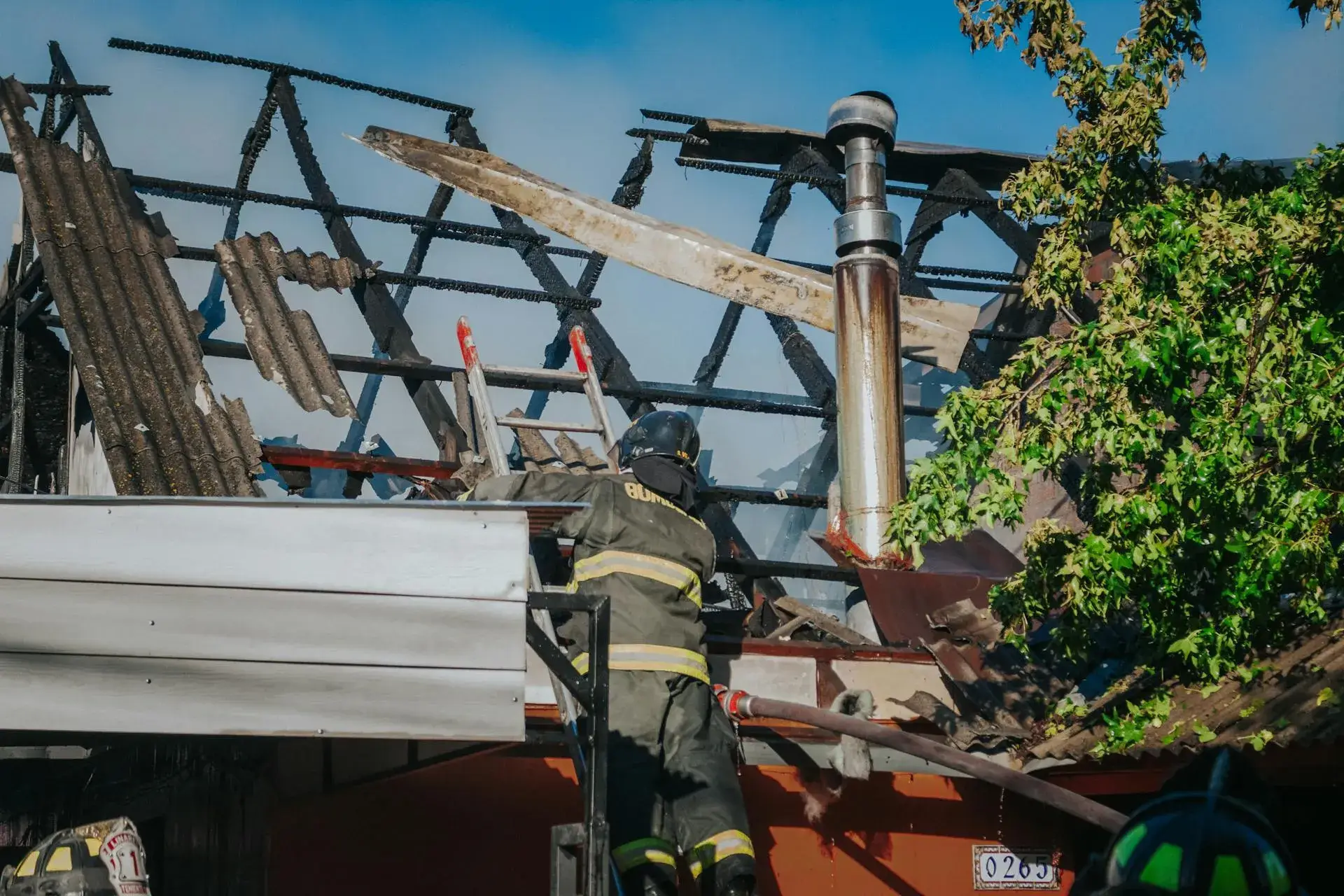
Fire Damage Restoration in Lynn Haven, FL
Every hour after a fire, soot acids etch deeper into surfaces and smoke compounds bond permanently to materials. Our local team responds to fire damage emergencies within 60 minutes.
What Happens When You Call
A real person answers, not a call center. We assess your situation, confirm the property is cleared by the fire marshal, and begin coordinating your response immediately.
Your dedicated restoration team is dispatched from our local base serving Lynn Haven and the surrounding Bay County communities.
Team arrives with structural assessment tools, soot removal equipment, air scrubbers, and water extraction systems for suppression damage. Emergency stabilization begins immediately.
Property secured, immediate threats addressed, restoration plan documented with photos and written scope. You know exactly what comes next and what it involves.
The fire is out but the damage is still progressing. Soot is acidic and continues corroding metal, etching glass, and staining surfaces every hour it sits. Smoke residue migrates deeper into porous materials with each passing day. And the water used to suppress the fire is now causing its own category of damage beneath your floors and inside your walls. X Response exists for this exact situation. When you reach out, your restoration team is mobilized within minutes. From that point forward, one team manages everything: assessment, board-up, smoke removal, water extraction, and complete restoration. Call now. Your team is standing by.
Why Lynn Haven Homes Are Vulnerable to Fire Damage
Lynn Haven, a residential cornerstone of Bay County, Florida, features a mix of historic homes near North Bay and newer suburban developments. The city's fire damage risks are primarily tied to residential incidents, such as kitchen fires, electrical faults in older wiring, and lightning strikes during severe summer storms. In July 2025, a significant residential fire in Lynn Haven prompted an investigation by Bay County Sheriff's officials and required extensive suppression efforts from local fire departments, demonstrating the vulnerability of the city's housing stock. When these fires occur, the open attic spaces common in Florida residential construction allow flames to travel the full length of the structure above the ceiling plane, causing massive structural damage before the fire department can contain the blaze.
The interaction between fire damage and Florida's coastal climate creates a highly accelerated timeline for secondary destruction. When the Lynn Haven Fire Department or Bay County Fire Rescue extinguish a house fire, they leave behind hundreds of gallons of suppression water. In a home that has lost its roof integrity and air conditioning, this standing water becomes a mold incubator within 24 to 48 hours in the intense Panhandle heat. Furthermore, the combination of coastal humidity and acidic soot accelerates the corrosion of metals, etching of glass, and degradation of structural components far faster than in drier climates. Effective fire damage restoration in Lynn Haven requires treating the fire, smoke, and water damage simultaneously with extreme urgency.
Suppression Water as a Secondary Damage Source
In most Lynn Haven residential fires, the water used to extinguish the flames causes massive secondary damage. High-volume hose lines saturate insulation and drywall, flowing downward to pool on the concrete foundation slab. Once the fire is out, this water sits in a structure that lacks climate control. Given the high humidity of the Florida Panhandle, this standing water initiates mold colonization rapidly. Effective fire restoration must address suppression water extraction with the same urgency as soot removal.
Coastal Climate Acceleration of Damage
Fire damage does not stabilize once the flames are extinguished. It progresses through chemical reactions that the coastal climate accelerates. Soot is acidic, and the high ambient humidity keeps those acids reactive on surfaces much longer. Metals corrode faster, and smoke odor compounds bond more aggressively to materials in the warm, humid air. Restoration has a narrow intervention window before surfaces that could have been cleaned require total replacement.
Smoke Migration Through HVAC Systems
Central air conditioning systems in Lynn Haven run nearly year-round. During the early stages of a fire, the HVAC system often continues operating, pulling smoke and soot particles into the return air and distributing them to every room. Even after shutdown, smoke migrates through ductwork via convection. Complete fire restoration requires professional duct cleaning, HEPA filtration of the air volume, and verification to ensure the HVAC system is safe to restart.
Open Attic Spaces and Fire Spread
Single-family homes in Lynn Haven typically feature open, continuous attic spaces. These spaces allow fire to spread rapidly across the entire footprint of the home above the ceiling line. This not only causes severe structural damage to the roof trusses but also deposits heavy soot and smoke residue directly onto the top-side of the ceiling drywall and into the blown-in insulation, complicating the cleanup and demolition phases.
These factors make fire damage restoration in Lynn Haven a complex, time-sensitive operation. The fire destroys structural materials, smoke migrates through open attics and HVAC systems, suppression water creates localized flooding, and the coastal climate accelerates every secondary damage pathway. Effective restoration requires deploying water extraction, smoke removal, and structural assessment simultaneously.
What Happens to Your Home While You Wait
Within 1 Hour
Soot begins reacting with surfaces. Acidic smoke residue etches chrome, stainless steel, and glass. Suppression water pools and begins wicking into drywall and flooring. In Lynn Haven's warm climate, biological activity in standing water begins immediately.
1 to 24 Hours
Soot acids penetrate deeper into porous surfaces. Smoke odor compounds absorb into soft materials. Suppression water causes swelling in drywall and cabinetry. Without climate control, interior humidity climbs rapidly, exacerbating the damage.
24 to 48 Hours
Mold colonization begins on wet surfaces. In the Panhandle's heat, this timeline accelerates. Smoke residue bonds more permanently to surfaces, and appliances exposed to smoke and moisture suffer progressive corrosion.
48 to 72 Hours
Soot staining becomes permanent on many surfaces. Mold growth becomes visible. Smoke odor penetrates deeply into structural wood and insulation, making it extremely difficult to remediate. Restoration costs increase significantly.
One Week and Beyond
Comprehensive secondary damage occurs. Mold spreads to adjacent dry areas, and smoke odor permeates the building envelope. Structural wood deteriorates, turning the project into a full environmental and structural remediation.
Fire damage restoration has a narrow intervention window in Lynn Haven's climate. Contact X Response now. Our local team responds within 60 minutes to begin stabilizing your property before secondary damage compounds.
How We Restore Fire-Damaged Lynn Haven Homes
Fire damage restoration involves multiple parallel workstreams that must begin simultaneously. Here is exactly how we approach each phase.
Emergency Assessment and Stabilization
Once the fire marshal clears the property, we conduct a comprehensive assessment of structural integrity, smoke migration, and suppression water intrusion. Immediate stabilization includes board-up of breached windows or roofs, tarping, and deploying water extraction equipment to address suppression water before mold risk escalates.
Water Extraction from Fire Suppression
Suppression water is extracted with the urgency of a flood event. We pull moisture from wall cavities using injection port systems and deploy dehumidifiers to begin drying the structure within the first 24 hours. Materials too damaged by fire are removed, while wet but sound materials receive full drying protocols.
Smoke and Soot Removal
Different residue types require distinct cleaning agents. We use HEPA-filtered equipment to prevent redistributing particulate, chemical sponges for dry soot, and professional hydroxyl generators for odor neutralization. HVAC ductwork is either professionally cleaned or replaced based on contamination levels.
Structural Assessment and Demolition
Fire weakens structural members. We assess every component to determine if it retains load-bearing capacity. Drywall and insulation that sustained irreversible damage are removed to expose framing for inspection and to eliminate materials harboring smoke odor.
Restoration and Reconstruction
With the structure dried, cleaned, and verified, reconstruction returns your property to its pre-loss condition. This includes replacing drywall, flooring, and fixtures, repairing electrical systems, and applying odor-sealing primer to ensure smoke compounds do not bleed through new finishes.
The X Response Difference
When you contact X Response after a fire in Lynn Haven, you get a single restoration team that manages every damage category as one coordinated project.
Insurance Claim Guidance for Lynn Haven Homeowners
Fire damage insurance claims are typically covered under standard homeowner's policies in Florida, including dwelling coverage, personal property, and additional living expenses. Claim complexity increases when the scope of smoke and water damage extends beyond the visible fire zone, or when causation requires investigation. Documentation quality determines how efficiently your claim resolves.
How X Response Helps
- Document all damage categories from hour one: fire, smoke, suppression water, and structural.
- Separate fire damage from pre-existing conditions with clear photographic evidence.
- Coordinate documentation between structural damage and contents covered by personal property provisions.
- Provide daily progress documentation so your adjuster can verify the restoration scope.
- Ensure claims include proper documentation for both the origin area and secondary smoke migration zones.
X Response does not file claims on your behalf or make coverage determinations. We provide thorough documentation to support your claim. Coverage decisions are made solely by your insurance carrier.
Certified Restoration Specialists Serving Lynn Haven
When you contact X Response after a fire in Lynn Haven, your restoration team brings multi-discipline capability to manage every aspect of recovery. They understand how local emergency services operate and what documentation Bay County requires for reconstruction permits. This local experience means your restoration begins efficiently without bureaucratic delays.
Every technician holds current IICRC certification in fire, smoke, and water damage restoration. We deploy truck-mounted extraction for suppression water, commercial dehumidifiers, HEPA air scrubbers, and thermal imaging to identify hidden damage. From the first hour through final reconstruction, one team owns every aspect of your project.
In Lynn Haven, X Response works with Coastal Emergency Restoration, an independent local restoration partner serving Bay County.
Fire Damage Restoration FAQ for Lynn Haven Homeowners
Other Emergency Services in Lynn Haven
Water Damage Restoration
Burst pipes, storm flooding, standing water. We extract, dry, and restore before mold sets in.
Learn more
Smoke Damage Restoration
Soot residue, chemical odors, HVAC contamination. We decontaminate surfaces, eliminate odors, and restore air quality.
Learn more
Mold Remediation
Testing, containment, removal, prevention. We find the source, eliminate the growth, and stop it from returning.
Learn more