
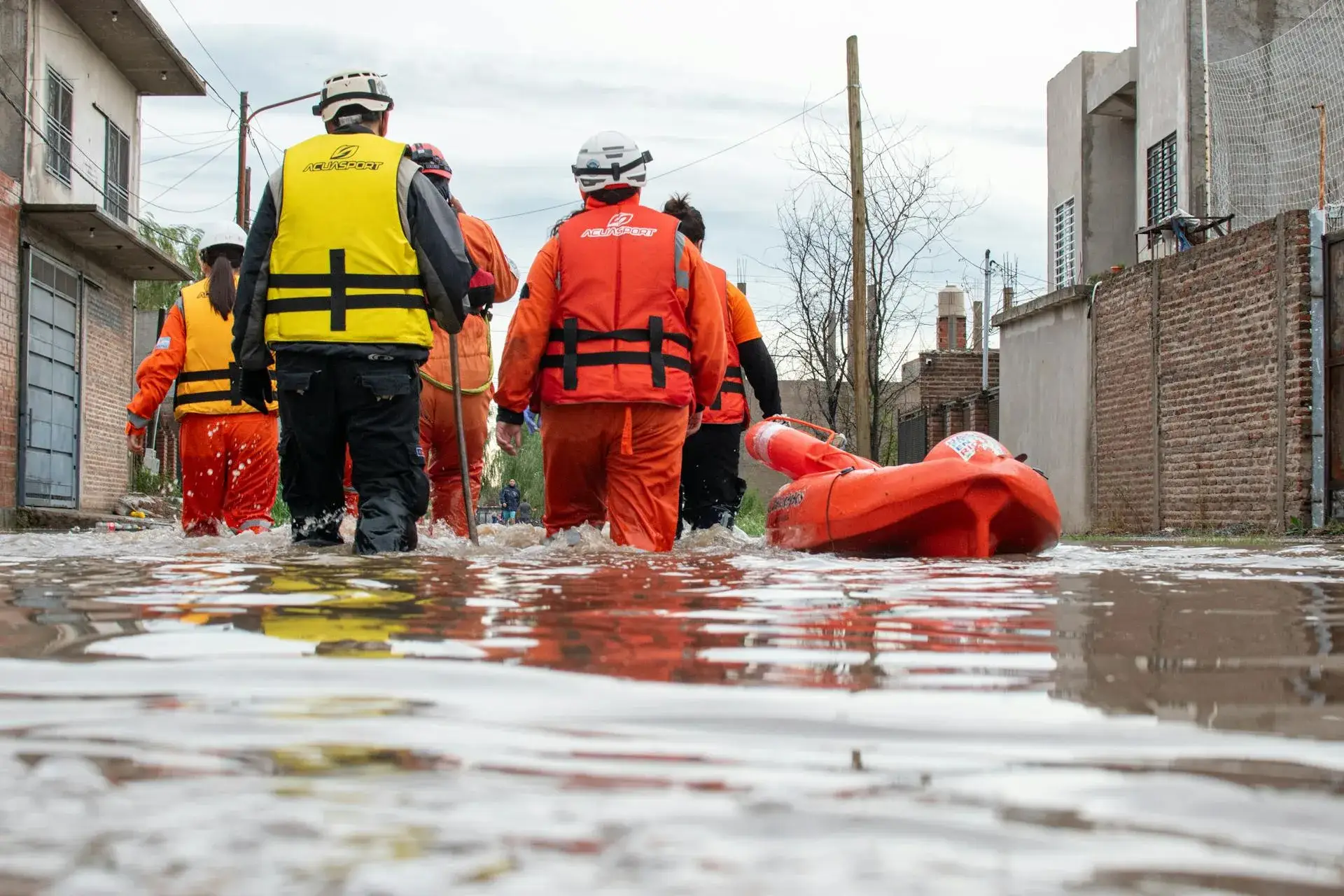
Water Damage Restoration
Burst pipes, flooding, storm surges, appliance failures. When water threatens your property, our certified restoration teams respond immediately to extract the water, dry the structure, and restore your home.
What Water Damage Does to Your Property
Water damage is one of the most common and most destructive emergencies a homeowner can face. Whether it starts with a burst pipe at 3 AM or a slow leak behind your kitchen wall, the damage compounds fast. Within minutes, water saturates drywall, carpet padding, and insulation. Within hours, furniture begins to warp and metal surfaces start to tarnish. Within 24 to 48 hours, mold begins to colonize.
How Fast Does Water Damage Spread?
The speed of water damage depends on the volume of water, the materials it contacts, and how quickly it is addressed. Porous materials like drywall, carpet, and wood framing absorb water rapidly and begin to deteriorate within hours. Hardwood floors cup and buckle. Drywall swells, softens, and loses structural integrity. Electrical systems in contact with water become safety hazards. The longer water sits, the more categories of damage develop and the more expensive the restoration becomes.
Water Damage Categories
The Institute of Inspection, Cleaning and Restoration Certification (IICRC) classifies water damage into three categories based on contamination level. Understanding which category you are dealing with determines the safety protocols and restoration approach required.
- Category 1 (Clean Water): Water from a sanitary source like a broken supply line, faucet, or ice maker. Safe to handle initially, but degrades to Category 2 or 3 if left untreated for more than 48 hours.
- Category 2 (Gray Water): Water with significant contamination from sources like washing machine overflow, dishwasher discharge, or sump pump failure. May cause illness if ingested or contacted.
- Category 3 (Black Water): Grossly contaminated water from sewage backups, flooding from rivers or streams, or any standing water with microbial growth. Requires full protective equipment and removal of all contacted porous materials.
Common Causes of Water Damage
- Burst or frozen pipes during cold weather
- Appliance failures: water heaters, washing machines, dishwashers, refrigerator lines
- Roof leaks and storm damage
- Foundation cracks and groundwater intrusion
- Toilet overflows and sewer line backups
- HVAC condensation and drain line clogs
Why Professional Restoration Matters
Drying a visible puddle is not the same as restoring a water-damaged structure. Moisture trapped inside walls, under flooring, and within structural cavities continues to cause damage long after the surface looks dry. Professional restoration uses thermal imaging cameras to detect hidden moisture, commercial-grade dehumidifiers and air movers to dry the structure thoroughly, and antimicrobial treatments to prevent mold colonization. Without this level of intervention, secondary damage from mold, wood rot, and compromised structural integrity can develop weeks or months after the initial event.
When you contact X Response, our team arrives equipped to assess the full scope of damage, begin emergency water extraction, and develop a restoration plan that gets your property back to pre-loss condition.
How We Restore Water-Damaged Properties
From emergency response through final inspection, here is exactly what happens when you contact X Response.
Emergency Contact and Assessment
When you call X Response, a real person answers. We assess the severity of your situation, ask targeted questions about the water source and affected areas, and begin dispatching your local restoration team. Our specialists arrive with thermal imaging cameras and moisture meters to map the full extent of water intrusion, including moisture hidden inside walls and under flooring.
Water Extraction
Standing water is removed using truck-mounted extractors, submersible pumps, and industrial wet vacuums. This phase typically takes 2 to 6 hours depending on the volume of water and size of the affected area. The faster water is extracted, the less secondary damage occurs to your structure and belongings.
Structural Drying and Dehumidification
Industrial air movers and commercial-grade dehumidifiers are strategically placed throughout the affected areas. Your team monitors moisture levels daily using hygrometers and moisture meters, adjusting equipment placement as the structure dries. This phase typically takes 3 to 5 days for moderate damage.
Cleaning, Sanitizing, and Mold Prevention
All affected surfaces are cleaned and treated with antimicrobial solutions to prevent mold growth. Contents are assessed, and salvageable items are cleaned using appropriate methods. Air scrubbers with HEPA filtration remove airborne contaminants and improve air quality throughout the restoration.
Restoration and Final Inspection
Damaged drywall, flooring, trim, and other structural elements are repaired or replaced. Your team documents the full scope of work for your insurance claim. A final moisture reading confirms the structure is dry, and a walkthrough with you ensures everything meets our standards and yours.
Insurance Guidance for Water Damage Claims
Most homeowner's insurance policies cover water damage that is sudden and accidental, like a burst pipe or an appliance failure. But coverage gets complicated fast. Gradual leaks, deferred maintenance, and flood damage from external sources are often excluded or require separate policies. Understanding what your policy covers before you file can make the difference between a smooth claim and a denied one.
How X Response helps with your water damage claim
- Detailed scope of work documentation that aligns with insurance requirements
- Coverage alignment review so you understand what your policy may cover
- Claims process guidance from filing through resolution
- Communication support with your insurance adjuster
X Response provides guidance and documentation support. We do not act as public adjusters, make coverage determinations, or guarantee claim outcomes.
Frequently Asked Questions About Water Damage Restoration
Other Emergency Restoration Services
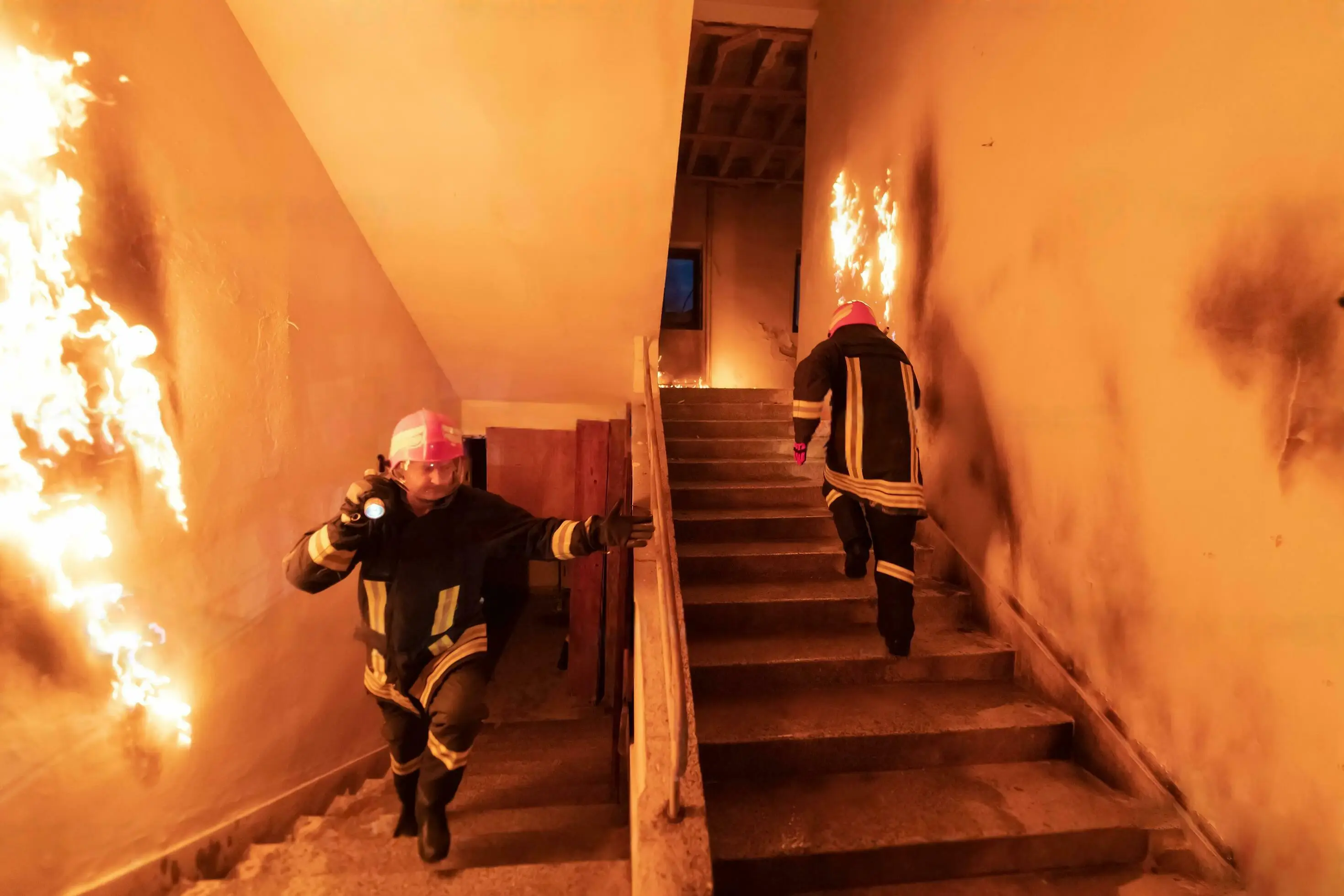
Fire Damage Restoration
Structural damage, soot, debris. We stabilize, clean, and rebuild what fire destroyed.
Learn more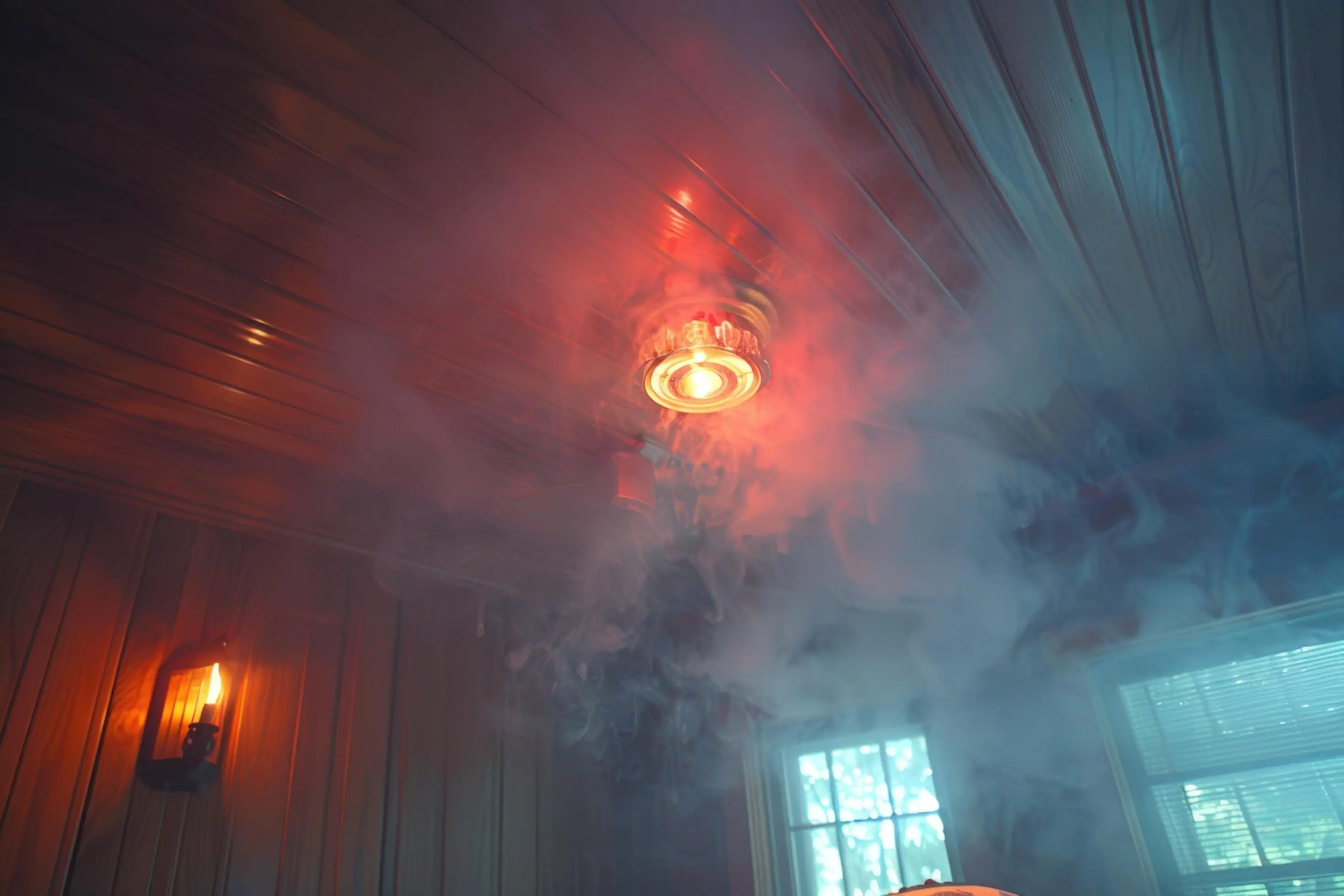
Smoke Damage Restoration
Wildfire impingement, protein residue, chemical odor. Specialized deodorization and surface treatment.
Learn more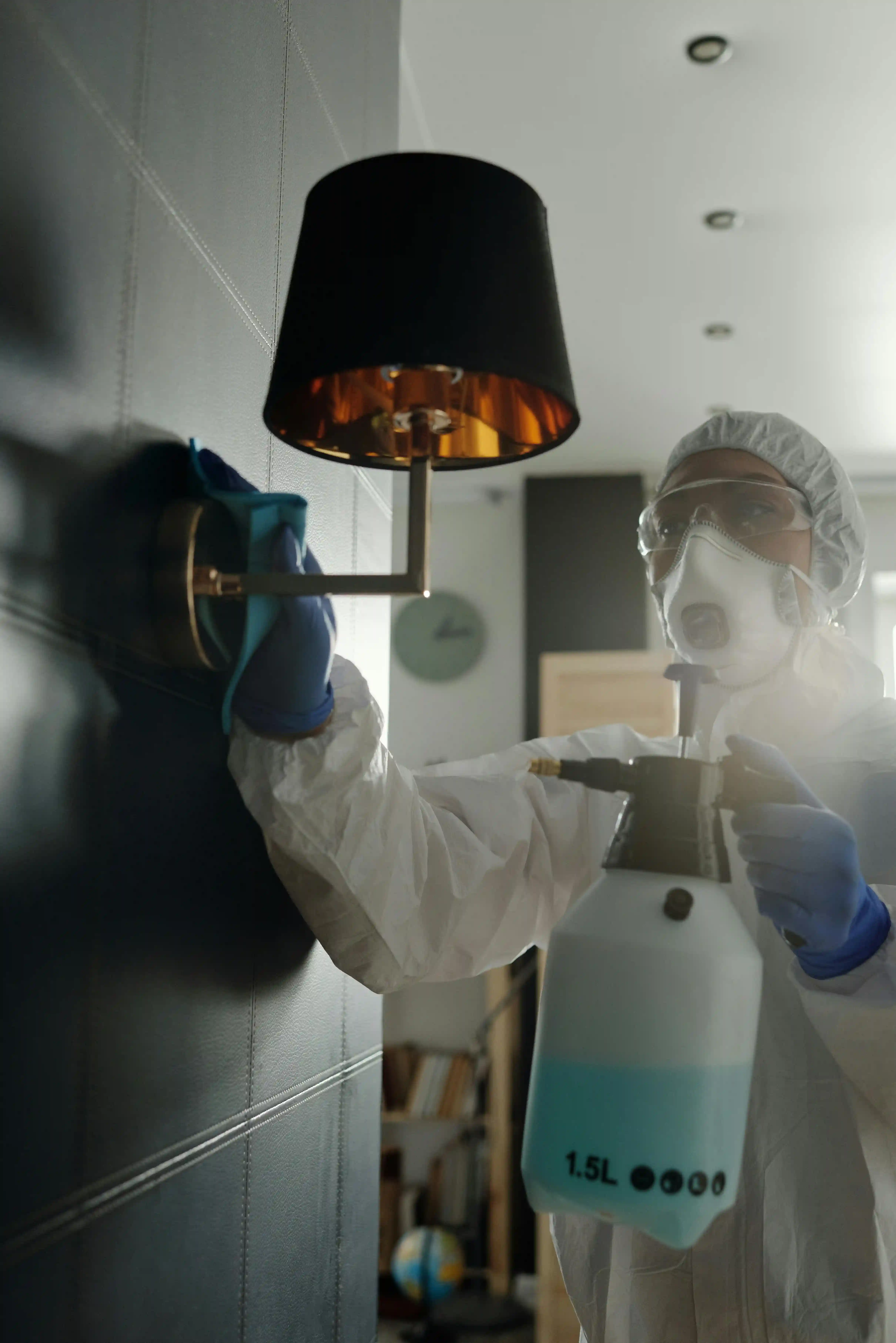
Mold Remediation
Testing, containment, removal. We find the source, eliminate the growth, and prevent it from returning.
Learn more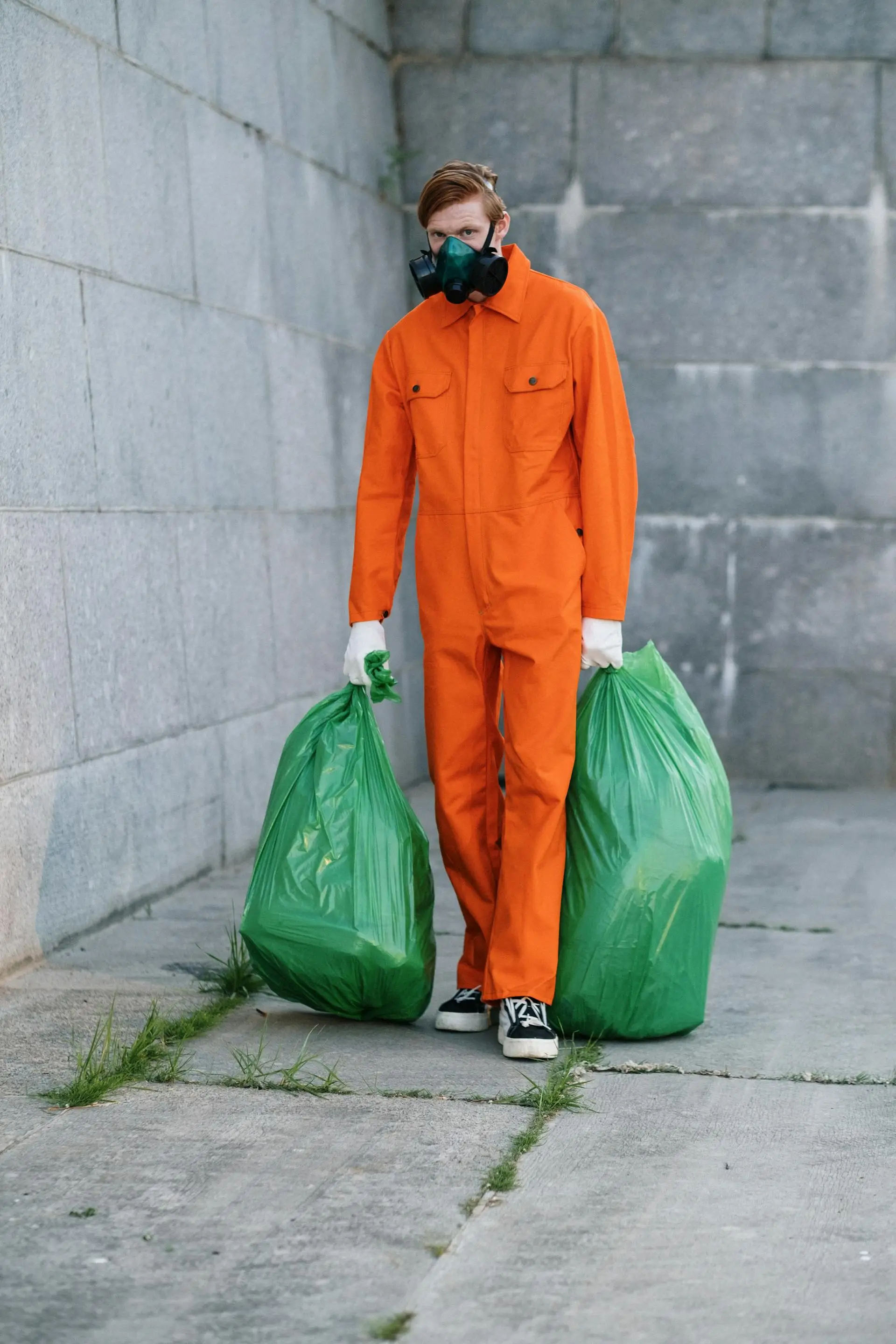
Sewage Cleanup
Biohazard situations handled safely with full sanitation, disinfection, and structural restoration.
Learn more