
Sewage Cleanup
Sewer backups, septic failures, contaminated flooding. Sewage damage is a biohazard emergency that requires immediate professional intervention. Our certified teams handle extraction, sanitation, and full structural restoration.
Why Sewage Backup Is a Biohazard Emergency
Sewage backup is one of the most hazardous types of water damage a homeowner can face. Unlike a burst pipe or appliance leak, sewage introduces raw human waste, bacteria, viruses, and parasites directly into your living space. The restoration industry classifies sewage as Category 3 "black water" under the IICRC S500 standard, the highest contamination level, meaning it is grossly unsanitary and can cause serious illness or death if contacted or ingested. Every sewage backup is a biohazard situation that requires professional extraction, containment, and sanitation. There is no safe way to handle it without proper protective equipment and training.
What Makes Sewage So Dangerous
Raw sewage contains a concentrated mix of biological contaminants that pose immediate health risks. Bacteria present in sewage include Escherichia coli (E. coli), which causes severe gastrointestinal illness, and Salmonella, which can lead to typhoid-like symptoms including fever, diarrhea, and abdominal cramping. Sewage also carries viruses such as Hepatitis A, which attacks the liver and can cause illness lasting weeks to months, and norovirus, one of the most common causes of acute gastroenteritis. Parasites including Giardia lamblia and Cryptosporidium are also present in sewage and cause prolonged intestinal infections that are particularly dangerous for children, elderly individuals, and anyone with a compromised immune system. These pathogens can enter the body through direct skin contact, ingestion, or inhalation of contaminated airborne particles as sewage dries and becomes aerosolized.
Common Causes of Sewage Backup
Sewage enters a home when the normal flow of wastewater away from the property is blocked or reversed. Understanding the cause matters because it affects both the cleanup approach and the insurance claim.
- Sewer line blockages: The most frequent cause. Grease buildup, non-flushable wipes, and accumulated debris gradually restrict the main sewer lateral that connects your home to the municipal system. When the blockage becomes severe enough, wastewater backs up through the lowest drains in the house, typically basement floor drains, ground-floor bathtubs, or toilets.
- Tree root intrusion: Tree roots naturally seek out moisture and can infiltrate sewer pipes through small cracks or joint connections. Over time, roots grow inside the pipe, catching debris and creating blockages that eventually cause backups. This is especially common in older homes with clay or cast iron sewer laterals.
- Septic system failures: Homes on septic systems can experience backups when the tank reaches capacity, the drain field becomes saturated, or system components fail. Septic backups often involve higher volumes of contaminated water because the failure may go unnoticed until sewage surfaces inside the home.
- Municipal sewer overflows: Heavy rainfall can overwhelm combined sewer systems, causing sewage to back up through residential connections. The EPA estimates between 23,000 and 75,000 sanitary sewer overflows occur annually in the United States. In these situations, the municipality may bear some liability for the resulting damage.
- Broken or collapsed sewer lines: Aging infrastructure, ground shifting, and corrosion can cause sewer pipes to crack, collapse, or separate at joints. A structural failure in the sewer lateral creates an immediate and often severe backup that requires both emergency cleanup and pipe repair or replacement.
Why Sewage Cleanup Requires Professional Intervention
The IICRC S500 standard is explicit about Category 3 water: all porous materials that have contacted sewage must be removed and disposed of. This includes carpet and carpet padding, drywall that was submerged or wicked contamination, insulation inside wall and floor cavities, particleboard subflooring, upholstered furniture, mattresses, and any paper or fabric products. These materials cannot be adequately cleaned or disinfected because their porous structure absorbs and traps pathogens at a level that surface treatment cannot reach. Attempting to dry contaminated porous materials in place, as you might with clean water damage, creates a long-term health hazard.
Professional sewage cleanup also requires containment barriers to prevent cross-contamination of unaffected areas, HEPA air filtration to capture airborne pathogens, EPA-registered antimicrobial and disinfectant solutions applied to all affected non-porous surfaces, and proper biohazard waste disposal in accordance with OSHA's Bloodborne Pathogens Standard (29 CFR 1910.1030). Workers must wear full PPE including Tyvek coveralls, chemical-resistant gloves, eye protection, and respirators rated for biological hazards. This is not a situation where a shop vacuum and bleach solution will protect your family's health.
The Damage Timeline
Sewage damage compounds rapidly. Within the first hour, contaminated water saturates flooring, baseboards, and lower wall sections. Within 24 hours, bacteria and pathogens have penetrated deep into porous materials, and the odor becomes severe as organic matter decomposes. Within 48 hours, secondary mold growth begins on wet surfaces, adding another layer of contamination to an already hazardous environment. Every hour that sewage sits in your home increases the scope of material removal, the complexity of sanitation, and the total cost of restoration. When you contact X Response, our teams treat sewage backups as the biohazard emergencies they are, arriving equipped to begin extraction and containment immediately.
How We Restore Sewage-Damaged Properties
From emergency response through final clearance, here is exactly what happens when you contact X Response.
Emergency Response and Safety Assessment
When you call X Response, we treat your sewage backup as the biohazard emergency it is. Our team asks targeted questions about the source, the affected areas, and whether anyone has been exposed to the contaminated water. We dispatch your local restoration team equipped with full PPE, containment materials, and extraction equipment. On arrival, the team establishes a safety perimeter, assesses the extent of contamination, identifies the sewage source, and documents everything with photos and moisture readings for your insurance claim. No one enters the contaminated area without proper protective equipment.
Sewage Extraction and Contaminated Material Removal
Standing sewage is extracted using truck-mounted pumps, submersible extractors, and industrial wet vacuums designed for contaminated water. Once the bulk liquid is removed, the team begins removing all porous materials that contacted the sewage, as required by the IICRC S500 standard for Category 3 water. Carpet, carpet padding, drywall below the contamination line, insulation, particleboard, and any absorbent materials are carefully cut out, sealed in heavy-duty polyethylene bags, and disposed of as biohazard waste. This phase typically takes 1 to 2 days depending on the volume and spread of contamination.
Sanitation, Disinfection, and Antimicrobial Treatment
After contaminated materials are removed, every remaining surface inside the affected area is cleaned and disinfected. Concrete subfloors, wood framing, metal fixtures, and other non-porous or semi-porous surfaces are scrubbed, then treated with EPA-registered antimicrobial and disinfectant solutions that are effective against the bacteria, viruses, and parasites found in sewage. The treatment is applied in multiple passes to ensure full coverage, including areas behind where drywall was removed and inside floor cavities. Containment barriers remain in place throughout this phase to prevent cross-contamination of unaffected areas of the home.
Structural Drying and HEPA Air Filtration
Commercial-grade dehumidifiers and industrial air movers are positioned throughout the affected area to dry the exposed structure to target moisture levels. Air scrubbers equipped with HEPA filters run continuously to capture airborne contaminants, bacteria, and mold spores that may have become aerosolized during the extraction and removal process. Your team monitors moisture levels daily using hygrometers and moisture meters, adjusting equipment placement as the structure dries. This phase typically takes 3 to 5 days for moderate sewage damage. The structure must reach documented dry standards before any reconstruction begins.
Restoration, Reconstruction, and Final Clearance
Once the structure is dry and sanitation is verified, reconstruction begins. New drywall, insulation, flooring, baseboards, and trim are installed to replace the materials that were removed during cleanup. Your team documents the full scope of work, including before-and-after photos, moisture readings, and a detailed inventory of removed and replaced materials for your insurance claim. A final walkthrough with you confirms that everything meets our restoration standards and yours. As our team completes the project, your home is returned to a safe, clean, pre-loss condition.
Insurance Guidance for Sewage Cleanup Claims
Sewer backup coverage is not included in standard homeowner's insurance policies. This is one of the most common and costly coverage gaps in residential insurance. A standard HO-3 policy covers sudden and accidental water damage from sources like burst pipes and appliance failures, but it specifically excludes damage caused by water or sewage backing up through drains, sewers, or sump pumps. To be covered, homeowners need a separate water backup endorsement, sometimes called a sewer backup rider. This endorsement typically costs between $40 and $250 per year and provides $5,000 to $25,000 in coverage, though limits vary by insurer and state. The problem is that many homeowners do not know this endorsement exists until they are standing in a sewage-flooded basement and discover their claim is denied. If the backup was caused by a municipal sewer overflow rather than a failure on your property, the municipality may bear some liability, but pursuing that claim is a separate process with its own documentation requirements.
How X Response helps with your sewage cleanup claim
- Detailed damage documentation including photos, moisture readings, and a scope of work that aligns with insurance requirements for Category 3 water loss
- Source identification that establishes whether the backup originated from your sewer lateral, the municipal system, or a septic failure, which directly affects coverage
- Coverage alignment review so you understand how your water backup endorsement limits and deductibles apply to your situation
- Claims process guidance from initial filing through resolution, including communication support with your insurance adjuster
X Response provides guidance and documentation support. We do not act as public adjusters, make coverage determinations, or guarantee claim outcomes.
Frequently Asked Questions About Sewage Cleanup
Other Emergency Restoration Services
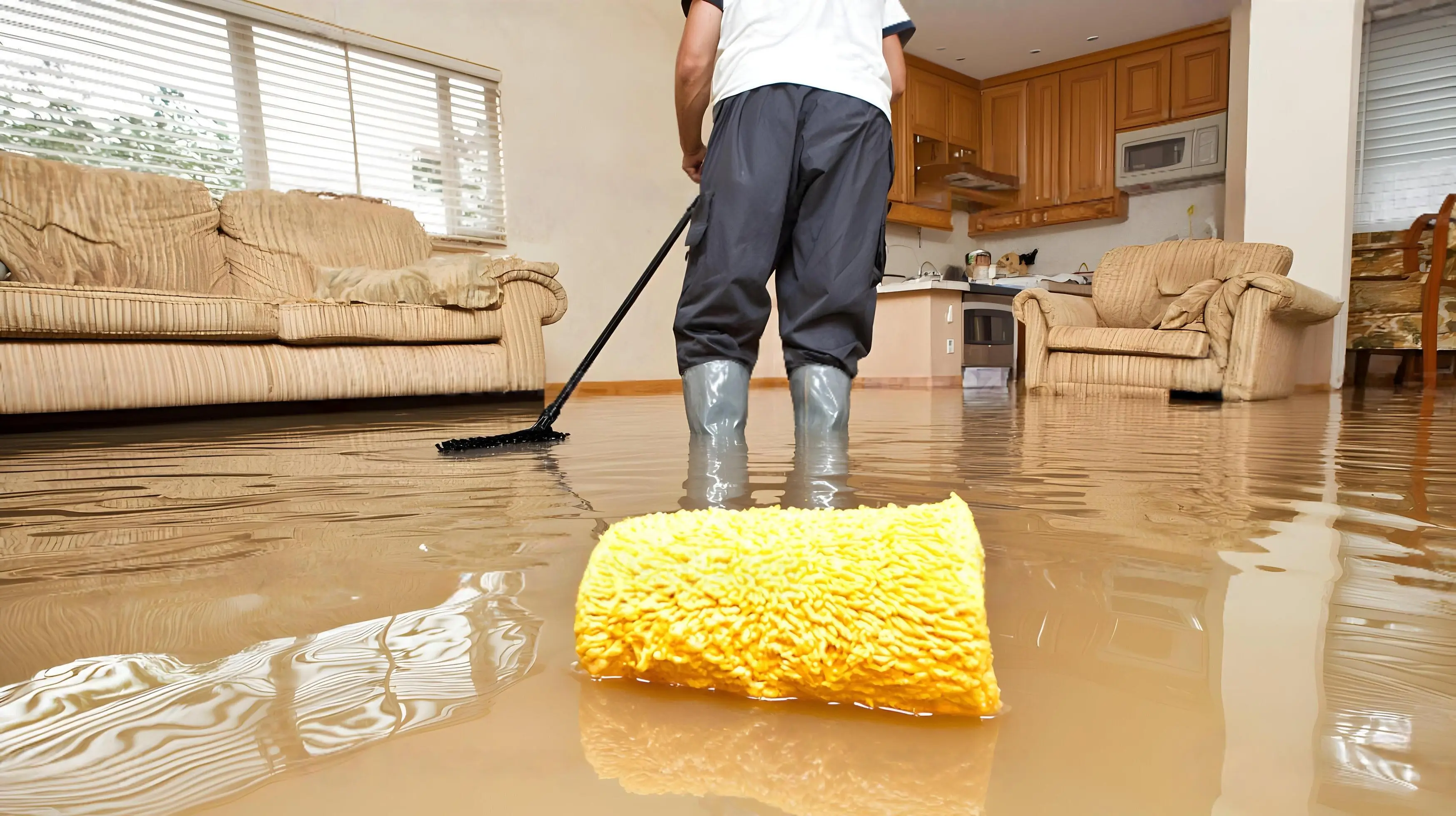
Water Damage Restoration
Flooding, burst pipes, storm surges. We extract the water, dry the structure, and restore your property.
Learn more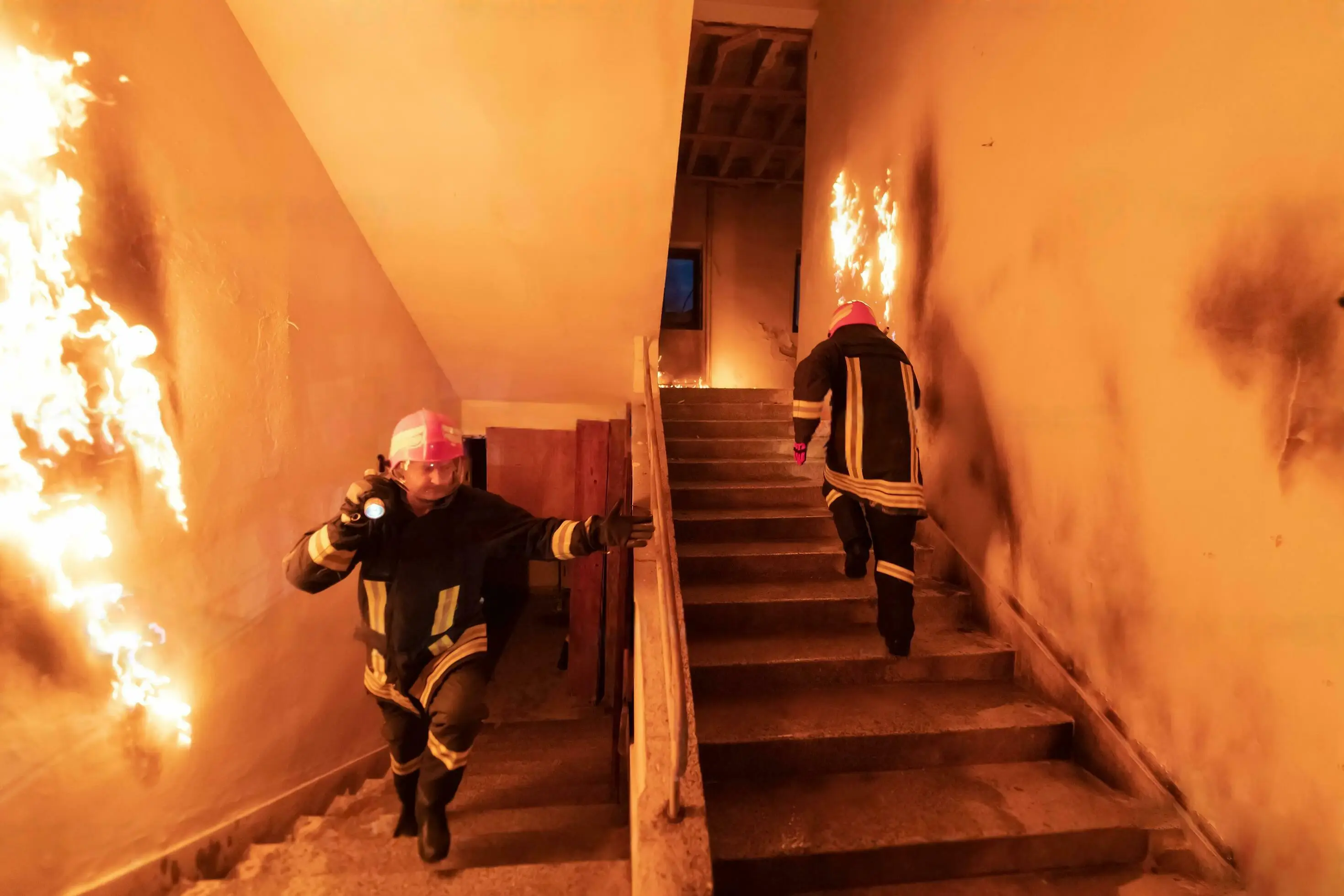
Fire Damage Restoration
Structural damage, soot, debris. We stabilize, clean, and rebuild what fire destroyed.
Learn more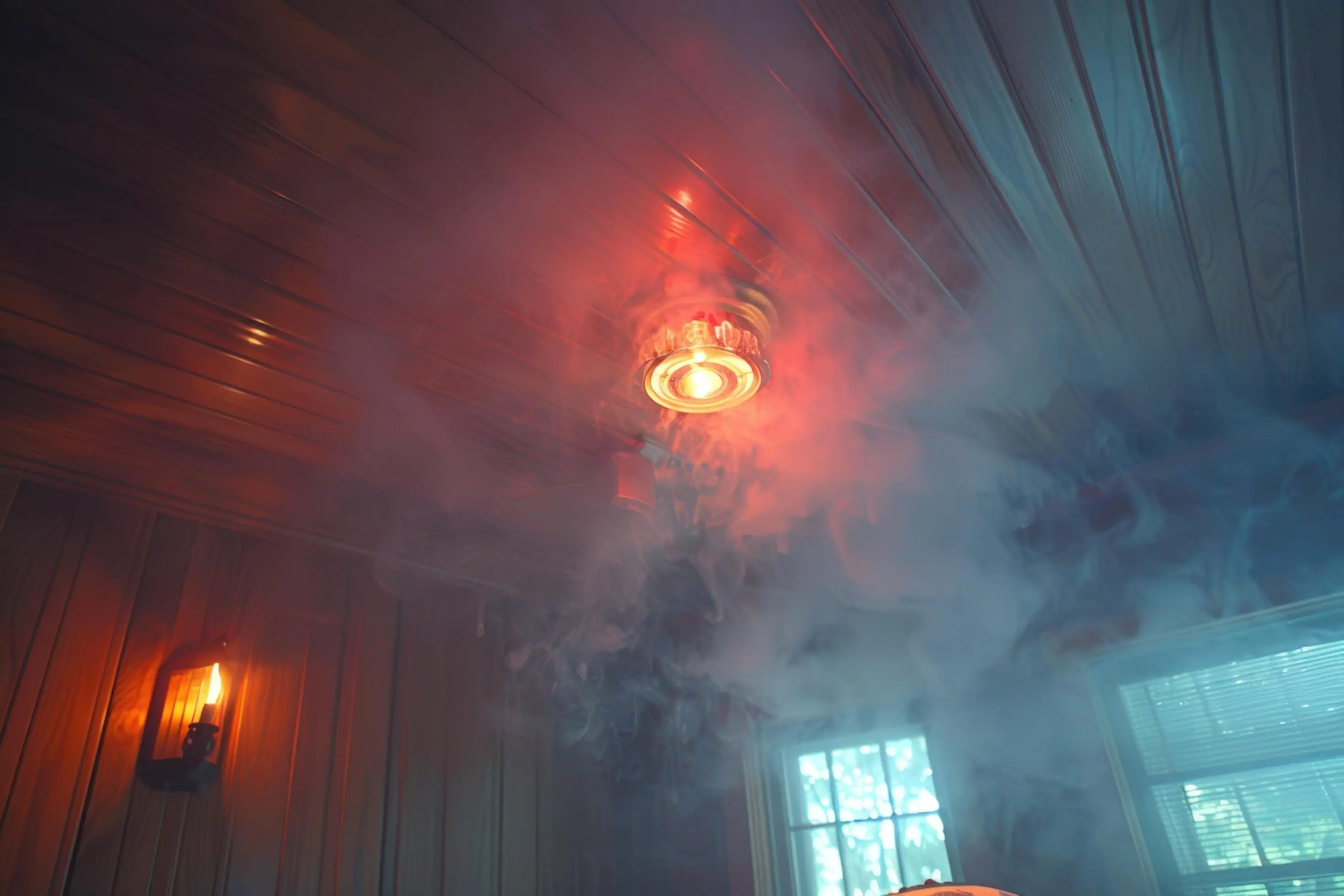
Smoke Damage Restoration
Wildfire impingement, soot, chemical odors. We decontaminate surfaces, eliminate odors, and restore air quality.
Learn more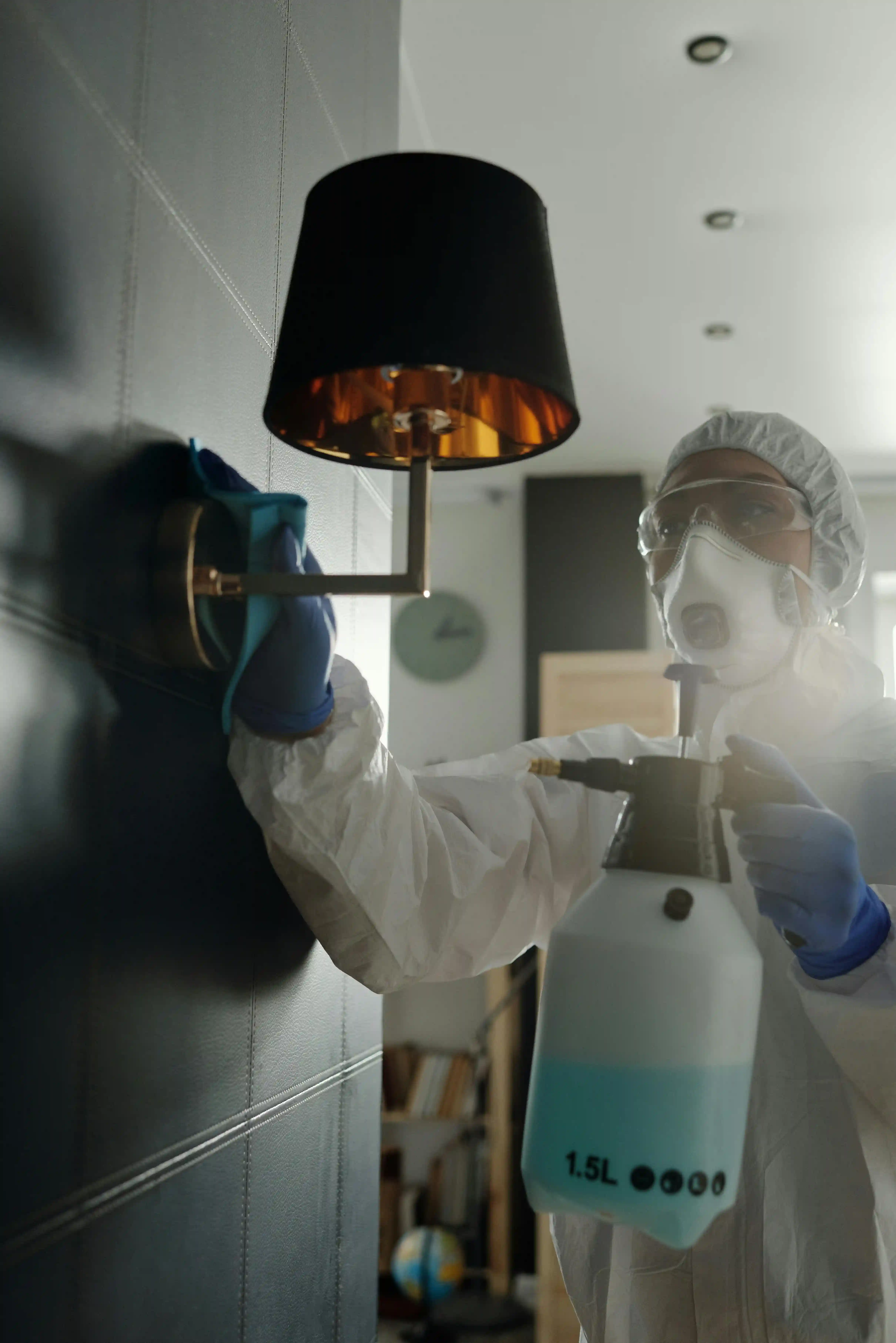
Mold Remediation
Testing, containment, removal, prevention. We eliminate mold and fix the moisture source so it stays gone.
Learn more