
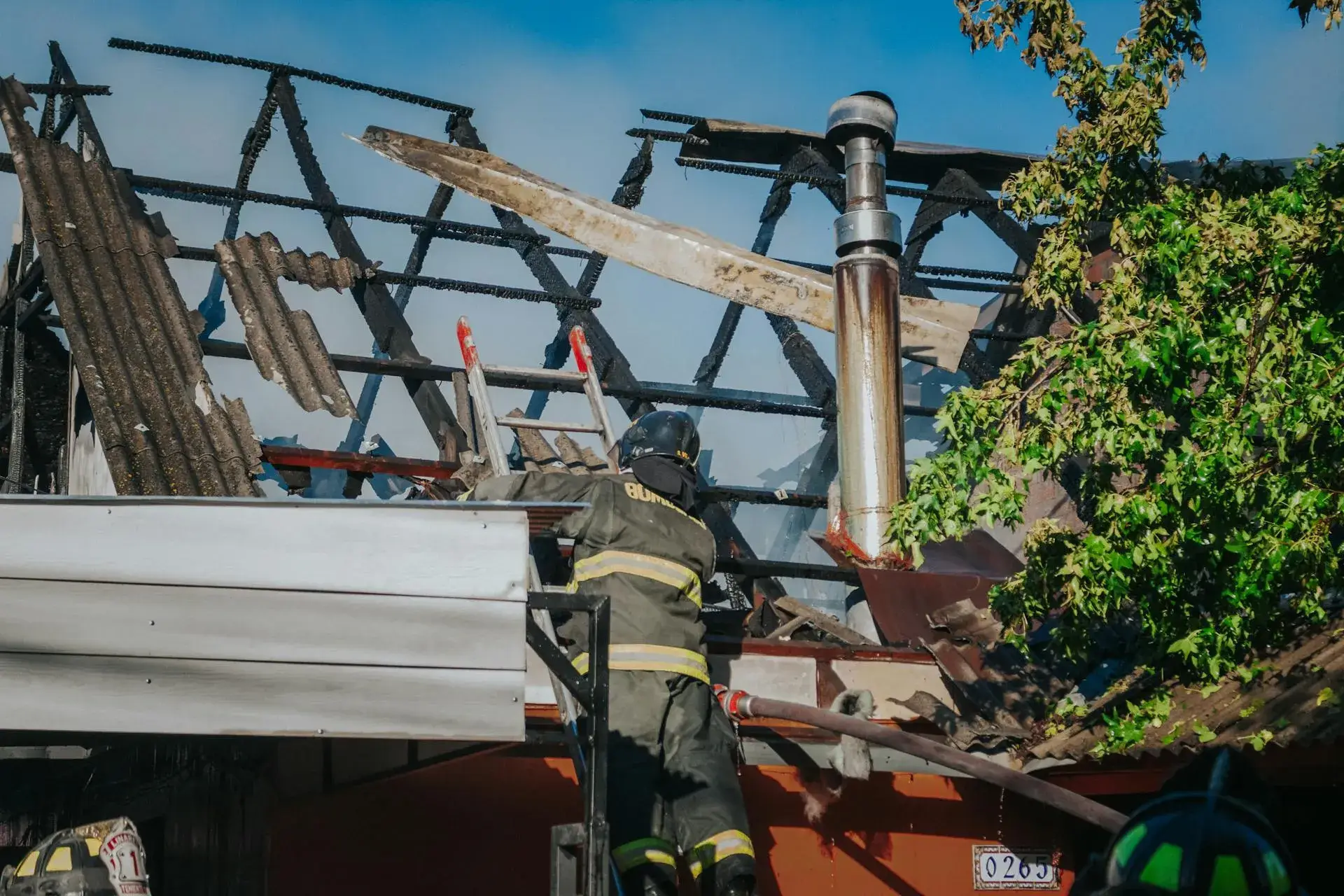
Fire Damage Restoration
Structural damage, soot contamination, smoke residue, water from suppression. When fire devastates your property, our certified restoration teams respond immediately to stabilize, clean, and rebuild.
What Fire Damage Does to Your Property
Fire damage restoration is one of the most complex recovery processes a homeowner will face. A house fire does not cause a single type of damage. It causes four simultaneous types that interact with each other, and every one of them requires a different restoration approach. The visible charring and destruction are only the beginning. What makes fire damage so difficult to restore is everything you cannot see: compromised structural framing behind intact-looking walls, acidic soot residue etching into surfaces by the hour, smoke particles embedded deep inside your HVAC system, and water damage from the firefighting effort soaking into every material the flames did not reach.
The Four Types of Fire Damage
Every fire event produces four distinct categories of damage, and professional restoration must address all four to fully recover the property.
- Thermal and structural damage: Direct flame contact and extreme heat char wood framing, warp steel, crack masonry, and destroy finishes. Heat can weaken load-bearing walls, floor joists, and roof trusses even when surfaces appear intact. A structural assessment is required before anyone re-enters the property.
- Smoke and soot contamination: Smoke particles measure just 0.1 to 4 microns and travel far beyond the fire's origin. They coat every surface, penetrate wall cavities, infiltrate HVAC ductwork, and embed into porous materials like carpet, upholstery, and insulation. Acidic soot begins etching glass, metal, and painted surfaces within hours.
- Water damage from suppression: Firefighting efforts introduce thousands of gallons of water into the structure. This water saturates drywall, flooring, and insulation, creating conditions for mold growth within 24 to 48 hours if not extracted and dried promptly.
- Secondary and exposure damage: Ongoing corrosion from acidic soot residue, mold growth from trapped moisture, rust on metal fixtures and appliances, and continued off-gassing of volatile compounds. These secondary effects worsen every day that restoration is delayed.
Why Fire Damage Is More Complex Than It Appears
The structural compromise from a fire is often invisible. Heat travels through framing members and can weaken load-bearing elements several rooms away from the fire's origin. Smoke particles, small enough to pass through drywall, travel through electrical conduits, plumbing chases, and HVAC return vents, distributing contamination throughout the entire building. A fire confined to the kitchen can leave soot residue in every bedroom, closet, and attic space connected by the ductwork. This is why professional fire damage restoration requires thermal imaging, air quality testing, and systematic assessment of every building system, not just the rooms with visible damage.
Soot Types and Why They Matter
The type of soot left behind depends on what burned and how it burned, and using the wrong cleaning method can make the damage permanent. Dry soot from fast-burning, high-temperature fires involving wood and paper is powdery and can often be vacuumed from surfaces. Wet soot from slow-burning fires involving plastics and synthetic materials is sticky, smeary, and far more difficult to remove. Protein residue from kitchen fires is nearly invisible but produces an intense, persistent odor. Each type requires a different cleaning technique, and misidentifying the soot type can drive residue deeper into materials rather than removing it.
Common Causes of Residential Fires
- Cooking fires: the leading cause of residential fires in the United States
- Electrical malfunctions: faulty wiring, overloaded circuits, damaged outlets
- Heating equipment: space heaters, fireplaces, furnace malfunctions
- Candles and open flames left unattended
- Lightning strikes and wildfire exposure
- Dryer lint buildup and appliance failures
The IICRC S700 Standard
Professional fire damage restoration follows the ANSI/IICRC S700 Standard for Professional Fire and Smoke Damage Restoration, published in 2025 as the first national consensus standard for this work. The S700 covers the full restoration process from initial assessment through post-restoration evaluation, including contractor qualifications, fire residue assessment, HVAC decontamination, odor management, and contents restoration. When you contact X Response, our teams follow this standard to ensure your property is restored systematically, thoroughly, and to a documented professional benchmark.
How We Restore Fire-Damaged Properties
From emergency board-up through final reconstruction, here is exactly what happens when you contact X Response.
Emergency Board-Up and Stabilization
The first priority after a fire is securing the property. Our team boards up broken windows and doors, tarps damaged roof sections to prevent weather intrusion, and installs temporary fencing if the structure has significant exterior damage. This prevents further loss from rain, wind, theft, and unauthorized entry. Emergency board-up typically happens within hours of your call and is a critical step for insurance compliance, as most policies require the homeowner to mitigate further damage.
Damage Assessment and Safety Evaluation
Once the property is secured, our specialists conduct a comprehensive assessment of all four damage types: structural integrity, smoke and soot penetration, water damage from suppression, and secondary exposure risks. This includes thermal imaging to identify heat-compromised framing, air quality testing for toxic particulates, and a room-by-room evaluation of every surface, system, and content item. The assessment produces a detailed restoration work plan and the documentation your insurance company needs to process your claim.
Water Removal and Soot/Debris Cleanup
Firefighting efforts introduce thousands of gallons of water into the structure, and that water must be extracted before mold begins growing within 24 to 48 hours. Our team uses truck-mounted extractors and industrial dehumidifiers to remove standing water and dry the structure. Simultaneously, charred debris, damaged materials, and unsalvageable contents are carefully removed. Soot is cleaned from every affected surface using techniques matched to the soot type: dry soot is vacuumed with HEPA-filtered equipment, while wet or oily soot requires chemical sponges and specialized cleaning agents to avoid driving residue deeper into materials.
Smoke and Odor Elimination
Smoke odor is one of the most persistent challenges in fire restoration because smoke particles penetrate wall cavities, HVAC ductwork, insulation, and every porous surface in the building. Our team uses a combination of thermal fogging, which sends heated deodorizing agents along the same pathways smoke originally traveled, hydroxyl generators for occupied-space air treatment, and ozone treatment for unoccupied areas. HVAC systems are fully cleaned and decontaminated. Air scrubbers with HEPA filtration run continuously until air quality testing confirms the environment is safe.
Structural Repair and Reconstruction
Fire damage restoration often requires more extensive reconstruction than other types of restoration. Compromised framing, roof structures, and load-bearing elements are repaired or replaced to meet current building codes. Drywall, flooring, cabinetry, electrical wiring, and plumbing are restored or rebuilt. Your team documents every phase of the reconstruction for your insurance claim, and any code upgrades required by local building authorities are identified and communicated to your adjuster. A final walkthrough with you confirms the property meets our standards and yours before the project closes.
Insurance Guidance for Fire Damage Claims
Fire damage is generally well-covered by standard homeowner's insurance policies, including structural repairs, content replacement, and additional living expenses while your home is uninhabitable. However, fire claims are often the largest and most complex claims a homeowner will file, and complications can delay or reduce your settlement if you are not prepared. Arson investigations can freeze your claim until the fire marshal clears the cause. Building code upgrades required during reconstruction may not be covered unless you carry an ordinance or law endorsement. Content valuation disputes arise when policies pay actual cash value rather than replacement cost. And additional living expenses have limits that can run out before reconstruction is complete.
How X Response helps with your fire damage claim
- Comprehensive damage documentation covering structural, smoke, soot, and water damage with photo evidence and detailed scope of work
- Coverage alignment review so you understand how your policy applies to structural repairs, content loss, and additional living expenses
- Code upgrade identification so required building code changes are documented and communicated to your adjuster
- Claims process guidance from initial filing through final settlement
X Response provides guidance and documentation support. We do not act as public adjusters, make coverage determinations, or guarantee claim outcomes.
Frequently Asked Questions About Fire Damage Restoration
Other Emergency Restoration Services
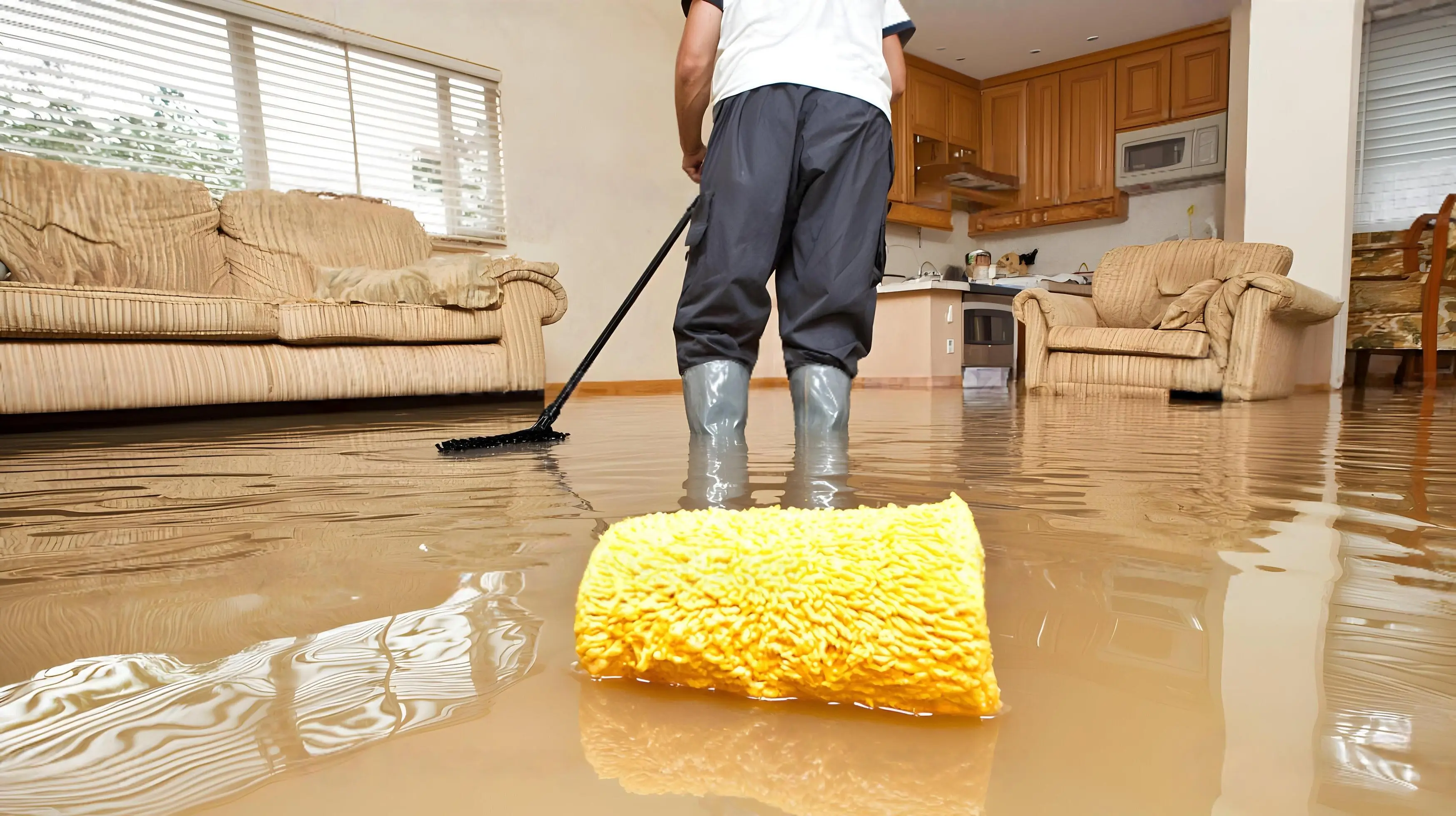
Water Damage Restoration
Flooding, burst pipes, storm surges. We extract the water, dry the structure, and restore your property.
Learn more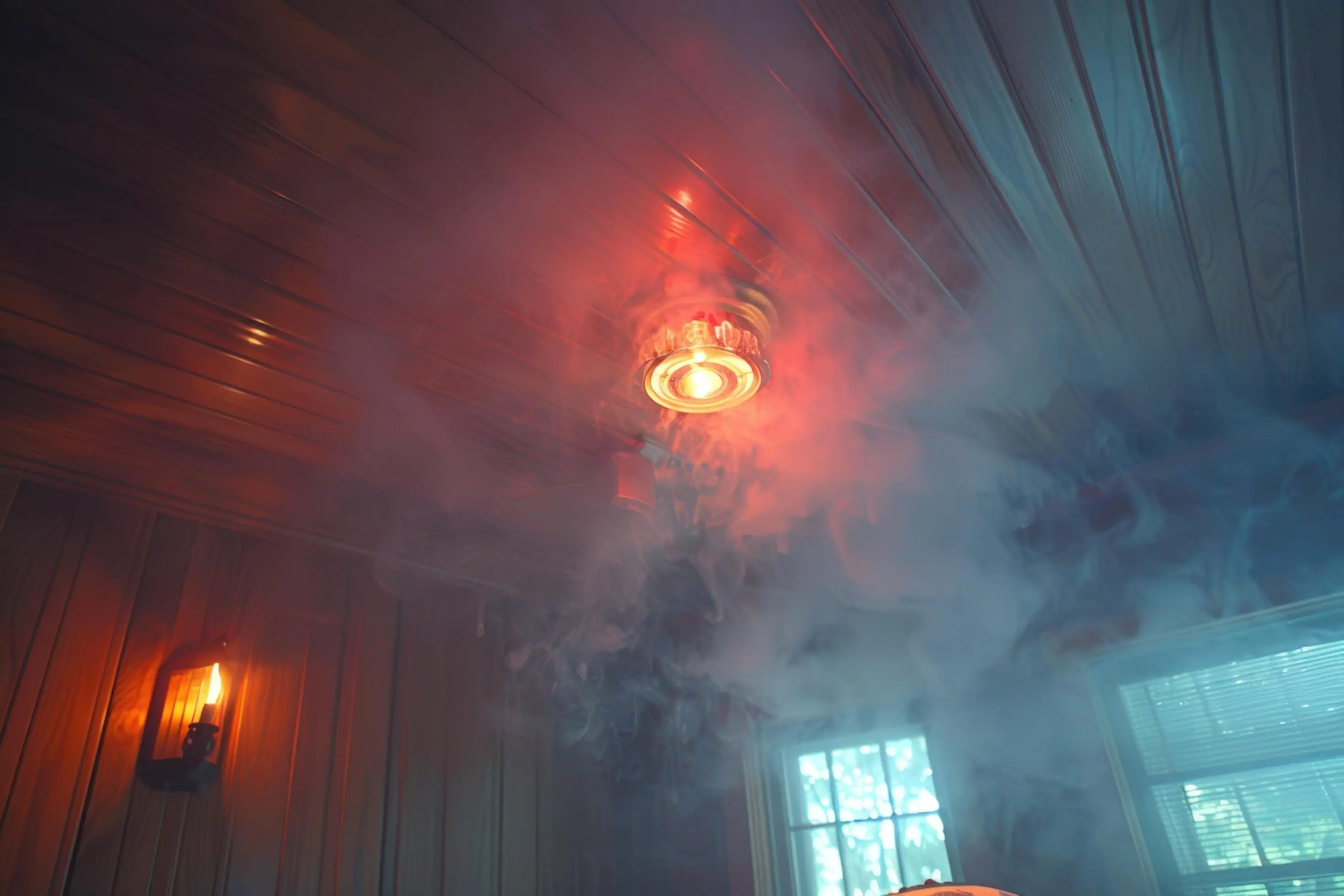
Smoke Damage Restoration
Wildfire impingement, protein residue, chemical odor. Specialized deodorization and surface treatment.
Learn more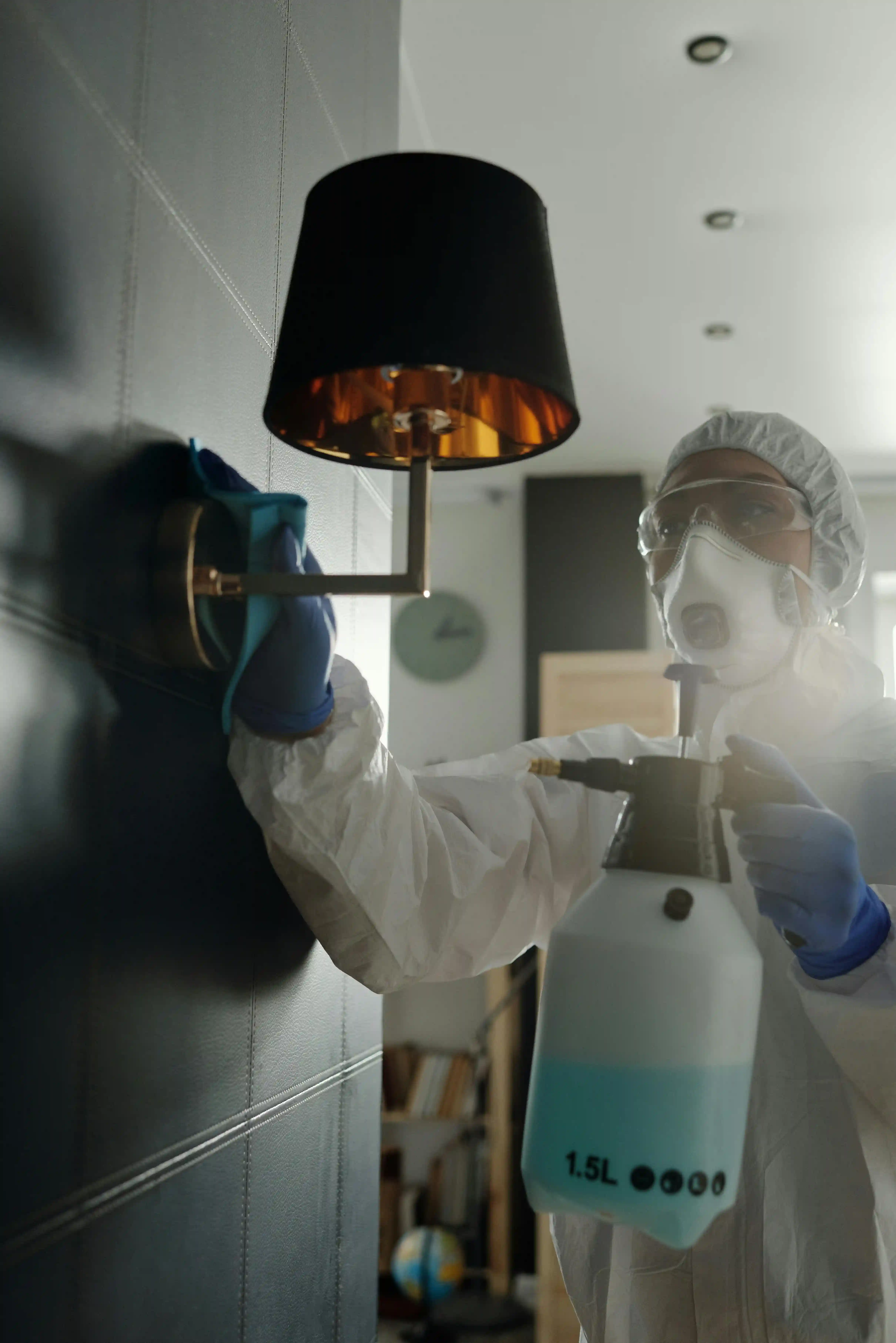
Mold Remediation
Testing, containment, removal. We find the source, eliminate the growth, and prevent it from returning.
Learn more
Sewage Cleanup
Biohazard situations handled safely with full sanitation, disinfection, and structural restoration.
Learn more