
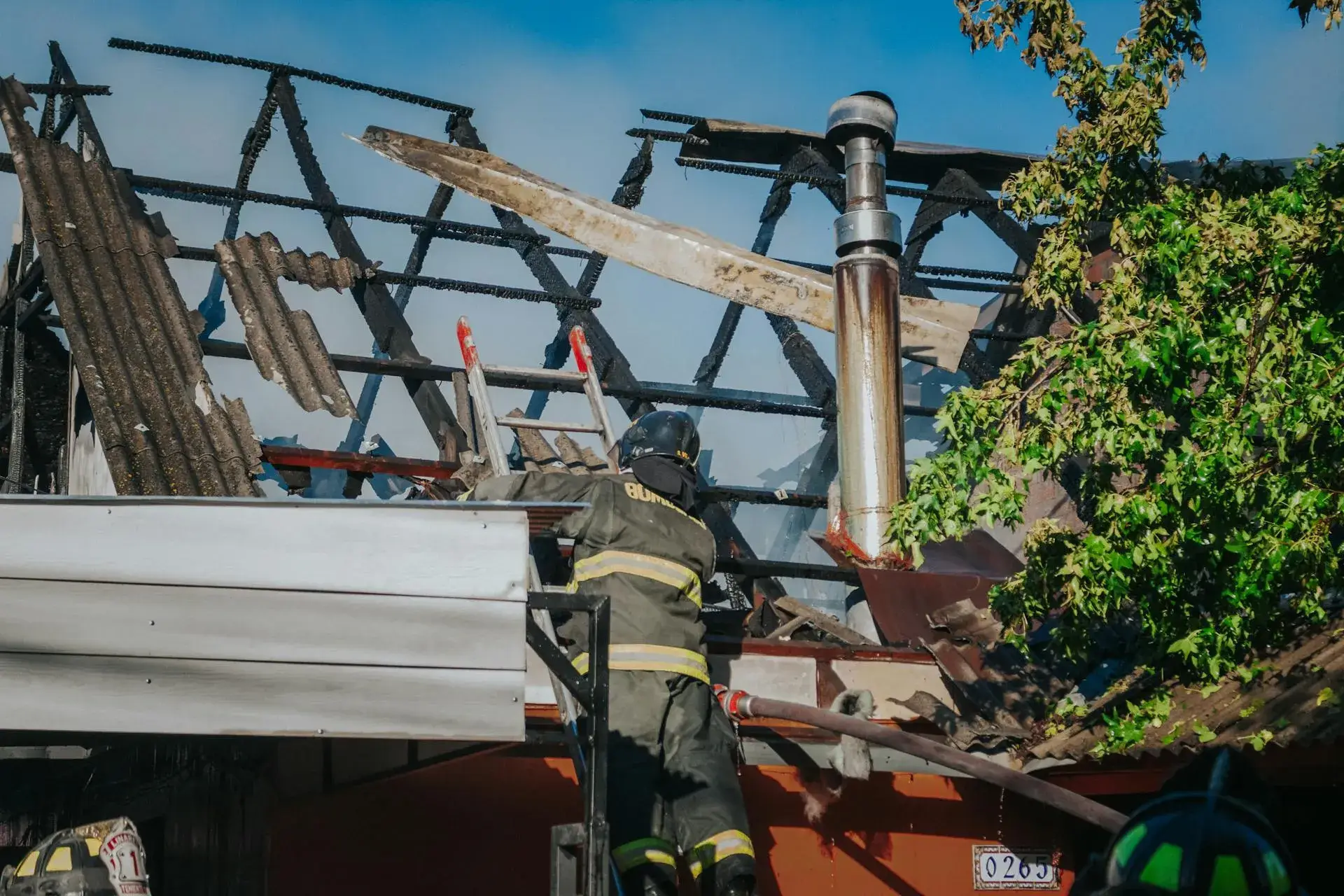
Fire Damage Restoration in Lovejoy, GA
Acidic soot and extinguishing water cause rapid secondary damage to framing and finishes. Our Lovejoy emergency fire team arrives on site within 60 minutes.
What Happens When You Call
Our 24/7 emergency dispatcher receives your call, coordinates immediate board-up and tarping requirements, and dispatches our Clayton County fire response unit.
Certified restoration technicians arrive on site within 60 minutes to secure broken windows, cover roof breaches, and assess structural safety.
We immediately extract residual firefighting water and deploy commercial air movers and dehumidifiers to halt secondary water and mold damage.
Our team neutralizes acidic soot residues across all affected surfaces and creates a detailed structural scope for your insurance adjuster.
A structure fire in your Lovejoy home or commercial property is a devastating crisis that requires immediate, certified stabilization. Whether resulting from an electrical fault in a single-family residence off McDonough Road, a kitchen grease flare-up near Tara Boulevard (U.S. 19/41), or an accidental blaze in a commercial building, the damage continues escalating long after Clayton County Fire and Emergency Services extinguishes the flames. Acidic soot residues quickly pit metal fixtures, yellow synthetic surfaces, and etch glass, while thousands of gallons of firefighting water soak into wooden subflooring and framing. X Response provides comprehensive fire damage restoration throughout Lovejoy and surrounding South Metro communities. Our crews secure the structure, extract water, remove toxic soot, and manage complete rebuilding. Call now for 24/7 emergency fire response in Lovejoy.
Why Lovejoy Homes Are Vulnerable to Fire Damage
Lovejoy is an active suburban city of 10,122 residents situated in southern Clayton County along Tara Boulevard, positioned 24 miles south of Atlanta near the Henry County border. The local building stock comprises a diverse mix of contemporary suburban subdivisions, traditional brick-veneer single-story ranches, split-level family homes built throughout the late 20th century, and retail commercial facilities along U.S. 19/41 and Hastings Bridge Road. Many homes feature lightweight wood truss roof construction, unconditioned crawl spaces, and central HVAC systems that quickly pull combustion byproducts through return vents during a fire event. Clayton County Fire and Emergency Services provides rapid suppression across the area, but the heavy water volumes used during firefighting inevitably create severe secondary saturation.
The leading factor contributing to ignition in nonconfined home cooking fires was unattended equipment (37%). In suburban residential communities like Lovejoy, kitchen grease fires, unattended cooking appliances, and electrical distribution overloads represent primary ignition sources. Following extinguishment, the combination of high combustion temperatures, lingering acidic smoke residues, and gallons of suppression water creates an aggressive environment for building materials. Soot particles combine with North Georgia's high ambient humidity to produce caustic acids that rapidly corrode plumbing fixtures, ruin appliances, and deeply penetrate porous drywall and framing timbers. Immediate professional restoration is essential to arrest chemical etching and restore structural safety.
Suburban Wood Truss and Frame Construction
Lovejoy's residential neighborhoods contain numerous wood-frame homes with open attic spaces where flames and soot spread rapidly through roof truss networks.
Corrosive Acidic Soot in High Humidity
When combustion residues interact with Clayton County's humid subtropical climate, they form corrosive acidic films that rapidly etch glass, dislodge paint, and permanently pit chrome and brass fixtures.
Massive Firefighting Water Saturation
Fire suppression operations saturate drywall, insulation, subflooring, and crawl spaces with hundreds of gallons of water. Without immediate extraction, secondary mold colonization begins within 24 to 48 hours.
Central HVAC Smoke Contamination
Central heating and air conditioning systems draw dense soot particles into ductwork, spreading toxic smoke residues and chemical odors into unaffected bedrooms and living spaces.
Thermal Weakening of Load-Bearing Framing
Extreme thermal energy weakens structural framing, charred roof rafters, and floor joists. Comprehensive engineering evaluation and shoring are required before interior remediation can proceed safely.
Restoring fire damage in Lovejoy demands immediate structural containment, chemical soot neutralization, and aggressive moisture extraction. Our certified team brings the specialized equipment and Clayton County building knowledge required to rebuild your property safely. X Response is here to guide you every step of the way.
What Happens to Your Home While You Wait
Within Minutes
Acidic soot and smoke residues settle on all exposed surfaces. Highly porous plastics, fiberglass, and synthetic fabrics begin discoloring permanently from chemical deposition.
1-24 Hours
Caustic soot particles yellow painted drywall and woodwork. Unprotected metal fixtures and appliances begin tarnishing and pitting. Firefighting water pools in crawl spaces and subfloors.
24-48 Hours
Acidic residues deeply etch glass, porcelain, and ceramic tile grout. Corrosive soot causes irreversible damage to electrical wiring and metallic finishes. Mold begins germinating in wet drywall.
48-72 Hours
Synthetic finishes blister and peel away from walls and trim. Wood framing and subflooring absorb lingering moisture and soot odors, driving repair costs significantly higher.
One Week and Beyond
Severe corrosive decay. Unremediated building components suffer permanent structural and chemical degradation, requiring complete demolition rather than restoration.
Early fire remediation within the first 24 hours stops corrosive soot damage and saves valuable structural elements. Contact X Response immediately for 24/7 fire restoration in Lovejoy.
How We Restore Fire-Damaged Lovejoy Homes
Our fire damage restoration protocol follows rigorous IICRC S540 standards, integrating emergency stabilization, specialized chemical cleaning, structural drying, and full reconstruction.
Emergency Board-Up, Roof Tarping, and Stabilization
We secure your Lovejoy property immediately by boarding up compromised windows, covering roof penetrations with heavy-duty tarps, and installing temporary structural shoring to prevent unauthorized access and weather intrusion.
Suppression Water Extraction and Rapid Drying
Technicians deploy high-volume extractors to remove thousands of gallons of firefighting water from living spaces, subfloors, and crawl spaces, installing commercial LGR dehumidifiers to stop secondary moisture and mold.
Soot Removal and Chemical Residue Neutralization
We classify soot types (wet, dry, protein, or fuel oil) and apply specialized chemical sponges, alkaline degreasers, and HEPA vacuum systems to remove toxic soot from walls, ceilings, and structural components.
Thermal Odor Neutralization and Encapsulation
To eliminate deep-seated smoke odors, we deploy hydroxyl generators and thermal foggers that chemically neutralize odor molecules in framing timber, followed by applying specialized shellac sealers to charred surfaces.
Full Structural Reconstruction and Insurance Finalization
Our licensed reconstruction team handles all rebuilding phases, from framing replacement and electrical rough-in to drywall, painting, and trim finishing, providing comprehensive documentation for your insurance adjuster.
The X Response Difference
When fire damages your Lovejoy property, partner with the certified restoration experts dedicated to your complete recovery. Call X Response today.
Insurance Claim Guidance for Lovejoy Homeowners
Filing a fire damage insurance claim in Georgia is a complex process that requires precise documentation of structural damage, soot contamination, and personal property losses. Georgia homeowners and commercial policies typically provide coverage for sudden structural fires, smoke damage, and the collateral water damage caused by firefighting efforts. However, insurers require detailed, line-item estimates and photo evidence to substantiate the full scope of remediation and rebuilding. X Response works directly alongside your insurance adjuster, submitting detailed thermal imaging logs, soot mapping reports, and itemized restoration scopes to streamline claim approval.
How X Response Helps
- Conduct immediate forensic documentation of fire origin, thermal patterns, and structural damage
- Generate comprehensive itemized repair estimates using standard insurance pricing software
- Differentiate and document both direct fire charring and widespread corrosive soot damage
- Coordinate on-site structural inspections with your insurance adjuster and structural engineers
- Provide detailed personal property and contents inventory logs to maximize policy recoveries
X Response does not act as a licensed public insurance adjuster. We provide certified structural restoration services and objective damage documentation to support you and your insurer.
Certified Restoration Specialists Serving Lovejoy
Our Lovejoy fire restoration team consists of IICRC-certified fire and smoke remediation professionals, licensed general contractors, and structural drying specialists. Serving residential and commercial clients across Clayton County, including neighborhoods near Tara Boulevard, McDonough Road, and Hastings Bridge Road, our technicians bring decades of hands-on experience in fire stabilization and structural repair.
Equipped with state-of-the-art thermal foggers, hydroxyl generators, heavy-duty air scrubbers, and industrial extractors, our crews treat every property with the highest standard of care and technical precision. We are committed to restoring safety, comfort, and peace of mind to Lovejoy families following a fire disaster.
In Lovejoy, X Response works with Boss Contracting, an independent local restoration partner serving Clayton County.
Fire Damage Restoration FAQ for Lovejoy Homeowners
Other Emergency Services in Lovejoy
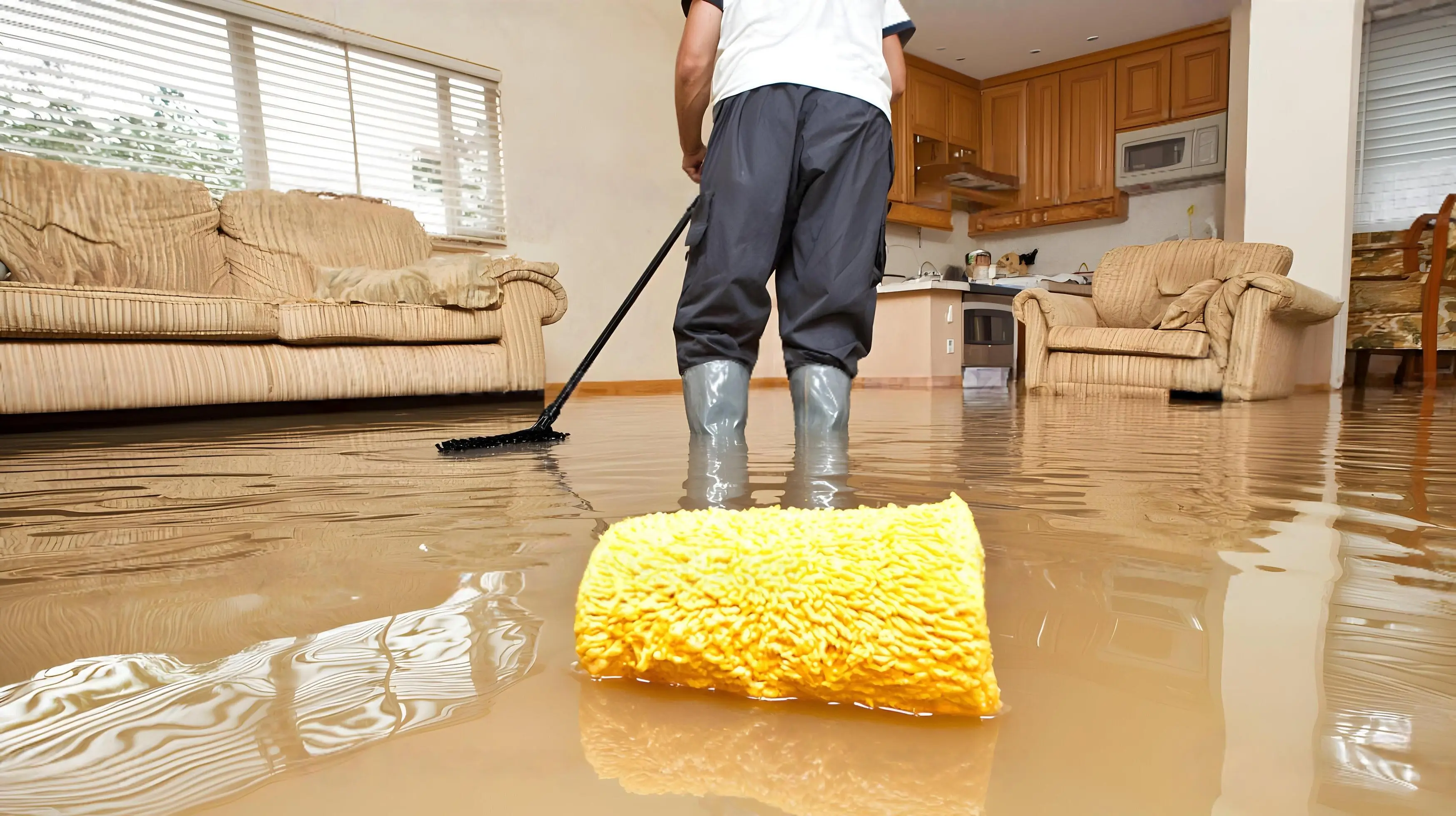
Water Damage Restoration
Burst pipes, storm flooding, standing water. We extract, dry, and restore before mold sets in.
Learn more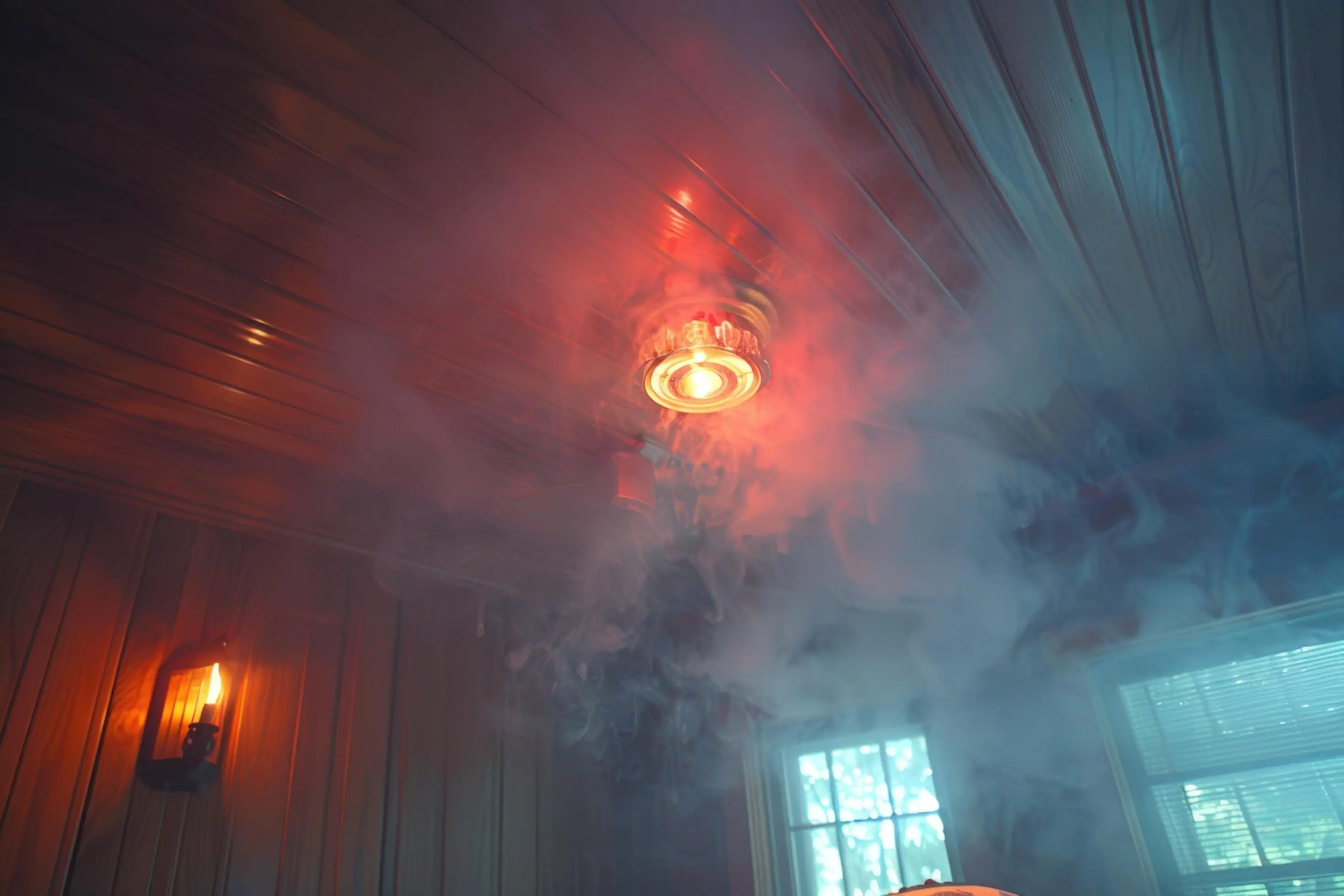
Smoke Damage Restoration
Soot residue, chemical odors, HVAC contamination. We decontaminate surfaces, eliminate odors, and restore air quality.
Learn more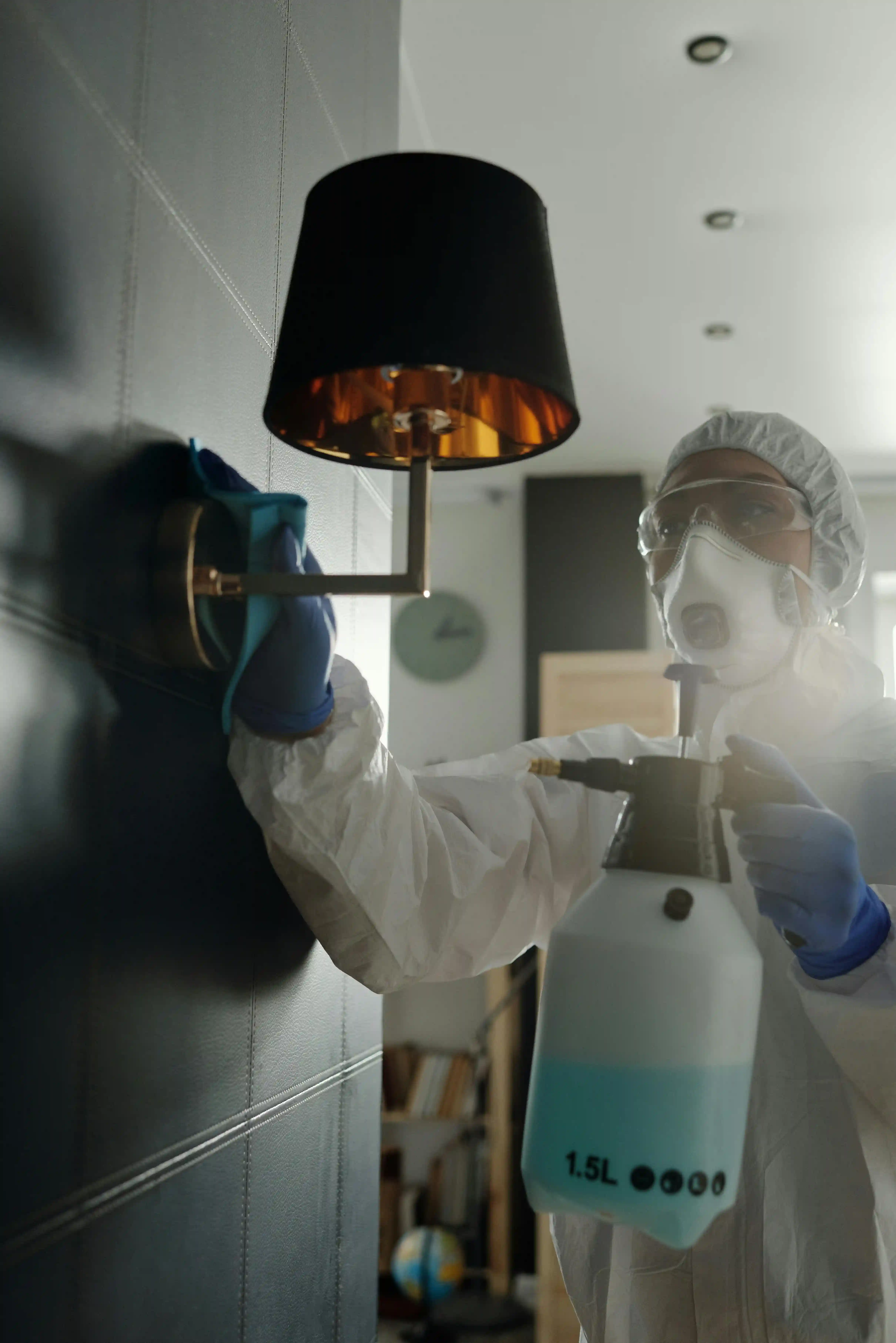
Mold Remediation
Testing, containment, removal, prevention. We find the source, eliminate the growth, and stop it from returning.
Learn more
Sewage Cleanup
Sewer backups, contaminated water, biohazard. We extract, sanitize, and restore safely.
Learn more