
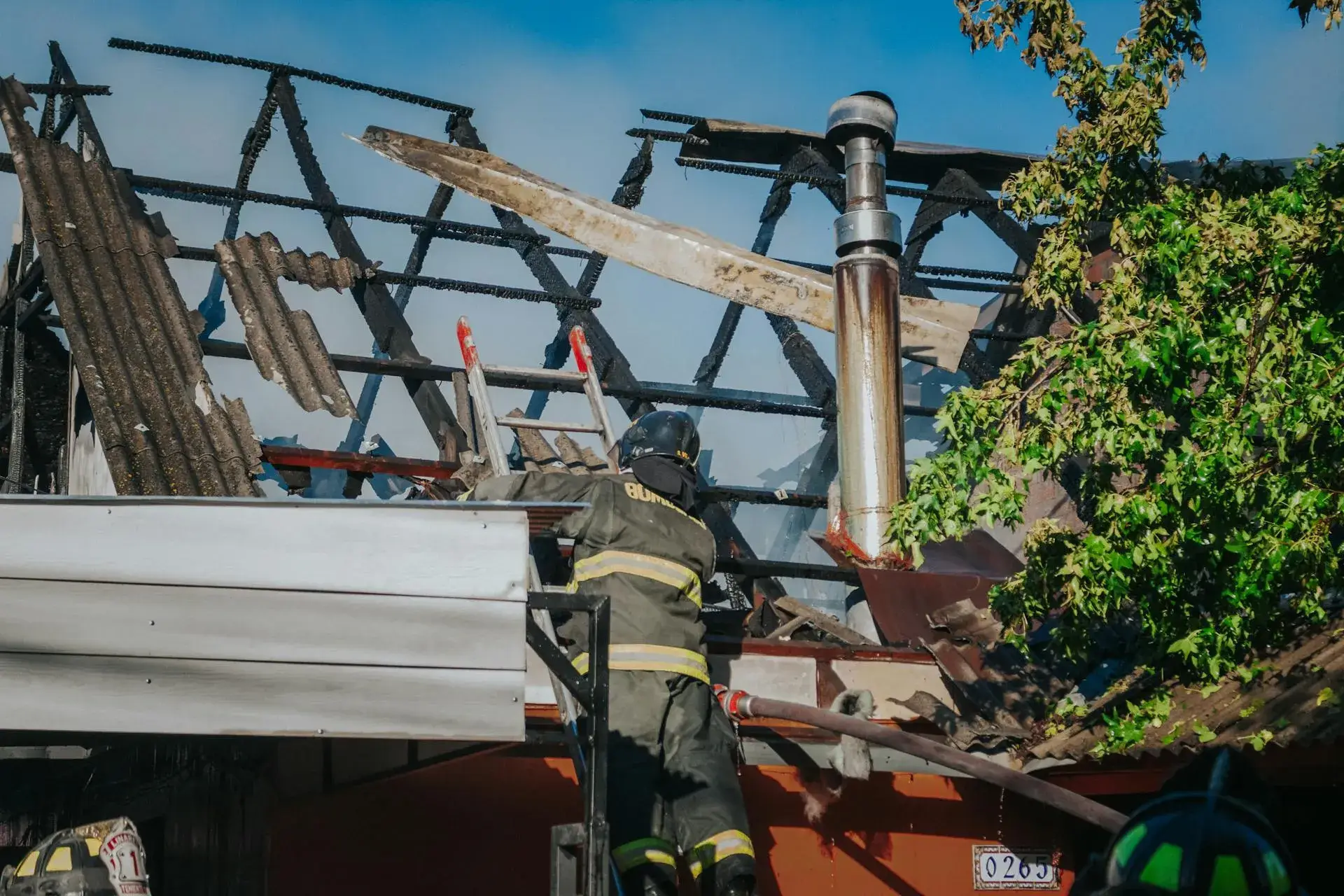
Fire Damage Restoration in Shawnee, KS
Fire damage worsens every hour as soot corrodes surfaces and smoke penetrates deeper into materials. Our local team responds to Shawnee emergencies immediately.
What Happens When You Call
A real person answers, not a call center. We assess your situation, coordinate with fire department clearance if needed, and begin mobilizing your restoration team.
Your dedicated restoration team is dispatched from our local base serving Shawnee and the surrounding Johnson County communities.
Team arrives with board-up materials, industrial air scrubbers, and professional cleaning equipment. Emergency stabilization begins immediately.
Structure secured, initial soot and debris addressed, restoration plan documented with photos and scope of work. You know exactly what comes next.
Your home just experienced a fire. The flames may be out, but the damage is still progressing. Soot is acidic and begins corroding metal, etching glass, and staining surfaces within hours. Smoke residue is migrating deeper into walls, insulation, and ductwork. You need a team that can stabilize the structure, stop the ongoing damage, and begin professional restoration immediately. Call now. Your team is standing by.
Why Shawnee Homes Are Vulnerable to Fire Damage
Shawnee is a city of approximately 69,724 residents in Johnson County, Kansas, covering suburban development along the northwestern edge of the county. The city's housing stock spans multiple decades: established neighborhoods from the 1960s and 1970s along the central corridors, substantial development from the 1980s and 1990s in the residential interior, and newer construction in the western and southwestern portions of the city. This range creates a diverse fire risk profile. Older homes pair aging electrical systems, original wiring configurations, and gas furnaces with construction materials and layouts that predate modern fire codes. Mid-era homes carry furnaces and electrical panels approaching or exceeding their design lifespan. Newer developments face risks from tighter building envelopes that trap heat and smoke more efficiently when a fire does occur.
The Shawnee Fire Department marked its 100th year of service in 2024, with the opening of the expanded Fire Station 73 in April and major renovations to headquarters Fire Station 71 expected to be completed by September. The department operates four stations staffed by professional career firefighters, all of whom hold EMT certification. That century of institutional knowledge reflects the reality of fire service demand in a growing city: Shawnee's fire department has expanded from a volunteer operation in 1924 to a fully professional career service covering a population that has grown from a small town to the seventh-largest city in Kansas. USFA data for Kansas shows residential structure fire casualties running significantly above the national average in 2023, at 7.3 deaths and 30.1 injuries per 1,000 residential fires compared to the nationwide rate of 5.8 deaths and 19.7 injuries, underscoring the severity of residential fires across the state.
Aging Electrical Systems in Established Neighborhoods
Shawnee's established residential neighborhoods, particularly those built during the 1960s and 1970s along the central corridors, contain housing with electrical systems that have served for 50 to 60 years. These homes often retain original electrical panels, wiring configurations that homeowners supplement with extension cords and power strips to meet modern power demands, and outlet spacing that does not accommodate today's device load. Electrical malfunction is consistently among the top causes of residential fires nationwide, and older wiring that has degraded over decades of service is particularly vulnerable to failure. When these systems fail, fire often starts behind walls where wiring passes through framing, meaning the fire can develop significantly before visible signs appear in the living space. Restoration in these homes is complicated by the age of materials and construction techniques that predate fire-stop requirements between floors and rooms.
Winter Heating Fires and Space Heater Risk
Shawnee's humid continental climate brings winter temperatures that regularly drop below freezing for sustained periods, with January average lows near 22 degrees Fahrenheit and cold snaps pushing well below zero. During these events, heating systems run continuously, and homeowners supplement with portable space heaters, fireplaces, and wood-burning stoves. NFPA data consistently identifies heating equipment as the second-leading cause of home fires nationwide, and the risk peaks from December through February when usage is highest. In Shawnee, fires have resulted from space heaters placed too close to combustible materials, unattended fireplaces, and furnace malfunctions in aging systems that have not been serviced regularly. The city's older homes along the central corridors are especially vulnerable because their original heating infrastructure has decades of wear and their layouts often place combustibles closer to heat sources than modern codes allow.
Four-Station Professional Response and Community Growth
The Shawnee Fire Department's four stations and professional career staff provide coverage across the city's geographic footprint, but fire damage restoration begins where fire department operations end. Every firefighter in Shawnee holds EMT certification, reflecting the department's dual role in medical and fire response. When Shawnee firefighters extinguish a residential structure fire, they apply water that floods the structure's lowest levels, creating a secondary water damage event layered on top of the fire damage. In Shawnee homes with finished basements, firefighting water flows to the basement and pools there, saturating carpet, drywall, and stored contents. The fire is out, but the restoration clock is running: soot is corroding surfaces, smoke is bonding to materials, and water is wicking into structural framing. Professional restoration must begin the same day to prevent these secondary damage mechanisms from expanding the scope far beyond what the fire itself damaged.
Cooking Fires and Kitchen Damage Patterns
Cooking remains the leading cause of home fires nationally according to USFA data, and Shawnee is no exception. Kitchen fires in Johnson County homes typically start on a cooktop or range, spread to cabinetry or a range hood, and can involve the upper wall and ceiling before the homeowner can respond. In open-concept homes common in Shawnee's newer construction, a kitchen fire that reaches the ceiling spreads smoke and heat across the entire main floor because there are no barriers to contain it. Grease fires are particularly destructive because water applied to burning grease causes violent splattering that spreads the fire rather than containing it. Restoration after a kitchen fire involves not just the kitchen itself but tracing smoke and heat damage through connected living spaces, into ductwork, and often into upper-floor rooms where heat rises through framing and floor cavities.
Kansas Residential Fire Casualties Above National Average
USFA data for Kansas shows residential structure fire casualties running significantly above the national average. In 2023, Kansas recorded 7.3 deaths and 30.1 injuries per 1,000 residential structure fires, compared to the nationwide rate of 5.8 deaths and 19.7 injuries per 1,000 fires. Shawnee is not insulated from these statistics. The elevated casualty rate reflects the severity of fires that occur in Kansas residential structures and the corresponding complexity of proper restoration. When a fire is severe enough to injure or kill occupants, the structural damage, smoke penetration, and water damage from firefighting efforts are all proportionally more extensive. Restoration after a severe residential fire in Shawnee requires comprehensive demolition of fire-damaged sections, deep smoke and odor treatment throughout the building envelope, water damage mitigation in the basement from firefighting runoff, and structural reconstruction that meets current building codes.
Fire damage in Shawnee reflects the city's diverse housing stock and its century of fire service history. The oldest neighborhoods face electrical and heating risks compounded by aged materials. The Shawnee Fire Department's four professional stations ensure rapid suppression, but every gallon of firefighting water creates secondary damage in the finished basements below. Cooking fires affect homes of every age. Kansas fire casualty rates above the national average underscore the severity of fires that occur here. In every case, the visible flame damage is only the beginning of the problem. Soot, smoke, and water from firefighting efforts continue causing damage after the fire is extinguished, and professional restoration must address all three to return the home to pre-loss condition.
What Happens to Your Home While You Wait
Within 1 Hour
Soot begins settling on every surface throughout the home, including rooms the fire never directly touched. Acidic soot residue starts corroding metal fixtures, hardware, and appliance surfaces on contact. Smoke particles embed into textiles, upholstery, and porous surfaces. If firefighting water was used, that water is now pooling in the lowest areas and wicking into flooring and drywall, creating a secondary water damage event layered on top of the fire damage.
1–24 Hours
Soot etches glass, tarnishes chrome and brass, and permanently stains light-colored stone and grout if not cleaned. Smoke odor bonds chemically to painted surfaces, drywall, and wood trim. In Shawnee's humid climate, moisture in the air accelerates the chemical reactions between soot residue and the surfaces it contacts. Plastics throughout the home begin yellowing from smoke exposure. Electronics exposed to soot begin corroding at circuit board connections.
24–48 Hours
Smoke residue that has migrated into wall cavities, attic insulation, and HVAC ductwork becomes significantly harder to remove as it bonds to cooler surfaces. Firefighting water that remains standing initiates mold colonization in Johnson County's warm, humid conditions. Wood structural members that were charred but not destroyed begin absorbing moisture from the air and from firefighting water, swelling at connection points and stressing fasteners.
48–72 Hours
Permanent staining sets in on surfaces that have not been professionally cleaned. Mold growth begins in water-damaged areas behind walls and beneath flooring. Smoke odor permeates deeper into the building envelope, reaching insulation, subfloor sheathing, and concrete surfaces that are extremely difficult to deodorize once contaminated. The scope of restoration expands significantly as more materials cross from salvageable to requiring replacement.
One Week and Beyond
Soot corrosion permanently damages metal components, wiring, and plumbing fixtures. Mold from firefighting water spreads through wall cavities and into HVAC systems. Structural integrity at fire-damaged connection points continues degrading as charred wood absorbs moisture. What might have been a targeted cleaning and repair project becomes extensive demolition and reconstruction. Insurance claims grow more complex as the line between fire damage and secondary neglect damage blurs.
Professional fire damage restoration must begin within hours, not days. The longer soot and smoke residue remain on surfaces, the more permanent the damage becomes. Contact X Response now. Our Shawnee team responds immediately.
How We Restore Fire-Damaged Shawnee Homes
Fire damage restoration is multi-layered. It involves structural stabilization, soot and debris removal, smoke odor elimination, water damage from firefighting, and reconstruction. Here is exactly how our team handles each phase for Shawnee homes.
Emergency Board-Up and Stabilization
Our team arrives to secure the structure immediately after the fire department clears the scene. That means boarding broken windows and fire-damaged openings, tarping compromised roof sections to prevent weather intrusion, and shoring any structural elements that have been weakened by fire. In Shawnee's climate, an unsecured structure after a fire is exposed to rain, humidity, and temperature swings that compound damage rapidly. We also disconnect utilities where needed and secure the property against unauthorized entry. Everything is documented from the moment we arrive for both insurance purposes and to establish the baseline condition before restoration work begins.
Damage Assessment and Scope Documentation
Once the structure is secure, our team conducts a thorough assessment that goes beyond visible fire damage. Using thermal imaging and moisture meters, we trace smoke migration through wall cavities, ductwork, and into adjacent rooms the fire never touched directly. We identify the full extent of water damage from firefighting efforts, which in Shawnee basements can be substantial since water flows to the lowest level and pools there. The resulting scope of work documents every affected area, material, and system with photographs, measurements, and a written plan. This becomes the roadmap for both our restoration team and your insurance adjuster.
Soot, Smoke, and Debris Removal
Charred materials and structural debris are removed first, followed by systematic soot cleaning across all affected surfaces. Different soot types require different approaches: dry soot from fast-burning fires is cleaned with dry chemical sponges before any liquid contact, while oily or protein-based soot from kitchen fires requires solvent-based cleaning. In Shawnee homes with finished basements, soot often migrates downward through floor cavities and ductwork into the lower level, requiring cleaning well beyond the area of visible fire involvement. HEPA air scrubbers run continuously during this phase to capture airborne particles and protect both workers and any salvageable contents.
Smoke Odor Elimination
Smoke odor is the most persistent element of fire damage because it penetrates porous materials at a molecular level. Our team uses thermal fogging, ozone treatment, and hydroxyl generators depending on the severity and the materials involved. In Shawnee homes with forced-air HVAC systems, ductwork is cleaned and sealed or replaced to prevent the system from redistributing odor every time it cycles. Insulation in attic spaces and wall cavities may need to be removed and replaced if smoke saturation is too deep for surface treatment. We verify odor elimination with follow-up inspections rather than relying on immediate post-treatment assessment, because some odors resurface as humidity and temperature fluctuate with Johnson County's seasonal changes.
Reconstruction and Completion
Once cleaning, drying, and deodorization are verified complete, reconstruction begins. That can range from repainting and replacing trim in a minor kitchen fire to full structural rebuilding of fire-damaged sections in a major event. Our team manages the entire process through a single point of contact so you are not coordinating multiple contractors yourself. Final inspection includes air quality verification, moisture readings in any water-damaged areas, and odor testing throughout the home. Completion documentation with before-and-after photos supports your insurance claim and provides a permanent record of all work performed.
The X Response Difference
When you contact X Response after a fire in Shawnee, you get a single dedicated team that manages every phase of restoration, from emergency board-up through final reconstruction. One team, one point of contact, one standard of work from start to finish.
Insurance Claim Guidance for Shawnee Homeowners
Fire damage insurance claims in Kansas are generally more straightforward than water damage claims because standard homeowner's policies cover fire damage regardless of the ignition source. However, the complexity lies in the scope: fire damage claims must account for the fire itself, smoke damage to areas the fire never touched, water damage from firefighting efforts, and loss of use while the home is uninhabitable. Each element has its own documentation requirements, and missing any of them can leave money on the table. In Shawnee, where many homes have finished basements that collect firefighting water, the water damage component alone can add substantially to the total claim if properly documented.
How X Response Helps
- Document all damage from all sources: fire, smoke, water from firefighting, and structural compromise, each photographed and measured separately
- Catalog affected contents with pre-loss values and current condition for the contents portion of your claim
- Track additional living expenses if the home is uninhabitable during restoration, including temporary housing, meals, and transportation
- Provide a detailed scope of work that your adjuster can map directly to policy coverage categories
- Coordinate with your carrier's timeline requirements while prioritizing the mitigation steps that prevent further damage
X Response does not file claims on your behalf, adjust claims, or make coverage determinations. We provide documentation and guidance to help you make informed decisions about your property and your policy. Coverage decisions are made solely by your insurance carrier.
Certified Restoration Specialists Serving Shawnee
When you contact X Response after a fire in Shawnee, your restoration team is drawn from certified professionals who work across Johnson County and understand the specific challenges of restoring homes here. They know how Kansas wind-driven fires behave differently from contained kitchen fires, how the finished basements throughout the city collect firefighting water that creates a secondary damage event below the fire floor, and how the older electrical systems in established neighborhoods contribute to fire patterns that differ from newer construction on the city's western edge. They have managed restoration after heating system failures, kitchen fires in open-concept homes, and electrical fires in aging residential wiring. This is not a crew dispatched from hours away with no local knowledge. It is a local team with local expertise, operating under national quality standards.
Every technician on your team holds current IICRC certification in fire and smoke restoration and carries appropriate licensing for the work being performed. Equipment includes industrial air scrubbers, thermal fogging systems, hydroxyl generators, and professional-grade cleaning agents appropriate for each soot type. When your team arrives, they bring everything needed to begin stabilization and mitigation immediately. Kansas handles contractor licensing at the local level through Johnson County, and our team meets all applicable requirements for both the mitigation and reconstruction phases of fire damage restoration.
In Shawnee, X Response works with Best Option Restoration, an independent local restoration partner serving Johnson County.
Fire Damage Restoration FAQ for Shawnee Homeowners
Other Emergency Services in Shawnee
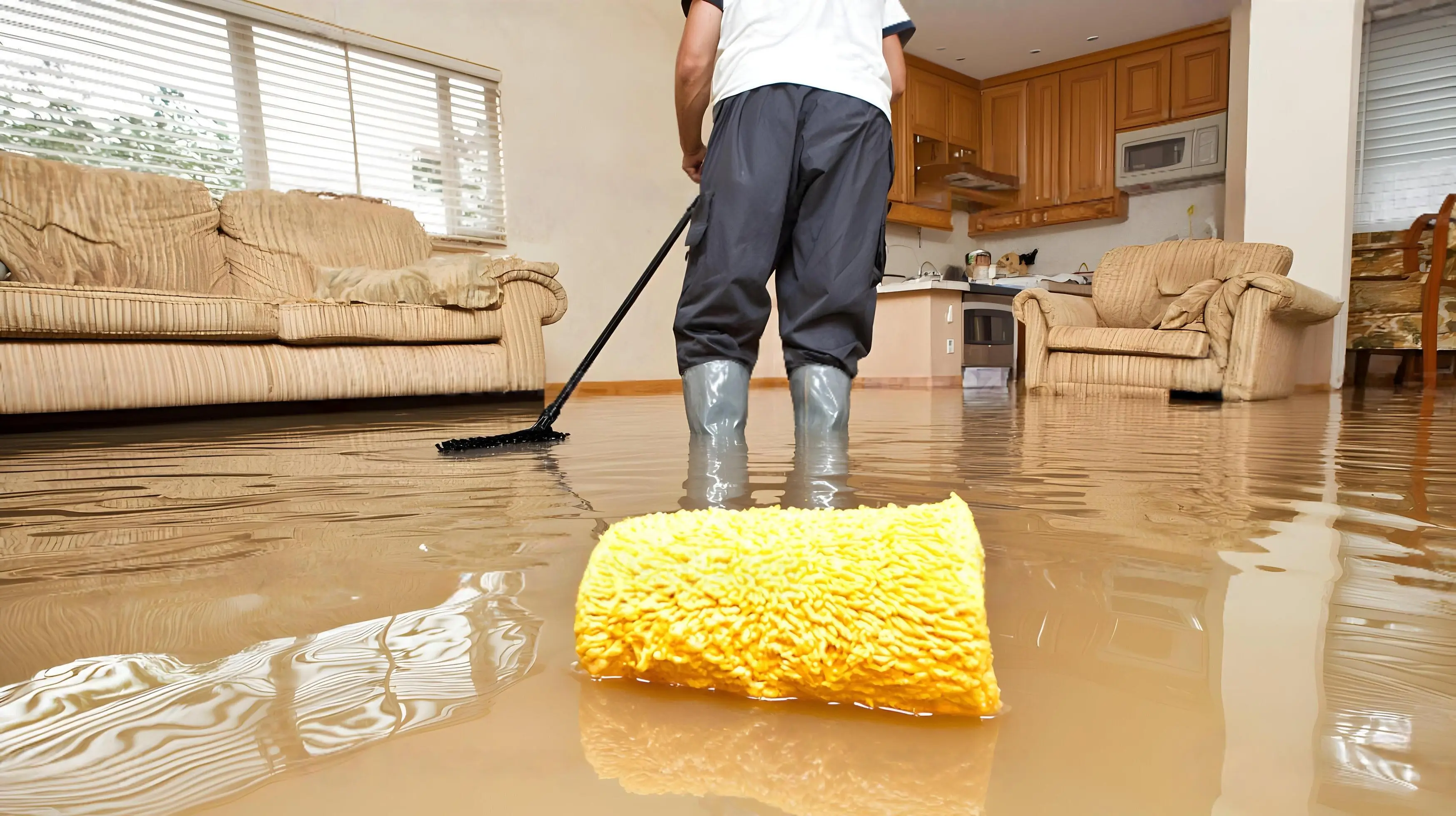
Water Damage Restoration
Burst pipes, storm flooding, standing water. We extract, dry, and restore before mold sets in.
Learn more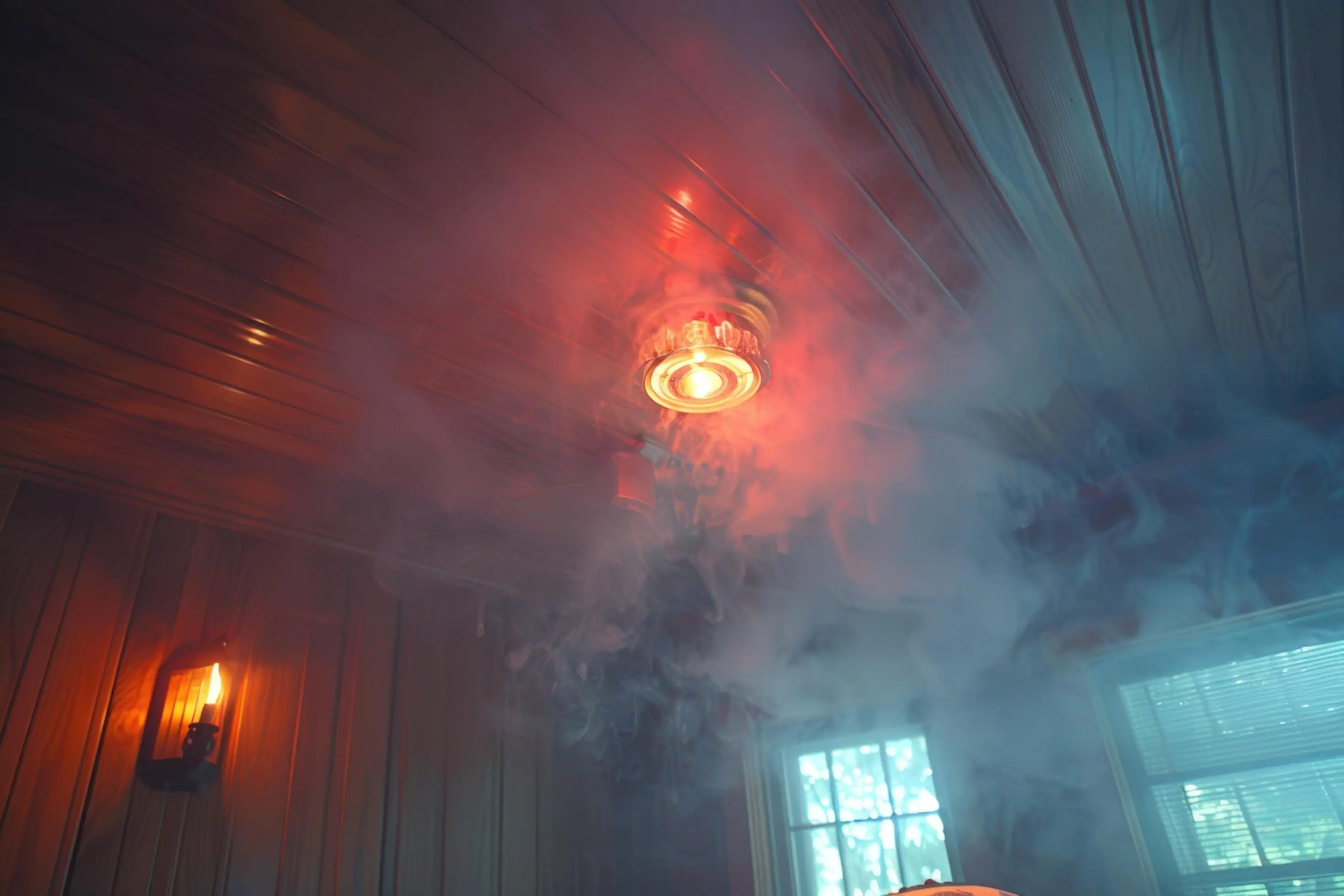
Smoke Damage Restoration
Soot residue, chemical odors, HVAC contamination. We decontaminate surfaces, eliminate odors, and restore air quality.
Learn more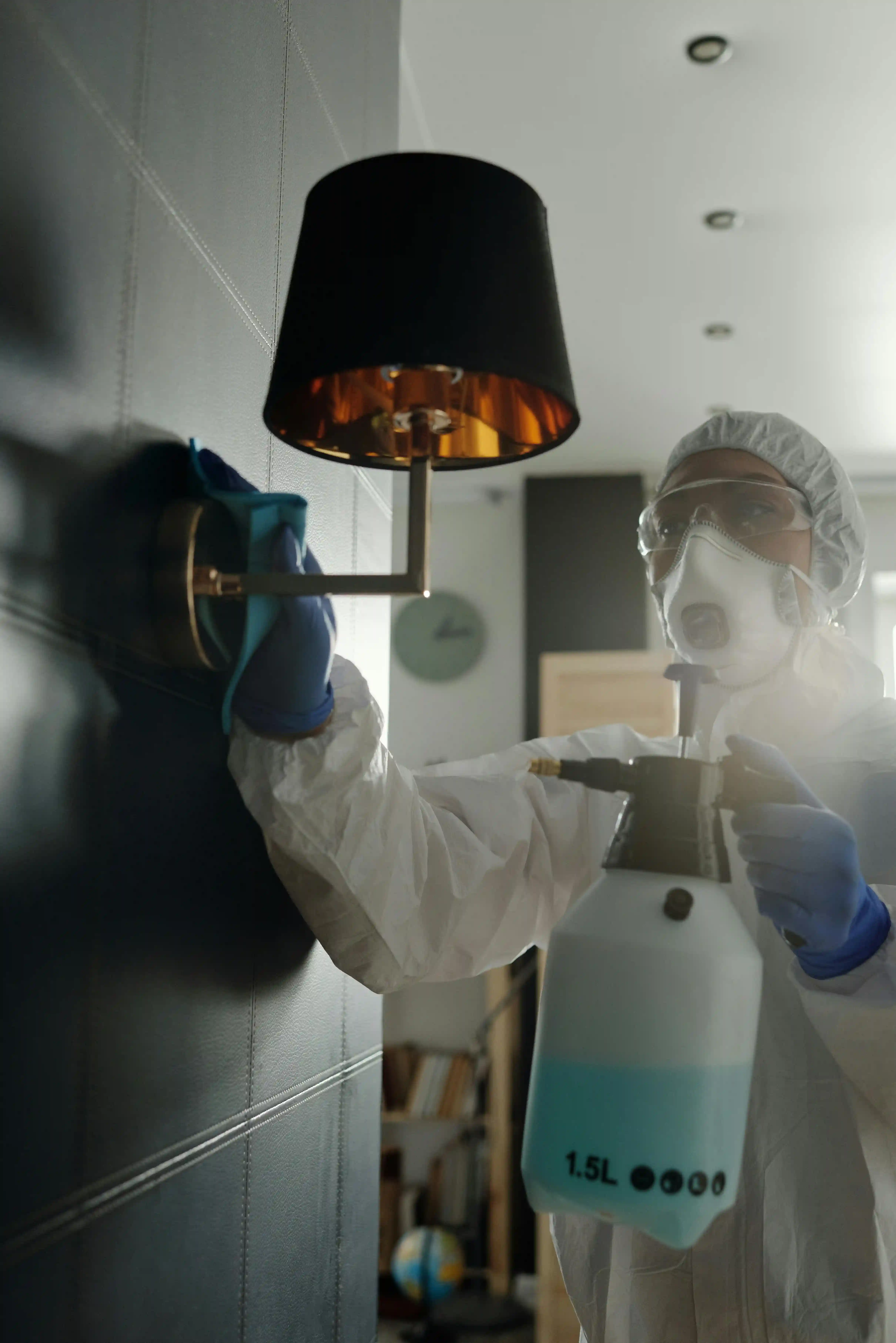
Mold Remediation
Testing, containment, removal, prevention. We find the source, eliminate the growth, and stop it from returning.
Learn moreNearby Service Areas
Also serving nearby: