
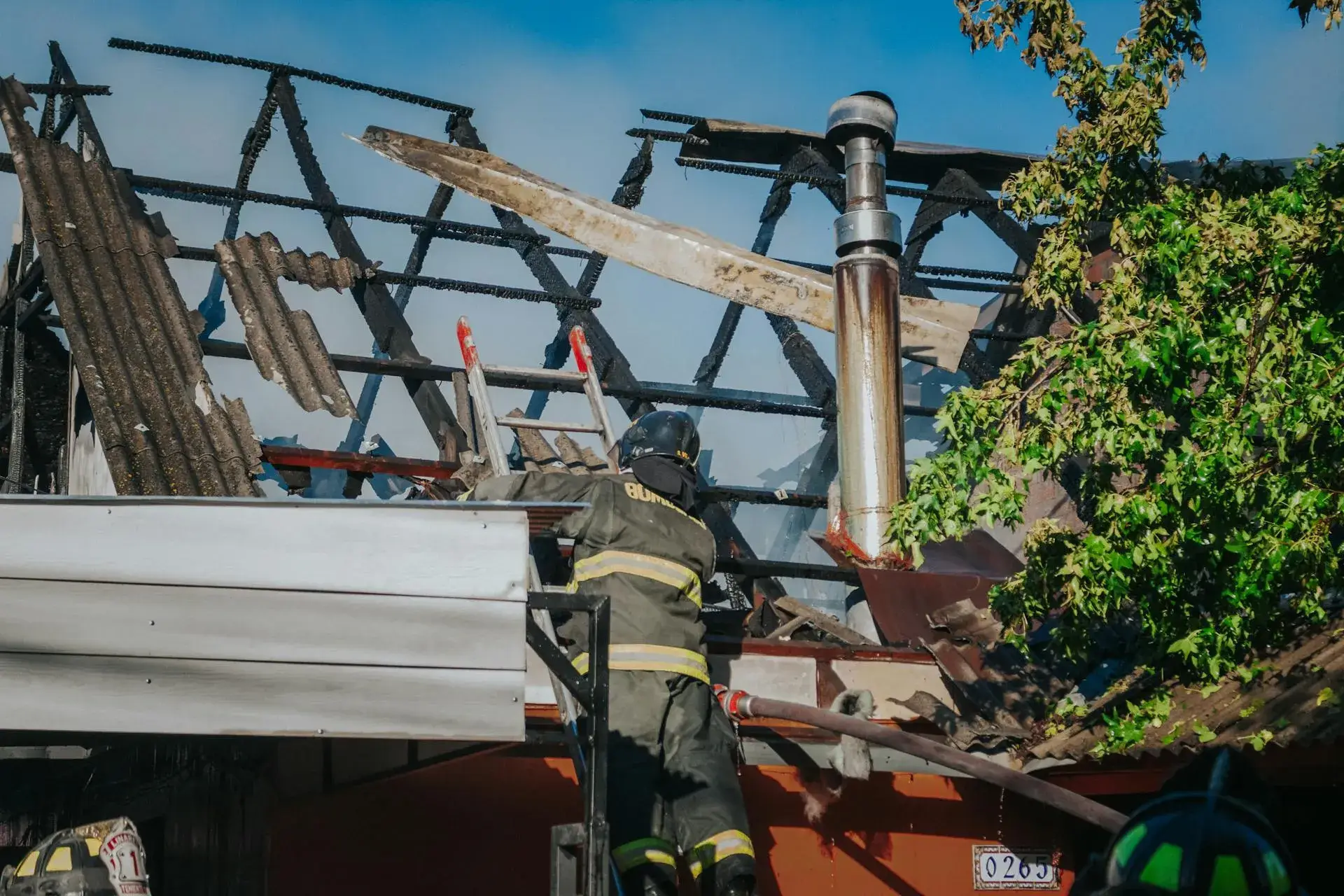
Fire Damage Restoration in Lenexa, KS
Fire damage worsens every hour as soot corrodes surfaces and smoke penetrates deeper into materials. Our local team responds to Lenexa emergencies immediately.
What Happens When You Call
A real person answers, not a call center. We assess your situation, coordinate with fire department clearance if needed, and begin mobilizing your restoration team.
Your dedicated restoration team is dispatched from our local base serving Lenexa and the surrounding Johnson County communities.
Team arrives with board-up materials, industrial air scrubbers, and professional cleaning equipment. Emergency stabilization begins immediately.
Structure secured, initial soot and debris addressed, restoration plan documented with photos and scope of work. You know exactly what comes next.
Your home just experienced a fire. The flames may be out, but the damage is still progressing. Soot is acidic and begins corroding metal, etching glass, and staining surfaces within hours. Smoke residue is migrating deeper into walls, insulation, and ductwork. You need a team that can stabilize the structure, stop the ongoing damage, and begin professional restoration immediately. Call now. Your team is standing by.
Why Lenexa Homes Are Vulnerable to Fire Damage
Lenexa is a city of approximately 59,427 residents in Johnson County, Kansas, positioned between Shawnee to the north and Olathe to the south. The city's housing stock spans from established neighborhoods built in the 1970s and 1980s along the K-10 and I-35 corridors to newer development in the western and southern portions of the city. This range creates varied fire risk: older homes pair aging electrical panels and original wiring configurations with construction techniques that predate modern fire-stop requirements between floors, while newer homes with tight building envelopes and energy-efficient construction trap heat and smoke more efficiently when a fire does occur. The Lenexa Fire Department provides one of the highest levels of fire protection in the United States, but rapid suppression does not eliminate the need for professional restoration of soot, smoke, and firefighting water damage that follows every structure fire.
The Lenexa Fire Department holds an ISO Class 1 rating, placing it among fewer than 488 cities out of more than 50,000 surveyed in the United States to achieve this elite designation for the quality and effectiveness of municipal fire protection. The department also carries accreditation from the Commission on Fire Accreditation International (CFAI), making it one of the few agencies nationally with both distinctions. In 2025, the city advanced a master plan for a new 27,000-square-foot Fire Station 6 Headquarters estimated at $27.7 million, reflecting the city's continued investment in fire response infrastructure. Station 2 houses a Ladder Company, Fire Medic Squad, and an all-terrain utility vehicle designed for medical rescue from trail and park areas not accessible to standard apparatus, acknowledging Lenexa's extensive park and streamway system. USFA data for Kansas shows residential structure fire casualties running above the national average in 2023, at 7.3 deaths and 30.1 injuries per 1,000 residential fires compared to 5.8 and 19.7 nationally.
ISO Class 1 Protection and Its Restoration Implications
Lenexa's ISO Class 1 rating means the city has one of the most effective fire departments in the country in terms of response time, equipment, water supply, and training. For homeowners, this translates to faster suppression and generally less total fire involvement before crews bring the fire under control. However, faster suppression does not mean less restoration need. In fact, an aggressive interior attack on a structure fire involves significant water application that creates a secondary damage event in the home's lowest levels. In Lenexa's basement-equipped housing stock, firefighting water flows to the basement and pools there, saturating finished materials at the lowest point. The fire may be confined to a kitchen or bedroom, but the restoration extends to the basement where water collects, the attic where smoke migrates, and every room connected by the forced-air HVAC system. Professional restoration must address fire damage, smoke damage, and water damage as three overlapping scopes within a single claim.
New Station 6 Headquarters and Expanding Coverage
The city's 2025 master plan for a $27.7 million Fire Station 6 Headquarters reflects Lenexa's continued growth and the need to maintain response times as the city expands westward and southward. New development in these areas means new housing that will eventually face fire risk from the same causes that affect the rest of the city: cooking, heating equipment, electrical faults, and lightning. For restoration purposes, the expanding service area means that newer homes in the western portions of Lenexa will receive the same rapid suppression that the established neighborhoods enjoy, but those newer homes also present unique restoration challenges. Open-concept floor plans allow smoke and heat to spread across entire main floors without partition walls to contain them. Tighter building envelopes designed for energy efficiency trap combustion products inside the structure, meaning smoke contamination is often more concentrated in newer homes than in older construction with more air leakage.
Heating Fires During Kansas Winter Cold
Lenexa's humid continental climate brings winter temperatures that regularly drop below freezing for sustained periods, with cold snaps pushing below zero. During these events, heating systems run continuously, and homeowners supplement with portable space heaters, fireplaces, and wood-burning stoves. NFPA data identifies heating equipment as the second-leading cause of home fires nationally, with risk peaking from December through February. In Lenexa's older neighborhoods along the I-35 corridor, homes from the 1970s and early 1980s often retain aging gas furnace systems and may have space heater use in rooms with inadequate built-in heating. Restoration after a heating fire typically involves not just the room where the fire started but the smoke damage throughout the home, because these fires often smolder or burn slowly before detection, generating dense smoke that saturates the building before flames become visible.
Lightning and Severe Storm Season
The Kansas City metro experiences severe thunderstorms from April through September, and lightning is a documented cause of residential fires throughout Johnson County. Lightning-caused fires typically ignite in attic spaces where strikes hit the roof structure, or in wall cavities where electrical surges overload wiring. These fires can smolder for hours before breaking through into visible flame, meaning the fire has often spread through the roof structure and upper-floor framing before anyone in the home realizes it is burning. Lenexa's extensive park system and the Mill Creek Streamway corridor mean that homes adjacent to open spaces face slightly elevated lightning exposure because strikes often hit the tallest structure in a mixed-height landscape. Restoration after a lightning fire frequently involves roof structure replacement, attic insulation removal, and deep smoke treatment throughout the home's upper levels.
Cooking Fires in Modern Open-Concept Homes
Cooking remains the leading cause of home fires nationally per USFA data. In Lenexa's newer construction, open-concept floor plans that connect kitchen, dining, and living areas without partition walls allow a kitchen fire to spread heat and smoke across the entire main floor within minutes. A cooktop fire that reaches the cabinetry or range hood can involve the ceiling before the homeowner responds, and without walls to contain it, smoke and heat damage extends across hundreds of square feet of open living space. Grease fires are particularly destructive because water applied to burning grease causes violent splattering. Restoration after a kitchen fire in an open-concept home involves the kitchen, all connected living areas, the HVAC system that distributed smoke, and often the upper floor where heat rose through framing and stairwells.
Fire damage in Lenexa benefits from one of the best fire departments in the country, but even ISO Class 1 response cannot prevent the soot, smoke, and water damage that restoration must address. The city's investment in a new $27.7 million headquarters reflects ongoing commitment to rapid response, but for homeowners, the restoration need begins the moment suppression ends. Heating fires, lightning strikes, and cooking fires all leave damage that extends well beyond the area of visible flame involvement. In every case, professional restoration must trace smoke through the entire building envelope, address firefighting water in finished basements, and eliminate odor at the molecular level before the home is safe and livable.
What Happens to Your Home While You Wait
Within 1 Hour
Soot begins settling on every surface throughout the home, including rooms the fire never touched. Acidic soot residue starts corroding metal fixtures, hardware, and appliance surfaces. Smoke particles embed into textiles, upholstery, and porous surfaces. If firefighting water was used, it is pooling in the basement and wicking into drywall on the lowest level, creating a secondary damage event.
1–24 Hours
Soot etches glass, tarnishes chrome and brass, and permanently stains light-colored stone and grout. Smoke odor bonds chemically to painted surfaces, drywall, and wood trim. In Lenexa's humid climate, moisture in the air accelerates reactions between soot and surfaces. Plastics yellow from smoke exposure. Electronics begin corroding at circuit board connections.
24–48 Hours
Smoke residue in wall cavities, attic insulation, and HVAC ductwork bonds to surfaces and becomes significantly harder to remove. Firefighting water that remains standing initiates mold colonization in Johnson County's warm, humid conditions. Charred structural members absorb moisture, swelling at connection points and stressing fasteners.
48–72 Hours
Permanent staining sets in on uncleaned surfaces. Mold grows in water-damaged areas. Smoke odor permeates into insulation, subfloor sheathing, and concrete that are extremely difficult to deodorize once contaminated. Restoration scope expands significantly as more materials cross from salvageable to requiring replacement.
One Week and Beyond
Soot corrosion permanently damages metal components, wiring, and fixtures. Mold from firefighting water spreads through wall cavities and HVAC systems. Structural integrity at fire-damaged connections degrades as charred wood absorbs moisture. What might have been targeted cleaning becomes extensive demolition and reconstruction. Insurance claims grow more complex.
Professional fire damage restoration must begin within hours. The longer soot and smoke remain on surfaces, the more permanent the damage. Contact X Response now. Our Lenexa team responds immediately.
How We Restore Fire-Damaged Lenexa Homes
Fire damage restoration involves structural stabilization, soot and debris removal, smoke odor elimination, water damage from firefighting, and reconstruction. Here is how our team handles each phase for Lenexa homes.
Emergency Board-Up and Stabilization
Our team arrives to secure the structure immediately after the Lenexa Fire Department clears the scene. We board broken windows and fire-damaged openings, tarp compromised roof sections, and shore weakened structural elements. In Lenexa's climate, an unsecured structure is exposed to rain, humidity, and temperature swings that compound damage. We disconnect utilities where needed and secure the property against unauthorized entry. Everything is documented from arrival for insurance purposes and to establish baseline condition.
Damage Assessment and Scope Documentation
Using thermal imaging and moisture meters, we trace smoke migration through wall cavities, ductwork, and adjacent rooms the fire never touched. We identify the full extent of water damage from firefighting, which in Lenexa basements can be substantial since water flows to the lowest level. The resulting scope documents every affected area with photographs, measurements, and a written plan for both our team and your insurance adjuster.
Soot, Smoke, and Debris Removal
Charred materials and debris are removed first, followed by systematic soot cleaning. Different soot types require different approaches: dry soot from fast-burning fires needs dry chemical sponges before liquid contact, while oily or protein-based soot from kitchen fires requires solvent-based cleaning. In Lenexa homes with finished basements, soot migrates downward through floor cavities and ductwork, requiring cleaning beyond the visible fire area. HEPA air scrubbers run continuously.
Smoke Odor Elimination
Our team uses thermal fogging, ozone treatment, and hydroxyl generators depending on severity and materials. In Lenexa homes with forced-air HVAC, ductwork is cleaned, sealed, or replaced to prevent odor redistribution. Insulation may need removal if smoke saturation is too deep. We verify elimination with follow-up inspections because Johnson County's seasonal humidity can reactivate odors that appeared eliminated during drier conditions.
Reconstruction and Completion
Once cleaning, drying, and deodorization are verified, reconstruction begins. Our team manages the entire process through a single point of contact. Final inspection includes air quality verification, moisture readings, and odor testing throughout the home. Completion documentation with before-and-after photos supports your insurance claim.
The X Response Difference
When you contact X Response after a fire in Lenexa, you get a single dedicated team that manages every phase. One team, one point of contact, one standard from start to finish.
Insurance Claim Guidance for Lenexa Homeowners
Fire damage insurance claims in Kansas are generally straightforward because standard homeowner's policies cover fire damage regardless of ignition source. The complexity lies in scope: fire claims must account for the fire itself, smoke damage to areas the fire never touched, water damage from firefighting, and loss of use while the home is uninhabitable. Each element has its own documentation requirements. In Lenexa, where homes have finished basements that collect firefighting water and forced-air systems that distribute smoke to every room, secondary damage categories often add substantially to the total claim.
How X Response Helps
- Document all damage from all sources: fire, smoke, water from firefighting, and structural compromise, each photographed and measured separately
- Catalog affected contents with pre-loss values and current condition for the contents portion of your claim
- Track additional living expenses if the home is uninhabitable, including temporary housing, meals, and transportation
- Provide a detailed scope of work your adjuster can map to policy coverage categories
- Coordinate with your carrier's timeline while prioritizing mitigation that prevents further damage
X Response does not file claims on your behalf, adjust claims, or make coverage determinations. We provide documentation and guidance to help you make informed decisions about your property and your policy. Coverage decisions are made solely by your insurance carrier.
Certified Restoration Specialists Serving Lenexa
When you contact X Response after a fire in Lenexa, your restoration team is drawn from certified professionals who work across Johnson County. They know how Kansas wind-driven fires differ from contained kitchen fires, how finished basements collect firefighting water creating secondary damage below the fire floor, and how newer open-concept homes in western Lenexa allow smoke to spread across entire main floors. They have managed restoration after lightning strikes, heating failures, kitchen fires, and construction-adjacent exposure. This is a local team with local expertise, operating under national quality standards.
Every technician holds current IICRC certification in fire and smoke restoration. Equipment includes industrial air scrubbers, thermal fogging systems, hydroxyl generators, and professional-grade cleaning agents for each soot type. Kansas handles contractor licensing at the local level through Johnson County, and our team meets all applicable requirements for both mitigation and reconstruction.
In Lenexa, X Response works with Best Option Restoration, an independent local restoration partner serving Johnson County.
Fire Damage Restoration FAQ for Lenexa Homeowners
Other Emergency Services in Lenexa
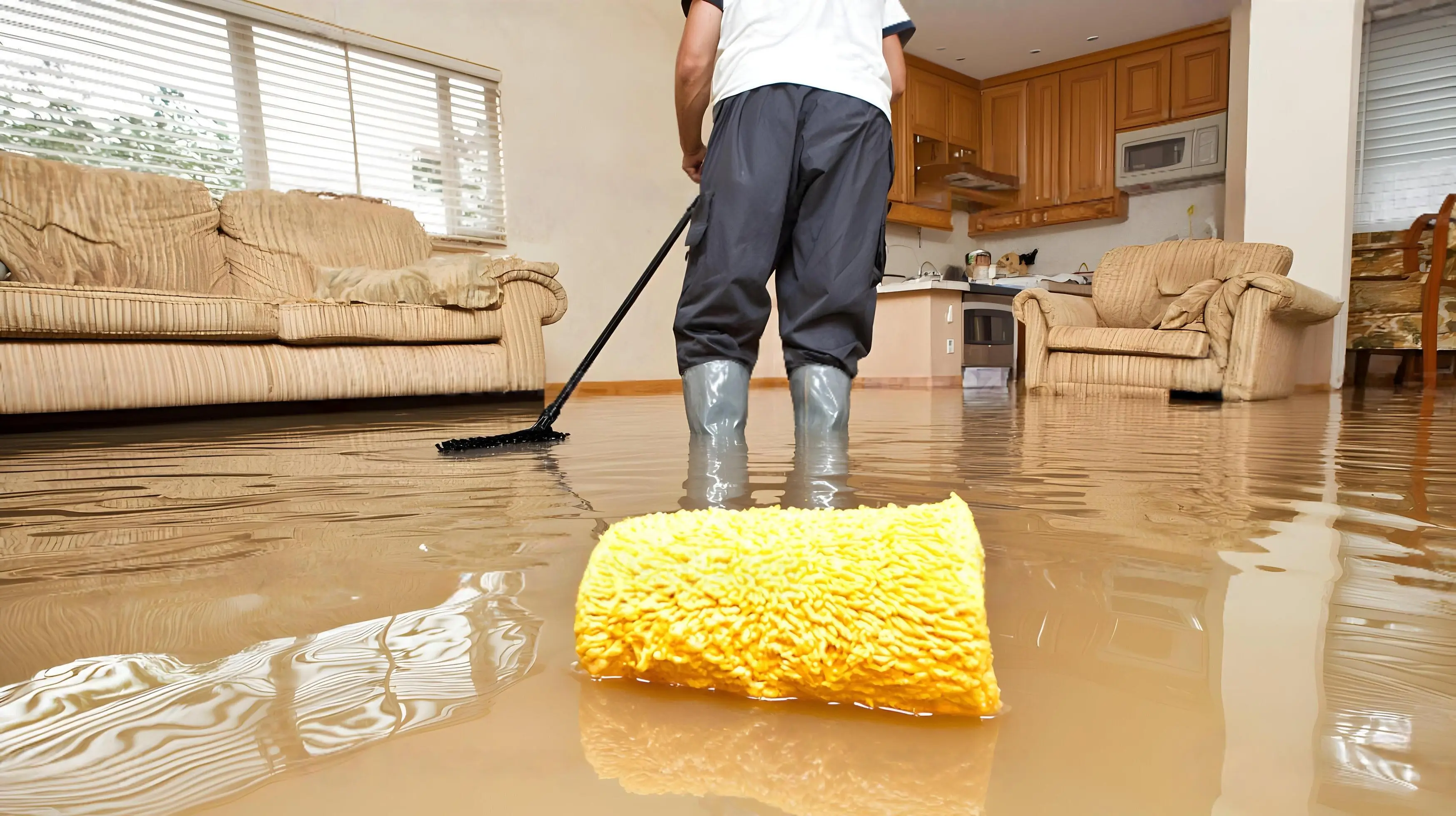
Water Damage Restoration
Burst pipes, storm flooding, standing water. We extract, dry, and restore before mold sets in.
Learn more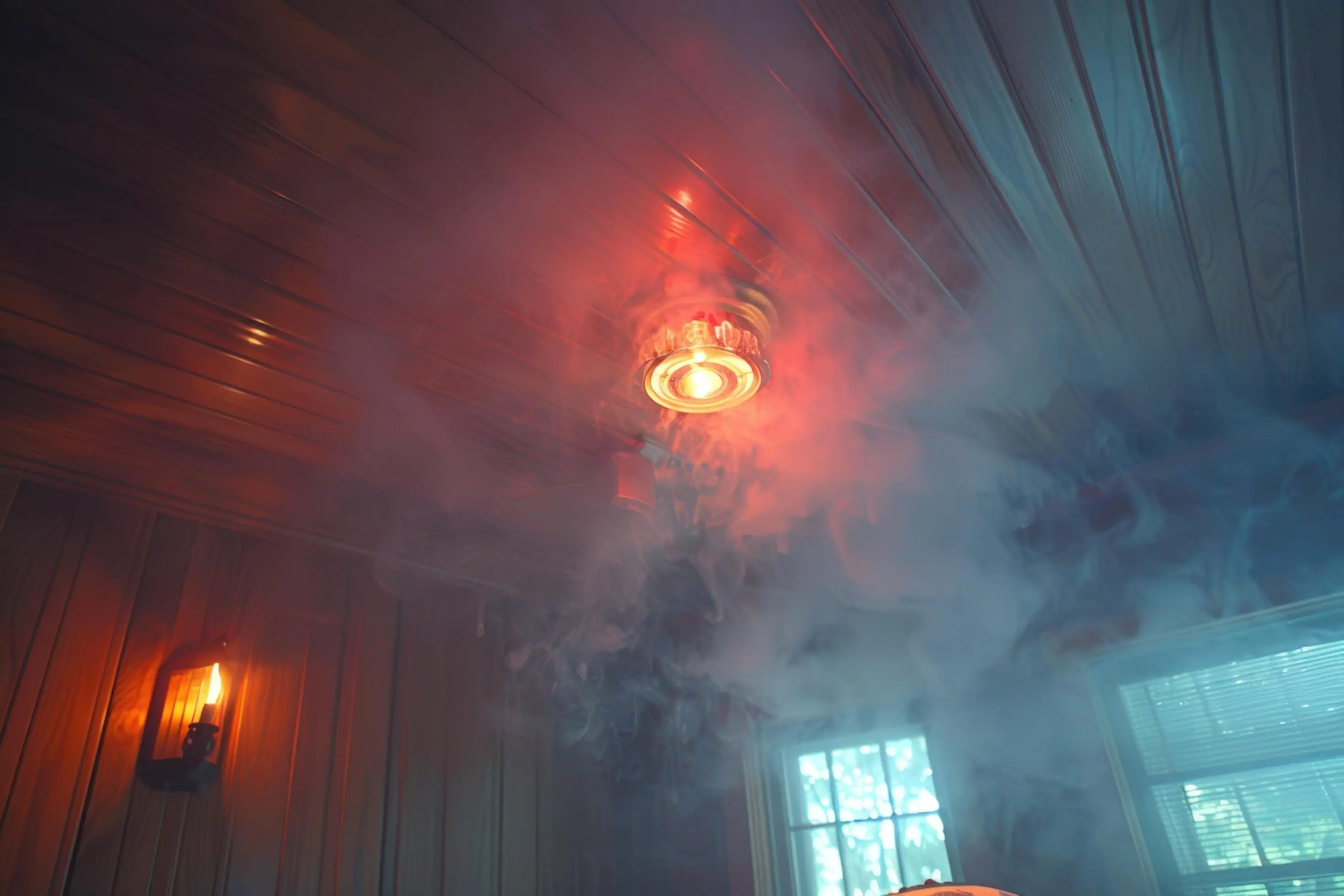
Smoke Damage Restoration
Soot residue, chemical odors, HVAC contamination. We decontaminate surfaces, eliminate odors, and restore air quality.
Learn more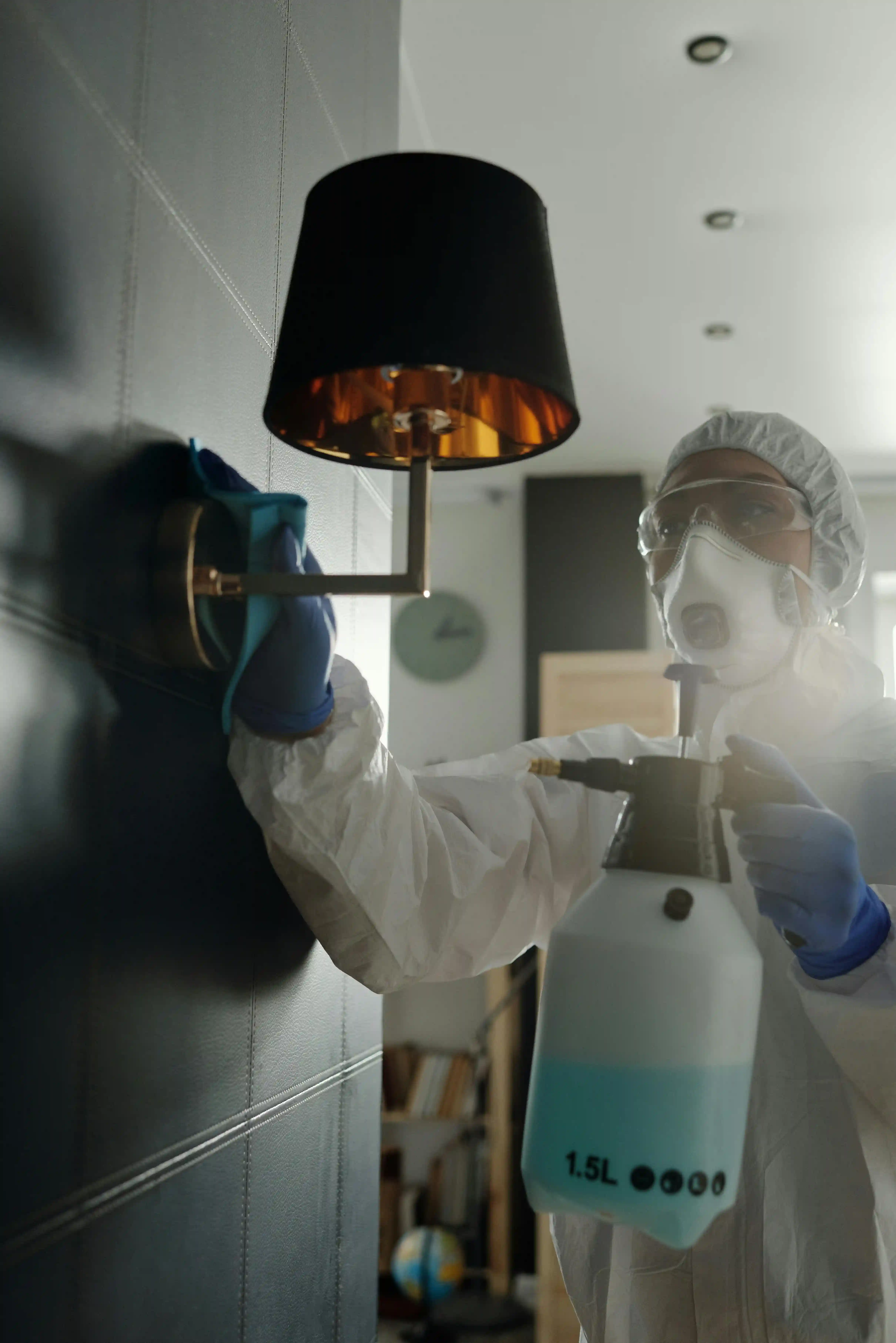
Mold Remediation
Testing, containment, removal, prevention. We find the source, eliminate the growth, and stop it from returning.
Learn moreNearby Service Areas
Also serving nearby: