
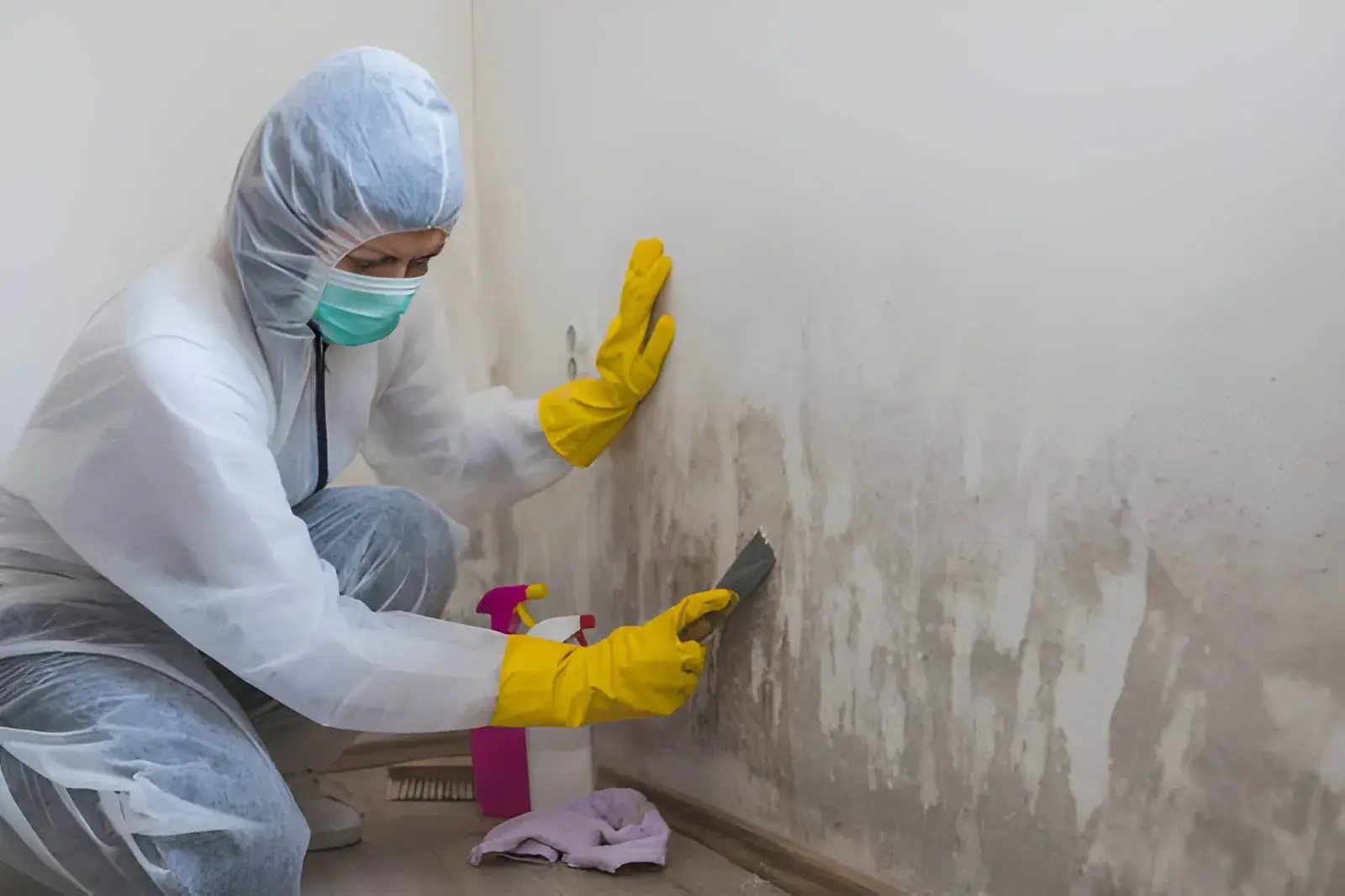
Mold Remediation in Cape Coral, FL
Florida's oppressive humidity fuels rapid mold growth behind walls and in ductwork, threatening your family's health and your home's structural integrity. Our certified Cape Coral mold remediation team safely contains and eliminates the threat.
What Happens When You Call
We take your call and schedule an immediate assessment to identify the source of the moisture feeding the mold in your Cape Coral home.
Our certified technicians arrive, establish negative pressure containment zones, and prevent airborne spores from spreading to clean areas.
We deploy commercial HEPA air scrubbers to aggressively filter the indoor air, capturing microscopic mold spores.
Contaminated materials are safely removed, surfaces are treated with professional antimicrobials, and the underlying moisture issue is resolved.
Discovering mold in your Cape Coral home is alarming. Whether it is blooming on drywall after a hidden plumbing leak or spreading through your HVAC vents due to Southwest Florida's relentless humidity, you need a professional, safe response. When you call X Response, our certified Lee County remediation experts take immediate action to protect your indoor air quality. Call now. Your team is standing by.
Why Cape Coral Homes Are Vulnerable to Mold
Cape Coral, Florida, located in Lee County, is a prime environment for mold proliferation. According to the 2020 United States census, the population of Cape Coral was 194,016. The city experiences a humid subtropical climate, meaning the air is thick with moisture for the majority of the year. This relentless humidity, combined with the intense heat, creates the perfect incubator for fungal growth the moment an air conditioning system fails or a minor roof leak goes unnoticed.
Mold in Southwest Florida doesn't just grow; it thrives aggressively. It invades the porous materials common in local construction, such as drywall, cabinetry, and insulation. Furthermore, homes situated near the expansive canal networks that have experienced past storm surge or localized flooding often harbor hidden mold colonies in wall cavities if they were not dried properly. Safe, effective remediation here requires strict adherence to Florida state protocols and advanced containment strategies.
Extreme Ambient Humidity
With summer humidity frequently running high, any failure in a Cape Coral home's HVAC system can lead to rapid indoor condensation. This ambient moisture is enough to trigger widespread mold growth on ceilings, walls, and furniture within a matter of days.
Hidden Moisture from Storms
Tropical storms and heavy summer downpours often drive rain behind stucco exteriors or under roofing shingles. This trapped moisture slowly rots wood framing and feeds hidden toxic mold colonies inside the wall cavities of Lee County homes.
HVAC System Condensation
Air conditioners in Southwest Florida run constantly. If the condensate drain line clogs or the ductwork is poorly insulated, condensation builds up. This turns the HVAC system into a massive mold distribution network, blowing spores into every room.
Slab-on-Grade Moisture Migration
Many local homes are built on concrete slabs. During the rainy season, a high water table can force hydrostatic pressure up through the porous concrete. If no vapor barrier is present, this moisture becomes trapped under flooring, breeding mold out of sight.
The Threat of "Black Mold"
Stachybotrys chartarum, commonly known as black mold, thrives in heavily water-damaged materials like wet drywall. Its presence requires immediate, highly controlled remediation using negative air pressure to prevent the spread of harmful mycotoxins.
Mold remediation in Cape Coral is not a DIY project. It requires certified professionals who understand how to stop the moisture source, safely contain the spores, and restore the indoor air quality of your Florida home.
What Happens to Your Home While You Wait
24-48 Hours After Water Intrusion
Mold spores, which are naturally present in the air, settle on damp drywall or wood and begin to germinate. The high Florida temperatures accelerate this biological process.
3-5 Days
Visible mold colonies begin to form. Musty, earthy odors become noticeable in the affected rooms. The mold roots deeply into porous building materials.
1-2 Weeks
The colony spreads rapidly, releasing thousands of airborne spores. Occupants may begin experiencing allergic reactions, respiratory irritation, or headaches. The HVAC system risks severe contamination.
One Month
Extensive structural damage occurs as mold consumes the cellulose in wood framing and drywall. The required remediation scope expands significantly, leading to costly demolition.
Long-Term
The home becomes a severe health hazard. Prolonged exposure to high levels of mold spores and mycotoxins can cause chronic health issues, and the property's value plummets.
Do not wait for a small mold spot to become a structural nightmare. Contact X Response today to schedule a certified mold assessment in Cape Coral.
How We Restore Mold-Affected Cape Coral Homes
Our mold remediation protocols strictly follow IICRC S520 guidelines, ensuring the mold is safely removed, the air is scrubbed clean, and the underlying moisture problem is solved.
Source Identification and Assessment
We use thermal imaging and moisture meters to locate the exact source of the water feeding the mold. If we don't fix the moisture problem, the mold will inevitably return to your Cape Coral home.
Strict Containment Procedures
We seal off the contaminated area using heavy plastic sheeting and establish negative air pressure using HEPA-filtered exhaust fans. This ensures that when we disturb the mold, spores cannot escape into the rest of the house.
Air Filtration and Scrubbing
Industrial HEPA air scrubbers run continuously throughout the remediation process, filtering 99.97% of airborne mold spores and particulates from the indoor environment.
Safe Material Removal
Porous materials that are heavily infested, such as drywall and insulation, are carefully cut out, sealed in heavy-duty bags, and safely discarded in accordance with Lee County regulations.
Antimicrobial Treatment and Drying
Exposed structural framing is scrubbed, sanded, and treated with EPA-registered antimicrobials. We then deploy commercial dehumidifiers to dry the area completely, ensuring the environment is inhospitable to future growth.
The X Response Difference
When it comes to mold, taking shortcuts puts your health at risk. X Response provides scientifically backed, certified remediation for Cape Coral homeowners.
Insurance Claim Guidance for Cape Coral Homeowners
Mold coverage in Florida is notoriously tricky. Most standard homeowner's policies heavily restrict or cap mold remediation coverage (often at $10,000) unless it is directly resulting from a covered peril, like a sudden burst pipe. If the mold grew due to long-term neglect, high humidity, or a slow, hidden leak, the claim is often denied. Because of these strict limitations, meticulous documentation of the mold's cause and the immediate necessity of containment is critical. Our team provides the evidence required to navigate these complex claims with your insurance carrier.
How X Response Helps
- Provide detailed reports linking the mold growth to a sudden, covered water event
- Document the necessity of strict containment and HEPA air scrubbing for safety
- Itemize all contaminated materials that require specialized removal and disposal
- Supply moisture readings proving the structural drying protocols were required
- Ensure all remediation techniques comply with standard Florida insurance guidelines
X Response does not file claims on your behalf, adjust claims, or make coverage determinations. We provide documentation and guidance to help you make informed decisions about your property and your policy. Coverage decisions are made solely by your insurance carrier.
Certified Restoration Specialists Serving Cape Coral
Mold remediation requires precision and specialized training. Our Cape Coral team consists of certified mold remediation professionals who understand the biology of fungal growth and the physics of moisture control. They are acutely aware of the specific health risks associated with toxic molds found in Southwest Florida and adhere strictly to industry safety standards.
Equipped with state-of-the-art HEPA filtration systems, negative air machines, and advanced antimicrobial treatments, our Lee County experts treat your home with the utmost care. They work diligently not just to remove the visible mold, but to restore the pristine indoor air quality your family deserves.
In Cape Coral, X Response works with Florida Restoration, an independent local restoration partner serving Lee County.
Mold Remediation FAQ for Cape Coral Homeowners
Other Emergency Services in Cape Coral
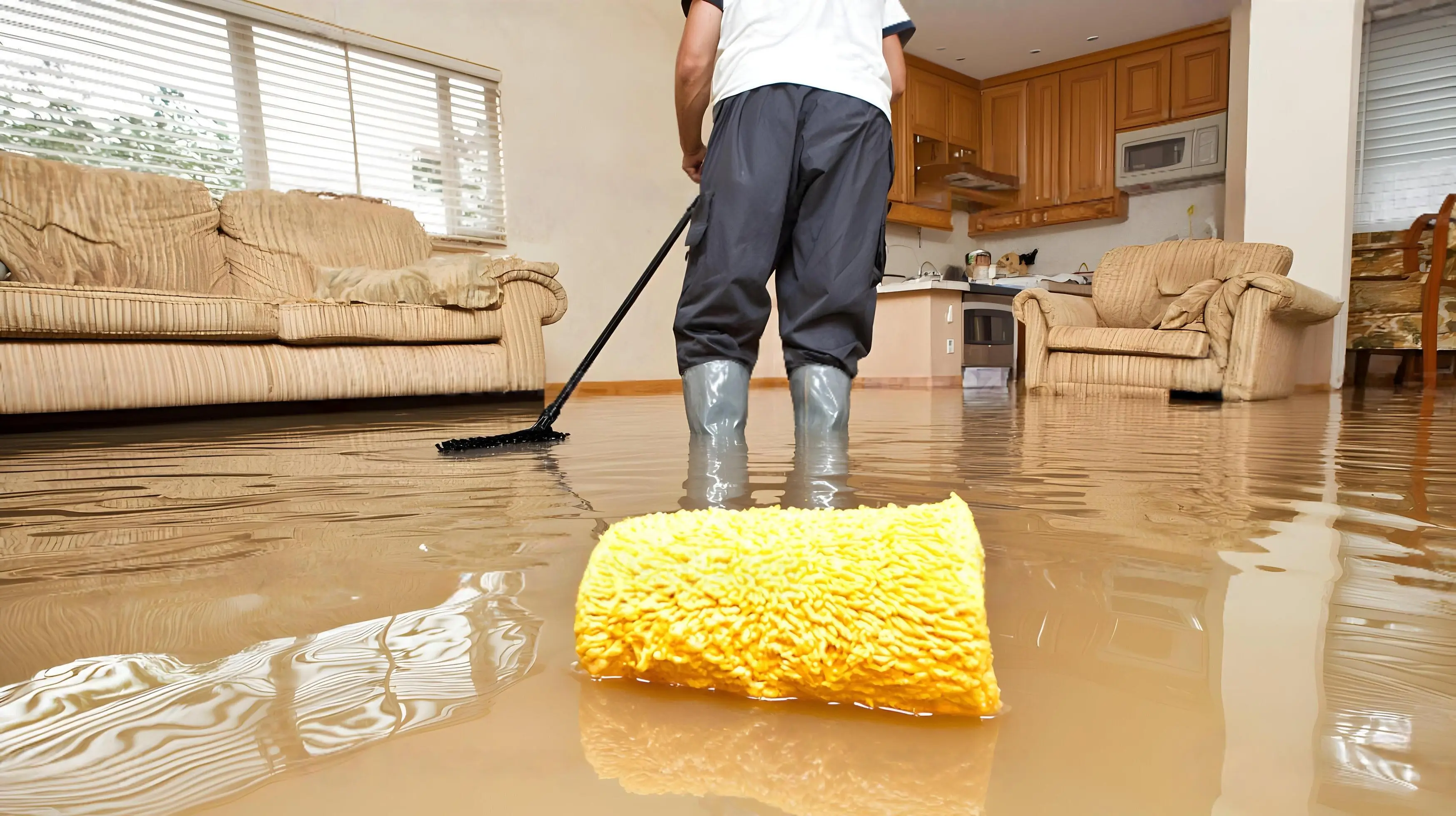
Water Damage Restoration
Burst pipes, storm flooding, standing water. We extract, dry, and restore before mold sets in.
Learn more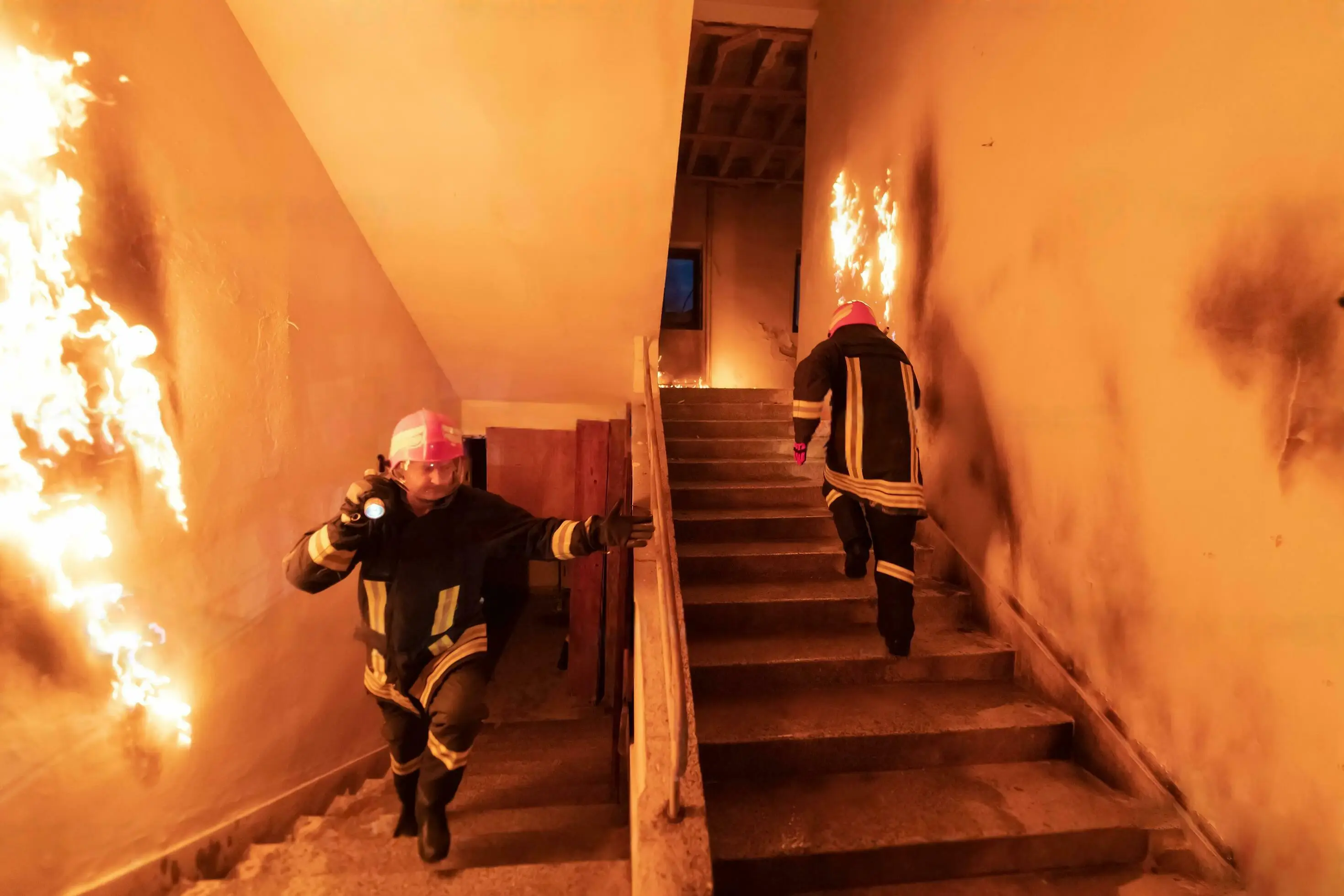
Fire Damage Restoration
Structural damage, soot, debris. We stabilize, clean, and rebuild what fire destroyed.
Learn more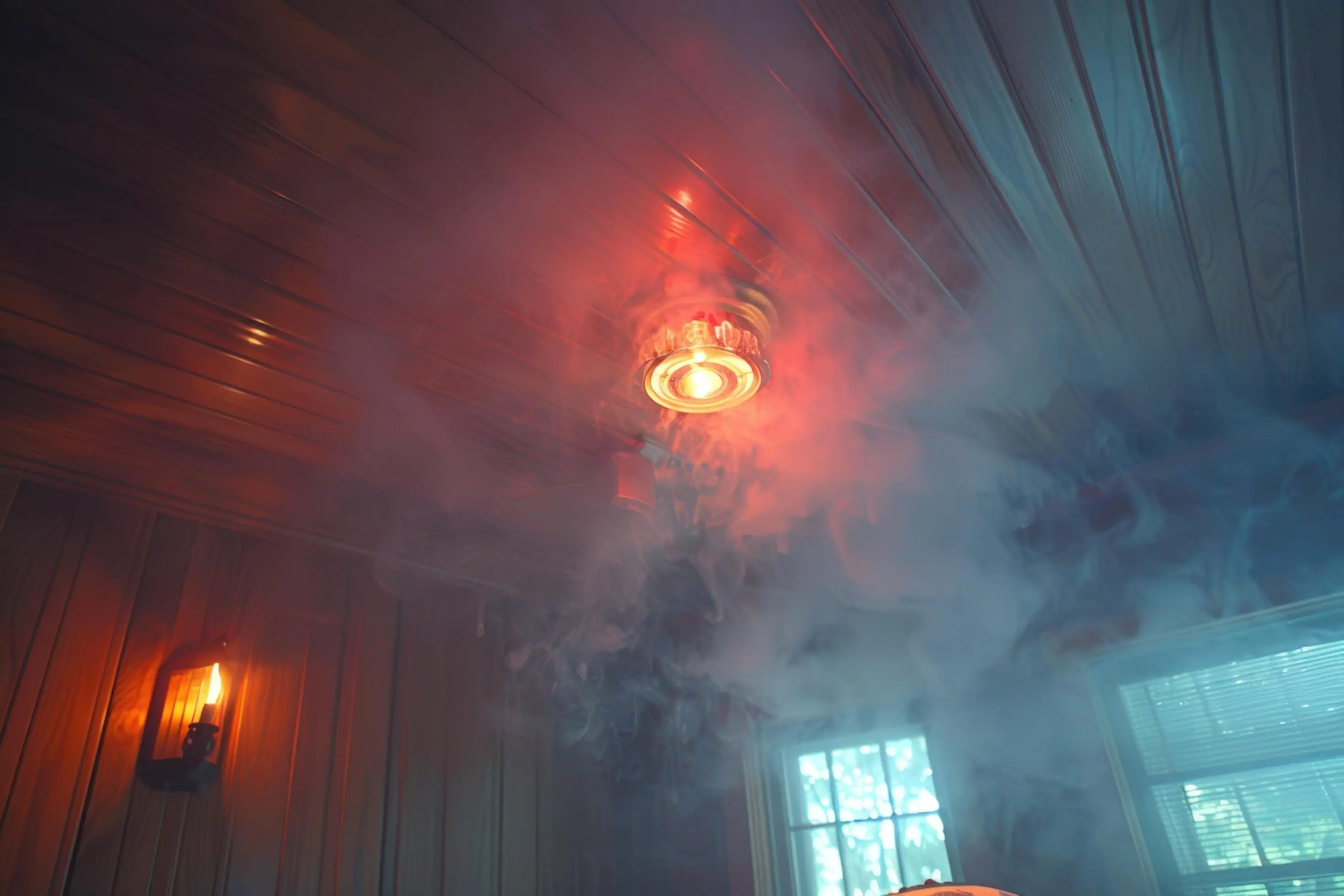
Smoke Damage Restoration
Soot residue, chemical odors, HVAC contamination. We decontaminate surfaces, eliminate odors, and restore air quality.
Learn more
Sewage Cleanup
Sewer backups, contaminated water, biohazard. We extract, sanitize, and restore safely.
Learn more