
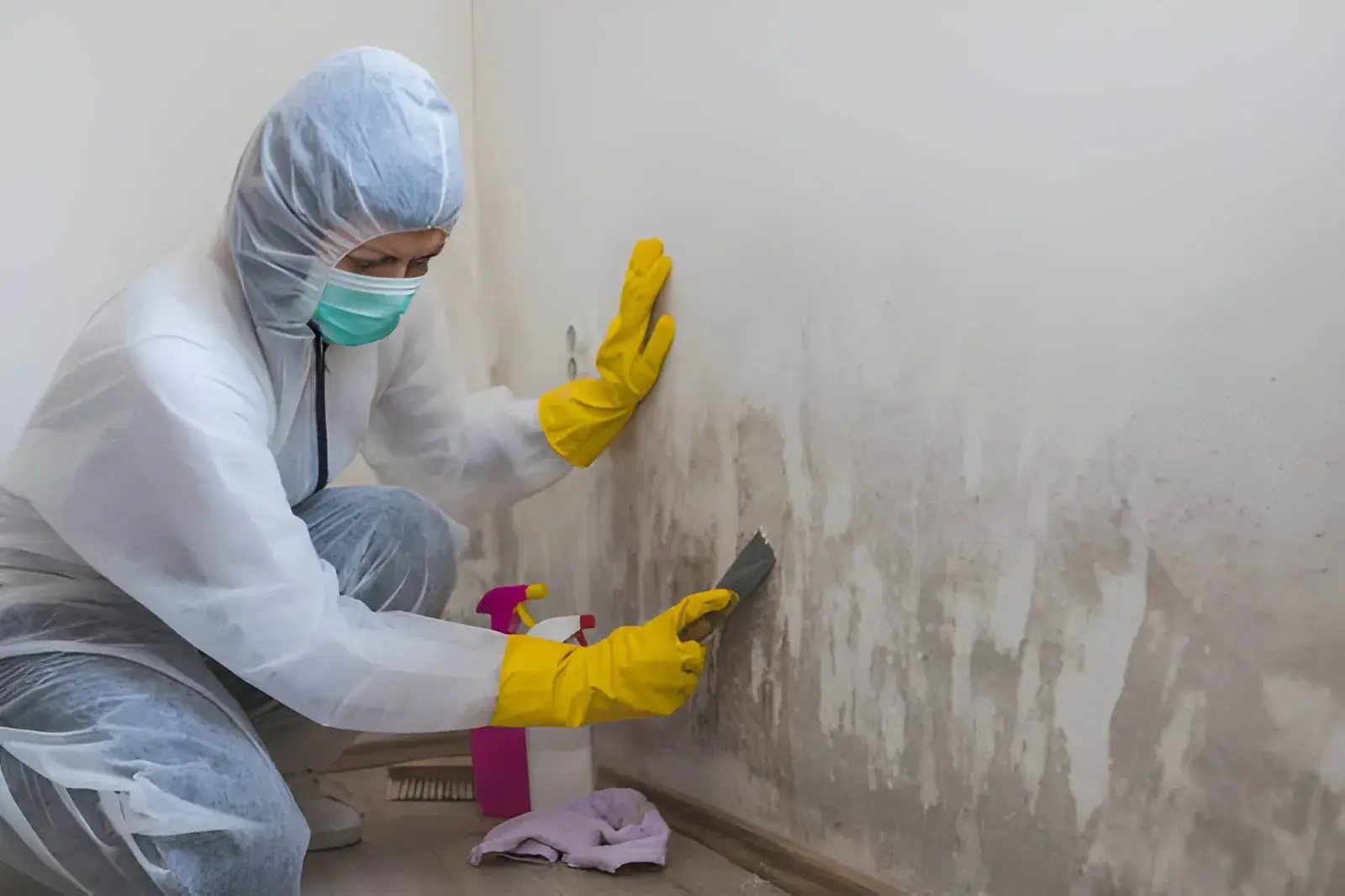
Mold Remediation in Overland Park, KS
Mold colonizes damp materials within 24 to 48 hours and spreads rapidly in Johnson County's humid climate. Our local team responds to Overland Park mold emergencies immediately.
What Happens When You Call
A real person answers, not a call center. We assess your situation, ask about moisture history and visible growth, and begin coordinating your response immediately.
Your dedicated remediation team is dispatched from our local base serving Overland Park and the surrounding Johnson County communities.
Team arrives with containment materials, HEPA air scrubbers, and professional testing equipment. Assessment and containment begin immediately.
Containment established, moisture source identified, remediation plan documented with photos and scope of work. You know exactly what comes next.
You have found mold in your home, or you suspect it is growing behind walls, in the basement, or in spaces you cannot see. Mold does not stop growing while you wait. In Johnson County's humid climate, colonization accelerates quickly once moisture is present, and spores travel through your HVAC system to seed growth in areas far from the original source. You need a team that can contain the problem, identify the moisture driving it, remove contamination safely, and verify the work is complete. Call now. Your team is standing by.
Why Overland Park Homes Are Vulnerable to Mold
Overland Park is a city of approximately 203,000 residents in Johnson County, Kansas, covering more than 75 square miles of suburban development where nearly every home includes a full basement. The city's humid continental climate (Koppen Dfa) averages 41 inches of annual precipitation, with summer dew points that regularly push indoor humidity well above the 60 percent threshold where mold growth accelerates. Indian Creek, Tomahawk Creek, and the Blue River headwaters all flow through the city, keeping the regional water table elevated in surrounding neighborhoods and ensuring that below-grade spaces remain in constant contact with saturated soil. This combination of climate, hydrology, and construction style makes Overland Park basements a persistent mold environment that surface cleaning alone never resolves.
Kansas does not require a state-specific mold remediation license. Unlike states such as Florida (which requires mold licensing under Chapter 468) or Texas (which has a dedicated mold assessor license), Kansas regulates contractor work at the local level through Johnson County and leaves mold remediation qualifications entirely to the marketplace. This means any contractor can advertise mold removal services regardless of training, certification, or adherence to published standards. For Overland Park homeowners, the distinction between professional remediation following the IICRC S520 standard and a contractor who simply sprays bleach and paints over visible growth is not enforced by any licensing authority. It falls entirely on the homeowner to verify qualifications. The IICRC S520 standard defines the scope of professional mold remediation: containment, removal of contaminated materials, HEPA filtration, moisture source correction, and post-remediation verification.
Basement Construction and Below-Grade Moisture
Full basements are the standard construction type across Overland Park's residential housing stock, from the 1950s-era homes in the northern neighborhoods to the newest subdivisions south of 175th Street. These below-grade spaces sit in constant contact with soil that remains saturated for extended periods after rain events, particularly along the Indian Creek and Tomahawk Creek corridors where the water table fluctuates with creek levels. Moisture enters basements through multiple pathways: hydrostatic pressure forces water through the wall-floor joint and foundation cracks, vapor transmission moves moisture through porous concrete as a constant low-level process, and condensation forms on cool basement surfaces when warm, humid summer air meets the cooler below-grade environment. Finished basements are particularly vulnerable because drywall, carpet, and insulation installed against foundation walls create a hidden cavity where moisture accumulates and mold colonizes without any visible sign from the living space. By the time occupants notice musty odor or visible staining, growth behind the finished surfaces is often extensive.
Indian Creek and Tomahawk Creek Corridor Flooding
Homes along the Indian Creek and Tomahawk Creek corridors face recurring flooding that seeds mold growth in below-grade and ground-level spaces. The July 2025 storm event that sent both creeks out of their banks across Overland Park pushed water into homes through window wells, foundation drains, and overwhelmed sump systems. When floodwater enters a basement and is not dried within 24 to 48 hours, mold colonization begins on every damp surface: behind baseboards, beneath carpet pad, inside wall cavities, and along sill plates where framing meets the foundation. Even after standing water is removed, moisture trapped in concrete, drywall, and framing continues feeding growth unless the structure is dried to verified standards with commercial equipment. Homes that experience repeated flooding develop chronic mold conditions in wall cavities and beneath flooring where previous water events were never fully dried.
Humid Continental Climate and Summer Dew Points
Overland Park's climate brings hot, humid summers with average July highs near 90 degrees and dew points that frequently run high. At these dew points, air holds substantial moisture that readily condenses on any surface cooler than the surrounding air, which in summer means every basement wall, concrete floor, and cold-water pipe in below-grade spaces. The city averages 41 inches of annual precipitation, with the heaviest rainfall concentrated from April through September when humidity is already at its peak. This seasonal overlap means that the months when mold grows fastest are also the months when water intrusion from storms is most likely, creating a compounding effect where both the moisture source and the growth-accelerating humidity arrive together. Homes without active dehumidification running continuously through summer often develop condensation-driven mold on basement surfaces even without a water intrusion event.
Sump Pump Dependence and Power-Loss Vulnerability
Nearly every Overland Park home with a basement relies on a sump pump to manage groundwater that would otherwise rise through the slab or wall-floor joint during rain events. These systems work effectively when powered, but they depend on continuous electricity, and the severe storms that drive groundwater up are the same storms that knock out power. During the July 2025 storm event, over 1,700 Overland Park customers lost electricity while creeks were flooding simultaneously. A sump pump that loses power during a heavy rain event allows groundwater to rise into the basement within hours, saturating carpet, drywall, and stored contents at the lowest level. If the homeowner is away or asleep during the outage, the basement can flood several inches before power returns. That standing water, even after removal, leaves enough residual moisture in porous materials to initiate mold growth within 24 to 48 hours in summer conditions.
HVAC Systems and Spore Distribution
Mold that establishes in a basement, crawl space, or wall cavity does not stay contained to that area. Forced-air HVAC systems with return vents at floor level draw air from the lowest, most humid areas of the home and circulate it through supply ducts to every room. Mold spores become airborne as colonies mature, and the HVAC return captures them into the air stream. Once spores enter the ductwork, they deposit on interior surfaces throughout the duct system and can seed new growth wherever condensation or humidity provides adequate moisture. In Overland Park homes, where HVAC systems run for heating from October through April and cooling from May through September, the blower is cycling air almost continuously year-round, meaning spore distribution from a single basement colony to the entire home is essentially constant.
Mold in Overland Park is not a surface problem with a surface solution. The city's climate drives humidity. The creek corridors elevate the water table. Basements trap moisture against foundations. Sump pumps fail during the storms that matter most. And the forced-air systems in every home distribute spores from a hidden colony to every room in the house. Professional mold remediation must address the moisture source, contain and remove existing growth, verify clearance, and establish conditions that prevent recurrence. Anything less is a temporary cosmetic fix that allows growth to return within weeks.
What Happens to Your Home While You Wait
Within 24 Hours
Moisture-saturated materials begin supporting mold spore germination. In Overland Park's humid summer conditions, the colonization timeline is at the fast end of the 24 to 48 hour range because ambient humidity provides additional moisture that keeps materials wet even as surface water evaporates. Behind finished basement walls, moisture trapped between the foundation and drywall creates ideal growth conditions in a space with zero airflow and zero visibility from the living side.
24–48 Hours
Visible mold colonies begin forming on the most vulnerable surfaces: paper-faced drywall, carpet backing, cardboard storage boxes, and organic materials stored in the basement. In hidden wall cavities and beneath carpet pad, growth that will not be visible for weeks is already establishing. Musty odor may begin developing as colonies produce volatile organic compounds.
48–72 Hours
Colonies expand rapidly across available organic surfaces. Mold penetrates into drywall paper facing, making surface cleaning ineffective because the root structure (hyphae) extends into the material itself. Spore production increases as colonies mature, releasing reproductive structures into the air where HVAC returns capture and distribute them to other areas of the home.
One Week
Established colonies spread to adjacent materials and into concealed spaces including wall cavities, beneath flooring, and along framing members. Spore counts in the home's air increase measurably. Occupants may begin experiencing respiratory irritation, allergic symptoms, or worsening of existing asthma conditions. The scope of remediation expands significantly as growth moves beyond the initial moisture source area.
Two Weeks and Beyond
Extensive colonization through wall cavities, beneath flooring systems, inside HVAC ductwork, and across structural framing. Materials that could have been dried and saved in the first 48 hours now require removal and replacement. Remediation scope and cost increase substantially. Health effects for occupants intensify, particularly for children, elderly residents, and those with compromised immune systems. What began as a localized moisture problem has become a whole-home contamination event requiring comprehensive professional remediation.
Mold does not wait. Every day of delay expands the scope of growth, increases remediation costs, and extends occupant exposure to airborne spores. Contact X Response now. Our Overland Park team responds immediately.
How We Restore Mold-Affected Overland Park Homes
Professional mold remediation follows a defined protocol that ensures complete removal, prevents cross-contamination, and verifies results. Here is exactly how our team handles mold in Overland Park homes.
Inspection and Moisture Assessment
Our team arrives with professional moisture meters, thermal imaging cameras, and air sampling equipment to assess the full extent of mold growth and the moisture condition driving it. In Overland Park homes, that means inspecting the basement level thoroughly, including behind finished walls where growth is often most extensive. We check the sump pump system, identify any water intrusion history, and measure relative humidity throughout the home to understand the environmental conditions feeding the growth. The assessment produces a documented scope of work that guides remediation and gives your insurance company clear evidence of the contamination extent.
Containment and Air Filtration
Before any removal begins, the affected area is isolated with physical containment barriers (polyethylene sheeting sealed to walls, floor, and ceiling) and placed under negative air pressure using HEPA-filtered air scrubbers. This prevents spores released during removal from migrating to clean areas of the home. In Overland Park basements where mold is often behind finished walls, containment is established around the removal zone before any drywall is opened. The HVAC system serving the affected area is isolated to prevent duct-distributed contamination. Air scrubbers run continuously throughout the project, filtering the containment zone air multiple times per hour.
Removal of Contaminated Materials
Porous materials with established mold growth are removed rather than cleaned, because the root structure penetrates into the material itself and cannot be eliminated from surfaces like drywall paper facing, carpet pad, and insulation. In Overland Park basements, that typically means removing the lower sections of finished drywall where moisture entered, carpet and pad in the affected zone, any insulation installed against foundation walls, and baseboards that absorbed moisture. Non-porous surfaces like concrete, metal framing, and sealed wood are cleaned with antimicrobial solutions and HEPA-vacuumed. All contaminated materials are bagged inside the containment zone and removed without passing through clean areas.
Moisture Source Correction
Removing mold without addressing the moisture that caused it guarantees recurrence. Our team identifies and corrects the moisture source as part of every remediation project. In Overland Park, that may mean repairing the sump pump system, installing a battery backup to prevent power-loss failures, addressing grading and drainage issues that direct water toward the foundation, sealing foundation cracks that allow vapor or liquid transmission, or installing continuous dehumidification in the basement to manage condensation-driven moisture that the climate produces regardless of water intrusion events. The specific correction depends on the moisture mechanism identified during inspection.
Post-Remediation Verification
After removal and moisture correction are complete, we verify results before releasing containment. That includes visual inspection confirming all contaminated materials have been removed, moisture readings confirming the structure has returned to dry-standard levels, and in cases involving extensive growth, third-party air sampling to confirm spore counts have returned to normal background levels. We provide completion documentation including before-and-after photos, moisture readings, and clearance results. The containment is not released until verification confirms the remediation meets the IICRC S520 standard. If any area does not pass, we continue work until it does.
The X Response Difference
When you contact X Response for mold in Overland Park, you get a team that follows the IICRC S520 standard for professional remediation, not a cosmetic cleanup that allows growth to return. Containment, removal, moisture correction, and verified clearance, every time.
Insurance Claim Guidance for Overland Park Homeowners
Mold damage insurance coverage in Kansas depends entirely on the moisture source that caused the growth. If mold developed because of a sudden, covered water damage event such as a burst pipe, failed water heater, or storm-driven roof leak, remediation is typically covered under the water damage claim as consequential damage. However, if mold results from long-term maintenance failures, chronic humidity, or uncorrected moisture conditions, most policies exclude it. Many Kansas homeowner's policies include specific mold coverage caps, often between $5,000 and $25,000, regardless of the cause. In Overland Park, where basement mold commonly results from sump pump failures during storms (potentially covered) or chronic humidity and condensation (typically not covered), the distinction can determine whether a $15,000 remediation project is reimbursed or paid entirely out of pocket.
How X Response Helps
- Document the moisture source and its timeline to establish whether the mold resulted from a sudden covered event or a long-term condition
- Provide professional moisture readings showing the connection between the water source and the mold growth location
- Photograph all visible growth and document hidden growth discovered during remediation with dated photos
- Track remediation activities with detailed scope-of-work documentation that maps to your policy's mold coverage provisions
- Identify your policy's mold coverage cap early so you understand your potential out-of-pocket exposure before remediation begins
X Response does not file claims on your behalf, adjust claims, or make coverage determinations. We provide documentation and guidance to help you make informed decisions about your property and your policy. Coverage decisions are made solely by your insurance carrier.
Certified Restoration Specialists Serving Overland Park
When you contact X Response for mold remediation in Overland Park, your team is drawn from certified professionals who work across Johnson County and understand the specific mold challenges of homes built in this metro. They know how the creek corridors along Indian Creek and Tomahawk Creek elevate the water table and keep basement foundations in contact with saturated soil year-round. They understand how finished basements trap moisture in hidden cavities where growth thrives unseen for months. They have managed remediation after sump pump failures, chronic condensation in homes without basement dehumidification, and post-flood mold in the creek corridor neighborhoods. This is a local team with local expertise, operating under the IICRC S520 standard in a state that does not require it.
Every technician on your team holds current IICRC certification in mold remediation and applied microbial remediation (AMRT). Equipment includes containment systems, negative-air machines with HEPA filtration, professional moisture meters and thermal imaging, antimicrobial treatment systems, and dehumidification equipment sized for Johnson County's humidity levels. Kansas does not license mold remediators at the state level, making certification and adherence to published standards the only quality indicators available to homeowners. Our team meets the standard that state licensing would require if it existed.
In Overland Park, X Response works with Best Option Restoration, an independent local restoration partner serving Johnson County.
Mold Remediation FAQ for Overland Park Homeowners
Other Emergency Services in Overland Park
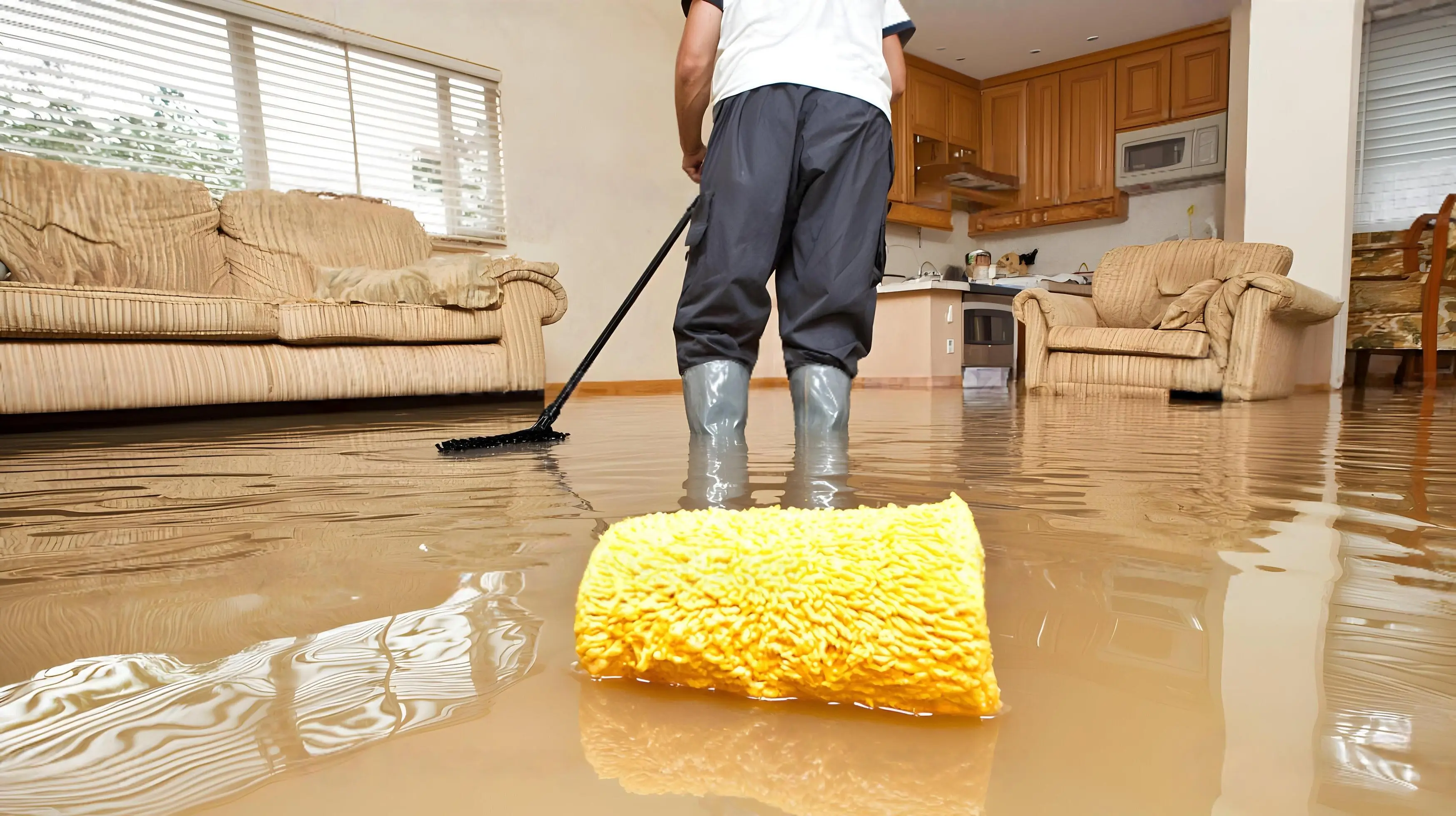
Water Damage Restoration
Burst pipes, storm flooding, standing water. We extract, dry, and restore before mold sets in.
Learn more
Fire Damage Restoration
Structural damage, soot, debris. We stabilize, clean, and rebuild what fire destroyed.
Learn more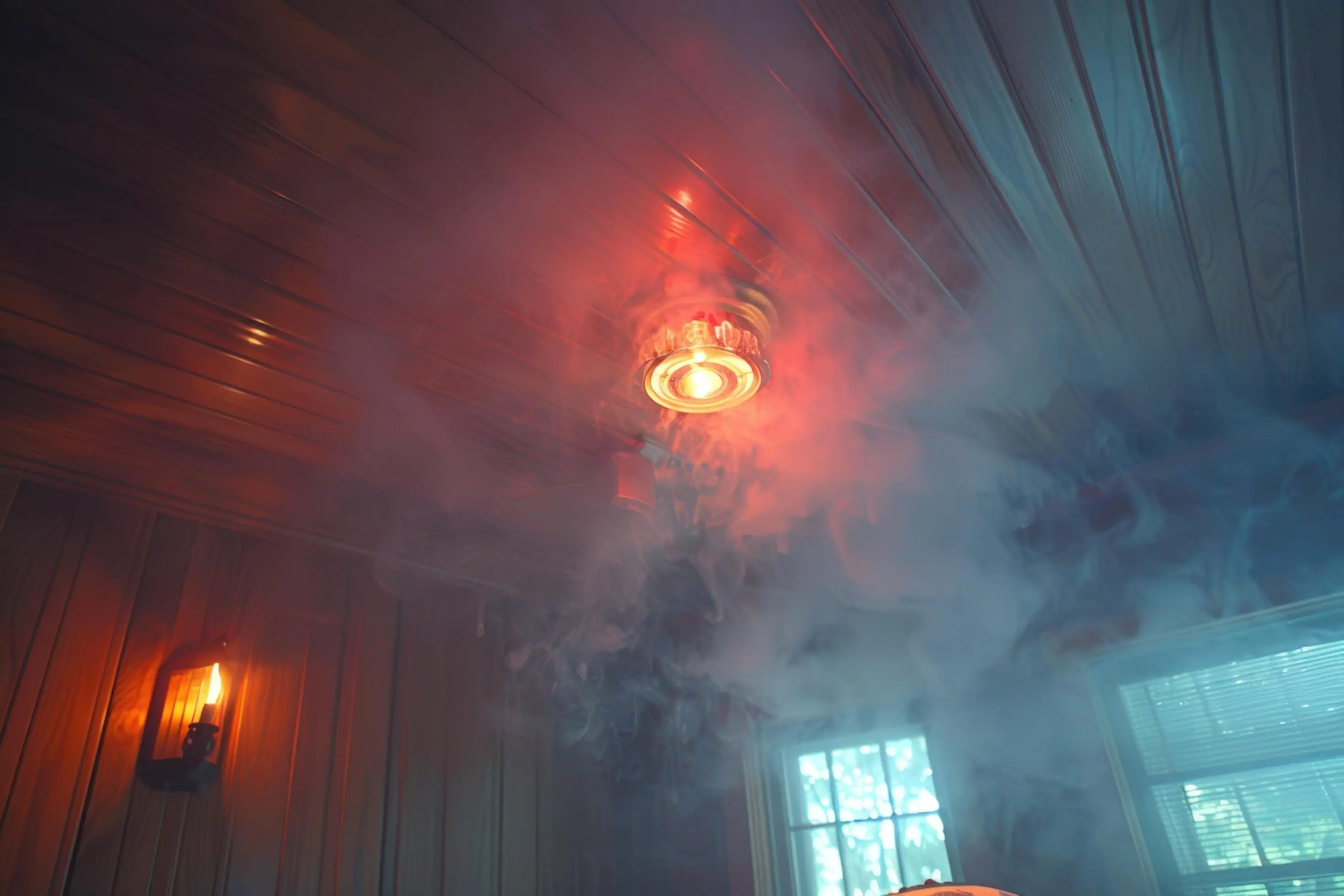
Smoke Damage Restoration
Soot residue, chemical odors, HVAC contamination. We decontaminate surfaces, eliminate odors, and restore air quality.
Learn more
Sewage Cleanup
Sewer backups, contaminated water, biohazard. We extract, sanitize, and restore safely.
Learn moreNearby Service Areas
Also serving nearby: