
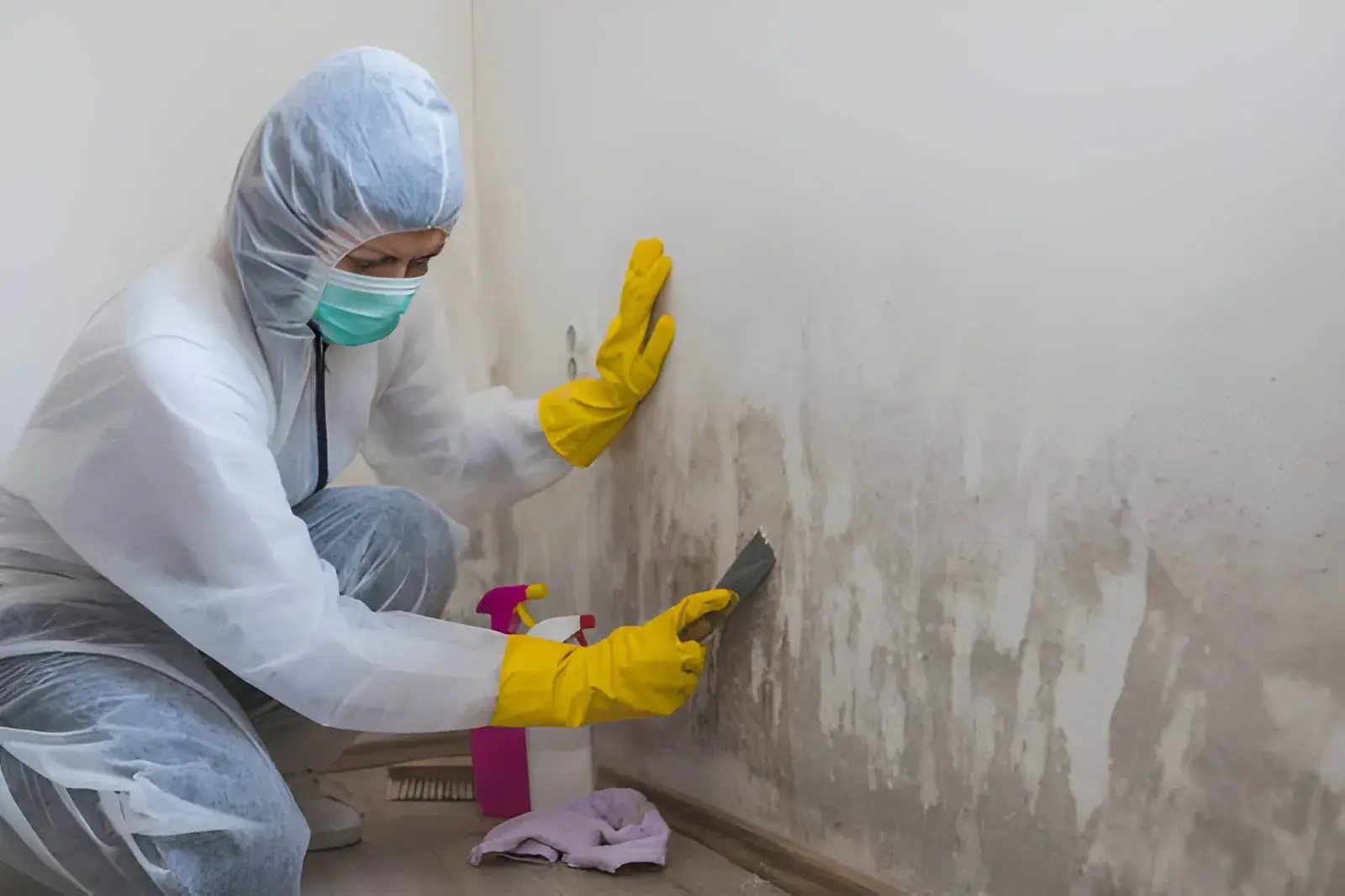
Mold Remediation in Covington, KY
Mold can take hold within 24 to 48 hours once moisture settles into a damp Covington basement or a humid summer wall cavity. Every day without intervention allows contamination to spread deeper into your home. Our local team responds within 60 minutes.
What Happens When You Call
A real person answers, not a call center. We assess your situation, determine the likely moisture source, and begin coordinating your response immediately.
Your dedicated remediation team is dispatched from our local base serving Covington and the surrounding Kenton County communities.
Team arrives with moisture detection equipment, air sampling tools, HEPA filtration, and containment materials. Assessment begins immediately to determine the full scope.
Contamination mapped, moisture source identified, containment established, remediation plan documented. You know exactly what comes next.
You have discovered mold in your home. Whether it is visible growth on a basement wall, a musty smell from the HVAC system, or a test result confirming elevated spore counts, the contamination is active and expanding right now. In Kentucky's humid summers and the slow-drying basements common beneath older Covington homes, mold spreads quickly once moisture is present. X Response exists for exactly this moment. When you reach out, your remediation team is mobilized within minutes. From that point forward, one team manages everything: assessment, containment, removal, and verification. Call now. Your team is standing by.
Why Covington Homes Are Vulnerable to Mold
Indoor mold is a serious hazard for Covington homeowners, and the city's geography drives the risk. Covington's location in the Ohio River valley exposes homes to high ambient humidity, which can accelerate mold growth in historic basements lacking modern vapor barriers. The city sits where the Licking River meets the Ohio, and its dense, historic housing stock was built over stone and block basements that predate modern waterproofing. When groundwater rises during a wet stretch, hydrostatic pressure drives moisture through mortar joints and the cove where the wall meets the floor, and any lingering dampness from a foundation seep or a leaking supply line gives a mold colony the steady moisture it needs to establish itself behind a finished wall.
Because mold poses significant health risks, especially to those with asthma or other respiratory conditions, prompt professional intervention is critical. X Response deploys IICRC-certified technicians who use controlled containment and industrial HEPA filtration to remove spores safely from your Kenton County home rather than spreading them room to room. By locating and correcting the underlying moisture source, whether it is basement seepage, a sewer backup, a roof leak, or a sweating air conditioning system, we stop the colony from returning after the visible growth is gone.
Damp Historic Basements and Foundation Seepage
Covington's older neighborhoods, from Licking Riverside to the historic districts near downtown, are built on dense blocks of homes with full basements dug into stone, brick, and early block foundations that predate modern vapor barriers. Those foundations sit close to the confluence of the Ohio and Licking Rivers, where the water table climbs with every prolonged rain. Hydrostatic pressure then forces moisture through mortar joints, hairline cracks, and the cove joint where the wall meets the floor. A finished basement hides the early stage, because water wicks into the back of drywall or paneling, into carpet and padding, and into the base of the framing long before a stain or a musty smell reaches the living space. Since the basement stays cool, dark, and still, that slow seepage becomes a dependable moisture supply, and mold colonizes the wallboard paper, the underside of carpet, and stored belongings while the finished surface still looks dry.
Post-Flood and Combined-Sewer Backup Mold
The single biggest mold driver in Covington is a basement that took on water and then dried too slowly. During the historic flooding of early April 2025, days of atmospheric-river rain pushed the Ohio River past 60 feet at Covington and sent water into basements across Northern Kentucky, and Sanitation District No. 1's combined sanitary and storm sewers back up into low-lying basements whenever heavy rain overwhelms the system. The same storms that flood a basement often knock out the power a sump pump depends on, so groundwater and sewage keep rising while the pump sits dead. Even after the standing water is gone, saturated carpet, padding, drywall, and framing hold moisture for days. Mold begins colonizing within 24 to 48 hours, so a basement that was pumped out but never professionally dried almost always grows mold behind the baseboards and inside the wall cavities.
Roof Leaks, Winter Ice Dams, and Spring Rain
Kentucky's freeze-thaw winters open a mold path that has nothing to do with the basement. When heat escaping into the attic melts the underside of a snow load, the meltwater runs to the cold eaves and can refreeze into an ice dam. Water then backs up under the shingles and seeps into the attic, the top plates, and the wall cavities below, where it soaks insulation and the paper facing of the drywall. On Covington's older homes, worn flashings at chimneys, dormers, and valleys give the heavy rains of a Kentucky spring even more ways in. Because the intrusion happens above the ceiling and inside the walls, it stays hidden until a brown stain, bubbling paint, or a musty odor appears, by which point mold has been feeding in the dark for weeks.
Central AC Condensation and Duct Mold in Humid Summers
Ohio Valley summers are warm and humid, and a central air conditioning system running through July and August pulls a large volume of moisture out of that air. The evaporator coil, the condensate drain pan, and the first sections of supply duct are the coldest surfaces in the system and the first place condensation forms. If the condensate drain line clogs, water backs up in the pan and overflows into the air handler cabinet and the materials around it. Cold ducts routed through a damp basement or a tight crawl space sweat on the outside and drip onto insulation and framing. Once mold takes hold on a wet coil or inside a duct, the blower carries spores to every room on each cooling cycle, which is why occupants often notice a musty smell at the registers and allergy symptoms that ease when the system is switched off.
The IICRC S520 Standard and Quality Verification
Mold remediation is a specialized discipline, and the quality of the work varies widely from one contractor to the next. A general contractor, handyman, or cleaning company can advertise mold removal without demonstrating any competency in containment, safe removal, or post-remediation verification, and a crew that disturbs a colony without proper containment can spread spores throughout the home and make the contamination worse. IICRC S520 is the industry standard for professional mold remediation, setting out the requirements for assessment, containment, air filtration, removal, cleaning, and post-remediation verification. Rather than relying on marketing claims, Covington homeowners should confirm that a provider follows S520 and holds current IICRC certification before any work begins. X Response's certified remediation teams follow IICRC S520 protocols on every project, with documented containment, HEPA filtration, and third-party post-remediation verification available to confirm the work meets professional standards.
Mold in Covington grows where homeowners least expect it: behind the walls of a historic basement fed by foundation seepage, in a basement that flooded or backed up with sewer water and dried too slowly, in attics and wall cavities where winter ice dams and worn roofs let water in, and on air conditioning components that sweat through a humid Ohio Valley summer. The common thread is hidden moisture in a cool, still space where a colony can spread for weeks before anyone notices. Effective remediation requires identifying and eliminating the moisture source, containing the affected area, removing contaminated materials safely, and verifying the work with quantitative testing. The IICRC S520 standard is the benchmark that separates a lasting repair from one that simply hides the problem.
What Happens to Your Home While You Wait
Within 24 Hours
Once moisture contacts an organic surface, mold spores begin germinating. The warm, damp conditions inside a Covington basement or a humid summer wall cavity sit right in the range most common indoor molds prefer. Visible growth has not yet appeared, but the colonization process has begun. This is the window where drying the affected area can prevent a mold problem from developing at all.
24 to 48 Hours
Mold colonies become visible as fuzzy growth on paper-faced drywall, wood surfaces, carpet backing, and organic debris. In a damp basement or a humid wall cavity, growth appears at the faster end of this range. The colony produces hyphae, the root structures that penetrate into porous materials, making surface cleaning ineffective. Spore production begins, releasing reproductive cells into the air that can colonize additional surfaces. If the HVAC system is running, spores enter the return air stream and distribute throughout the home.
48 Hours to 1 Week
Colony growth accelerates as the organism matures and produces more spores. Growth spreads along the moisture path, following damp drywall, wet insulation, and saturated framing. Secondary colonies establish wherever spores land on surfaces with adequate moisture. The affected area may now extend several feet beyond the original moisture intrusion point. Occupants begin reporting respiratory symptoms, allergic reactions, or musty odors that intensify when the HVAC runs.
1 to 4 Weeks
Mold penetrates deep into porous building materials. Drywall paper becomes fully colonized and structurally weakened. Wood framing shows surface growth and staining. The colony produces mycotoxins in some species, creating a health hazard that goes beyond allergic response. Hidden colonies in wall cavities, beneath flooring, and inside ductwork may now be extensive while visible signs remain limited to a small area of surface growth. Professional assessment typically reveals contamination extending well beyond the visible boundary.
One Month and Beyond
Structural materials require replacement rather than cleaning. Framing, sheathing, and subfloor sections may show rot where persistent moisture combined with mold degradation. The remediation scope now includes demolition, structural repair, and rebuilding in addition to mold removal. HVAC systems that have been distributing spores for weeks require complete duct cleaning or replacement. Insurance claims become more complex as carriers assess whether earlier intervention could have limited the scope.
In a damp basement or a humid summer wall cavity, mold can colonize in as little as 24 to 48 hours, so the window to dry a space before it grows is short. Contact X Response now. Our Covington team responds within 60 minutes.
How We Restore Mold-Affected Covington Homes
Mold remediation is a controlled, systematic process that protects both your home and its occupants. Here is exactly what it involves in a Covington home.
Inspection and Moisture Source Identification
Our team arrives with moisture meters, thermal imaging cameras, and air sampling equipment to determine the full extent of mold contamination and identify the moisture source driving growth. In Covington homes, this means inspecting the common hidden sources: foundation seepage and dampness in the basement, wet or slow-drying materials left from a past flood or sewer backup, roof-leak and ice-dam paths into the attic and wall cavities, and condensate drain function at the HVAC air handler. Identifying and eliminating the moisture source is the first priority because removing mold without fixing the moisture problem guarantees recurrence. Air sampling establishes baseline spore counts that guide the remediation scope and provide comparison data for post-remediation verification.
Containment and Air Filtration
Before any mold is disturbed, the affected area is isolated from the rest of the home using polyethylene sheeting and negative air pressure. HEPA air scrubbers within the containment zone capture airborne spores as remediation work disturbs the colony. This prevents cross-contamination to unaffected areas of the home. In Covington homes where the HVAC system has been distributing spores, supply registers in unaffected rooms are sealed during remediation to prevent the containment zone from communicating with clean spaces through the duct system. The containment remains in place throughout the entire removal process and is not removed until post-remediation air sampling confirms acceptable conditions.
Mold Removal and Material Disposal
Contaminated materials are removed following IICRC S520 protocols. Porous materials that cannot be adequately cleaned, including drywall, insulation, carpet, and carpet padding, are cut away, bagged within the containment zone, and disposed of properly. Non-porous surfaces that can be cleaned, including framing lumber, concrete, and metal components, are treated with appropriate antimicrobial solutions and physically cleaned to remove surface growth. In a Covington basement, this often means removing the lower sections of finished walls along with the carpet and padding on the moisture path, and for an attic colony from a roof leak or ice dam, contaminated insulation is removed and the framing is cleaned and treated. All removed materials are documented with photos for your insurance file.
Drying and Moisture Verification
After contaminated materials are removed, the remaining structure is dried to moisture levels that will not support mold recurrence. In a humid Kentucky basement, opening a window adds moisture rather than removing it, so this phase relies on mechanical dehumidification and air movers to pull bound water out of framing, masonry, and wall cavities. The moisture source identified during inspection must be repaired before or during this phase: foundation seepage is addressed and the sump system restored, a sewer backup path is corrected, a roof leak or ice-dam path is sealed, or a clogged condensate drain is cleared. Moisture readings are taken at multiple points and documented to confirm the structure has reached acceptable dryness before any reconstruction begins.
Post-Remediation Verification and Clearance
After removal, treatment, and drying are complete, post-remediation air sampling verifies that spore counts have returned to normal background levels. These samples are compared against the baseline taken during initial inspection and against outdoor ambient levels to confirm successful remediation. Visual inspection confirms no remaining growth on any surface within the former containment zone. You receive a complete remediation report including before-and-after air sampling results, moisture readings, photos of all work performed, and documentation of the moisture source repair. This report serves as your evidence of professional remediation for your records, your insurance file, and any future real estate transaction.
The X Response Difference
Mold remediation calls for a provider with verified IICRC certification, proper containment protocols, and quantitative verification. X Response delivers all three on every Covington project.
Insurance Claim Guidance for Covington Homeowners
Mold damage insurance coverage in Kentucky depends on the moisture source. If mold resulted from a sudden, accidental covered event such as a burst pipe, an appliance failure, or storm damage, the resulting mold remediation is typically covered under your homeowner's policy. However, mold from long-term neglected maintenance, gradual leaks, or chronic humidity is generally excluded. Basement backups and sump pump failures are a common gray area, and in Kentucky they are usually covered only if you carry a specific water backup or sump overflow endorsement, while flooding from the Ohio or Licking River is not covered under a standard policy and requires separate flood insurance, a gap many Northern Kentucky homeowners discovered after the April 2025 flood. The key to a successful claim is documenting the connection between the mold and a sudden event, and demonstrating that you took prompt action once the problem was discovered.
How X Response Helps
- Document the moisture source and connect it to a covered event (burst pipe, storm damage, appliance failure) rather than gradual deterioration
- Photograph all visible mold growth and affected materials before any remediation work begins
- Provide air sampling results that quantify the contamination and establish the scope of required work
- Document prompt response from discovery to remediation engagement, showing you mitigated promptly once aware
- Prepare a detailed scope separating mold remediation, moisture source repair, and reconstruction into distinct cost categories
X Response does not file claims on your behalf, adjust claims, or make coverage determinations. We provide documentation and guidance to help you make informed decisions about your property and your policy. Coverage decisions are made solely by your insurance carrier.
Certified Restoration Specialists Serving Covington
When you contact X Response for mold remediation in Covington, your team is drawn from certified professionals who understand the specific mold challenges facing homes across Kenton County. They know where mold hides in an older Northern Kentucky home: behind the walls of a historic basement fed by foundation seepage, in a basement that flooded or backed up with sewer water and dried too slowly, in attics and wall cavities where winter ice dams and worn roofs drive water in, and on air conditioning components that sweat through a humid summer. They approach every job around the IICRC S520 standard and maintain current certification that demonstrates competency in containment, removal, and verification protocols.
Every technician on your mold remediation team holds current IICRC certification in mold remediation (AMRT) and follows S520 standards on every project. Equipment includes professional moisture meters, thermal imaging cameras, HEPA air scrubbers, negative air machines for containment, and air sampling equipment for pre-and-post verification. When your team arrives, they bring everything needed to assess the full extent of contamination, establish containment, and begin the remediation process immediately.
In Covington, X Response works with Content Recovery Specialists, an independent local restoration partner serving Kenton County.
Mold Remediation FAQ for Covington Homeowners
Other Emergency Services in Covington
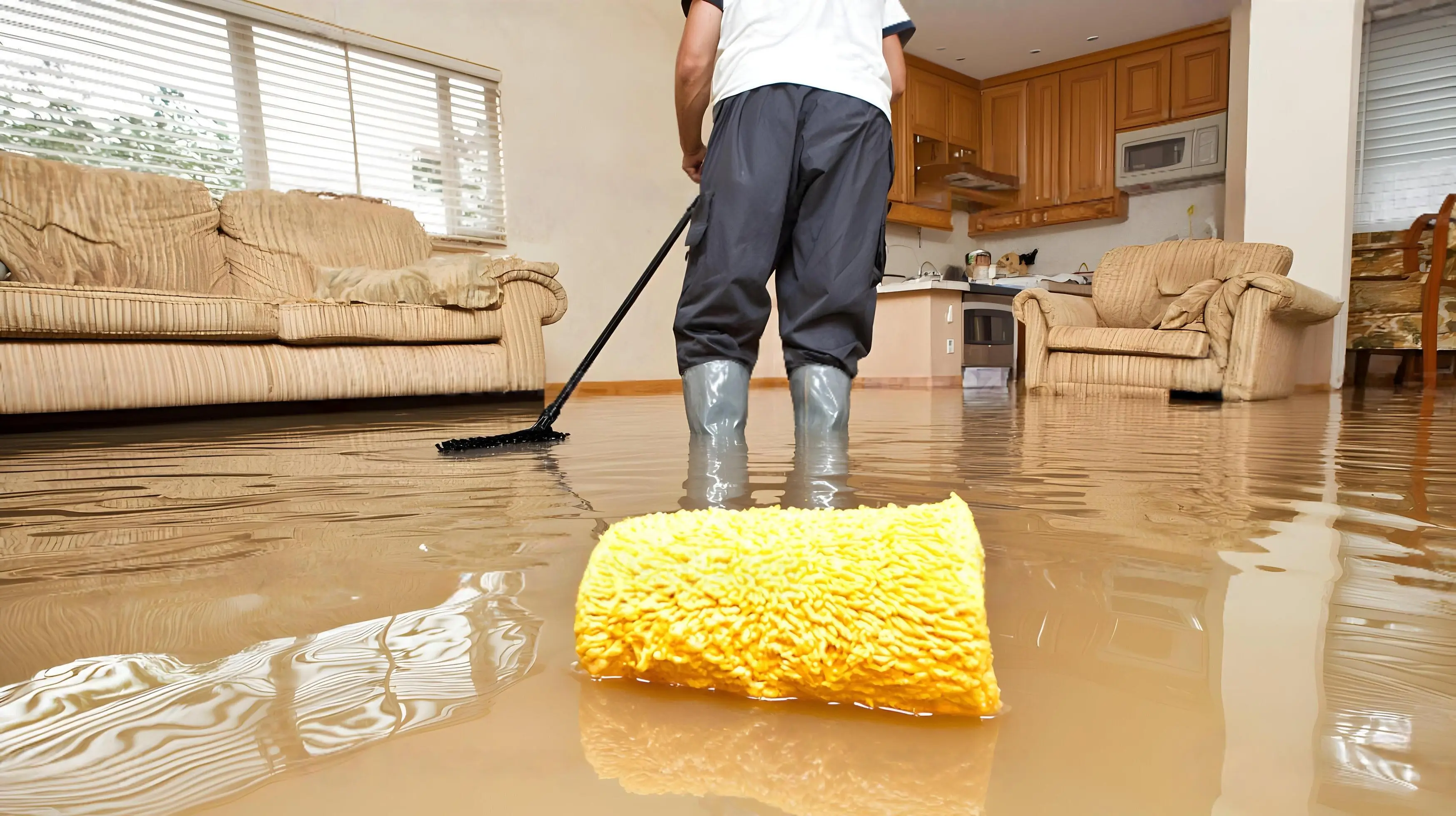
Water Damage Restoration
Burst pipes, storm flooding, standing water. We extract, dry, and restore before mold sets in.
Learn more
Fire Damage Restoration
Structural damage, soot, debris. We stabilize, clean, and rebuild what fire destroyed.
Learn more
Smoke Damage Restoration
Soot residue, chemical odors, HVAC contamination. We decontaminate surfaces, eliminate odors, and restore air quality.
Learn more
Sewage Cleanup
Sewer backups, contaminated water, biohazard. We extract, sanitize, and restore safely.
Learn more