
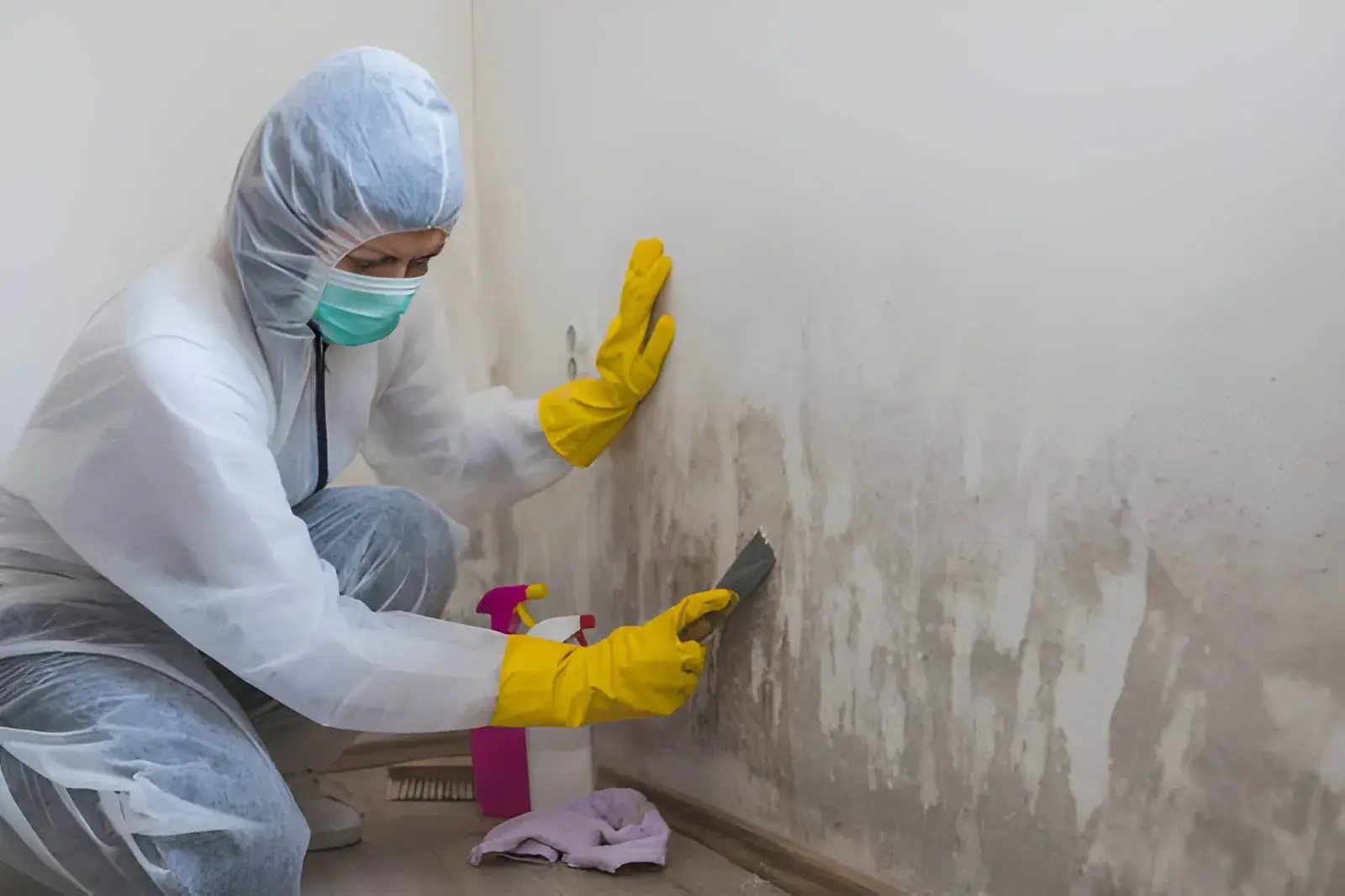
Mold Remediation in Raytown, MO
Active mold colonies compromise indoor air quality and degrade building materials rapidly. Our Raytown mold remediation specialists arrive on scene within 60 minutes.
What Happens When You Call
Your inquiry connects directly with an experienced environmental project manager who assesses contamination symptoms, reviews health risks, and schedules a comprehensive site assessment.
Our certified remediation technicians arrive at your Raytown property within 60 minutes, utilizing infrared moisture meters and calibrated air sampling tools to map moisture intrusion.
We establish critical containment barriers using 6-mil flame-retardant poly sheeting and negative-air HEPA filtration machines to prevent cross-contamination into clean living spaces.
Technicians execute controlled removal of unsalvageable porous materials, perform HEPA vacuuming, and apply EPA-registered botanical antimicrobials to eliminate fungal roots.
Decisive mold remediation is critical to eliminate toxic fungal contamination, protect structural integrity, and restore healthy indoor air quality across Jackson County properties. Whether your home contends with pervasive black mold in a subterranean walkout basement along Round Grove Creek, hidden fungal growth inside drywall cavities near Blue Ridge Boulevard, or musty odors circulating through forced-air ductwork off 63rd Street, X Response provides certified, scientific remediation. A dedicated local environmental specialist manages your project from initial spore testing through certified clearance. Call our 24/7 remediation line now for immediate consultation.
Why Raytown Homes Are Vulnerable to Mold
According to the 2020 United States Census, Raytown had a total population of 30,012 residents and a population density of 3,022.4 people per square mile. Situated in south-central Jackson County between Kansas City and Lee's Summit, Raytown encompasses roughly 10 square miles of dense suburban development. The community is characterized by mature tree canopies, rolling topography, and steep stream valleys associated with the Round Grove Creek and Little Blue River watersheds. During Missouri's prolonged summer months, high ambient humidity frequently pushes outdoor dew points above 70 degrees, creating sustained vapor pressure differentials that drive airborne moisture directly into subterranean residential basements and unconditioned building assemblies.
The physical vulnerability of Raytown homes to mold proliferation is heavily driven by regional soil geology and mid-century architectural characteristics. Constructed primarily between 1950 and 1975, the local housing stock consists predominantly of ranches, split-levels, and raised ranches built over full basements constructed from hollow-core concrete masonry units or poured concrete. Surrounding these foundations are dense Sharpsburg and Ladoga silt loam soils, which contain high percentages of expansive clay. When heavy Midwestern spring rains soak the ground, these expansive soils swell, generating immense lateral hydrostatic pressure that forces groundwater through microscopic settlement cracks, cold joints, and porous mortar lines. Combined with aging perimeter drain tiles that have silted over after decades of service, this persistent subterranean dampness creates ideal dark, humid microclimates where toxigenic fungal species such as Stachybotrys chartarum, Aspergillus, and Penicillium flourish behind finished basement drywall and beneath wall-to-wall carpeting.
Expansive Clay Soils and Subterranean Hydrostatic Seepage
Jackson County's dense Sharpsburg silt loam soils exert continuous lateral pressure against foundation walls. Saturated soils push groundwater through concrete masonry joints, maintaining the chronic dampness required for subterranean fungal growth.
High Midwestern Summer Humidity and Condensation
Raytown experiences prolonged summer spells with relative humidity exceeding 75 percent. When warm, humid outdoor air infiltrates cooler subterranean basements, moisture condenses on concrete slabs, cold-water supply pipes, and drywall paper.
Aging Mid-Century Architectural Building Materials
Thousands of Raytown residences date from the 1950s through 1970s, featuring original cellulose wallboard, Douglas fir framing, and organic subfloor adhesives. Once exposed to chronic moisture, these nutrient-dense materials fuel rapid mold colonization.
Central Forced-Air HVAC Spore Distribution
Forced-air furnaces and return plenums located in damp Raytown basements frequently harbor fungal colonies. When the HVAC blower operates, it pulls microscopic spores from the basement and disperses them through supply ducts into upstairs bedrooms.
Round Grove Creek Drainage Valley Runoff
Properties situated along the steep valley slopes of Round Grove Creek contend with high overland water flow during convective storms. Inadequate lot grading directs runoff against foundation perimeters, causing chronic crawl space and basement dampness.
Mold remediation in Raytown requires specialized technical knowledge of Midwestern climate cycles, expansive clay soil dynamics, and mid-century construction methods. X Response provides certified containment, source elimination, and permanent prevention.
What Happens to Your Home While You Wait
Within 24 Hours
Microscopic airborne fungal spores germinate upon coming into contact with wet organic cellulose on drywall backing, subfloor plywood, and cardboard storage boxes. Initial hyphae root systems begin penetrating porous surfaces.
24–48 Hours
Active fungal colonies establish visible growth colonies on damp structural timber and carpet backing. Spores begin producing volatile organic compounds (VOCs) that create unmistakable earthy and musty odors.
48–72 Hours
Colonies enter active sporulation, releasing millions of microscopic spores and mycotoxins into ambient indoor air. Saturated drywall begins disintegrating, while HVAC systems circulate spores to unimpacted rooms.
One to Two Weeks
Deep fungal hyphae degrade structural wood framing, causing soft rot and localized timber softening. Occupants often experience persistent allergy symptoms, respiratory irritation, coughing, and sinus congestion.
One Month and Beyond
Extensive colonization compromises large expanses of interior drywall, insulation, and subflooring, requiring complete structural demolition under strict negative-air containment. Remediation scope and costs escalate substantially.
Early professional intervention prevents fungal colonization from spreading into structural framing and HVAC ductwork. Contact X Response immediately for certified mold inspection across Raytown.
How We Restore Mold-Affected Raytown Homes
Our mold remediation operations adhere strictly to the ANSI/IICRC S520 Standard for Professional Mold Remediation, deploying strict physical containment, HEPA air filtration, and certified source removal protocols.
Comprehensive Moisture Mapping and Environmental Testing
Our certified remediation technicians conduct a comprehensive inspection using high-resolution FLIR thermal cameras, penetrating moisture meters, and calibrated air sampling pumps to identify active moisture sources and establish baseline spore concentrations.
Critical Containment and Negative Air Pressure
We construct sealed physical containment chambers using 6-mil polyethylene sheeting and magnetic zipper doors. Commercial negative-air machines equipped with multi-stage HEPA filtration exhaust air outside, preventing spores from escaping into unaffected living areas.
Controlled Demolition of Saturated Porous Materials
Non-salvageable materials exhibiting deep colonization, including mold-damaged drywall, acoustic ceiling tiles, and carpet padding, are misted with antimicrobial surfactant, safely bagged inside containment, and removed for proper disposal.
HEPA Vacuuming and Botanical Antimicrobial Cleaning
All remaining framing, concrete foundation walls, and structural timber undergo intensive multi-directional HEPA vacuuming. Technicians then apply EPA-registered, non-toxic botanical antimicrobials using mechanical scrubbing and specialized microfiber technology.
Air Scrubbing and Post-Remediation Clearance Testing
Industrial HEPA air scrubbers operate continuously for 48 to 72 hours following remediation to clear all airborne particulate. An independent environmental testing firm collects post-remediation clearance air samples to verify normal fungal ecology.
The X Response Difference
When mold threatens your Raytown home or business, rely on X Response for certified containment, thorough removal, and documented clearance.
Insurance Claim Guidance for Raytown Homeowners
Filing an insurance claim for mold remediation in Jackson County requires precise understanding of Missouri property insurance policy terms and coverage exclusions. Standard homeowners policies in Missouri generally exclude mold resulting from long-term deferred maintenance, chronic foundation seepage, or elevated relative humidity. However, when mold colonization results directly from a sudden and accidental covered peril, such as a burst pressurized plumbing pipe, water heater failure, or post-fire suppression saturation, remediation expenses are typically covered under the underlying water damage claim or via a specific mold endorsement limit, commonly $5,000 to $10,000. Our experienced team documents the exact physical moisture source, tracks psychrometric conditions, and provides itemized Xactimate estimates to support your adjuster's claim review.
How X Response Helps
- Conduct thorough photo and thermal imaging documentation linking mold growth directly to a sudden covered plumbing failure
- Perform baseline and post-remediation moisture tracking across all affected structural framing and building assemblies
- Provide detailed line-item remediation estimates categorized under standardized insurance industry pricing guidelines
- Compile third-party laboratory air sample analysis confirming elevated spore counts and documenting successful clearance
- Coordinate directly with your insurance claims adjuster to provide all required technical documentation and expedite settlement
X Response operates as an independent emergency disaster restoration contractor. We are not licensed insurance adjusters, public adjusters, or legal professionals. We provide objective technical documentation and professional remediation services to support your claim.
Certified Restoration Specialists Serving Raytown
Our mold remediation specialists serving Raytown understand the significant health concerns and property stress associated with toxic mold infestations. Having remediated split-level basements along Blue Ridge Boulevard, mid-century homes near Round Grove Creek, and commercial properties on Raytown Trafficway, our technicians combine proven scientific methods with professional, compassionate customer service. We arrive promptly, take control of the containment process, and keep you informed through every stage of cleanup.
Every crew supervisor holds active certification through the Institute of Inspection, Cleaning and Restoration Certification (IICRC), including Applied Microbial Remediation Technician (AMRT) and Water Damage Restoration Technician (WRT) credentials. We maintain fully equipped mobile remediation trailers outfitted with commercial HEPA negative-air machines, commercial air scrubbers, and botanical antimicrobial agents. By adhering to rigorous IICRC S520 standards, our team ensures your Raytown property is restored to a safe, healthy living environment.
In Raytown, X Response works with Best Option Restoration, an independent local restoration partner serving Jackson County.
Mold Remediation FAQ for Raytown Homeowners
Other Emergency Services in Raytown
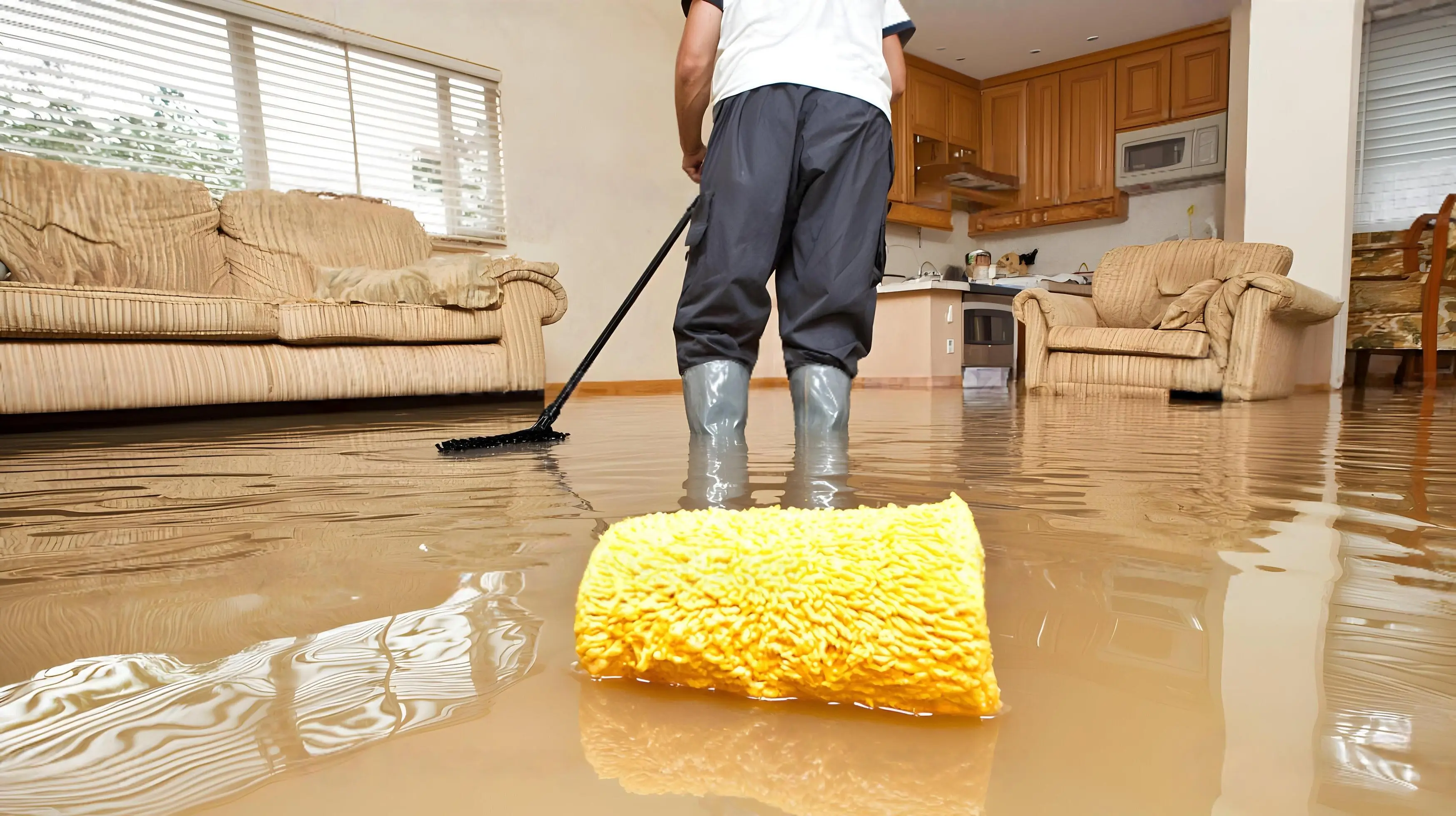
Water Damage Restoration
Burst pipes, storm flooding, standing water. We extract, dry, and restore before mold sets in.
Learn more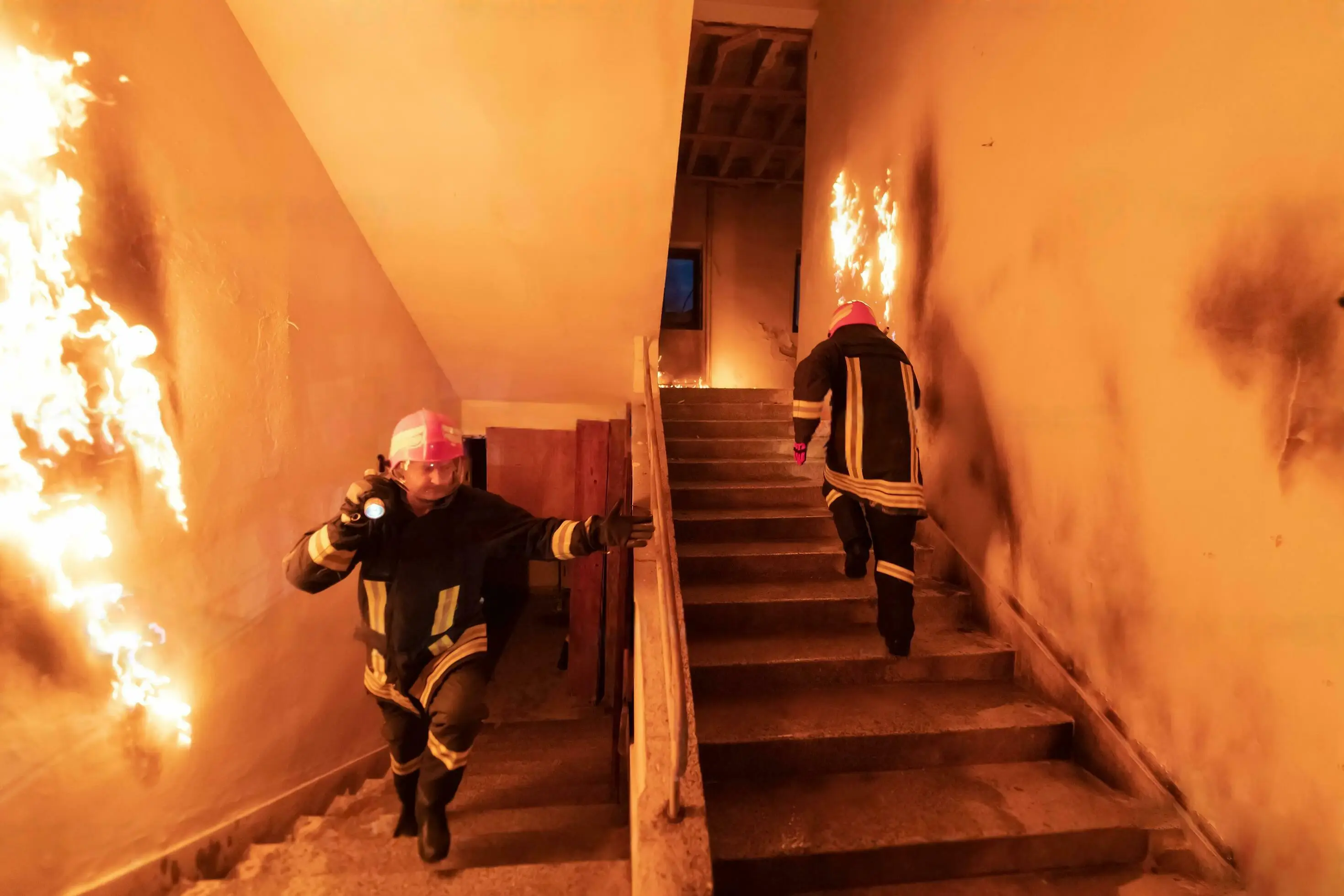
Fire Damage Restoration
Structural damage, soot, debris. We stabilize, clean, and rebuild what fire destroyed.
Learn more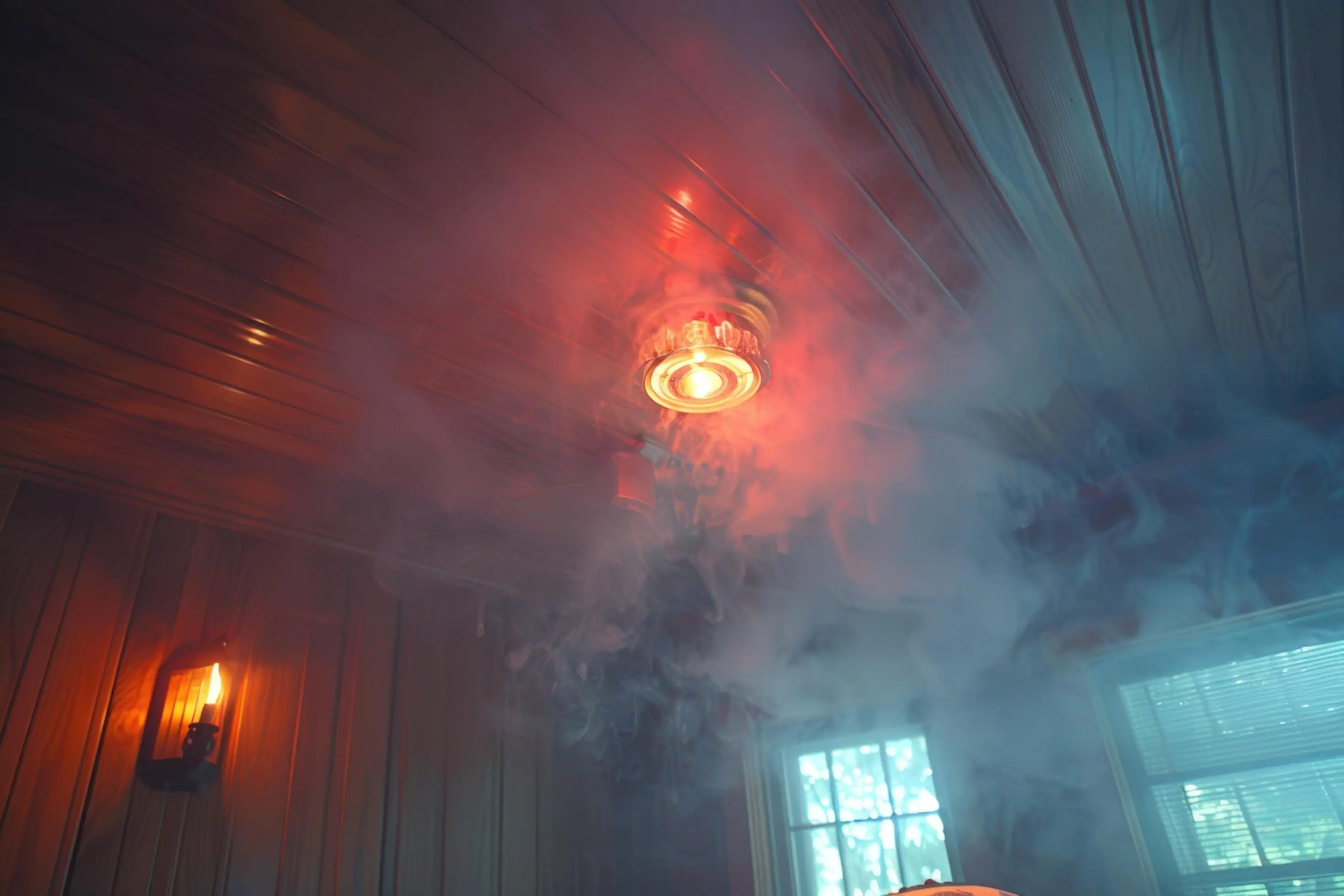
Smoke Damage Restoration
Soot residue, chemical odors, HVAC contamination. We decontaminate surfaces, eliminate odors, and restore air quality.
Learn more
Sewage Cleanup
Sewer backups, contaminated water, biohazard. We extract, sanitize, and restore safely.
Learn moreNearby Service Areas
Also serving nearby: