
Mold Remediation in Tallmadge, OH
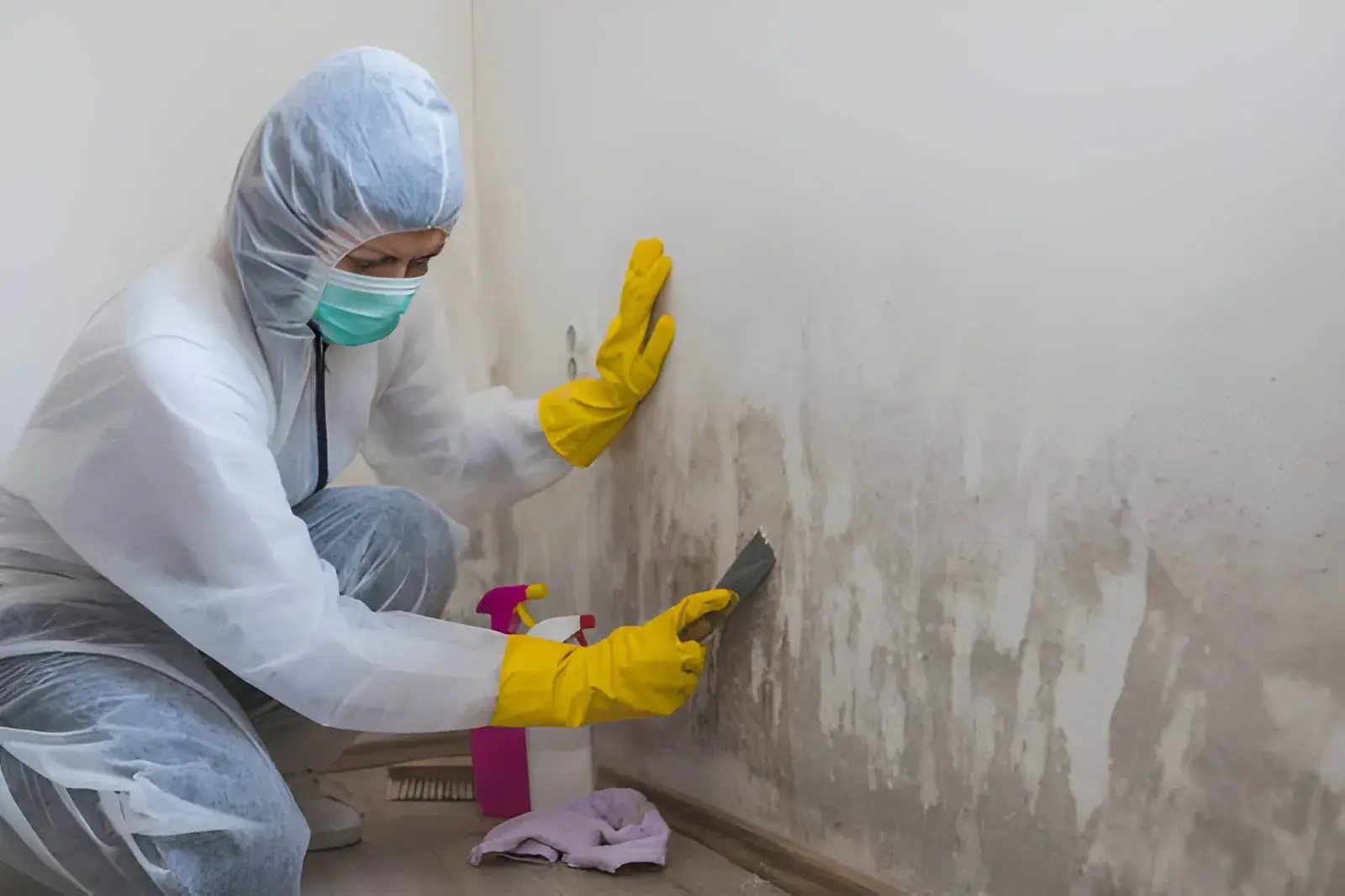
Mold colonies in a Tallmadge home actively degrade wooden floor joists, drywall, and indoor air quality. Our local Summit County remediation team responds quickly to isolate and remove microbial hazards.
What Happens When You Call
A knowledgeable remediation coordinator answers your call, reviews visual symptoms, and schedules an on-site moisture inspection.
Our Summit County certified crew arrives with infrared cameras, digital hygrometers, and containment materials.
Technicians seal off the affected zone under negative pressure with industrial HEPA air scrubbers to protect the rest of your home.
Infested materials are safely removed, framing is mechanically abraded, antimicrobial encapsulants are applied, and clearance is verified.
Discovering mold behind basement paneling, under subfloors, or inside attic insulation requires immediate structural containment. Simply spraying surface bleach does not kill deep-seated hyphae and spreads airborne spores. When you contact X Response, our certified remediation crew mobilizes quickly to inspect, contain, and eliminate the contamination at its moisture source. Call now. Your team is standing by.
Why Tallmadge Homes Are Vulnerable to Mold
Tallmadge, Ohio, is a Summit County community of 18,394 residents situated on glaciated terrain characterized by dense clay soils and a network of minor drainages feeding the Little Cuyahoga River basin, including Camp Brook. These dense clay subsoils retain high moisture levels year-round, generating relentless hydrostatic pressure and vapor transmission through basement concrete walls and floor slabs. When summer humidity levels surge across Northeast Ohio, warm, moisture-laden outdoor air enters cool subterranean basements, creating condensation on uninsulated masonry, sill plates, and carpet backing. According to the U.S. Environmental Protection Agency, indoor mold growth can be controlled by keeping indoor humidity between 30 and 50 percent and drying water-damaged materials within 24 to 48 hours. In Tallmadge residences where basement relative humidity exceeds 60 percent during warm months, opportunistic fungal species such as Aspergillus, Cladosporium, and Stachybotrys colonize organic building materials rapidly.
Seasonal shifts bring an inverted moisture challenge during cold Northeast Ohio winters. Tallmadge homeowners seal their residences tightly against freezing temperatures, trapping indoor water vapor generated by daily living. Without adequate attic ventilation or continuous mechanical dehumidification, warm indoor moisture migrates upward into unheated attics, condensing on cold roof decking and roof rafters. Furthermore, historic timber-framed homes and older ranch foundations often experience slow, hidden plumbing leaks inside wall cavities that remain unnoticed until severe wood decay and persistent musty odors become apparent. Remediating mold in Summit County requires certified technicians who isolate the affected space under negative air pressure, physically extract compromised materials, treat remaining framing with EPA-registered antimicrobials, and remediate the underlying moisture intrusion.
Subterranean Foundation Moisture and Clay Soils
Tallmadge's slow-draining glacial clay soils maintain high soil moisture against basement walls. Vapor transmission through concrete block creates damp boundary layers where mold colonies thrive behind finished basement drywall.
Summer Dew Point Spikes and Condensation
During humid Ohio summer stretches, high ambient dew points cause warm air to condense against cold basement surfaces and uninsulated ductwork, feeding fungal colonization on subfloor joists.
Winter Attic Condensation
Warm indoor air leaking past ceiling penetrations into cold winter attics condenses along roof decking, causing black mold growth and timber rot along roof rafters.
Concealed Plumbing and Foundation Seepage
Slow, hidden pinhole leaks and seasonal foundation wall seepage provide sustained moisture reservoirs in wall cavities, allowing colonies to spread extensively before becoming visible.
Resolving mold contamination in Tallmadge requires identifying the specific moisture mechanism, implementing strict negative air containment, and eradicating fungal root systems.
What Happens to Your Home While You Wait
24 to 48 Hours
Microscopic mold spores germinate on wet drywall, carpeting, or wood framing following moisture exposure, initiating microscopic root penetration.
48 to 72 Hours
Colonies become visible as fuzzy discoloration on baseboards or drywall seams. Musty microbial volatile organic compound (MVOC) odors begin to circulate.
One to Two Weeks
Fungal hyphae digest cellulose within drywall paper and subflooring, compromising structural material integrity and releasing elevated airborne spore counts.
One Month and Beyond
Unchecked colonization penetrates deep into structural joists and studs. Spores enter HVAC returns, distributing contaminants throughout living areas and multiplying remediation scope.
Six Months and Beyond
Wood framing suffers irreversible dry rot and structural softening. Full demolition of affected partitions and extensive framing sistering become necessary to restore safety.
Stopping fungal expansion in your Tallmadge property requires swift professional containment and moisture control. Contact X Response now. We resolve mold safely at the root.
How We Restore Mold-Affected Tallmadge Homes
Our mold remediation protocol follows strict ANSI/IICRC S520 guidelines, ensuring thorough containment, safe removal, and verified indoor air clearance.
Moisture Source Mapping and Thermal Imaging
We scan building envelopes with FLIR thermal cameras and pin-type moisture meters to isolate hidden plumbing leaks, roof intrusions, or foundation seepage driving the infestation.
Negative Air Isolation and Containment
Our technicians build airtight 6-mil poly containment barriers with zippered airlocks and vent commercial HEPA filtration units outdoors to prevent cross-contamination to clean living areas.
Controlled Material Extraction
Heavily colonized non-salvageable materials such as damp drywall, insulation, and tack strips are misted with antimicrobial surfactant, cut out, and double-bagged under negative pressure.
HEPA Vacuuming and Mechanical Abrasion
Contaminated wooden framing and masonry walls are sanded or wire-brushed to eliminate embedded roots, followed by thorough HEPA vacuuming capturing particles down to 0.3 microns.
Antimicrobial Treatment and Environmental Clearance
We apply EPA-registered antimicrobial solutions and fungicidal encapsulants to timber surfaces, running desiccant dehumidifiers until moisture levels meet dry standard criteria.
The X Response Difference
X Response delivers certified, containment-controlled mold remediation across Tallmadge to protect your health and structural property value.
Insurance Claim Guidance for Tallmadge Homeowners
Navigating an insurance claim for mold damage in Ohio requires clear technical proof tying the contamination to a sudden, covered water loss rather than deferred maintenance. Standard policies commonly feature mold coverage sub-limits, making precise documentation of cause of loss essential.
How X Response Helps
- We document the primary water origin with moisture mapping and high-resolution date-stamped photos.
- We draft line-item estimates separating emergency moisture extraction from specialized microbial remediation.
- Our team provides written proof of containment protocols and HEPA filtration necessity to insurance adjusters.
- We verify that drying and removal protocols comply with standard Ohio homeowner policy guidelines.
- We provide detailed drying records and material scopes to assist your adjuster in approving covered benefits.
X Response does not file claims on your behalf or make coverage determinations. We provide documentation to help you make informed decisions. Coverage decisions are made solely by your insurance carrier.
Certified Restoration Specialists Serving Tallmadge
Our Tallmadge microbial remediation technicians are certified specialists who understand how Northeast Ohio climate shifts affect building envelopes and foundation masonry. Serving residential properties across Summit County, we combine local structural knowledge with rigorous containment standards.
Each technician holds current certification in Applied Microbial Remediation (AMRT) and Water Damage Restoration (WRT) from the IICRC. Equipped with HEPA negative air scrubbers, thermal moisture sensors, and EPA-approved antimicrobial applications, we eliminate mold hazards permanently.
In Tallmadge, X Response works with Restoworks Disaster Restoration, an independent local restoration partner serving Summit County County.
Mold Remediation FAQ for Tallmadge Homeowners
Other Emergency Services in Tallmadge
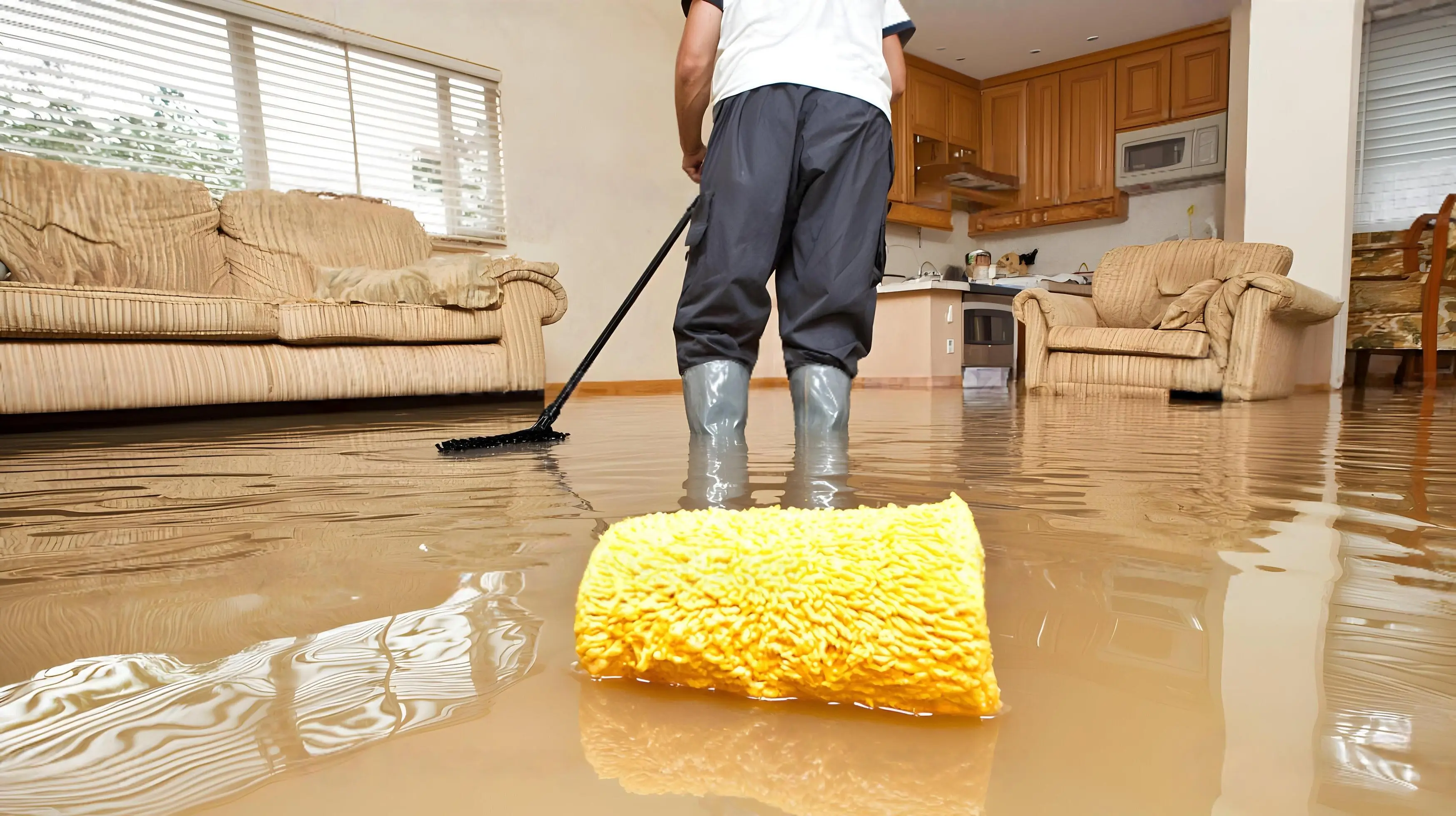
Water Damage Restoration
Burst pipes, storm flooding, standing water. We extract, dry, and restore before mold sets in.
Learn more
Fire Damage Restoration
Structural damage, soot, debris. We stabilize, clean, and rebuild what fire destroyed.
Learn more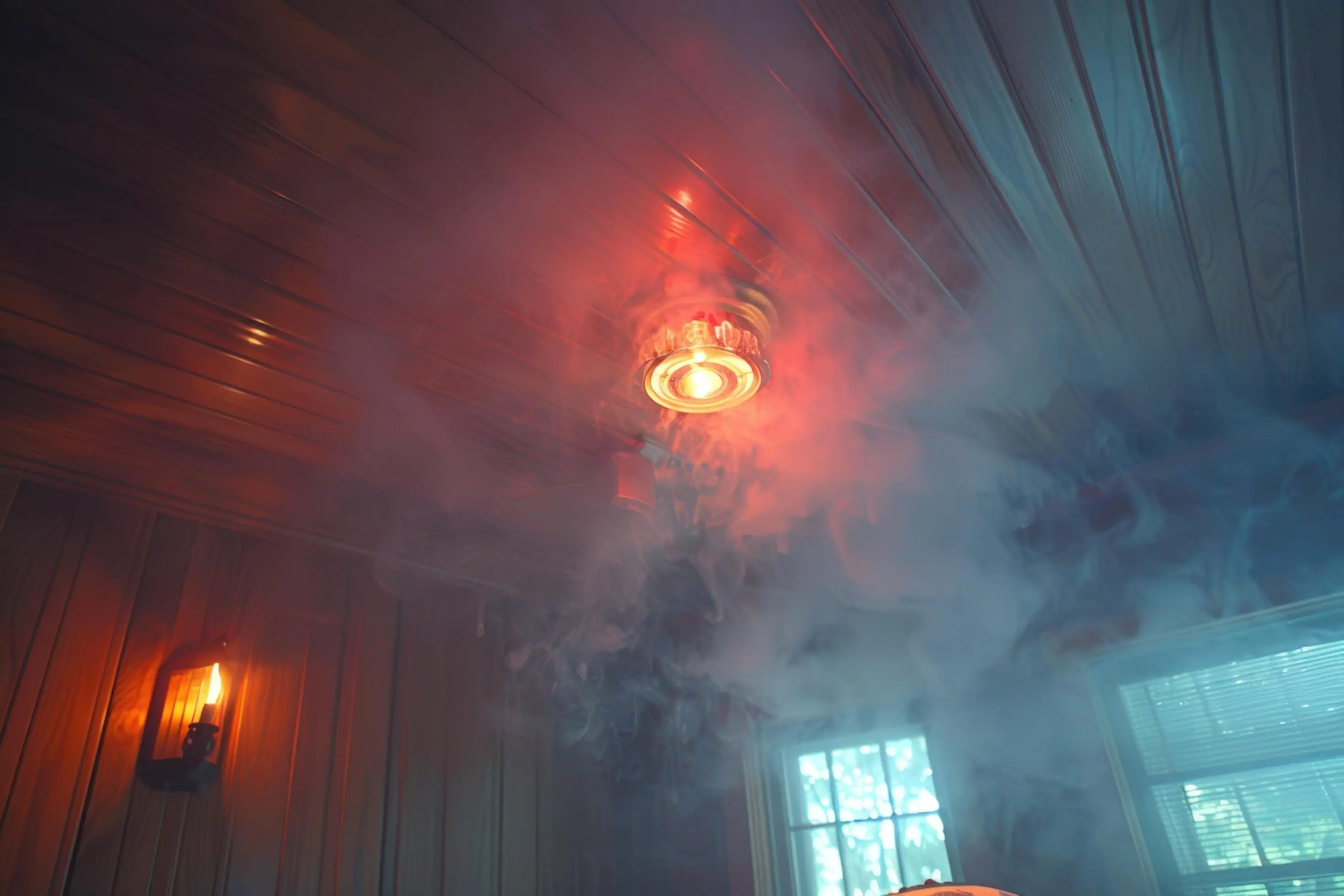
Smoke Damage Restoration
Soot residue, chemical odors, HVAC contamination. We decontaminate surfaces, eliminate odors, and restore air quality.
Learn more