
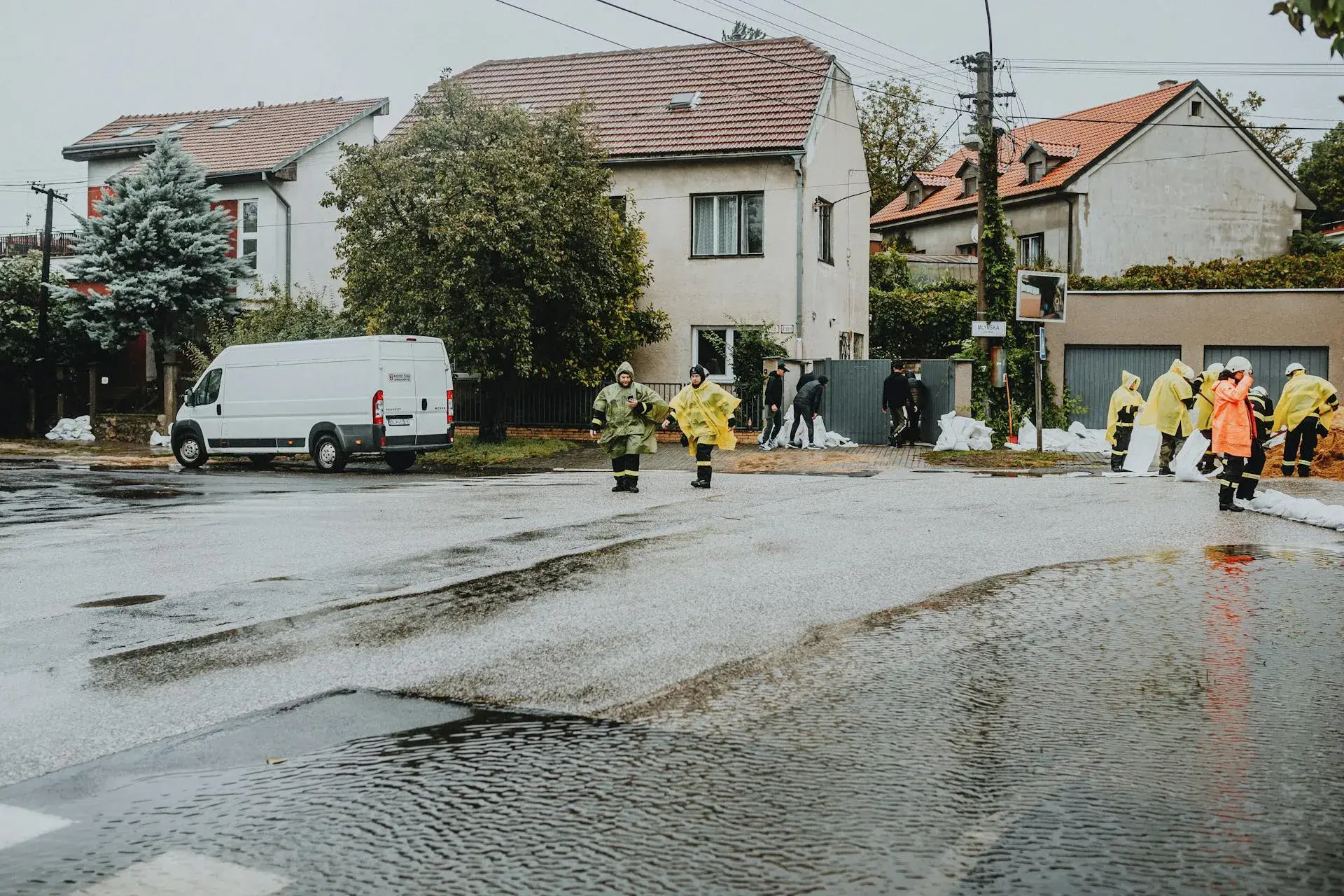
Sewage Cleanup in Franklin, TN
Sewage contamination is a biohazard that worsens every hour. Our local team responds within 60 minutes with full extraction and sanitization equipment.
What Happens When You Call
A real person answers, not a call center. We assess your situation, determine contamination severity, and begin coordinating your biohazard response team immediately.
Your dedicated sewage cleanup team is dispatched from our local base serving Franklin and the surrounding Williamson County communities.
Team arrives with industrial extraction equipment, personal protective equipment, antimicrobial agents, and commercial dehumidifiers. Contamination containment begins immediately.
Sewage extracted, contaminated materials removed, antimicrobial treatment applied, drying equipment positioned. You have a clear remediation plan and timeline.
Sewage in your home is not a plumbing inconvenience. It is a biohazard that exposes your family to bacteria, viruses, and parasites with every passing hour. You need it contained and removed now, not after a callback queue or a next-day appointment. X Response exists for exactly this moment. When you reach out, your sewage cleanup team is mobilized within minutes and on site within the hour with full PPE, extraction equipment, and antimicrobial agents. One team manages everything: extraction, decontamination, drying, and insurance documentation. You are never left guessing about the next step. Call now. Your team is standing by.
Why Franklin Homes Are Vulnerable to Sewage
Franklin runs its own wastewater system through Franklin Public Utilities, and that system has been working under a state enforcement order for more than a decade. On May 15, 2012, Franklin Public Utilities entered into an Agreed Order with the Tennessee Department of Environment and Conservation to address sanitary sewer overflows in its wastewater collection system. Unlike Nashville, Franklin is served by a separate sanitary system, where wastewater and stormwater are supposed to travel in different pipes. The overflows here are not caused by combined sewers but by inflow and infiltration: during rain, stormwater leaks into the sanitary pipes through cracked lines, deteriorated joints, and manholes, then overwhelms the collection system's capacity and forces sewage out of the lowest available opening. For a homeowner, that lowest opening can be a basement floor drain, a ground-level cleanout, or a crawl space connection. As of the 2020 census, Franklin had a population of 83,454 residents.
The scale of the system explains why this is an ongoing effort rather than a quick fix. Franklin Public Utilities maintains over a million linear feet of gravity sewer, more than 150,000 feet of force main, dozens of pumping stations, and thousands of manholes, all feeding a treatment plant built for far more than the city's current average daily flow. Every joint and manhole in that network is a potential entry point for stormwater, and the city's rapid growth, from 30,278 residents in 2010 to 44,431 in 2020, keeps adding connections and load. Until the inflow and infiltration are sealed out across the system, properties in Franklin remain exposed to backups during heavy rain, and to the separate, weather-independent failures of aging private lateral lines and grease-clogged mains.
Inflow and Infiltration Driven Overflows
Franklin's sanitary sewer overflows are driven by inflow and infiltration, the technical term for stormwater leaking into pipes that are only supposed to carry wastewater. During and after heavy rain, water enters the system through cracked pipe, failed joints, and manhole covers, and the added volume can exceed the collection system's capacity within hours. When that happens, the system relieves itself through the nearest opening, which in an occupied home means a basement floor drain, a cleanout, or a crawl space connection. This is the core problem the 2012 TDEC Agreed Order set out to address, and it is why Franklin backups so often follow a major storm even though the city does not have Nashville's combined sewers.
The 2012 TDEC Agreed Order and System Capacity
The Agreed Order with the Tennessee Department of Environment and Conservation required Franklin Public Utilities to evaluate and document confirmed sanitary sewer overflows and to invest in reducing them across a very large collection system. Sealing out inflow and infiltration across more than a million linear feet of gravity sewer and thousands of manholes is a multi-year capital effort. While that work continues, homes connected to the older and more leak-prone parts of the system remain at elevated risk of backup during significant rain events. A standing state order does not exist for a system that overflows rarely. It exists because the overflows were frequent and documented enough to require enforcement.
Aging Lateral Lines and Root Intrusion
Independent of system-wide overflows, Franklin's older neighborhoods around the historic square face backup risk from private lateral lines, the pipes that connect each home to the public main. Many laterals in the oldest parts of town are decades-old clay or cast iron. Tree roots from Franklin's mature canopy infiltrate through cracks at the pipe joints and grow until they block flow entirely, causing a backup inside the home regardless of the weather. Because the homeowner owns the lateral, these failures are both common and easy to overlook until sewage is already backing up into a tub, a floor drain, or a crawl space.
Crawl Space Vulnerability and Humid Climate
Many of Franklin's older homes sit on crawl space foundations where sewer cleanouts and floor-drain connections are accessible below grade. When a backup occurs, sewage often flows into the crawl space before it is visible in the living area above. Franklin's warm, humid climate turns sewage-contaminated materials in a dark, enclosed crawl space into an aggressive mold incubator within 24 to 48 hours. The combination of hidden contamination and rapid microbial growth makes crawl space sewage events particularly dangerous without professional equipment and training, because the homeowner may not realize how far the contamination has spread beneath the floor.
Grease, FOG, and Rapid Growth
Fats, oils, and grease poured down drains congeal in sewer mains and lateral lines, narrowing them until flow is blocked and sewage backs up into homes. Franklin Public Utilities specifically warns that cooking grease causes clogs that lead to overflows and backups. Layered on top of that everyday risk is the city's rapid growth: each new home and business connects to the same system the utility is still working to seal and upgrade, and dense new development concentrates loading on aging infrastructure. The result is a system facing pressure from three directions at once, stormwater infiltration, grease and root blockages, and rising demand, each capable of pushing sewage back toward a home.
These factors compound one another. Stormwater infiltrates the sanitary system during rain, aging lateral lines fail from roots and deterioration, grease blockages develop independent of weather, the humid climate accelerates contamination, and crawl space foundations hide the damage. Effective sewage cleanup in Franklin means determining whether the backup came from the public main during an overflow, from a private lateral, or from a fixture-level failure, because each demands a different remediation approach and a different insurance documentation strategy. It rewards a team that knows Williamson County's sewer geography and the specific contamination risks of Franklin's housing stock.
What Happens to Your Home While You Wait
Within 1 Hour
Sewage spreads across flooring and saturates porous materials at contact level. Bacteria and pathogens are active immediately on every surface the contaminated water touches. In Franklin's older homes with crawl space foundations, sewage flows beneath the living area through drain connections and cleanout access points, contaminating floor joists and insulation before any sign appears above. The biohazard clock starts the moment sewage enters the structure.
1–24 Hours
Bacteria multiply rapidly in Franklin's warm conditions. Porous materials including carpet, carpet pad, drywall, and particleboard subfloor absorb contaminated water and become unsalvageable. Odor intensifies as anaerobic bacteria break down organic matter. The region's ambient humidity prevents natural drying, keeping materials saturated and microbial activity climbing. The scope of materials requiring complete removal expands with every hour of contact.
24–48 Hours
Mold colonization begins on sewage-contaminated surfaces, combining the biohazard of Category 3 water with active mold growth. In Franklin's humid climate, mold can establish visible colonies on damp drywall and wood within this window. Cross-contamination spreads through HVAC systems if the forced-air system runs while contamination is present. What was a sewage extraction job becomes a combined sewage and mold remediation project.
48–72 Hours
Structural materials begin deteriorating from prolonged sewage saturation. Particleboard subfloor swells and delaminates. Drywall loses structural integrity. Wood framing in crawl spaces absorbs contaminated moisture and begins bacterial decay. The remediation scope now includes structural demolition and replacement rather than surface cleaning.
One Week and Beyond
Extensive mold infestation throughout contaminated areas. Structural wood damage in crawl spaces and wall cavities. Complete demolition to framing required in all sewage-contacted areas. Remediation costs multiply as the project scope expands from extraction and sanitization into full structural rebuild.
The difference between sanitizing your home and gutting it is often just a few hours of response time. Contact X Response now. Our Franklin sewage cleanup team responds within 60 minutes.
How We Restore Sewage-Damaged Franklin Homes
From the moment our team arrives, every step follows IICRC S500 Category 3 protocols. Here is what the sewage remediation process involves.
Contamination Assessment and Safety Setup
Our team arrives in full personal protective equipment and immediately establishes containment to prevent cross-contamination. We assess the scope of sewage intrusion using visual inspection and moisture detection, mapping how far contaminated water has spread through flooring, walls, crawl spaces, and HVAC systems. For Franklin homes, we work to determine whether the backup originated from the public main during a sanitary sewer overflow, from the private lateral, or from a fixture-level failure, because that distinction affects both the remediation approach and the insurance documentation. Everything is photographed and documented from the first moment.
Sewage Extraction and Material Removal
Standing sewage is extracted using truck-mounted and portable units designed for contaminated water. For Franklin homes with crawl spaces, we deploy submersible pumps and low-clearance extraction tools to reach below-grade areas. All porous materials that contacted sewage are removed: carpet, carpet pad, drywall below the contamination line, insulation, and any particleboard or OSB subflooring that absorbed contaminated water. These materials cannot be sanitized and must be disposed of as contaminated waste. Hard surfaces like concrete, ceramic tile, and solid wood framing can be cleaned and treated, but only after all porous materials are removed and the structure is accessible for direct treatment.
Antimicrobial Treatment and Decontamination
Every surface that contacted sewage is treated with EPA-registered antimicrobial and disinfectant agents. This includes concrete floors, wood framing, sill plates, and the floor joists in crawl spaces, along with any retained structural materials. For Franklin homes with crawl spaces, that means accessing and treating the entire below-grade structural system, including rim joists, subfloor sheathing, and foundation walls. HEPA air scrubbers run continuously to capture airborne pathogens and prevent cross-contamination to unaffected areas through the air handling system.
Structural Drying and Dehumidification
After extraction and decontamination, affected structural materials must be thoroughly dried to prevent secondary mold growth. We position commercial dehumidifiers and high-velocity air movers to drive moisture out of concrete, wood framing, and retained sheathing. Franklin's humid Middle Tennessee climate makes mechanical dehumidification essential. Without it, structural materials stay damp enough to support mold colonization indefinitely. Our team returns daily to take moisture readings, reposition equipment, and verify drying progress. Equipment stays in place until meters confirm all structural materials have reached their dry standard, typically three to five days depending on the extent of saturation.
Clearance Verification and Completion
Before the project is complete, we perform clearance verification to confirm the space is safe for reconstruction and occupancy. This includes final moisture readings, a visual inspection of all treated surfaces, and air quality assessment. You receive a detailed completion report documenting the full scope of work performed, materials removed, antimicrobial treatments applied, final moisture readings, and before-and-after photo evidence. This documentation supports your insurance claim and provides a permanent record that the contamination was professionally remediated to IICRC standards.
The X Response Difference
When you contact X Response, you get a dedicated biohazard remediation team that manages everything from emergency containment through insurance documentation to final clearance. One team, one point of contact, one standard of work.
Insurance Claim Guidance for Franklin Homeowners
Sewage backup coverage in Tennessee is not included in standard homeowner's insurance policies. It requires a separate endorsement, typically called sewer and drain backup coverage, that must be added before the event. This is critical for Franklin homeowners, because the city's sanitary system has operated under a TDEC Agreed Order since 2012 specifically because it overflows during heavy rain. Without the endorsement, your carrier will deny a sewage backup claim regardless of cause. If you do carry the endorsement, coverage limits vary between carriers, and many policies cap sewer backup coverage at $5,000 to $25,000, which may not cover a full remediation.
How X Response Helps
- Identify and document the contamination source clearly, distinguishing between main-line overflow, lateral failure, and fixture overflow, which determines applicable coverage
- Document all contamination with professional photos, moisture readings, material inventories, and a detailed scope of remediation from day one
- Align remediation scope with standard insurance coverage categories so your adjuster can process the claim against your sewer backup endorsement efficiently
- Prepare documentation that meets IICRC S500 Category 3 standards, demonstrating that remediation followed industry protocols
- Explain your policy's likely coverage and limitations before you file, so you understand your options and potential out-of-pocket exposure
X Response does not file claims on your behalf, adjust claims, or make coverage determinations. We provide documentation and guidance to help you make informed decisions about your property and your policy. Coverage decisions are made solely by your insurance carrier.
Certified Restoration Specialists Serving Franklin
When you contact X Response for a sewage emergency in Franklin, your remediation team is drawn from certified professionals who work across Williamson County and understand the specific challenges of decontaminating homes here. They know which parts of the system are most prone to inflow and infiltration overflows during heavy rain, which older neighborhoods have the aging lateral lines most vulnerable to root intrusion, and how Franklin's crawl space construction creates hidden contamination zones that require specialized access. They have worked through storm-driven sanitary sewer overflows, lateral-line backups in the mature-canopy neighborhoods near the square, and fixture-level failures in everything from older homes to new construction. This is not a general cleaning crew. It is a biohazard remediation team with local expertise, operating under IICRC Category 3 protocols.
Every technician holds current IICRC certification in water damage restoration with specific Category 3 contaminated-water training, and carries appropriate Tennessee state licensing. Equipment is commercial-grade: truck-mounted extraction units rated for contaminated water, industrial antimicrobial application systems, HEPA air scrubbers, and commercial dehumidifiers sized for Middle Tennessee's humid climate. When your team arrives, they bring everything needed to begin containment and extraction immediately.
In Franklin, X Response works with Tennessee Water and Fire, an independent local restoration partner serving undefined County.
Sewage Cleanup FAQ for Franklin Homeowners
Other Emergency Services in Franklin
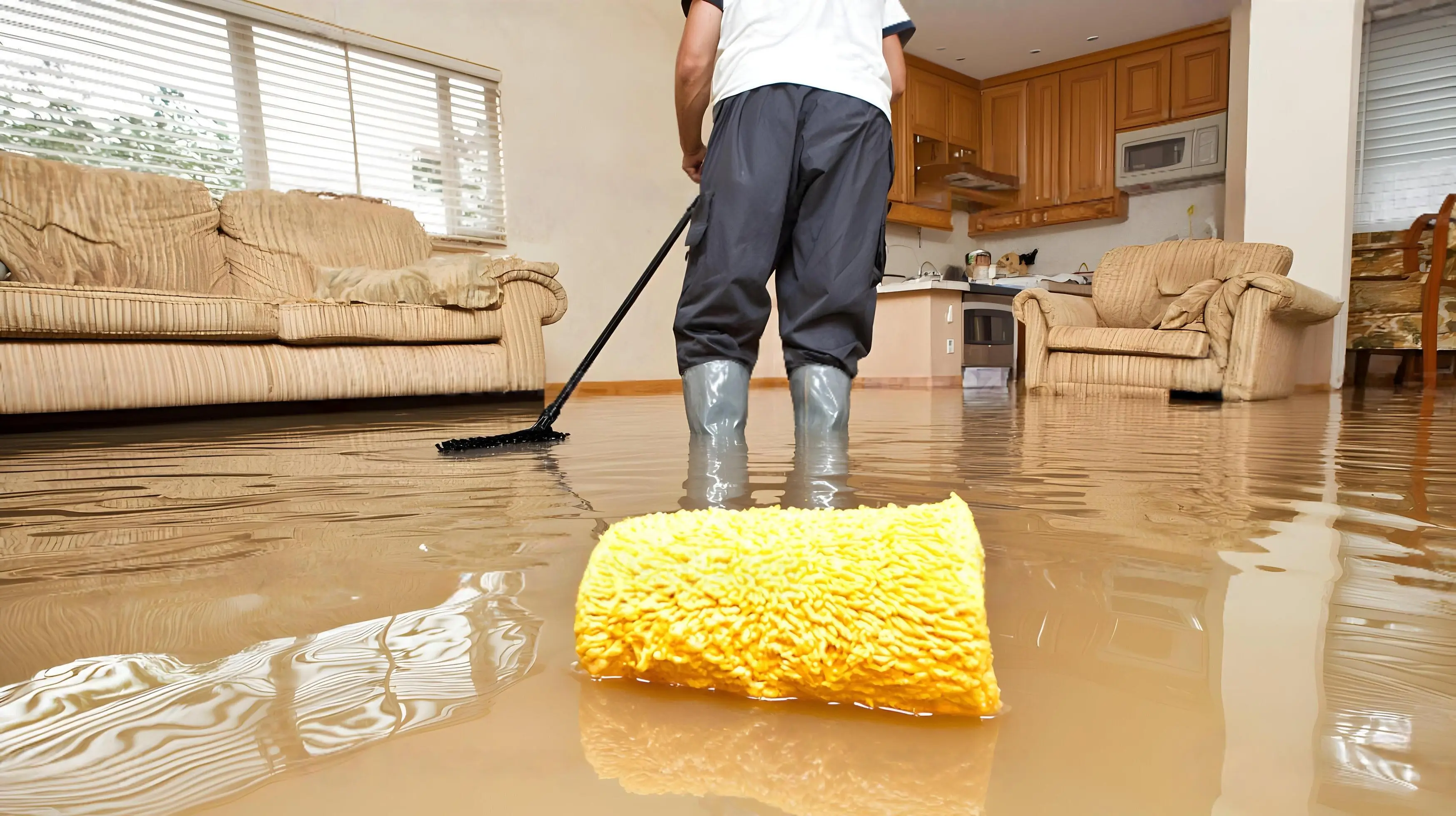
Water Damage Restoration
Burst pipes, storm flooding, standing water. We extract, dry, and restore before mold sets in.
Learn more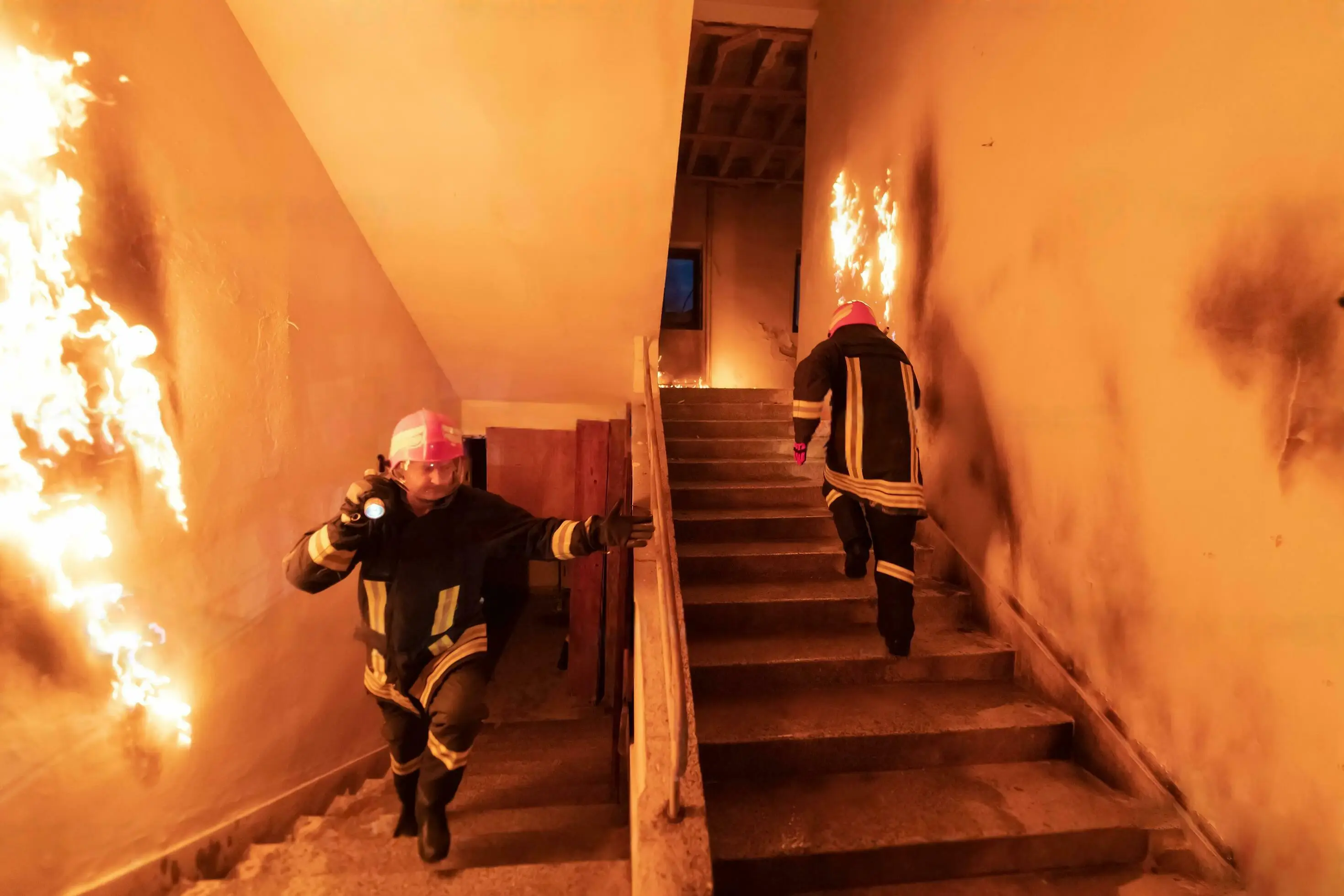
Fire Damage Restoration
Structural damage, soot, debris. We stabilize, clean, and rebuild what fire destroyed.
Learn more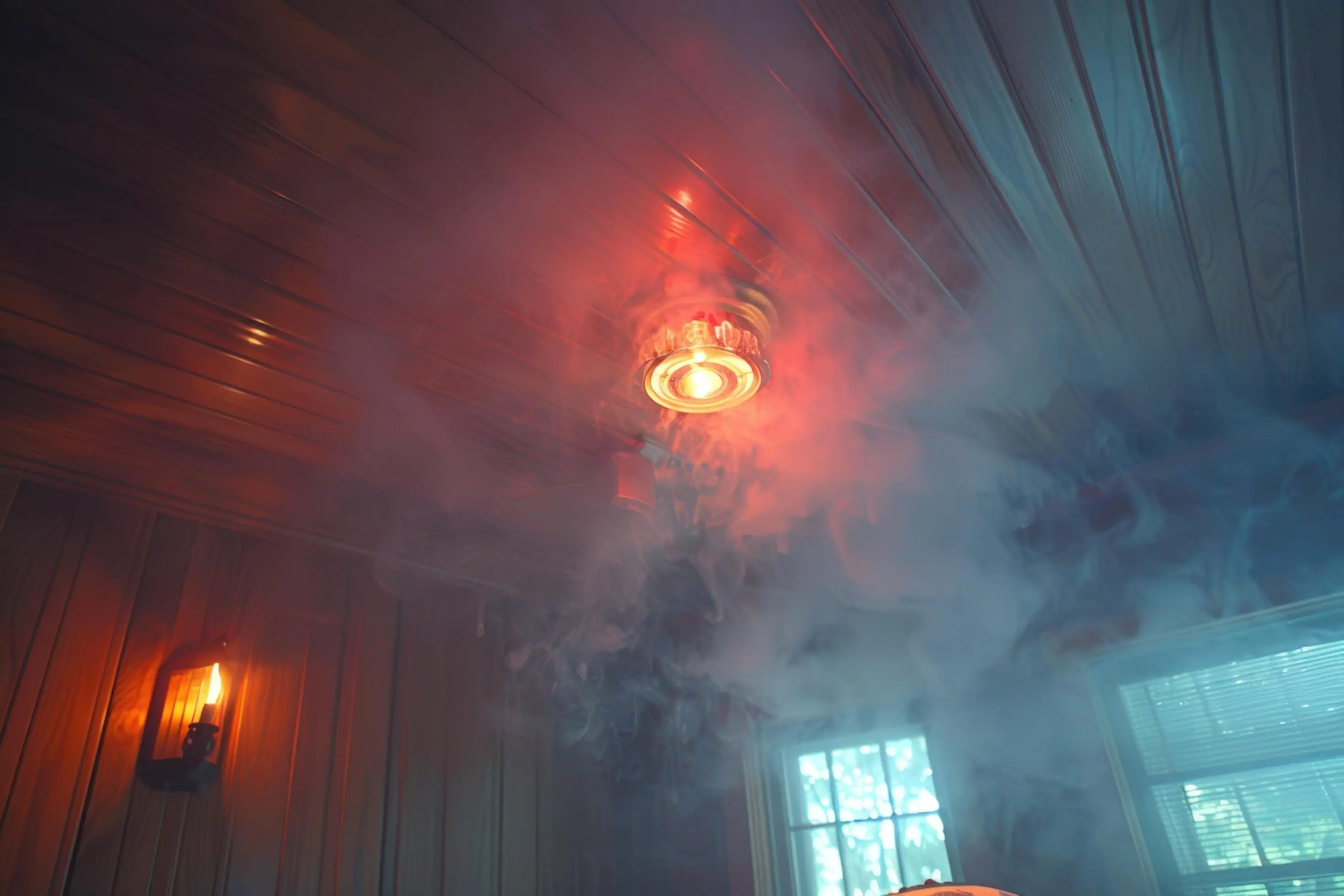
Smoke Damage Restoration
Soot residue, chemical odors, HVAC contamination. We decontaminate surfaces, eliminate odors, and restore air quality.
Learn more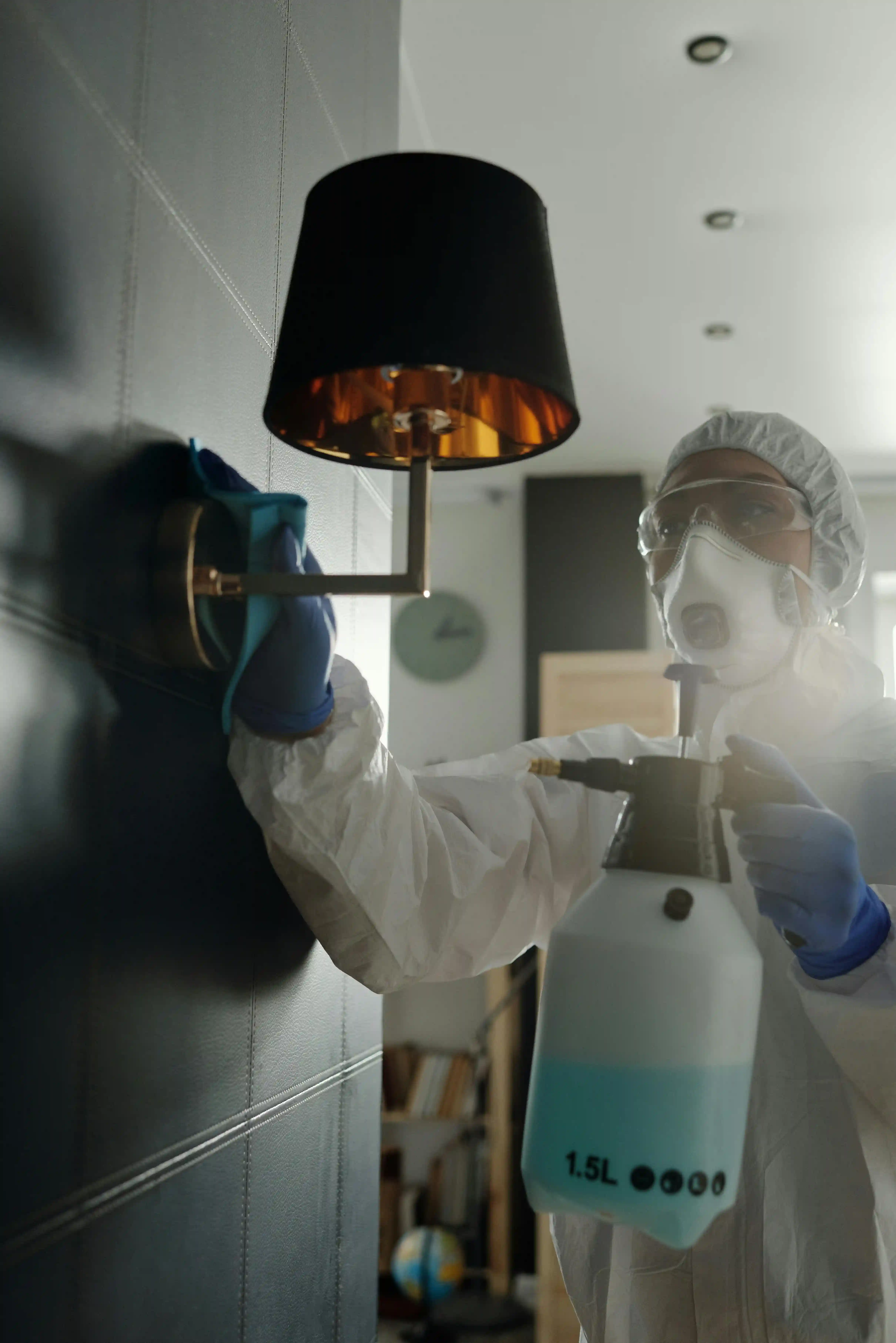
Mold Remediation
Testing, containment, removal, prevention. We find the source, eliminate the growth, and stop it from returning.
Learn moreNearby Service Areas
Also serving nearby: