
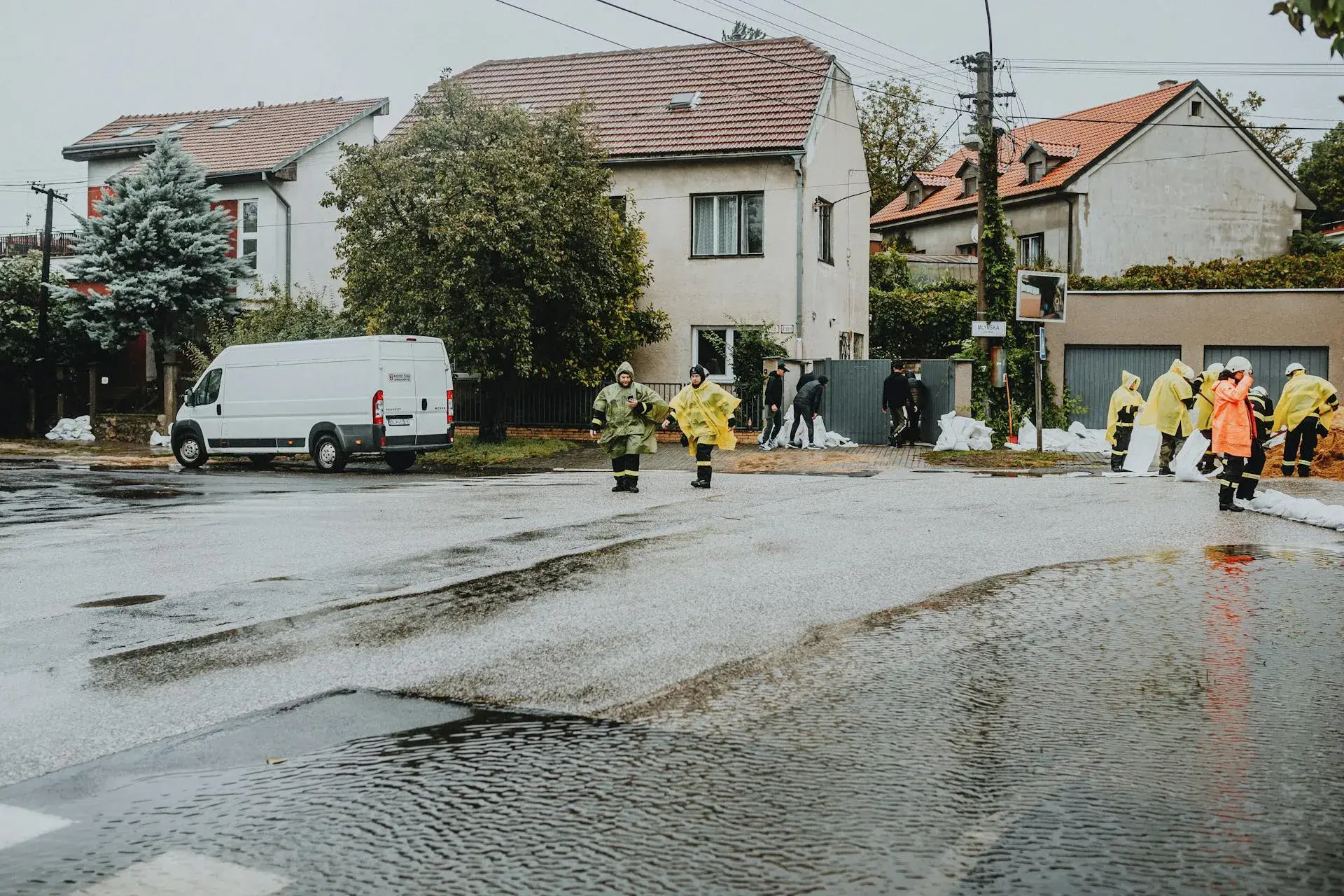
Sewage Cleanup in Nolensville, TN
Sewage contamination creates immediate health hazards and causes irreversible material damage within hours. Our local team responds to Nolensville emergencies within 60 minutes.
What Happens When You Call
A real person answers, not a call center. We assess the contamination scope, identify the sewage source, and begin coordinating your response immediately.
Your dedicated sewage cleanup team is dispatched from our local base serving Nolensville and the surrounding Williamson County communities.
Team arrives with extraction equipment, PPE, disinfection agents, and containment materials. Biohazard mitigation begins immediately to protect your family and your home.
Contaminated water extracted, affected materials identified for removal, disinfection underway, restoration plan documented. You know exactly what comes next.
Sewage in your home is not a plumbing inconvenience. It is a biohazard. Every minute raw sewage contacts building materials, those materials absorb pathogens, bacteria, and organic contamination that cannot be cleaned out. They must be removed. The faster extraction and disinfection begin, the less of your home requires demolition. X Response exists for exactly this moment. When you reach out, your sewage cleanup team is mobilized within minutes and on site within the hour. From that point forward, one team manages everything: extraction, disinfection, material removal, structural drying, and insurance documentation. You are never left guessing about the next step. Call now. Your team is standing by.
Why Nolensville Homes Are Vulnerable to Sewage
Sewage contamination in Nolensville arrives from two distinct infrastructure systems, and understanding which one failed determines both the cleanup approach and the insurance pathway. The first is the private septic system. Nolensville is a septic-dependent community where the majority of homes, particularly those built before municipal sewer extensions reached the newer subdivisions, rely on individual on-site septic systems for wastewater treatment. These systems, regulated under Tennessee Department of Environment and Conservation rules for subsurface sewage disposal, consist of a septic tank and a drain field installed in the clay soils characteristic of this part of Williamson County. When they fail, raw sewage backs up through floor drains, toilet fixtures, and shower stalls into living spaces, or it surfaces in yards and migrates into crawl spaces through foundation vents and grade-level openings. The second source is the broader wastewater infrastructure serving western Williamson County, which demonstrated its vulnerability in dramatic fashion in 2025.
The Limestone Water Treatment Plant in the Grassland area of Williamson County leaked nearly 200,000 gallons of raw sewage into the Harpeth River in March 2025, followed by another 57,000 gallons in April, after the facility had accumulated over a decade of compliance violations and fines from the Tennessee Department of Environment and Conservation. In July 2025, a 300,000-gallon sewage overflow from the same facility contaminated Cartwright Creek in the River Rest subdivision, prompting Williamson County Emergency Management to issue a public health warning. While the Grasslands plant does not serve Nolensville directly, the event illustrates the fragility of private wastewater infrastructure in a rapidly growing county where development has outpaced the capacity of both municipal sewer systems and the private plants that serve areas between them. For Nolensville homeowners on septic systems, the parallel is direct: aging or undersized private wastewater treatment depending on clay soils, serving a growing load, in a county where enforcement and maintenance have not kept pace with construction.
Septic System Dependence on Clay Soils
Nolensville's older homes and many subdivisions built before sewer extensions rely on individual septic systems. These systems depend on soil absorption through a drain field to treat effluent after the tank separates solids. The heavy clay soils characteristic of Nolensville's Highland Rim-Central Basin geology are among the worst-performing soils for septic drain fields because clay absorbs water slowly and reaches saturation quickly. When the drain field cannot absorb effluent fast enough, the system backs up. That backup can send raw sewage into the home through the lowest plumbing fixture, through floor drains in basements or utility areas, through shower drains, or up through toilet bowls. In Nolensville's clay soils, this failure mode is accelerated during wet periods when the ground is already saturated from rain. The September 2020 flash flood that crested Mill Creek at 19.53 feet also saturated drain fields across town, likely triggering backup events in homes that had no direct creek flooding.
Rapid Growth Overwhelming Septic Capacity
When Nolensville's population was under 6,000 in 2010, the septic systems serving its homes operated with adequate capacity margins. As the town approached 17,000 residents by 2024, many properties added accessory structures, expanded living space, or increased occupancy beyond what the original septic system was designed to handle. Tennessee regulations size septic systems based on the number of bedrooms at the time of installation, and there is no automatic mechanism to resize the system when a home is expanded or when usage increases. Meanwhile, new construction on adjacent lots reduces the available soil absorption area as drain fields from neighboring properties compete for the same limited clay permeability. The result is a community where an increasing number of septic systems operate near or at capacity, making failure during peak loading or wet conditions progressively more likely as density increases.
Storm-Driven Sewage Contamination
When Mill Creek floods, the rising water table and surface flooding do not just bring clean water into homes. In a septic-dependent community, floodwater contacts septic tanks, drain fields, and sewer infrastructure, mixing with raw sewage before entering structures. The September 2020 flash flood that sent Mill Creek to 19.53 feet across the Nolensville corridor pushed contaminated water into crawl spaces, garages, and lower-level living areas along Nolensville Road and Concord Road. This is Category 3 water, the most severe contamination classification, requiring removal and disposal of all contacted porous materials regardless of how clean the water appeared on the surface. Homeowners who attempted to dry their homes without professional assessment after the 2020 flood may have dried Category 3 contamination into their floor systems and crawl spaces, creating a biohazard that persists years later without visible indication.
Crawl Space Sewage Intrusion
Nolensville's crawl space construction creates a particularly dangerous scenario during sewage events. When a septic system backs up or stormwater carrying sewage contamination enters a crawl space through foundation vents or grade-level openings, the contaminated water contacts floor joists, sill plates, vapor barriers, insulation, and HVAC ductwork in an enclosed space that is difficult to access and nearly impossible to dry without professional equipment. Because crawl spaces are out of sight, homeowners may not discover the contamination until odor or health symptoms develop weeks later. By that point, the organic material in the sewage has been feeding bacterial growth on structural wood in a warm, humid environment, and remediation requires removal of all contaminated porous materials, professional disinfection of structural framing, and verification testing before the space is safe.
The Grasslands Infrastructure Failure and County-Wide Implications
The Limestone Water Treatment Plant's repeated sewage spills in 2025, totaling over 500,000 gallons of raw sewage entering Williamson County waterways, exposed a systemic problem that extends beyond one facility. The Tennessee legislature earmarked $4 million in the state budget to address the failing Grasslands system, an extraordinary intervention that signals the scale of the problem. For Nolensville, which sits east of the Grasslands area and relies largely on its own septic infrastructure and partial municipal sewer service, the lesson is that wastewater management in rapidly growing Williamson County has not kept pace with development. Private systems age, municipal extensions lag behind subdivision approvals, and enforcement of maintenance requirements has been inconsistent. This creates an environment where sewage failures are not rare events but predictable outcomes of infrastructure under strain.
These factors make sewage contamination a recurring rather than exceptional risk in Nolensville. The heavy clay soils limit septic performance, rapid growth has pushed systems toward and beyond their design capacity, storm events mix floodwater with sewage before it enters homes, crawl space construction makes contamination difficult to detect and dangerous to ignore, and the county's wastewater infrastructure has demonstrably failed to keep pace with development pressure. Effective sewage cleanup in this environment requires immediate response, correct contamination classification, complete removal of affected materials, professional disinfection, and verification testing, not just pumping out water and hoping the smell fades.
What Happens to Your Home While You Wait
Within 1 Hour
Sewage water begins absorbing into every porous material it contacts: carpet, pad, drywall, baseboard trim, particleboard subflooring, and insulation. In crawl spaces, it saturates vapor barriers and pools against floor joists. Pathogenic bacteria, viruses, and parasites in the sewage begin colonizing contacted surfaces. The contamination clock runs faster than a clean-water event because biological agents are actively multiplying in the warm, nutrient-rich waste.
1–24 Hours
All contacted porous materials become unsalvageable. Carpet, pad, drywall below the contamination line, insulation, and particleboard must be removed rather than dried in place. Bacterial colonies establish on structural wood surfaces. Hydrogen sulfide and other sewage gases build in enclosed spaces like crawl spaces, creating toxic air conditions. In Williamson County's warm climate, biological activity in the sewage accelerates decomposition and pathogen multiplication.
24–48 Hours
Structural wood begins absorbing contamination beyond the surface level. Floor joists and sill plates in crawl spaces that have been submerged in sewage require aggressive treatment or replacement rather than surface cleaning. Odor permeates the building assembly and becomes increasingly difficult to eliminate. Mold colonization begins on organic materials that are both wet and contaminated with the nutrients in sewage, growing faster than in a clean-water scenario.
48–72 Hours
Contamination migrates through the building assembly via capillary action, reaching materials above the visible water line. HVAC systems that operated during or after the event have distributed airborne pathogens through ductwork to every room in the home. The scope of required demolition and disinfection expands significantly as contamination penetrates deeper into structural materials and distribution systems.
One Week and Beyond
Extensive biological contamination throughout contacted structural systems. Active mold growth fed by sewage nutrients. Structural integrity compromise in submerged wood members. Complete crawl space remediation including potential joist replacement. The project scope shifts from cleanup to reconstruction, and health risks to occupants become severe if the space has been reoccupied without professional remediation.
Sewage contamination is the most time-sensitive water damage scenario. Every hour of contact makes more of your home unsalvageable. Contact X Response now. Our Nolensville team responds within 60 minutes with the biohazard equipment and training this situation requires.
How We Restore Sewage-Damaged Nolensville Homes
From the moment our team arrives, every step is documented, measured, and verified. Here is exactly what the sewage cleanup process involves.
Contamination Assessment and Safety Establishment
Our team arrives in full PPE appropriate for Category 3 biohazard conditions. Before extraction begins, we assess the contamination source, identify whether it is a septic backup, sewer line failure, or storm-driven sewage intrusion, and map the full extent of contacted materials. In Nolensville homes with crawl spaces, this means inspecting below the floor even if the visible contamination is limited to interior fixtures, because sewage often reaches crawl spaces through foundation vents or surfacing drain fields before it appears inside the home. We establish containment barriers to prevent cross-contamination to unaffected areas and shut down HVAC systems to stop airborne pathogen distribution. Documentation begins immediately for both your insurance claim and regulatory compliance.
Sewage Extraction and Contaminated Material Removal
Contaminated water is extracted using specialized equipment dedicated to biohazard work, not the same equipment used for clean-water extraction. All contacted porous materials are removed: carpet, pad, drywall below the contamination line, baseboard trim, insulation, and any particleboard or OSB subflooring that absorbed sewage. In Nolensville's crawl space homes, this includes removing contaminated vapor barriers, saturated insulation, and any loose materials that contacted sewage water. Materials are bagged, sealed, and disposed of as biohazardous waste according to Tennessee requirements. Only non-porous structural elements, concrete, treated lumber framing, and metal components, are retained for professional disinfection rather than removal.
Professional Disinfection and Antimicrobial Treatment
Once contaminated materials are removed, all remaining structural surfaces receive professional disinfection using EPA-registered antimicrobial agents rated for sewage contamination. For Nolensville's crawl space homes, this means treating every accessible joist face, sill plate, foundation wall, and rim board that contacted or was exposed to sewage water or its vapors. Treatment is not a single spray application. It involves mechanical cleaning of structural surfaces followed by chemical disinfection, with contact times maintained per manufacturer specifications. We treat the structure as a biohazard until verified clean, not as a water damage event that happens to smell bad.
Structural Drying and Environment Control
After disinfection, the structure must be dried to prevent mold colonization on the treated surfaces. We position commercial dehumidifiers and air movers to dry structural framing, concrete, and any remaining materials to their dry standard. In Nolensville's humid climate, mechanical dehumidification is essential because ambient humidity will otherwise keep the treated materials damp enough to support new biological growth. Crawl spaces receive particular attention: we manage the enclosed environment below the floor to ensure it reaches and maintains acceptable humidity and moisture levels. HEPA air scrubbers run continuously to maintain indoor air quality and capture any remaining airborne contaminants. Daily monitoring with moisture meters and humidity readings confirms drying progress.
Verification Testing and Completion
Before we consider the project complete, post-remediation testing verifies that contamination has been eliminated. Surface sampling on treated structural materials confirms bacterial counts have returned to acceptable levels. Air quality testing verifies no elevated pathogen levels in the indoor environment. Moisture readings confirm all materials have reached their dry standard. For Nolensville homes where the sewage entered through a septic failure, we also confirm that the source has been addressed, either through system repair, pump-out, or referral to a licensed septic contractor for system evaluation, so the contamination does not recur. Completion documentation includes before-and-after photos, testing results, disposal records, and a detailed scope of all work performed.
The X Response Difference
When you contact X Response for sewage cleanup, you get a team trained and equipped for biohazard conditions that treats the contamination with the seriousness it requires. One team, complete remediation, verified results.
Insurance Claim Guidance for Nolensville Homeowners
Sewage backup coverage under Tennessee homeowner's policies depends on both the source and your specific policy endorsements. Standard homeowner's policies typically exclude sewer and drain backup unless you have purchased a separate endorsement, often called 'sewer backup' or 'water backup' coverage. This endorsement is not included by default and carries its own sublimit, typically $5,000 to $25,000. For Nolensville homeowners on septic systems, the distinction between a plumbing failure inside the home (generally covered under standard water damage provisions) and a septic system backup through the drain line (often requiring the backup endorsement) determines whether coverage applies. Storm-driven sewage contamination, where floodwater mixes with sewage before entering your home, falls under flood insurance rather than homeowner's coverage and requires a separate NFIP or private flood policy. Many Nolensville homeowners in newer subdivisions carry neither the sewer backup endorsement nor flood insurance, creating significant coverage gaps for the most common sewage scenarios in this community.
How X Response Helps
- Identify the contamination source precisely, because septic backup, interior plumbing failure, and storm-driven sewage each fall under different coverage provisions
- Document the contamination classification (Category 3) and the scope of required material removal that this classification mandates
- Verify whether your policy includes a sewer/water backup endorsement and what sublimit applies
- Prepare documentation that distinguishes between the sewage cleanup costs and any separate water damage or mold remediation covered under other policy sections
- Provide guidance on filing timeline and documentation requirements before you contact your carrier
X Response does not file claims on your behalf, adjust claims, or make coverage determinations. We provide documentation and guidance to help you make informed decisions about your property and your policy. Coverage decisions are made solely by your insurance carrier.
Certified Restoration Specialists Serving Nolensville
When you contact X Response for sewage cleanup in Nolensville, your team is drawn from certified professionals trained in biohazard remediation who work across Williamson County and understand the specific conditions that cause sewage contamination in this community. They know how Nolensville's septic systems interact with the clay soils that limit drain field performance, how storm events push contaminated water into crawl spaces through foundation openings, and how the rapid residential growth has strained both private septic systems and the county's broader wastewater infrastructure. They have cleaned septic backups in crawl space homes along the Mill Creek corridor, addressed storm-driven sewage contamination after flash flood events, and remediated chronic backup problems in homes where clay soil saturation overwhelmed aging drain fields. This is not a crew dispatched from hours away treating sewage like ordinary water damage. It is a local team with biohazard training and local infrastructure knowledge.
Every technician on your team holds current IICRC certification in water damage restoration with specialized training in Category 3 contamination protocols. Equipment includes dedicated biohazard extraction units, industrial disinfection systems, HEPA air scrubbers, PPE rated for sewage exposure, and the moisture monitoring instruments needed to verify complete drying after treatment. When your team arrives, they bring everything needed to begin biohazard mitigation immediately, including containment materials, disposal bags and containers, and the safety equipment required to protect both your family and our crew.
In Nolensville, X Response works with Tennessee Water and Fire, an independent local restoration partner serving Williamson County.
Sewage Cleanup FAQ for Nolensville Homeowners
Other Emergency Services in Nolensville

Water Damage Restoration
Burst pipes, storm flooding, standing water. We extract, dry, and restore before mold sets in.
Learn more
Fire Damage Restoration
Structural damage, soot, debris. We stabilize, clean, and rebuild what fire destroyed.
Learn more
Smoke Damage Restoration
Soot residue, chemical odors, HVAC contamination. We decontaminate surfaces, eliminate odors, and restore air quality.
Learn more
Mold Remediation
Testing, containment, removal, prevention. We find the source, eliminate the growth, and stop it from returning.
Learn moreNearby Service Areas
Also serving nearby: