
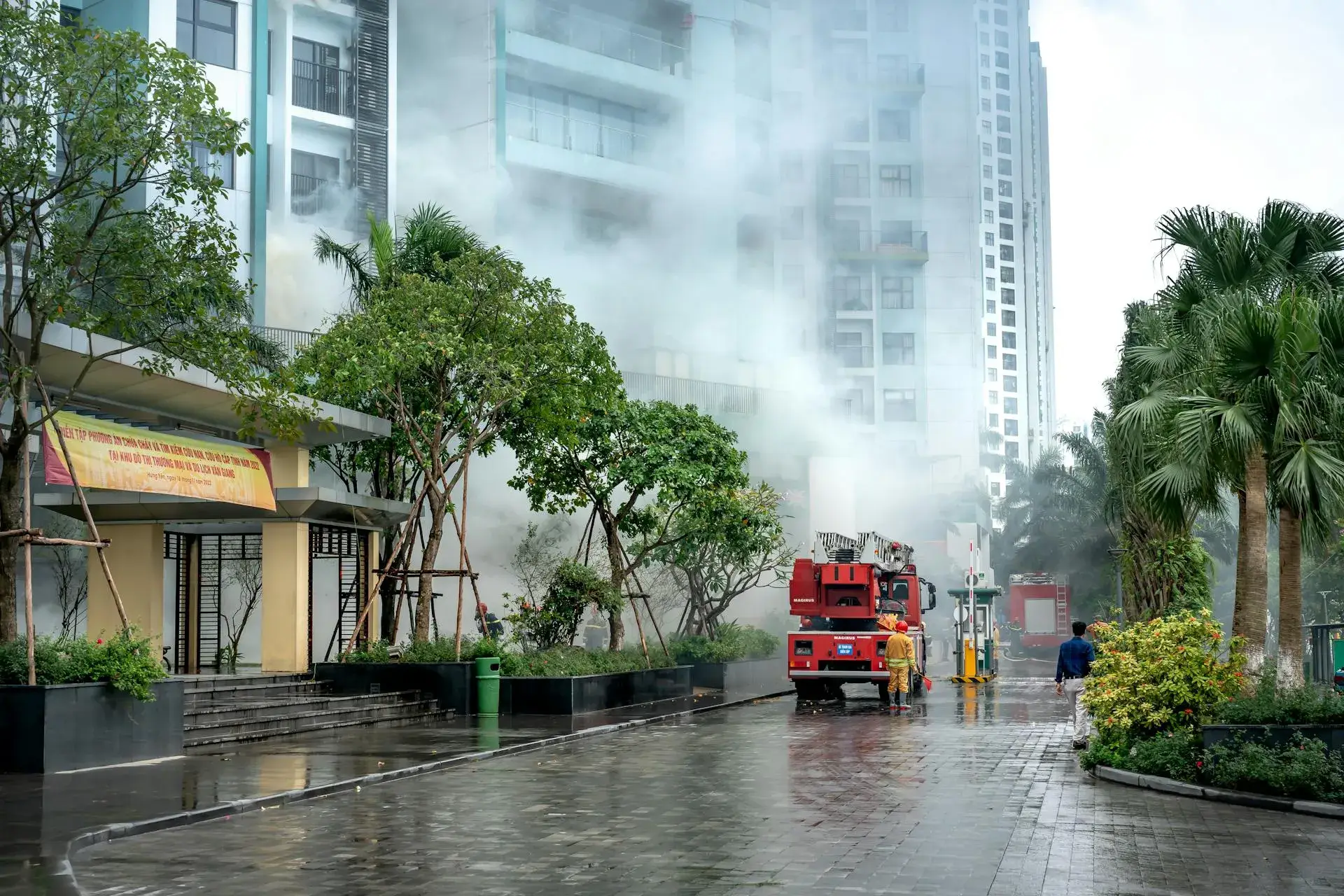
Smoke Damage Restoration in Garden City, KS
Every hour that smoke residue sits on surfaces, acidic compounds bond deeper into materials and volatile odor molecules penetrate further into your home's structure. Our local team responds within 60 minutes.
What Happens When You Call
A real person answers, not a call center. We assess your smoke damage situation, identify the likely source and residue type, and begin coordinating your response immediately.
Your dedicated restoration team is dispatched from our local base serving Garden City and the surrounding Finney County communities.
Team arrives with HEPA air scrubbers, professional cleaning equipment, thermal foggers, and hydroxyl generators. Assessment and initial air quality stabilization begin immediately.
Damage scope mapped, cleaning protocol determined based on residue type, restoration plan documented. You know exactly what comes next and the timeline involved.
Smoke damage does not stop when the visible haze clears. Residue continues reacting with surfaces, odor compounds migrate deeper into materials, and fine particulate settles into HVAC systems where it recirculates through your home with every heating or cooling cycle. X Response exists for exactly this situation. When you reach out, your restoration team is mobilized within minutes and on site within the hour. From that point forward, one team manages everything: surface cleaning, odor elimination, air quality restoration, and contents recovery. Call now. Your team is standing by.
Why Garden City Homes Are Vulnerable to Smoke Damage
Garden City residents encounter smoke damage from two distinct sources: internal residential fires and the severe environmental smoke generated by High Plains wildfires. The region's climate, characterized by strong winds and dry seasons, creates the perfect conditions for rapidly spreading grass and brush fires outside the city limits. In February 2024, a massive wind-driven wildfire in neighboring Kearny County burned thousands of acres, blanketing the Garden City area in dense smoke that infiltrated residential HVAC systems and deposited acidic particulate matter throughout homes. This fine particulate bypasses standard residential air filters, depositing inside ductwork and on interior surfaces, degrading indoor air quality long after the exterior fires are extinguished.
Internal smoke events, such as kitchen fires or winter electrical malfunctions, represent a more concentrated threat. In Garden City's mix of historic and modern single-family homes, smoke easily migrates from the kitchen or basement through open attic spaces, plumbing chases, and HVAC plenums to reach every room. Residents often discover smoke damage days later as lingering odors emerge from soft furnishings and wall cavities when the indoor heating system cycles on. Additionally, protein-based smoke from cooking fires produces an oily, amber-tinted film that defies standard cleaning products. Because Kansas experiences extreme temperature fluctuations, these odor-producing compounds expand and bond tightly to surfaces during warmer months, requiring professional enzymatic cleaners and hydroxyl generators for true neutralization.
Wildfire Smoke Infiltration Through HVAC Systems
Garden City homes rely heavily on central HVAC systems to combat extreme summer heat and winter cold. During regional brush fire events, high winds push outdoor smoke through building envelope gaps and return intakes. Fine particulate matter deposits throughout the duct network and onto interior surfaces. The continuous operation of the system ensures this particulate is broadly distributed, requiring comprehensive HEPA filtration and duct cleaning.
Attic Migration Pathways
In Finney County's single-family homes, concealed pathways like continuous attic spaces allow smoke to travel far from the fire's origin. Smoke can contaminate rooms across the home, offgassing from structural materials and blown-in insulation long after the fire is out. Restoring these spaces requires tracing every migration path, including those inside wall cavities and above ceilings.
Protein and Grease Smoke from Kitchen Fires
Kitchen fires produce protein-based smoke that leaves an oily residue. This residue emits a pungent odor that becomes more noticeable as indoor temperatures rise. As the HVAC system circulates air, this smoke deposits inside ductwork and on evaporator coils, continuing to offgas. Professional enzymatic treatments are required to break down these organic compounds.
Temperature Extremes and Odor Volatility
Kansas experiences severe seasonal temperature swings. Smoke odor compounds that seem dormant during cold winter months often reactivate and become pungent during the humid summer. Successful smoke restoration in Garden City mandates treating the entire home and HVAC system to ensure permanent odor neutralization, regardless of the season.
These sources converge in Garden City to create indoor air quality threats from both atmospheric brush fires and typical residential incidents. The extreme climate and continuous HVAC operation necessitate a comprehensive restoration approach that tackles surfaces, ductwork, and embedded odors simultaneously.
What Happens to Your Home While You Wait
Within 1 Hour
Smoke particles settle on exposed surfaces. Acidic soot begins reacting with metals, causing tarnishing on fixtures. The HVAC system pulls smoke particles into the return duct and distributes them to every room, depositing particulate on coils.
1 to 24 Hours
Soot acids etch chrome, brass, and stainless steel. Smoke residue absorbs into porous materials like drywall and fabrics. Odor compounds penetrate soft furnishings, and plastic surfaces begin to yellow from exposure.
24 to 48 Hours
Smoke residue bonds more permanently, making removal difficult. Metals develop pitting. Odor compounds migrate into wall cavities and insulation where they are extremely difficult to neutralize without specialized equipment.
48 to 72 Hours
Surface damage transitions to permanent on many materials. Grout and natural stone absorb smoke compounds deeply. HVAC contamination becomes systemic, coating ductwork interiors and increasing restoration costs.
One Week and Beyond
Smoke odor permeates the entire building envelope. Structural materials hold odor compounds requiring specialized treatment. Contents that could have been cleaned now require replacement. Full restoration with demolition components may be needed.
Smoke damage in Garden City progresses rapidly. Contact X Response now. Early intervention minimizes the loss of property and belongings.
How We Restore Smoke-Damaged Garden City Homes
Smoke damage restoration follows a systematic protocol tailored to the specific residue type and distribution pattern. Here is exactly how we approach each phase.
Source Identification and Damage Assessment
We arrive with monitoring equipment to determine the smoke source and residue type. Wildfire smoke, structure fires, and kitchen fires each leave different residues requiring unique cleaning chemistry. We map the distribution pattern, inspect the HVAC system, and document the full scope for your insurance carrier.
Air Quality Stabilization
HEPA air scrubbers are deployed immediately to filter airborne particulate. The HVAC system is shut down to prevent redistributing contamination. We establish negative air pressure in the most affected areas to capture particles and stabilize indoor air quality throughout the project.
Surface Cleaning and Soot Removal
Every surface receives treatment based on the identified residue. Dry soot is removed with chemical sponges and HEPA vacuuming. Oily residues require solvent-based agents, while protein smoke demands enzymatic cleaners. We work systematically to ensure no cross-contamination occurs.
HVAC Decontamination
In Garden City, HVAC decontamination is mandatory. We inspect the ductwork and determine if mechanical cleaning or replacement is needed. The coils and blower assembly are cleaned with approved solvents. The system remains off until all surfaces are verified clean.
Odor Elimination and Verification
We deploy hydroxyl generators to break down odor molecules through oxidation. For severe structural odor, thermal fogging penetrates material pores. Treatment continues until multiple verification checks confirm that odors remain below the detection threshold, even under fluctuating temperature and humidity.
The X Response Difference
When you contact X Response for smoke damage in Garden City, you get an integrated team that addresses every contamination pathway.
Insurance Claim Guidance for Garden City Homeowners
Smoke damage insurance claims in Kansas depend on the smoke's source. Structure fire smoke is covered under standard homeowner's policies, while smoke from external sources like rural brush fires may fall under environmental exclusions. Clear documentation is essential for efficient claim processing.
How X Response Helps
- Document the smoke source and date with photographic evidence establishing contamination.
- Map the full distribution of residue, including HVAC contamination.
- Inventory affected contents with descriptions, photos, and professional assessments.
- Provide air quality testing results demonstrating pre- and post-restoration levels.
- Document HVAC condition to support duct cleaning or replacement in the scope.
X Response does not file claims on your behalf. We provide documentation and scope of work to support your claim process. Coverage decisions are made solely by your insurance carrier.
Certified Restoration Specialists Serving Garden City
When you contact X Response for smoke damage in Garden City, your team brings specialized expertise in identifying residue types and tracing HVAC distribution pathways in both historic and modern single-family homes.
Every technician holds current IICRC certification. We deploy commercial HEPA air scrubbers, hydroxyl generators, and specialized cleaning chemistry to restore your property's air quality and surfaces to pre-loss conditions safely and effectively.
In Garden City, X Response works with Mid America Carpet Cleaning and Restoration, an independent local restoration partner serving Finney County County.
Smoke Damage Restoration FAQ for Garden City Homeowners
Other Emergency Services in Garden City
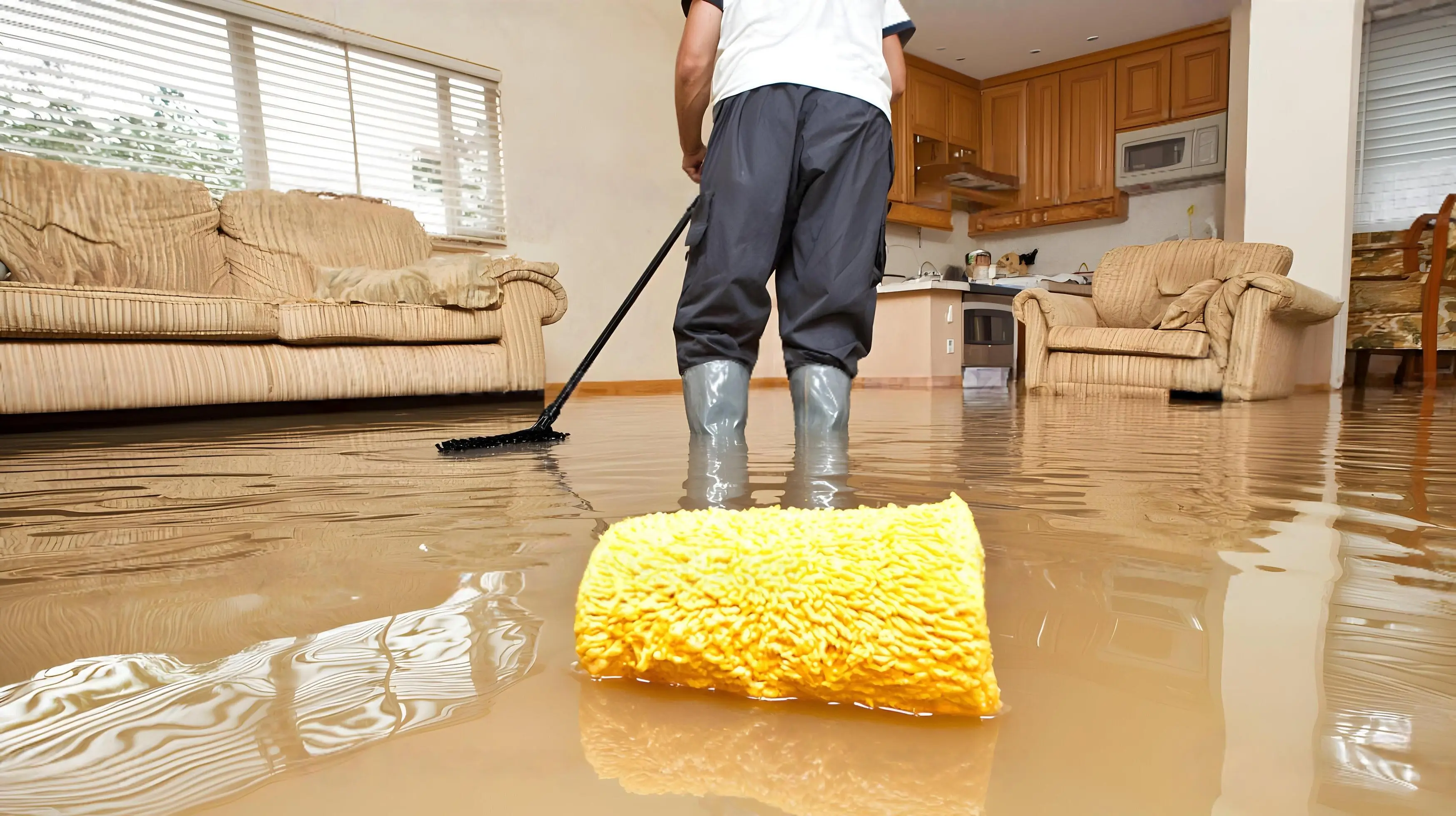
Water Damage Restoration
Burst pipes, storm flooding, standing water. We extract, dry, and restore before mold sets in.
Learn more
Fire Damage Restoration
Structural damage, soot, debris. We stabilize, clean, and rebuild what fire destroyed.
Learn more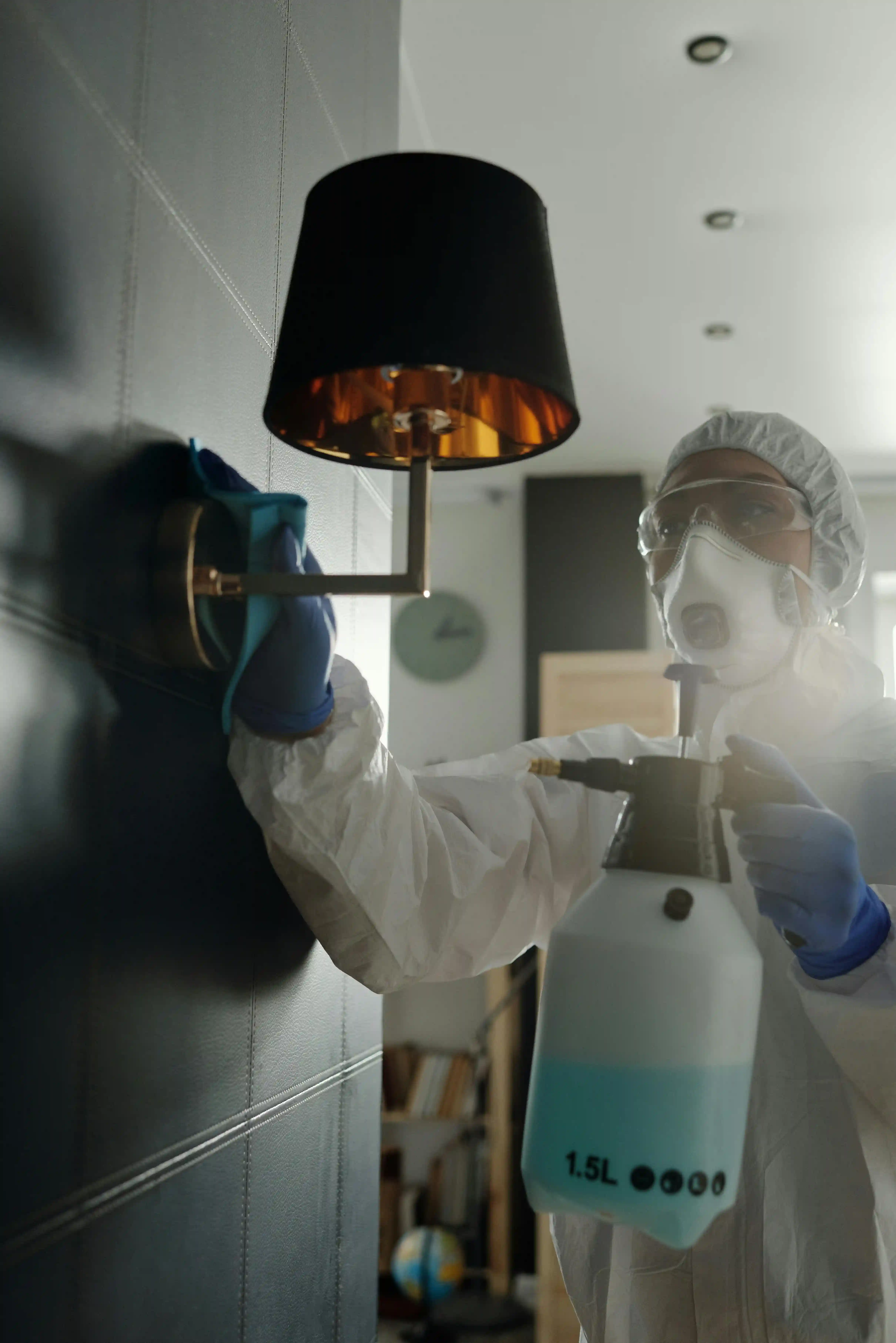
Mold Remediation
Testing, containment, removal, prevention. We find the source, eliminate the growth, and stop it from returning.
Learn more