

Water Damage Restoration in Fairburn, GA
Every minute of standing water compromises subfloors and accelerates mold growth. Our local team responds to Fairburn emergencies within 60 minutes.
What Happens When You Call
A live restoration coordinator answers your call 24/7, evaluates your water category, and dispatches our nearest Fairburn emergency crew.
Our dedicated team mobilizes directly to your neighborhood equipped with truck-mounted extractors, thermal imaging cameras, and drying systems.
Technicians arrive within 60 minutes with infrared moisture cameras, penetrating meters, and extractors to halt water migration immediately.
Standing water is removed, commercial LGR dehumidifiers and high-velocity air movers are placed, and daily drying logs are established for your insurance claim.
Water spreading through your Fairburn property is an urgent crisis requiring immediate, disciplined mitigation. Whether caused by a ruptured second-floor supply line in a modern subdivision off Bohannon Road, a failed water heater in a historic downtown residence along Broad Street, or severe runoff flooding from the Line Creek or Chattahoochee River drainage basins, delayed extraction leads to structural weakening and toxic microbial growth. X Response delivers immediate 24/7 disaster response across Fairburn and South Fulton County. When you call, our certified crew dispatches immediately, arriving on site within 60 minutes with industrial extraction and drying systems. From initial thermal moisture mapping to insurance clearance, one dedicated team manages your entire restoration. Call now. Your Fairburn response team is ready.
Why Fairburn Homes Are Vulnerable to Water Damage
Fairburn is a historic municipality covering over 17 square miles in southwest Fulton County, incorporated in 1854 and home to over 16,400 residents across diverse residential communities, a designated downtown commercial historic district, and major logistics corridors along Interstate 85. The city's geography occupies a rolling Piedmont plateau between the Chattahoochee River basin to the northwest and the upper Flint River drainage divide to the southeast, drained locally by Line Creek, Deep Creek, Bear Creek, and Camp Creek tributaries. Residential construction features a blend of historic late-19th and early-20th century Victorian and craftsman homes along West Broad Street and Campbellton Street, established mid-century brick ranch homes, and expansive modern subdivisions and townhome developments built from the 1990s through the 2020s along Bohannon Road, Senoia Road, and Highway 92. In low-lying subdivisions and creek-adjacent properties, sudden convective thunderstorms routinely drop 2 to 4 inches of rain in under an hour, quickly overwhelming stormwater culverts and driving surface runoff toward daylight basements and crawl space footings.
The Federal Emergency Management Agency reported that 23 counties in Georgia were declared disaster areas due to the epic September 2009 flood and that 16,981 homes and 3,482 businesses were affected by floodwaters, with total estimated damages exceeding 193 million dollars. That historic disaster produced record flooding throughout Fulton County, swelling regional waterways and inundating low-lying residential parcels across South Fulton municipalities like Fairburn. Beyond catastrophic regional events, Fairburn property owners face frequent localized moisture crises driven by over 50 inches of annual precipitation, poorly draining Piedmont red clay soil that increases lateral hydrostatic pressure against foundation walls, and pressurized plumbing failures inside multi-story residences and commercial distribution facilities.
Line Creek and Chattahoochee Basin Watershed Runoff
Fairburn is bordered by prominent tributary networks, including Line Creek and Bear Creek, which flow toward the Chattahoochee and Flint River basins. When intense summer thunderstorms stall over southwest Fulton County, these waterways rise rapidly, backing up through street storm drains. Saturated riparian floodplains raise local water tables, driving groundwater through basement floor expansion joints and porous crawl space soils.
Piedmont Red Clay Soil and Lateral Hydrostatic Pressure
Fairburn rests upon dense, iron-rich Piedmont red clay soil. This clay exhibits exceptionally low natural permeability; once saturated by prolonged rainfall, surface water pools against foundation footings. Expansive red clay exerts severe lateral hydrostatic pressure against masonry block walls and slab foundations, forcing water through microscopic mortar joints and utility penetrations.
Multi-Story Suburban Floor Plans and Upper-Floor Fixtures
Subdivisions along Bohannon Road and Senoia Road frequently feature two-story floor plans with second-floor laundry rooms, attic HVAC air handlers, and multi-bathroom plumbing networks. When an attic condensation line clogs or an upper-level copper supply pipe fails, gravity forces thousands of gallons of water downward through multiple ceiling drywall layers, insulation batts, and hardwood subfloors.
Subtropical Summer Humidity and Retarded Evaporation
During North Georgia's extended warm season, Fairburn experiences ambient relative humidity levels running high. Without commercial dehumidification equipment, indoor air becomes rapidly saturated with moisture, preventing wet building materials from drying naturally. Trapped moisture inside wall cavities triggers active fungal colonization within 24 to 48 hours.
Winter Freeze-Thaw Plumbing Vulnerabilities
While Fairburn experiences generally mild winters, periodic Arctic cold fronts plunge temperatures well below freezing for several consecutive nights. Uninsulated water supply pipes running through exterior walls, unconditioned crawl spaces, or drafty attic soffits can freeze and rupture. When temperatures moderate, pressurized water floods interior cavities, causing catastrophic multi-room structural flooding.
Water damage restoration in Fairburn requires commercial-grade drying equipment and precise local hydrological expertise. Saturated Piedmont clay, flashy local creek tributaries, and elevated summer humidity demand an aggressive, scientific approach. X Response delivers industrial extraction, precision thermal moisture mapping, and structural drying engineered specifically for Fulton County building conditions.
What Happens to Your Home While You Wait
Within 1 Hour
Water rapidly spreads across hardwood, tile, and carpeted floors, wicking into porous drywall, wood baseboards, and structural sill plates. In Fairburn homes with finished daylight basements, water travels behind finished drywall partitions, saturating subfloor carpet padding and base framing.
1-24 Hours
Drywall wicks water upward, softening and losing structural integrity. Solid hardwood floorboards begin cupping as edges absorb moisture faster than surface veneers. Saturated subflooring swells, while ambient humidity inside wall cavities rises, creating ideal conditions for microbial growth.
24-48 Hours
Mold colonization begins on damp drywall paper, wood framing, and crawl space insulation. North Georgia's warm, humid air accelerates fungal germination. Swelling composite wood and cabinetry delaminate permanently, while musty odors spread throughout the structure.
48-72 Hours
Visible mold colonies appear along baseboards and inside dark wall cavities. Spores enter central HVAC ductwork, spreading microbial contamination to unaffected rooms. Hardwood floorboards warp and buckle permanently, requiring complete tear-out rather than restorative drying.
One Week and Beyond
Severe structural degradation. Subfloors lose load-bearing capacity, framing timbers soften from wood-rotting fungi, and pervasive mold contamination spreads throughout the building envelope. The project transitions from standard drying to major structural demolition and biohazard remediation.
Rapid intervention within the first 24 to 48 hours is vital to protect structural framing and prevent costly mold remediation. Contact X Response immediately. Our Fairburn emergency crew responds within 60 minutes.
How We Restore Water-Damaged Fairburn Homes
Our water mitigation methodology follows strict IICRC S500 standards, ensuring rapid water removal, scientific structural drying, and comprehensive documentation for property owners and insurance carriers across Fairburn.
Comprehensive Moisture Diagnostic and Thermal Mapping
Upon arrival at your Fairburn property, our certified technicians perform a detailed moisture assessment using infrared thermal imaging cameras, pinless moisture meters, and penetrating probes. We map water migration behind drywall, under hardwood flooring, inside ceiling cavities, and down into basement foundations to establish baseline drying parameters.
Industrial Water Extraction
We deploy powerful truck-mounted extraction units and heavy-duty submersible pumps to remove standing water rapidly from living areas, finished basements, and crawl spaces. For saturated hardwood and subfloor assemblies, we utilize specialized vacuum drying panels that extract water directly through floorboards without causing structural damage.
Targeted Evaporation and Low-Grain Refrigerant Dehumidification
To overcome Fulton County's high ambient humidity, we establish sealed drying chambers using industrial low-grain refrigerant (LGR) dehumidifiers and high-velocity axial air movers. Strategic airflow pulls trapped moisture from structural framing, while dehumidifiers continuously extract water vapor from the air, maintaining relative humidity below 40 percent.
Antimicrobial Treatment and Environmental Sanitization
All affected structural surfaces are treated with EPA-registered botanical antimicrobials to eliminate bacteria, suppress fungal spores, and prevent mold colonization during the drying phase. Commercial HEPA air scrubbers run continuously to capture airborne particulate matter and maintain clean indoor air quality.
Daily Moisture Monitoring and Insurance Verification
Our technicians return daily to test moisture content in structural timbers, drywall, and subflooring, adjusting equipment positioning to maintain optimal drying rates. Once materials reach verified dry standards matching baseline reference points, we generate a comprehensive documentation package containing thermal photos and psychrometric logs formatted for your insurance adjuster.
The X Response Difference
When water threatens your Fairburn property, choose the restoration team with proven local expertise, commercial-grade equipment, and uncompromised standards. Call X Response today.
Insurance Claim Guidance for Fairburn Homeowners
Navigating water damage insurance claims in Georgia requires understanding how carriers categorize water losses. Standard Georgia homeowner policies typically cover sudden and accidental water discharges, such as ruptured supply lines, water heater tank failures, or appliance leaks. In contrast, damage resulting from rising surface water, such as Line Creek or local storm drainage overtopping their banks, is classified as flood damage and excluded from standard policies, requiring dedicated National Flood Insurance Program (NFIP) or private flood coverage. Sewer line backups also typically require a specific policy endorsement. X Response provides meticulous documentation from day one to substantiate your claim under the appropriate coverage category.
How X Response Helps
- Provide immediate infrared photo documentation and detailed moisture mapping that establishes the exact origin and timeline of water intrusion
- Itemize all affected structural materials and contents according to standard insurance industry estimating guidelines
- Coordinate directly with your insurance adjuster, providing daily psychrometric logs and moisture reading verification
- Differentiate between covered sudden plumbing failures and separate flood or drain backup endorsements to protect your claim integrity
- Deliver a complete, organized documentation package that accelerates claim processing and minimizes out-of-pocket delays
X Response does not adjust insurance claims or make legal coverage determinations. We provide detailed forensic documentation and structural drying logs to assist you and your insurance provider with claim processing.
Certified Restoration Specialists Serving Fairburn
Our Fairburn restoration specialists are experienced disaster recovery professionals serving southwest Fulton County. They understand the distinct structural nuances of local architecture, from historic residences around West Broad Street to modern custom homes along Bohannon Road and Senoia Road. Our technicians bring extensive experience managing complex multi-story water intrusions, foundation groundwater seepage, and flash flood events along the Line Creek and Chattahoochee River watersheds.
Every lead technician holds current certifications from the Institute of Inspection, Cleaning and Restoration Certification (IICRC) in Water Damage Restoration (WRT) and Applied Structural Drying (ASD). Equipped with commercial truck-mounted extractors, low-grain refrigerant dehumidifiers, HEPA filtration units, and FLIR thermal imaging cameras, our team restores your Fairburn home or business safely, completely, and efficiently.
In Fairburn, X Response works with Boss Contracting, an independent local restoration partner serving Fulton County.
Water Damage Restoration FAQ for Fairburn Homeowners
Other Emergency Services in Fairburn
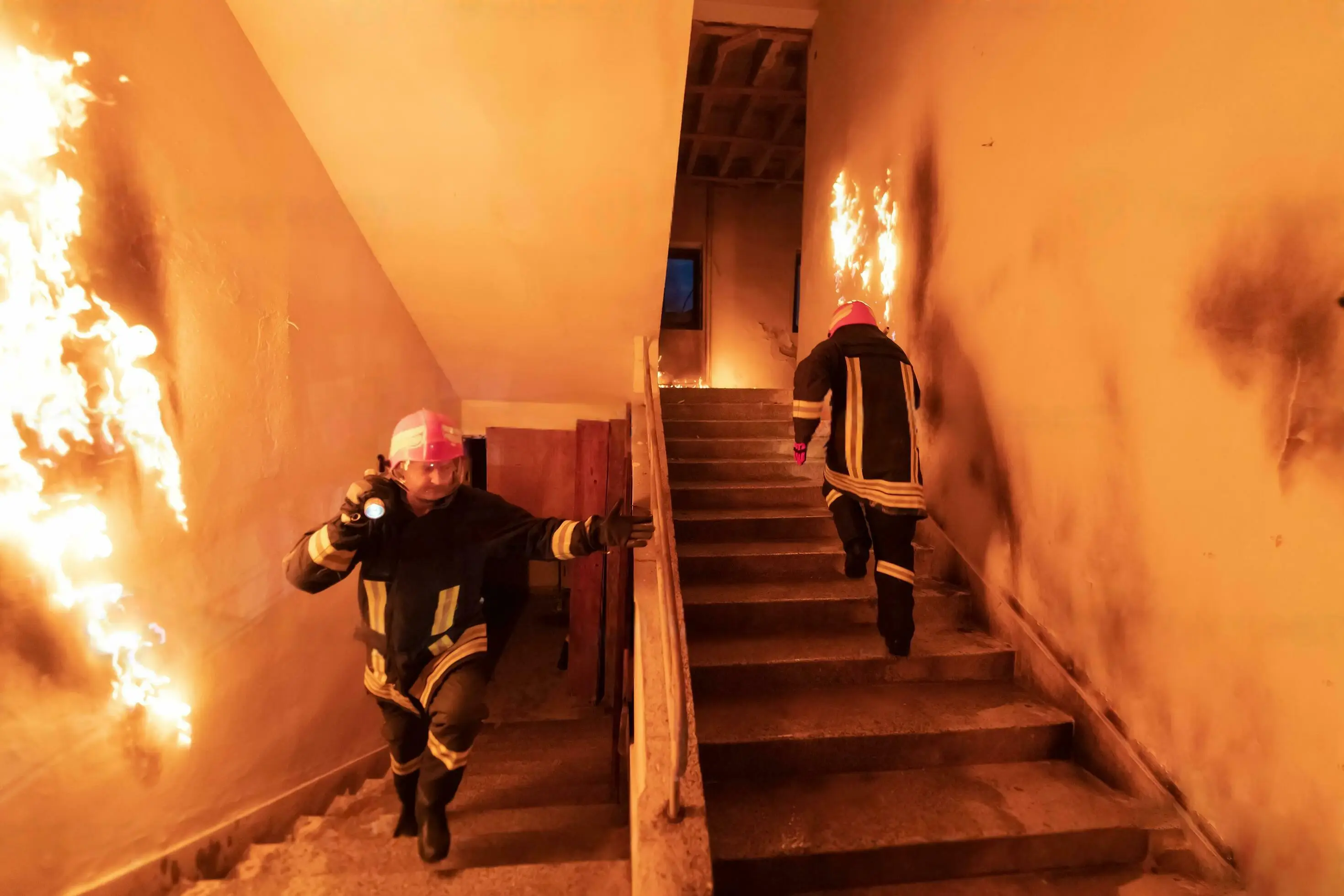
Fire Damage Restoration
Structural damage, soot, debris. We stabilize, clean, and rebuild what fire destroyed.
Learn more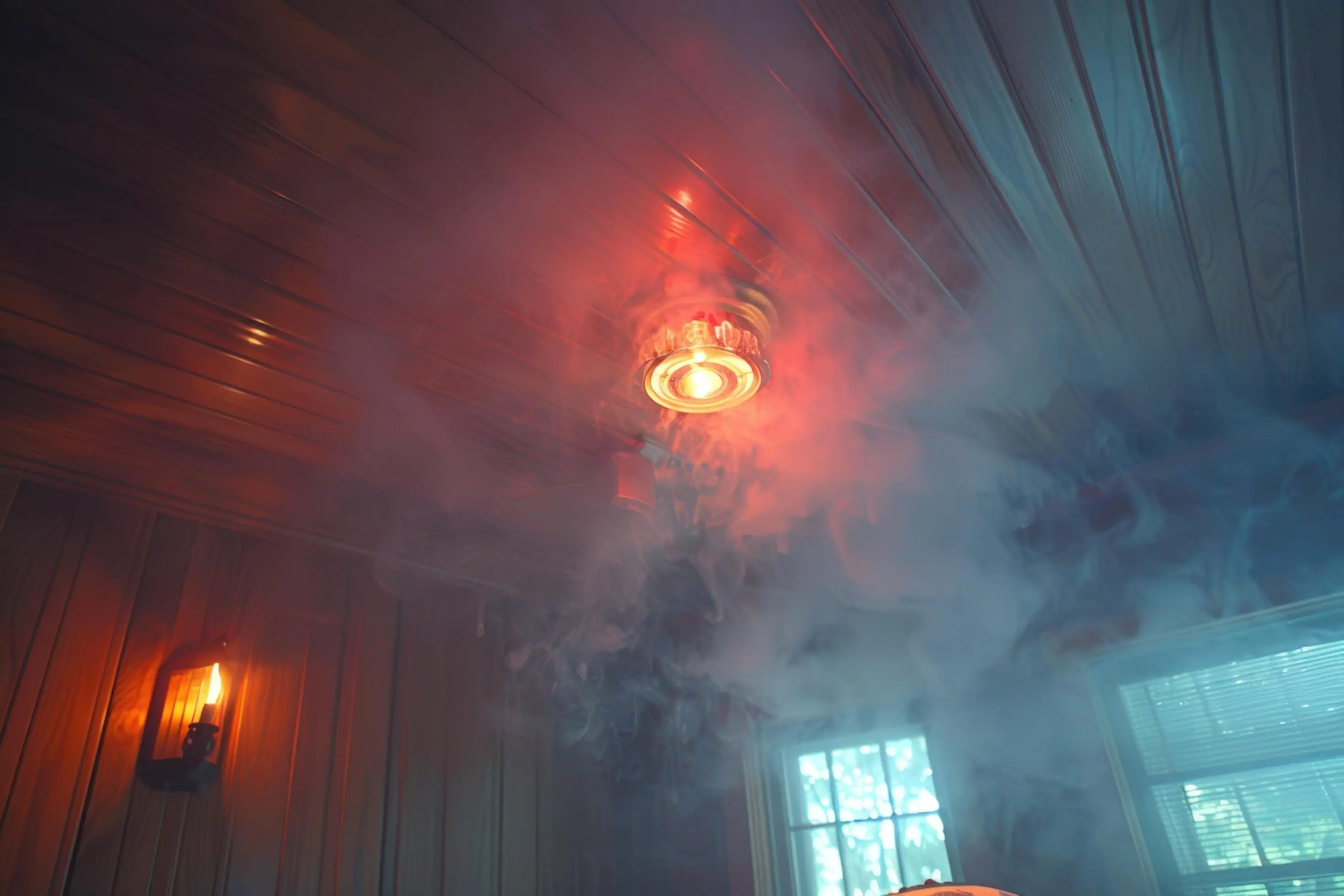
Smoke Damage Restoration
Soot residue, chemical odors, HVAC contamination. We decontaminate surfaces, eliminate odors, and restore air quality.
Learn more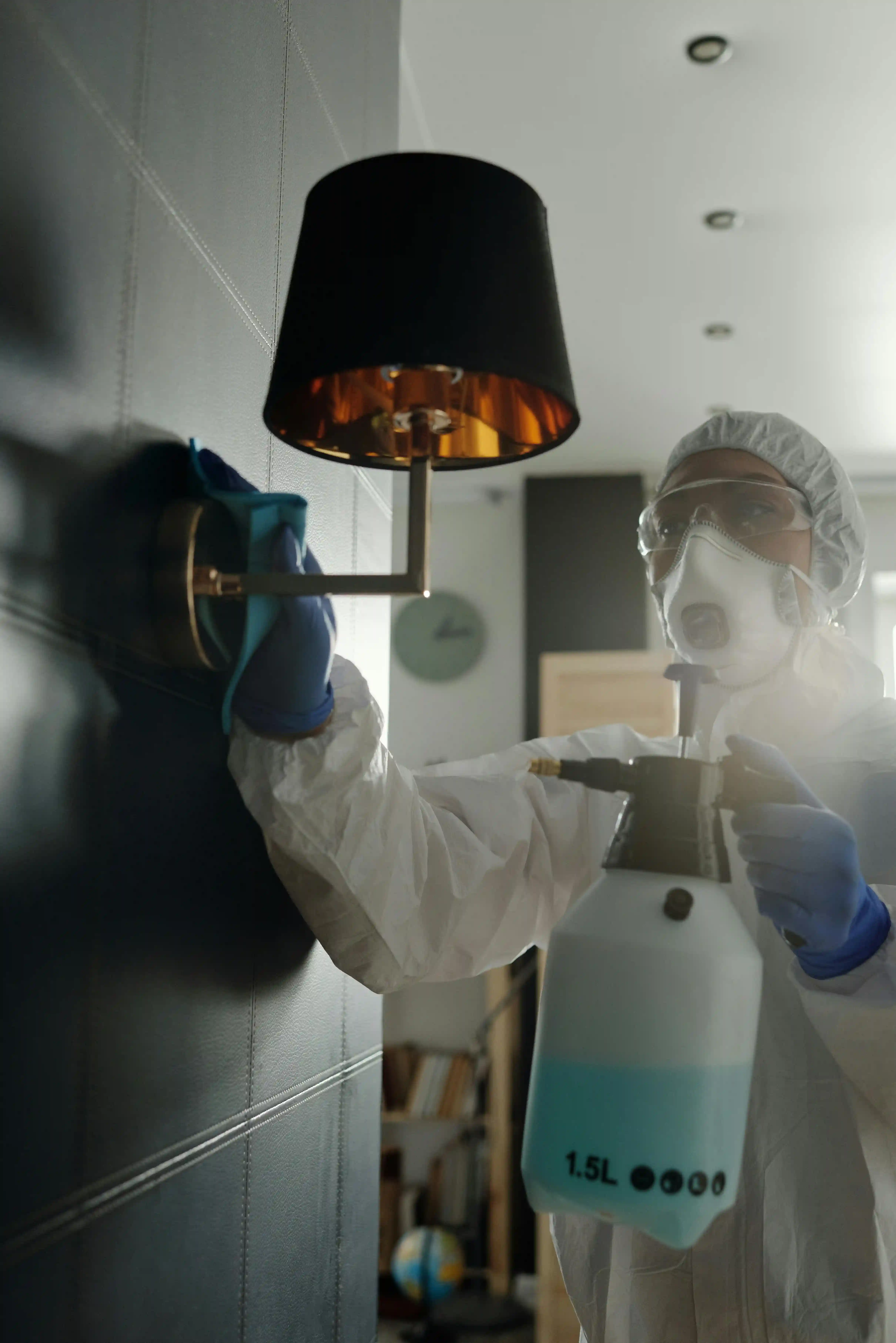
Mold Remediation
Testing, containment, removal, prevention. We find the source, eliminate the growth, and stop it from returning.
Learn more
Sewage Cleanup
Sewer backups, contaminated water, biohazard. We extract, sanitize, and restore safely.
Learn more