
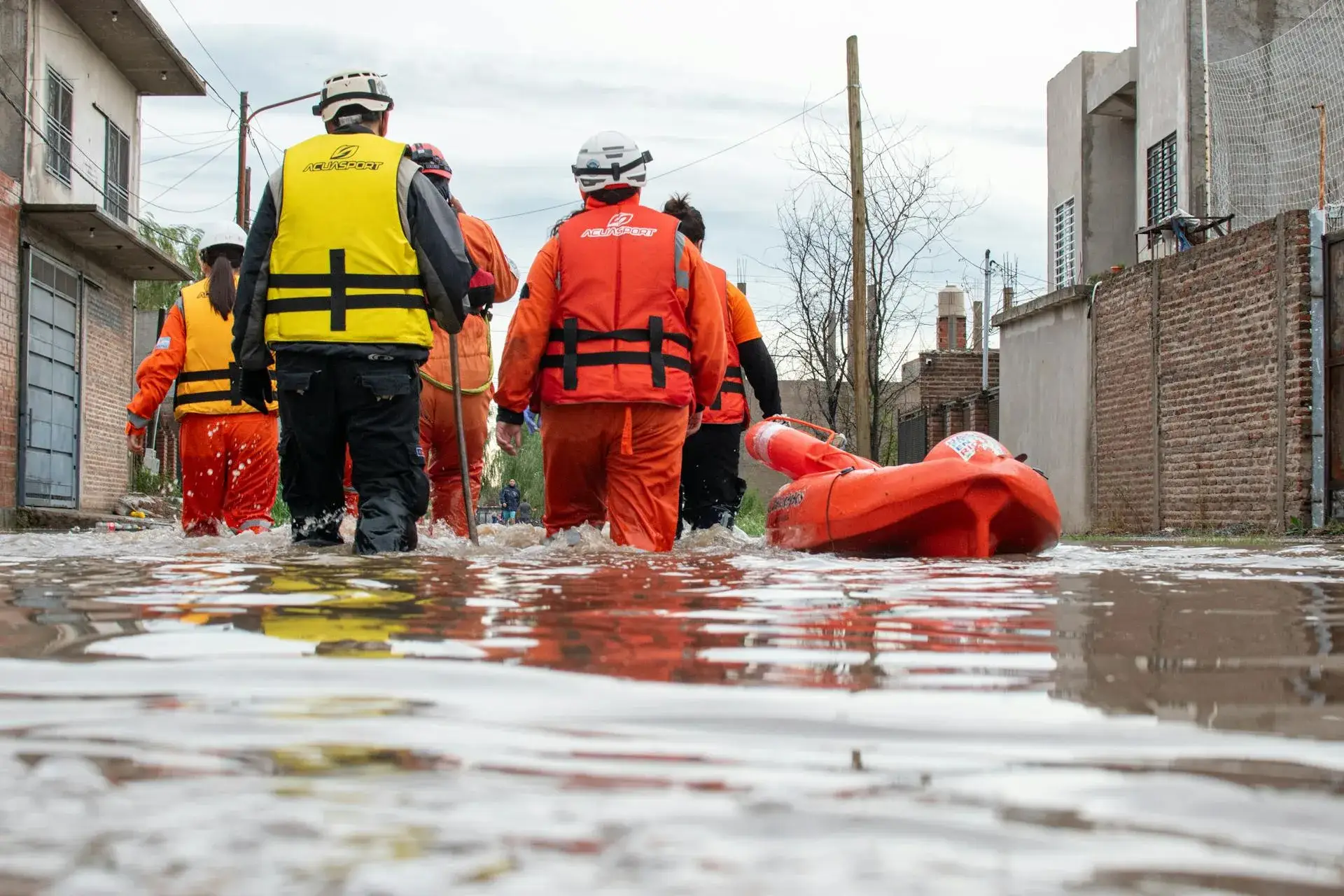
Water Damage Restoration in Ulysses, KS
Every hour of standing water drives moisture deeper into drywall, flooring, and structural framing. Our local team responds to water damage emergencies in Grant County within 60 minutes to prevent irreversible damage.
What Happens When You Call
A real person answers, not a call center. We assess your situation, ask the right questions, and begin coordinating your response immediately.
Your dedicated restoration team is dispatched from our local base serving Ulysses and surrounding Grant County communities.
Team arrives with industrial extractors, commercial dehumidifiers, and moisture detection equipment. Emergency mitigation begins immediately.
Water extracted, drying equipment placed and calibrated, restoration plan documented. You know exactly what comes next.
Water is moving through your home and you need it stopped now. Not after a callback queue, not tomorrow morning. X Response exists for exactly this moment. When you reach out, your restoration team is mobilized within minutes and on site within the hour. From that point forward, one team manages everything: extraction, drying, documentation, and insurance guidance. You are never left guessing about the next step. Call now. Your team is standing by.
Why Ulysses Homes Are Vulnerable to Water Damage
Ulysses, the seat of Grant County, is located on the High Plains, where the expansive landscape offers no barrier to sudden, violent weather systems. During the turbulent spring and summer months, the area is frequently threatened by heavy precipitation supercells that pack destructive straight-line winds and large hail. On June 14, 2009, a distinct tornado formed on the flank of a heavy precipitation storm just east of Ulysses, bringing intense winds and torrential downpours that compromised local roofing systems and exposed properties to severe water intrusion. When hail shatters windows or extreme winds peel back roofing materials, rain pours directly into attics and living spaces. Restoring this level of damage requires a team capable of securing the structure against the elements with emergency board-up and tarping before executing rapid, high-volume extraction.
Beyond the threat of violent storms, Ulysses homeowners face persistent internal water damage risks driven by extreme temperature fluctuations. Kansas winters routinely plunge below freezing, causing inadequately insulated plumbing in exterior walls, crawlspaces, and unheated basements to freeze and burst. Because many traditional homes in Grant County rely on basements to provide shelter during tornado warnings, these subterranean levels often bear the brunt of internal flooding. Whether the water originates from a ruptured supply line in January or a failed sump pump during a heavy May downpour, water pooling in a basement quickly threatens mechanical systems and the structural floor joists above. Effective restoration demands specialized subterranean extraction equipment and aggressive structural drying to prevent long-term rot and mold colonization.
Severe Thunderstorms and Tornado Damage
Grant County is highly susceptible to destructive spring and summer weather. Heavy precipitation supercells featuring high winds, large hail, and tornadoes frequently damage roofing systems and siding. Once the building envelope is breached, rain saturates attic insulation, collapses drywall, and floods living areas. Restoring this damage requires securing the roof immediately with emergency board-up and tarping before internal extraction begins.
Frozen Plumbing and Winter Bursts
Ulysses winters feature plunging temperatures that test residential plumbing. When supply lines in unheated areas freeze, the expanding ice ruptures the pipes. Once the pipes thaw, pressurized water floods the home for hours before the main valve is shut off. These internal floods cause catastrophic damage, requiring immediate extraction to save subfloors and cabinetry.
Basement and Crawlspace Flooding
Many properties in Ulysses utilize basements to weather extreme storms. When heavy rains overwhelm local drainage or a sump pump fails, water pools in these subterranean spaces. Extracting water from a flooded basement requires specialized submersible pumping equipment and heavy-duty dehumidification to draw moisture out of the concrete walls and prevent structural wood rot.
Aging Infrastructure in Historic Neighborhoods
Ulysses features established residential areas with aging housing stock. Old galvanized plumbing and outdated supply lines are particularly susceptible to failure, leading to slow, hidden leaks inside wall cavities or sudden catastrophic ruptures. We use thermal imaging to trace these leaks to their source without unnecessary demolition.
These factors combine in Ulysses to create unpredictable water damage risks from all directions: violent tornadoes, severe thunderstorm roof breaches, winter pipe bursts, and basement flooding. Effective restoration requires recognizing the specific source of the water to apply the correct extraction and drying methods.
What Happens to Your Home While You Wait
Within 1 Hour
Water spreads rapidly across floors, wicking into drywall, baseboards, and carpet padding. In homes with basements, water cascades downward, threatening electrical panels and mechanical systems. Immediate extraction prevents water from penetrating deeply into the subfloor.
1 to 24 Hours
Drywall wicks moisture upward and begins to soften and lose structural integrity. Hardwood floors start to cup and warp as they absorb water. Particleboard cabinetry swells. If the water source was a burst pipe in winter, the freezing temperatures can complicate drying.
24 to 48 Hours
Mold colonization begins inside wall cavities and beneath flooring, particularly if the home's heating system is running. Insulation becomes compacted and loses its R-value, requiring total replacement. Odors become noticeable as bacteria multiply.
48 to 72 Hours
Microbial growth accelerates and spreads through the HVAC system if not contained. Structural framing begins to absorb excessive moisture, increasing the risk of warping. Restoration shifts from simple drying to complex demolition and remediation.
One Week and Beyond
Extensive mold growth compromises the indoor air quality of the entire home. Structural wood components begin to rot, particularly in damp basements or crawlspaces. What started as a water extraction project becomes a massive reconstruction effort.
In Ulysses, the window between saving materials in place and gutting them to the studs is measured in hours, not days. Contact X Response now. Our team responds within 60 minutes.
How We Restore Water-Damaged Ulysses Homes
From the moment our team arrives in Ulysses, every step is documented, measured, and verified. Here is exactly what the restoration process involves.
Emergency Assessment and Documentation
Our team arrives with thermal imaging cameras and professional moisture meters to map the full extent of water intrusion in your home. We scan walls, flooring, and basements to identify moisture migration paths invisible to the eye. Everything is documented with timestamped photos, moisture readings mapped by room, and a written scope of work.
Water Extraction
Standing water is removed using truck-mounted and portable extraction units. For homes with flooded basements, we utilize high-capacity submersible pumps. We extract water from carpets, pull moisture from beneath cabinetry, and clear standing water from crawlspaces. Removing water mechanically is the most crucial step in accelerating the drying process.
Structural Drying and Dehumidification
We position commercial dehumidifiers and high-velocity air movers to create airflow across every wet surface. We dry wall cavities using injection port systems, push air beneath cupping hardwood floors, and maintain controlled environments in basements to draw moisture out of concrete walls and exposed framing. We take daily moisture readings to track progress.
Antimicrobial Treatment and Cleanup
Once surfaces reach target moisture levels, we apply EPA-registered antimicrobial treatments to prevent mold colonization. If the flooding involved contaminated water, we follow strict biohazard protocols to sanitize all affected structural components. Materials that cannot be safely dried are removed.
Quality Verification and Completion
A final inspection verifies that all moisture readings have returned to acceptable dry standards and every treated area is clean. We pay particular attention to enclosed spaces like basements and wall cavities. Completion documentation includes before-and-after photos and a summary of all work performed, providing the evidence needed for your insurance claim.
The X Response Difference
When you contact X Response, you get a dedicated restoration team that manages everything from emergency mitigation to final quality verification in Grant County.
Insurance Claim Guidance for Ulysses Homeowners
Water damage insurance claims in Kansas depend heavily on the source of the water. Standard homeowner's policies typically cover sudden internal water damage, such as a burst winter pipe or rain entering through a storm-damaged roof. However, flood damage from rising surface water is generally not covered and requires a separate flood insurance policy.
How X Response Helps
- Document all damage with timestamped photos and a detailed scope of work from the first hour.
- Identify the water source clearly, as this determines whether your homeowner's or flood policy applies.
- Prepare documentation that aligns with Kansas insurance requirements for a complete claim submission.
- Structure our restoration scope around standard coverage categories so your adjuster can evaluate it efficiently.
- Explain your policy's likely coverage and exclusions before you file, helping you understand your options.
X Response does not file claims on your behalf or make coverage determinations. We provide documentation to help you make informed decisions. Coverage decisions are made solely by your insurance carrier.
Certified Restoration Specialists Serving Ulysses
When you contact X Response for a water damage emergency in Ulysses, your restoration team consists of certified professionals who understand the specific challenges of Western Kansas. They know how homes in Grant County are constructed and how they react to extreme temperatures and severe storms. This is a local team, positioned and ready to respond immediately.
Every technician holds current IICRC certification. We use commercial-grade equipment, including truck-mounted extractors, high-capacity dehumidifiers, and thermal imaging cameras, ensuring we have the power to dry your property rapidly, regardless of whether you've suffered a burst pipe in December or roof damage in May.
In Ulysses, X Response works with Mid America Carpet Cleaning and Restoration, an independent local restoration partner serving Grant County County.
Water Damage Restoration FAQ for Ulysses Homeowners
Other Emergency Services in Ulysses

Fire Damage Restoration
Structural damage, soot, debris. We stabilize, clean, and rebuild what fire destroyed.
Learn more
Smoke Damage Restoration
Soot residue, chemical odors, HVAC contamination. We decontaminate surfaces, eliminate odors, and restore air quality.
Learn more
Mold Remediation
Testing, containment, removal, prevention. We find the source, eliminate the growth, and stop it from returning.
Learn more