Water Damage Restoration in St. Louis, MO
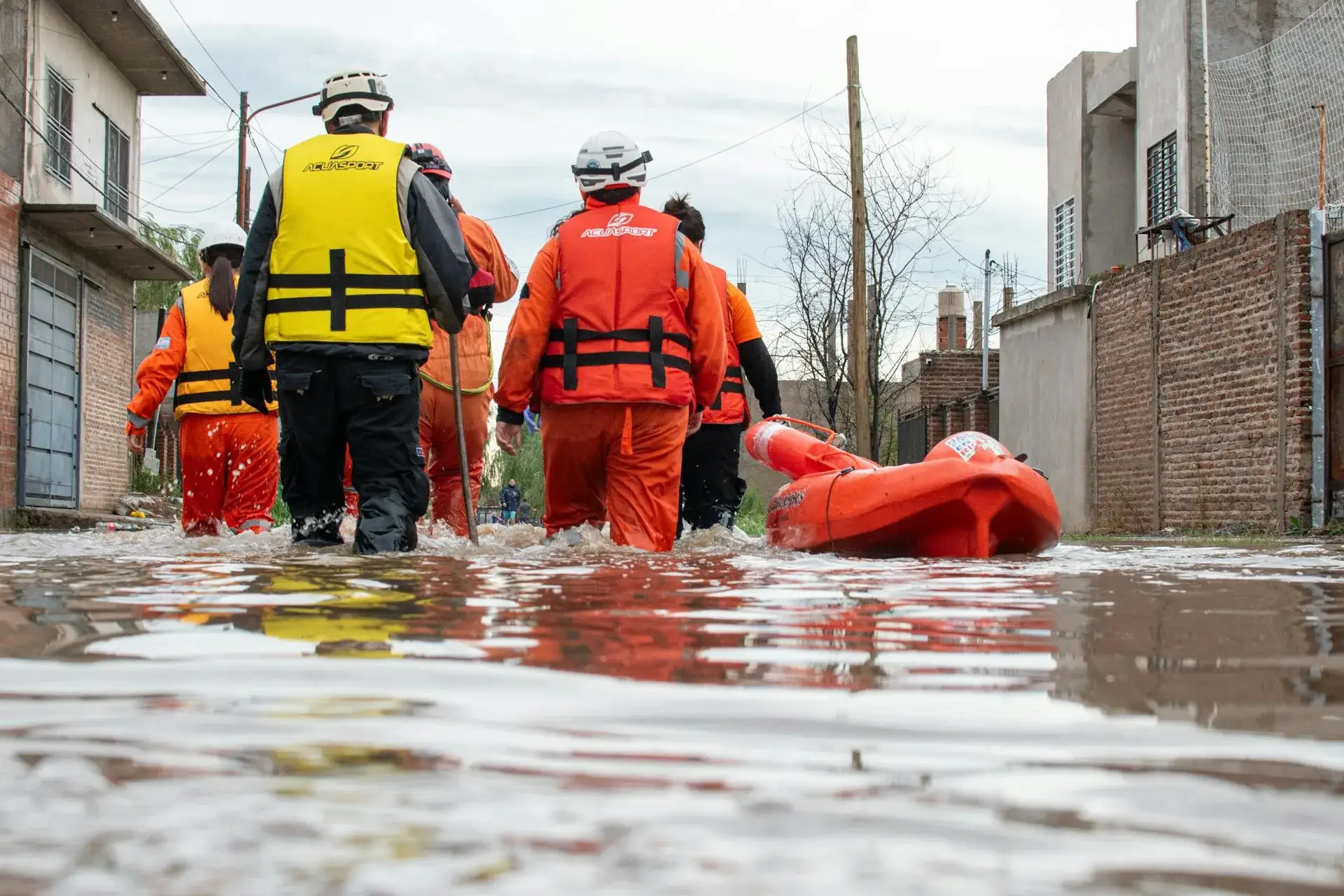
Severe river crests along the Mississippi River and overwhelmed urban drainage systems can inundate historic St. Louis basements in minutes. Our emergency mitigation crews deploy 24/7 with commercial extractors and structural drying equipment to protect your property.
What Happens When You Call
Your call connects immediately with our regional dispatch team, sending certified technicians to your St. Louis property within 45 to 60 minutes.
Crews inspect the premises with thermal imaging infrared cameras and moisture meters to map deep water migration behind historic plaster and masonry.
High-capacity submersible pumps and truck-mounted water extractors remove standing water from basements, cellars, and ground floors.
Commercial low-grain refrigerant dehumidifiers and precision air movers establish psychrometric airflow to dry structural framing and masonry assemblies.
Delays in removing floodwater or sewer backups cause progressive brick foundation deterioration, subfloor rot, and toxic mold growth. When water breaches your home, 911 Water Damage Experts LLC mobilizes immediately. Contact our emergency dispatch team 24/7.
Why St. Louis Homes Are Vulnerable to Water Damage
The NOAA National Water Prediction Service river gauge for the Mississippi River at St. Louis establishes minor flood stage at 30.0 feet and major flood stage at 40.0 feet. Bordered on the east by the mighty Mississippi River and crossed to the south by the River des Peres drainage basin, St. Louis experiences intense hydrological pressure whenever regional rainstorms saturate east-central Missouri. Severe summer squalls and spring frontal systems deliver rapid rainfall that overburdens aging stormwater canals, sending surface water into low-lying street corridors, residential yards, and subterranean basements from Baden to Carondelet.
The urban fabric of St. Louis is famous for its dense, historic red brick residential architecture, including late 19th-century Victorian brick rowhouses in Soulard and Lafayette Square, multi-family four-plexes in Tower Grove, and brick bungalows in South City. These historic properties typically rest on rubble limestone or brick perimeter foundations set directly into dense river-valley clay soil. When heavy rain saturates urban soils, massive lateral hydrostatic pressure drives groundwater through aged lime-mortar joints and unsealed basement floor slabs, flooding finished living spaces and storage cellars.
Winter weather in the City of St. Louis regularly features abrupt freezes that drive temperatures into sub-zero territory. Water supply pipes routed through uninsulated brick exterior walls, unheated basements, and drafty utility chases freeze rapidly during cold snaps. When temperatures recover, expanding pipe walls split, releasing pressurized Category 1 water directly into ceiling plaster, heart-pine subfloors, and finished living rooms. Left unaddressed, clean supply water degrades into Category 2 grey water as it dissolves plaster binders and interacts with flooring adhesives.
Urban cloudbursts frequently overwhelm the combined stormwater and sanitary sewer systems managed across the St. Louis metropolitan area. Surcharged sewer mains force hazardous Category 3 black water backward through residential basement floor drains and cellar plumbing traps. This contaminated backflow introduces pathogenic microbes, biohazards, and organic waste into residential interiors. Our IICRC-certified restoration crews isolate contaminated areas under negative air containment, perform clean demolition of non-salvageable porous building materials, and sanitize exposed masonry and structural framing with EPA-registered botanical antimicrobials.
Mississippi River and Tributary Surges
undefined
undefined
Major regional rainfall pushes the Mississippi River past its 30-foot flood stage, backing urban drainage up into low-lying riverfront neighborhoods.
Historic Stone Foundation Hydrostatic Seepage
undefined
undefined
Centuries-old rubble limestone and brick foundations allow hydrostatic groundwater infiltration when urban clay soils become saturated.
Aging Combined Sewer Overflows
undefined
undefined
Heavy downpours overload metropolitan combined sewer mains, forcing contaminated Category 3 black water up into residential basement drains.
Protecting your St. Louis property after water intrusion requires swift emergency water extraction, thermal moisture tracking, and clinical structural drying.
What Happens to Your Home While You Wait
First 60 Minutes
undefined
undefined
Standing water saturates carpets, migrates behind historic baseboard trim, and begins wicking up porous plaster and gypsum drywall cores.
1 to 24 Hours
undefined
undefined
Drywall panels swell and bow, historic hardwood floorboards cup, and trapped dampness elevates relative humidity to high levels.
24 to 48 Hours
undefined
undefined
Microbial colonies begin colonizing wet paper wallboard surfaces and organic mortar dust, producing noticeable sour and musty odors.
48 to 72 Hours
undefined
undefined
Visible mold blooms emerge on damp wood floor joists, and structural subflooring suffers permanent adhesive breakdown and delamination.
Beyond One Week
undefined
undefined
Extended saturation leads to wood rot, degrading historic timber joists and escalating reconstruction expenses significantly.
Never permit standing water or sewer moisture to linger inside your St. Louis home. Reach 911 Water Damage Experts LLC immediately for 24/7 mitigation.
How We Restore Water-Damaged St. Louis Homes
We adhere strictly to IICRC S500 guidelines to extract standing water, verify moisture depth, and dry structural assemblies thoroughly.
Psychrometric Moisture Assessment
undefined
undefined
Our technicians survey the entire property using infrared cameras and non-penetrating moisture meters to identify hidden dampness pockets.
High-Volume Extraction
undefined
undefined
We operate commercial submersible pumps and truck-mount extractors to pull pooled floodwater out of basements and living quarters.
Strategic Demolition and Flood Cuts
undefined
undefined
Wet carpet cushions, saturated insulation, and waterlogged drywall are removed along clean flood cuts to open wall cavities for thorough airflow.
Commercial Dehumidification
undefined
undefined
Industrial LGR dehumidifiers and high-velocity air movers operate continuously, balancing temperature and humidity until materials reach dry baseline.
The X Response Difference
For dependable, round-the-clock water restoration in St. Louis, rely on the certified professionals at 911 Water Damage Experts LLC.
Insurance Claim Guidance for St. Louis Homeowners
Filing an insurance claim following a flood surge or ruptured plumbing line requires meticulous structural records and clear damage logs.
How X Response Helps
- Comprehensive pre-mitigation digital photo albums and video sweeps of all water-damaged rooms
- Daily psychrometric moisture monitoring charts proving consistent structural drying performance
- Itemized line-by-line Xactimate estimates structured for rapid property adjuster review
We coordinate seamlessly with insurance carriers and independent adjusters regulated by the Missouri Department of Commerce and Insurance.
Certified Restoration Specialists Serving St. Louis
Our St. Louis emergency response team maintains professional certifications through the Institute of Inspection, Cleaning and Restoration Certification (IICRC), including Water Damage Restoration (WRT) and Applied Structural Drying (ASD). Having served properties throughout the City of St. Louis from Downtown and Soulard to the Central West End and Dutchtown, we provide immediate technical mastery and compassionate customer support.
In St. Louis, X Response works with 911 Water Damage Experts LLC, an independent local restoration partner serving St. Louis City County.