

Water Damage Restoration in Mercer, PA
Sudden creek surges, failing sump pumps, and frozen pipe bursts saturate basement subflooring and framing within minutes. Our certified emergency restoration crews deploy across Mercer within 60 minutes to extract standing water and halt structural deterioration.
What Happens When You Call
Your emergency call connects directly with an experienced restoration supervisor who assesses intrusion severity and mobilizes our local field crew.
Certified restoration technicians arrive at your Mercer property within 60 minutes equipped with truck-mounted extractors, thermal imaging cameras, and moisture meters.
We isolate the water source, extract standing water from subterranean cellars and living quarters, and construct protective containment zones.
Industrial low-grain refrigerant dehumidifiers and precision air movers run continuously, with moisture readings logged daily until dry certification is achieved.
When torrential runoff swells Otter Creek or an internal plumbing line ruptures, rapid technical intervention is essential to prevent permanent structural loss. X Response provides an orderly, IICRC-certified mitigation workflow designed to extract standing water, stabilize building assemblies, and return moisture levels to dry standard baselines. Call our emergency dispatch desk right now.
Why Mercer Homes Are Vulnerable to Water Damage
Mercer, Pennsylvania, is a historic borough and the county seat of Mercer County, situated in the rolling glaciated hills of northwestern Pennsylvania approximately 60 miles north of Pittsburgh, with a residential population of approximately 1,982. Centered around its landmark historic courthouse diamond, Mercer sits on an elevated upland divide bordered by the fertile tributary valleys of Otter Creek and Neshannock Creek, which drain southward toward the Shenango and Beaver River basins. According to the U.S. Geological Survey streamgage monitoring Otter Creek at Mercer, severe spring thunderstorms and rapid snowmelt in Mercer County generate rapid streamflow increases that overwhelm local culverts and low-lying residential basements. When sudden convective cloudbursts drop several inches of precipitation over saturated ground, steep valley slopes direct torrents of surface water toward borough streets, overflowing roadside swales and inundating residential perimeter drains.
The subterranean geological environment and historic construction methods in Mercer present specialized moisture vulnerabilities for residential properties. Surrounding soils consist of dense, slow-draining glacial till layered with heavy silty clay loams that expand significantly when saturated. Many of the borough's prominent residences along North and South Pitt Streets, Venango Street, and Butler Street date to the late nineteenth and early twentieth centuries, featuring deep cellars built from native cut sandstone, fieldstone, or early hollow-core concrete masonry units. During prolonged spring rainfall or rapid snowpack melting, elevated groundwater tables generate intense lateral hydrostatic pressure against these masonry foundation walls. Water exploits hairline shrinkage cracks, deteriorated lime mortar joints, and cold floor seams, flooding basements with silty groundwater that saturates finished subflooring, wooden support posts, and central heating equipment.
Otter Creek Watershed Surges and Flash Flooding
Otter Creek receives heavy storm runoff from surrounding agricultural terrain, causing swift localized water rises that overflow low-elevation creekbanks and backup culverts.
Dense Glacial Till Soils and Hydrostatic Pressure
Slow-percolating glacial clay soils retain high moisture volumes, building intense lateral hydrostatic force that pushes groundwater through foundation masonry joints.
Historic Sandstone and Fieldstone Cellar Foundations
Older residential cellars constructed with permeable lime-mortar masonry lack modern exterior waterproof membranes, permitting continuous capillary moisture ingress.
Severe Northwestern PA Winter Freeze-Thaw Cycles
Sustained sub-zero winter temperatures freeze plumbing supply lines in drafty crawl spaces, uninsulated perimeter walls, and basements, causing massive pipe ruptures.
Mercer properties demand advanced water extraction protocols that respect historic masonry while utilizing modern psychrometric structural drying systems.
What Happens to Your Home While You Wait
Within 1 Hour
Water migrates across hardwood, tile, and carpeted floors, soaking padding and wicking into baseboards and drywall. Sump pit failures flood subterranean basements, threatening boilers and electrical panels.
1 to 24 Hours
Drywall assemblies absorb moisture through capillary action, softening and sagging away from framing. Hardwood flooring begins to cup along board seams, and wallpaper adhesives dissolve.
24 to 48 Hours
Elevated indoor relative humidity exceeding 70 percent triggers dormant mold spores on damp framing lumber and subfloors. Metal fasteners, cast iron piping, and furnace jackets begin to rust.
48 to 72 Hours
Active microbial growth develops on organic building materials throughout affected areas. Wood subfloors delaminate, and volatile microbial compounds circulate musty odors through heating ducts.
One Week and Beyond
Extended saturation rots structural floor joists and load-bearing sill plates, causing deflection and structural weakness. Restoration requires extensive selective demolition and environmental containment.
Immediate extraction halts water spread before mold colonization and structural timber decay begin. Contact our Mercer emergency response team now.
How We Restore Water-Damaged Mercer Homes
Our water damage mitigation process utilizes calibrated scientific drying protocols to ensure complete moisture removal from Mercer properties.
Rapid Emergency Response and Hazard Inspection
Our technicians dispatch immediately to your Mercer residence, secure electrical circuits around standing water, identify the intrusion pathway, and stop ongoing water flow.
Thermal Moisture Mapping and Diagnostic Scoping
Using infrared cameras and non-invasive moisture meters, we track hidden moisture migration through walls, stone foundations, and subfloors to establish an accurate restoration scope.
High-Volume Extraction and Water Evacuation
We deploy truck-mounted extraction platforms and submersible pumps to remove thousands of gallons of standing floodwater from basements, crawl spaces, and living areas.
Controlled Structural Dehumidification
Industrial low-grain refrigerant dehumidifiers and high-velocity axial air movers are arranged in calculated configurations to pull deeply bound water molecules out of framing and concrete.
Antimicrobial Treatment and Certified Dry Verification
All affected structural surfaces are sanitized with EPA-registered botanical antimicrobials. Daily psychrometric logs track drying progression until dry standards are verified.
The X Response Difference
Trust X Response for dependable, professional water mitigation tailored specifically to the distinctive architecture of Mercer.
Insurance Claim Guidance for Mercer Homeowners
Navigating property insurance claims after water damage in Pennsylvania requires clear documentation of the loss cause. Standard homeowners insurance policies generally cover sudden, accidental internal water escapes, such as a frozen pipe rupture or ruptured water heater line. Conversely, damage caused by surface runoff, flash flooding, or rising streamwaters requires dedicated flood insurance through the National Flood Insurance Program (NFIP) or private surplus lines. Water entering through a failed sump pump or backed-up municipal drain typically requires an optional Water Backup endorsement. Clear, early technical documentation of the failure point is essential to protecting your claim.
How X Response Helps
- Conduct an immediate physical inventory of all impacted structural materials and personal belongings with high-resolution photography.
- Identify and document the exact water source to substantiate whether coverage falls under standard homeowner, flood, or endorsement provisions.
- Provide comprehensive psychrometric drying logs and moisture mapping reports that align with Pennsylvania Insurance Department standards.
- Structure all repair estimates and mitigation scopes using standardized Xactimate estimating software accepted by major insurers.
- Review your policy deductible, limits, and potential exclusions with you before submission so you understand your coverage scope.
X Response prepares professional loss documentation, structural scopes, and moisture logs to assist policyholders. We do not act as public insurance adjusters; final coverage decisions reside exclusively with your insurer.
Certified Restoration Specialists Serving Mercer
When water strikes your Mercer residence, our local restoration specialists respond with deep expertise in Mercer County construction. Our technicians understand how regional building styles, historic stone cellar foundations, and heavy glacial clay soils influence water intrusion. We tailor our extraction and structural drying methods directly to your property to protect your family and preserve your home's structural integrity.
Every crew member holds active certifications from the Institute of Inspection, Cleaning and Restoration Certification (IICRC), including Water Damage Restoration (WRT) and Applied Structural Drying (ASD). Equipped with commercial extraction units, desiccant dryers, and advanced thermal diagnostic meters, we possess the capabilities required to resolve even the most severe water emergencies.
In Mercer, X Response works with Restoworks Disaster Restoration, an independent local restoration partner serving Mercer County.
Water Damage Restoration FAQ for Mercer Homeowners
Other Emergency Services in Mercer
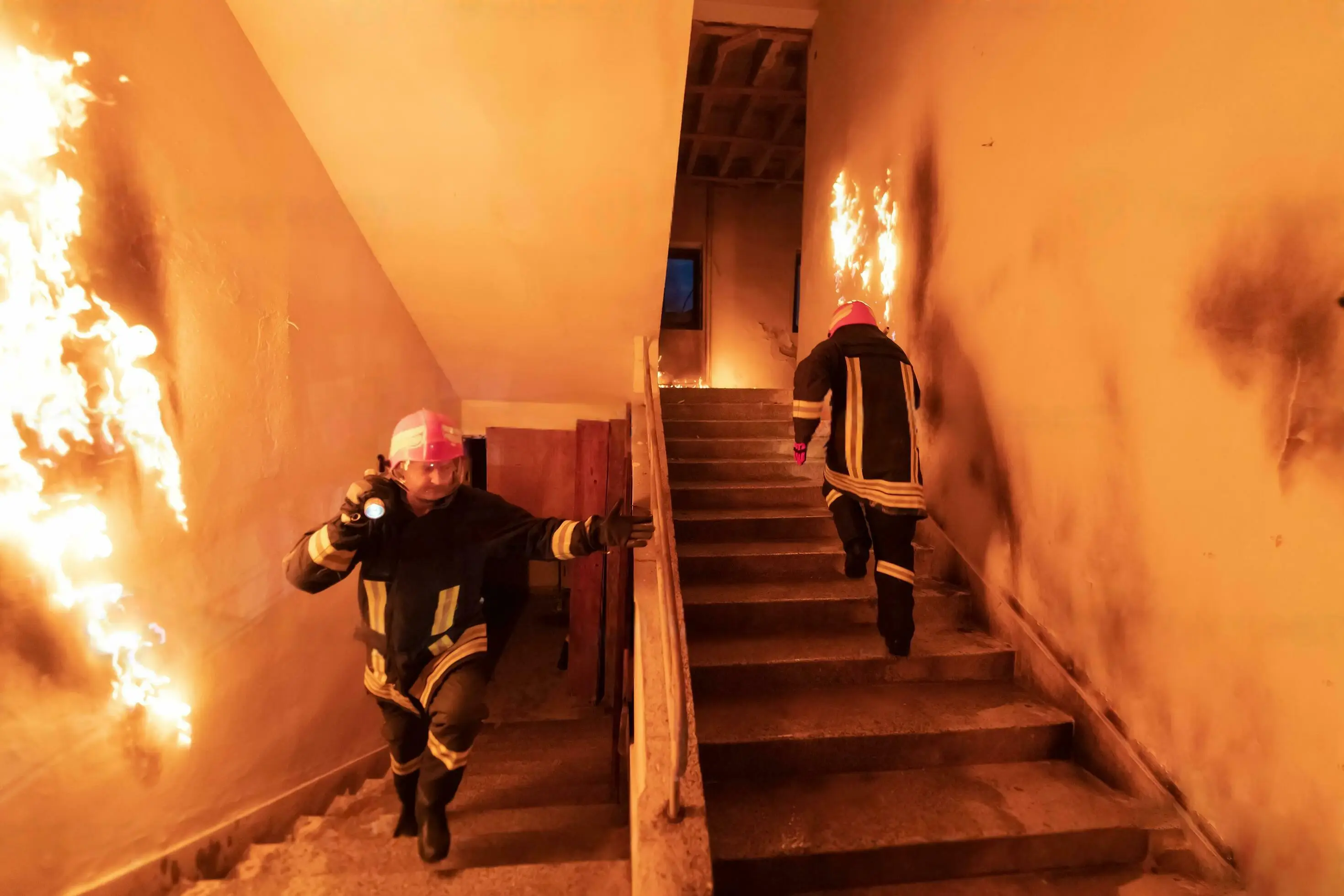
Fire Damage Restoration
Structural damage, soot, debris. We stabilize, clean, and rebuild what fire destroyed.
Learn more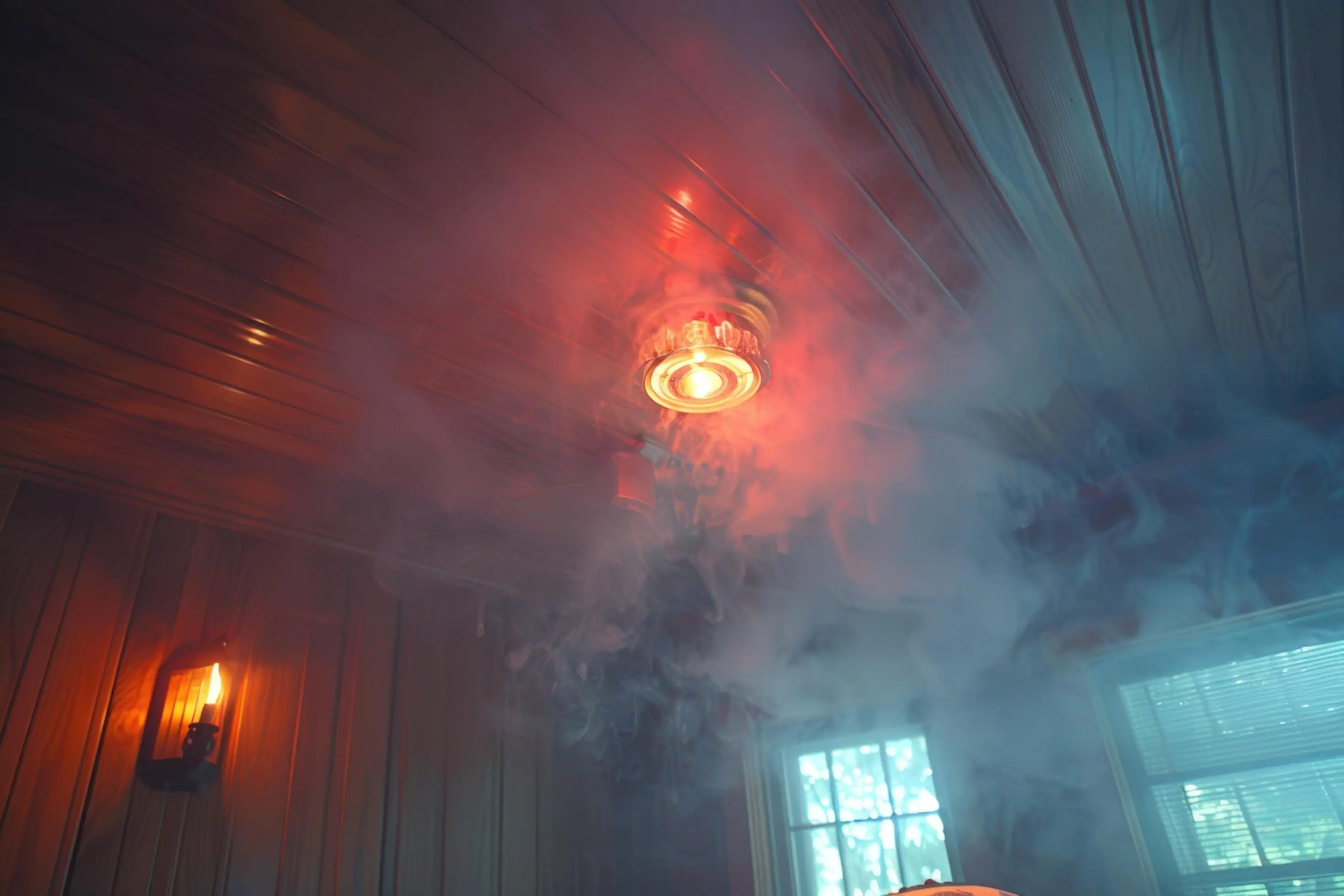
Smoke Damage Restoration
Soot residue, chemical odors, HVAC contamination. We decontaminate surfaces, eliminate odors, and restore air quality.
Learn more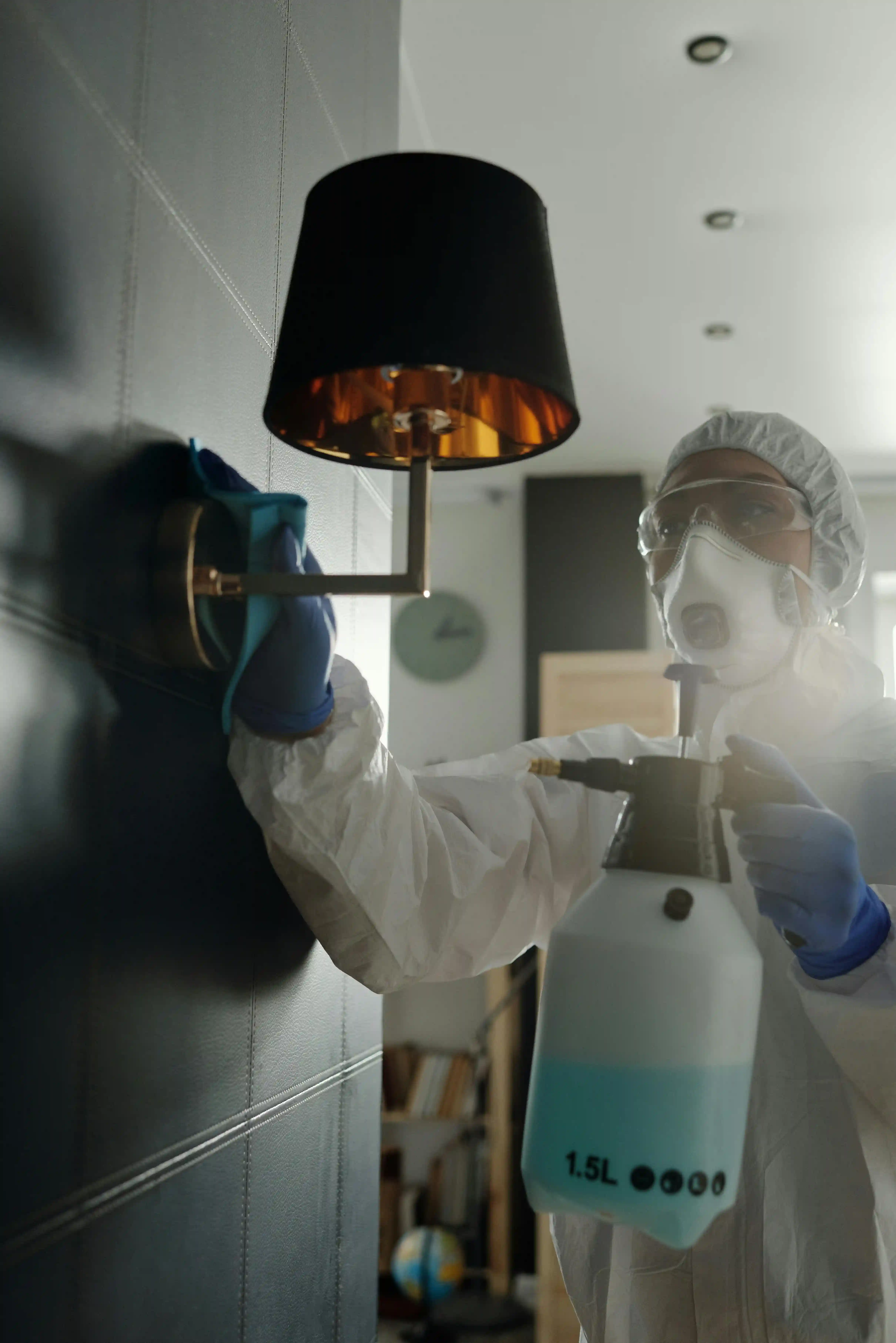
Mold Remediation
Testing, containment, removal, prevention. We find the source, eliminate the growth, and stop it from returning.
Learn more