

Water Damage Restoration in Gainesville, TX
Creek surges along Pecan Creek and ruptured water supply lines cause aggressive structural decay in Gainesville. Our certified restoration team responds 24/7 within 60 minutes.
What Happens When You Call
A live emergency coordinator gathers your property details and dispatches our Cooke County rapid response crew.
Technicians arrive on site in Gainesville with truck-mounted extraction equipment, LGR dehumidifiers, and thermal imaging cameras.
Crews identify hidden moisture paths across concrete slabs and pier-and-beam subfloors, isolate affected zones, and remove standing water.
Commercial drying systems and high-velocity air movers are installed to stabilize ambient relative humidity and begin deep structural drying.
Water spreading across your property requires immediate mitigation before drywall wicks moisture, timber framing warps, and fungal spores colonize organic building materials. X Response mobilizes certified restoration technicians within minutes of your call, arriving on site in Gainesville within the hour. From thermal moisture mapping through industrial extraction and scientific dehumidification, our North Texas team manages every phase. Call now. Your team is standing by.
Why Gainesville Homes Are Vulnerable to Water Damage
Gainesville is an established North Texas community of approximately 17,400 residents and the county seat of Cooke County, positioned roughly 65 miles north of the Dallas-Fort Worth metroplex along the Interstate 35 and U.S. Highway 82 corridors. Located just south of the Red River and the Oklahoma state border, Gainesville occupies a transitional geographic zone between the Grand Prairie and the Western Cross Timbers. The municipal drainage network centers on Pecan Creek, a major tributary that flows directly through the urban core and historic neighborhoods, alongside Wheeler Creek and tributaries of the upper Elm Fork of the Trinity River. Because Cooke County experiences sudden, intense convective storm cells capable of delivering several inches of rainfall within hours, local drainage channels routinely swell rapidly, creating substantial overland flash flood hazards for adjacent properties.
The Elm Fork of the Trinity River flows south from headwaters near Gainesville in Cooke County through Ray Roberts Lake, receiving stormwater runoff from local drainage basins including Pecan Creek that can inundate low-lying residential areas during severe convective storm events. Historic residential districts surrounding the Victorian-era courthouse square frequently feature historic pier-and-beam foundations with enclosed crawl spaces, while newer suburban residential tracts along FM 1202 and FM 372 utilize concrete slab-on-grade construction. Under-slab plumbing supply breaks and surface inundation pose distinct restoration challenges across these different structural assemblies. In Cooke County's expansive clay soils, sudden moisture influxes induce soil swelling that places intense structural stress on foundations, underscoring the urgent need for comprehensive moisture extraction and professional psychrometric drying.
Pecan Creek and Local Drainage Channel Surges
Pecan Creek cuts directly through Gainesville's central commercial and residential sectors. During severe thunderstorms, rapid runoff from paved commercial corridors along Grand Avenue and California Street rapidly overwhelms culverts, spilling high-velocity runoff into low-elevation residences and commercial structures.
Elm Fork Watershed Runoff Dynamics
Gainesville sits near the northern apex of the Elm Fork of the Trinity River basin. Heavy upstream precipitation funnels water into local creeks that drain south toward Ray Roberts Lake, causing water table rises and prolonged ground saturation that prevents natural surface water drainage.
Expansive Clay Soil Shifting and Foundation Shear
Cooke County subsoils contain high percentages of active montmorillonite clay. When saturated by storm runoff or slab leaks, these expansive clays expand significantly, shifting concrete foundation beams and rupturing pressurized copper or CPVC water lines hidden within concrete slabs.
Historic Crawl Spaces Versus Modern Slab Foundations
Gainesville properties showcase diverse architectural periods. Historic homes in the Church Street district feature elevated timber crawl spaces where pooled water rots subfloor joists, whereas modern single-family subdivisions utilize slab-on-grade foundations that direct trapped moisture upward into baseboards and drywall.
North Texas Winter Freezes and Pipe Ruptures
Despite warm summer conditions, Gainesville experiences sharp winter Arctic cold fronts with prolonged sub-freezing temperatures. Water lines routed through uninsulated attics or along exterior walls freeze and burst, releasing hundreds of gallons of pressurized water into ceilings and living areas.
Mitigating water intrusion in Gainesville demands technical precision that accounts for regional hydrology and local construction profiles. Our certified technicians combine advanced moisture diagnostics with industrial extraction to protect Cooke County homes from catastrophic structural loss.
What Happens to Your Home While You Wait
Within 1 Hour
Standing water migrates across flooring substrates, penetrating beneath baseboards and soaking drywall bottom plates. Furniture finishes begin leaching stains into carpets, and concrete slabs absorb moisture through porous surface capillaries.
1 to 24 Hours
Drywall wicks water upward twelve inches or more above the floor line. Timber framing members swell, subfloor adhesives break down, and elevated indoor humidity levels create noticeable musty odors throughout the building envelope.
24 to 48 Hours
Microbial activity initiates as dormant fungal spores germinate on damp cellulose surfaces such as drywall paper, timber wall studs, and carpet padding. Composite wood cabinetry swells and permanently delaminates.
48 to 72 Hours
Active mold colonies become visible along interior baseboards, behind wallpaper, and within HVAC return plenums. Wood flooring cups severely, and metal fasteners and door hinges show active signs of oxidation and corrosion.
One Week and Beyond
Deep structural degradation compromises load-bearing framing members. Gypsum drywall cores dissolve completely, electrical wiring corrodes, and bio-contaminants permeate insulation assemblies, necessitating comprehensive structural demolition.
Immediate intervention halts the structural degradation clock. Contact X Response immediately for 24/7 emergency water extraction in Gainesville.
How We Restore Water-Damaged Gainesville Homes
Our restoration protocol complies strictly with IICRC S500 standards, integrating forensic moisture mapping with industrial extraction and controlled psychrometric drying.
Thermal Moisture Diagnostics and Scope Development
Certified technicians survey the structure utilizing infrared thermal imaging cameras and dual-depth non-destructive moisture meters. We trace complete migration boundaries across slabs, timber framing, and subfloor cavities to establish an accurate baseline drying plan.
High-Volume Extraction and Water Removal
We deploy industrial truck-mounted extraction units and heavy-duty submersible pumps to remove standing surface water quickly. Weighted extraction tools pull moisture embedded deep within carpets and underlayment, drastically shortening structural drying schedules.
Antimicrobial Treatment and Selective Removal
Porous materials that cannot be safely restored, such as saturated acoustic insulation and disintegrating drywall, are excised cleanly along precise lines. All exposed structural framing and concrete slabs are treated with EPA-registered botanical antimicrobials.
Scientific Dehumidification and Air Movement
Industrial Low Grain Refrigerant (LGR) dehumidifiers and high-velocity centrifugal air movers are arranged in targeted psychrometric configurations. This closed drying system draws bound water out of dense framing studs and concrete foundations despite external humidity.
Daily Psychrometric Auditing and Clearance
Technicians conduct daily site inspections to record ambient temperature, relative humidity, and grains per pound (GPP). Drying logs and comparative moisture metrics are documented until all assemblies meet certified pre-loss moisture equilibrium.
The X Response Difference
Choose proven restoration excellence backed by certified technicians, scientific moisture tracking, and transparent documentation.
Insurance Claim Guidance for Gainesville Homeowners
Successfully resolving a property insurance claim in Cooke County requires precise forensic documentation of the water source, loss timeline, and affected building components. Standard Texas homeowner policies generally cover sudden and accidental internal plumbing discharges, such as ruptured supply lines or failed water heaters. Overland flooding caused by creek overflow or excessive surface runoff typically requires coverage through the National Flood Insurance Program (NFIP) or a specialized private flood carrier. Our team works directly with adjusters to supply the rigorous data needed to support your claim.
How X Response Helps
- Comprehensive digital photographic logs documenting loss origination and damaged building assemblies
- Certified daily psychrometric logs recording ambient temperature, relative humidity, and GPP reduction
- Standardized itemized billing generated through industry-approved Xactimate estimating software
- Definitive forensic distinction between clean internal supply failures and Category 2 or 3 flood losses
- Direct collaboration with assigned insurance adjusters to expedite claim evaluation and authorization
X Response provides independent structural restoration and forensic moisture assessment services. Coverage decisions and claim disbursements remain under the sole jurisdiction of your insurance carrier.
Certified Restoration Specialists Serving Gainesville
Our Gainesville restoration specialists bring extensive technical knowledge regarding the unique construction assemblies and climatic conditions of Cooke County. Trained in the behavior of expansive North Texas clay soils, historic pier-and-beam subfloors, and contemporary slab-on-grade architecture, our technicians apply specialized drying strategies tailored to every structure. We maintain emergency equipment ready for deployment around the clock to ensure arrival across Gainesville within 60 minutes.
Every field technician maintains professional certification from the Institute of Inspection, Cleaning and Restoration Certification (IICRC) in Water Damage Restoration (WRT) and Applied Structural Drying (ASD). Equipped with calibrated thermal cameras, deep-penetrating resistance meters, and digital psychrometers, our local crews restore affected properties to verifiable dry standards with absolute scientific rigor.
In Gainesville, X Response works with First Response Restoration, an independent local restoration partner serving Cooke County.
Water Damage Restoration FAQ for Gainesville Homeowners
Other Emergency Services in Gainesville
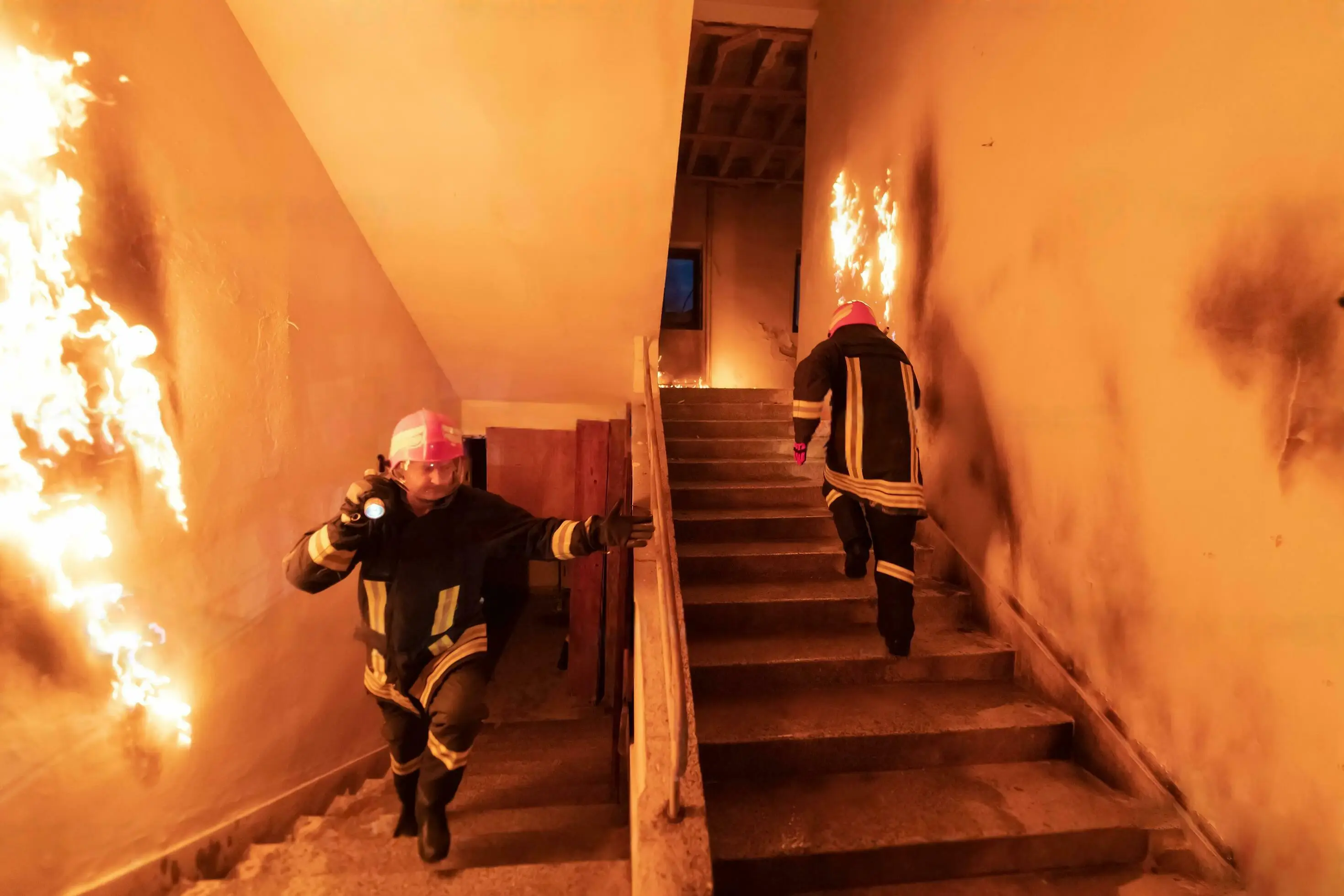
Fire Damage Restoration
Structural damage, soot, debris. We stabilize, clean, and rebuild what fire destroyed.
Learn more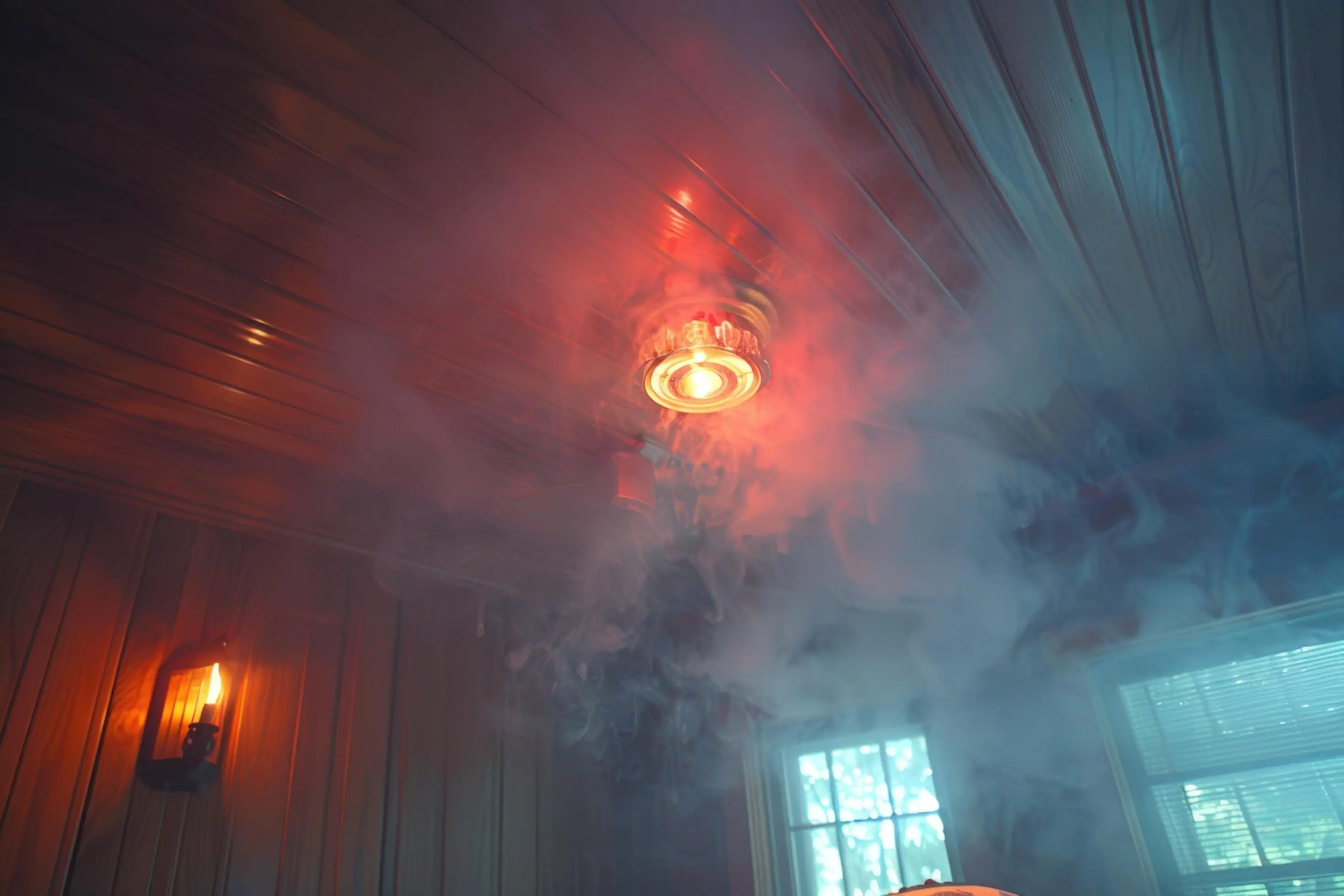
Smoke Damage Restoration
Soot residue, chemical odors, HVAC contamination. We decontaminate surfaces, eliminate odors, and restore air quality.
Learn more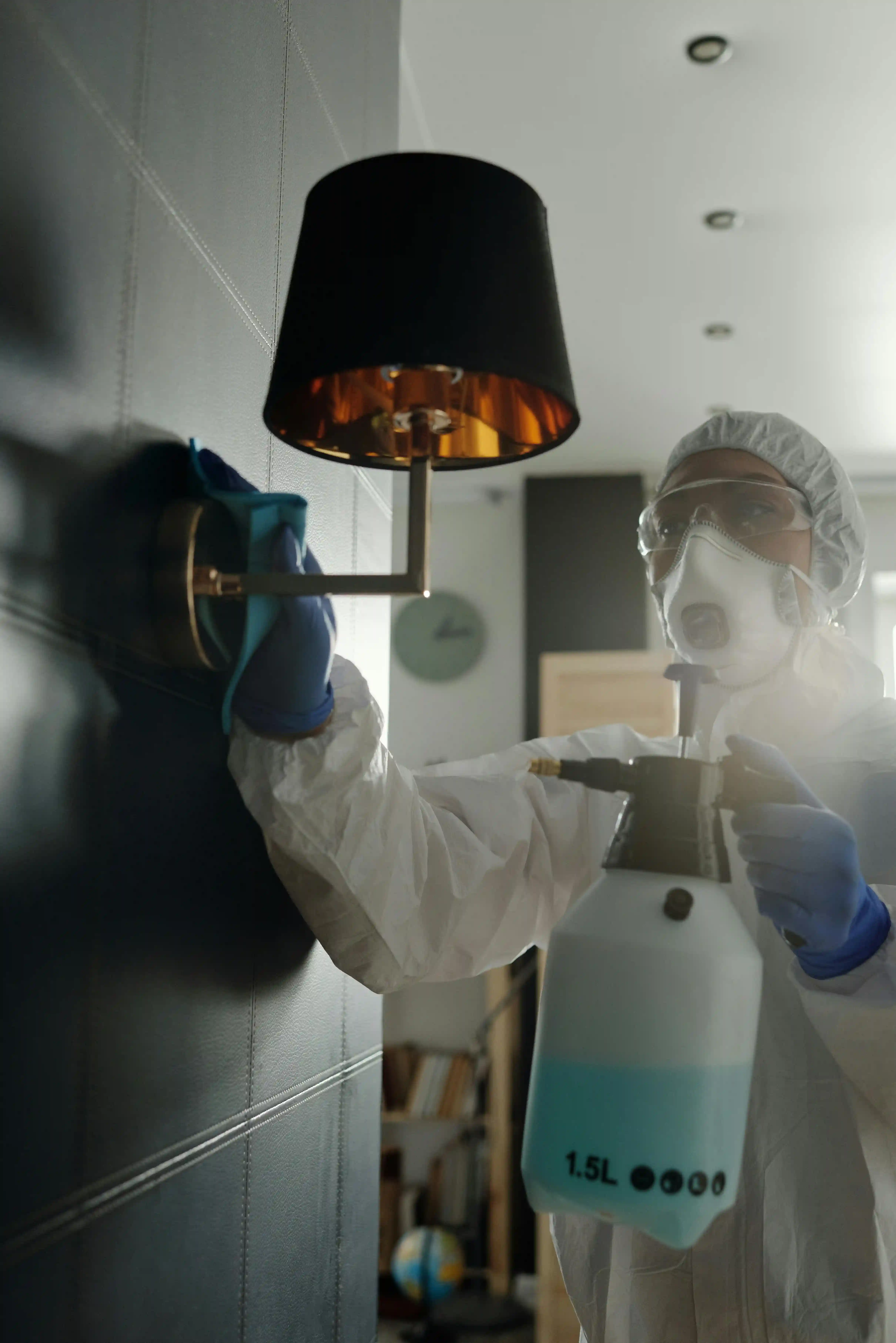
Mold Remediation
Testing, containment, removal, prevention. We find the source, eliminate the growth, and stop it from returning.
Learn more
Sewage Cleanup
Sewer backups, contaminated water, biohazard. We extract, sanitize, and restore safely.
Learn more