
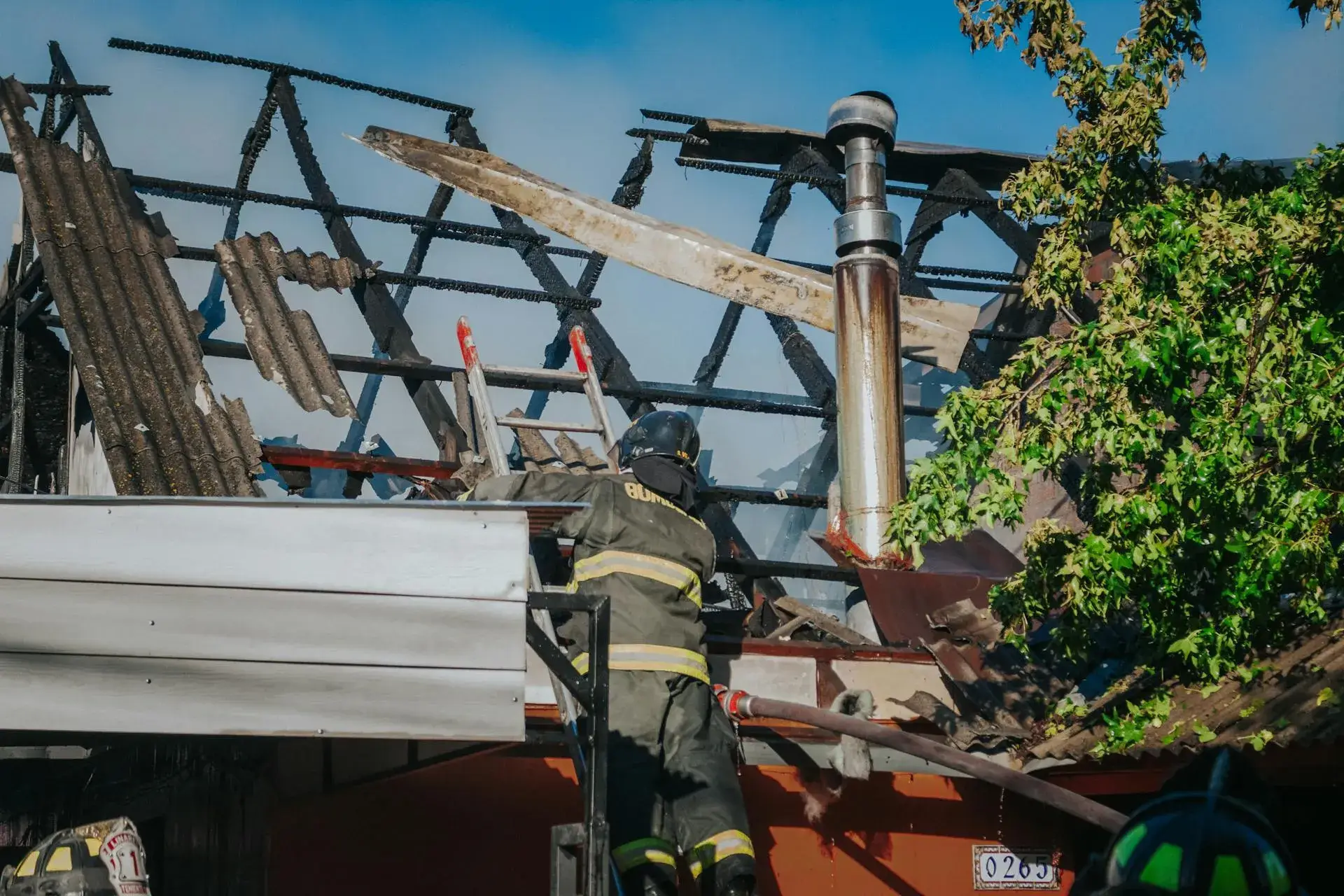
Fire Damage Restoration in Roswell, GA
Acidic soot and suppression water cause continuous destruction after the fire is out. Our Roswell fire response team mobilizes within 60 minutes.
What Happens When You Call
Our emergency operations coordinator receives your call, verifies scene safety with local fire officials, and dispatches our specialized north Fulton fire recovery crew.
Technicians arrive within 60 minutes to perform emergency site security, board up broken windows, install heavy-duty roof tarps, and shore up weakened framing.
We extract firefighting water immediately and deploy commercial air filtration units to halt the spread of toxic chemical soot throughout the property.
A complete structural scope is documented for your insurer, soot removal begins, and a multi-phase structural rebuild plan is initiated.
A structure fire in your Roswell property is a severe crisis that requires immediate, disciplined mitigation to prevent irreversible secondary damage. While flames cause direct charring, corrosive soot deposits and thousands of gallons of firefighting water cause ongoing, aggressive destruction across unaffected rooms. X Response provides immediate 24/7 disaster response across north Fulton County. When you call, our certified mitigation crew secures the building envelope, extracts standing water, and stabilizes compromised framing. One dedicated team oversees your entire restoration from emergency board-up to full reconstruction. Call now. Our Roswell emergency crew is standing by.
Why Roswell Homes Are Vulnerable to Fire Damage
Roswell features a rich architectural landscape ranging from protected 19th-century Greek Revival and craftsman properties in the historic town square district to expansive multi-story custom estates in communities like Horseshoe Bend, Willow Springs, and Martin's Landing. When a structural fire occurs, the City of Roswell Fire Department responds rapidly, deploying high-pressure hose lines that extinguish active flames but leave the building envelope saturated with thousands of gallons of water. In multi-level executive homes with open floor plans and vaulted ceilings, superheated smoke and convection currents travel freely into upper attics and second-floor living suites. Heavy timber framing, composite trusses, and engineered floor systems suffer varying degrees of structural charring, while synthetic furnishings and high-end finishes produce dense, acidic soot that settles across the entire property.
The Office of the Commissioner of Insurance and Safety Fire oversees fire safety regulations and insurance consumer protections across Georgia, providing regulatory oversight and claim dispute investigation for residential property owners recovering from structural fires. Navigating the complex aftermath of a residential fire in north Fulton County requires detailed forensic documentation of both visible structural destruction and hidden soot damage. Unburned rooms frequently sustain severe damage from pressurized smoke traveling through central HVAC ductwork, while suppression water pooling over Georgia Piedmont clay subfloors initiates rapid fungal colonization if not dried mechanically within the first 48 hours.
Multi-Level Custom Framing and Fire Convection
Many luxury estates in Roswell feature complex rooflines, vaulted great rooms, and expansive open floor plans. During a structural blaze, thermal convection drives superheated gases and soot directly upward into cathedral ceilings, unconditioned attic cavities, and upper bedroom suites. Framing trusses in these high-volume spaces can sustain severe charring and structural deflection that requires engineered shoring before interior cleanup can safely commence.
Compounding Water Suppression Saturation
Extinguishing a major residential fire requires thousands of gallons of water, which cascades through ceiling drywall, saturates insulation, and pools across hardwood floors and basement slabs. In Roswell's warm climate, standing suppression water quickly creates high indoor humidity that accelerates wood rot and mold growth on undamaged structural timbers. Successful fire mitigation must prioritize immediate water extraction and commercial dehumidification alongside fire cleanup.
Corrosive Synthetic Soot and Luxury Finish Damage
Modern Roswell households contain significant quantities of synthetic materials, including custom cabinetry, composite trim, plush carpeting, and high-end electronics. When burned, these materials produce sticky, acidic soot residues. Combined with ambient moisture, this soot forms chemical acids that permanently pit brass hardware, etch granite countertops, corrode stainless steel appliances, and discolor painted drywall if not neutralized within 48 hours.
HVAC System Contamination and Whole-House Smoke Spread
Central air conditioning systems in Roswell multi-story homes frequently utilize multiple air handlers located in attics or basements. When a fire occurs while the HVAC system is operating, combustion gases are pulled into return ducts and distributed across every connected zone. Soot coats interior sheet metal ductwork and saturates fiberglass duct liner, turning the HVAC system into a continuous source of odor and airborne particulates until professionally decontaminated and sealed.
Weather Exposure and Secondary Storm Intrusion
Fire suppression operations often require cutting ventilation holes in roofs and breaking windows to vent heat. In north Fulton County, where sudden thunderstorm cells develop quickly during spring and summer, exposed structures face immediate water intrusion from rainfall if not secured promptly. Emergency board-up, heavy-duty framing tarps, and perimeter security are critical first-hour interventions to protect property integrity and satisfy insurance mitigation clauses.
Restoring a fire-damaged property in Roswell requires an integrated, multi-disciplinary approach. Securing the structure against weather, extracting suppression water from Piedmont clay subfloors, neutralizing acidic soot on luxury finishes, and executing precision carpentry demand proven expertise. X Response combines structural engineering, certified soot decontamination, and full-service rebuilding to return your Roswell property to pristine condition.
What Happens to Your Home While You Wait
Within Minutes
Acidic soot and smoke residues settle across all exposed surfaces throughout the property. Porous materials like plastics, custom woodwork, and upholstery absorb soot compounds. Unprotected walls and ceilings begin yellowing as synthetic smoke residues bond with paint finishes.
1–24 Hours
Corrosive soot actively etches polished glass, glazed tile, and bathroom fixtures. Untreated metal surfaces, including architectural hardware and stainless appliances, begin pitting and tarnishing. Standing firefighting water wicks deeply into subflooring and drywall, accelerating structural weakening.
24–48 Hours
Acidic residues cause permanent discoloration on custom cabinetry, stone surfaces, and painted drywall. Standing suppression water initiates microbial growth, while wood floor framing swells and distorts under compounding water and heat stress.
48–72 Hours
Soot penetrates deeply into semi-porous surfaces, making synthetic materials and vinyl flooring permanently unrecoverable. Metallic surfaces pit deeply, requiring complete replacement. Mold colonies begin forming across damp drywall and basement assemblies.
One Week and Beyond
Pervasive smoke odors penetrate structural framing timbers, masonry walls, and subflooring. Unmitigated water causes severe structural rot and extensive mold contamination. Restoration costs escalate significantly as items that could have been restored now require total replacement and demolition.
Immediate intervention prevents secondary soot corrosion and water rot from multiplying your losses. Contact X Response now for 24/7 emergency fire response across Roswell.
How We Restore Fire-Damaged Roswell Homes
Our comprehensive fire recovery protocol adheres to IICRC S540 standards for professional fire and smoke damage restoration, restoring structural safety, air quality, and finish aesthetics.
Emergency Stabilization, Board-Up, and Security
Following fire marshal clearance, our crew immediately secures your Roswell property against weather and unauthorized entry. We board up broken windows, install heavy-duty framing tarps over roof penetrations, and erect structural shoring beneath fire-weakened floor or roof joists.
Suppression Water Extraction and Drying
We extract standing firefighting water from living areas, basements, and crawl spaces using truck-mounted units and submersible pumps. High-capacity commercial dehumidifiers and air movers are deployed to dry framing timbers and prevent mold colonization while air scrubbers capture airborne soot.
Corrosive Soot Removal and Chemical Neutralization
Technicians identify soot types (wet, dry, protein, or fuel oil) and apply specialized cleaning agents, dry chemical sponges, and ultrasonic cleaning systems to remove residues from walls, ceilings, fixtures, and delicate personal belongings without causing abrasive damage.
Thermal Odor Neutralization and Air Scrubbing
To permanently eliminate embedded smoke odors rather than masking them, we utilize industrial HEPA air scrubbers, hydroxyl generators, and thermal fogging that penetrates porous wall assemblies and framing to neutralize volatile organic compounds at the molecular level.
Structural Reconstruction and Final Finishing
Once the structure is clean, deodorized, and dry, our licensed construction division executes necessary structural repairs, including framing replacement, drywall hanging, insulation installation, electrical rewiring, trim carpentry, and painting to return your home to pristine condition.
The X Response Difference
Rebuilding after a fire requires specialized technical expertise and seamless project management. Trust X Response to restore your Roswell property correctly.
Insurance Claim Guidance for Roswell Homeowners
Fire insurance claims are among the most complex property loss processes in Georgia. Homeowner policies typically cover direct fire destruction, smoke and soot contamination, and water damage caused by fire suppression activities. However, insurance carriers require detailed proof of loss, complete itemization of damaged contents, and proof that reasonable steps were taken to prevent secondary damage like weather intrusion or mold. X Response provides comprehensive claim documentation from our first hour on site, working collaboratively with your adjuster to ensure every aspect of your loss is accurately accounted for.
How X Response Helps
- Conduct thorough initial photo and video documentation of all structural damage, charring, and soot contamination before any demolition
- Provide detailed room-by-room inventories of damaged contents, fixtures, and personal property categorized for insurance review
- Execute necessary emergency board-up, roof tarping, and water extraction to satisfy policy mitigation mandates
- Generate transparent, standardized line-item estimates aligned with insurance adjusting software
- Coordinate directly with your insurance adjuster throughout the cleanup and rebuilding phases to facilitate timely claim resolution
X Response does not adjust insurance claims or make legal coverage determinations. We provide detailed forensic documentation and scope logs to assist property owners and their insurance carriers.
Certified Restoration Specialists Serving Roswell
Our Roswell fire restoration specialists are seasoned disaster recovery professionals serving north Fulton County. They understand the distinct structural nuances of local architecture, from historic timber homes in the downtown mill district to expansive custom estates in Horseshoe Bend and Martin's Landing. Our technicians bring years of specialized experience mitigating complex structural fires, commercial losses, and kitchen blazes throughout North Georgia.
Every crew leader maintains advanced certifications from the IICRC, including Fire and Smoke Damage Restoration (FSRT), Odor Control (OCT), and Water Damage Restoration (WRT). Equipped with hydroxyl generators, thermal foggers, HEPA air filtration equipment, and specialized soot sponges, our personnel execute every project with precision, compassion, and unwavering professionalism.
In Roswell, X Response works with Atlanta's Best Restoration, an independent local restoration partner serving Fulton County.
Fire Damage Restoration FAQ for Roswell Homeowners
Other Emergency Services in Roswell

Water Damage Restoration
Burst pipes, storm flooding, standing water. We extract, dry, and restore before mold sets in.
Learn more
Smoke Damage Restoration
Soot residue, chemical odors, HVAC contamination. We decontaminate surfaces, eliminate odors, and restore air quality.
Learn more
Mold Remediation
Testing, containment, removal, prevention. We find the source, eliminate the growth, and stop it from returning.
Learn more
Sewage Cleanup
Sewer backups, contaminated water, biohazard. We extract, sanitize, and restore safely.
Learn moreNearby Service Areas
Also serving nearby: