
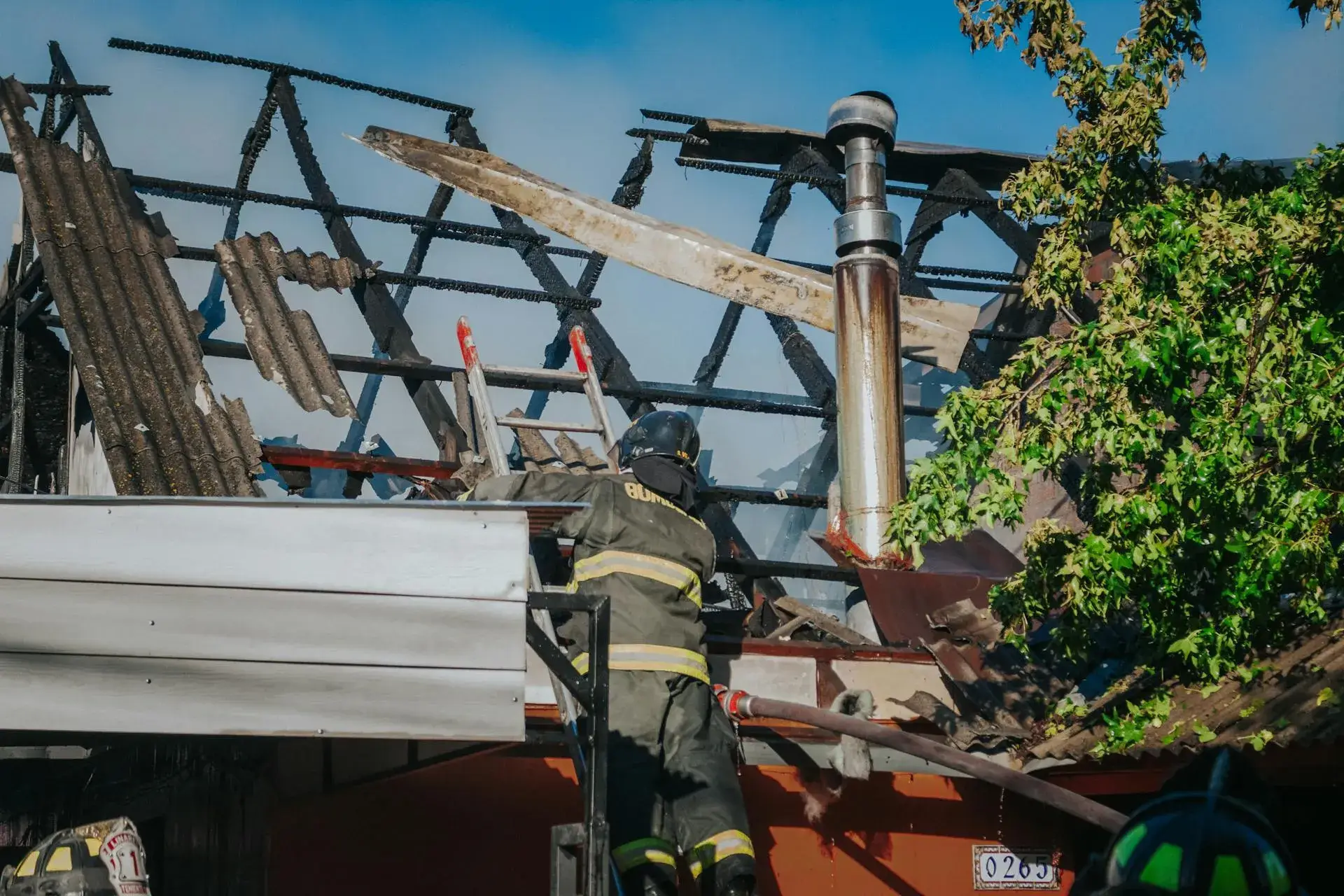
Fire Damage Restoration in Tempe, AZ
Acidic soot and trapped suppression water cause compounding damage within hours in Tempe's desert climate. Our certified East Valley team responds within 60 minutes.
What Happens When You Call
A dedicated emergency restoration coordinator answers immediately, confirms site safety and scene release status, and dispatches crews.
Our local East Valley team arrives in under 60 minutes with heavy-duty board-up materials, structural shoring equipment, and thermal assessment tools.
Technicians secure the building envelope, stabilize burned framing, extract suppression water from concrete slabs, and place HEPA air filtration.
We compile complete photo logs, structural engineering assessments, and itemized rebuild scopes formatted directly for your insurance adjuster.
Once first responders extinguish the flames, a destructive secondary clock begins. Acidic soot corrodes metal finishes, toxic smoke embeds into framing, and thousands of gallons of firefighting water saturate concrete slabs. X Response mobilizes immediately upon scene release. From emergency board-up through complete structural rebuild, our certified team handles every phase under one coordinated plan. Call now. Your team is standing by.
Why Tempe Homes Are Vulnerable to Fire Damage
Tempe is an energetic urban center of over 180,000 residents covering 40 square miles in Maricopa County, characterized by high population density, active commercial districts, and the massive presence of Arizona State University. The city presents diverse structural fire challenges, from historic mid-century wood-framed homes in neighborhoods like Maple-Ash, Daley Park, and University Heights to modern multi-story student housing complexes and high-density mixed-use developments along Mill Avenue and Rio Salado Parkway. The Tempe Fire Medical Rescue Department operates six strategically located fire stations across the city, providing rapid suppression response to structure fires and hazardous material emergencies.
On July 29, 2020, a freight train derailment on the Salt River rail bridge adjacent to the Mill Avenue bridges sparked a massive multi-alarm fire that caused a partial structural collapse over Tempe Town Lake. The dramatic incident generated intense heat plumes, chemical smoke from burning railcars, and heavy ash fallout that swept across downtown Tempe, illustrating the sudden, severe nature of fire hazards in urban corridors. While firefighters contain fires quickly, the aftermath leaves residential and commercial properties facing extreme soot corrosion, structural charring, and thousands of gallons of trapped suppression water.
In the desert climate of Tempe, afternoon relative humidity regularly drops to 10 to 20 percent. This arid air maintains low fuel moisture in timber framing, roof trusses, and drywall paper, allowing flames to spread with exceptional speed once ignition occurs. Furthermore, prolonged summer heatwaves force residential and commercial air conditioning systems to operate under maximum electrical load for months, generating severe thermal strain on electrical panels, breakers, and attic wiring in older Tempe homes.
Arid Climate and Rapid Thermal Spread
Tempe's low ambient humidity keeps organic building materials perpetually dry. When a fire starts, combustible materials reach ignition thresholds rapidly, creating intense heat plumes that consume roof trusses, acoustic ceilings, and partition walls in minutes. This extreme heat bakes carbon soot and volatile chemical residues deep into concrete slab foundations, masonry block walls, and wooden wall studs, creating stubborn odor reservoirs that require specialized thermal fogging and chemical encapsulation rather than simple surface washing.
High-Density Student Housing and Multi-Family Risks
The heavy concentration of student apartments, multi-story condominiums, and rental housing near ASU creates unique fire dynamics. High occupant turnover, heavy appliance usage, and shared ventilation chases increase the risk of kitchen grease fires and unattended cooking incidents. When a fire occurs in a multi-family building, smoke and heat travel rapidly through common hallways, ceiling plenums, and shared ductwork, impacting multiple residential units simultaneously and requiring complex multi-tenant containment.
Electrical Load Strain from Continuous Air Conditioning
During summer months when outdoor temperatures routinely exceed 110 degrees, residential electrical systems operate under unrelenting demand. Heavy continuous amperage drawn by central air conditioning compressors, pool pumps, and modern appliances generates resistive heating at loose circuit breaker connections and aging copper wire junctions. Smoldering electrical fires originating inside attic insulation or wall cavities often burn undetected before breaching living areas.
Suppression Water Pooling on Slab-on-Grade Foundations
When the Tempe Fire Medical Rescue Department suppresses a structure fire, hundreds to thousands of gallons of water are discharged into the building. Because Tempe homes and apartment buildings are constructed on concrete slabs without basements or gravity drainage points, suppression water pools across floor assemblies. Standing water mixes with acidic soot, creating a corrosive slurry that seeps beneath tile underlayment, into baseboards, and across perimeter walls, generating immediate water damage and mold hazards alongside fire destruction.
Forced-Air HVAC Distribution of Soot and Toxins
Modern Tempe properties rely on central forced-air HVAC systems with extensive duct networks. If the air handler is operating during a fire, it draws heavy smoke, microscopic soot particulates, and toxic synthetic chemicals into return air plenums. The system distributes these corrosive contaminants throughout every room, coating duct interiors, blowing soot into closed bedrooms, and depositing acidic residues on electrical appliances and sensitive electronics far from the fire source.
Restoring fire-damaged properties in Tempe demands a multidisciplinary approach that addresses structural charred framing, acidic soot corrosion, toxic smoke odors, and standing firefighting water simultaneously.
What Happens to Your Home While You Wait
Within 1 Hour
Acidic soot begins chemically attacking porous and non-porous surfaces. Yellowing occurs on plastic appliances, while unpainted metals, chrome plumbing fixtures, and electrical contacts begin pitting. Toxic combustion odors penetrate soft goods, upholstered furniture, and open carpet fibers throughout the structure.
1 to 24 Hours
Soot residues cause permanent etching and discoloration on glass, mirrors, marble countertops, and porcelain fixtures. Wood furniture finishes begin blistering, and drywall paper absorbs acidic smoke oils. Suppression water standing on the concrete slab foundation begins wicking into undamaged drywall in adjacent rooms.
24 to 48 Hours
Corrosion penetrates deeply into metal appliances, HVAC components, and structural fasteners. Grout lines, unsealed tile, and fiberglass fixtures become permanently stained. In Tempe's heat, suppression water trapped in warm wall cavities creates optimal conditions for rapid mold germination and bacterial growth.
48 to 72 Hours
Soot and smoke odors embed irreversibly into unprotected drywall, wood framing, and ceiling insulation. Acidic chemical bonding makes soot removal progressively more difficult, necessitating aggressive abrasive cleaning, media blasting, or structural tear-out. Restoration costs multiply as salvageable contents transition to total losses.
One Week and Beyond
Severe structural and chemical deterioration sets in. Metal framing ties and plumbing infrastructure suffer heavy oxidation. Smoke odor permeates concrete slabs and wood framing at a molecular level, requiring complete gutting to the studs, chemical sealing, and full architectural reconstruction.
Every passing hour increases the permanent damage caused by acidic soot and moisture. Contact X Response immediately to secure your Tempe property and halt the damage clock.
How We Restore Fire-Damaged Tempe Homes
Our fire restoration methodology complies with IICRC S520 and S700 standards, providing a systematic pathway from emergency scene stabilization to certified property reconstruction.
Emergency Site Security and Structural Shoring
Immediately following release by the Tempe Fire Medical Rescue Department, our crews secure the building envelope. We install heavy-duty plywood board-up over broken windows and doors, install weather-tight roof tarps over compromised trusses, and erect structural shoring to stabilize weakened load-bearing walls.
Suppression Water Extraction and Drying
We deploy industrial truck-mounted extractors to remove standing firefighting water from concrete slab floors and building cavities. High-capacity commercial dehumidifiers and air movers are installed to eliminate moisture, halting secondary water damage and preventing mold development.
Soot and Char Removal with Specialized Media Blasting
Technicians systematically remove charred building materials and vacuum surfaces using industrial HEPA equipment. We employ specialized dry-ice blasting, soda blasting, and chemical sponge techniques to remove carbon deposits and soot from wood framing, masonry, and concrete surfaces without damaging underlying substrates.
HVAC Decontamination and Thermal Odor Neutralization
We thoroughly clean and sanitize the entire HVAC ductwork system, evaporator coils, and air handlers. To neutralize embedded smoke molecules, we deploy advanced hydroxyl generators, commercial ozone treatments (in unoccupied structures), and thermal fogging, followed by applying odor-barrier sealers to exposed framing.
Full Structural Reconstruction and Rebuild
Our licensed reconstruction division restores the property to pre-loss condition or better. We manage architectural plans, City of Tempe building permits, framing, electrical rewiring, plumbing, drywall installation, custom cabinetry, painting, and final finishes under a single turnkey contract.
The X Response Difference
Recovering from a fire is emotionally taxing. X Response provides clear guidance, superior craftsmanship, and dedicated project management every step of the way.
Insurance Claim Guidance for Tempe Homeowners
Fire damage claims in Arizona are covered under standard homeowner, landlord, and commercial property insurance policies, which typically cover structural rebuilding, content cleaning or replacement, and Additional Living Expenses (ALE). However, documenting the full scope of smoke, soot, and suppression water damage requires meticulous technical proof. Insurers frequently dispute the necessity of HVAC duct replacement, whole-house odor sealing, or total loss determinations on soot-damaged electronics. City of Tempe building code compliance requires licensed contractors to pull permits for structural framing, electrical rewiring, and major plumbing modifications.
How X Response Helps
- Create a comprehensive room-by-room photographic and video inventory of all fire, soot, and water-damaged property.
- Perform non-destructive particulate testing and thermal imaging to document smoke migration into enclosed cavities.
- Provide detailed itemized scopes of work utilizing insurance-approved Xactimate pricing software.
- Coordinate on-site inspections with insurance adjusters, structural engineers, and City of Tempe building inspectors.
- Assist homeowners in cataloging damaged personal property and documenting living expenses during the displacement period.
X Response is an independent certified restoration and general contracting firm. We provide comprehensive damage assessments, scopes of repair, and technical documentation to assist with your insurance claim. We do not act as public adjusters; coverage and claim payments are determined by your insurance carrier.
Certified Restoration Specialists Serving Tempe
Our fire restoration specialists serving Tempe and Maricopa County hold master certifications from the IICRC in Fire and Smoke Damage Restoration (FSRT), Odor Control (OCT), and Water Damage Restoration (WRT). With decades of collective experience in the Phoenix East Valley, our teams possess in-depth knowledge of local residential construction styles, municipal building codes, and desert climate dynamics.
We operate a dedicated fleet equipped with commercial HEPA air filtration systems, hydroxyl generators, dry-ice blasting rigs, and moisture extraction tools. From the initial emergency board-up call to handing over the keys to a beautifully reconstructed home, our craftsmen deliver unmatched attention to detail and unwavering support.
In Tempe, X Response works with No Worries Rooter, an independent local restoration partner serving Maricopa County.
Fire Damage Restoration FAQ for Tempe Homeowners
Other Emergency Services in Tempe
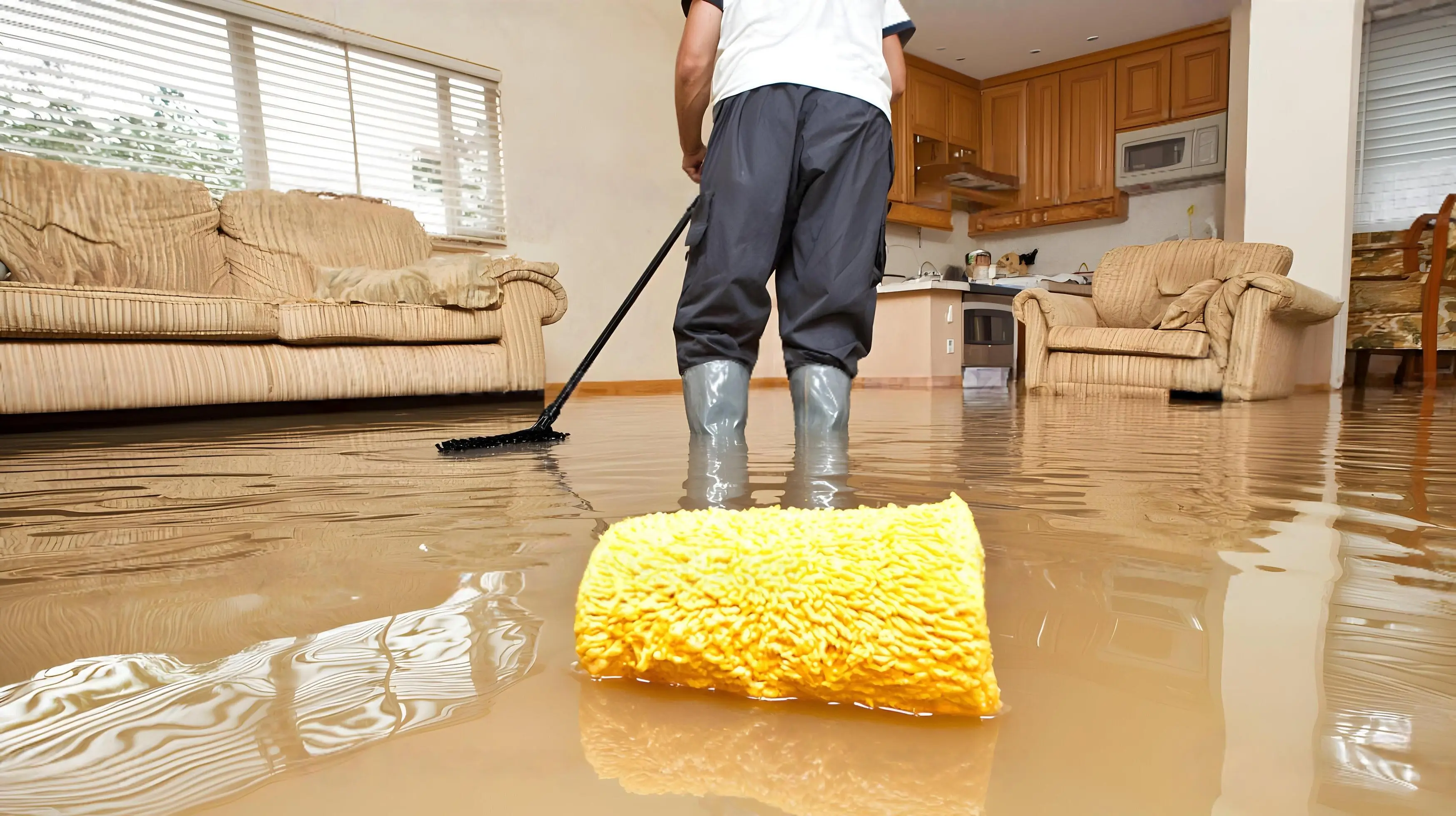
Water Damage Restoration
Burst pipes, storm flooding, standing water. We extract, dry, and restore before mold sets in.
Learn more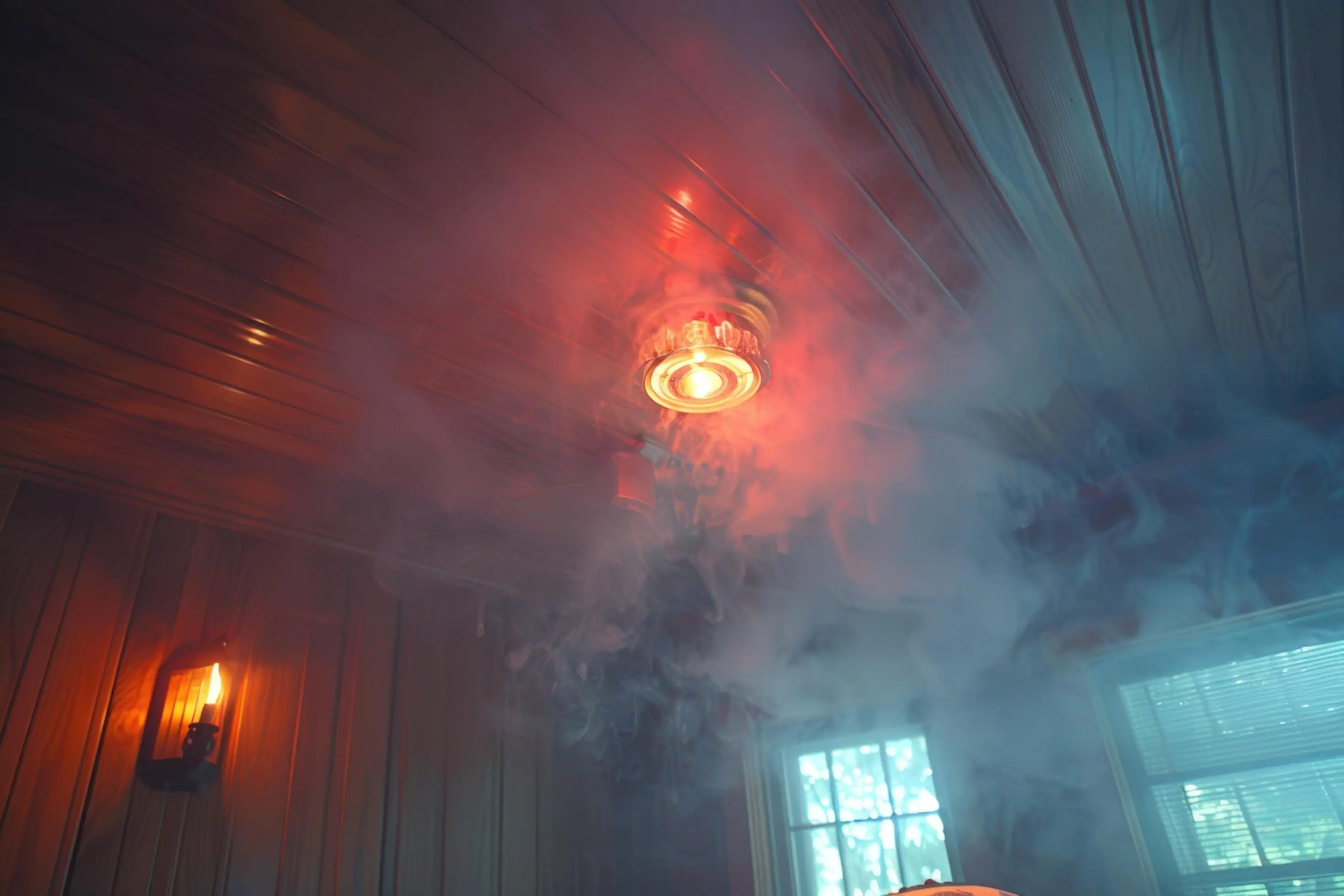
Smoke Damage Restoration
Soot residue, chemical odors, HVAC contamination. We decontaminate surfaces, eliminate odors, and restore air quality.
Learn more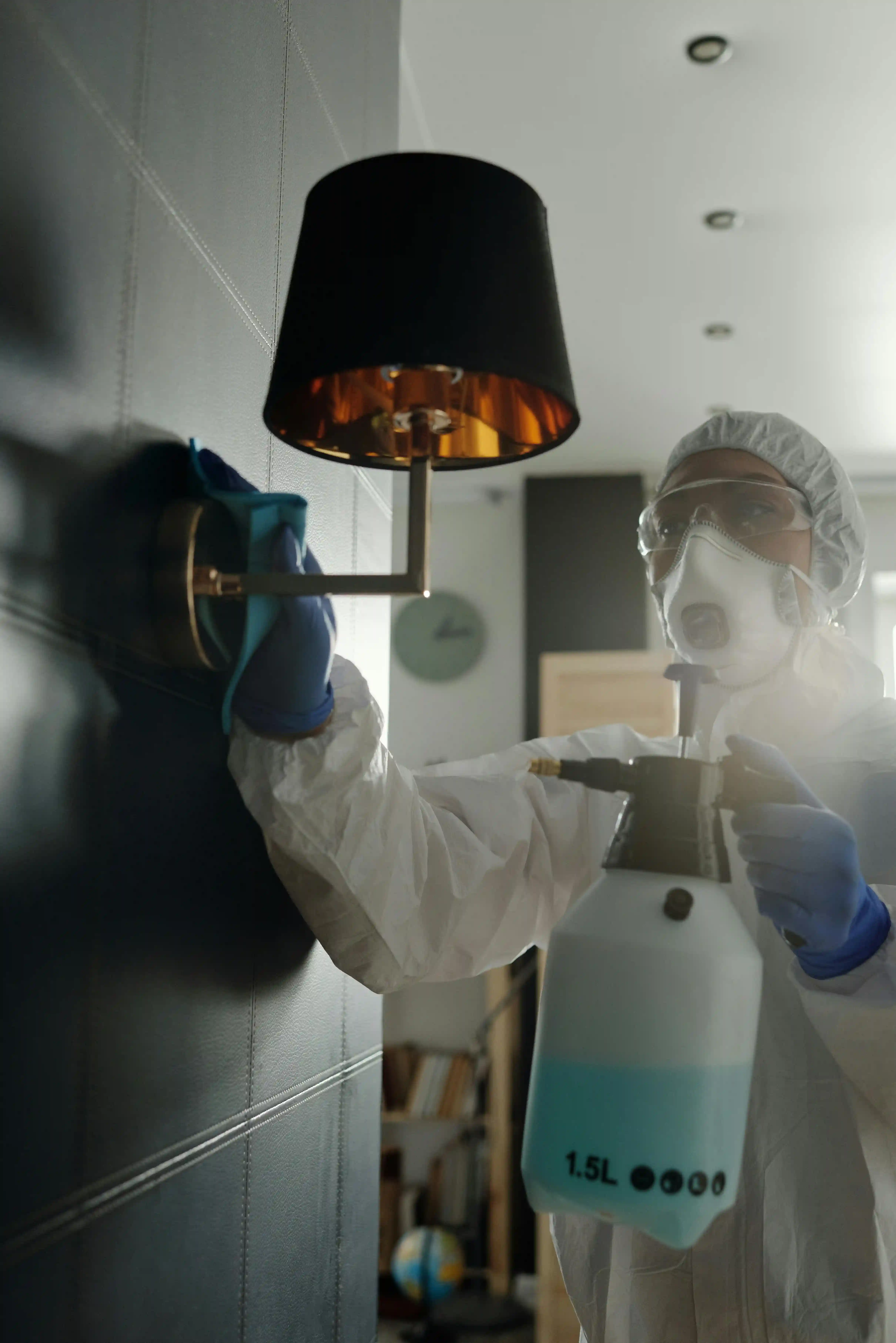
Mold Remediation
Testing, containment, removal, prevention. We find the source, eliminate the growth, and stop it from returning.
Learn more
Sewage Cleanup
Sewer backups, contaminated water, biohazard. We extract, sanitize, and restore safely.
Learn more