
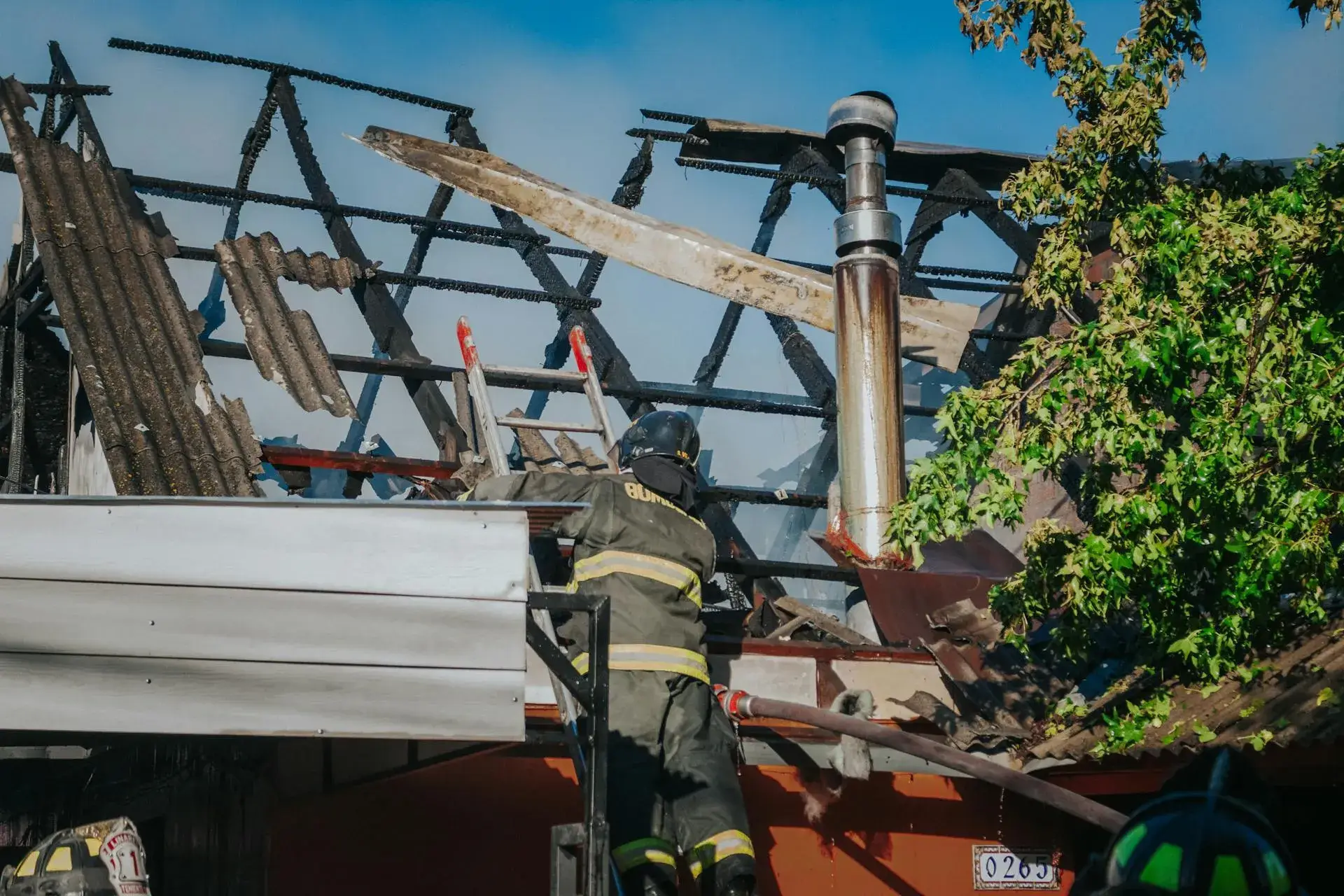
Fire Damage Restoration in Gilbert, AZ
Fire damage worsens every hour as soot corrodes surfaces and smoke penetrates deeper into your home's structure. Our local team responds to Gilbert emergencies within 60 minutes.
What Happens When You Call
A real person answers, not a call center. We assess your situation, confirm the scene is safe and released by authorities, and begin coordinating your response immediately.
Your dedicated restoration team is dispatched from our local base serving Gilbert and the surrounding East Valley communities in Maricopa County.
Team arrives with board-up materials, HEPA filtration, soot removal equipment, and structural assessment tools. Emergency stabilization begins immediately.
Structure secured, initial soot and debris cleared from critical areas, restoration plan documented. You know exactly what comes next.
Your home just experienced a fire. Whether suppressed by the Gilbert Fire and Rescue Department or caught before becoming a full-structure event, the damage is active and compounding right now. Soot is acidic and continues corroding every surface it contacts. Smoke residue is migrating deeper into wall cavities, ductwork, and insulation with each hour. X Response exists for exactly this moment. When you reach out, your restoration team is mobilized within minutes. From that point forward, one team manages everything: stabilization, cleaning, demolition, and rebuild. Call now. Your team is standing by.
Why Gilbert Homes Are Vulnerable to Fire Damage
Gilbert is a town of approximately 289,000 residents in Maricopa County, Arizona, protected by one of the most elite fire departments in the United States. The Gilbert Fire and Rescue Department is one of only 113 fire departments in the country to be both internationally accredited and hold an ISO Class 1 designation, placing it in the top one-half of one percent nationally, and became the first department in Arizona to deploy an electric-powered fire engine. The department consists of more than 250 dedicated professionals operating from multiple stations across the town. This means fires in Gilbert are typically identified, dispatched, and suppressed with exceptional speed. But rapid suppression does not mean minimal damage. The combination of fire, smoke, soot, and suppression water creates a multi-layered damage pattern that demands professional restoration regardless of how quickly the flames were extinguished.
Gilbert's desert environment creates fire conditions distinct from humid climates. The Sonoran Desert delivers afternoon relative humidity as low as 10 to 15 percent during the dry months between April and mid-June, reducing the moisture content of building materials, landscaping, and furnishings to levels where ignition occurs faster and fire spreads more rapidly. Homes built during Gilbert's explosive growth period between 2000 and 2015 feature open floor plans with high ceilings and minimal interior compartmentalization, allowing fire and smoke to travel quickly through large volumes of space. Forced-air HVAC systems that run nearly year-round pull smoke and soot into return ducts and distribute contamination to every room within minutes of ignition, regardless of where the fire originated.
The wildland-urban interface along Gilbert's southern and southeastern boundaries, where residential development meets undeveloped desert terrain approaching the San Tan Mountains and the Gila River Indian Community, creates additional fire exposure. Invasive buffelgrass and other non-native grasses that flourish after wet winters create continuous fuel beds between desert open space and residential fence lines. During the dry pre-monsoon months of May and June, when temperatures exceed 110 degrees and humidity drops to single digits, these fuels can ignite from any spark source and spread rapidly toward homes. Ember transport during high-wind events extends the exposure well beyond the immediate wildland interface, landing on rooftops, in gutters, and against exterior walls of homes blocks from the nearest open desert.
Desert Climate and Reduced Ignition Threshold
Gilbert's climate produces some of the lowest residential humidity levels in the United States during the pre-monsoon dry season. Building materials including wood framing, paper-backed drywall, attic insulation, and stored goods equilibrate to this dry environment over months, reaching moisture levels well below what the same materials would contain in a humid climate. Textile furnishings, window treatments, and paper products become tinder-dry. When ignition occurs from any source, whether a cooking incident, electrical fault, or appliance malfunction, fire progresses through these desiccated materials faster than national averages predict. A kitchen fire that might self-limit in a home with 50 percent indoor humidity progresses rapidly through adjacent cabinets and wall surfaces in a Gilbert home where interior humidity can drop below 20 percent during the dry months when evaporative coolers are not yet running.
Open Floor Plans and Rapid Smoke Distribution
The majority of Gilbert homes built since 2000 feature open-concept floor plans where kitchens, living rooms, dining areas, and family rooms share a single large volume with no interior walls to compartmentalize fire or smoke. Vaulted ceilings of 10 to 14 feet in these spaces create enormous smoke reservoirs that allow contamination to spread laterally across the entire open area within minutes. When the HVAC system is running, its return air intake pulls this smoke directly into the duct system and distributes it to every supply register in the home, including bedrooms, bathrooms, and closets that may be far from the fire origin. The result is that even a small fire that is quickly extinguished produces smoke contamination throughout the entire home, requiring restoration in every room rather than just the fire origin.
Electrical System Demand and Heat Stress
Gilbert homes run air conditioning for six to eight months per year at high capacity, creating sustained electrical loads that stress wiring, connections, panels, and components. Homes built during the rapid expansion era may have electrical systems sized for the original load but now carrying additional demands from EV chargers, pool equipment, home offices, and modern appliance suites. Aging electrical connections in outlet boxes, panel bus bars, and junction points develop increased resistance over time, generating heat that can ignite surrounding materials. Electrical fires often originate inside walls where they smolder undetected before breaking through, making them particularly destructive because they burn through structural framing before anyone sees flames. Arizona's lack of a whole-house electrical inspection requirement at resale means many homes change ownership without evaluation of aging electrical systems.
Post-Fire Suppression Water on Slab Construction
When the Gilbert Fire and Rescue Department suppresses a residential fire, hundreds of gallons of water are applied in a short period. In Gilbert's slab-on-grade homes, this suppression water has nowhere to drain. It pools on the slab floor, saturates carpet and padding, soaks into drywall that is already compromised by heat exposure, and collects along the slab edge where it meets exterior walls. The combination of fire damage from above and water damage from below creates a restoration challenge where both must be addressed simultaneously. Drywall that was partially charred by fire and soaked by suppression water from below has no salvageable portion. Flooring systems exposed to both heat warping and water saturation require complete replacement. Professional fire restoration in Gilbert always includes water extraction and drying as an integrated step.
San Tan Wildland-Urban Interface Exposure
Gilbert's southeastern neighborhoods border undeveloped desert terrain that extends toward the San Tan Mountains and the Gila River Indian Community. This wildland-urban interface creates exposure to wildfire ignition through ember transport during wind-driven fire events. The Arizona Department of Forestry and Fire Management documented over 2,162 wildland fires statewide in 2024, with more than 1,400 human-caused. In the East Valley, invasive grasses that establish after wet winters create continuous fuel beds that carry fire rapidly across flat terrain. While total structure loss from wildfire is uncommon in central Gilbert, homes along the southern boundary with wood fencing against exterior walls, dry landscape mulch, and unmaintained roof gutters are vulnerable to ember ignition that produces localized fire and smoke damage requiring professional restoration.
Fire damage in Gilbert is never just fire damage. It is a combination of thermal destruction at the origin, smoke and soot contamination distributed throughout the HVAC system to every room, water damage from suppression on slab-on-grade floors, and potential structural compromise from heat exposure. The Gilbert Fire and Rescue Department's exceptional response capability limits fire spread, but the smoke and soot that travel through forced-air systems in the minutes before arrival require professional restoration throughout the entire home. It calls for a team that understands desert construction, open floor plan smoke dynamics, slab-on-grade water management, and the accelerated corrosion timeline that Gilbert's heat imposes on soot-covered surfaces.
What Happens to Your Home While You Wait
Within 1 Hour
Soot begins chemically reacting with surfaces. In Gilbert's heat, acidic compounds in soot accelerate corrosion of metal fixtures, appliances, and hardware. Smoke odor penetrates soft materials including clothing, bedding, upholstery, and carpet. The HVAC system has distributed contaminated air to every room. Suppression water pools on the slab floor and wicks into drywall at the base of walls.
1–24 Hours
Soot permanently stains porous surfaces including grout, natural stone, and unsealed concrete. Metal surfaces show visible corrosion spots. Smoke residue penetrates deeper into wall cavities, insulation, and clothing in closets. Materials that could have been cleaned in the first hour now require more aggressive restoration methods or replacement. Suppression water begins creating secondary damage if not extracted.
24–48 Hours
Chemical corrosion from soot becomes permanent on many metal surfaces. Smoke odor bonds deeply into porous materials. In Gilbert's summer heat, organic residues in soot decompose faster and produce stronger odors. Suppression water that was not extracted begins bacterial growth and mold colonization in wall cavities, compounding the fire damage with biological contamination.
48–72 Hours
Restoration scope expands significantly as materials that could have been cleaned or salvaged earlier now require replacement. Soot corrosion penetrates beneath surface coatings. Smoke odor is embedded at a molecular level in soft goods and porous building materials. Mold colonies establish in water-damaged areas. The interaction between fire, smoke, and water damage creates compounding costs.
One Week and Beyond
Structural steel and fasteners show measurable corrosion. Electrical systems exposed to heat and soot require complete replacement for safety. Smoke odor permeates the entire structure. The project has evolved from targeted restoration to comprehensive reconstruction. Insurance claims grow more complex as carriers assess preventability.
Soot is acidic and Gilbert's heat accelerates every corrosion reaction. The difference between cleaning and replacing is often measured in hours. Contact X Response now. Our Gilbert team responds within 60 minutes.
How We Restore Fire-Damaged Gilbert Homes
Fire restoration is the most complex category of property damage because it involves multiple damage types simultaneously. Here is exactly what the process involves in a Gilbert home.
Emergency Board-Up and Stabilization
Once the Gilbert Fire and Rescue Department releases the scene, our team arrives to secure the structure. This means boarding up broken windows, tarping damaged roof sections, and bracing any structural elements compromised by heat. In Gilbert's environment, an unsecured fire-damaged home is immediately exposed to dust infiltration, monsoon rain if in season, and pest intrusion. We isolate the HVAC system to prevent further distribution of soot and smoke particles. The secured structure is then assessed systematically to determine the full scope of fire, smoke, soot, and water damage.
Soot and Debris Removal
Loose soot, charred debris, and fire-damaged materials that cannot be restored are removed. This includes burned drywall, melted fixtures, destroyed insulation, and structural material that failed under heat. In Gilbert's slab-on-grade homes, this phase includes extracting suppression water that pooled during firefighting. HEPA air scrubbers run continuously to capture airborne particulates. Remaining surfaces are treated with appropriate cleaning methods: dry sponging for light soot, wet cleaning for heavier deposits, and abrasive methods for masonry or metal.
HVAC and Duct System Decontamination
The forced-air system in a Gilbert home connects every room through a central air handler that runs nearly year-round. If the system operated during or after the fire, it distributed smoke and soot throughout all ductwork. We clean interior duct surfaces, replace filters, clean the air handler coils and blower assembly, and verify clean operation. Heavily contaminated duct sections are replaced entirely. The HVAC system must be certified clean before finish work begins to prevent contamination of new materials.
Odor Elimination and Surface Treatment
After physical soot removal, smoke odor remains at a molecular level in porous materials. We deploy thermal fogging, hydroxyl generators, or ozone treatment to neutralize embedded odor compounds. These treatments break down volatile organic compounds rather than masking them. Surfaces receiving new finishes are sealed with odor-blocking primer. Every treated area is verified by nose and instrument before reconstruction advances.
Structural Rebuild and Completion
Once all fire, smoke, soot, and water damage has been addressed at the structural level, reconstruction begins. We rebuild to current code standards, which in some cases means upgrading electrical, plumbing, or structural elements. Final inspection confirms all systems function properly, all surfaces are finished, and the home is fully habitable. Complete documentation of all work is provided for your records and insurance file.
The X Response Difference
Fire restoration is complex. You need a team that handles every phase from emergency stabilization through final rebuild. X Response is that team.
Insurance Claim Guidance for Gilbert Homeowners
Fire damage insurance claims in Arizona are generally covered under standard homeowner's policies regardless of cause. The complexity lies in scope. A fire that burned one room often causes smoke and soot damage throughout the entire home via the HVAC system, and carriers may dispute damage extent beyond the fire origin. Water damage from suppression is covered as part of the fire loss. The key is thorough documentation from day one that establishes the full contamination pattern before cleaning removes the evidence. Gilbert's ISO Class 1 fire department typically suppresses fires quickly, which limits thermal damage but can lead insurance adjusters to underestimate the smoke and soot contamination that spread through the HVAC system in the minutes before arrival.
How X Response Helps
- Document soot, smoke, and water damage in every room before any cleaning begins
- Photograph and catalog all damaged contents including electronics, clothing, and furnishings that show no visible burn but carry smoke contamination
- Prepare a scope separating fire damage, smoke damage, and water damage into categories your adjuster recognizes
- Document HVAC contamination with interior duct photos proving system-wide smoke distribution
- Provide daily progress documentation so your carrier can track the timeline and approve scope changes
X Response does not file claims on your behalf, adjust claims, or make coverage determinations. We provide documentation and guidance to help you make informed decisions about your property and your policy. Coverage decisions are made solely by your insurance carrier.
Certified Restoration Specialists Serving Gilbert
When you contact X Response for fire damage restoration in Gilbert, your team is drawn from certified professionals who understand the specific challenges of restoring fire-damaged homes in the desert environment. They know how Gilbert's extreme heat accelerates soot corrosion, how open floor plans with vaulted ceilings allow smoke to contaminate entire homes in minutes, how slab-on-grade construction complicates suppression water management, and how the rapid response of Gilbert's ISO Class 1 fire department limits thermal damage while smoke contamination still spreads through forced-air systems. They have worked through kitchen fires in open-plan homes, electrical fires originating in walls, and garage fires that produced smoke throughout entire residences.
Every technician on your fire restoration team holds current IICRC certification in fire and smoke damage restoration with additional water damage certification to address suppression water. Equipment includes HEPA air scrubbers, thermal foggers, hydroxyl generators, ozone generators, and commercial dehumidifiers. When your team arrives, they bring everything needed to stabilize the structure and begin the restoration process immediately.
In Gilbert, X Response works with No Worries Rooter, an independent local restoration partner serving Maricopa County.
Fire Damage Restoration FAQ for Gilbert Homeowners
Other Emergency Services in Gilbert
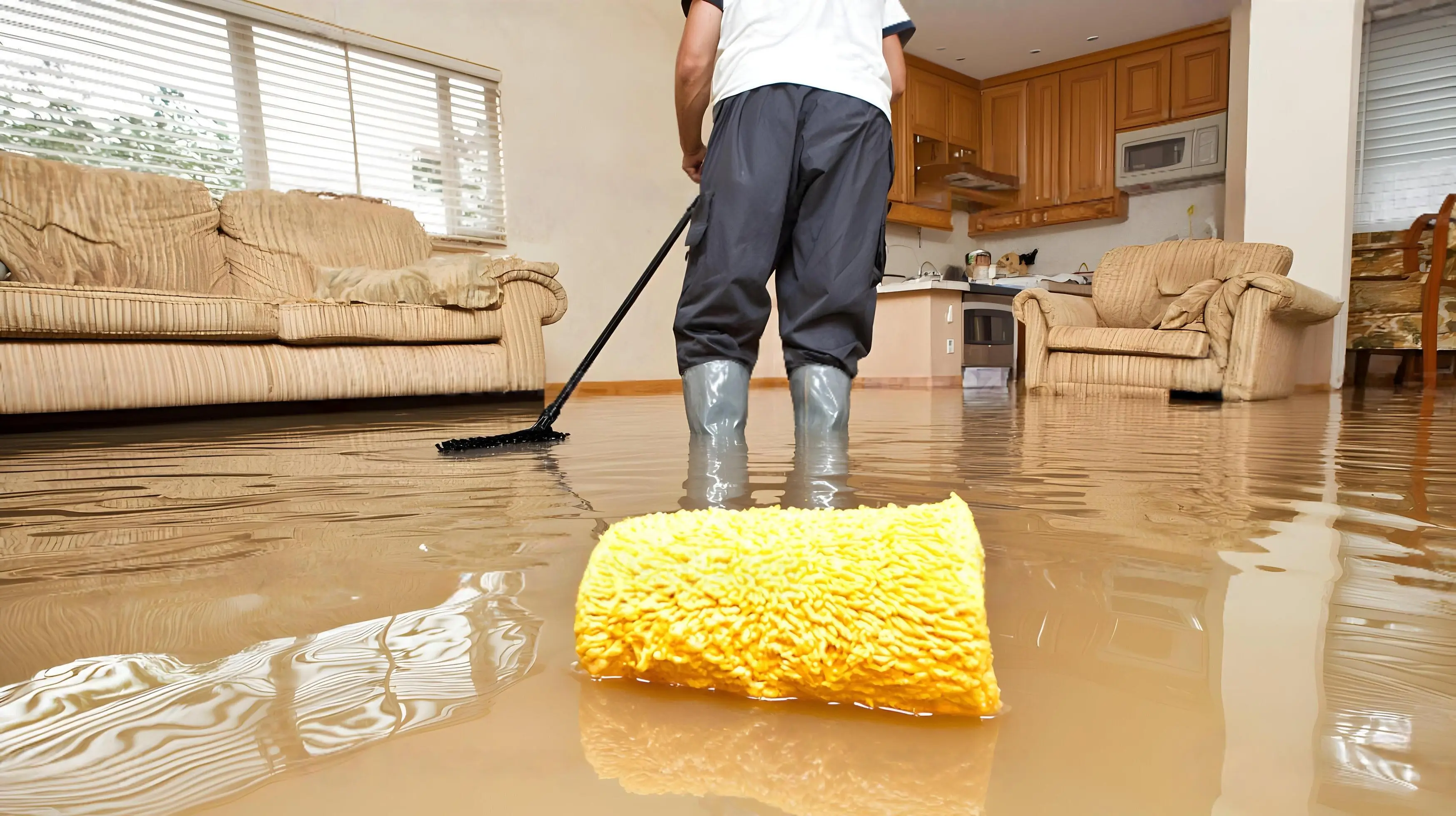
Water Damage Restoration
Burst pipes, storm flooding, standing water. We extract, dry, and restore before mold sets in.
Learn more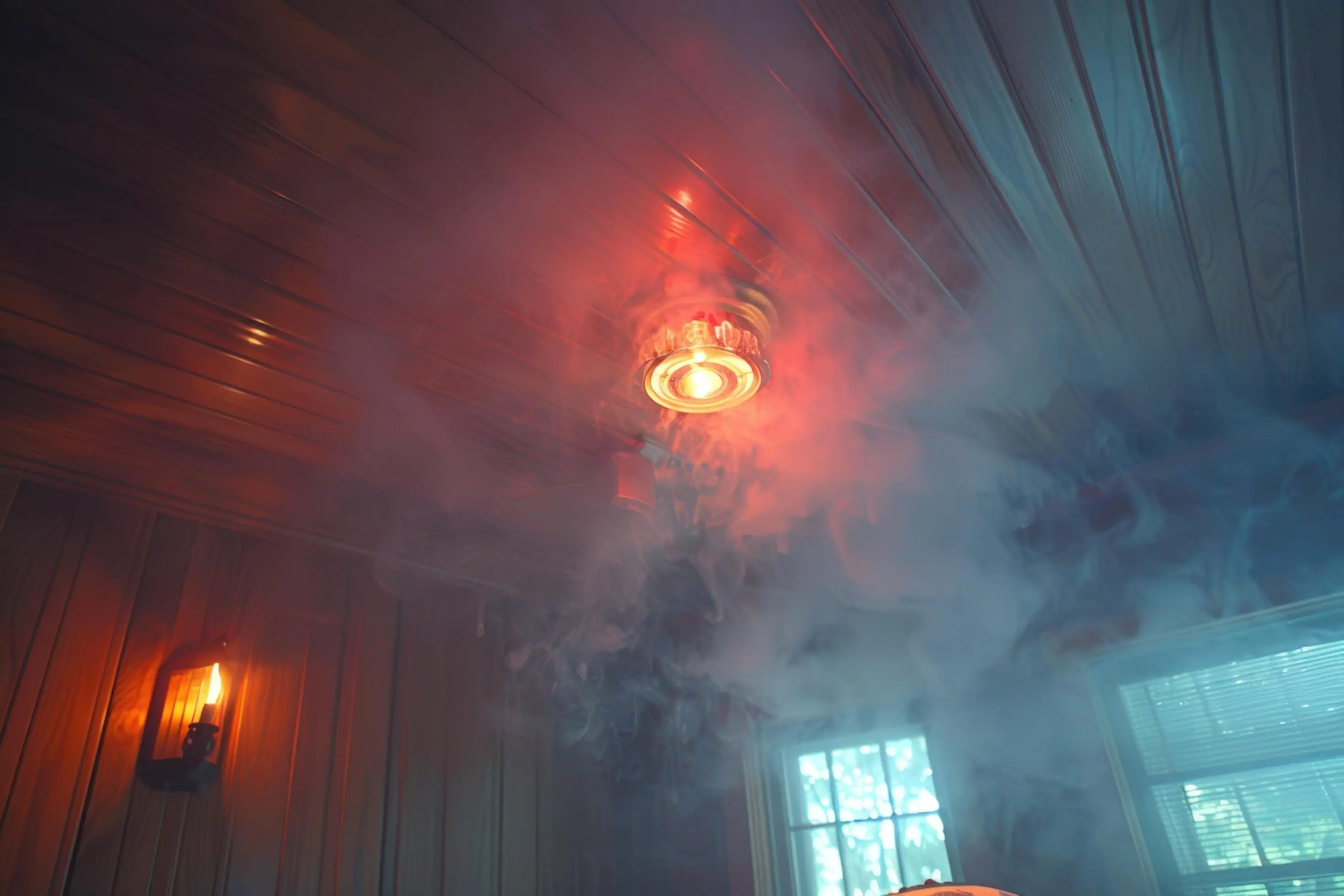
Smoke Damage Restoration
Soot residue, chemical odors, HVAC contamination. We decontaminate surfaces, eliminate odors, and restore air quality.
Learn more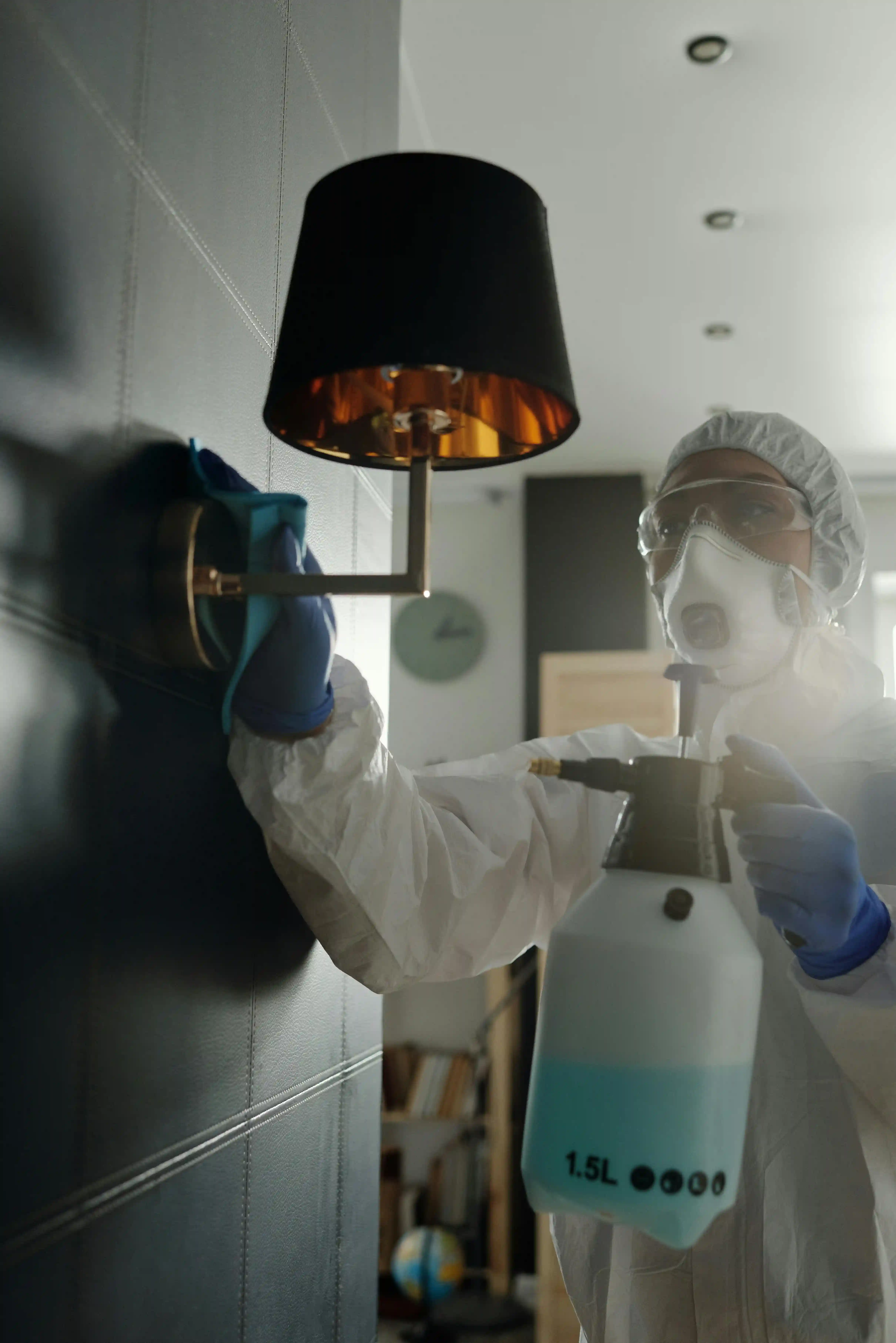
Mold Remediation
Testing, containment, removal, prevention. We find the source, eliminate the growth, and stop it from returning.
Learn more
Sewage Cleanup
Sewer backups, contaminated water, biohazard. We extract, sanitize, and restore safely.
Learn more