
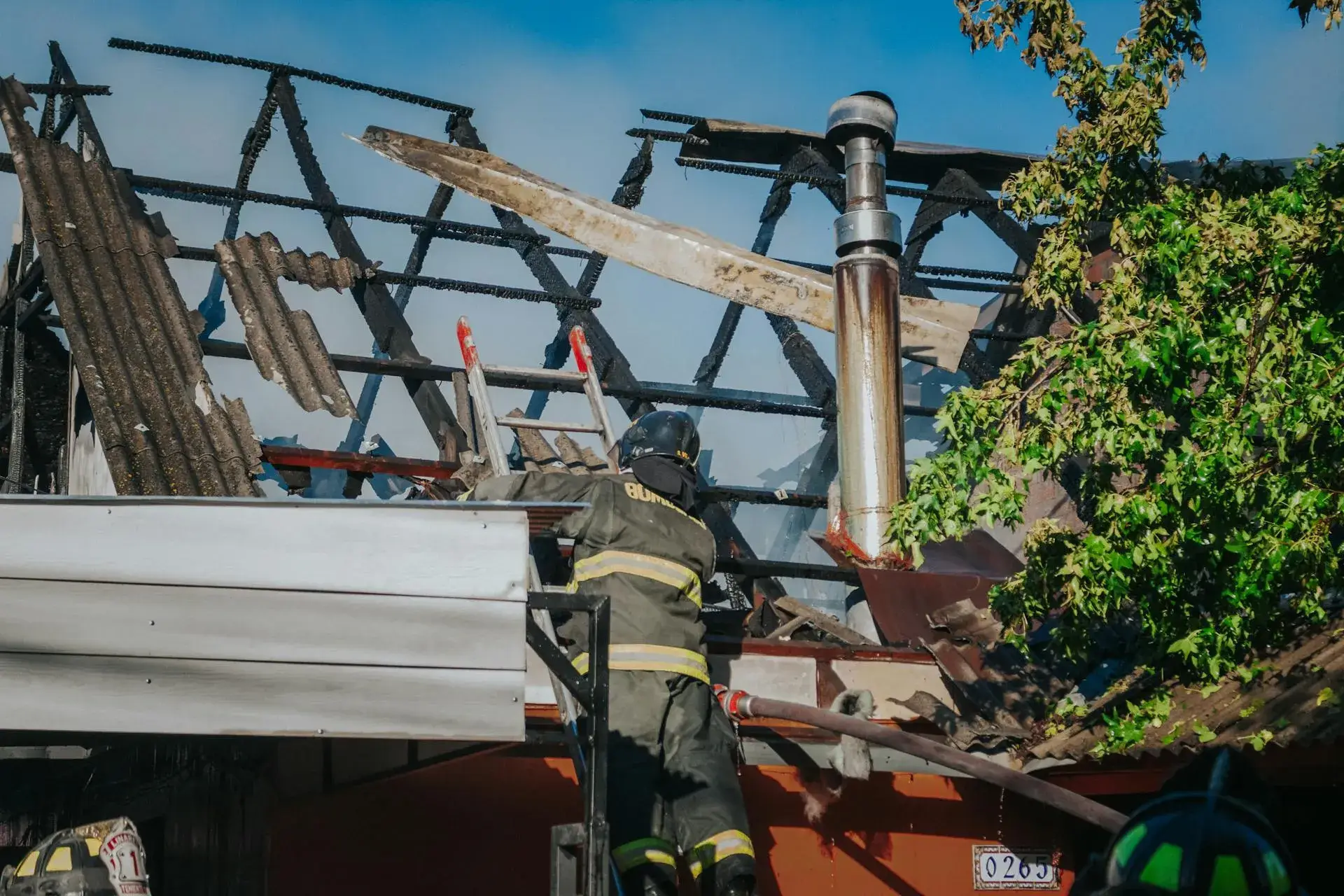
Fire Damage Restoration in Owings Mills, MD
Fire damage doesn't stop when the flames are out. Acidic soot and trapped water create ongoing destruction. Our local team responds to Owings Mills emergencies within 60 minutes.
What Happens When You Call
A real person answers, not a call center. We assess your safety, ask the right questions, and begin coordinating your emergency response immediately.
Your dedicated restoration team is dispatched from our local base serving Owings Mills and the surrounding Baltimore County communities.
Team arrives to secure the property. We board up broken windows, tarp damaged roofs, and begin extracting the water left behind by firefighting efforts.
Property secured, dangerous debris removed, restoration plan documented. You know exactly what comes next.
A fire leaves your home exposed, structurally compromised, and saturated with water. You need it secured immediately. X Response exists for exactly this moment. When you reach out, your restoration team is mobilized within minutes and on site within the hour. From that point forward, one team manages everything: board-up, debris removal, odor neutralization, and insurance guidance. You are never left wondering what happens next. Call now. Your team is standing by.
Why Owings Mills Homes Are Vulnerable to Fire Damage
Fire risks in Owings Mills span a broad spectrum, from traditional residential hazards in suburban neighborhoods to complex chemical fires in dense commercial zones. In June 2026, four electric vehicles caught fire at a Tesla dealership in the 9400 block of Reisterstown Road in Owings Mills, requiring specialized hazmat response and highlighting the escalating complexity of modern fire events. While residential home fires rarely involve massive lithium-ion batteries, they present their own severe challenges. A grease fire in a New Town kitchen or an electrical short in a Garrison attic leaves behind highly corrosive soot and hundreds of gallons of firefighting water, demanding immediate professional mitigation.
The restoration process in Baltimore County is heavily influenced by the seasons. A winter fire exposes the damaged structure to freezing temperatures, risking burst pipes and massive secondary water damage. Conversely, a summer fire means the water soaked into the drywall will rapidly trigger mold growth in the humid Mid-Atlantic climate. X Response understands that fire restoration is never just about removing soot; it is a multi-disciplinary effort that requires securing the envelope, extracting the water, neutralizing the acidic residue, and drying the structure simultaneously to save the home.
Suburban Electrical and Heating Hazards
Many residential fires in Owings Mills stem from overburdened electrical systems in older homes or the improper use of space heaters during Maryland's bitter winter cold snaps. When these systems fail, fires often start hidden within wall cavities, causing extensive smoke and structural damage before breaking out into the living space.
Multi-Unit Building Spread
Owings Mills features a high concentration of attached townhomes and large apartment complexes. A fire in one unit can quickly impact adjoining properties through shared walls, attics, and ventilation shafts. Even if the flames do not spread, the toxic smoke and corrosive soot easily migrate into neighboring homes, requiring extensive odor neutralization.
Commercial and Specialized Fires
The bustling commercial corridor along Reisterstown Road introduces unique fire hazards, as demonstrated by the recent EV fires. While residential homes don't face commercial-scale risks, the presence of modern synthetic materials, plastics, and electronics in every home means that when a fire does occur, it produces highly toxic, chemically complex soot that requires specialized cleaning.
Water and Mold Complications
Extinguishing a fire always introduces massive amounts of water into the home. In the humid Maryland climate, this standing water creates a secondary crisis: rapid mold colonization. Fire restoration teams must immediately pivot to water extraction and structural drying to prevent the home from becoming a total loss due to biological contamination.
Acidic Soot Corrosion
The soot left behind by modern house fires is highly acidic. It immediately begins to chemically react with and permanently stain porous materials like drywall, upholstery, and grout. It also rapidly corrodes unprotected metals. Quick removal is essential to halt this corrosive damage before it destroys fixtures and appliances.
These factors combine to make fire restoration in Owings Mills a complex undertaking. The variety of housing types, the prevalence of modern synthetic soot, and the persistent threat of secondary water damage mean that a one-size-fits-all approach will fail. Effective fire restoration rewards a team that has actually worked across Baltimore County's diverse structures and understands how to manage the intersecting challenges of fire, smoke, and water simultaneously.
What Happens to Your Home While You Wait
Within 1 Hour
The fire is extinguished, but the damage continues. Acidic soot begins to permanently stain plastics, grout, and porous surfaces. Water used by the fire department begins soaking into drywall and flooring, initiating the structural weakening process. The longer the property remains exposed, the worse the damage becomes.
1 to 24 Hours
Soot residue chemically reacts with finishes, tarnishing metal fixtures and yellowing painted walls. The acidic nature of the smoke makes these changes permanent if not neutralized quickly. Meanwhile, the standing water begins to warp hardwood floors and saturate subfloors, setting the stage for future mold growth.
24 to 48 Hours
In Maryland's humid climate, the window for mold prevention rapidly closes. Fungal spores begin to colonize the wet, fire-damaged materials. Structural wood that was weakened by the fire now faces further degradation from absorbed moisture. The odors of smoke and wet ash become deeply embedded in the home's framing.
48 to 72 Hours
Corrosion accelerates on unprotected metals, including vital plumbing and electrical components. The cost of restoration begins to climb steeply as materials that could have been cleaned must now be entirely replaced. Airborne mold spores compound the hazardous breathing environment created by the soot.
One Week and Beyond
The home may become structurally unsound and a severe health hazard. Deeply embedded soot odors require extensive sealing and reconstruction to eliminate. What might have been a focused cleanup and repair job escalates into a massive demolition and rebuild project.
The difference between saving your home's interior and losing it entirely is often just a few hours of response time. Contact X Response now. Our Owings Mills team responds within 60 minutes.
How We Restore Fire-Damaged Owings Mills Homes
From the moment our team arrives, every step is documented, measured, and verified. Here is exactly what the fire restoration process involves.
Emergency Board-Up and Securing
Our first priority is making the site safe and secure. We board up shattered windows, tarp damaged roofs, and secure broken doors to protect the property from the weather and unauthorized entry. This immediate stabilization prevents further elemental damage and secures the scene for the upcoming restoration work.
Water Extraction and Drying
Firefighting efforts leave behind a massive amount of water. We deploy truck-mounted extractors and submersible pumps to remove the standing water, followed by commercial dehumidifiers and air movers to dry the structure. In Maryland's humid climate, this step is critical to prevent mold.
Soot and Debris Removal
Our technicians safely remove charred structural materials and hazardous debris. We then use specialized chemical sponges and targeted cleaning agents to lift acidic soot from salvageable surfaces. This meticulous cleaning process stops the corrosive action of the soot and prepares the surfaces for odor neutralization.
Smoke Odor Neutralization
Smoke odors penetrate deep into the pores of wood, drywall, and upholstery. Surface cleaning cannot remove them. We use advanced thermal fogging, ozone generators, and HEPA air scrubbers to break down the odor-causing molecules at a microscopic level, ensuring your home smells clean, not just covered up.
Quality Verification and Completion
Before we consider the job complete, a final inspection verifies that all soot has been removed, moisture readings are normal, and the smoke odor is entirely neutralized. We hand you completion documentation including before-and-after photos and a summary of all work performed.
The X Response Difference
When you contact X Response, you get a dedicated restoration team that manages everything, from emergency mitigation through insurance documentation to final quality verification.
Insurance Claim Guidance for Owings Mills Homeowners
Fire damage insurance claims in Maryland are generally straightforward regarding coverage, as standard homeowner's policies universally cover fire and smoke damage. However, the complexity lies in the documentation and the valuation of the loss. The water used to extinguish the fire, the smoke that permeated the HVAC system, and the structural damage to the framing all fall under the fire claim, but they require precise, line-item documentation to ensure you receive the full benefit of your policy. Having a restoration team that speaks the language of insurance adjusters is vital.
How X Response Helps
- Document all damage with professional photos, moisture readings, and a detailed scope of work from day one
- Clearly delineate between fire, smoke, and secondary water damage for precise claim reporting
- Prepare documentation that meets Baltimore County code requirements for the upcoming reconstruction phase
- Align our restoration scope with standard insurance coverage categories so your adjuster can process the claim efficiently
- Explain your policy's likely coverage before you file, so you understand your options and potential out-of-pocket exposure
X Response does not file claims on your behalf, adjust claims, or make coverage determinations. We provide documentation and guidance to help you make informed decisions about your property and your policy. Coverage decisions are made solely by your insurance carrier.
Certified Restoration Specialists Serving Owings Mills
When you contact X Response for a fire damage emergency in Owings Mills, your restoration team is drawn from certified professionals who work across Baltimore County. They understand the distinct challenges of restoring properties in this area, from managing townhome complex fires to navigating the rebuilding process. This is not a crew dispatched from hours away with no local knowledge. It is a local team with local expertise, operating under national quality standards.
Every technician on your team holds current IICRC certification in Fire and Smoke Restoration and carries the appropriate Maryland licensing for the work being performed. Equipment is commercial-grade and maintained to manufacturer specifications. When your team arrives, they bring everything needed to begin mitigation immediately, including heavy-duty board-up materials, specialized soot removal chemicals, and advanced odor neutralization technology.
In Owings Mills, X Response works with Green Clean Restoration LLC, an independent local restoration partner serving Baltimore County.
Fire Damage Restoration FAQ for Owings Mills Homeowners
Other Emergency Services in Owings Mills
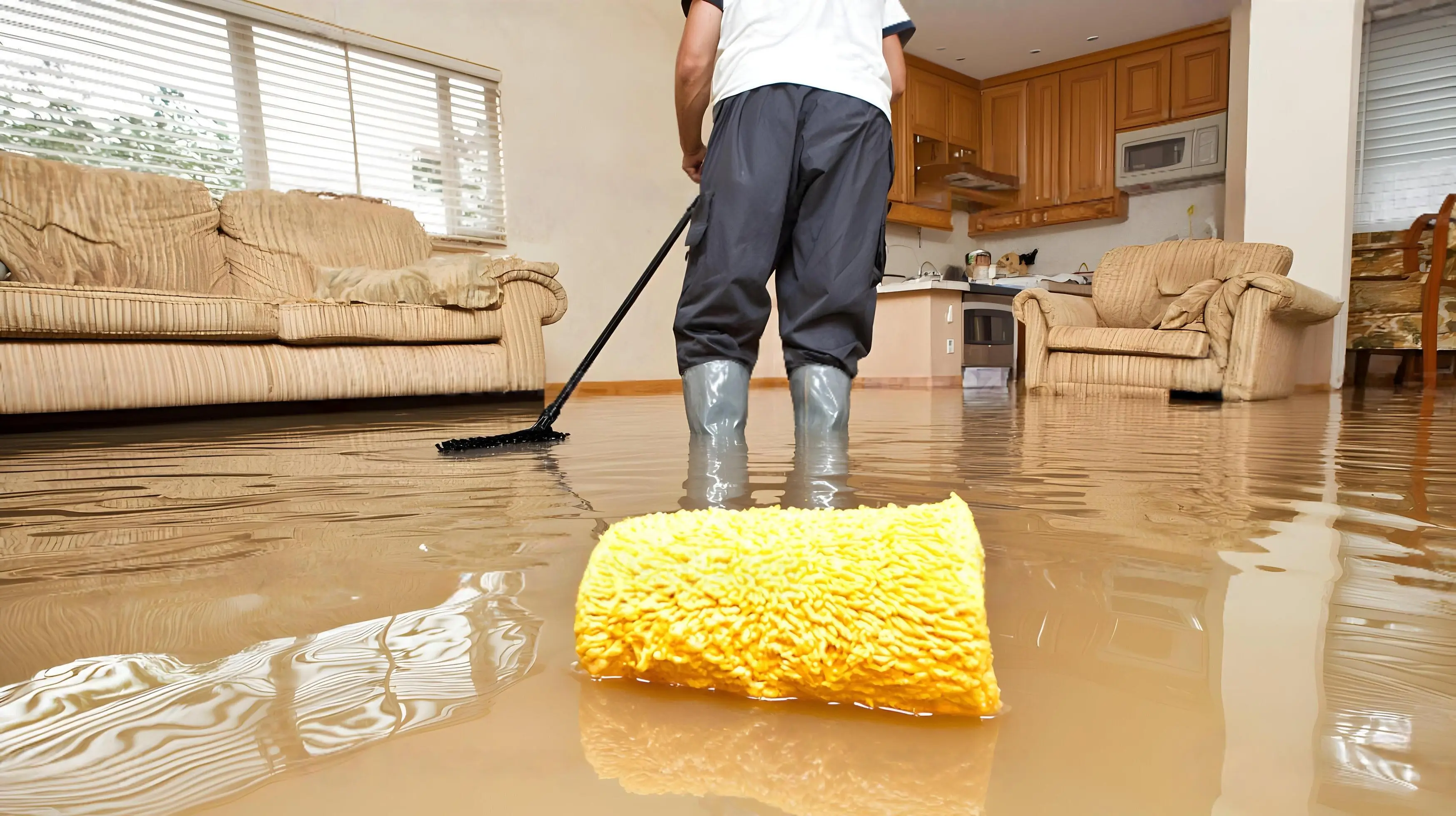
Water Damage Restoration
Burst pipes, storm flooding, standing water. We extract, dry, and restore before mold sets in.
Learn more
Smoke Damage Restoration
Soot residue, chemical odors, HVAC contamination. We decontaminate surfaces, eliminate odors, and restore air quality.
Learn more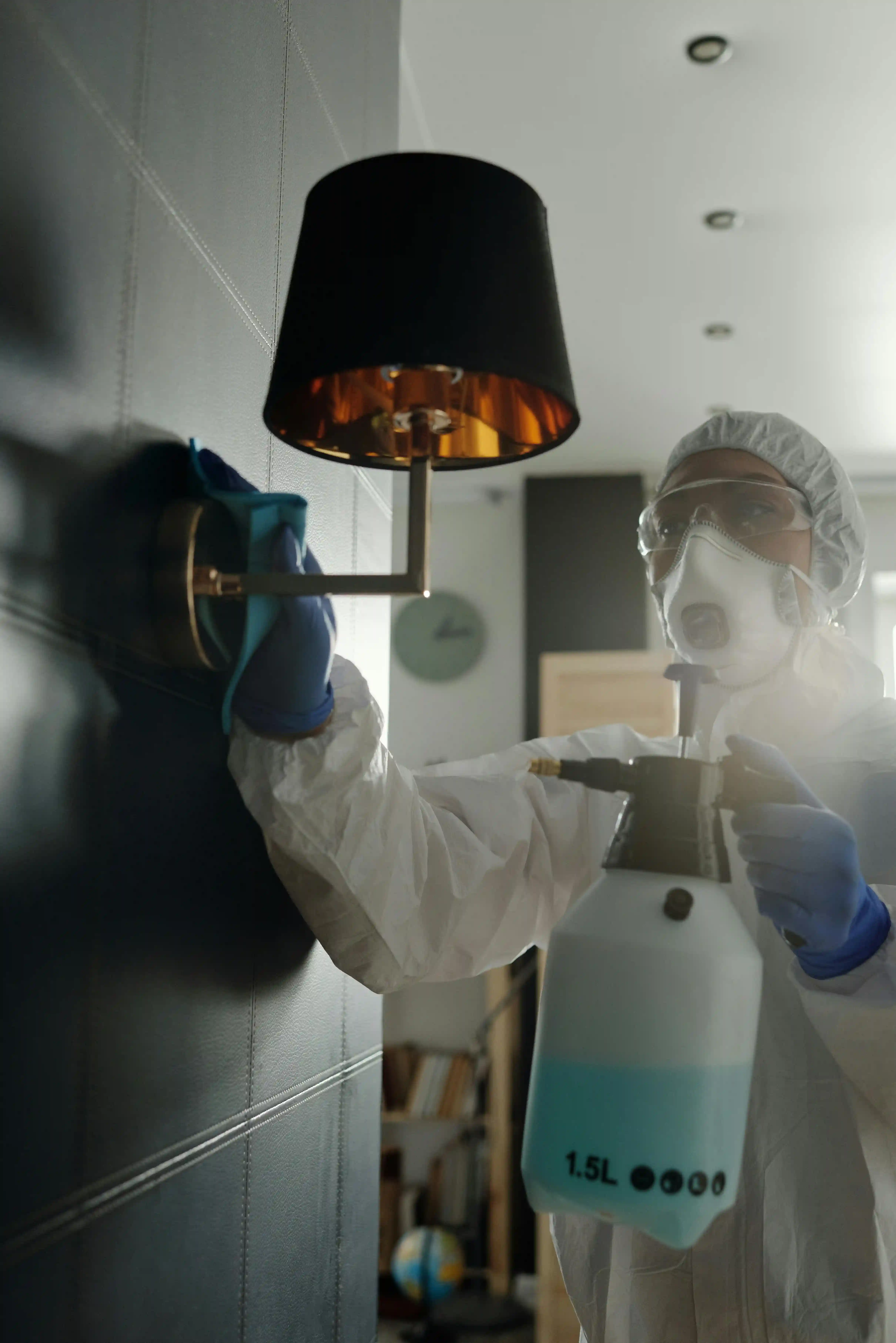
Mold Remediation
Testing, containment, removal, prevention. We find the source, eliminate the growth, and stop it from returning.
Learn more
Sewage Cleanup
Sewer backups, contaminated water, biohazard. We extract, sanitize, and restore safely.
Learn moreNearby Service Areas
Also serving nearby: