
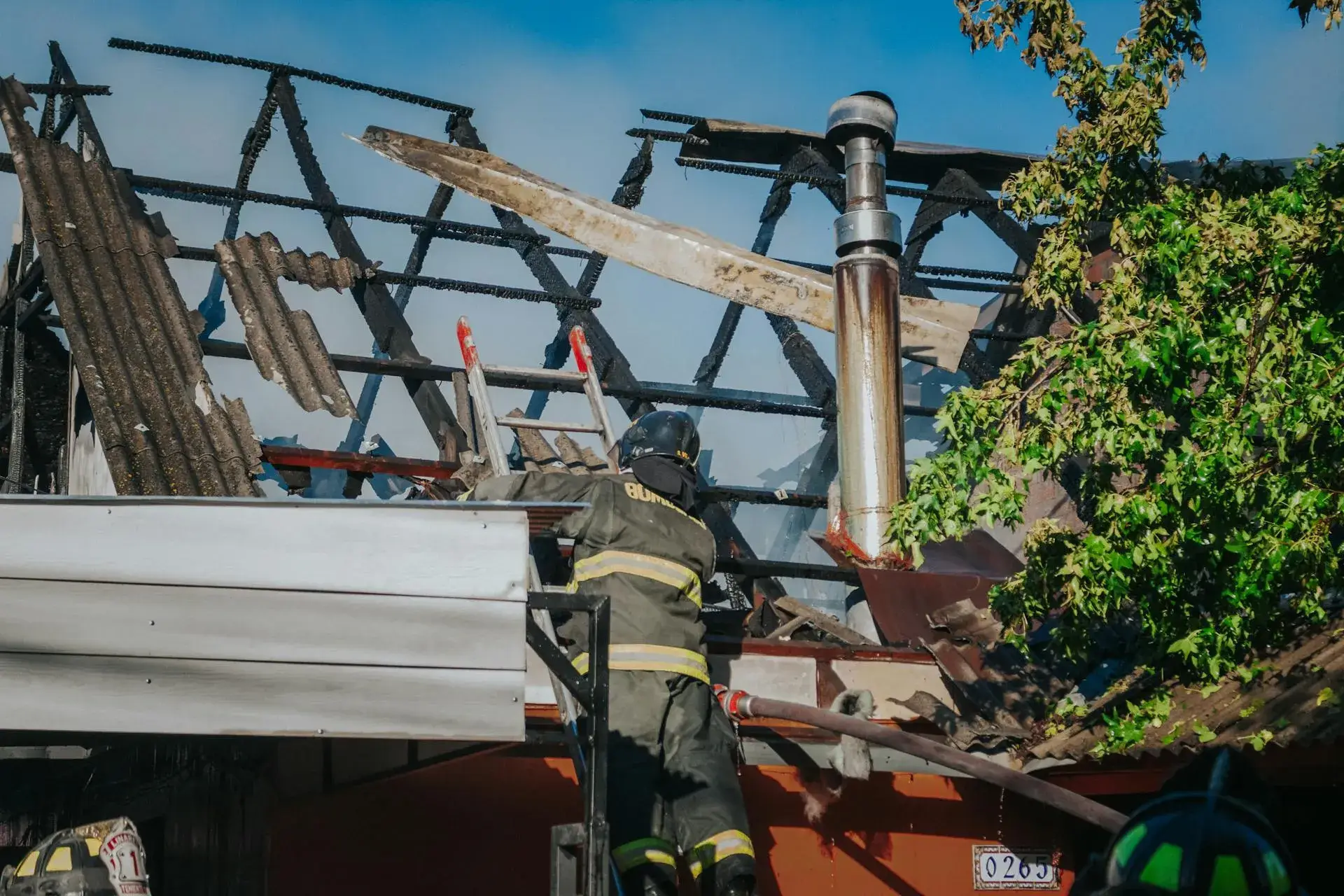
Fire Damage Restoration in Harrisonville, MO
Acidic soot and firefighting water begin etching building surfaces and corroding fixtures within hours of extinguishment. Our Harrisonville emergency response team arrives within 60 minutes.
What Happens When You Call
Your emergency call connects directly with an experienced disaster recovery coordinator who dispatches our Cass County rapid-response fire team.
Our specialized crew arrives at your Harrisonville location within 60 minutes to evaluate structural safety, hazards, and toxic soot distribution.
Technicians execute emergency board-up and heavy tarping over compromised roofs, windows, and entryways to secure the structure against weather and unauthorized entry.
Industrial water extractors remove standing firefighting water while air scrubbers and desiccant dehumidifiers stabilize atmospheric humidity.
Swift intervention following a residential or commercial fire is essential to prevent permanent material etching, structural collapse, and pervasive smoke contamination. Whether your property suffers a kitchen fire along Commercial Street, an electrical blaze in an older home near the historic square, or an attic fire caused by winter heating overloads, X Response delivers comprehensive recovery. Our certified technicians secure the structure, eliminate toxic residues, and restore building assemblies to safe baselines. Call our 24/7 emergency dispatch line now for immediate response.
Why Harrisonville Homes Are Vulnerable to Fire Damage
The City of Harrisonville maintains municipal emergency services providing 24/7 fire suppression and emergency medical coverage across the community. Operating from headquarters on South Commercial Street, municipal emergency crews protect a broad spectrum of structural typologies spanning historic commercial properties, established residential neighborhoods, and expanding modern subdivisions. In the historic downtown center surrounding the Cass County Courthouse, numerous commercial brick and stone structures date back to the late nineteenth and early twentieth centuries. These buildings frequently feature common party walls, heavy timber floor joists, and multi-layered roofing systems that present unique fire containment challenges. When an accidental fire ignites in a commercial suite or upper-story apartment, flames and superheated toxic gases can travel through shared ceiling plenums and interconnected joist spaces before exterior suppression operations can fully isolate the burn.
In surrounding residential neighborhoods, structural fire risks are shaped by construction vintages and seasonal Midwestern weather extremes. Older residences built between 1880 and 1930 frequently utilize balloon-frame timber construction, which lacks horizontal fire stops within exterior wall cavities. When an accidental blaze ignites from aging electrical wiring or kitchen appliances on a lower level, open stud bays act as flues that draw fire and acidic smoke directly into attic framing. During harsh winter months marked by sub-zero polar vortex cold spells, residents rely heavily on wood-burning fireplaces, pellet stoves, and supplemental electric space heaters. Overloaded electrical branch circuits in older homes with outdated fuse boxes or ungrounded wiring represent a frequent fire trigger. Once local fire crews extinguish the blaze, residual water pooled in basements interacts with synthetic soot, forming aggressive acids that corrode wiring and structural fasteners if not mitigated promptly.
Historic Balloon-Frame Construction Dynamics
Turn-of-the-century residences in Harrisonville lack internal horizontal fire blocking. Open vertical stud cavities pull superheated air, soot, and flames upward into attic assemblies and roof structures.
Interconnected Historic Commercial Party Walls
Buildings in the courthouse square district share common brick party walls and open timber ceiling plenums. Fires originating in one retail space can spread horizontally into neighboring structures.
Winter Heating Overloads and Chimney Fires
Sustained sub-zero temperatures prompt heavy reliance on wood-burning stoves and auxiliary space heaters. Creosote buildup in chimneys and overloaded branch circuits trigger concealed framing blazes.
Fire Suppression Water Saturation
Firefighting operations discharge hundreds of gallons of water per minute into burning structures. Basements and subfloors become inundated with contaminated Category 3 water mixed with ash and debris.
Corrosive Acidic Soot Deposition
Combustion of synthetic carpeting, plastics, and modern furniture produces highly acidic soot that permanently etches bathroom fixtures, corrodes electrical panels, and discolors paints within hours.
Recovering from fire damage in Harrisonville requires deep familiarity with local building framing, historic commercial masonry, and chemical soot behaviors. From historic properties near the square to modern residential subdivisions, X Response provides certified, full-service fire mitigation.
What Happens to Your Home While You Wait
Within 1 Hour
Acidic soot and airborne carbon residues coat all horizontal and vertical surfaces. Porous materials like unfinished wood, drywall, and unsealed masonry begin absorbing chemical smoke odor compounds.
1–24 Hours
Acidic residues cause yellowing of synthetic fabrics, plastics, and wall paints. Polished brass, chrome fixtures, and stainless steel appliances experience chemical etching, while unfinished metals begin rapid oxidation.
24–48 Hours
Soot penetrates deeply into hardwood floors, porous tile grout, and painted cabinetry, creating permanent staining if untreated. Fire suppression water trapped in subfloors initiates active microbial germination.
48–72 Hours
Chemical corrosion degrades electrical wiring, appliance circuit boards, and HVAC components. Structural timber weakened by heat and water saturation begins to sag, and severe soot etching becomes irreversible.
One Week and Beyond
Prolonged exposure to soot and moisture compromises framing integrity, requiring extensive structural demolition. Synthetic residues bond permanently with building finishes, escalating restoration costs significantly.
Immediate professional intervention stops chemical soot corrosion and saves salvageable structural materials. Contact X Response immediately for 24/7 emergency fire damage recovery across Harrisonville.
How We Restore Fire-Damaged Harrisonville Homes
Our fire damage restoration operations adhere strictly to the ANSI/IICRC S540 Standard for Trauma and Crime Scene Cleanup and S520/S500 remediation protocols, delivering systematic stabilization, structural cleaning, and deodorization.
Emergency Site Assessment and Structural Shoring
Our certified technicians deploy to your Harrisonville property within 60 minutes. We conduct comprehensive structural safety inspections, reinforce compromised load-bearing assemblies, and secure exterior openings against weather and unauthorized entry.
Water Extraction and Atmospheric Stabilization
We extract standing firefighting water from basements and living areas using industrial truck-mounted vacuum systems. Commercial desiccant dehumidifiers and axial air movers are deployed to halt mold proliferation and dry structural timbers.
Soot Classification and Precision Surface Cleaning
Technicians identify the specific residue types present, including dry carbon soot, oily wet smoke, or protein residues. We utilize specialized chemical dry-cleaning sponges, HEPA-filtered vacuums, and alkaline cleaning agents to remove deposits.
Thermal Fogging and Hydroxyl Odor Neutralization
We neutralize airborne and embedded combustion odors using commercial hydroxyl generators and thermal fogging systems. These advanced units break down complex hydrocarbon molecules within porous drywall and framing without chemical residues.
HVAC Decontamination and Final Insurer Documentation
Our team inspects, cleans, and seals the entire HVAC ductwork system to prevent secondary smoke distribution. We compile comprehensive photographic logs and standardized Xactimate line items for your insurance claims adjuster.
The X Response Difference
When fire damages your Harrisonville property, depend on X Response for rapid emergency boarding, scientific soot decontamination, and seamless insurance claim processing.
Insurance Claim Guidance for Harrisonville Homeowners
Navigating an insurance claim for fire damage in Harrisonville involves detailed technical documentation that meets strict Missouri Department of Insurance standards. Homeowners policies generally provide coverage for sudden and accidental structural damage caused by fire, smoke, and subsequent firefighting operations. However, claims frequently encounter scrutiny regarding the scope of required demolition, code upgrade compliance, and smoke remediation inside enclosed wall cavities and HVAC systems. In historic areas near the courthouse square, properties must also comply with municipal preservation guidelines when restoring structural features. Our experienced restoration team prepares comprehensive structural inventories, photographic proof of soot penetration, and itemized Xactimate estimates to assist your insurance adjuster throughout the recovery process.
How X Response Helps
- Conduct thorough photographic documentation of all structural char, soot etching, and heat distortion
- Itemize unsalvageable personal belongings and structural components using standardized industry pricing codes
- Document fire suppression water damage and establish certified drying logs to support concurrent water mitigation claims
- Coordinate with municipal building inspectors and structural engineers to establish code compliance requirements
- Submit comprehensive, line-item estimates directly to your insurance adjuster to expedite claim approvals
X Response is an independent disaster restoration contractor. We are not licensed insurance adjusters, public adjusters, or attorneys. We provide objective technical documentation and certified mitigation services to support your insurance claim.
Certified Restoration Specialists Serving Harrisonville
Our fire restoration specialists serving Harrisonville possess extensive technical expertise and local knowledge across Cass County. From stabilizing fire-damaged brick and timber buildings near the historic square to restoring modern suburban homes along Commercial Street, our crew understands the distinct structural characteristics of regional architecture. We recognize the profound emotional toll a fire takes on property owners, and we prioritize empathetic communication, honest guidance, and meticulous care at every stage of the recovery.
All crew supervisors hold advanced certifications from the Institute of Inspection, Cleaning and Restoration Certification (IICRC), including Fire and Smoke Restoration Technician (FSRT) and Odor Control Technician (OCT) designations. We maintain an advanced inventory of emergency restoration equipment, including mobile power generators, negative air HEPA filtration systems, and hydroxyl generators. By applying scientific fire restoration standards, we restore safety and structural integrity to your Harrisonville property.
In Harrisonville, X Response works with Best Option Restoration, an independent local restoration partner serving Cass County.
Fire Damage Restoration FAQ for Harrisonville Homeowners
Other Emergency Services in Harrisonville
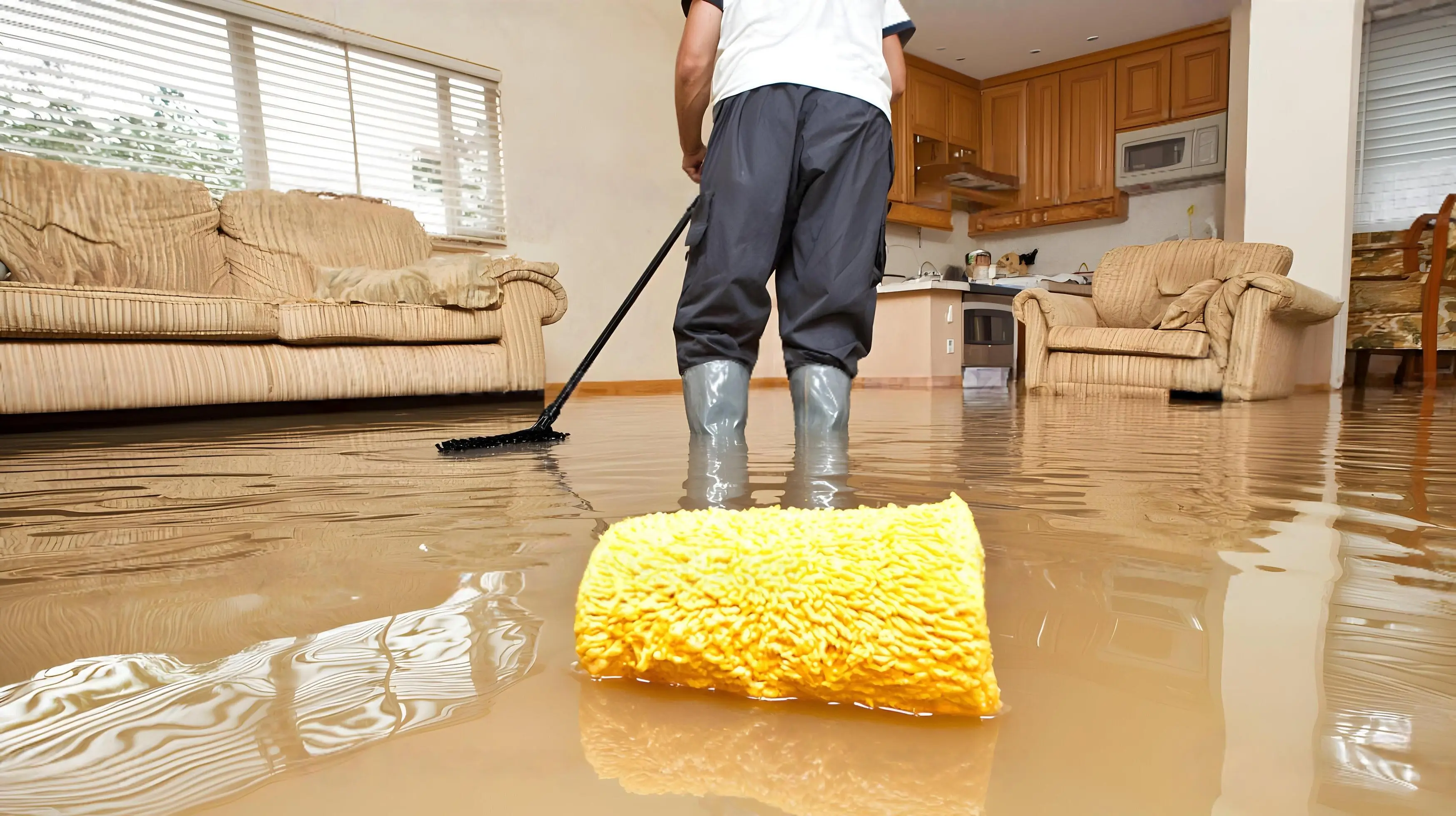
Water Damage Restoration
Burst pipes, storm flooding, standing water. We extract, dry, and restore before mold sets in.
Learn more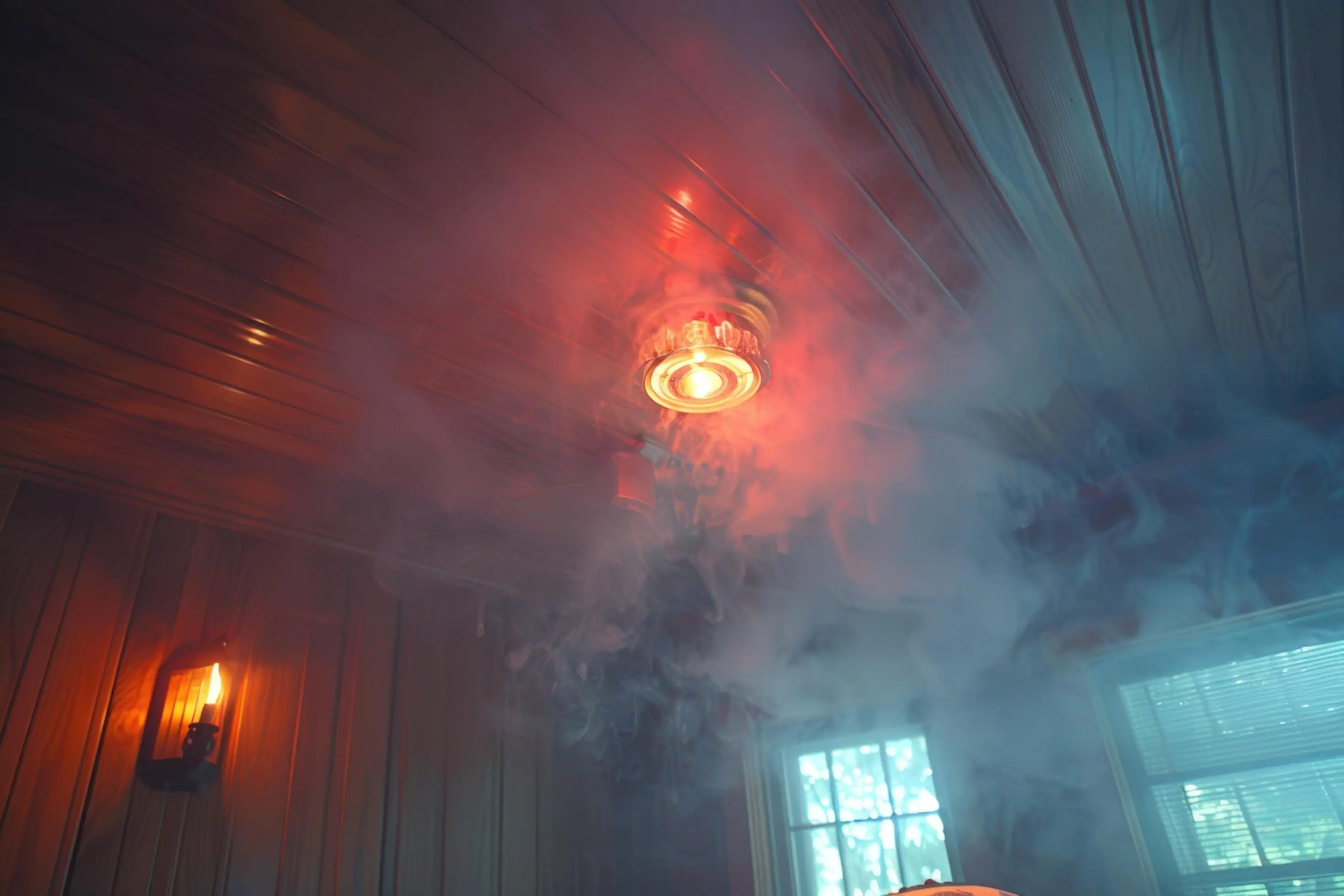
Smoke Damage Restoration
Soot residue, chemical odors, HVAC contamination. We decontaminate surfaces, eliminate odors, and restore air quality.
Learn more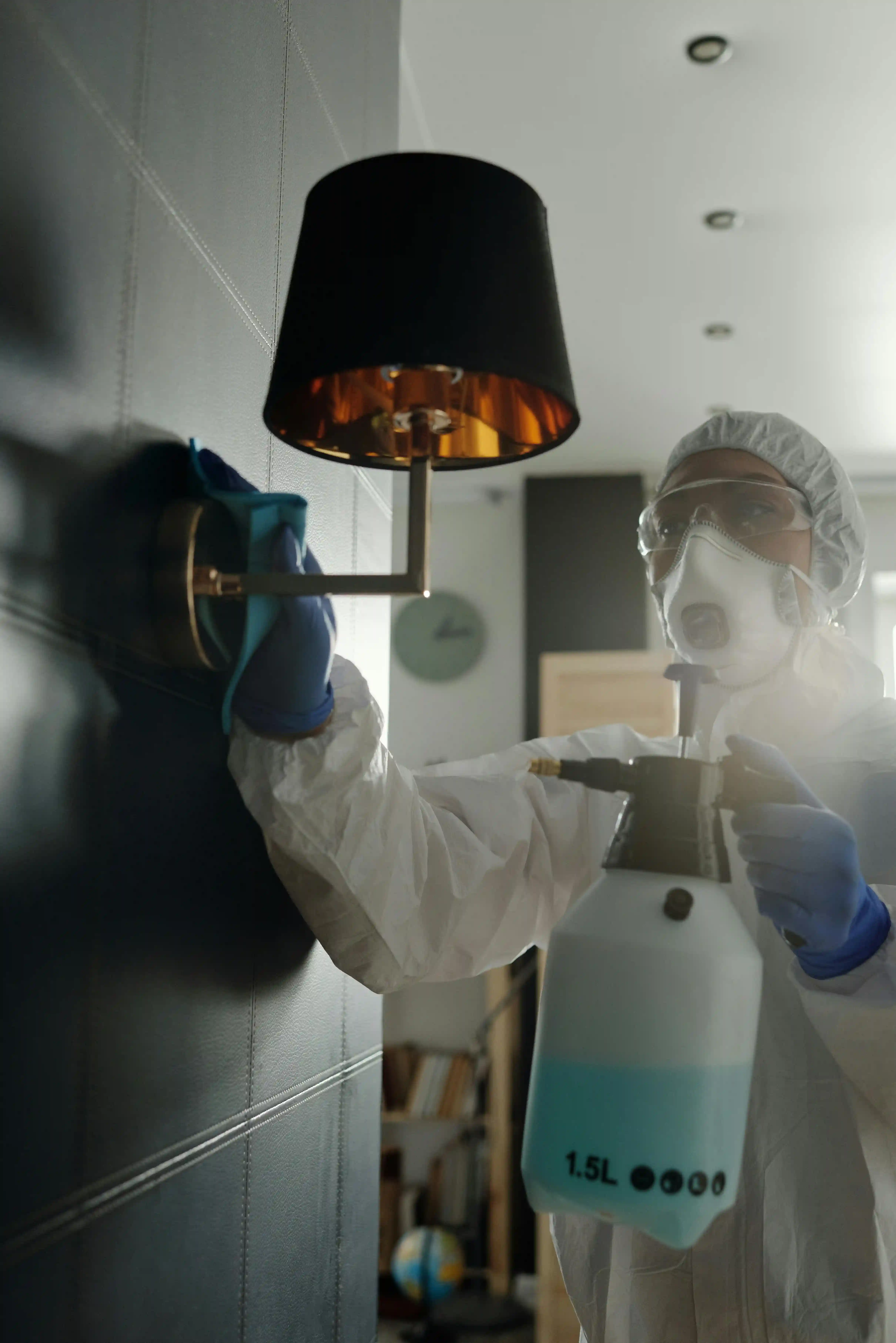
Mold Remediation
Testing, containment, removal, prevention. We find the source, eliminate the growth, and stop it from returning.
Learn more
Sewage Cleanup
Sewer backups, contaminated water, biohazard. We extract, sanitize, and restore safely.
Learn more