
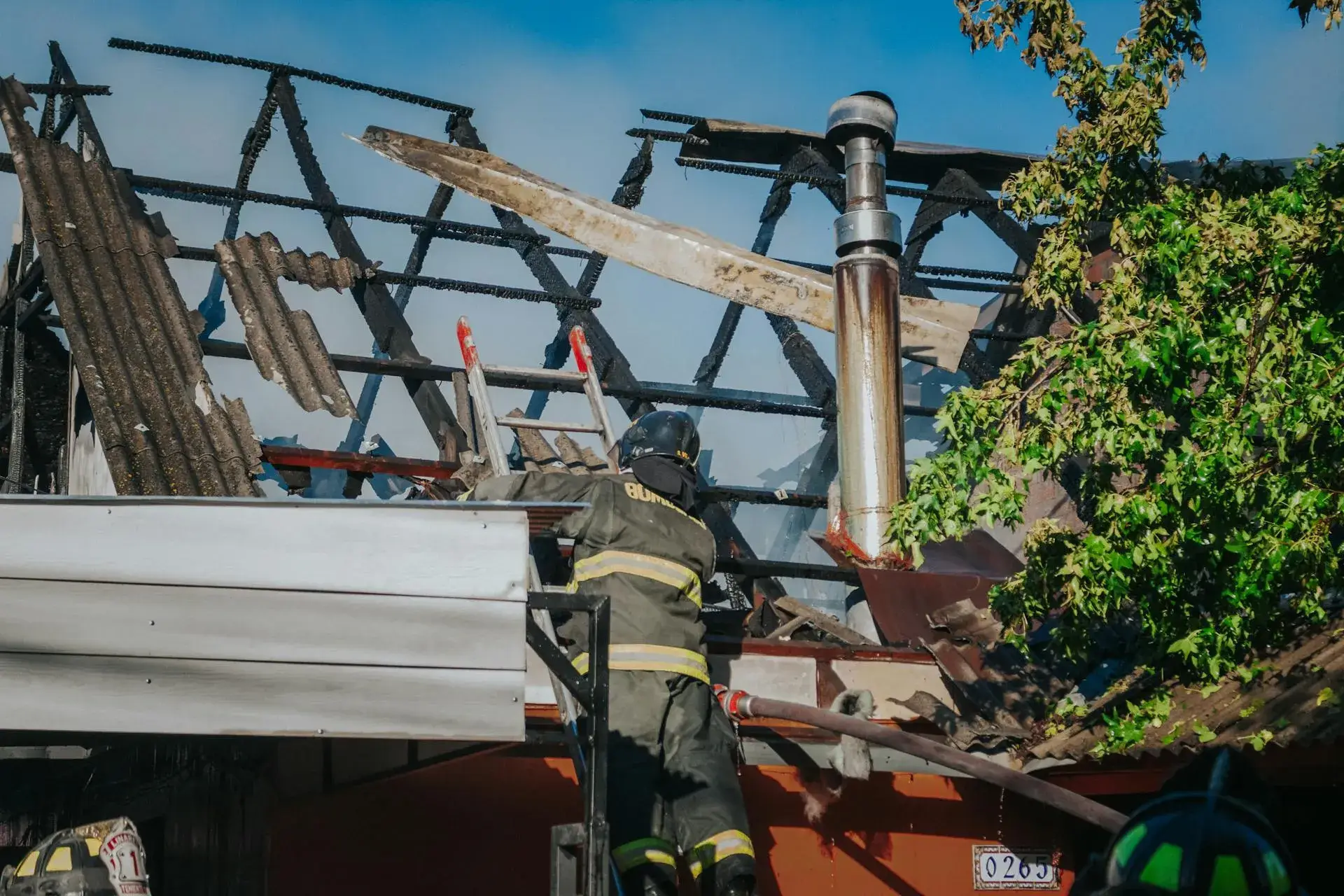
Fire Damage Restoration in Bryan, TX
Acidic soot, structural charring, and thousands of gallons of firefighting water cause accelerating property damage after a fire in Bryan. Our certified crews respond 24/7 within 60 minutes.
What Happens When You Call
Our emergency dispatch team evaluates loss severity and mobilizes certified fire recovery units across Brazos County.
Technicians arrive in Bryan to complete immediate emergency board-up, structural shoring, and roof tarping.
Crews extract standing firefighting water from slab foundations and crawl spaces using truck-mounted pumps.
Specialized chemical sponges, HEPA air scrubbers, and alkaline cleaning solutions neutralize acidic soot on surfaces and within HVAC ducts.
Within minutes of fire suppression, acidic soot films begin corroding metallic fixtures, etching glass, and discoloring synthetic surfaces throughout your property. At the same time, gallons of firefighting water soak into framing timbers, crawl spaces, and slab foundations. X Response deploys certified fire restoration professionals across Bryan within the hour to secure the building envelope, extract suppression water, and neutralize soot. Call now for 24/7 emergency fire response.
Why Bryan Homes Are Vulnerable to Fire Damage
Bryan is a historic city with deep commercial and architectural roots in East-Central Texas, serving as the governmental center of the Brazos Valley. According to the 2020 United States Census, Bryan had a population of 83,980 residents across 54.26 square miles and serves as the county seat of Brazos County. The city features a diverse array of structures, ranging from century-old brick commercial buildings in Downtown Bryan to historic wood-frame homes in the East Side Historical District and expansive light industrial facilities along State Highway 21 and Highway 6.
Structure fires in Bryan present unique mitigation challenges based on construction era and structural layout. In older neighborhoods, aging electrical wiring, historic wood-balloon framing, and multi-layered roofing materials can cause fires to spread rapidly through hidden wall chases and attic cavities. When the Bryan Fire Department (BFD) completes suppression operations, thousands of gallons of water accumulate in pier-and-beam crawl spaces and across slab floors. In the warm, humid climate of the Brazos Valley, combining residual moisture with corrosive soot creates an aggressive chemical reaction that deteriorates structural lumber, etches glass and metallic fixtures, and triggers rapid mold colonization within 24 to 48 hours.
Historic Downtown and Balloon-Framed Construction
Many older structures in central Bryan feature continuous wood-stud wall cavities without modern firestops. Fires travel quickly from lower levels into attic spaces, requiring extensive soot decontamination, structural char excision, and framing reinforcement during the restoration process.
Corrosive Acidic Soot Chemistry
Modern interior furnishings, synthetic carpets, and appliances generate acidic soot when burned. In Bryan's humid climate, this acidic soot reacts with ambient moisture to permanently etch window glass, kitchen appliances, and electrical circuits within hours of the fire.
Heavy Firefighting Water Accumulation in Crawl Spaces
Extinguishing residential structure fires deposits massive water volumes. In Bryan's pier-and-beam homes, water collects in poorly ventilated crawl spaces, saturating subflooring from below and requiring immediate high-volume pumping and desiccant drying alongside soot remediation.
Centralized HVAC Smoke Contamination
Air conditioning systems pull dense smoke into return plenums during a fire. Combustion byproducts and oily soot coat the interiors of ductwork and evaporator coils, which subsequently recirculate toxic particulates and strong smoke odors throughout unaffected rooms.
Expansive Clay Soil Foundation Vulnerability
The vertisol clay soils across Brazos County are sensitive to extreme heat and heavy water saturation. Firefighting water pooling around foundation perimeters can cause differential foundation movement, necessitating careful structural inspection before rebuild begins.
Recovering from a fire in Bryan requires a coordinated restoration strategy that addresses structural stabilization, soot decontamination, and water extraction simultaneously. Our certified teams deliver expert fire restoration across Brazos County.
What Happens to Your Home While You Wait
Within Minutes
Acidic soot and toxic smoke residues settle on all exposed surfaces. Synthetic finishes and plastics begin discoloring, and corrosive soot begins etching mirrors, metal fixtures, and glass.
1–24 Hours
Soot penetrates porous materials such as painted drywall, wood trim, and grout. Polished metal finishes begin tarnishing, appliances yellow, and suppression water wicks into baseboards.
24–48 Hours
Chemical reactions cause permanent etching on ceramic tile, bathroom fixtures, and glass. Wood finishes blister, synthetic fabrics weaken, and standing water triggers microbial mold growth.
48–72 Hours
Soot particles bond permanently into wallboard and framing. Corrosion causes irreversible pitting on electrical conduits, and smoke odors become deeply embedded in subflooring.
One Week and Beyond
Prolonged exposure to soot and moisture results in severe structural degradation, severe electrical corrosion, and widespread mold colonization, significantly increasing reconstruction scopes.
Immediate intervention prevents permanent soot damage. Contact X Response immediately for 24/7 fire restoration in Bryan.
How We Restore Fire-Damaged Bryan Homes
Our fire damage restoration protocol follows rigorous IICRC FSRT standards, delivering comprehensive structural cleanup, deodorization, and reconstruction preparation.
Emergency Board-Up and Property Security
Technicians secure compromised doorways, broken windows, and damaged roof sections with heavy plywood and waterproof tarps to protect the building against weather intrusion and vandalism.
Suppression Water Extraction and Drying
We extract standing firefighting water from slab surfaces and crawl spaces using commercial pump units, deploying LGR dehumidifiers and air movers to prevent secondary mold growth.
Soot and Chemical Smoke Neutralization
Using specialized dry chemical sponges, alkaline cleaners, and HEPA vacuums, our technicians remove dry, wet, and oily soot deposits from walls, ceilings, and salvageable contents.
Thermal Deodorization and Hydroxyl Treatment
Industrial hydroxyl generators and thermal foggers neutralize embedded volatile organic compounds (VOCs) and smoke odors within structural framing, subflooring, and HVAC ductwork.
Structural Decontamination and Sealant Application
Severely charred framing members are cleaned or excised under containment. Cleaned structural framing is treated with odor-encapsulating sealants to prepare the property for reconstruction.
The X Response Difference
Trust certified fire restoration professionals equipped to restore your property thoroughly and safely.
Insurance Claim Guidance for Bryan Homeowners
Navigating fire insurance claims under Texas law requires detailed documentation of all structural damage, contents losses, and emergency mitigation expenses. Most Texas commercial and homeowners policies cover sudden and accidental fire loss, smoke damage, and secondary water damage resulting from firefighting efforts. Our team coordinates directly with your insurance company to document and expedite your claim.
How X Response Helps
- Comprehensive photographic and thermal imaging inventories of all fire, soot, and water-damaged areas
- Detailed structural framing inspection reports and itemized repair scopes prepared in Xactimate
- Itemized non-salvageable personal property inventories with manufacturer and condition data
- Psychrometric logs and moisture verification records for firefighting water extraction
- Direct coordination with insurance adjusters to meet all Texas Prompt Payment of Claims Act deadlines
X Response delivers independent damage assessment and structural restoration services. Final coverage determinations and claim payments remain the exclusive authority of your insurance carrier.
Certified Restoration Specialists Serving Bryan
Our Bryan fire restoration team brings specialized expertise in handling structural fire, smoke, and water mitigation across Brazos County. Experienced with both historic downtown commercial buildings and modern single-family residential construction, our technicians understand how local building materials, roof styles, and humid subtropical weather interact during fire emergencies. We maintain rapid dispatch capabilities 24 hours a day, 365 days a year to secure and restore damaged properties immediately.
Every restoration technician holds active credentials from the Institute of Inspection, Cleaning and Restoration Certification (IICRC), including Fire and Smoke Restoration Technician (FSRT) and Odor Control Technician (OCT). Utilizing commercial hydroxyl generators, thermal foggers, and HEPA air filtration systems, our team ensures complete smoke elimination and structural recovery.
In Bryan, X Response works with First Response Restoration, an independent local restoration partner serving Brazos County.
Fire Damage Restoration FAQ for Bryan Homeowners
Other Emergency Services in Bryan

Water Damage Restoration
Burst pipes, storm flooding, standing water. We extract, dry, and restore before mold sets in.
Learn more
Smoke Damage Restoration
Soot residue, chemical odors, HVAC contamination. We decontaminate surfaces, eliminate odors, and restore air quality.
Learn more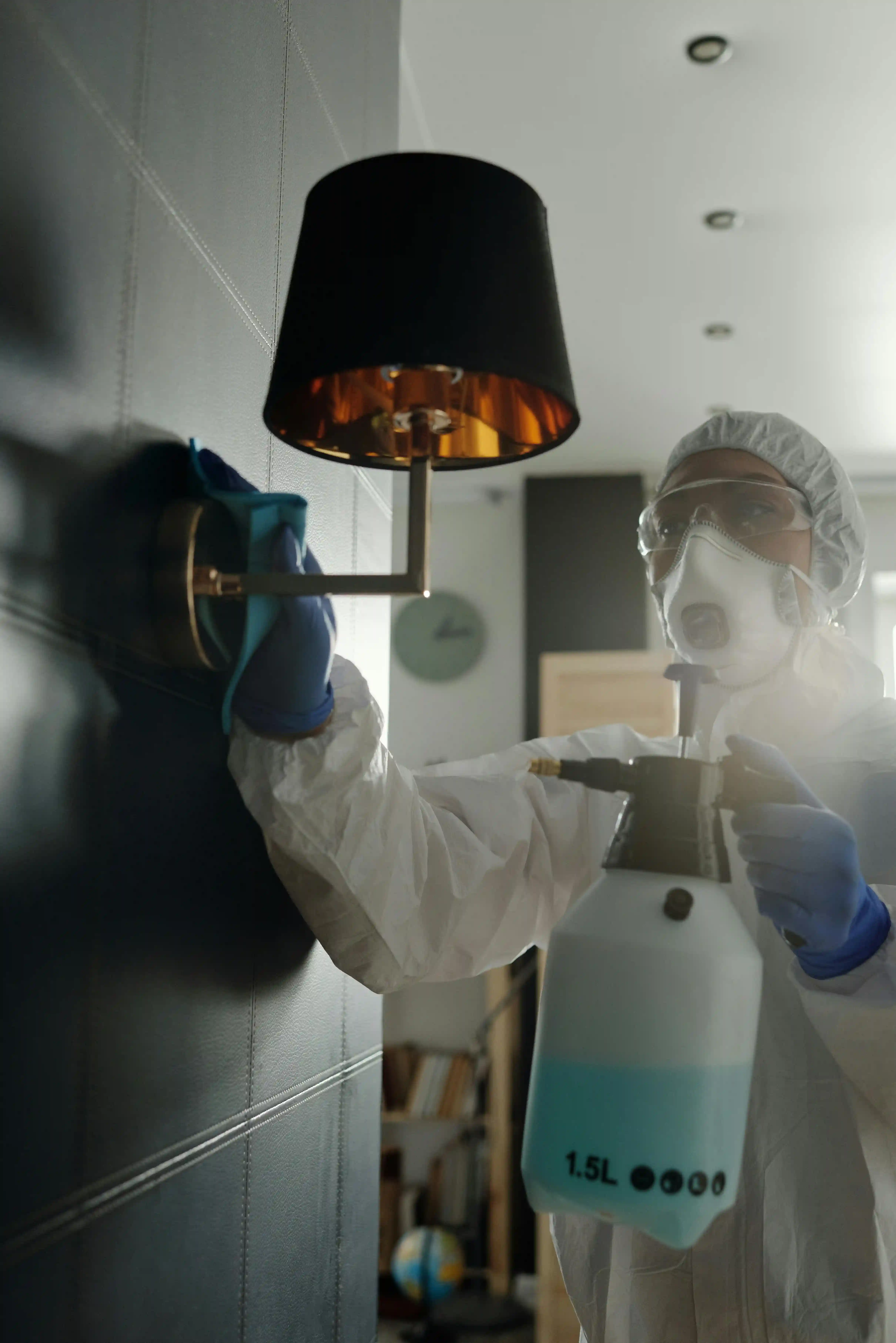
Mold Remediation
Testing, containment, removal, prevention. We find the source, eliminate the growth, and stop it from returning.
Learn more
Sewage Cleanup
Sewer backups, contaminated water, biohazard. We extract, sanitize, and restore safely.
Learn more