
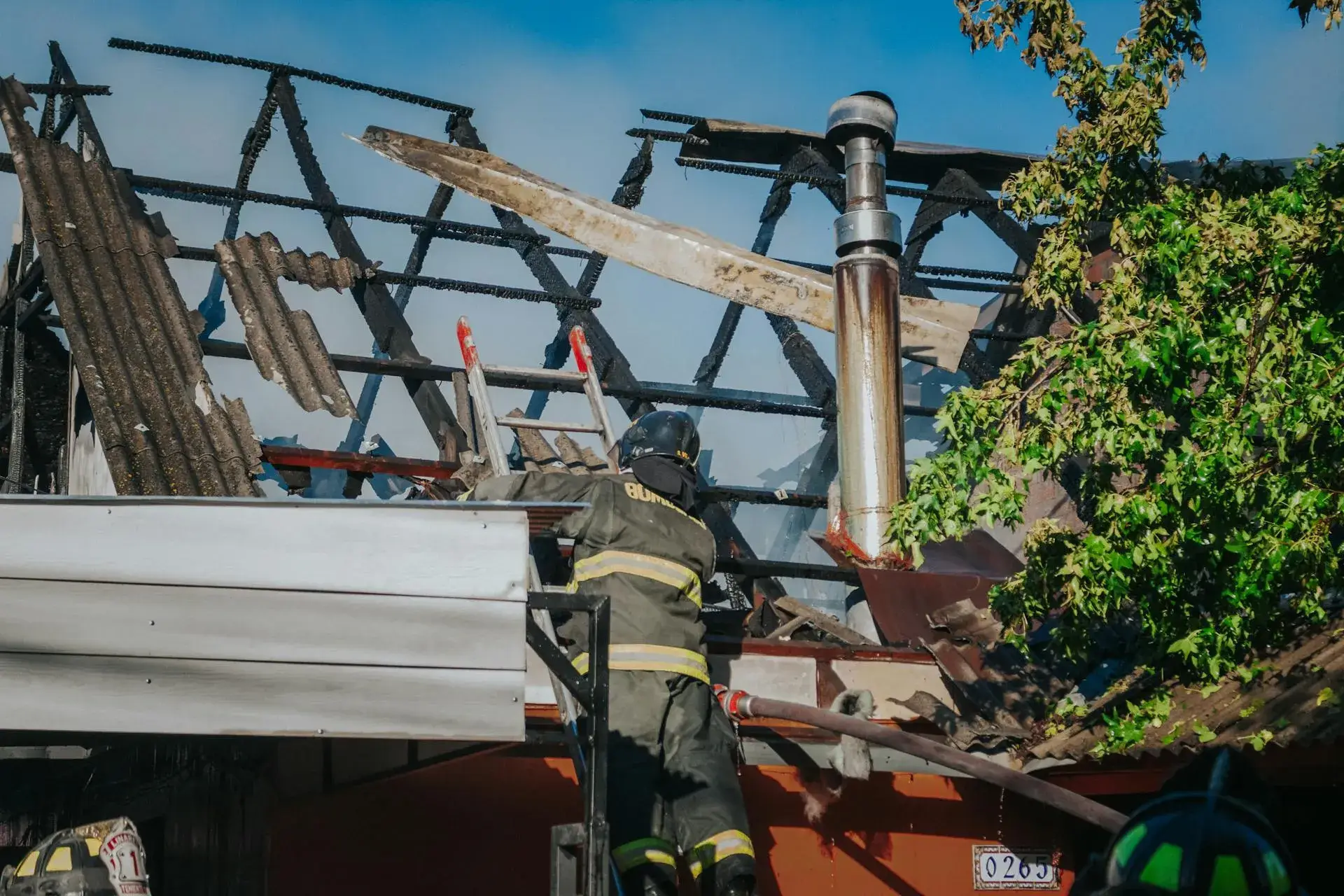
Fire Damage Restoration in College Station, TX
Acidic soot, toxic smoke residues, and firefighting water cause accelerating structural decay after a fire in College Station. Our certified crews respond 24/7 within 60 minutes.
What Happens When You Call
Our emergency dispatch team gathers loss details and mobilizes certified fire and smoke restoration units across Brazos County.
Crews arrive on site in College Station to complete emergency board-up, structural stabilization, and weatherproofing.
Technicians extract standing firefighting water from slab foundations and install commercial dehumidification equipment.
Specialized chemical sponges, HEPA air scrubbers, and alkaline cleaning agents neutralize acidic soot on surfaces and within HVAC ducts.
Within minutes of extinguishing a structure fire, acidic soot residues begin etching glass, discoloring synthetic surfaces, and corroding metal fixtures throughout your property. Simultaneously, thousands of gallons of suppression water soak into drywall and concrete slab foundations. X Response mobilizes certified fire restoration specialists across College Station within the hour to secure the structure, neutralize soot, and begin deep structural cleanup. Call now for 24/7 emergency dispatch.
Why College Station Homes Are Vulnerable to Fire Damage
College Station is a vibrant academic and commercial hub situated in East-Central Texas, home to Texas A&M University and a growing permanent population. According to the 2020 United States Census, College Station had a population of 120,511 residents across 51.30 square miles in Brazos County. The city features a diverse building stock, ranging from dense multi-story student apartment complexes in the Northgate Entertainment District and along Harvey Road to sprawling single-family residences in master-planned neighborhoods such as Pebble Creek, Castlegate, and Emerald Forest.
Structure fires in College Station present complex restoration challenges due to high residential density, varied construction types, and intense subtropical climate conditions. High-occupancy student housing developments frequently experience electrical overloads, cooking-related grease fires, and rapid smoke transmission through shared attic plenums and centralized ventilation systems. When the College Station Fire Department (CSFD) suppresses a blaze, water lines and hose streams deposit heavy moisture onto slab-on-grade floors. In the Brazos Valley's warm, humid environment, combining standing suppression water with corrosive soot creates an aggressive chemical reaction that damages structural framing, melts synthetic finishes, and causes rapid secondary mold growth within 24 to 48 hours.
High-Density Student Housing and Multi-Unit Risk
Multi-family apartment communities surrounding Texas A&M feature shared walls, interconnected HVAC systems, and continuous attic spaces. A grease or electrical fire in a single apartment quickly pushes pressurized smoke and soot into adjacent units and common corridors, requiring extensive containment and multi-zone cleanup.
Corrosive Acidic Soot on Modern Synthetic Materials
Modern interiors contain large volumes of plastics, synthetic carpets, and treated wood products that produce highly acidic soot when burned. In humid College Station air, this acidic film chemically etches kitchen appliances, window glass, marble countertops, and electrical wiring within hours of the fire.
Post-Fire Firefighting Water Intrusion
Extinguishing a residential or commercial fire introduces thousands of gallons of water into the property. On concrete slab foundations common across College Station, water pools across horizontal surfaces and wicks up drywall, necessitating rapid water extraction alongside soot cleanup to prevent catastrophic mold development.
HVAC System Smoke Contamination and Recirculation
During a structure fire, central air conditioning systems pull hot smoke and particulate matter into return ducts. These combustion byproducts deposit oily residues inside air handlers and distribution ductwork, which subsequently recirculate toxic soot and smoke odors throughout unaffected rooms when systems cycle.
Expansive Clay Soil and Structural Foundation Stress
Intense heat from structural fires combined with heavy water saturation can destabilize expansive vertisol clay soils beneath slab foundations. Uneven settlement following structural fires requires careful engineering evaluation during the rebuild and stabilization phase.
Recovering from a fire in College Station demands a comprehensive restoration plan that addresses structural charring, toxic soot neutralization, and water extraction simultaneously. Our certified teams deliver expert fire restoration across Brazos County.
What Happens to Your Home While You Wait
Within Minutes
Acidic soot and airborne smoke residues coat all exposed surfaces. Porous plastics and synthetic finishes begin yellowing, and corrosive soot begins etching polished metals and mirrors.
1–24 Hours
Soot residues penetrate porous surfaces, including painted drywall, wood cabinetry, and grout. Metal fixtures begin tarnishing, appliances discolor permanently, and suppression water wicks into baseboards.
24–48 Hours
Corrosive chemical reactions cause permanent etching on glass, ceramic tiles, and plumbing fixtures. Wood finishes blister, synthetic fabrics deteriorate, and standing water triggers microbial mold growth.
48–72 Hours
Soot particles bond permanently with structural framing and drywall. Acidic residues cause extensive pitting on electrical conduits, and smoke odors become deeply embedded in subflooring and framing.
One Week and Beyond
Prolonged exposure to soot and residual moisture results in severe structural degradation, severe corrosion of wiring, and widespread mold colonization, significantly increasing total restoration costs.
Rapid intervention prevents permanent soot damage and secondary loss. Contact X Response immediately for 24/7 fire restoration in College Station.
How We Restore Fire-Damaged College Station Homes
Our fire damage restoration protocol follows strict IICRC FSRT guidelines, delivering thorough decontamination, structural drying, and complete property recovery.
Emergency Board-Up and Structural Stabilization
Technicians secure compromised doors, windows, and damaged roof sections with heavy-duty plywood and exterior tarps to protect your property from weather intrusion and unauthorized entry.
Suppression Water Extraction and Drying
We extract standing firefighting water from slab floors using commercial pump units and position LGR dehumidifiers and high-velocity air movers to eliminate moisture before mold can develop.
Soot and Smoke Residue Neutralization
Using specialized dry chemical sponges, alkaline cleaning solutions, and HEPA vacuums, our technicians remove oily and dry soot from ceilings, walls, cabinetry, and salvageable contents.
Thermal Fogging and Hydroxyl Odor Removal
We utilize industrial hydroxyl generators and thermal fogging equipment to break down volatile organic compounds (VOCs) and smoke molecules embedded in structural framing and HVAC ductwork.
Structural Decontamination and Reconstruction Preparation
Charred, non-salvageable drywall and framing members are carefully removed under containment. Surviving wood structural framing is sealed with odor-encapsulating primers to prepare for final rebuild.
The X Response Difference
Trust certified fire restoration professionals equipped to restore your property thoroughly and safely.
Insurance Claim Guidance for College Station Homeowners
Navigating fire insurance claims under Texas law requires meticulous documentation of all structural damage, personal property losses, and emergency mitigation expenses. Most Texas commercial and homeowners policies cover sudden and accidental fire loss, smoke damage, and secondary water damage resulting from firefighting efforts. Our team works directly with your insurance company to document and expedite your claim.
How X Response Helps
- Detailed photographic and thermal imaging inventories of all fire, soot, and water-damaged areas
- Comprehensive structural framing inspection reports and itemized repair scopes prepared in Xactimate
- Detailed non-salvageable personal property inventories with manufacturer and condition data
- Psychrometric logs and moisture verification records for firefighting water extraction
- Direct coordination with insurance adjusters to meet all Texas Prompt Payment of Claims Act deadlines
X Response delivers independent damage assessment and structural restoration services. Final coverage determinations and claim payments remain the exclusive authority of your insurance carrier.
Certified Restoration Specialists Serving College Station
Our College Station fire restoration team brings specialized expertise in handling structural fire, smoke, and water mitigation across Brazos County. Experienced with both multi-story student apartment complexes and master-planned single-family properties, our technicians understand how local building materials, roof construction, and warm subtropical weather interact during fire emergencies. We maintain rapid dispatch capabilities 24 hours a day, 365 days a year to secure and restore damaged properties immediately.
Every restoration technician holds active credentials from the Institute of Inspection, Cleaning and Restoration Certification (IICRC), including Fire and Smoke Restoration Technician (FSRT) and Odor Control Technician (OCT). Utilizing commercial hydroxyl generators, thermal foggers, and HEPA air filtration systems, our team ensures complete smoke elimination and structural recovery.
In College Station, X Response works with First Response Restoration, an independent local restoration partner serving Brazos County.
Fire Damage Restoration FAQ for College Station Homeowners
Other Emergency Services in College Station
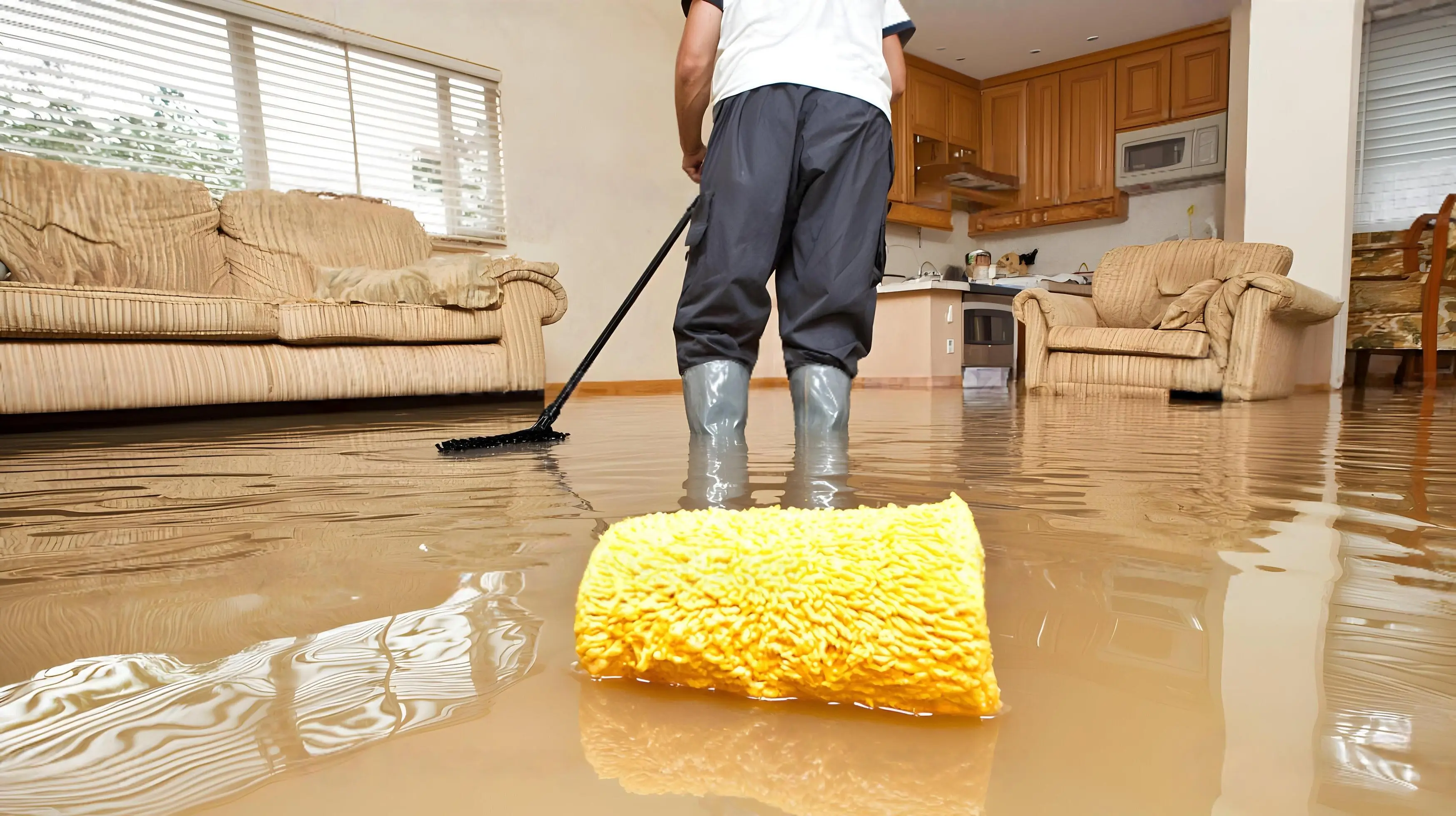
Water Damage Restoration
Burst pipes, storm flooding, standing water. We extract, dry, and restore before mold sets in.
Learn more
Smoke Damage Restoration
Soot residue, chemical odors, HVAC contamination. We decontaminate surfaces, eliminate odors, and restore air quality.
Learn more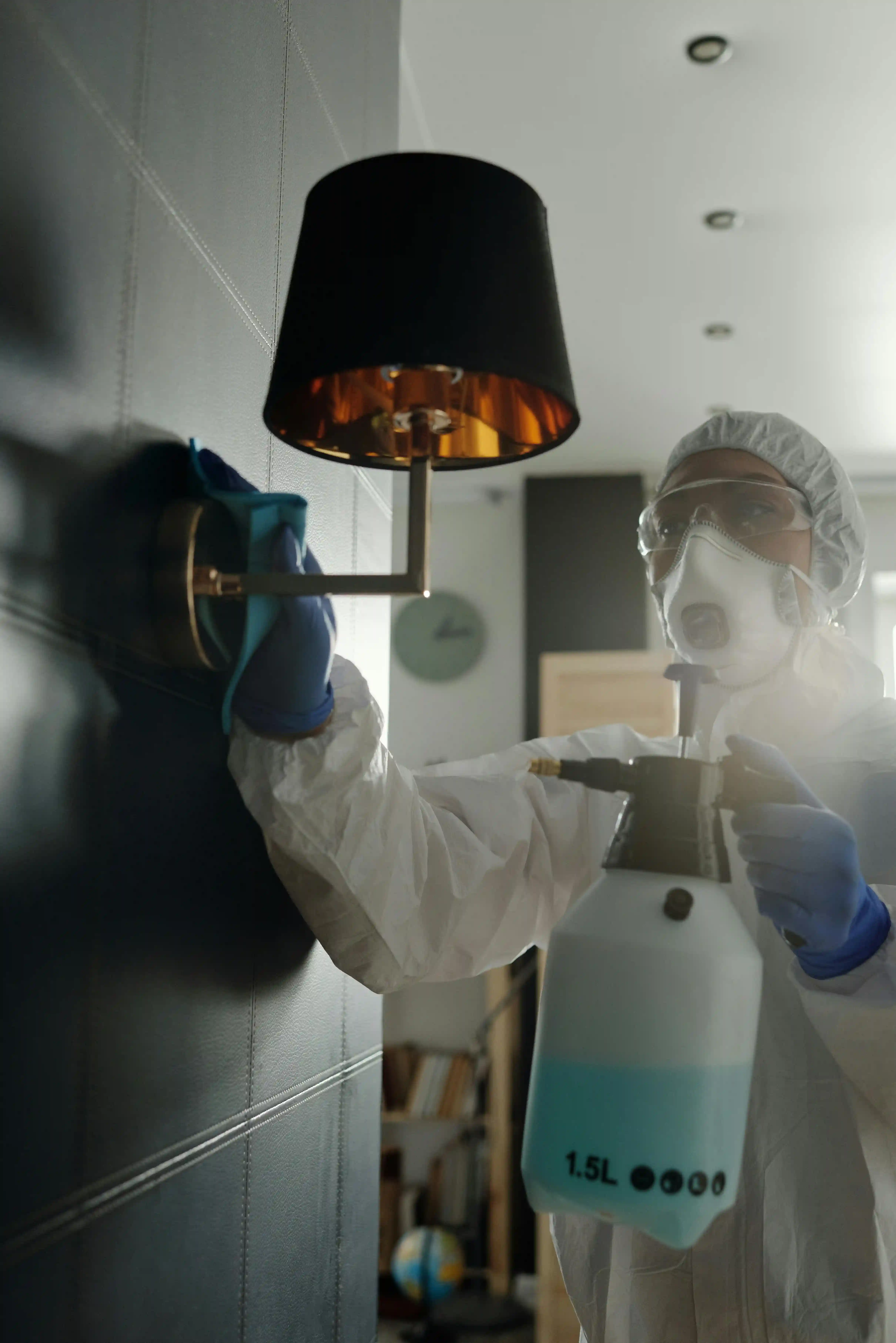
Mold Remediation
Testing, containment, removal, prevention. We find the source, eliminate the growth, and stop it from returning.
Learn more
Sewage Cleanup
Sewer backups, contaminated water, biohazard. We extract, sanitize, and restore safely.
Learn more