
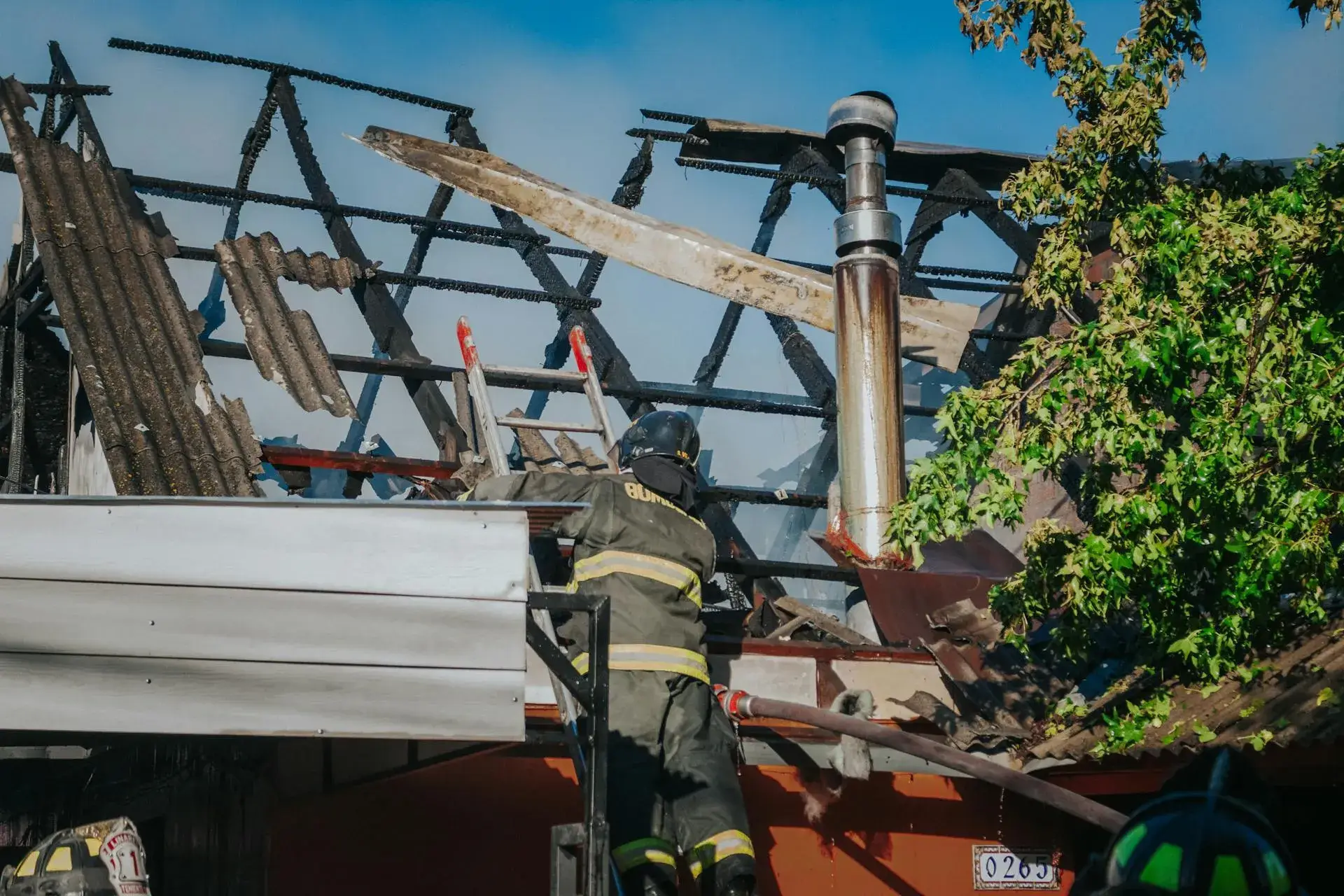
Fire Damage Restoration in Cold Springs, TX
Acidic pine soot and thousands of gallons of firefighting water cause compounding structural destruction in Cold Springs. Our certified restoration team responds 24/7 within 60 minutes.
What Happens When You Call
An emergency coordinator gathers critical property details and dispatches our San Jacinto County fire response crew.
Restoration technicians arrive on site, inspect structural integrity, and perform emergency board-up and weatherproofing.
Crews extract standing firefighting water from slab floors and crawl spaces, installing industrial air scrubbers to capture toxic soot particles.
Comprehensive photographic mapping and thermal moisture logs establish a complete scope of work for your insurance claim.
A structural fire inflicts severe thermal destruction, immediately followed by acidic soot settling across surfaces and thousands of gallons of suppression water pooling on foundations. X Response provides immediate emergency stabilization, arriving on site in Cold Springs within 60 minutes to secure the building envelope, extract extinguishing water, and neutralize corrosive residues before permanent etching occurs. Call now. Your team is standing by.
Why Cold Springs Homes Are Vulnerable to Fire Damage
Cold Springs, historically known as Coldspring, is a tranquil East Texas community of roughly 800 residents and the county seat of San Jacinto County, located roughly 55 miles north of Houston along State Highway 150 and State Highway 156. The town features a picturesque architectural mix of historic timber residences near the 1917 courthouse square, lakeside frame cottages on elevated pilings along Lake Livingston, and modern slab-on-grade homes in wooded subdivisions. San Jacinto County is heavily bordered by the dense pine forests of the Sam Houston National Forest, creating continuous timber fuel loads. During hot summer dry spells and windy periods, wildland-urban interface fire hazards escalate, while winter heating seasons place heavy thermal loads on wood-burning fireplaces, chimneys, and heating equipment in older rural residences.
Settled around 1850 as Cold Springs and established as the county seat of San Jacinto County in 1870, the community rebuilt its historic courthouse in 1917 following a destructive 1915 fire, demonstrating recurring structural fire risks in the heavily timbered East Texas pine belt. When the Coldspring Volunteer Fire Department and regional emergency service district units extinguish a residential fire, their high-volume suppression operations deposit thousands of gallons of water across slab floors and crawl spaces. Once the fire is brought under control, property owners face a double crisis: charred structural framing coated in sticky, resinous pine soot and acidic synthetic residues, combined with saturated building assemblies that begin rotting in the humid climate. Immediate professional restoration is vital to prevent permanent structural loss.
Suppression Water Accumulation on Slabs and Crawl Spaces
Extinguishing a residential fire requires massive quantities of water. In Cold Springs's slab-on-grade homes, water has no subfloor drainage path, pooling across living areas and soaking baseboards. In elevated lakeside homes, water accumulates in enclosed crawl spaces, rotting timber joists and creating severe subfloor moisture conditions.
Resinous Pine Soot and Corrosive Synthetic Residues
Fires involving dense East Texas pine timber produce heavy, resinous soot loaded with natural wood tars. Combined with synthetic plastics, upholstery, and modern building materials, this creates a sticky, highly acidic film that chemically reacts with metals, glass, and stone countertops within 24 to 48 hours.
Sam Houston National Forest WUI Fire Risks
Cold Springs residential properties directly border dense national forest tracts. Brush fires and blowing embers during dry summer conditions can ignite exterior roof eaves, cedar siding, and detached timber outbuildings, requiring rapid structural containment and exterior decontamination.
Attic Ductwork and Electrical Fire Trajectories
Many Cold Springs residences have central heating and air conditioning ductwork routed through attic framing. An attic electrical malfunction or chimney flue defect quickly ignites structural roof trusses, melting flexible ducting and forcing pressurized smoke downward into every room in the house.
High Subtropical Humidity and Accelerated Structural Rot
San Jacinto County experiences persistent humidity throughout much of the year. When building envelopes are breached by fire and saturated with suppression water, the warm, damp interior climate accelerates wood rot, drywall degradation, and mold growth unless immediate weatherproofing and mechanical drying are deployed.
Restoring a fire-damaged residence in Cold Springs requires simultaneously addressing structural charring, resinous soot neutralization, and heavy water extraction. Our certified crews provide the technical precision and advanced equipment needed to return San Jacinto County properties to safe condition.
What Happens to Your Home While You Wait
Within 1 Hour
Acidic pine soot and synthetic residues settle over all exposed surfaces, yellowing porous plastics and textiles. Firefighting water pools on slab floors, penetrating baseboards and wicking into drywall bottom plates.
1 to 24 Hours
Corrosive soot residues etch glass, glazed tile, and polished chrome finishes. Wood cabinetry finishes begin blistering, and standing water causes subflooring joists and door frames to swell.
24 to 48 Hours
Acidic chemical compounds permanently stain countertops, brass hardware, and appliances. Structural wood framing absorbs moisture, and dormant fungal spores begin germinating across damp cellulose surfaces.
48 to 72 Hours
Soot penetrates deeply into painted surfaces, wood grain, and porous masonry, preventing non-destructive restoration. Corrosion damages electrical circuits, and visible mold appears on damp drywall.
One Week and Beyond
Prolonged contact with acidic soot and trapped suppression water causes irreversible structural decay. Unsalvageable drywall, buckled flooring, and corroded mechanical systems require complete demolition and reconstruction.
Immediate intervention stops the progression of structural damage. Contact X Response immediately for 24/7 fire damage restoration in Cold Springs.
How We Restore Fire-Damaged Cold Springs Homes
Our restoration methodology adheres strictly to IICRC S540 standards for structural fire restoration, combining emergency property stabilization with chemical soot neutralization and structural rebuilding.
Emergency Board-Up and Weatherproofing
Technicians secure the building envelope against rain, wildlife, and unauthorized entry by boarding up compromised windows, doors, and breached roof decking using exterior-grade plywood and reinforced structural tarps.
Suppression Water Extraction and Moisture Control
We deploy industrial truck-mounted extractors and submersible pumps to eliminate standing firefighting water immediately. Commercial LGR dehumidifiers and high-volume air movers are positioned to stabilize indoor relative humidity.
Soot Classification and Chemical Surface Decontamination
Our specialists determine whether soot deposits are dry, wet, protein-based, or resinous pine residue. Crews utilize vulcanized rubber dry cleaning sponges, specialized degreasers, and HEPA-filtered vacuum systems to clean structural surfaces without embedding residues.
Thermal Odor Neutralization and Air Scrubbing
Commercial HEPA air filtration units equipped with activated carbon filters capture airborne particulates. We deploy thermal foggers and hydroxyl generators that penetrate framing members and wall cavities to neutralize volatile smoke odor compounds.
Selective Demolition and Full Structural Reconstruction
Unsalvageable charred framing, blistered drywall, and contaminated insulation are excised down to sound building assemblies. Our licensed rebuilding teams reconstruct framing, mechanical systems, drywall, and finishes to pre-loss condition.
The X Response Difference
Trust your fire recovery to certified specialists equipped with scientific soot neutralization protocols and comprehensive reconstruction capabilities.
Insurance Claim Guidance for Cold Springs Homeowners
Filing a structural fire insurance claim in San Jacinto County requires thorough documentation of thermal damage, soot migration, and firefighting water impact. Standard Texas property policies cover direct fire losses, smoke contamination, and resulting suppression water damage. However, policyholders must establish an accurate, detailed inventory of structural and personal property losses to receive full entitlement. Our specialists work collaboratively with your insurance company to provide forensic validation for every line item.
How X Response Helps
- Comprehensive photographic and thermal imaging surveys of structural fire and water loss zones
- Itemized Xactimate estimates detailing emergency board-up, selective demolition, soot cleaning, and rebuilding
- Clear distinction between restorable building components and items requiring complete replacement
- Detailed documentation of suppression water mitigation to prevent claim disputes regarding mold development
- Ongoing communication with insurance adjusters to coordinate on-site evaluations and claim authorizations
X Response delivers independent structural restoration and forensic damage documentation. Final claim approvals and compensation decisions remain the exclusive responsibility of your insurance carrier.
Certified Restoration Specialists Serving Cold Springs
Our Cold Springs fire restoration specialists possess extensive technical expertise in remediating the combined thermal, chemical, and moisture impacts typical of San Jacinto County structural fires. Trained in heavy timber construction, modern slab-on-grade architecture, and regional building practices, our technicians restore homes with meticulous care. We maintain rapid-deployment service vehicles stocked with emergency board-up supplies, industrial extractors, and chemical cleaning agents ready for dispatch 24 hours a day.
Every crew member holds credentials from the Institute of Inspection, Cleaning and Restoration Certification (IICRC), including Fire and Smoke Restoration Technician (FSRT) and Odor Control Technician (OCT). Utilizing advanced HEPA air scrubbers, thermal fogging systems, and calibrated moisture meters, our team restores fire-damaged properties safely and thoroughly.
In Cold Springs, X Response works with First Response Restoration, an independent local restoration partner serving San Jacinto County.
Fire Damage Restoration FAQ for Cold Springs Homeowners
Other Emergency Services in Cold Springs
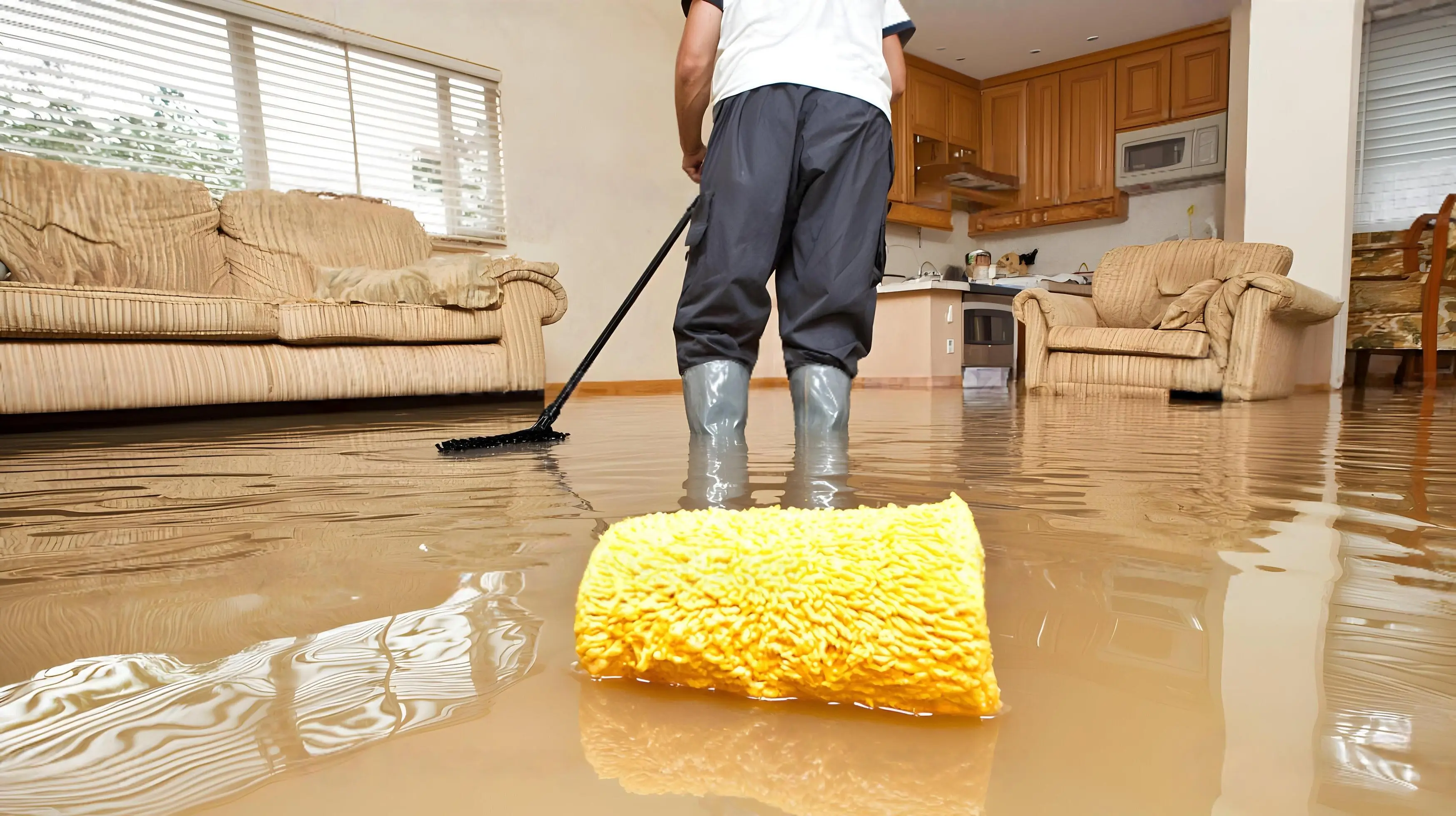
Water Damage Restoration
Burst pipes, storm flooding, standing water. We extract, dry, and restore before mold sets in.
Learn more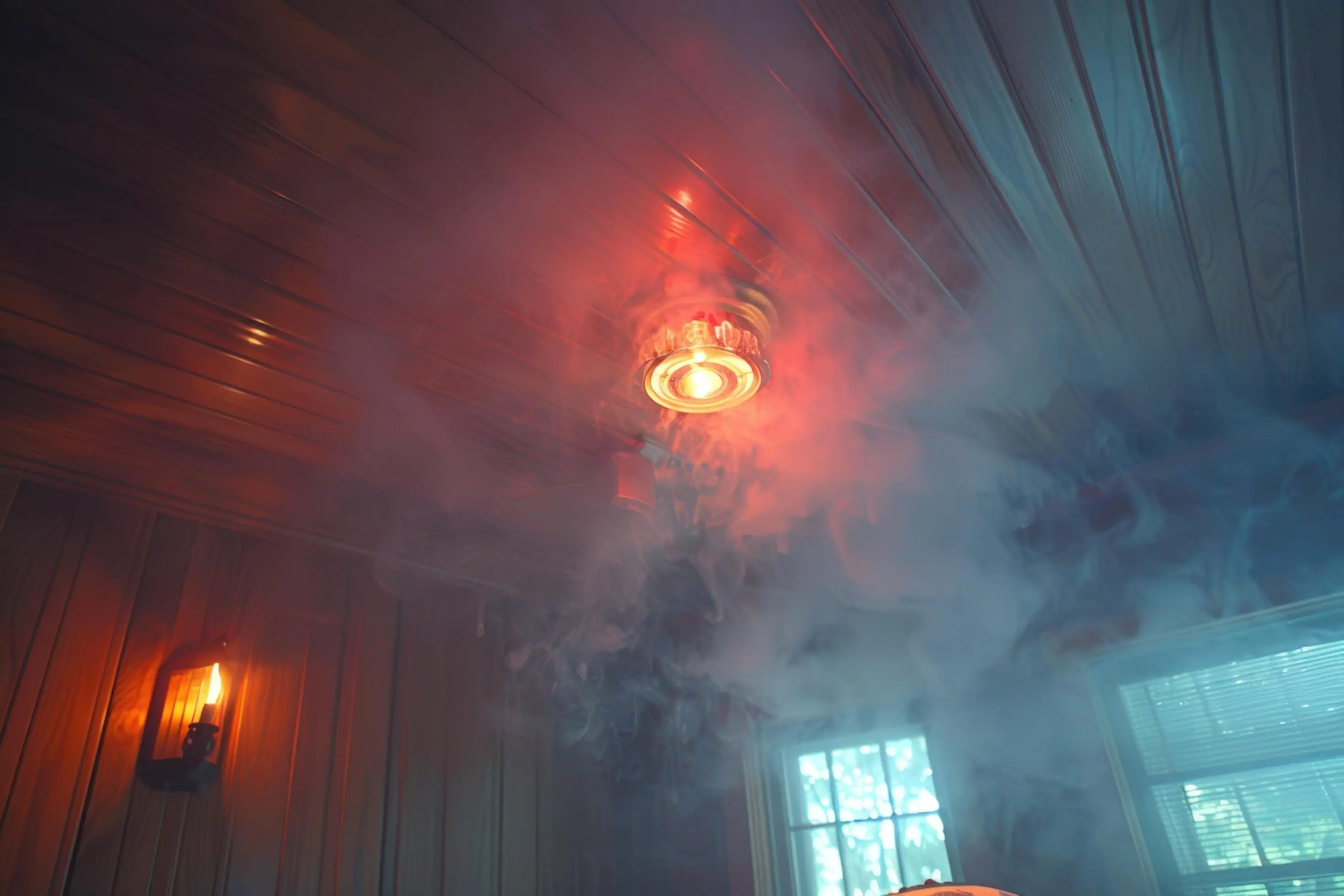
Smoke Damage Restoration
Soot residue, chemical odors, HVAC contamination. We decontaminate surfaces, eliminate odors, and restore air quality.
Learn more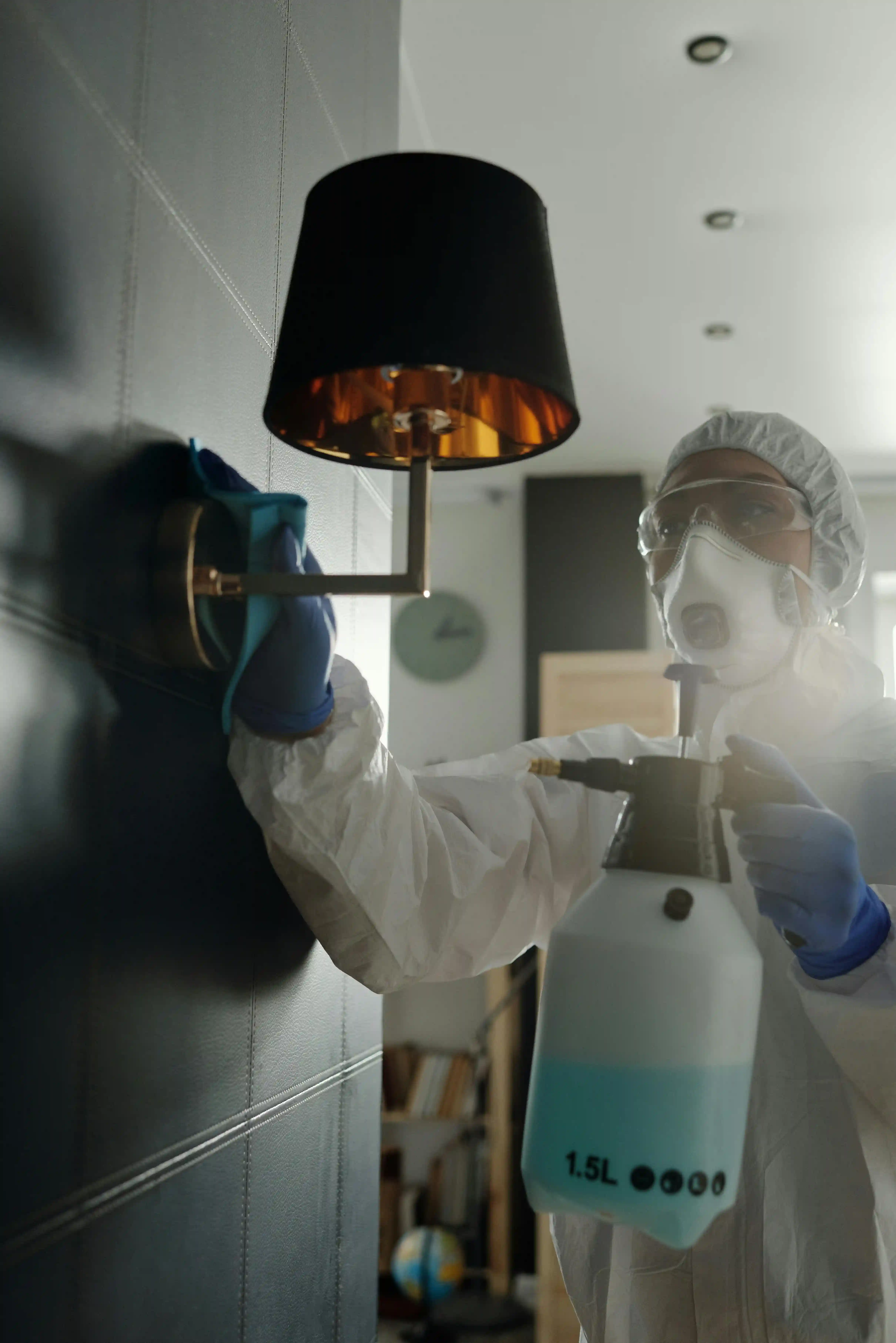
Mold Remediation
Testing, containment, removal, prevention. We find the source, eliminate the growth, and stop it from returning.
Learn more
Sewage Cleanup
Sewer backups, contaminated water, biohazard. We extract, sanitize, and restore safely.
Learn more