
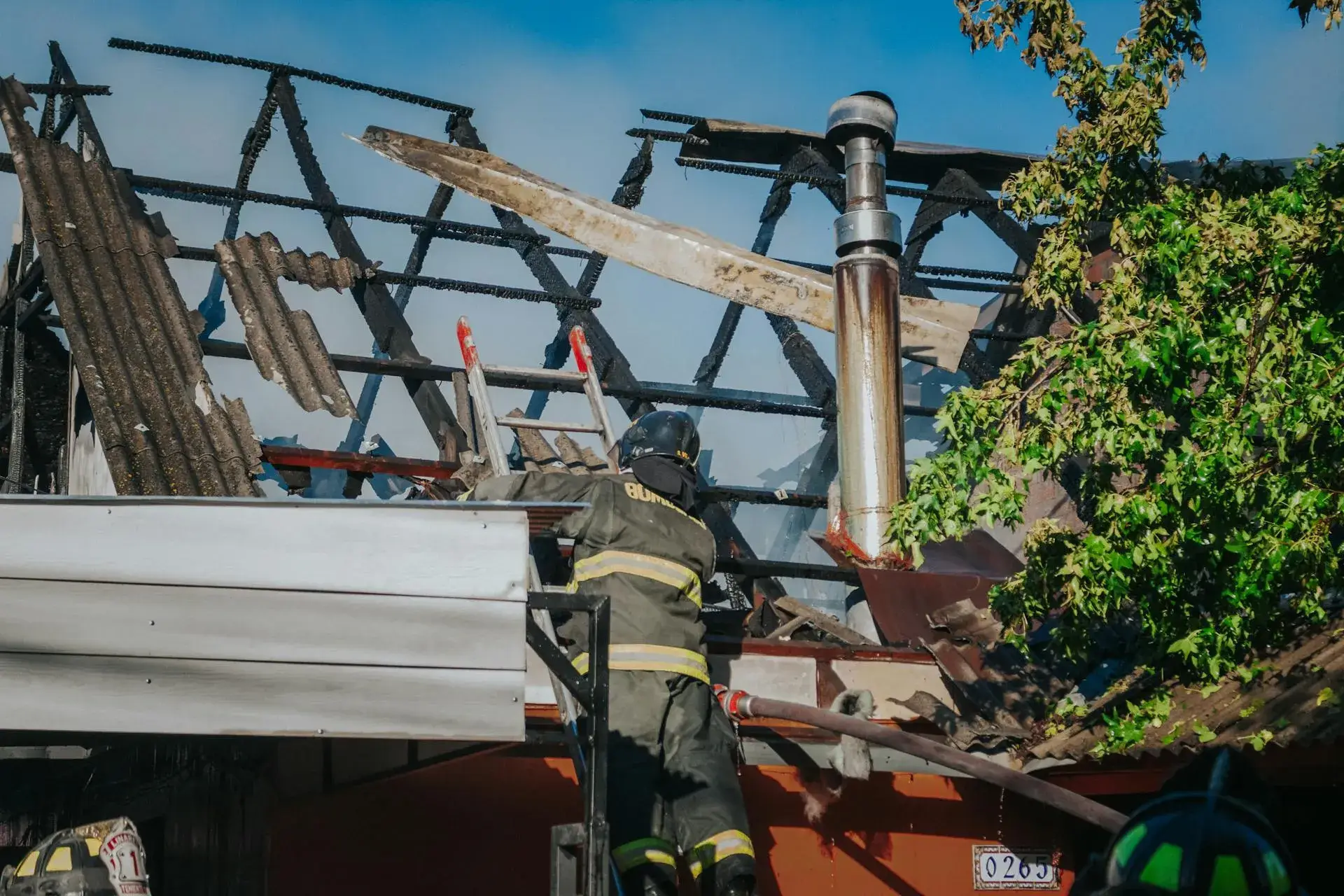
Fire Damage Restoration in Pearland, TX
Fire damage compounds with every hour of exposure to soot, humidity, and secondary water damage. Our local team responds to Pearland emergencies within 60 minutes.
What Happens When You Call
A real person answers, not a call center. We assess the situation, determine immediate safety and board-up needs, and dispatch your restoration team.
Your dedicated team is dispatched from our local base serving Pearland and the surrounding Brazoria County communities.
Team arrives with board-up materials, industrial air scrubbers, and soot removal equipment. Emergency stabilization and cleaning begin immediately.
Structure secured, initial soot and debris removed, restoration plan documented. You know exactly what comes next.
A fire just happened in your home. The flames are out, but the damage is still progressing. Soot is bonding to surfaces, humidity is driving moisture into exposed framing, and smoke residue is migrating through your HVAC system. You need a restoration team that can stabilize the structure, stop secondary damage, and begin recovery immediately. When you contact X Response, your team is mobilized within minutes and on site within the hour. One team manages everything: board-up, cleaning, odor removal, and reconstruction. Call now. Your team is standing by.
Why Pearland Homes Are Vulnerable to Fire Damage
Pearland is a city of approximately 130,000 residents in Brazoria County, Texas, located 15 miles south of downtown Houston along the State Highway 288 corridor. Fire protection services are provided by the Pearland Fire Department, which operates from multiple stations across the city and maintains mutual aid agreements with neighboring departments including Friendswood, Manvel, and Houston Fire Department units along the shared Harris County boundary. The city's housing stock is predominantly single-family residential construction built between 2000 and 2020 during Pearland's rapid growth period, with wood-frame walls, engineered truss roof systems, and vinyl or fiber cement siding representing the dominant building materials across subdivisions like Shadow Creek Ranch, Silverlake, Southern Trails, and Lakes of Highland Glen.
The U.S. Fire Administration reported that Texas residential structure fires produced 4.7 deaths and 19.3 injuries per 1,000 fires in 2023 according to National Fire Incident Reporting System data, with the state's residential death rate running below the national average of 5.8 per 1,000 fires but the injury rate approaching the national figure of 19.7. Cooking remains the leading cause of home fires nationally across the 2014 to 2023 period tracked by USFA, followed by heating equipment, electrical distribution and lighting, and intentional fires. In Pearland's newer subdivisions, the predominance of open-concept floor plans with kitchens open to living spaces means a kitchen fire can spread smoke and heat across the entire first floor within minutes, even if the flames themselves remain contained to the cooking area.
Kitchen Fires in Open-Concept Subdivisions
Cooking is the leading cause of residential fires in the United States, accounting for the largest share of home fire incidents across the decade tracked by USFA data. In Pearland's post-2000 subdivisions, open-concept floor plans dominate the housing stock. Kitchens open directly to living rooms, dining areas, and family rooms with no walls or doors to contain heat, smoke, or flame spread. A grease fire on a stovetop that would have been confined to a closed kitchen in an older home can project heat and smoke across an entire open first floor in minutes. Cabinets mounted above ranges catch fire quickly from unattended cooking, and the heat rises into engineered truss roof systems in vaulted ceilings that are specifically vulnerable to rapid structural failure under fire conditions. Even when a kitchen fire is extinguished quickly by suppression or self-extinguishment, the smoke and soot it generated during those few minutes has already contaminated surfaces throughout the open living space.
Engineered Truss Roof Systems and Rapid Structural Compromise
Pearland's rapid-growth subdivisions were built almost exclusively with engineered wood truss roof systems rather than traditional dimensional lumber rafters. Engineered trusses use smaller lumber members connected by steel gusset plates, creating lightweight assemblies that span large distances efficiently. Under fire conditions, these trusses fail faster than traditional framing because the smaller members lose structural capacity more quickly as they char, and the steel gusset plates conduct heat that weakens the wood at connection points. A roof fire in a truss-framed Pearland home can collapse the roof system within 15 to 20 minutes of sustained flame contact, far faster than firefighters may expect based on experience with older construction. After collapse, the structural restoration involves not just repairing damaged trusses but often re-engineering the entire roof system, because once gusset plates have been heat-compromised on adjacent trusses the engineer cannot certify them as structurally sound even if they appear intact.
Electrical System Fires in Aging Rapid-Build Housing
Homes built during Pearland's 2000 to 2015 growth period are now entering the 10 to 25 year window where original electrical components begin showing wear. USFA identifies electrical distribution and lighting equipment as the third leading cause of residential fires nationally. In rapidly built subdivision homes, common failure points include arc faults at loose receptacle connections, overloaded circuits in media rooms and home offices that were not designed for today's electrical loads, and degraded wire insulation in attic spaces where summer temperatures regularly exceed 140 degrees Fahrenheit. Attic fires from electrical faults are particularly destructive because they burn through roof sheathing and insulation before residents notice, often spreading along the truss system before fire department arrival. The combination of extreme attic heat, aging wiring, and lightweight truss construction creates a fire-spread pathway specific to Pearland's suburban housing stock.
Post-Fire Water Damage in Humid Climate
Fire suppression by the Pearland Fire Department introduces thousands of gallons of water into a structure that has been partially destroyed and can no longer shed moisture through its roof, walls, or vapor barriers. In Southeast Texas, where outdoor relative humidity stays high year-round, that suppression water does not evaporate naturally. It saturates framing, insulation, and subfloor materials and holds them at moisture levels that promote mold colonization within 24 to 48 hours. A fire restoration project in Pearland is always a water damage project simultaneously. The structure must be dried to IICRC standards before reconstruction can begin, and the open cavities left by fire damage create direct pathways for humid outdoor air to maintain moisture levels that prevent natural drying. Without active dehumidification beginning immediately after fire suppression, mold will colonize the surviving structure and multiply restoration costs.
Smoke Migration Through Forced-Air HVAC Systems
Pearland homes rely on central air conditioning that runs eight to ten months of the year. The forced-air HVAC system creates direct pathways for smoke and soot to travel from the fire origin to every room in the house through supply and return ductwork. A kitchen fire that produces two minutes of heavy smoke before suppression sends particulate through the return air path to the air handler and then distributes it through every supply vent in the home. Soot particles are microscopic and bond chemically to surfaces they contact, particularly in the humid conditions inside a Pearland home where moisture on surfaces acts as an adhesive for smoke residue. The HVAC system itself becomes contaminated and must be professionally cleaned before it can operate again, or it will continue redistributing soot and odor compounds throughout the home indefinitely.
Fire damage restoration in Pearland involves more than cleaning visible soot and replacing burned materials. The humid subtropical climate means every fire is simultaneously a water damage and potential mold event. Engineered truss construction means structural assessment must account for heat-compromised connections that may not be visible. Open-concept floor plans mean smoke contamination extends well beyond the fire origin. And forced-air HVAC systems mean soot reaches rooms that never saw flame or heat directly. Effective restoration requires a team that understands all four damage vectors, thermal, smoke, water, and biological, and addresses them in the correct sequence under Pearland's specific climate conditions.
What Happens to Your Home While You Wait
Within 1 Hour
Soot begins bonding chemically to surfaces throughout the home. In Pearland's humidity, moisture on walls and ceilings acts as an adhesive that accelerates permanent staining. Acidic smoke residue from synthetic materials begins etching metal surfaces, appliances, and fixtures. The longer soot sits on surfaces, the more difficult and costly it becomes to remove without causing secondary damage to the underlying material.
1–24 Hours
Smoke odor penetrates soft furnishings, carpet, clothing, and upholstery at a molecular level. Fire suppression water saturates surviving framing and insulation with no natural evaporation pathway in Southeast Texas humidity. Yellow and brown staining appears on walls and ceilings as smoke residue migrates with moisture. Metal surfaces develop tarnishing and pitting from acidic soot compounds.
24–48 Hours
Mold colonization begins on wet framing, subfloor, and insulation exposed during the fire. Pearland's year-round warmth and humidity compress the colonization timeline to its minimum. Soot residue becomes permanently bonded to porous surfaces like drywall, grout, and natural stone if not cleaned. Smoke odor embeds deeper into structural materials, making deodorization progressively more difficult and expensive.
48–72 Hours
Mold spreads across fire-suppression-wet surfaces and begins releasing spores into the open structure. Corrosion advances on electrical wiring, plumbing fixtures, and HVAC components. Smoke-damaged electronics and appliances suffer accelerating deterioration from acidic residue. The scope of contents loss grows as items that could have been cleaned in the first 24 hours become unsalvageable.
One Week and Beyond
Extensive mold colonization on surviving structural members. Soot and smoke permanently damage surfaces that could have been restored with prompt attention. Corrosion compromises electrical systems beyond repair. What started as a fire damage restoration with cleaning and targeted replacement becomes a full demolition and reconstruction project. Insurance claims become significantly more complex as the carrier questions whether timely mitigation could have reduced the loss.
Fire damage gets worse with every hour of delay, especially in Pearland's humid climate where secondary water and mold damage begin immediately after suppression. Contact X Response now. Our team responds within 60 minutes to begin stabilization.
How We Restore Fire-Damaged Pearland Homes
From the moment our team arrives, every step is documented, measured, and coordinated. Here is exactly what the fire damage restoration process involves for Pearland homes.
Emergency Board-Up and Stabilization
Our team secures the structure immediately to prevent weather intrusion, vandalism, and animal entry through openings created by the fire. In Pearland's climate, any opening left exposed admits humid air that accelerates mold growth on wet framing. We board openings, tarp damaged roof sections, and establish temporary barriers that protect the interior while allowing restoration work to proceed. If the roof system has been compromised by fire damage to engineered trusses, we install temporary shoring to prevent further collapse before any interior work begins.
Assessment, Documentation, and Contamination Mapping
We map the full extent of fire, smoke, soot, and water damage using thermal imaging, moisture meters, and visual inspection of every accessible space. Soot migration through HVAC ductwork means contamination often extends well beyond the visible burn area. In open-concept Pearland homes, we trace smoke travel paths from the origin through living spaces and into the attic, documenting every affected surface. This assessment produces the scope of work that guides restoration and provides your insurance company with the evidence needed to process your claim from day one.
Water Extraction and Structural Drying
Fire suppression water is extracted from the structure using the same equipment and protocols as a water damage restoration. In Pearland's humidity, mechanical dehumidification begins immediately because the open structure cannot dry naturally when outdoor air is already saturated. We dry surviving framing, subfloor, and structural components to IICRC S500 standards before any reconstruction begins, preventing the mold colonization that otherwise starts within 24 to 48 hours. This phase runs concurrently with soot removal so the project timeline does not extend unnecessarily.
Soot Removal, Smoke Cleaning, and Deodorization
Soot and smoke residue are removed using dry chemical sponges, HEPA vacuuming, and wet cleaning methods appropriate to each surface type. Porous materials that cannot be cleaned, including affected drywall, insulation, and soft goods, are removed and disposed. HVAC ductwork is professionally cleaned or replaced depending on contamination level. Thermal fogging and hydroxyl generators address embedded odor in structural cavities that surface cleaning cannot reach. For Pearland's slab-on-grade homes, odor trapped in the concrete slab requires specialized sealing and treatment because the slab cannot be removed or ventilated from below.
Structural Reconstruction
Once the structure is clean, dry, and odor-free, reconstruction begins. For homes with damaged engineered truss roof systems, a structural engineer certifies the repair design before framing proceeds. Electrical systems in the fire-affected area are replaced to current code rather than patched. HVAC components that sustained heat or contamination damage are replaced. All reconstruction materials meet or exceed the original specifications, and the finished result returns the home to its pre-fire condition. We manage permits, inspections, and coordination with the City of Pearland building department throughout the process.
The X Response Difference
When you contact X Response after a fire in your Pearland home, you get a single team that manages every phase of recovery, from emergency board-up through final reconstruction. One point of contact, one standard of work, one timeline with no gaps where secondary damage can develop.
Insurance Claim Guidance for Pearland Homeowners
Fire damage insurance claims in Texas are generally covered under standard homeowner's policies, unlike flood damage which requires separate coverage. However, fire claims involve complex scoping because the damage extends beyond the burn area into smoke, soot, water, and mold damage that the carrier must assess and approve separately. In Pearland homes where fire suppression introduces thousands of gallons of water into a structure that then sits in high humidity, the secondary water and mold damage can exceed the original fire damage in cost if not documented and addressed immediately. Understanding how to separate fire, smoke, water, and mold into the appropriate coverage categories within your policy is critical to receiving a fair settlement.
How X Response Helps
- Document all four damage types, fire, smoke, water from suppression, and biological growth, with professional photos and readings from day one
- Separate the fire damage scope from the water mitigation scope so each is processed under the appropriate coverage category
- Capture smoke and soot migration beyond the fire origin, including HVAC contamination, before cleaning begins
- Document structural damage with engineering assessments where truss systems or load-bearing members are compromised
- Prepare contents documentation with pre-loss photos where available, categorizing items as cleanable, restorable, or total loss
X Response does not file claims on your behalf, adjust claims, or make coverage determinations. We provide documentation and guidance to help you make informed decisions about your property and your policy. Coverage decisions are made solely by your insurance carrier.
Certified Restoration Specialists Serving Pearland
When you contact X Response for a fire damage emergency in Pearland, your restoration team is drawn from certified professionals who work across Brazoria County and the Greater Houston metro. They understand the specific challenges of restoring fire-damaged homes in Southeast Texas, where humidity turns every fire into a simultaneous water damage and mold prevention project. They have worked through kitchen fires in open-concept subdivisions, attic fires from electrical faults in aging rapid-build homes, and the complex structural assessments required when engineered truss systems sustain heat damage at gusset plate connections. They know how smoke travels through forced-air systems in homes that run AC ten months a year, and they understand the deodorization protocols required when soot bonds to moisture-laden surfaces in Pearland's tropical humidity.
Every technician on your team holds current IICRC certification in fire and smoke restoration alongside water damage restoration credentials, because fire restoration in this climate always involves both disciplines simultaneously. Equipment includes industrial air scrubbers, thermal fogging systems, hydroxyl generators for odor treatment, commercial dehumidifiers sized for Southeast Texas humidity, and the structural shoring and board-up materials needed to stabilize a fire-damaged structure immediately. When your team arrives, they bring everything needed to address all four damage vectors, thermal, smoke, water, and biological, from the first hour.
In Pearland, X Response works with First Response Restoration, an independent local restoration partner serving Brazoria County.
Fire Damage Restoration FAQ for Pearland Homeowners
Other Emergency Services in Pearland

Water Damage Restoration
Burst pipes, storm flooding, standing water. We extract, dry, and restore before mold sets in.
Learn more
Smoke Damage Restoration
Soot residue, chemical odors, HVAC contamination. We decontaminate surfaces, eliminate odors, and restore air quality.
Learn more
Mold Remediation
Testing, containment, removal, prevention. We find the source, eliminate the growth, and stop it from returning.
Learn more
Sewage Cleanup
Sewer backups, contaminated water, biohazard. We extract, sanitize, and restore safely.
Learn moreNearby Service Areas
Also serving nearby: