
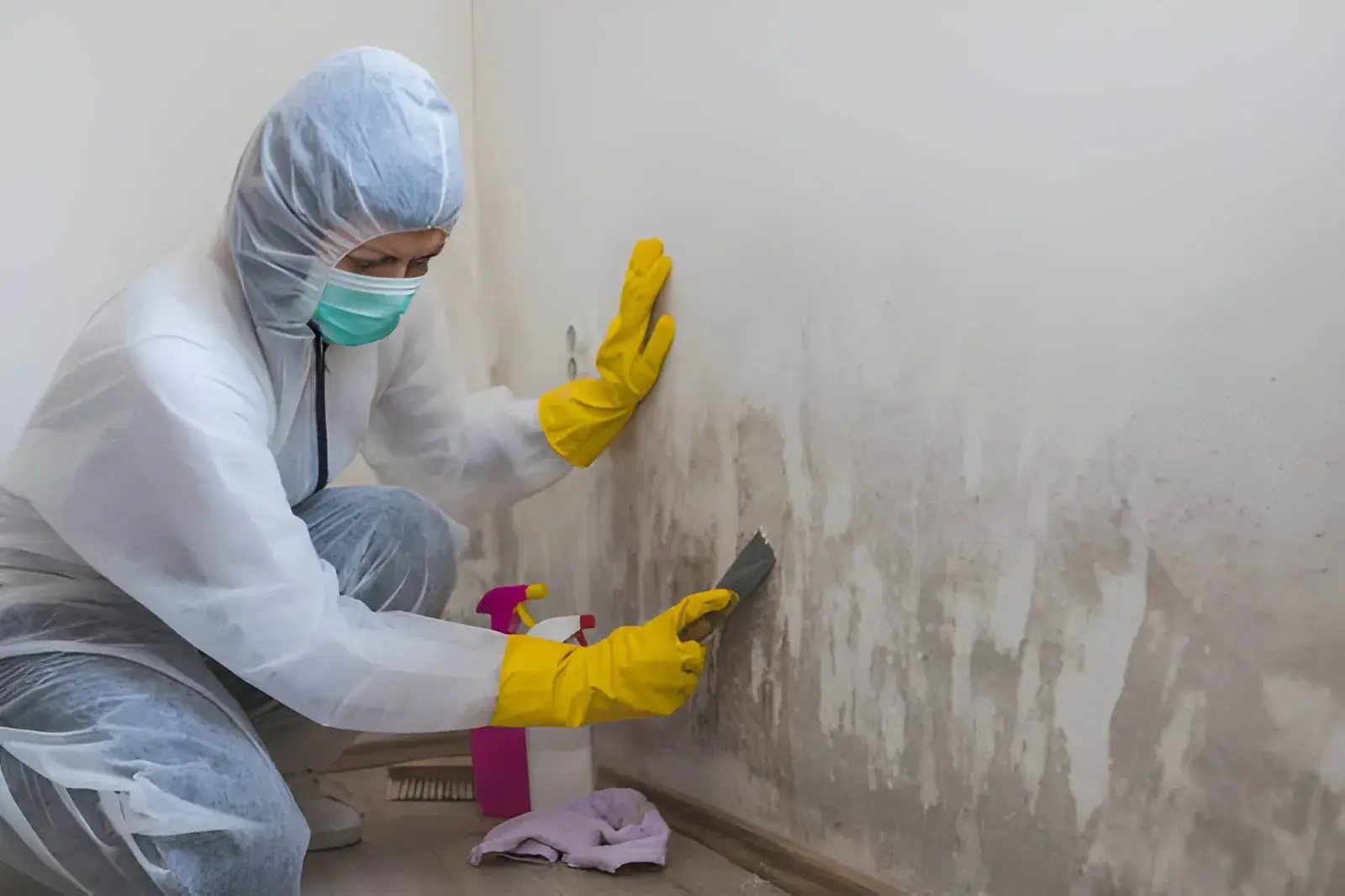
Mold Remediation in Pearland, TX
Mold colonizes damp materials within 24 to 48 hours in Pearland's climate. Our TDLR-licensed team responds to emergencies within 60 minutes.
What Happens When You Call
A real person answers, not a call center. We assess your situation, determine the likely scope, and dispatch your licensed mold remediation team immediately.
Your dedicated team is dispatched from our local base serving Pearland and the surrounding Brazoria County communities.
Team arrives with containment materials, HEPA air scrubbers, moisture meters, and sampling equipment. Assessment and containment begin immediately.
Mold extent mapped, containment established, remediation plan documented. You know exactly what comes next.
You have discovered mold in your home, or you have conditions that make mold growth inevitable, such as standing water, a persistent leak, or a recent hurricane that left your home without air conditioning for days. In Pearland's subtropical humidity, the colonization window is compressed to its minimum. You need a licensed remediation team that can contain the growth, remove contaminated materials safely, and correct the moisture source so it does not return. When you contact X Response, your team is mobilized within minutes. Call now. Your team is standing by.
Why Pearland Homes Are Vulnerable to Mold
Pearland is a city of approximately 130,000 residents in Brazoria County, Texas, located 15 miles south of downtown Houston in the heart of the Gulf Coast's humid subtropical climate zone. The city experiences high average relative humidity year-round, with morning humidity frequently running high from April through October. Temperatures remain above 70 degrees Fahrenheit for eight to nine months annually, creating conditions where mold can colonize any damp building material within 24 to 48 hours of a moisture event. These are not occasional conditions. They are the baseline environment that every Pearland home exists within every day of the year, which means any interruption to the moisture control systems, whether a plumbing leak, a roof breach, a flood event, or a loss of air conditioning, immediately places the home at risk for rapid mold colonization.
When Hurricane Beryl knocked out power for more than 2.7 million homes across the Houston metro in July 2024, properties throughout Harris, Brazoria, and Galveston counties sat in heat and humidity with no air conditioning for days, triggering widespread mold growth that overwhelmed local remediation capacity. In Pearland and surrounding Brazoria County communities, homes sat in 90+ degree heat for days to weeks while CenterPoint Energy worked to restore service. Without mechanical dehumidification from the AC system, indoor humidity climbed rapidly, and any moisture present in the home from the storm, from condensation, or from pre-existing slow leaks became a mold colonization site. The event overwhelmed local remediation capacity and demonstrated that in Southeast Texas, mold is not just a consequence of water damage events but a consequence of any extended interruption to the climate control systems that keep indoor humidity below the colonization threshold.
Year-Round Humidity and the 24-Hour Colonization Window
Pearland's humid subtropical climate maintains conditions favorable for mold growth in every month of the year. Unlike northern climates where winter cold suppresses mold activity for several months, Southeast Texas never experiences a sustained period where temperature and humidity drop below the threshold for active colonization. Indoor relative humidity in a Pearland home with no air conditioning running will equilibrate with outdoor conditions within hours, peaking depending on the season. At those levels, any building material that has absorbed even minor moisture, whether from condensation, a slow plumbing leak, or contact with the slab, becomes a growth substrate. The IICRC S520 standard identifies the 24 to 48 hour window as the critical period for preventing mold after a moisture event. In Pearland's climate, that window represents the absolute minimum rather than a conservative estimate, because the warmth and humidity that drive colonization are already at optimal levels before the moisture event even begins.
Texas TDLR Mold Licensing and Consumer Protection
Texas is one of the few states that requires specific state licensing for mold remediation through the Texas Department of Licensing and Regulation under Occupations Code Chapter 1958. TDLR licensing separates mold assessment (inspection and testing) from mold remediation (removal and treatment), and state law prohibits the same company from performing both assessment and remediation on the same project unless employed by a school district. This separation ensures that the company testing for mold has no financial incentive to find more than exists, and the company removing mold has its work independently verified by a separate assessor. For Pearland homeowners, verifying that any mold remediation company holds a current TDLR Mold Remediation Company license (not just an individual contractor license) is the minimum threshold for consumer protection. Unlicensed operators cannot legally perform mold remediation in Texas, and their work is not defensible for insurance claims or real estate transactions.
Slab-on-Grade Moisture Pathways and Hidden Mold
Pearland homes are built on concrete slab foundations that sit directly on Beaumont Formation clay soil. The slab-soil interface creates a moisture pathway that operates continuously in Southeast Texas. Groundwater migrates upward through capillary action in the clay and through the concrete itself, which is porous at a microscopic level. This moisture manifests as elevated humidity at floor level, condensation beneath vinyl and laminate flooring, and dampness at slab-to-framing connections. Mold colonizes the underside of flooring materials, the bottom plate of wall framing at slab level, and the paper facing of drywall where it contacts the slab edge. This growth is invisible from the living space until it becomes severe enough to produce visible discoloration or musty odor. By the time a homeowner notices, colonies have typically been growing for weeks to months in the concealed space between the slab surface and the finished floor.
HVAC Condensation and Ductwork Mold
Pearland homes run air conditioning for eight to ten months annually, cycling cold refrigerant through evaporator coils that produce condensation continuously. The condensate drain line carries this moisture outside, but any interruption, whether a clogged drain, a cracked drip pan, or a disconnected line, sends water into the air handler closet, the attic, or the wall cavity containing the drain line. Additionally, the temperature differential between cold supply ducts and the hot, humid attic space produces condensation on the exterior surface of ductwork, particularly at joints and connections where insulation gaps exist. Over time, this condensation wets the ceiling drywall below, insulation surrounding the ducts, and the ductwork insulation itself. Mold colonizes these perpetually damp materials and releases spores directly into the air stream, distributing contamination through every supply vent in the home. HVAC-related mold is one of the most common patterns in Pearland homes and one of the most difficult to identify without professional inspection.
Post-Flood Mold in Harvey-Affected Housing Stock
Hurricane Harvey flooded thousands of Pearland homes in August 2017, and the mold remediation that followed varied enormously in quality. Homes that received prompt, professional remediation by licensed operators were dried, treated, and rebuilt to standard. But the overwhelming demand and limited supply of licensed remediation companies meant many homeowners relied on unlicensed operators, DIY efforts, or incomplete professional work that left contaminated materials behind walls, beneath flooring, or in HVAC systems. These homes may have been visually restored but carry residual mold colonies in concealed spaces that continue growing years later, particularly along slab edges where moisture from the clay soil provides an ongoing water source. Homeowners who purchased Harvey-affected homes after restoration or who performed their own post-Harvey cleanup frequently discover active mold growth when they later remodel, replace flooring, or investigate musty odors that no amount of surface cleaning resolves.
Mold in Pearland is not a rare event caused by unusual circumstances. It is a persistent risk created by the intersection of year-round tropical humidity, slab-on-grade construction that channels soil moisture into the living space, HVAC systems that produce condensation as a byproduct of cooling, and a hurricane history that introduced massive water intrusion into thousands of homes. The state of Texas requires TDLR licensing specifically because the conditions that drive mold growth are too prevalent and the health consequences too serious to leave remediation to unregulated operators. Effective mold remediation in Pearland requires identifying the moisture source, not just the visible growth, and correcting that source permanently so colonies do not return after treatment.
What Happens to Your Home While You Wait
Within 24 Hours
Mold spores, which are present in all outdoor and indoor air, land on damp materials and begin germination. In Pearland's year-round warmth and humidity, germination begins at the lower end of the 24-hour window because temperature and moisture conditions are already optimal. No visible growth is present yet, but the biological process has started. This is the window where drying can still prevent colonization entirely.
24–48 Hours
Hyphal growth begins extending across the surface of damp materials. Mold is actively colonizing drywall paper facing, wood framing, carpet backing, and any organic material that remained wet. Growth may not yet be visible to the naked eye depending on the species and substrate color, but it is detectable with moisture meters and air sampling. Professional intervention at this stage can still limit the scope to targeted treatment rather than material removal.
48–72 Hours
Visible mold growth appears on affected surfaces. Colonies are producing spores that become airborne and can colonize new areas of the home. Musty odor becomes detectable. Materials with visible surface colonization may still be salvageable with professional treatment if growth has not penetrated the substrate, but the window for surface treatment is closing. HVAC systems that are operating distribute spores to unaffected areas of the home.
One Week
Mold growth penetrates into substrate materials. Drywall paper facing is consumed and colonies reach the gypsum core. Wood framing develops surface colonization that extends into the grain. Carpet and pad become unsalvageable. The remediation scope now requires material removal rather than surface treatment. Containment is essential to prevent cross-contamination of unaffected areas during removal.
One Month and Beyond
Extensive colonization throughout concealed wall cavities, beneath flooring, and in HVAC ductwork. Structural framing may develop wood decay organisms in addition to surface mold. Indoor air quality deteriorates to levels that can trigger respiratory symptoms, allergic reactions, and exacerbate asthma. Full remediation requires systematic containment, removal of all contaminated porous materials, HEPA cleaning of structural surfaces, HVAC decontamination, and independent post-remediation verification by a separate TDLR-licensed assessor.
Every day of delay expands the scope of contamination and increases the cost of remediation. In Pearland's climate, mold does not plateau or self-limit once it establishes. It continues growing as long as moisture is present. Contact X Response now. Our TDLR-licensed team responds within 60 minutes.
How We Restore Mold-Affected Pearland Homes
From the moment our team arrives, every step follows IICRC S520 protocols and complies with Texas TDLR mold remediation requirements. Here is exactly what the process involves for Pearland homes.
Licensed Assessment and Moisture Source Identification
Our team performs a comprehensive moisture assessment using thermal imaging, pin and pinless moisture meters, and hygrometers to identify not just where mold is visible but where conditions support hidden growth. In Pearland's slab-on-grade homes, that includes checking beneath flooring at slab level, at wall-to-slab connections, around HVAC drain lines, and in attic spaces above supply ductwork. Critically, we identify the moisture source that caused the growth, whether that is a plumbing leak, HVAC condensation, slab moisture migration, inadequate ventilation, or residual damage from a prior flood event. Mold remediation without source correction is temporary. The growth returns within weeks.
Containment and Air Quality Control
Before any contaminated material is disturbed, the affected area is isolated using polyethylene sheeting, negative air pressure, and HEPA air scrubbers. Containment prevents spores released during removal from migrating to unaffected areas of the home. The HVAC system is shut down and supply vents within the containment zone are sealed to prevent the air handler from pulling contaminated air through the return side and distributing it throughout the house. For large-scale remediation involving multiple rooms, staged containment allows work to proceed in sections while the family occupies unaffected areas when feasible.
Contaminated Material Removal
Porous materials with mold growth that has penetrated the substrate are removed and disposed per Texas regulatory requirements. In Pearland homes, that typically includes affected drywall (cut at least two feet beyond visible growth), insulation, carpet and pad, and any particleboard or OSB that absorbed moisture. Non-porous materials including framing lumber, concrete slab surfaces, and metal components are cleaned rather than removed, using HEPA vacuuming followed by antimicrobial treatment. All removal is documented with photos for insurance purposes, and materials are bagged within the containment zone before transport through the living space to prevent cross-contamination.
HEPA Cleaning and Antimicrobial Treatment
After contaminated materials are removed, all remaining surfaces within the containment zone are HEPA vacuumed to remove settled spores, then treated with EPA-registered antimicrobial agents that prevent regrowth on structural surfaces. For Pearland's slab-on-grade homes where the slab surface was a moisture source, we apply moisture-blocking treatments to the concrete before new materials are installed, breaking the capillary pathway that brought soil moisture into the wall assembly. HVAC components within or adjacent to the affected area are inspected and cleaned or replaced depending on contamination level.
Post-Remediation Verification
Texas TDLR regulations require that a separate licensed mold assessment company verify the remediation was successful before the area is cleared for reconstruction. X Response coordinates with independent assessors to schedule post-remediation inspection and air sampling. Clearance criteria include visual confirmation that no mold is present on exposed surfaces, moisture readings within acceptable ranges at all test points, and air sample results showing spore counts at or below outdoor ambient levels. Only after independent clearance is issued does reconstruction of the remediated area begin. This third-party verification protects you, your insurance claim, and any future real estate transaction involving the property.
The X Response Difference
When you contact X Response for mold remediation in Pearland, you get a TDLR-licensed team that follows the full protocol: source identification, containment, removal, treatment, and independent verification. No shortcuts, no conflicts of interest, and no growth returning because the moisture source was left unaddressed.
Insurance Claim Guidance for Pearland Homeowners
Mold insurance coverage in Texas is one of the most misunderstood aspects of homeowner's policies. Most standard Texas homeowner's policies include mold coverage only when the mold results from a covered water damage event, such as a burst pipe or appliance failure. The coverage typically carries a sublimit, often $10,000 to $25,000, that is far below the cost of remediating extensive growth in a home. Mold that results from gradual conditions, including HVAC condensation leaks, slab moisture migration, and deferred maintenance, is generally excluded. Flood-related mold requires separate NFIP or private flood coverage, and many policies exclude mold from flood coverage entirely. Understanding what your policy actually covers before filing a mold claim is essential to making informed decisions about remediation scope and cost.
How X Response Helps
- Document the moisture source that caused the mold, because coverage depends on whether that source is a covered peril under your specific policy
- Photograph all visible mold before remediation begins, with moisture readings that demonstrate the connection between the water source and the growth
- Obtain the TDLR-licensed post-remediation assessment report, which insurance carriers require as proof that remediation was performed to state regulatory standards
- Separate the mold remediation scope from any underlying water damage scope so each is processed under the appropriate coverage provision
- Identify your policy's mold sublimit before work begins so you understand potential out-of-pocket exposure if the remediation cost exceeds that cap
X Response does not file claims on your behalf, adjust claims, or make coverage determinations. We provide documentation and guidance to help you make informed decisions about your property and your policy. Coverage decisions are made solely by your insurance carrier.
Certified Restoration Specialists Serving Pearland
When you contact X Response for mold remediation in Pearland, your team includes TDLR-licensed professionals who specialize in the conditions that drive mold growth in Southeast Texas. They understand the slab-on-grade moisture pathways specific to Beaumont Formation clay soils, the HVAC condensation patterns that produce hidden mold in attic spaces and air handler closets, and the post-hurricane mold scenarios that affected thousands of Pearland homes after Harvey in 2017 and Beryl in 2024. They know where mold hides in this housing stock: beneath vinyl plank flooring at slab level, behind baseboards at the drywall-to-slab connection, inside wall cavities fed by condensation from ductwork above, and in HVAC systems where clogged drain lines deposit water into enclosed spaces for months before anyone notices.
Every technician holds current IICRC AMRT (Applied Microbial Remediation Technician) certification alongside the appropriate TDLR credentials for mold remediation work in Texas. Equipment includes commercial HEPA air scrubbers, negative air machines for containment pressure control, thermal imaging cameras for moisture source identification, professional hygrometers and moisture meters, and the containment materials needed to isolate affected areas before disturbance. When your team arrives, they bring everything required to assess, contain, remediate, and prepare for independent verification in a single mobilization.
In Pearland, X Response works with First Response Restoration, an independent local restoration partner serving Brazoria County.
Mold Remediation FAQ for Pearland Homeowners
Other Emergency Services in Pearland
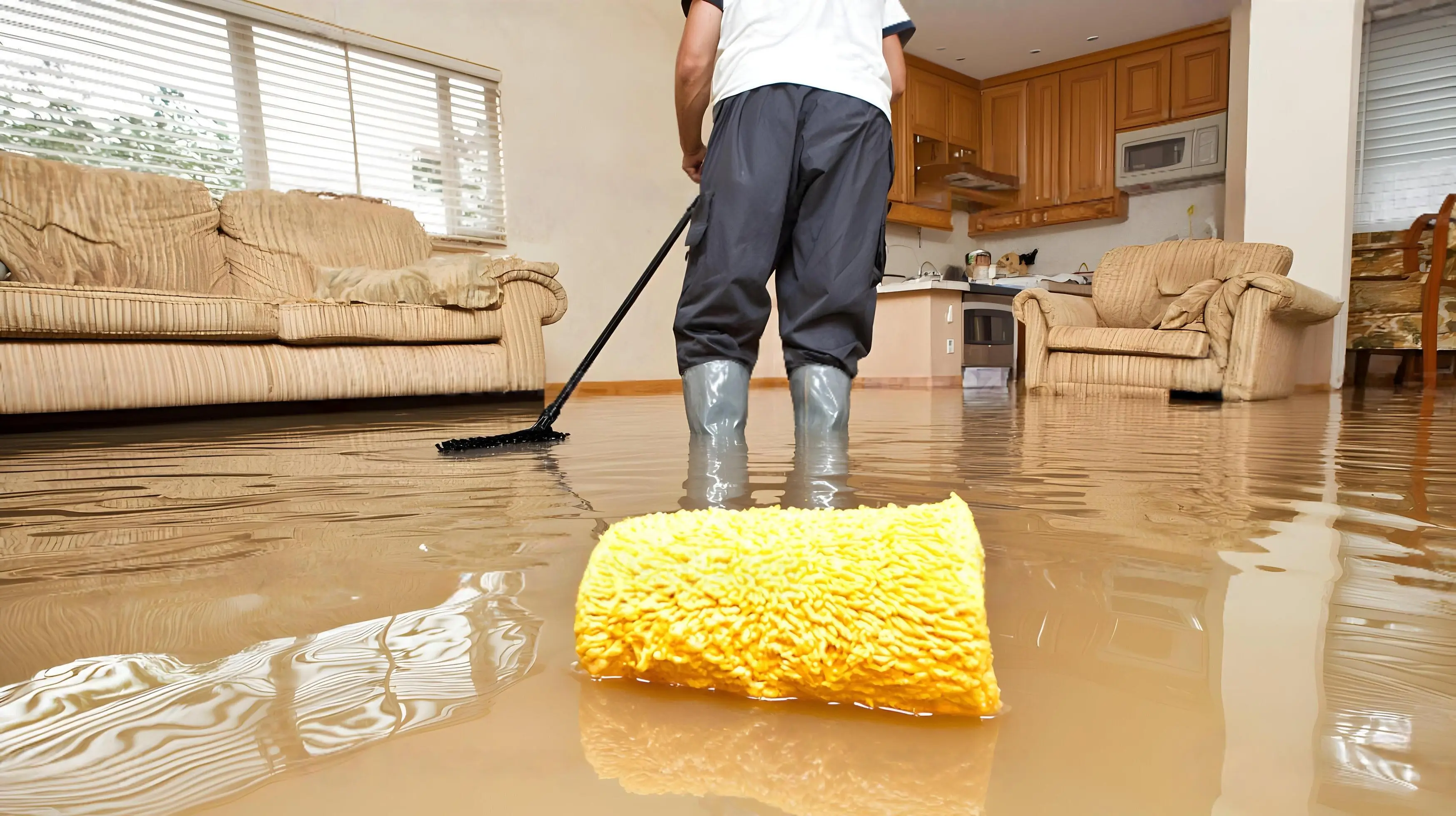
Water Damage Restoration
Burst pipes, storm flooding, standing water. We extract, dry, and restore before mold sets in.
Learn more
Fire Damage Restoration
Structural damage, soot, debris. We stabilize, clean, and rebuild what fire destroyed.
Learn more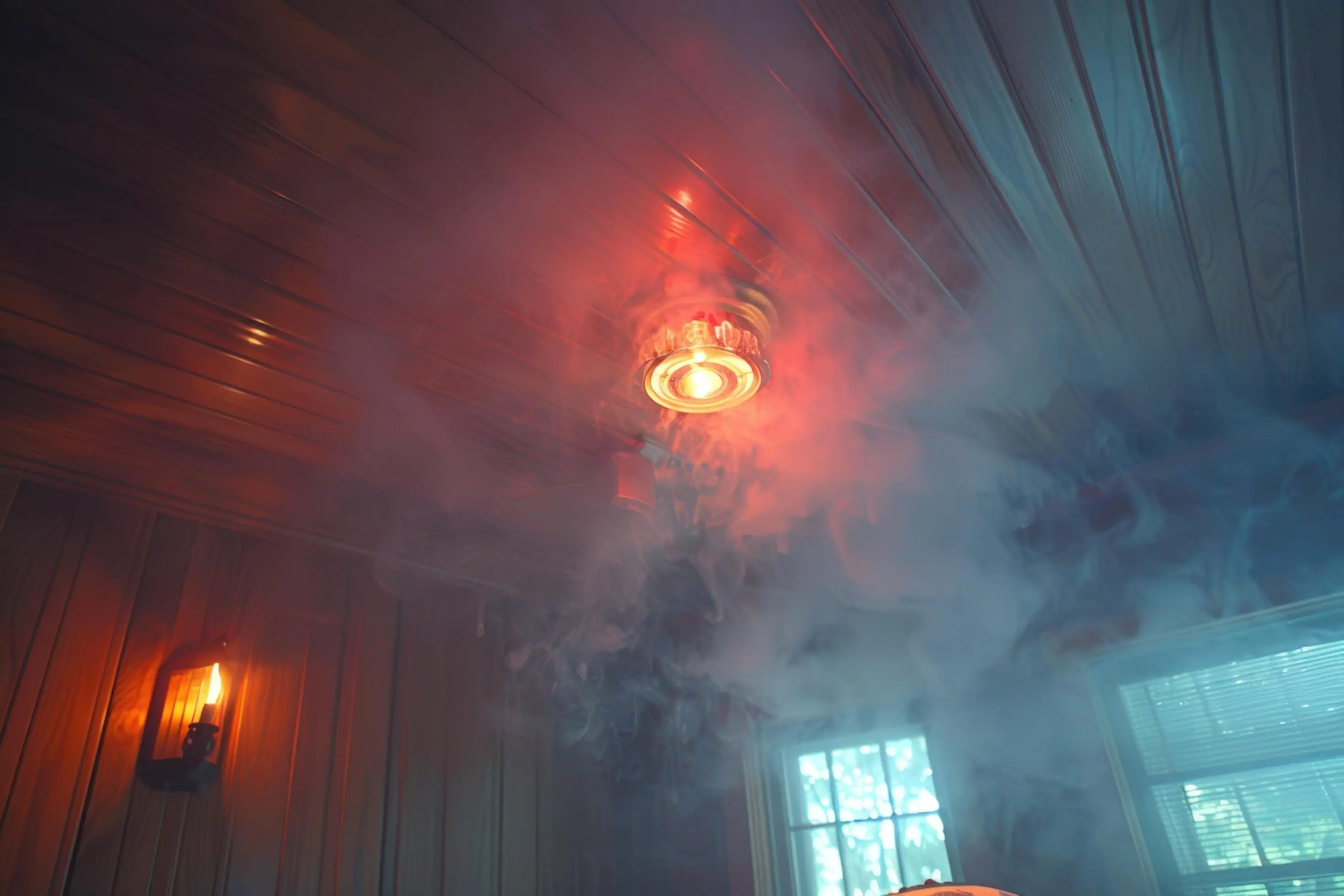
Smoke Damage Restoration
Soot residue, chemical odors, HVAC contamination. We decontaminate surfaces, eliminate odors, and restore air quality.
Learn more
Sewage Cleanup
Sewer backups, contaminated water, biohazard. We extract, sanitize, and restore safely.
Learn moreNearby Service Areas
Also serving nearby: