
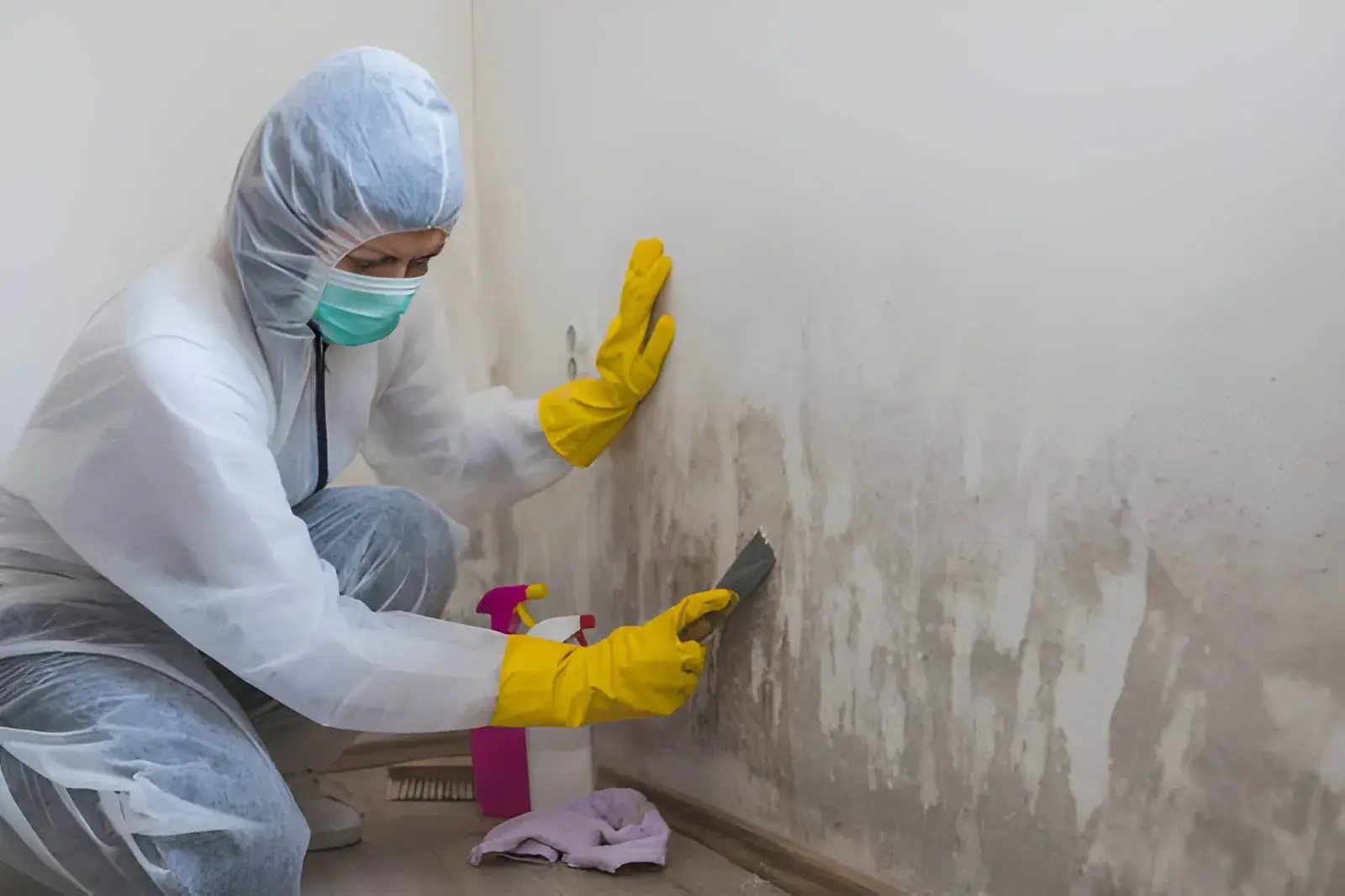
Mold Remediation in Scottsdale, AZ
Mold colonies release millions of microscopic spores within 24 to 48 hours in Scottsdale's indoor climate. Our certified East Valley team responds within 60 minutes.
What Happens When You Call
A certified microbial specialist evaluates your concerns, discusses visual signs and moisture history, and coordinates an immediate on-site assessment.
Our local East Valley team arrives in under 60 minutes with infrared moisture meters, air quality sampling gear, and containment barriers.
Technicians seal the contaminated zone under negative air pressure and deploy commercial HEPA air scrubbers to capture airborne spores.
We remove non-salvageable materials, treat framing with EPA-registered antimicrobials, and conduct third-party clearance testing.
Mold thrives in hidden, moisture-rich microenvironments created by air conditioning condensation, plumbing leaks, and monsoon moisture. In Scottsdale's warm climate, fungal colonization advances rapidly once moisture contacts organic building materials. X Response mobilizes certified microbial remediation specialists to establish containment, eliminate active colonies, and restore safe indoor air quality. Call now. Your team is standing by.
Why Scottsdale Homes Are Vulnerable to Mold
Scottsdale is a premier desert community of over 241,000 residents in Maricopa County, renowned for luxury architecture, expansive master-planned subdivisions, and sprawling custom hillside estates. While the outdoor Sonoran Desert climate is arid, high-end residential interiors create artificially refrigerated microclimates that are highly vulnerable to hidden mold growth. To maintain comfortable indoor temperatures against 115-degree summer heat, multi-zone air conditioning systems operate continuously for eight to ten months each year. When humid monsoon air penetrates exterior building envelopes, cold metal ductwork, and chilled drywall surfaces, condensation forms rapidly inside unconditioned attic spaces, wall cavities, and utility plenums.
The EPA advises that if water damage occurs in a building, materials and furnishings must be cleaned and dried within 24 to 48 hours to prevent mold colonization. In Scottsdale's warm indoor environment, where interior temperatures between 75 and 85 degrees provide ideal biological conditions for spore germination, that 48-hour window is critical. A slow plumbing leak behind custom kitchen millwork, a leaking wine cellar cooling unit, or a clogged AC condensate drain line can trigger aggressive colonies of *Aspergillus*, *Penicillium*, *Cladosporium*, and *Stachybotrys chartarum* (toxic black mold) behind drywall and beneath baseboards before visible signs emerge.
The prevalence of post-tension slab-on-grade foundations across Scottsdale compounds microbial hazards. In neighborhoods such as DC Ranch, Troon, McCormick Ranch, and Gainey Ranch, pressurized copper water supply lines run beneath concrete slabs. When hard desert groundwater causes pinhole corrosion, water wicks upward through the porous concrete into bottom wall plates, drywall, and high-value floor coverings like imported travertine, marble, and wide-plank hardwood. Because the leak remains concealed beneath flooring, mold colonies expand undisturbed inside wall cavities for weeks, releasing mycotoxins directly into living spaces.
Multi-Zone Air Conditioning Condensate Pan Overflows
Luxury Scottsdale estates frequently rely on three to six independent central air conditioning systems. Continuous summer operation generates large volumes of condensation that drain through PVC lines. Algae, airborne dust, and mineral scale combine inside warm drain lines to form gelatinous blockages. When drain pans overflow, water saturates ceiling drywall, destroys spray foam insulation, and runs down interior wall framing. Trapped in dark, warm attics and wall cavities, this moisture fuels rapid mold colonization within 24 to 48 hours.
Monsoon Humidity Spikes and Building Envelope Condensation
During the Arizona monsoon season from late June through September, outdoor relative humidity surges from single digits to over 70 percent during storm cycles. When this warm, humid air infiltrates luxury homes through unsealed attic bypasses, sliding pocket doors, or fresh-air intakes, it condenses against surfaces chilled by continuous air conditioning. This localized condensation allows mold spores to germinate on bathroom drywall, behind custom wallpaper, in walk-in closets, and inside unconditioned attic spaces without any direct plumbing failure.
Concealed Foundation Slab Leaks Under Luxury Flooring
Scottsdale homes built on concrete slab foundations feature copper water supply lines running beneath the concrete. Hard mineral-rich groundwater causes pinhole corrosion in buried pipes, allowing pressurized water to saturate the soil beneath the slab and wick upward through the concrete matrix into wall framing studs, custom baseboards, and flooring underlayment. Because the leak remains hidden below expensive marble or hardwood floors, mold colonies grow undisturbed inside wall cavities, releasing millions of airborne mycotoxins into living spaces.
Wine Cellar Refrigeration and Built-In Appliance Leaks
High-end Scottsdale estates often feature climate-controlled wine cellars, built-in espresso machines, and under-counter ice makers. Dedicated wine room cooling systems generate continuous condensation; when vapor barriers are breached or drain lines fail, moisture accumulates behind cedar paneling and drywall. Similarly, slow weeping from under-sink reverse osmosis (RO) drinking systems saturates custom cabinetry bases, creating secluded high-humidity chambers where toxic black mold (*Stachybotrys*) thrives undetected.
Evaporative Swamp Cooler Water Seepage
In older Scottsdale neighborhoods and commercial equestrian properties, evaporative coolers remain in use. These roof-mounted units rely on continuous water supply floats and wet distribution pads. Leaking float valves, cracked distribution tubes, or rusted drain pans cause continuous water seepage into attic framing and ceiling gypsum. Over time, heavy mold colonies infest attic joists, cellulose insulation, and ceiling drywall, creating severe respiratory hazards for occupants below.
Professional mold remediation in Scottsdale requires more than surface wiping; it demands complete containment, negative air management, moisture source correction, and verified clearance testing.
What Happens to Your Home While You Wait
Within 24 Hours
Microscopic mold spores present naturally in indoor air settle onto damp cellulose materials, including drywall paper facing, wood framing, and carpet backing. The spores absorb moisture, swell, and germinate, sending out microscopic root-like hyphae that begin feeding on the organic substrate.
24 to 48 Hours
Fungal hyphae expand into visible microscopic mycelial networks. In Scottsdale's warm indoor conditions, initial colonies of *Aspergillus* and *Penicillium* establish firmly. The EPA recommended 48-hour mitigation window closes, marking the boundary where simple drying is no longer sufficient and professional microbial containment is required.
48 to 72 Hours
Active mold colonies begin sporulation, releasing thousands of reproductive spores and volatile organic compounds (VOCs) into surrounding air. A distinct musty, earthy odor becomes noticeable. Drywall softens and stains as fungal enzymes digest cellulose fibers, and spores begin infiltrating nearby HVAC return registers.
One Week
Colonies expand across several square feet of drywall, baseboards, and subflooring. Slower-growing toxic species like *Stachybotrys chartarum* establish on continuously wet drywall paper. Spores circulate through the central HVAC system, contaminating ductwork and settling into furniture, bedding, and carpet across other rooms.
One Month and Beyond
Extensive structural and health hazards develop. Drywall loses all structural integrity and crumbles. Wood framing studs experience structural softening and deep fungal staining. Occupants report worsening respiratory symptoms, chronic sinus infections, and allergic reactions. Full remediation requires extensive demolition, negative air containment, and costly reconstruction.
Do not allow hidden mold to threaten your family's health or property value. Contact X Response immediately for certified mold inspection and remediation in Scottsdale.
How We Restore Mold-Affected Scottsdale Homes
Our mold remediation protocol adheres strictly to IICRC S520 and EPA guidelines, ensuring safe, permanent mold removal without cross-contaminating unaffected areas of your Scottsdale home.
Comprehensive Moisture Mapping and Visual Inspection
Our certified microbial investigators inspect the property using infrared thermal cameras, calibrated moisture meters, and digital hygrometers to locate the hidden water source fueling mold growth. When necessary, we collect air and surface tape-lift samples for accredited laboratory analysis.
Critical Negative Air Containment
Before disturbing any mold, we seal the work area with 6-mil polyethylene sheeting, zipper access doors, and isolation barriers over all HVAC registers. We install commercial HEPA air filtration units ducted to the exterior, creating negative air pressure to prevent spores from migrating into clean living areas during remediation.
Removal of Non-Salvageable Porous Materials
Saturated drywall, acoustic ceiling tiles, compromised insulation, and contaminated carpet padding that cannot be completely decontaminated are carefully double-bagged in sealed 6-mil waste bags and removed through designated containment airlocks for proper disposal.
HEPA Vacuuming and Botanical Antimicrobial Treatment
All remaining structural framing, concrete slabs, and solid wood components are thoroughly vacuumed using true-HEPA equipment. We then apply EPA-registered botanical antimicrobials using airless sprayers and microfiber detailing to destroy remaining fungal roots and sanitize the substrate.
Structural Encapsulation and Post-Remediation Verification
Exposed structural lumber is coated with an antimicrobial fungicidal sealant that prevents future moisture absorption and fungal regrowth. We then conduct a comprehensive visual inspection and coordinate independent third-party Post-Remediation Clearance (PRC) air testing to verify that indoor spore counts have returned to normal, safe baseline levels.
The X Response Difference
When dealing with toxic mold, shortcuts jeopardize your health. X Response delivers scientific, certified remediation you can trust.
Insurance Claim Guidance for Scottsdale Homeowners
Mold damage coverage under Arizona homeowner, landlord, and commercial property policies varies significantly depending on the underlying cause and individual policy endorsements. Generally, mold resulting from a covered 'sudden and accidental' water loss, such as a burst supply pipe or sudden water heater rupture, is eligible for coverage, often subject to specific mold remediation sub-limits (typically $5,000 to $10,000 in standard policies). However, mold stemming from long-term unresolved leaks, deferred maintenance, or exterior flooding is frequently excluded. Providing clear documentation linking the mold directly to an acute water intrusion event is crucial for successful claim processing.
How X Response Helps
- Document the original sudden water source with high-resolution photographic evidence and moisture mapping.
- Separate structural remediation costs from general plumbing repairs to align with insurance policy coverage lines.
- Provide comprehensive lab reports and certified protocol scopes from independent environmental testing professionals.
- Supply detailed itemized estimates formatted in Xactimate software accepted by all major insurance adjusters.
- Assist homeowners in understanding policy mold limits, exclusions, and Additional Living Expense provisions.
X Response is an independent certified microbial remediation contractor. We provide objective technical documentation, moisture assessments, and remediation scopes to assist in insurance claims. We do not act as public adjusters or make coverage determinations; final claim approval rests solely with your insurance provider.
Certified Restoration Specialists Serving Scottsdale
Our microbial remediation specialists serving Scottsdale and the East Valley hold advanced certifications from the IICRC, including Applied Microbial Remediation Technician (AMRT), Water Damage Restoration (WRT), and Applied Structural Drying (ASD). Our technicians receive continuous training in containment engineering, biocides chemistry, and indoor environmental quality standards.
Equipped with state-of-the-art diagnostic equipment, negative air machines, and HEPA air scrubbers, our team approaches every mold project with clinical precision. We take pride in protecting the health and homes of our Scottsdale neighbors with transparent communication, compassionate service, and guaranteed clearance standards.
In Scottsdale, X Response works with No Worries Rooter, an independent local restoration partner serving Maricopa County.
Mold Remediation FAQ for Scottsdale Homeowners
Other Emergency Services in Scottsdale
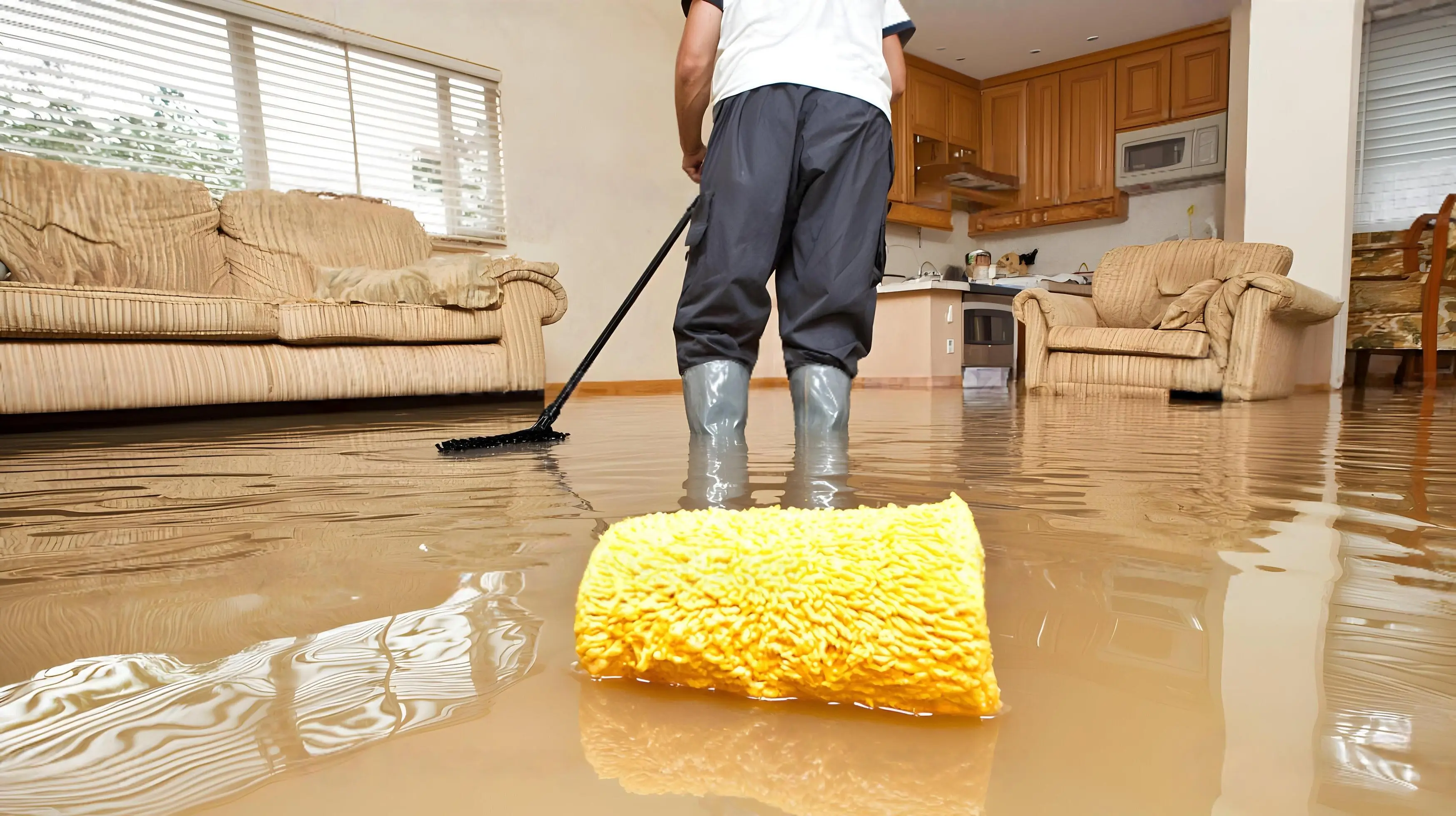
Water Damage Restoration
Burst pipes, storm flooding, standing water. We extract, dry, and restore before mold sets in.
Learn more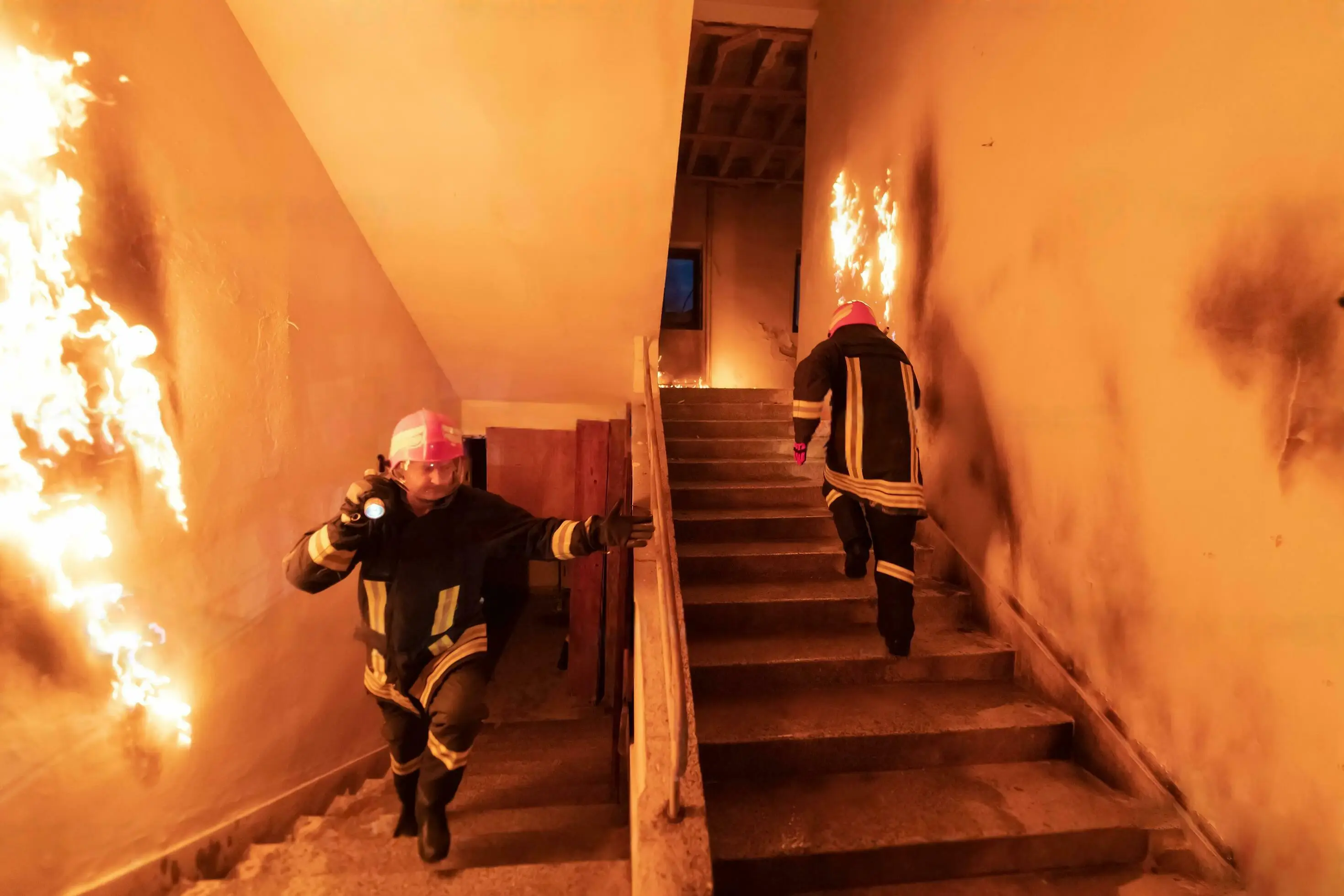
Fire Damage Restoration
Structural damage, soot, debris. We stabilize, clean, and rebuild what fire destroyed.
Learn more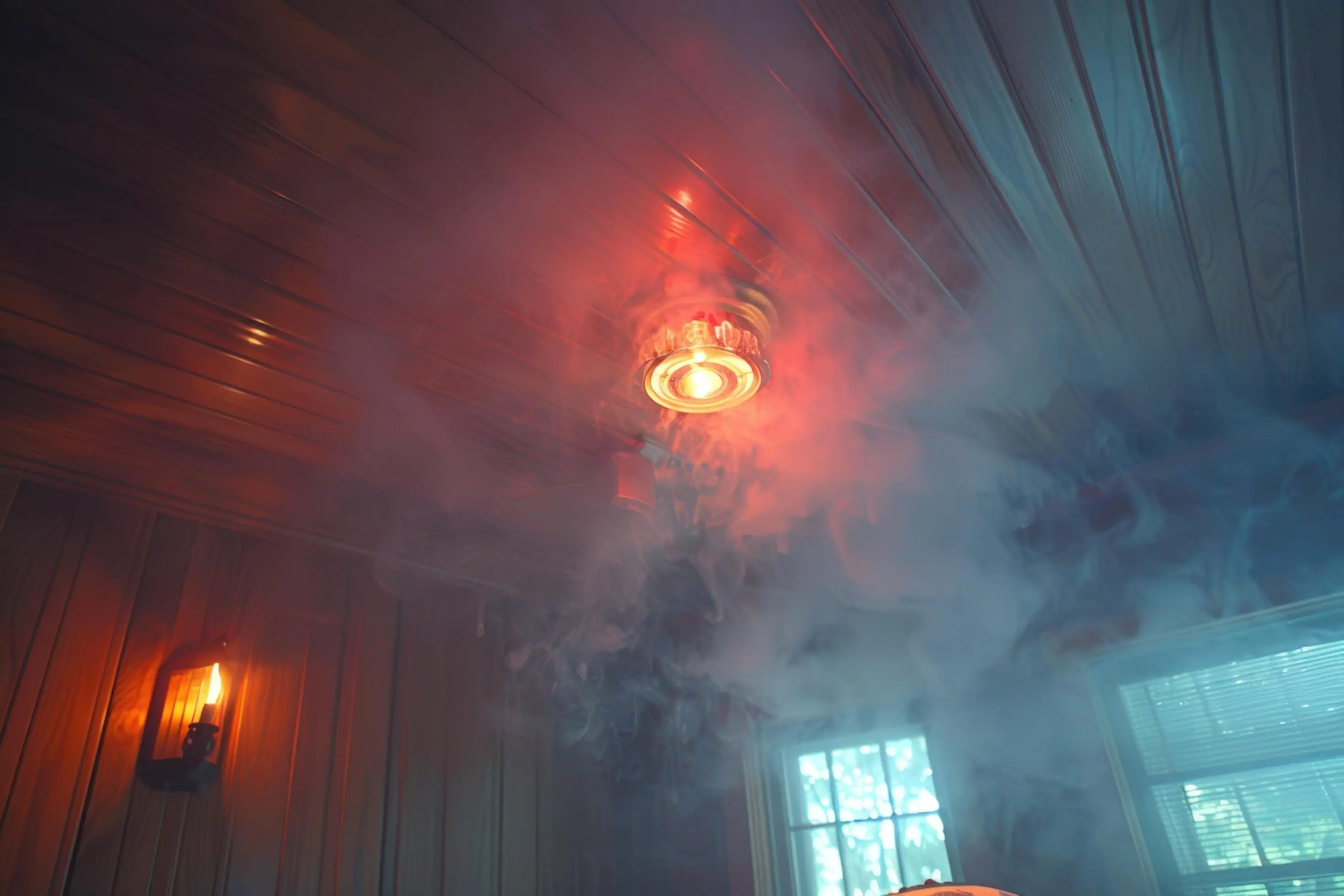
Smoke Damage Restoration
Soot residue, chemical odors, HVAC contamination. We decontaminate surfaces, eliminate odors, and restore air quality.
Learn more
Sewage Cleanup
Sewer backups, contaminated water, biohazard. We extract, sanitize, and restore safely.
Learn more