
Mold Remediation in Panama City, FL
Mold colonizes wet surfaces within 24 hours in Panama City's subtropical climate. Every day without professional remediation allows growth to spread deeper into structural materials and throughout your HVAC system. Our licensed team responds within 60 minutes.
What Happens When You Call
A real person answers, not a call center. We assess your situation, identify whether you need a licensed mold assessment first or can proceed directly to remediation, and coordinate your response immediately.
Your dedicated remediation team is dispatched from our local base serving Panama City and the surrounding Bay County communities.
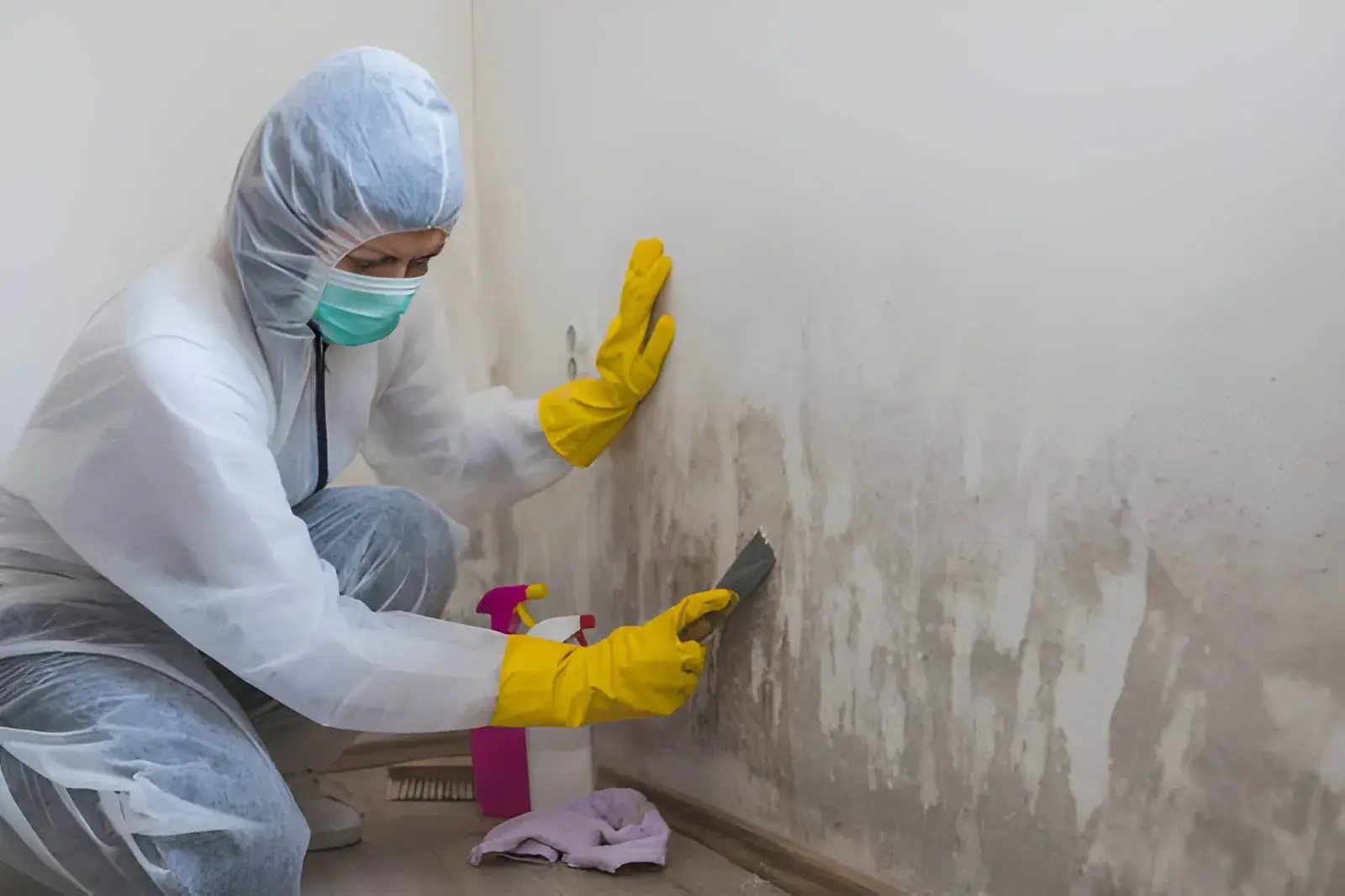
Team arrives with containment materials, HEPA air filtration, moisture detection equipment, and personal protective gear. Containment is established and assessment begins immediately.
Scope determined, remediation protocol established, documentation started. You know exactly what the process involves, what the timeline looks like, and what clearance testing will verify.
You have discovered mold in your home, or you suspect it is growing behind walls where moisture has been present. In the Florida Panhandle, mold does not wait and neither should you. X Response exists for exactly this situation. When you reach out, your licensed remediation team is mobilized within minutes and on site within the hour. From that point forward, one team manages everything: assessment, containment, removal, clearance testing, and documentation. You are never left guessing about the process or the results. Call now. Your team is standing by.
Why Panama City Homes Are Vulnerable to Mold
Panama City, acting as the coastal hub of Bay County, Florida, possesses a subtropical climate that creates year-round conditions favorable to mold growth. Average relative humidity in the Panhandle routinely exceeds 70%, soaring even higher during the dense summer months. Under Florida Statute Chapter 468, Part XVI, anyone who performs mold assessment or mold remediation on areas greater than 10 square feet must hold a state license issued by the Department of Business and Professional Regulation. This licensing requirement exists because Florida's coastal climate makes mold a persistent structural and health concern that requires trained professionals to address safely. The law mandates that the assessor and the remediator be different parties to ensure independent verification, protecting Panama City homeowners from conflicts of interest and guaranteeing the remediation meets rigorous state standards.
Mold issues in Panama City often stem from the interaction between its high humidity, unique coastal construction methods, and frequent water intrusion events. Homes built on traditional slab-on-grade foundations trap moisture beneath flooring, creating unseen incubators for mold. The area is also exposed to severe tropical weather, such as Hurricane Michael, which left countless properties vulnerable to post-flood mold colonization when water was not fully extracted from structural cavities. Furthermore, constant air conditioning usage in older homes frequently causes condensation on supply ducts in unconditioned attic spaces, allowing mold to flourish out of sight. In every scenario, the continuous moisture and warmth characteristic of the Emerald Coast accelerate mold colonization far beyond the rates seen in drier, temperate regions.
Year-Round Humidity and Condensation
Panama City's average annual humidity frequently drives indoor moisture levels above the 60% threshold for mold growth. Air conditioning systems dehumidify the air, but undersized or poorly maintained units struggle during the wettest summer months. Condensation forms on cold surfaces, particularly supply ducts in attics and exterior walls, providing the sustained moisture mold requires to colonize organic surfaces like drywall paper and wood framing without a plumbing failure or flood.
Post-Flood Mold Following Storm Surge
Water intrusion from storm surge and torrential tropical rainfall creates immediate mold conditions in Bay County. Following major hurricanes, homes that suffered flooding face rapid mold growth in wall cavities, beneath flooring, and behind cabinetry within 24 to 48 hours. Post-flood mold in slab-on-grade construction often remains concealed until musty odors emerge, by which time spores have typically spread throughout the HVAC system.
Slab-on-Grade Construction and Concealed Moisture
The high water table along the Gulf Coast mandates slab-on-grade construction for Panama City homes. Moisture migrates upward through the concrete via capillary action and becomes trapped beneath impermeable flooring like vinyl plank and tile. This creates a humid microenvironment where mold establishes and grows unseen. By the time homeowners detect the problem, the colony has often expanded into adjacent wall cavities.
HVAC Systems as Mold Incubators
Central AC systems run continuously for most of the year in Panama City. The evaporator coil constantly generates condensation, and if the drain clogs due to algae growth, water backs up into the air handler. The combination of dust, constant moisture, and dark spaces makes the HVAC system an ideal incubator for mold, which is then distributed to every room with every operating cycle.
Florida Licensing Requirements and Protocol
Florida law strictly regulates mold professionals. A DBPR-issued Mold Remediator license (MRSR) is required for physical remediation, and a Mold Assessor license (MRSA) is required for assessment. The law requires independent third-party verification to confirm that airborne spore counts have returned to acceptable levels before containment is released. Any remediation exceeding 10 square feet performed without an MRSR license in Panama City is illegal and may jeopardize insurance claims or real estate transactions.
These factors create an environment in Panama City where mold growth can originate from chronic humidity, severe tropical flooding, concealed slab moisture, or HVAC condensation failures. The constant coastal warmth accelerates colonization, making Florida's licensing requirements crucial to ensuring safe, independently verified remediation.
What Happens to Your Home While You Wait
Within 24 Hours
Microscopic mold spores begin germinating on wet surfaces. In Panama City's warm, humid environment, this occurs at the fastest end of the biological spectrum. Immediate, thorough drying can prevent growth, but once sustained moisture passes 24 hours, prevention transitions to remediation.
24 to 72 Hours
Visible mold growth appears on drywall and wood. The colony accelerates, producing enzymes that break down substrate materials for nutrition. Musty odors become detectable as volatile organic compounds are released, and spores become airborne, colonizing adjacent surfaces.
3 to 7 Days
Mold hyphae penetrate deep into the substrate of porous materials. Surface cleaning is no longer effective. Materials that could have been saved with rapid drying now require physical removal. If the HVAC system operates, spores are distributed throughout the home.
1 to 4 Weeks
Colonies spread aggressively through wall cavities and along structural framing. The mold generates its own metabolic moisture, expanding beyond the original leak. Indoor air quality severely degrades, potentially causing respiratory symptoms for occupants. The scope now involves multiple rooms.
One Month and Beyond
Extensive colonization exists throughout concealed spaces, and structural wood may be degraded. Remediation requires comprehensive containment, major material removal, HVAC decontamination, and multiple rounds of clearance testing, substantially increasing costs.
In Panama City's climate, the progression from a moisture problem to established mold contamination takes mere days. Contact X Response now. Our licensed team will assess your situation and begin containment immediately.
How We Restore Mold-Affected Panama City Homes
Mold remediation in Florida follows a strictly regulated process designed to protect occupants. Here is how our licensed team approaches each phase.
Licensed Assessment and Protocol Development
A Florida-licensed mold assessor (MRSA) inspects your property, identifies moisture sources, and collects air and surface samples. They write a formal remediation protocol specifying containment requirements, removal methods, and clearance criteria. This protocol governs the entire project.
Containment and Environmental Controls
We isolate the affected area using physical polyethylene barriers to create a negative-pressure enclosure. HEPA-filtered negative air machines ensure airborne spores are captured rather than distributed. The HVAC system is shut down and sealed to prevent cross-contamination during removal.
Mold Removal and Material Disposal
Contaminated porous materials, such as drywall and carpet, are cut out, bagged in sealed containers, and disposed of as contaminated waste. Non-porous materials are cleaned and treated with antimicrobial agents. HEPA air filtration runs continuously, and our workers wear full personal protective equipment.
HEPA Cleaning and Antimicrobial Treatment
After removal, all remaining surfaces receive thorough HEPA vacuuming to eliminate settled spores. EPA-registered antimicrobial treatments are applied to inhibit future growth. If HVAC contamination was identified, the ductwork and air handler receive separate, specialized treatment.
Post-Remediation Clearance Testing
An independent licensed mold assessor visually inspects the area and collects air samples for laboratory analysis. Clearance is granted when indoor spore concentrations are at or below outdoor ambient levels. Only after passing clearance testing is the containment released.
The X Response Difference
When you choose X Response in Panama City, you receive a Florida-licensed team that strictly adheres to the state-mandated three-party protocol.
Insurance Claim Guidance for Panama City Homeowners
Mold insurance coverage in Florida is complex. Most standard homeowner's policies cap mold coverage (typically $10,000) and only apply if the mold results from a covered peril, like a sudden pipe burst. Mold from chronic humidity or long-term leaks is generally excluded. Understanding your policy and tying the mold to a covered water event is crucial.
How X Response Helps
- Document the moisture source causing the mold to establish it as a covered peril.
- Provide the licensed mold assessment with laboratory results proving the scope of contamination.
- Align the remediation protocol with your policy's coverage categories.
- Document the connection between mold and prior covered water damage to maximize your claim.
- Provide independent post-remediation clearance documentation to support final claim payment.
X Response does not file claims on your behalf or make coverage determinations. We provide rigorous documentation to support your claim process. Coverage decisions are made solely by your insurance carrier.
Certified Restoration Specialists Serving Panama City
When you contact X Response for mold remediation in Panama City, your team holds active Florida DBPR Mold Remediator (MRSR) licensing. They have mitigated post-hurricane mold, chronic humidity-driven growth, and concealed slab-level contamination common to Bay County. They execute work within the protocols written by independent assessors, ensuring regulatory compliance.
Every technician carries current IICRC AMRT certification. We utilize commercial HEPA-filtered negative air machines, advanced air sampling equipment, and adhere to IICRC S520 Standards. From initial containment to independent clearance, one licensed team manages your project with uncompromised quality controls.
In Panama City, X Response works with Coastal Emergency Restoration, an independent local restoration partner serving Bay County.
Mold Remediation FAQ for Panama City Homeowners
Other Emergency Services in Panama City
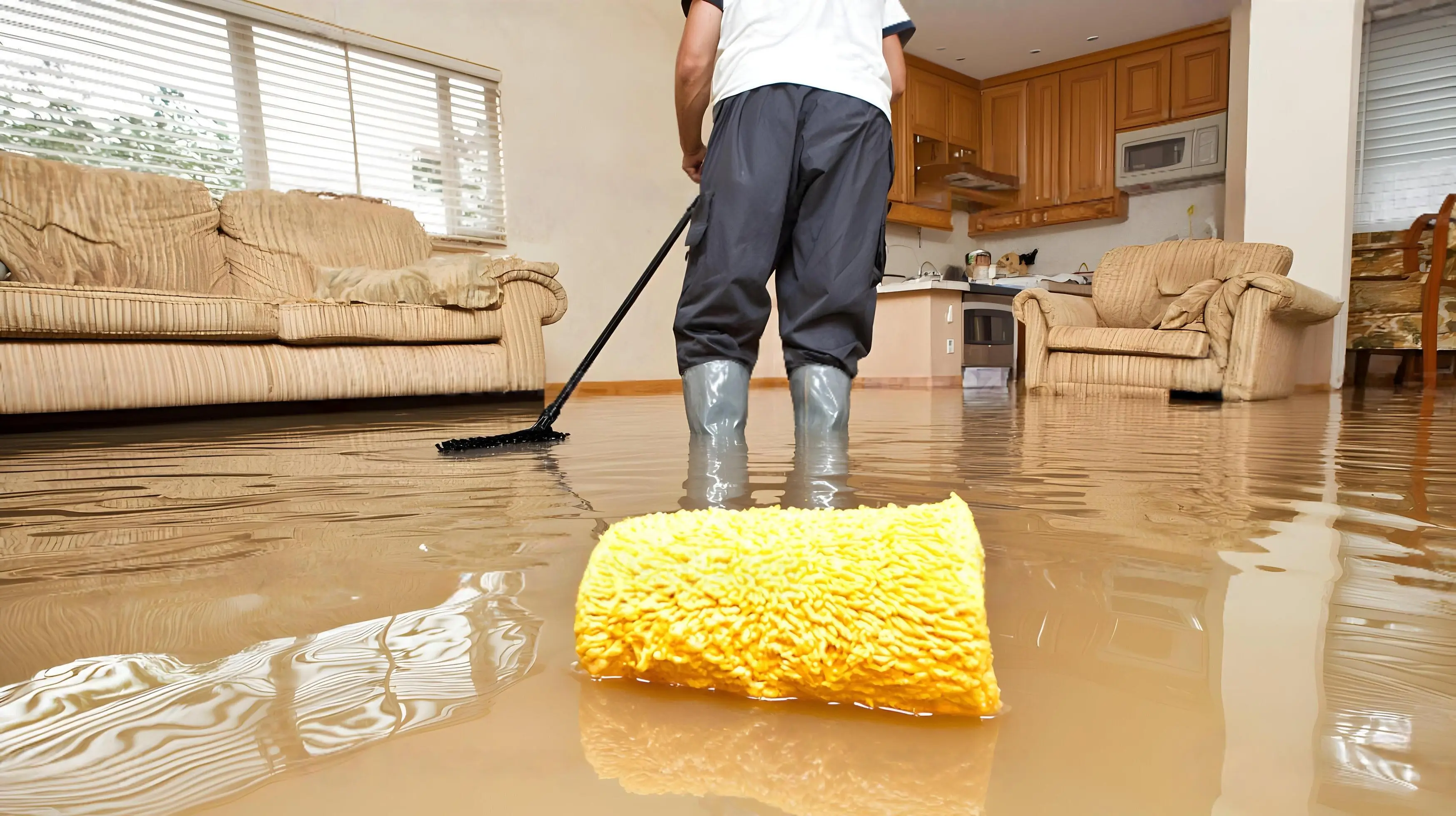
Water Damage Restoration
Burst pipes, storm flooding, standing water. We extract, dry, and restore before mold sets in.
Learn more
Fire Damage Restoration
Structural damage, soot, debris. We stabilize, clean, and rebuild what fire destroyed.
Learn more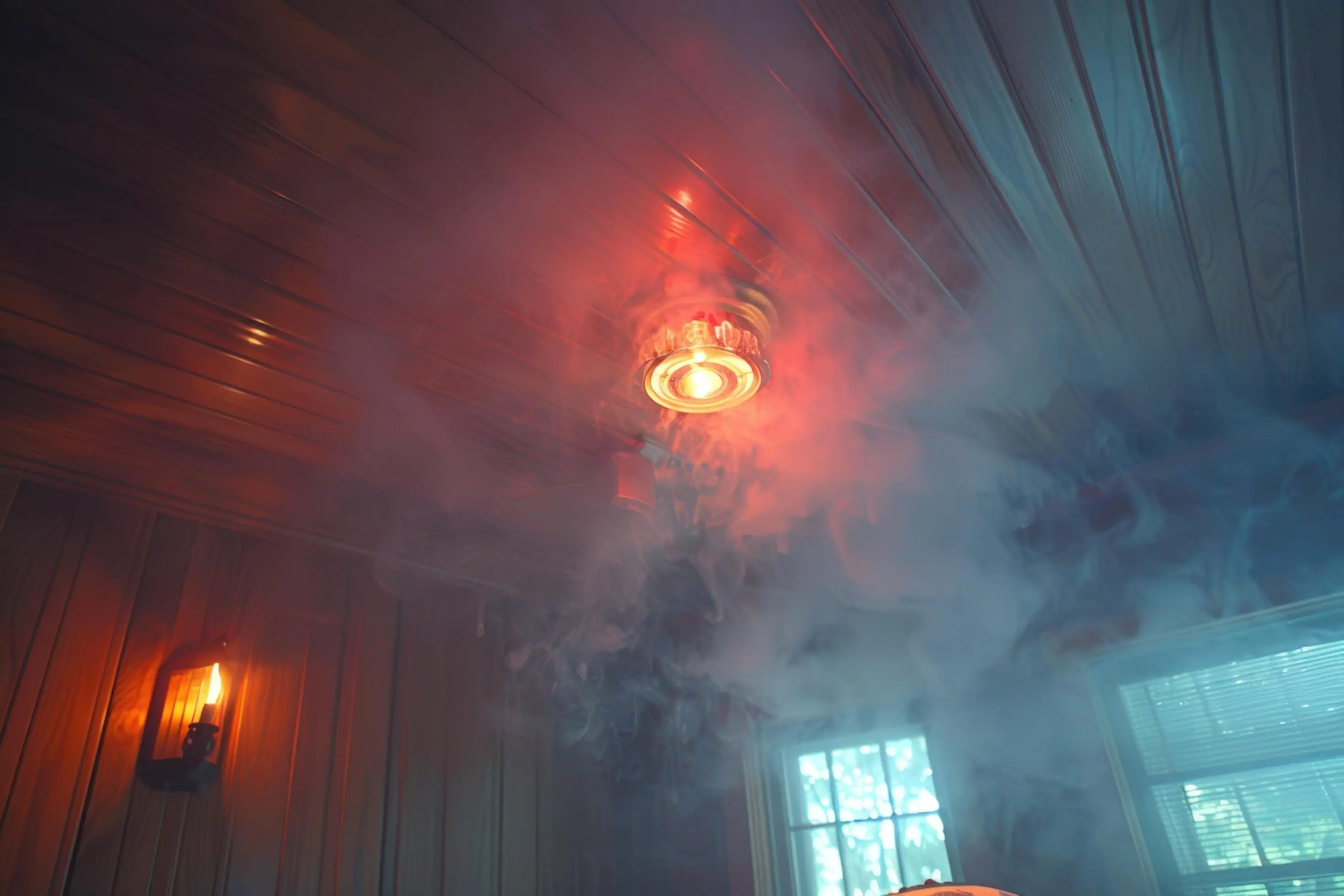
Smoke Damage Restoration
Soot residue, chemical odors, HVAC contamination. We decontaminate surfaces, eliminate odors, and restore air quality.
Learn more