
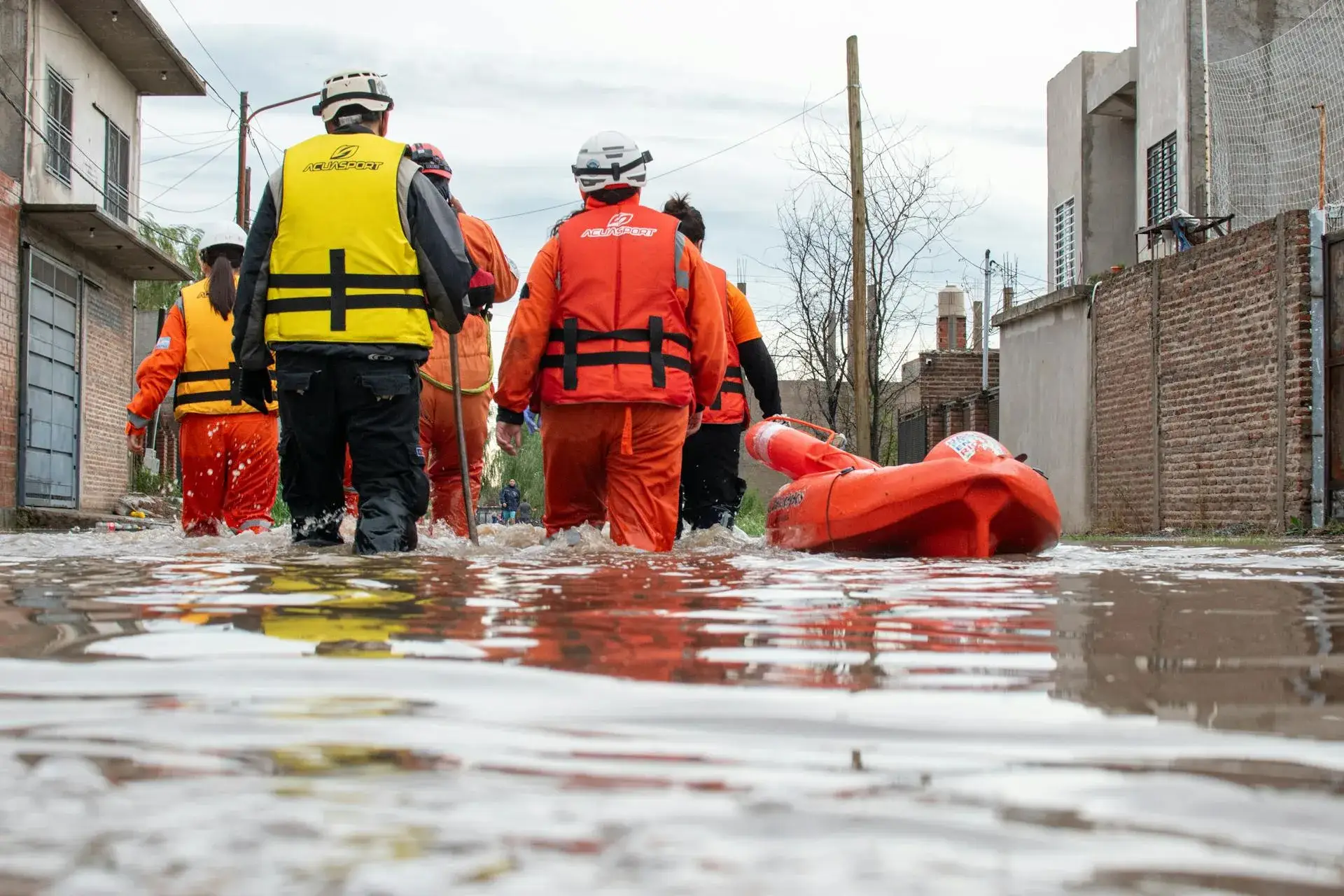
Water Damage Restoration in Panama City, FL
Every hour of standing water deepens structural damage and accelerates mold colonization in the Gulf Coast heat. Our local team responds to emergencies within 60 minutes.
What Happens When You Call
A real person answers, not a call center. We assess your situation, ask the right questions, and begin coordinating your response immediately.
Your dedicated restoration team is dispatched from our local base serving Panama City and surrounding Bay County communities.
Team arrives with industrial extractors, commercial dehumidifiers, and moisture detection equipment. Emergency mitigation begins immediately.
Water extracted, drying equipment placed and calibrated, restoration plan documented. You know exactly what comes next.
Water is moving through your home and you need it stopped now. Not after a callback queue, not tomorrow morning. X Response exists for exactly this moment. When you reach out, your restoration team is mobilized within minutes and on site within the hour. From that point forward, one team manages everything: extraction, drying, documentation, and insurance guidance. You are never left guessing about the next step. Call now. Your team is standing by.
Why Panama City Homes Are Vulnerable to Water Damage
Panama City is the largest city between Tallahassee and Pensacola and serves as the county seat of Bay County, Florida. With a population of approximately 34,979, it is the population and economic center of the Florida Panhandle's Emerald Coast. Panama City's water damage risk stems from its low-lying coastal geography, extensive shoreline along St. Andrew Bay, and the intense tropical weather systems that frequently target the Gulf Coast. When tropical storms and hurricanes push into the Panhandle, they drive massive walls of water into the bay and deliver torrential rainfall that overwhelms the area's flat terrain and drainage systems. On October 10, 2018, Hurricane Michael made landfall as a catastrophic Category 5 storm, bringing an estimated 9 to 14 feet of storm surge and over 11 inches of rain that devastated Bay County. The storm proved that both coastal surge and extreme inland precipitation pose severe threats to homes across the city.
Panama City does not require a hurricane to experience damaging water intrusion. The community receives over 60 inches of annual rainfall, concentrated heavily in the summer thunderstorm season. Afternoon storms develop rapidly over the Gulf and track inland, delivering intense downpours that can exceed three inches in a short window. The high water table and sandy coastal soils quickly lose their capacity to absorb water during the wet season. As Bay County has continued to rebuild and develop, stormwater systems frequently struggle to handle the runoff from increasingly heavy rain events, leading to localized flooding in older residential neighborhoods. Homes built on traditional slab-on-grade foundations are particularly vulnerable when surface water rises, as water can easily enter at the ground level and wick into baseboards, drywall, and structural framing.
Gulf Coast Storm Surge and St. Andrew Bay
Panama City's location on St. Andrew Bay leaves it highly exposed to storm surge. When major tropical systems enter the Gulf of Mexico, the shallow continental shelf funnels rising water directly into the bay and its surrounding bayous. This surge can inundate coastal neighborhoods rapidly, bringing saltwater, mud, and biological contaminants into homes. Saltwater flooding is particularly destructive because it accelerates corrosion of electrical components and structural fasteners, requiring specialized extraction and cleaning protocols beyond standard fresh water damage restoration.
Torrential Summer Rainfall and High Water Tables
The Florida Panhandle experiences intense wet seasons characterized by daily, heavy thunderstorms. By late summer, the water table across Bay County rises significantly, saturating the sandy soil and eliminating its ability to buffer sudden downpours. When an afternoon storm drops multiple inches of rain, the water has nowhere to go. Stormwater drains back up, retention areas overflow, and water pools in streets and yards before entering low-lying homes. Properties that have never flooded during the dry winter months can experience severe water intrusion from a single August thunderstorm.
Slab-on-Grade Foundation Vulnerability
The vast majority of homes in Panama City utilize slab-on-grade construction due to the high water table, which makes basements impossible. When surface flooding occurs, water enters at the ground floor level simultaneously across the home. The porous concrete slab absorbs moisture through capillary action, holding it long after the visible water has receded. Baseboards, bottom plates of interior walls, and cabinetry sit directly on this slab, wicking moisture upward into materials that cannot be dried easily. Effective restoration requires extracting moisture from deep within the concrete to prevent ongoing damage and mold growth.
Aging Infrastructure and Plumbing Failures
Many residential neighborhoods in Panama City feature homes built decades ago, and their internal plumbing systems are reaching the end of their lifespan. Cast iron drain lines corrode and fail beneath concrete slabs, releasing water and sewage into the foundation fill. Supply lines made of outdated materials can burst suddenly, and water heaters located in garages can fail catastrophically. These internal leaks often go unnoticed for days or weeks, allowing water to seep under flooring and up into walls, causing extensive hidden damage before the homeowner detects a problem at the surface.
These factors combine in Panama City to create severe water damage risks from all directions: storm surge from the bay, overwhelmed drainage from torrential rains, vulnerable slab-on-grade foundations, and aging interior plumbing. Effective restoration requires recognizing the specific source of the water to apply the correct extraction, drying, and decontamination methods.
What Happens to Your Home While You Wait
Within 1 Hour
Water spreads across the slab and wicks into drywall, baseboards, and cabinetry at ground level. In Panama City's slab-on-grade homes, it penetrates beneath built-in furniture where it becomes trapped. The Panhandle's heat accelerates bacterial growth in standing water immediately.
1 to 24 Hours
Drywall wicks moisture upward from the slab and softens internally. Wood baseboards swell and begin to delaminate. Panama City's high humidity prevents natural evaporation, keeping materials saturated. Musty odors develop as bacteria multiply in the warm environment.
24 to 48 Hours
Mold colonization begins on drywall paper facing and inside wall cavities. The Gulf Coast's heat and humidity provide ideal conditions for mold to establish within 24 hours. Drywall loses structural integrity, and particleboard cabinets absorb water and lose their bonding agents.
48 to 72 Hours
Mold spreads into HVAC ductwork and distributes spores through the central air conditioning system. Contamination moves quickly beyond the original wet area. Restoration scope and cost increase sharply as more materials require removal rather than drying.
One Week and Beyond
Extensive mold growth spreads through wall cavities. The concrete slab continues releasing trapped moisture for weeks. Structural wood connections deteriorate, and what started as a water extraction job becomes full mold remediation and reconstruction.
In Panama City's coastal climate, the window between saving materials in place and gutting them to the studs is measured in hours, not days. Contact X Response now. Our team responds within 60 minutes.
How We Restore Water-Damaged Panama City Homes
From the moment our team arrives in Panama City, every step is documented, measured, and verified. Here is exactly what the restoration process involves.
Emergency Assessment and Documentation
Our team arrives with thermal imaging cameras and professional moisture meters to map the full extent of water intrusion in your Panama City home. We scan walls, flooring, and the slab perimeter to identify moisture migration paths invisible to the eye. For properties affected by storm surge or heavy rainfall flooding, we assess the contamination category since exterior floodwater carries bacteria and chemicals. Everything is documented with timestamped photos, moisture readings mapped by room, and a written scope of work.
Water Extraction
Standing water is removed using truck-mounted and portable extraction units. For Bay County homes flooded by storm surge, extraction involves contaminated water requiring specialized handling protocols. We extract from carpet and pad, pull water from beneath cabinetry, and use weighted extraction to draw moisture from the concrete slab itself. Removing water mechanically is crucial in a climate where outdoor humidity regularly exceeds 80 percent during the summer.
Structural Drying and Dehumidification
We position commercial dehumidifiers and high-velocity air movers to create airflow across every wet surface and draw moisture from wall cavities and the slab. Panama City's high humidity makes mechanical dehumidification essential, as opening windows only introduces more moisture. We dry wall cavities using injection port systems, extract moisture from the slab, and maintain negative air pressure to prevent cross-contamination. We take daily moisture readings until every material reaches its target moisture content.
Antimicrobial Treatment and Mold Prevention
Once surfaces reach target moisture levels, we apply EPA-registered antimicrobial treatments. In the Panhandle climate, mold can begin colonizing within 24 hours, so speed is critical. For flood events involving storm surge, we treat for biological contamination and extended exposure risks. HEPA air scrubbers run throughout the project to capture airborne spores. Any materials that cannot reach the dry standard safely are removed and disposed of.
Quality Verification and Completion
A final inspection verifies that all moisture readings have returned to acceptable levels and every treated area is clean and dry. We pay particular attention to the concrete slab, which can continue releasing moisture long after surfaces appear dry. Completion documentation includes before-and-after photos, final moisture readings, and a summary of all work performed, providing the evidence needed for your insurance claim.
The X Response Difference
When you contact X Response, you get a dedicated restoration team that manages everything from emergency mitigation to final quality verification in Panama City.
Insurance Claim Guidance for Panama City Homeowners
Water damage insurance claims in Florida depend heavily on the source of the water. Standard homeowner's policies typically cover sudden internal water damage like burst pipes or appliance leaks. However, flood damage from rising surface water, such as storm surge from St. Andrew Bay or heavy rainfall flooding, is generally not covered and requires a separate flood insurance policy through the NFIP or a private carrier. Understanding your policy is the critical first step.
How X Response Helps
- Document all damage with timestamped photos and a detailed scope of work from the first hour.
- Identify the water source clearly, as this determines whether your homeowner's or flood policy applies.
- Prepare documentation that aligns with Florida insurance requirements for a complete claim submission.
- Structure our restoration scope around standard coverage categories so your adjuster can evaluate it efficiently.
- Explain your policy's likely coverage and exclusions before you file, helping you understand your options.
X Response does not file claims on your behalf or make coverage determinations. We provide documentation to help you make informed decisions. Coverage decisions are made solely by your insurance carrier.
Certified Restoration Specialists Serving Panama City
When you contact X Response for a water damage emergency in Panama City, your restoration team consists of certified professionals who understand the specific challenges of Bay County. They know how homes in the Panhandle are constructed and how they react to the intense humidity and storm threats of the Gulf Coast. They have mitigated everything from hurricane storm surge to sudden plumbing failures in older coastal neighborhoods. This is a local team, positioned and ready to respond immediately.
Every technician holds current IICRC certification and carries appropriate Florida licensing. We use commercial-grade equipment, including truck-mounted extractors, high-capacity dehumidifiers, and thermal imaging cameras, ensuring we have the power to overcome the coastal humidity and reach the dry standard quickly before mold can take hold.
In Panama City, X Response works with Coastal Emergency Restoration, an independent local restoration partner serving Bay County.
Water Damage Restoration FAQ for Panama City Homeowners
Other Emergency Services in Panama City

Fire Damage Restoration
Structural damage, soot, debris. We stabilize, clean, and rebuild what fire destroyed.
Learn more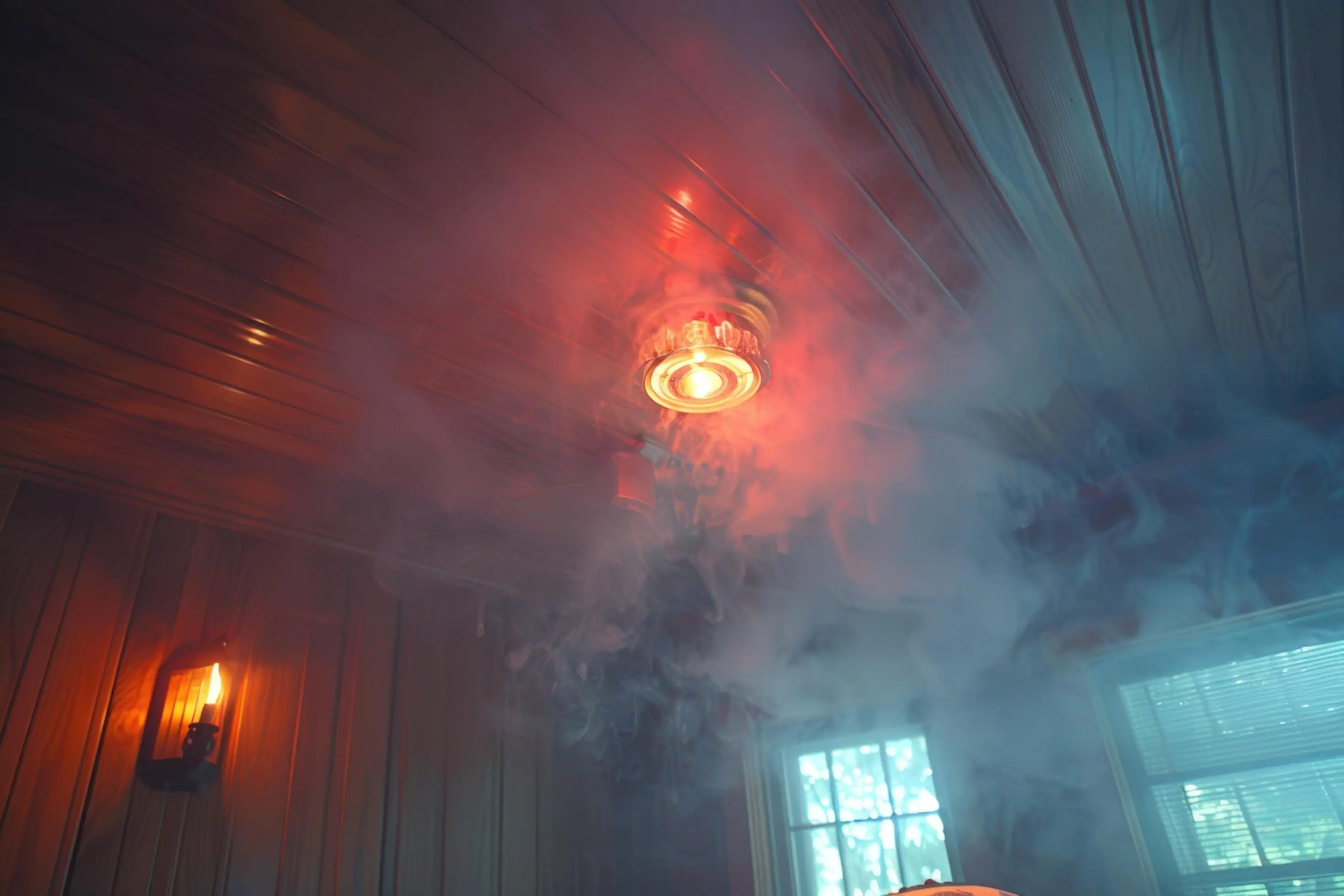
Smoke Damage Restoration
Soot residue, chemical odors, HVAC contamination. We decontaminate surfaces, eliminate odors, and restore air quality.
Learn more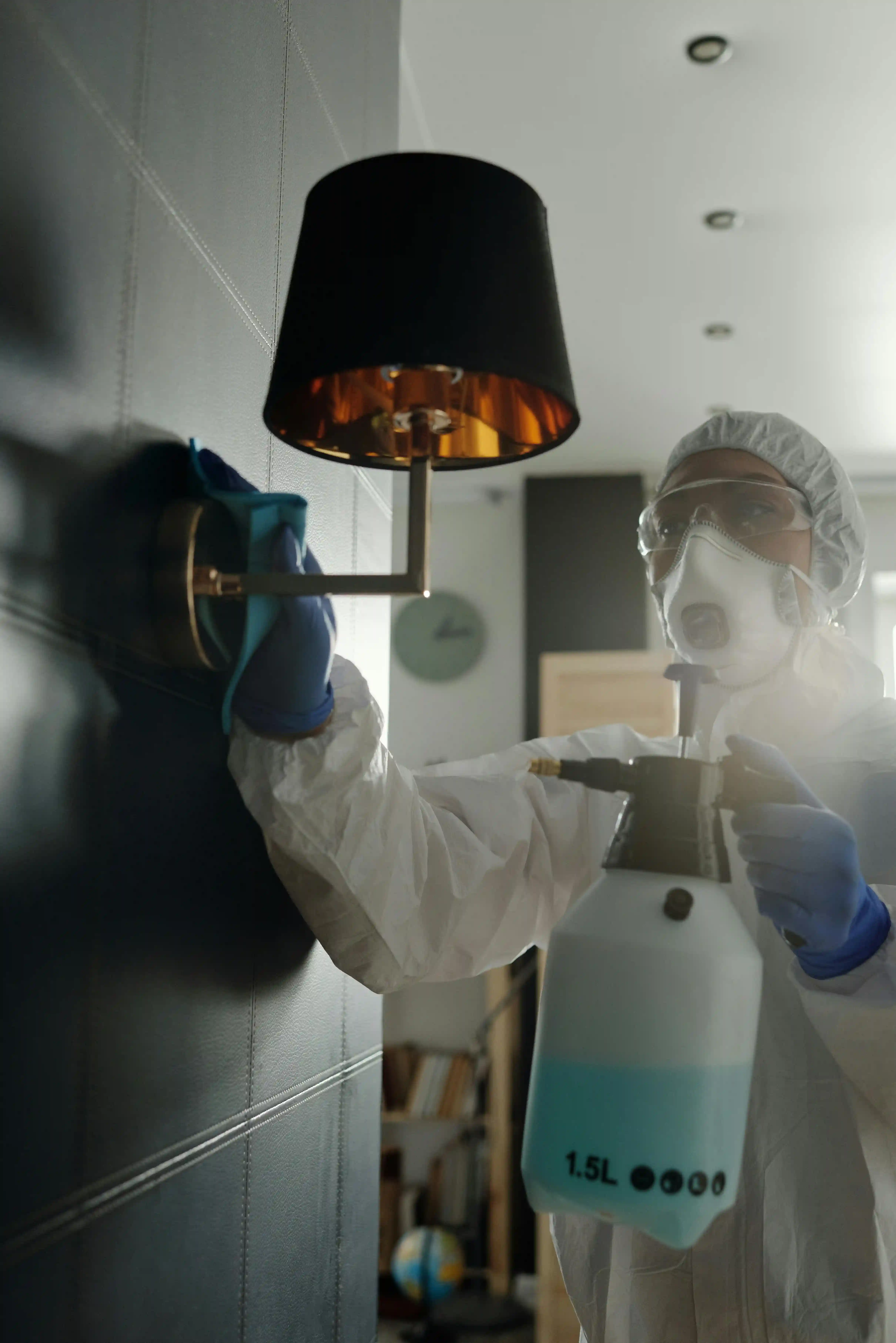
Mold Remediation
Testing, containment, removal, prevention. We find the source, eliminate the growth, and stop it from returning.
Learn more