
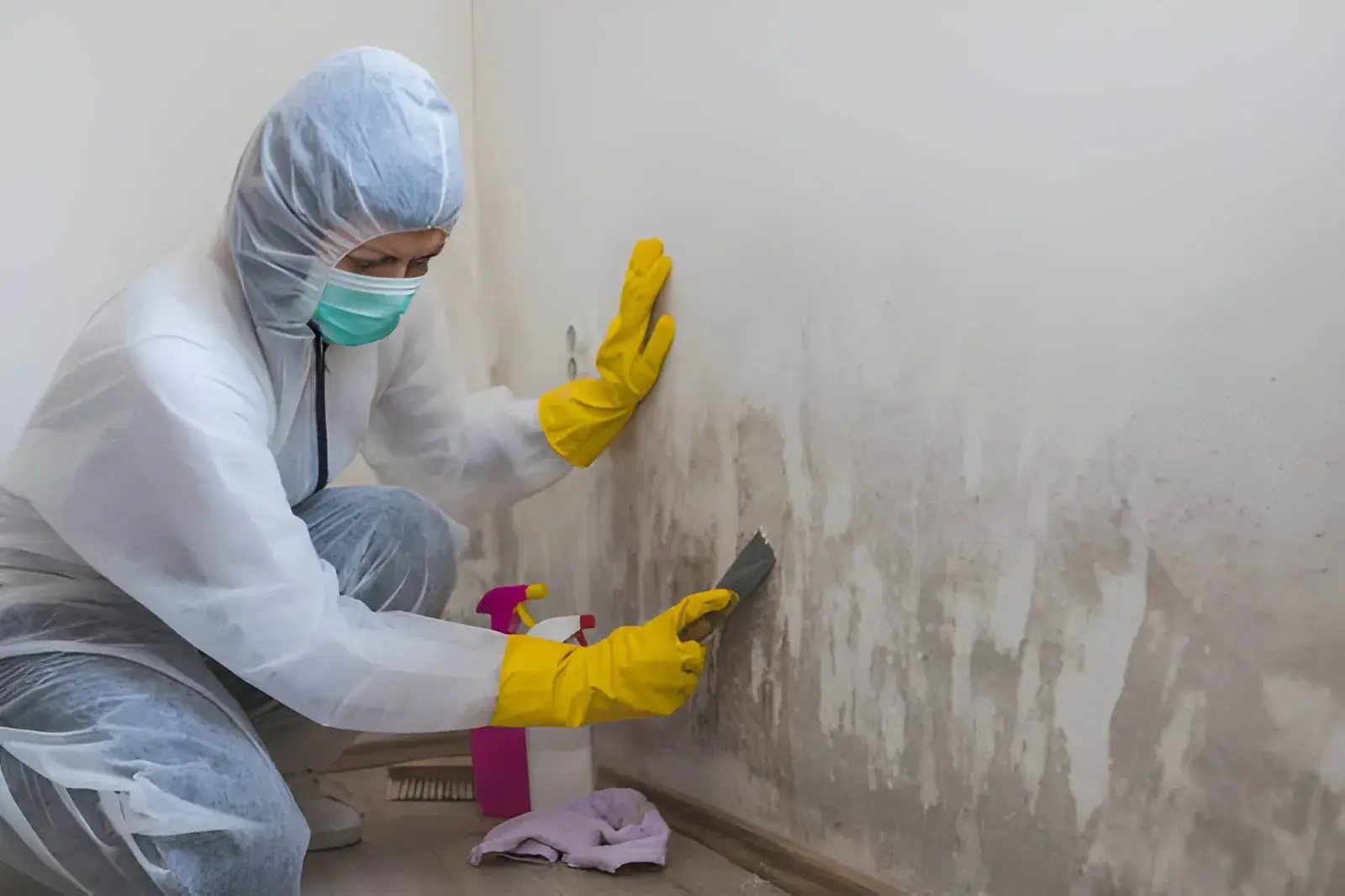
Mold Remediation in Greenwood, IN
Mold spreads behind walls and beneath floors where you cannot see it. Our certified local team responds to Greenwood mold emergencies within 60 minutes to contain the growth before it spreads further.
What Happens When You Call
A real person answers, not a call center. We assess your situation, ask about visible growth, musty odors, moisture history, and health concerns, then begin coordinating your response.
Your dedicated remediation team is dispatched from our local base serving Greenwood and the surrounding Johnson County communities.
Team arrives with moisture meters, thermal imaging, air sampling equipment, and containment materials. Assessment begins immediately to determine full scope.
Scope defined, containment established, remediation plan documented. You know exactly what the problem is, how we will address it, and what your insurance options are.
You have discovered mold in your home, or you suspect it is there based on a musty smell, visible staining, or health symptoms that worsen indoors. You need professionals who will identify the full scope of the problem, contain it, remove it safely, and prevent it from returning. X Response exists for exactly this situation. When you reach out, your remediation team is mobilized and on site quickly with the testing equipment, containment materials, and removal expertise to address the problem completely. Call now. Your team is standing by.
Why Greenwood Homes Are Vulnerable to Mold
Greenwood is a city of approximately 68,175 residents in Johnson County, Indiana, positioned in IECC Climate Zone 5A with a humid continental climate that produces hot, humid summers and cold winters. Summer dewpoints in central Indiana regularly exceed 65 degrees Fahrenheit from June through August, and average relative humidity runs high during morning hours throughout the warm season. Indiana does not require a state-specific mold remediation license, and Greenwood's Pleasant Creek, which drains approximately 1,700 acres through the city's downtown core, has a documented history of flooding that creates chronic moisture conditions in adjacent commercial and residential structures. The combination of regulatory absence, persistent flooding along creek corridors, and a climate that delivers sustained humidity six months of the year makes Greenwood particularly vulnerable to both mold development and inadequate remediation by unqualified providers.
Unlike the Hamilton County cities north of Indianapolis that have seen rapid growth primarily since the 1990s, Greenwood's housing stock spans a wider age range: 1960s and 1970s ranch homes in the original city core, manufactured housing communities like Friendly Village along the creek corridors, 1980s and 1990s developments spreading south and west, and 2000s through 2020s subdivisions in the western growth corridor. Each era of construction brought different foundation types, ventilation approaches, and moisture management strategies. The older homes along Madison Avenue often sit on crawl spaces with original vapor barriers that have deteriorated over five decades. The manufactured housing uses materials and construction techniques that trap moisture differently than stick-built homes. The newer western subdivisions were built on formerly agricultural land where water tables remain high from decades of field drainage. This diversity means mold problems in Greenwood originate from different moisture sources and require different remediation approaches depending on when and how the home was built.
Pleasant Creek Chronic Flooding and Adjacent Moisture
Pleasant Creek drains 1,700 acres of urban runoff through Greenwood's downtown core and commercial corridor. The creek's documented history of flooding, including the 2015 sinkhole incident at a $1.2 million stabilization project and the creation of a Riverfront Development District in 2019, demonstrates that properties adjacent to the creek face repeated water exposure. For structures along the creek corridor, particularly commercial buildings in the Market Plaza area and residential properties along streets that parallel the channel, chronic moisture conditions exist even between flood events. The creek maintains an elevated water table in the immediately surrounding soil, and seasonal high water pushes groundwater laterally into foundations. These conditions create persistent dampness in below-grade spaces and crawl areas that supports mold colonization year-round, not just after dramatic flood events.
Friendly Village and Manufactured Housing Mold Risk
The Friendly Village mobile home community experienced devastating floods documented by WTHR in 2016, with residents reporting feeling abandoned during the events. Manufactured housing that has been repeatedly flooded faces chronic mold risk that differs from conventional construction. Manufactured homes sit on piers or runners close to the ground, with a belly board beneath that traps moisture when flooding occurs. The interior walls use thinner materials with less moisture buffering capacity. Insulation between the floor and belly board absorbs water and retains it for weeks, creating a mold incubation environment beneath the living space that occupants cannot see or easily access. Repeated flooding without full structural drying between events establishes colonies that persist indefinitely. For residents of these communities, mold is often a chronic condition of the structure rather than an isolated incident.
Western Growth on High Water Table Agricultural Land
Greenwood's western expansion along the Turkey Pen Creek and Honey Creek corridors developed thousands of housing units on land that was previously agricultural. Farm fields have drainage tile systems that manage water tables for crop production, and when subdivisions replace those fields, the underlying hydrology does not change. Water tables that supported agriculture remain high, and the drainage tile that managed them is often disrupted or removed during construction. Newer homes in the western corridor may experience crawl space or basement moisture issues within their first few years as the disturbed water table equilibrates with the new construction. The $62 million Western Regional Interceptor project completed in 2022 followed Turkey Pen Creek and Honey Creek through this corridor, and the extensive excavation and regrading associated with that project further altered subsurface drainage patterns in adjacent properties.
Mixed Foundation Types and Ventilation Approaches
Greenwood's diverse housing stock creates a variety of mold-vulnerable conditions. Homes from the 1960s and 1970s near the city center typically have crawl spaces with passive ventilation, where foundation vents allow humid summer air to enter the cool crawl space and condense on floor joists and subfloor sheathing. This was standard practice when the homes were built but is now recognized as a primary cause of crawl space mold. Newer homes in western subdivisions may have conditioned crawl spaces or slab-on-grade foundations that manage moisture differently but create their own vulnerabilities when construction defects or grading issues allow water intrusion. Some established neighborhoods have full basements that face hydrostatic pressure from Johnson County's clay soils holding moisture against foundation walls. Each foundation type requires a different moisture management and remediation approach.
No State Regulatory Floor for Mold Remediation
Indiana does not require a state-specific mold remediation license. Unlike states such as Florida, Texas, or New York that regulate mold work directly, Indiana has no mold-specific licensing program, registration requirement, or mandatory consumer disclosure rules. Mold remediation is performed under general contractor licensing through the Indiana Professional Licensing Agency, but there is no mold-specific credential required. Any contractor can advertise mold remediation services in Greenwood regardless of training, certification, or experience. For homeowners, this regulatory gap means verifying credentials directly: confirming current IICRC WRT and AMRT certifications, appropriate liability insurance including mold coverage, and a written scope of work referencing IICRC S520 containment, removal, and clearance protocols. The absence of state oversight makes these industry certifications the only meaningful quality indicator available to Johnson County consumers.
Mold in Greenwood is driven by a combination of factors that work together across the city's diverse housing stock. Pleasant Creek's chronic flooding keeps adjacent structures damp year-round. Manufactured housing communities with flood histories harbor persistent colonies beneath living spaces. Western growth corridors on former agricultural land sit above high water tables that rise into new foundations. Older crawl spaces with passive ventilation pull humid summer air against cool surfaces where condensation feeds mold. And the state provides no regulatory protection against unqualified providers performing inadequate work. Effective mold remediation in Greenwood requires understanding the specific moisture source driving each property's problem, containing the affected area properly, removing growth safely following IICRC S520 protocols, and addressing the underlying moisture pathway so the problem does not return.
What Happens to Your Home While You Wait
24–48 Hours After Water Event
Mold spores, which are always present in indoor air, begin colonizing wet organic surfaces. In Greenwood's humid climate, the colonization window is tight because ambient moisture supports rapid germination. Hidden areas including wall cavities, crawl space framing, and beneath flooring are first to colonize because they stay wet longest and have limited airflow to assist drying. At this stage, prompt drying can still prevent mold establishment.
3–7 Days
Visible mold colonies appear on drywall surfaces, wood framing in crawl spaces, and any organic material that remained wet. Growth accelerates as colonies establish and begin producing spores. In Greenwood's warm seasons when temperatures support rapid reproduction, colonies can cover multiple square feet within a week. The musty odor characteristic of active mold growth becomes noticeable in the affected area.
1–4 Weeks
Mold penetrates into the substrate rather than growing only on the surface. Drywall paper, wood grain, and insulation backing become colonized at depth, making surface cleaning insufficient. In crawl spaces with passive ventilation, the mold has spread along floor joists and subfloor sheathing following the moisture pathway. Spores enter the HVAC system and begin distributing to other areas of the home through the forced-air system.
1–3 Months
Extensive colonization across all surfaces that remained damp. Structural wood begins showing surface degradation. The HVAC system distributes spores throughout the home, seeding new colonies wherever moisture exists. Indoor air quality has deteriorated significantly, and occupants typically report musty smell throughout the home rather than in one area. Health symptoms in sensitive individuals may include respiratory issues, sinus congestion, and allergic reactions.
3 Months and Beyond
Deep structural involvement. Wood framing shows measurable degradation at connection points. Multiple colonies throughout the home, including in HVAC ductwork, behind walls far from the original moisture source, and throughout crawl spaces or basements. Remediation at this stage involves extensive material removal, structural assessment, and potential framing replacement rather than surface treatment. The project scope and cost increase substantially the longer mold goes unaddressed.
The timeline from water event to severe mold damage is measured in days and weeks, not months. The earlier you address both the moisture source and any growth that has started, the less invasive and expensive the remediation. Contact X Response now. Our Greenwood team assesses mold situations quickly and contains growth before it spreads further.
How We Restore Mold-Affected Greenwood Homes
Professional mold remediation follows IICRC S520 protocols that prioritize containment, safe removal, and verification. Here is exactly how the process works in Greenwood homes.
Inspection, Testing, and Scope Definition
Our team conducts a thorough inspection using moisture meters, thermal imaging, and visual assessment to identify all areas of mold growth and the moisture source feeding it. In Greenwood homes with crawl spaces, that means entering the crawl space to inspect joists, subfloor, and sill plates directly. For homes near Pleasant Creek or in the western growth corridor with high water tables, we check for ongoing moisture intrusion that would allow mold to return after remediation. Air sampling and surface sampling may be collected to identify mold species and establish baseline spore counts. The inspection produces a written scope of work that defines exactly what will be remediated, how containment will be established, and what verification will confirm successful completion.
Containment and HVAC Isolation
Before any mold is disturbed, the affected area is isolated from the rest of the home using polyethylene sheeting and negative air pressure maintained by HEPA-filtered air scrubbers. This prevents spores released during removal from migrating to unaffected areas. The HVAC system is shut down and supply and return registers in the work zone are sealed to prevent spore distribution through ductwork. In Greenwood homes where mold is in the crawl space, containment may include sealing floor penetrations including plumbing chases, HVAC trunk connections, and electrical runs to prevent spore migration upward through the stack effect during remediation.
Mold Removal and Material Disposal
Mold-contaminated materials are removed following IICRC S520 protocols. Porous materials with mold growth, including drywall, insulation, carpet, and paper-faced materials, are cut away and double-bagged within the containment zone for disposal. Non-porous and semi-porous materials like wood framing are treated in place: HEPA vacuumed to remove surface spores, then sanded or media-blasted to clean wood where growth has penetrated the grain. In Greenwood crawl spaces with mold on floor joists, each joist is individually treated with abrasive cleaning followed by antimicrobial application. All waste is removed through the containment barrier without crossing clean spaces.
Antimicrobial Treatment and Encapsulation
After removal of contaminated materials and cleaning of structural surfaces, EPA-registered antimicrobial agents are applied to all surfaces within the remediation zone. For crawl spaces, a comprehensive encapsulation system is typically recommended: treating all wood surfaces with antimicrobial, installing a heavy-duty vapor barrier sealed to foundation walls, and optionally adding a dehumidifier to maintain humidity below 60 percent year-round. For basements in Johnson County's clay soils where hydrostatic moisture intrusion is ongoing, interior drainage and waterproofing may be necessary to prevent mold recurrence. The goal is eliminating the moisture pathway that created the mold problem, not just removing the current growth.
Post-Remediation Verification
After remediation is complete and the containment is still in place, a final inspection and clearance testing verify that the work was successful. Visual inspection confirms all visible mold has been removed. Moisture readings verify that the substrate has dried to acceptable levels. Air sampling compares post-remediation spore counts against the baseline taken before work began and against outdoor ambient levels. The remediation passes clearance only when post-work spore counts are at or below outdoor levels and no visible growth remains. Documentation including before-and-after photos, lab results, and a completion report is provided for your records and any insurance claim.
Moisture Source Correction
Mold remediation without addressing the moisture source guarantees recurrence. Based on the inspection findings, we recommend and can implement corrections: crawl space encapsulation for homes with soil moisture issues, improved drainage for properties near Pleasant Creek or on the western high water table, foundation waterproofing for basements with hydrostatic intrusion, HVAC modifications to manage humidity, plumbing repairs for slow leaks, and ventilation improvements for bathrooms and kitchens. In Greenwood's climate, controlling indoor humidity below 60 percent year-round is the single most important factor in preventing mold establishment.
The X Response Difference
When you contact X Response for mold remediation in Greenwood, you get IICRC-certified professionals who follow S520 protocols, contain the work area, remove what cannot be cleaned, verify results with lab testing, and address the underlying moisture problem. In a state with no mold licensing requirement, our certifications, protocols, and verification standards are your protection.
Insurance Claim Guidance for Greenwood Homeowners
Mold insurance coverage in Indiana is limited and depends heavily on the source of the moisture that caused the mold. Most standard homeowner's policies exclude mold unless it resulted directly from a covered water damage event such as a burst pipe or appliance failure. If a covered water event occurred and mold developed because of delayed response, the mold remediation may be covered under the original water damage claim. Mold caused by long-term maintenance issues, groundwater seepage, humidity, condensation, or flooding (which requires separate flood insurance) is typically excluded. Many Indiana policies also carry mold-specific sublimits of $5,000 to $10,000 even when mold is covered, which may not cover the full remediation cost for extensive growth.
How X Response Helps
- Determine immediately whether the mold resulted from a covered water damage event and report it under that original claim
- Document the moisture source and when it was discovered, as timing affects coverage determinations
- Photograph all visible mold growth and document its location relative to the water source
- Check your policy for mold-specific sublimits that may cap coverage below the actual remediation cost
- Obtain air sampling results that quantify the extent of contamination for your adjuster
X Response does not file claims on your behalf, adjust claims, or make coverage determinations. We provide documentation and guidance to help you make informed decisions about your property and your policy. Coverage decisions are made solely by your insurance carrier.
Certified Restoration Specialists Serving Greenwood
When you contact X Response for mold remediation in Greenwood, your team is drawn from IICRC-certified professionals who work across Johnson County and understand the specific moisture and mold patterns in this city. They have remediated crawl space mold in the older homes along Madison Avenue where passive ventilation and clay soils create chronic conditions. They have addressed flood-related mold in manufactured housing communities where repeated water events establish persistent colonies. They have worked in the western growth corridor where high water tables on former agricultural land push moisture into newer foundations. They know that Greenwood's mold problems originate from different moisture sources depending on the property's age, location, and foundation type, and they adapt their approach accordingly.
Every technician holds current IICRC WRT and AMRT certifications, the industry standard for water damage and mold remediation professionals. In a state with no mold-specific licensing requirement, these certifications represent verified training in containment protocols, safe removal techniques, antimicrobial application, and post-remediation verification. Equipment includes HEPA air scrubbers, negative air machines, professional moisture meters, thermal imaging cameras, and antimicrobial application systems. Air sampling and clearance testing are performed through accredited laboratories.
In Greenwood, X Response works with The Cleaning Source, an independent local restoration partner serving Johnson County.
Mold Remediation FAQ for Greenwood Homeowners
Other Emergency Services in Greenwood
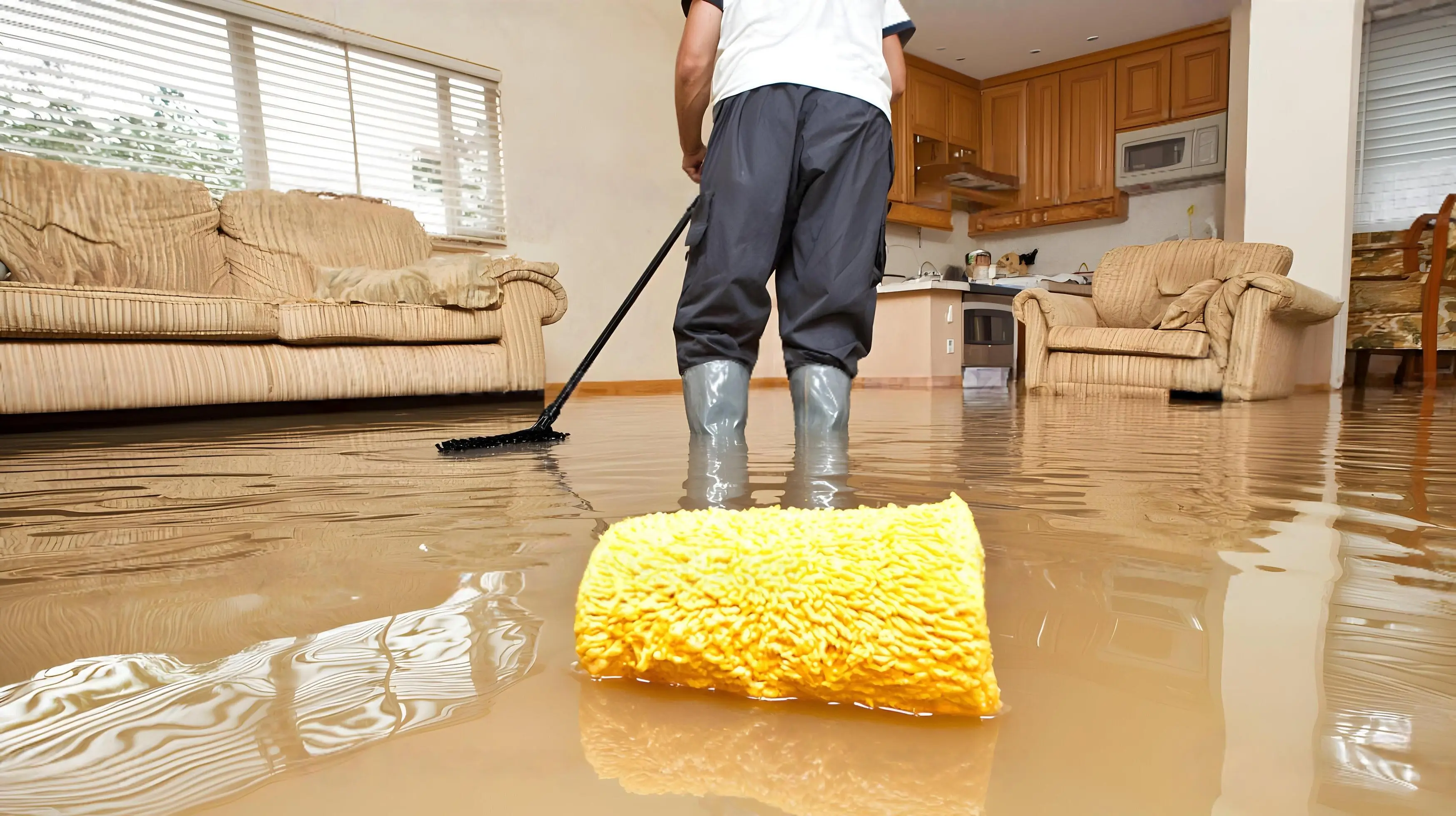
Water Damage Restoration
Burst pipes, storm flooding, standing water. We extract, dry, and restore before mold sets in.
Learn more
Fire Damage Restoration
Structural damage, soot, debris. We stabilize, clean, and rebuild what fire destroyed.
Learn more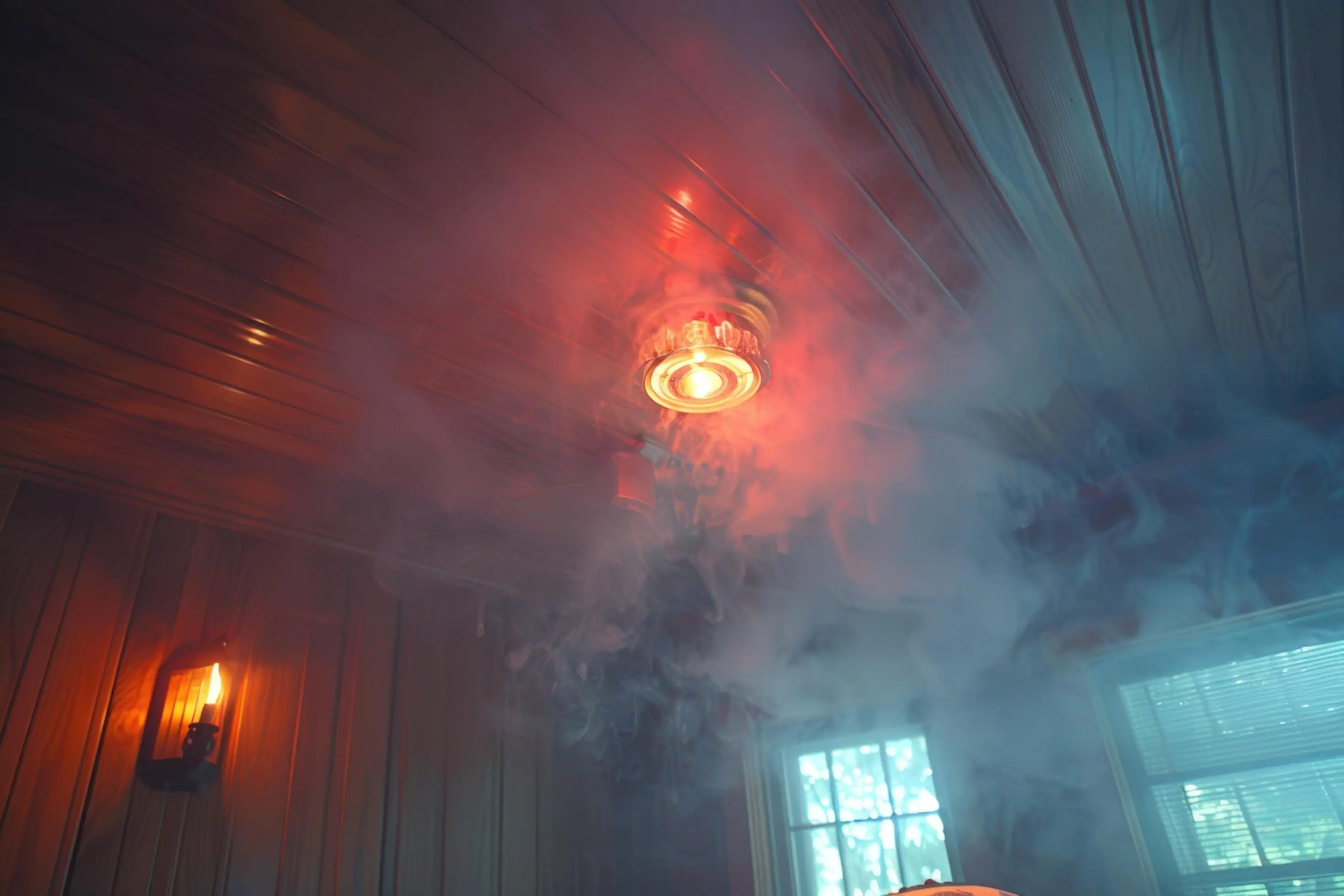
Smoke Damage Restoration
Soot residue, chemical odors, HVAC contamination. We decontaminate surfaces, eliminate odors, and restore air quality.
Learn more
Sewage Cleanup
Sewer backups, contaminated water, biohazard. We extract, sanitize, and restore safely.
Learn moreNearby Service Areas
Also serving nearby: