
Smoke Damage Restoration in Greenwood, IN
Smoke residue corrodes surfaces and bonds to materials within hours. Our local team responds to Greenwood emergencies within 60 minutes to stop the damage from setting permanently.
What Happens When You Call
A real person answers, not a call center. We assess the smoke source, affected areas, and urgency, then begin coordinating your response immediately.
Your dedicated restoration team is dispatched from our local base serving Greenwood and the surrounding Johnson County communities.
Team arrives with air quality testing equipment, HEPA filtration, and professional cleaning systems. Containment and initial cleaning begin immediately.
Contamination contained, HVAC isolated, cleaning plan documented. You know exactly what comes next and what your insurance needs.
Smoke damage is deceptive. The fire may be out or the source may be gone, but the contamination is active and spreading through your home right now. Soot corrodes metal, stains surfaces permanently, and fills your HVAC system with particulate that recirculates every time the blower runs. You need professional intervention before the damage sets. X Response exists for exactly this moment. When you reach out, your restoration team is mobilized within minutes and on site within the hour. Call now. Your team is standing by.
Why Greenwood Homes Are Vulnerable to Smoke Damage
Greenwood is a city of approximately 68,175 residents in Johnson County, Indiana, that experienced widespread airborne smoke exposure during the June 2023 Canadian wildfire events. The Indiana Department of Environmental Management issued statewide Air Quality Action Days on June 7-9 and again June 27-28, 2023, after Canadian wildfire smoke pushed fine particulate levels into the unhealthy range across all Indiana counties including Johnson County. Central Indiana, including the southern Indianapolis metro where Greenwood sits along I-65, experienced sustained PM2.5 concentrations that the EPA classified as unhealthy for all populations. The Knozone Action Day program for the Indianapolis metropolitan area declared nine separate action days during the summer of 2023. For Greenwood homeowners, these were not just outdoor air quality warnings. Fine particulate infiltrated homes through open windows, fresh air intakes, building envelope gaps, and weatherstripping deterioration, settling on interior surfaces and inside HVAC ductwork.
Beyond regional wildfire events, Greenwood faces concentrated local smoke exposure from its pattern of apartment fires along the US 31 corridor. The Polo Run Apartments fire in February 2024 displaced 33 residents from 12 units, producing a heavy smoke plume that settled across surrounding residential streets. The Clearview Apartments explosion and fire in December 2024 generated intense combustion products from the initial blast. The County Line Self Storage fire in January 2024 burned multiple units of stored materials, producing a prolonged heavy plume visible from I-65 that drifted over commercial and residential properties downwind. In July 2026, a hazmat evacuation on Park 800 Drive introduced chemical particulate exposure to the surrounding area. Each of these events demonstrates how Greenwood properties can sustain smoke damage from fires that never touch the structure directly.
Canadian Wildfire Smoke and Regional Infiltration
The June 2023 wildfire smoke events proved that Greenwood is vulnerable to smoke contamination from sources hundreds of miles away. IDEM issued Air Quality Action Days covering all Indiana counties on June 7-9 and June 27-28, 2023, and the Knozone program declared nine action days that summer across the Indianapolis metro. During these events, PM2.5 concentrations exceeded what the EPA classifies as unhealthy for all populations. Wildfire smoke particulate at 2.5 microns and smaller passes through standard residential HVAC filters (MERV 8 is typical), enters through building envelope gaps, and accumulates on interior surfaces, inside ductwork, and within soft goods. Greenwood's mix of older housing from the 1970s and 1980s with deteriorated weatherstripping and newer construction with mechanical fresh air intakes both allowed particulate infiltration through different pathways. A multi-day smoke event can deposit enough particulate to discolor surfaces, produce a persistent burnt smell, and degrade indoor air quality for weeks after outdoor conditions normalize.
Apartment Fire Smoke Plumes Along US 31
Greenwood's concentration of apartment complexes along the US 31 corridor creates repeated smoke exposure events for surrounding neighborhoods. When a multi-unit apartment fire burns, it produces a large-volume combustion plume that rises, drifts downwind, and deposits soot and smoke residue on properties across a wide area. The February 2024 Polo Run fire affected 12 units of burning residential materials: furniture, carpet, drywall, plastics, and personal belongings that produce dense, toxic smoke. Homes downwind received soot deposits on siding, vehicles, and outdoor surfaces, while those with open windows or running HVAC systems pulled contaminated air inside. Unlike wildfire smoke that produces a thin, widespread film, structural fire plumes deposit heavier soot particles that are visible immediately and corrosive to surfaces within hours. Repeated events in the same corridor mean some Greenwood neighborhoods receive multiple smoke exposures per year.
Commercial and Chemical Smoke Events
The County Line Self Storage fire in January 2024 demonstrated how commercial fires produce different and often more hazardous smoke than residential fires. Storage units contain unknown materials: paints, solvents, plastics, electronics, treated lumber, and household chemicals that produce complex combustion byproducts when burned together. The smoke from these mixed-material fires contains compounds not found in typical residential fire smoke and creates cleaning challenges that standard soot removal does not address. The July 2026 hazmat evacuation on Park 800 Drive introduced chemical particulate into the surrounding atmosphere, affecting properties even without visible fire. Greenwood's I-65 corridor commercial density, including warehouses, industrial facilities, and distribution centers, concentrates these higher-risk smoke sources near residential neighborhoods.
Older HVAC Systems in Established Neighborhoods
Greenwood's established neighborhoods built in the 1970s and 1980s along Madison Avenue and the original city core contain homes with HVAC systems that are 15 to 25 years old or older. These systems use MERV 4 to MERV 8 filters that capture large dust particles but allow fine smoke particulate to pass freely into the ductwork and recirculate throughout the home. Older ductwork with deteriorated seals at joints and connections allows smoke to enter the system even when the home's windows are closed. When smoke from any source, whether wildfire, apartment fire, or furnace puffback, enters these systems, the accumulation inside ductwork, on evaporator coils, and in the air handler cabinet persists indefinitely without professional cleaning. Every heating and cooling cycle pushes old contamination back into the living space, creating chronic air quality problems that homeowners attribute to other causes.
Furnace Puffbacks in Winter Heating Season
Greenwood's cold winters drive continuous furnace operation from November through March. Furnace puffbacks, which occur when unburned fuel ignites in the combustion chamber and blows soot backward through the system into the living space, are a recurring cause of whole-home smoke damage. A puffback can coat an entire home in fine oily soot within seconds, traveling through every supply register. The result is contamination on walls, ceilings, countertops, clothing, and food preparation surfaces from a single event. Older furnaces in Greenwood's established neighborhoods are most susceptible, particularly units with delayed ignition from aging burner assemblies or cracked heat exchangers. Because the soot distributes through the entire duct system, a puffback contaminates every room served by the furnace simultaneously, even rooms on different floors from the mechanical system.
Smoke damage in Greenwood comes from multiple sources, each producing different contamination types that demand different cleaning approaches. Canadian wildfire smoke deposits fine, widespread particulate across entire neighborhoods. Apartment fires along the US 31 corridor generate heavy combustion plumes that settle on downwind properties. Commercial fires near I-65 produce toxic mixed-material residue. Chemical events introduce industrial particulate. Furnace puffbacks distribute oily soot through the entire home in seconds. In every case, the forced-air HVAC system amplifies the exposure by distributing and recirculating contamination to every room. Effective restoration requires identifying the smoke source and type, cleaning all surfaces with appropriate techniques, decontaminating the HVAC system, and eliminating embedded odor at the molecular level.
What Happens to Your Home While You Wait
Within 1 Hour
Soot particles settle on all surfaces including those in rooms away from the smoke source. Acidic combustion residues begin etching metal fixtures, appliances, and plumbing hardware. Smoke odor penetrates soft materials: upholstery, carpet, clothing, and curtains begin absorbing the smell. The HVAC system pulls contaminated air through the return and distributes particulate to every supply register in the home.
1–24 Hours
Soot permanently stains grout, natural stone, and porous surfaces. Acidic residues corrode brass, copper, and chrome fixtures. Plastic surfaces yellow from chemical exposure. Smoke odor bonds chemically to painted walls and sealed surfaces, making surface wiping ineffective. In Greenwood's humid climate, moisture in the air helps soot adhere more aggressively to surfaces than in drier conditions.
24–72 Hours
Corrosion damage to metals becomes irreversible. Smoke-saturated attic insulation continues releasing odor into the living space through recessed lights and ceiling penetrations. Soot in HVAC ductwork has now been recirculated through multiple heating or cooling cycles, embedding deeper into the system and recontaminating any areas that were initially less affected. Materials that could have been cleaned on day one now require replacement.
72 Hours to One Week
Smoke odor fully penetrates wall cavities and structural wood. Surface cleaning can no longer reach the contamination, and thermal fogging or hydroxyl treatment of enclosed wall and attic spaces becomes necessary. Soft goods that were salvageable within the first day now require specialized ozone treatment or replacement. The restoration scope and cost have expanded significantly beyond what early intervention would have required.
One Week and Beyond
Permanent discoloration and corrosion across the home. HVAC system requires full replacement rather than cleaning if soot has reached the blower motor, evaporator coil, and supply plenum interior. Structural wood and insulation retain odor that cannot be eliminated without removal. Insurance claims become more complex as carriers question whether timely mitigation could have prevented the escalation.
Smoke damage gets worse with every hour of delay, not better. The contamination does not stabilize on its own. Contact X Response now. Our Greenwood team responds within 60 minutes to contain the damage and begin professional restoration before soot and odor set permanently.
How We Restore Smoke-Damaged Greenwood Homes
Smoke damage restoration follows a systematic approach that addresses both visible contamination and hidden residue throughout the structure. Here is exactly how the process works.
Source Identification and Containment
Our team identifies the smoke source and type, which determines the cleaning approach for the entire project. Protein-based soot from kitchen fires requires different chemistry than synthetic soot from plastics, which differs again from wildfire particulate or furnace puffback residue. We immediately isolate the HVAC system to stop recirculating contamination, establish containment between affected and unaffected areas, and deploy HEPA air scrubbers to begin clearing airborne particulate. In Greenwood homes where apartment fire smoke entered through open windows or building envelope gaps, we identify the infiltration pathway to determine the extent of interior contamination.
HVAC Isolation and Ductwork Assessment
The HVAC system is the primary distribution mechanism for smoke throughout any home. We isolate the system immediately, then assess the interior of ductwork, the evaporator coil, the air handler cabinet, and the supply plenum for contamination. In Greenwood's older homes along Madison Avenue with aging duct systems, joints and connections that have loosened over decades allow more smoke infiltration than sealed modern systems. We determine whether the ductwork can be professionally cleaned in place or whether sections require replacement based on the type and extent of soot accumulation inside the system.
Surface Cleaning and Soot Removal
All contaminated surfaces are cleaned using techniques matched to the soot type. Dry chemical sponges lift light residue without smearing. Wet alkaline cleaners break down heavy combustion deposits. Solvent-based agents address oily soot from petroleum products and synthetic materials. HEPA vacuuming removes loose particulate before wet methods are applied. In smoke events from apartment fires along the US 31 corridor, the heavy soot from burning residential materials requires aggressive cleaning of all surfaces in affected rooms, including ceilings, walls, trim, fixtures, and inside cabinets and closets where smoke penetrated.
Smoke Odor Elimination
Visible soot removal does not eliminate odor. Smoke molecules penetrate wall cavities, insulation, structural wood grain, and fabric fibers at a level that surface cleaning cannot reach. We use thermal fogging to penetrate enclosed wall and attic cavities with odor-neutralizing agents that reach the same spaces the smoke reached. Hydroxyl generators provide continuous air treatment that breaks down odor molecules without the ozone hazard to occupants and pets. In severe cases, sealed ozone treatment of individual rooms provides aggressive molecular oxidation. Johnson County's humidity means odor molecules bind more aggressively to surfaces, requiring more thorough treatment than drier climates.
Content Cleaning and Restoration
Smoke-affected contents are inventoried, categorized by salvageability, and either cleaned on site, sent to specialized facilities for restoration, or documented for insurance replacement. Soft goods including clothing, bedding, and draperies are treated through ozone chambers or professional laundering with odor-specific detergents. Electronics are assessed for internal soot contamination that can cause premature failure. Documents and photographs receive specialized dry-cleaning treatments. Hard goods are cleaned and deodorized. Everything is documented with photos and condition notes for your insurance claim.
Air Quality Verification and Completion
Before we consider the project complete, air quality testing confirms that particulate levels have returned to acceptable ranges and that no residual odor remains. The HVAC system is verified clean through visual inspection of ductwork interiors and a trial run that confirms no soot discharge from supply registers. All cleaned surfaces are inspected under appropriate lighting to confirm soot removal is complete. Documentation including before-and-after photos, air quality readings, and a full scope of completed work is provided for your insurance records.
The X Response Difference
When you contact X Response for smoke damage in Greenwood, you get a team that treats the contamination at every level, from surface soot through embedded molecular odor, with documented verification that the job is actually complete.
Insurance Claim Guidance for Greenwood Homeowners
Smoke damage insurance coverage in Indiana depends on the source of the smoke. If your home sustained smoke damage from a fire on your own property, whether a kitchen fire, furnace puffback, or electrical ignition, your standard homeowner's policy typically covers the restoration including soot cleaning, HVAC decontamination, content restoration, and odor elimination. If smoke damage resulted from a neighbor's fire, your policy still covers your losses, and you may have a subrogation claim against the neighbor's carrier. Wildfire smoke infiltration and outdoor air quality events present a coverage gray area that varies by carrier and policy language. Some policies cover smoke damage from any external fire source; others limit coverage to named perils that may not explicitly include regional wildfire smoke.
How X Response Helps
- Document the smoke source immediately, as coverage determination depends on it
- Photograph all contaminated surfaces, discolored materials, and soot deposits before any cleaning begins
- Inventory all affected contents with photos, descriptions, and condition notes
- Preserve samples of soot or residue if the source is unclear, as lab analysis can confirm smoke type
- Keep the HVAC system off and document its contaminated condition before cleaning begins
X Response does not file claims on your behalf, adjust claims, or make coverage determinations. We provide documentation and guidance to help you make informed decisions about your property and your policy. Coverage decisions are made solely by your insurance carrier.
Certified Restoration Specialists Serving Greenwood
When you contact X Response for smoke damage in Greenwood, your restoration team is drawn from certified professionals who work across Johnson County and understand the specific smoke exposure patterns in this city. They have cleaned homes affected by apartment fire plumes from the US 31 corridor, restored interiors after furnace puffbacks in older Greenwood homes, decontaminated ductwork infiltrated by wildfire smoke during the 2023 events, and addressed commercial smoke exposure from the I-65 corridor's industrial fires. They know the difference between protein soot from kitchen events, synthetic residue from burning plastics in apartment fires, oily puffback deposits from furnace malfunctions, and fine wildfire particulate, and they apply the correct cleaning chemistry for each.
Every technician holds current IICRC certification in fire and smoke restoration with training in odor control technology. Equipment includes HEPA air scrubbers, thermal foggers, hydroxyl generators, professional duct cleaning systems, and specialized cleaning chemistry for every soot type. When your team arrives, they bring everything needed to begin containment and restoration immediately, deployed from our local base serving Greenwood and Johnson County.
In Greenwood, X Response works with The Cleaning Source, an independent local restoration partner serving Johnson County.
Smoke Damage Restoration FAQ for Greenwood Homeowners
Other Emergency Services in Greenwood
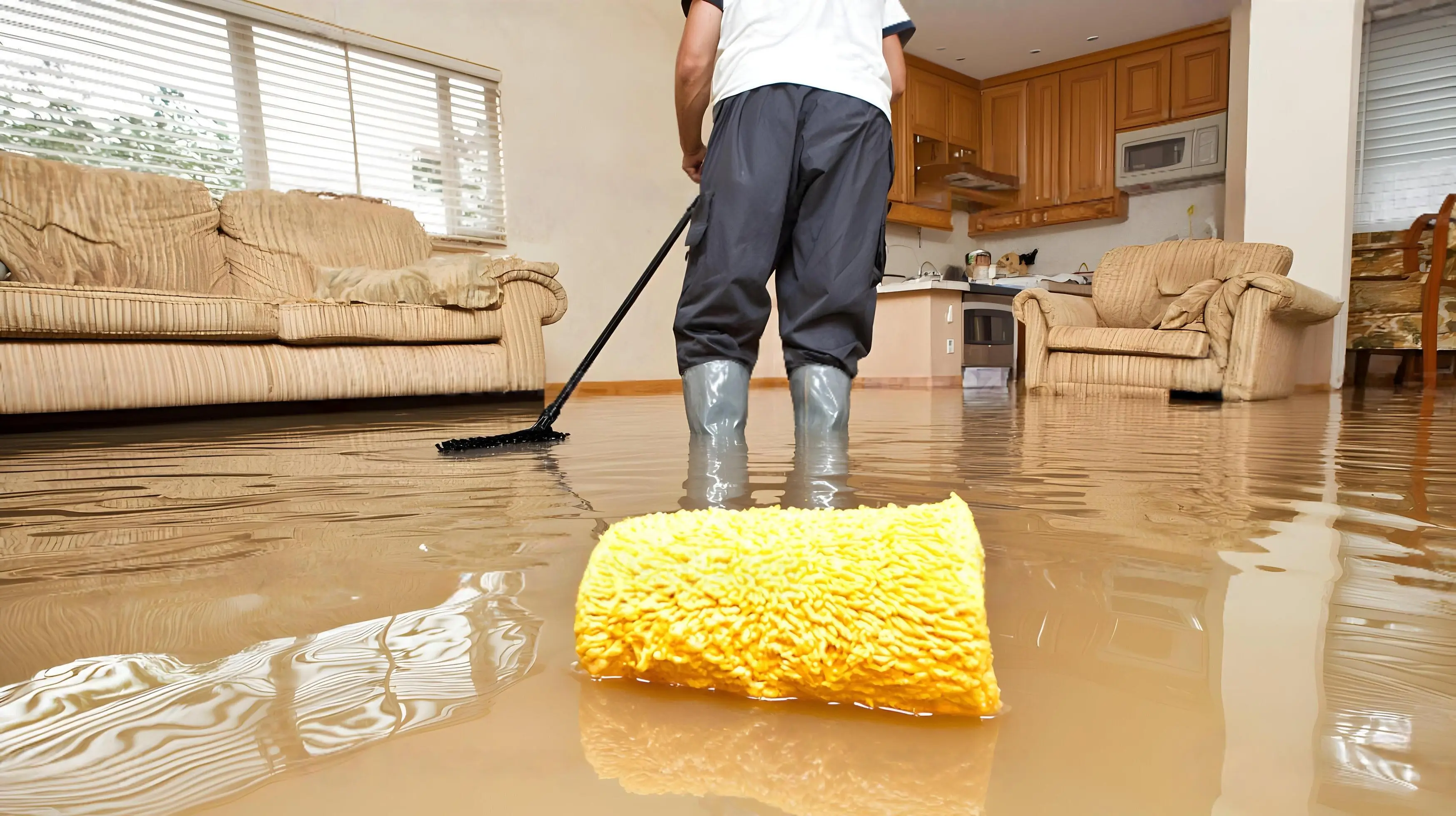
Water Damage Restoration
Burst pipes, storm flooding, standing water. We extract, dry, and restore before mold sets in.
Learn more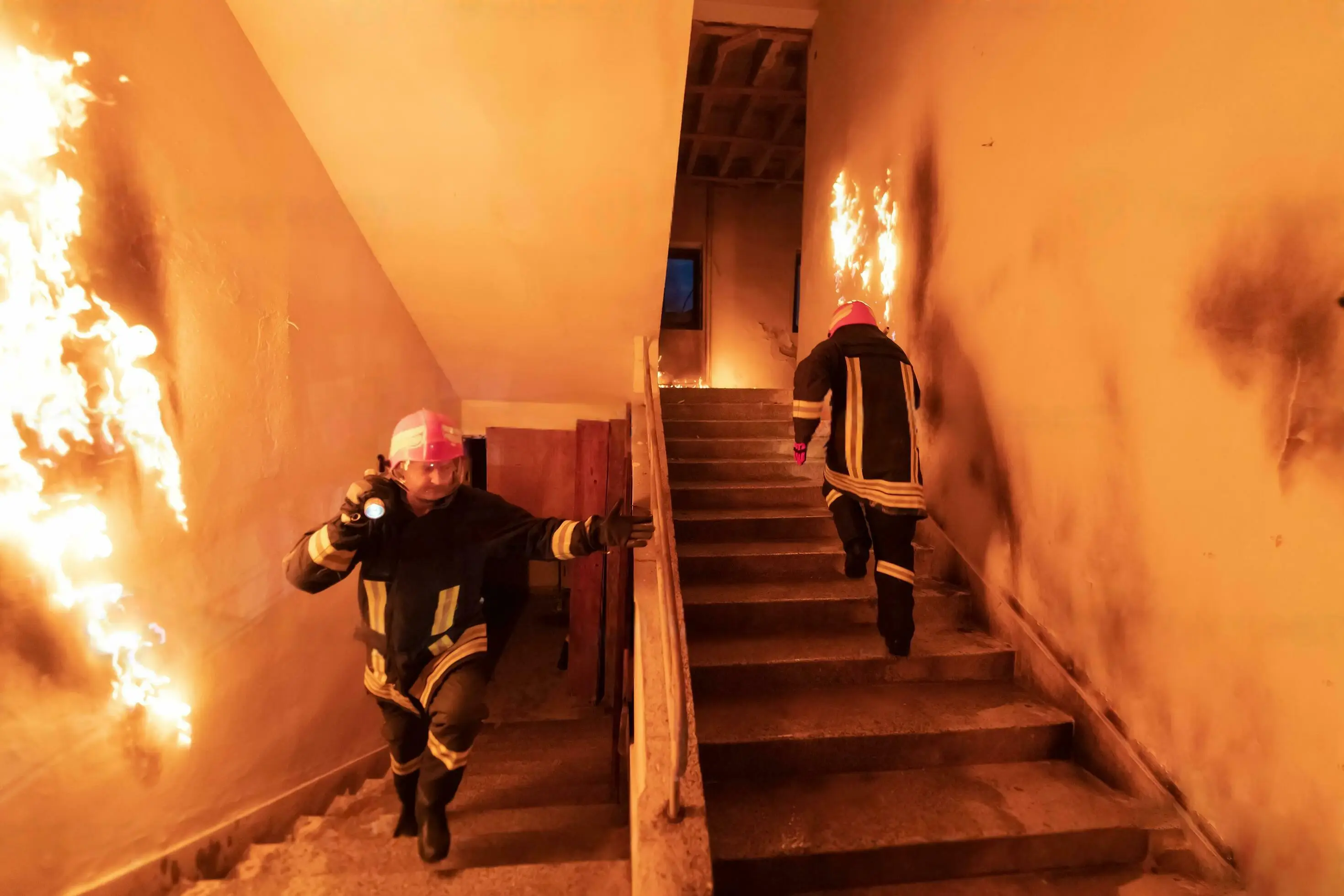
Fire Damage Restoration
Structural damage, soot, debris. We stabilize, clean, and rebuild what fire destroyed.
Learn more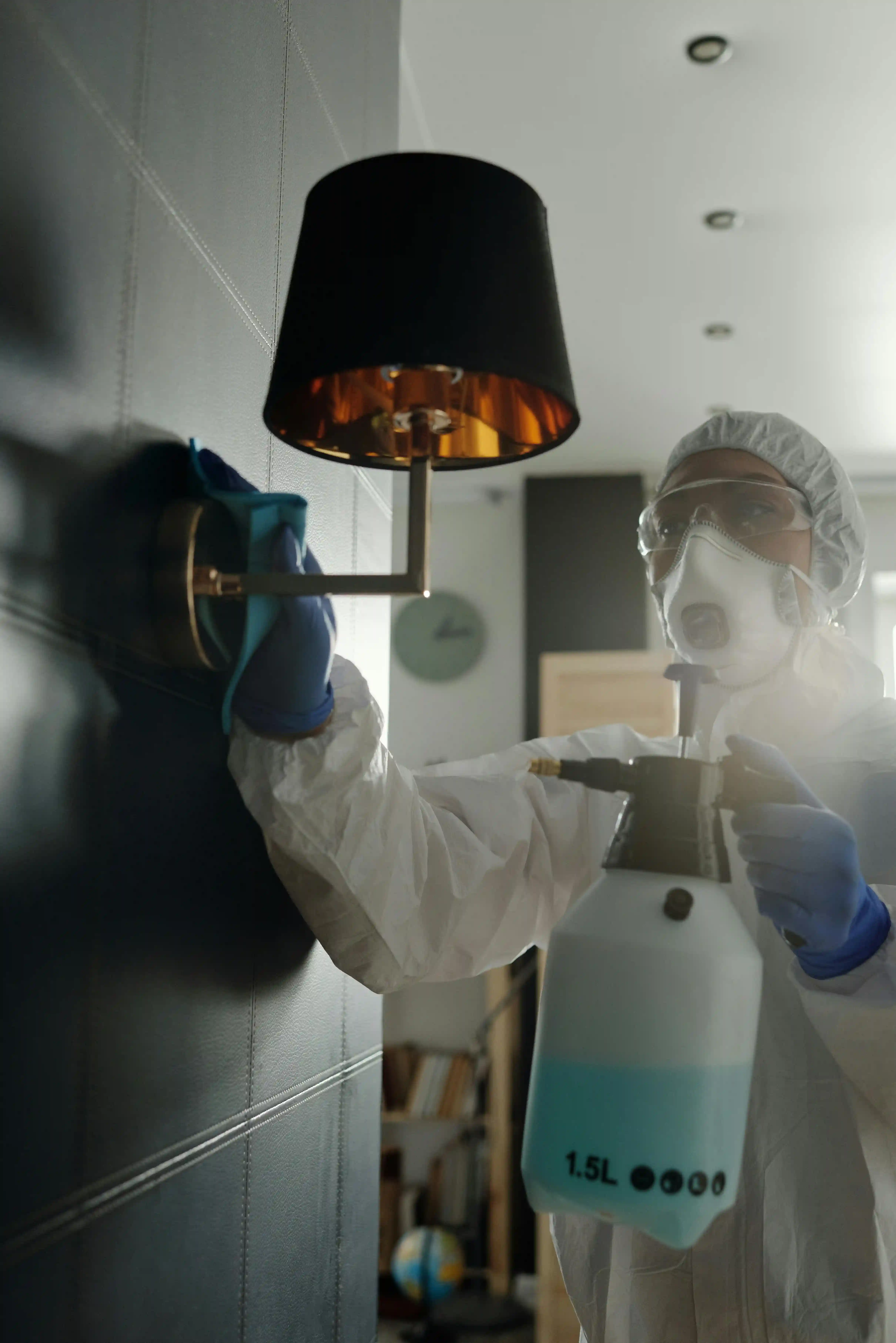
Mold Remediation
Testing, containment, removal, prevention. We find the source, eliminate the growth, and stop it from returning.
Learn more
Sewage Cleanup
Sewer backups, contaminated water, biohazard. We extract, sanitize, and restore safely.
Learn moreNearby Service Areas
Also serving nearby: