
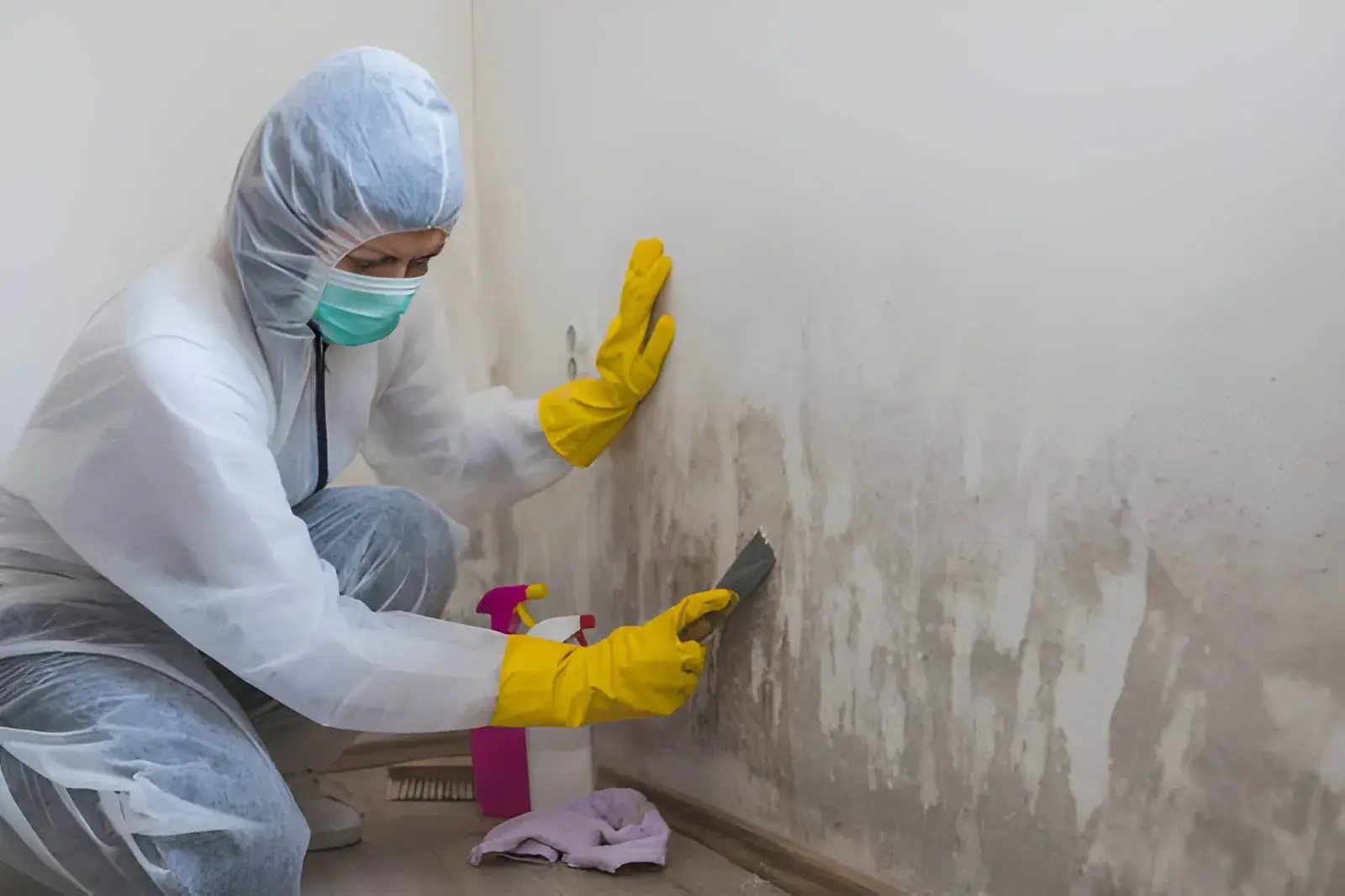
Mold Remediation in Carmel, IN
Mold spreads behind walls and beneath floors where you cannot see it. Our certified local team responds to Carmel mold emergencies within 60 minutes to contain the growth before it spreads further.
What Happens When You Call
A real person answers, not a call center. We assess your situation, ask about visible growth, musty odors, moisture history, and health concerns, then begin coordinating your response.
Your dedicated remediation team is dispatched from our local base serving Carmel and the surrounding Hamilton County communities.
Team arrives with moisture meters, thermal imaging, air sampling equipment, and containment materials. Assessment begins immediately.
Scope defined, containment established, remediation plan documented. You know exactly what the problem is, how we will address it, and what your insurance options are.
You have discovered mold in your home, or you suspect it based on a musty smell, visible staining, or health symptoms that worsen indoors. You need professionals who will identify the full scope, contain it, remove it safely, and prevent it from returning. X Response exists for exactly this situation. When you reach out, your remediation team is mobilized and on site quickly with testing equipment, containment materials, and removal expertise to address the problem completely. Call now. Your team is standing by.
Why Carmel Homes Are Vulnerable to Mold
Carmel is a city of approximately 103,600 residents in Hamilton County, Indiana, positioned in IECC Climate Zone 5A with a humid continental climate. Summer dewpoints regularly exceed 65 degrees Fahrenheit from June through August, and average relative humidity runs high during morning hours throughout the warm season. This sustained ambient moisture creates year-round mold risk for Carmel homes. In summer, humidity infiltrates through every building envelope opening and condenses on cooled surfaces inside the home. In winter, moisture from daily household activities accumulates in tightly sealed homes and condenses on cold surfaces in attics, exterior wall cavities, and crawl spaces. The combination ensures that any area of the home with inadequate ventilation, air sealing, or moisture control is at risk for mold colonization regardless of the season.
Indiana does not require a state-specific mold remediation license, unlike states such as Florida, Texas, New York, and Louisiana that regulate mold work directly. Any contractor in Indiana can advertise mold remediation services with no mold-specific training, certification, or state oversight. For Carmel homeowners, this regulatory gap makes verifying credentials essential: asking for current IICRC AMRT certification, confirming insurance covering mold work, and requiring written scope of work referencing IICRC S520 protocols are the only consumer protections available. Carmel's housing stock spans diverse ages, from historic homes near the city center with aging infrastructure to newer developments where construction defects and inadequate moisture barriers are the primary mold drivers.
Recurring Stormwater Flooding and Chronic Moisture
Carmel's documented recurring flooding in neighborhoods like Concord Village creates conditions where mold is not a question of if but when. A Concord Village resident reported $141,000 in structural water damage from flooding, and the city has debated a $20 million infrastructure rebuild for affected neighborhoods. When homes flood repeatedly because undersized storm sewers back up during heavy rain, the structure never fully dries between events. Each flooding episode re-saturates framing, subfloor, and foundation materials that may still carry elevated moisture from the previous event. Mold colonies establish in these chronically damp materials and grow between flooding events, producing persistent indoor air quality problems that worsen with each storm. Even between active flooding, the elevated soil moisture from inadequate drainage keeps crawl spaces and basements above the 60 percent relative humidity threshold that supports mold growth.
Aging Infrastructure in Central Neighborhoods
The Carmel Area Wastewater District has documented replacing 75-plus-year-old sewer pipes in the vicinity of Carmel River School, indicating the age of underground infrastructure in some of the city's oldest neighborhoods. Where sewer and water lines are decades old, slow leaks at joints and connections can deliver sustained moisture to surrounding soil and adjacent foundation materials without any visible surface water. These chronic low-level moisture sources are ideal mold incubators because they persist for months or years without detection, allowing colonies to establish throughout crawl spaces, basement walls, and lower wall cavities before any visible signs or odors develop. The slow leak that never produces standing water but keeps the relative humidity above 60 percent is the most common undetected mold driver in Carmel's older housing stock.
Basement Finishing Without Adequate Moisture Control
Carmel's housing market places high value on finished basement space, and many homes have basements converted to living areas, home offices, entertainment rooms, or guest suites. Finishing a basement without first addressing moisture intrusion pathways creates an ideal environment for concealed mold growth. Drywall installed against a basement wall that experiences even minor moisture migration traps humidity between the concrete and the paper-faced gypsum board, creating a hidden mold incubator. In Carmel homes where basements were finished without exterior waterproofing, interior drainage systems, or vapor barriers on foundation walls, mold growth behind finished surfaces is common and often extensive by the time it becomes apparent through odor, staining, or occupant health symptoms.
HVAC Condensation in Large Custom Homes
Carmel's larger homes often feature multiple HVAC zones with ductwork routed through unconditioned attic spaces and exterior wall cavities. During summer cooling, cold air flowing through ductwork in hot attic spaces creates temperature differentials that produce condensation on duct exteriors and at register connections. If duct insulation is damaged or improperly installed, condensation accumulates and supports mold growth on duct surfaces, surrounding attic insulation, and potentially inside the ductwork at connection points. Additionally, oversized HVAC systems that short-cycle, running briefly and shutting off before adequately dehumidifying the air, leave indoor humidity elevated despite comfortable temperatures. This is common in large homes where contractors install equipment based on square footage alone rather than performing a proper Manual J load calculation.
Post-Water-Damage Mold from Cool Creek Flooding
Given Carmel's documented flooding from Cool Creek overflow, stormwater infrastructure failure, and the White River corridor, many mold problems in the city are secondary consequences of water events that were not fully dried within the critical 24 to 48 hour window. Water that reaches wall cavities, saturates crawl space framing, or pools in basement areas begins supporting mold colonization within one to two days in central Indiana's warm, humid conditions. Homeowners who address visible water but do not verify that concealed areas are fully dry often discover mold weeks or months later. The recurring nature of flooding in neighborhoods like Concord Village means some homes carry multiple generations of inadequately dried water damage, each contributing to an expanding mold problem that becomes structurally significant over time.
Mold in Carmel thrives because the conditions that support it are embedded in the city's infrastructure challenges, housing patterns, and climate. Recurring stormwater flooding keeps older neighborhoods chronically damp. Aging underground infrastructure delivers slow moisture that no one sees. Finished basements without moisture barriers trap humidity against foundation walls. Large HVAC systems create condensation in attics. And every inadequately dried water event becomes a mold problem weeks later. Effective remediation requires understanding the specific moisture source, containing the affected area, removing growth safely, drying the structure, and correcting the underlying moisture pathway so the problem does not return.
What Happens to Your Home While You Wait
24–48 Hours After Moisture
Mold spores begin colonizing any organic surface that remains damp. In Hamilton County's warm, humid conditions, colonization starts at the faster end of this window. Growth is microscopic and invisible at this stage, occurring in wall cavities, on the back side of drywall, beneath flooring, and on crawl space framing. No visible signs yet, but the colony is establishing.
3–7 Days
Colonies become visible as discoloration on surfaces: black, green, or white spots on drywall, wood framing, or grout. Musty odor develops. Growth accelerates as the mycelium network expands across connected organic materials. Spore production begins and indoor air quality starts to degrade measurably.
1–2 Weeks
Mold spreads along connected materials: from one stud to the next, across subfloor sheathing, along floor joists. Spore counts increase. Occupants with mold sensitivities begin experiencing respiratory symptoms. The HVAC system distributes spores throughout the home, contaminating areas far from the moisture source.
2–4 Weeks
Extensive growth through wall cavities and structural materials. Remediation scope expands significantly as more materials require removal rather than surface treatment. Structural wood begins degrading at connection points. Indoor air quality deterioration affects even occupants without pre-existing sensitivities.
One Month and Beyond
Severe structural compromise in areas with sustained moisture. Floor joists lose load capacity, subfloor sheathing delaminates, sill plates rot. The musty odor permeates the entire home. Insurance claims become complex as carriers question the timeline and whether earlier intervention could have prevented structural damage.
The difference between a contained mold remediation and a major structural project is often just days of unaddressed moisture. Contact X Response now. Our Carmel team can assess your situation within 60 minutes.
How We Restore Mold-Affected Carmel Homes
Mold remediation is not cleaning. It is a controlled process that identifies the full extent of contamination, contains it to prevent spread, removes it safely, and addresses the moisture source that caused it. Here is exactly how the process works.
Inspection, Testing, and Scope Definition
Our team arrives with moisture meters, thermal imaging cameras, and air sampling equipment. Thermal imaging identifies moisture patterns behind walls and beneath floors without destructive investigation. Moisture meters quantify moisture content in building materials. Air sampling establishes baseline spore counts and identifies species present. In Carmel homes with recurring flooding history, we pay particular attention to areas that have been wet before, where established colonies may be extensive behind finished surfaces. The output is a detailed scope defining affected areas, materials requiring removal versus treatment, and the moisture source that must be corrected.
Containment
Before any removal begins, the affected area is isolated from the rest of the home using polyethylene sheeting sealed at all edges. Negative air pressure is established within the containment zone using HEPA-filtered air machines, ensuring spores disturbed during removal are captured rather than distributed. HVAC registers within the zone are sealed. This containment follows IICRC S520 standards and is the single most important step in preventing cross-contamination during remediation.
Mold Removal and Material Disposal
Contaminated porous materials are removed beyond the visible growth boundary, typically 12 to 24 inches into clean material. Non-porous materials are cleaned and treated when structurally sound. All removed materials are bagged within the containment zone before transport. For Carmel basement remediation, drywall installed against foundation walls is often removed entirely because the mold extends behind the full height of the wall where trapped moisture has been feeding growth. For crawl space remediation, floor joists and subfloor sheathing are cleaned with HEPA vacuuming followed by antimicrobial treatment when wood remains structurally intact.
Drying and Moisture Source Correction
The structure must be dried below the moisture threshold that supports growth. Commercial dehumidifiers and air movers bring materials below 16 percent moisture content for wood. Simultaneously, the moisture source is corrected. In Carmel, that might mean addressing stormwater drainage in a recurring flood neighborhood, repairing an aging pipe joint from the city's 75-year-old infrastructure, waterproofing a basement wall before it is refinished, insulating attic ductwork to prevent condensation, or installing a sump system in a home along the Cool Creek corridor. Without fixing the moisture source, remediation is temporary.
Post-Remediation Verification
After removal and drying are complete, independent verification confirms success. Air sampling compares indoor spore counts to outdoor baseline levels. Visual inspection under controlled conditions confirms no remaining visible growth. Moisture readings confirm all materials are below growth-supporting thresholds. This verification follows IICRC S520 clearance protocols and provides documented evidence that remediation was successful, supporting your confidence and any insurance documentation.
The X Response Difference
When you contact X Response for mold remediation in Carmel, you get certified professionals who follow containment protocols, test before and after, fix the moisture source, and verify results. In a state with no mold licensing requirement, that standard is a choice, not a given.
Insurance Claim Guidance for Carmel Homeowners
Mold insurance coverage in Indiana varies significantly between policies. Most standard homeowner's policies cover mold when it resulted from a covered peril, such as a burst pipe or appliance failure, that was reported and addressed promptly. Many policies exclude mold from gradual moisture: chronic stormwater drainage problems, slow foundation seepage, condensation, or high humidity. Some policies include mold with a sublimit ($5,000 to $25,000) that caps coverage regardless of actual cost. Others exclude mold entirely. For Carmel homeowners in neighborhoods with documented recurring flooding, the question of whether the flooding was sudden versus predictable becomes central to coverage disputes.
How X Response Helps
- Document the moisture source and establish whether it was sudden or gradual
- Provide professional air sampling results that quantify contamination beyond visual inspection
- Photograph all affected areas with detailed scope of work
- Track the timeline from water event to mold discovery to support a sudden-and-accidental narrative
- Identify your policy's mold coverage limits and exclusions before work begins
X Response does not file claims on your behalf, adjust claims, or make coverage determinations. We provide documentation and guidance to help you make informed decisions about your property and your policy. Coverage decisions are made solely by your insurance carrier.
Certified Restoration Specialists Serving Carmel
When you contact X Response for mold remediation in Carmel, your team is drawn from certified professionals who work across Hamilton County and understand the specific moisture conditions that drive mold growth here. They know how recurring stormwater flooding in neighborhoods like Concord Village creates chronic dampness that feeds mold between events, how aging underground infrastructure delivers hidden moisture to foundations, how finished basements without waterproofing trap humidity behind drywall, and how multi-zone HVAC systems create condensation in attic spaces. They have remediated extensive basement mold behind finished walls, crawl space colonies fed by poor drainage, attic mold from bathroom exhaust fans venting improperly, and HVAC-distributed contamination in large custom homes.
Every technician holds current IICRC AMRT and WRT certifications. Equipment includes professional air sampling, thermal imaging for non-destructive moisture mapping, commercial HEPA filtration for containment, and industrial dehumidification for structural drying. When your team arrives, they bring everything needed to assess, contain, and begin remediation on the first visit.
In Carmel, X Response works with The Cleaning Source, an independent local restoration partner serving Hamilton County.
Mold Remediation FAQ for Carmel Homeowners
Other Emergency Services in Carmel
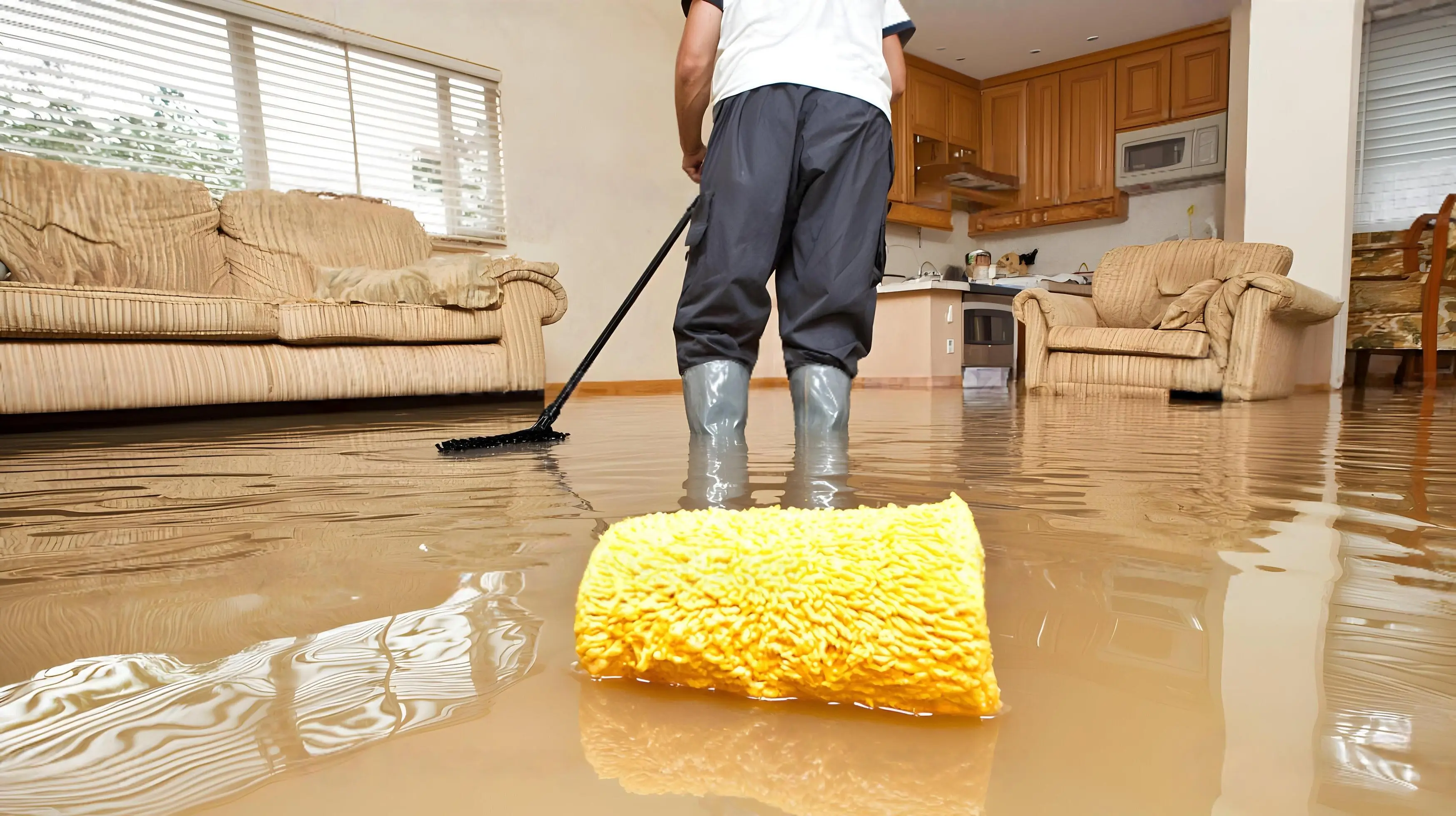
Water Damage Restoration
Burst pipes, storm flooding, standing water. We extract, dry, and restore before mold sets in.
Learn more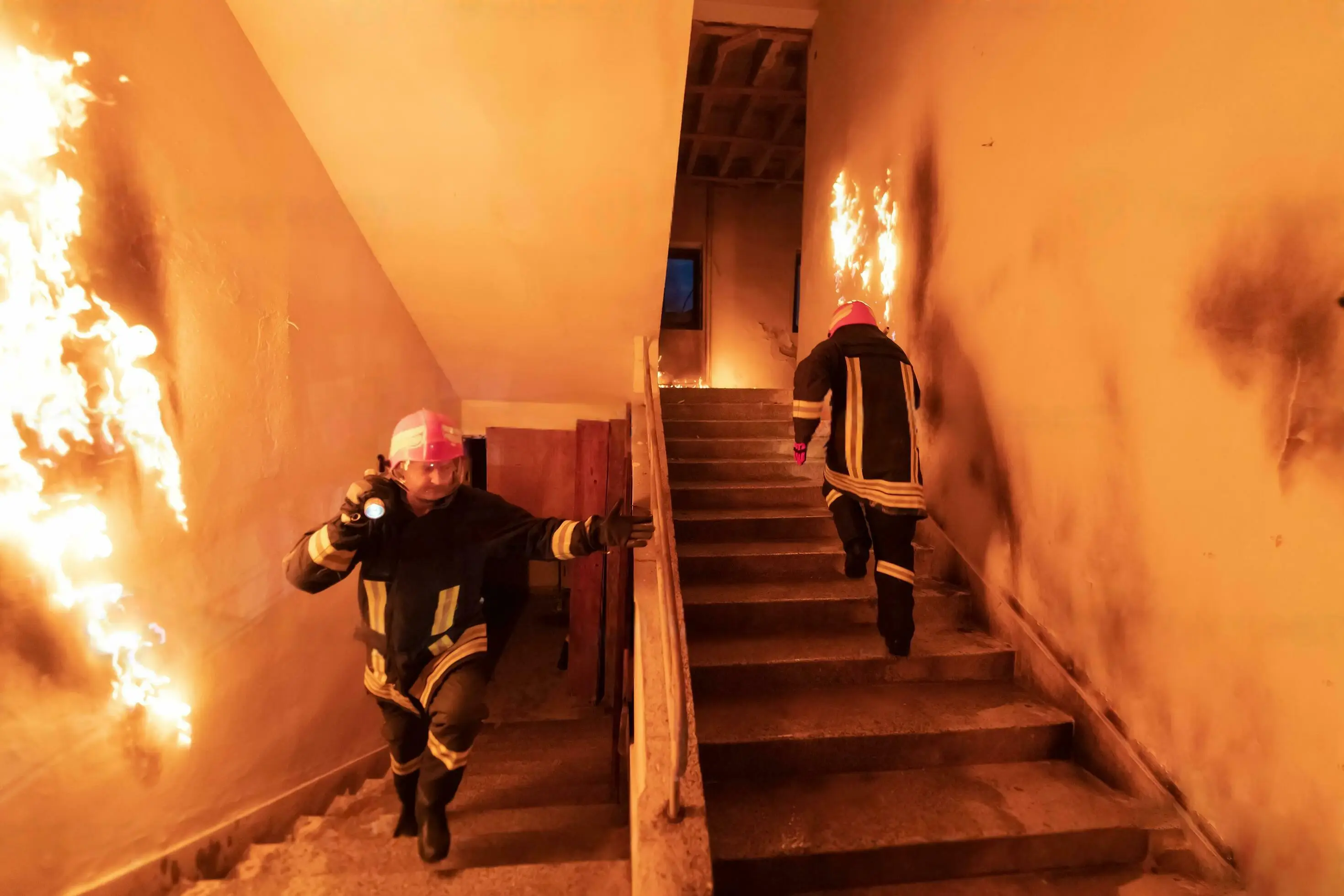
Fire Damage Restoration
Structural damage, soot, debris. We stabilize, clean, and rebuild what fire destroyed.
Learn more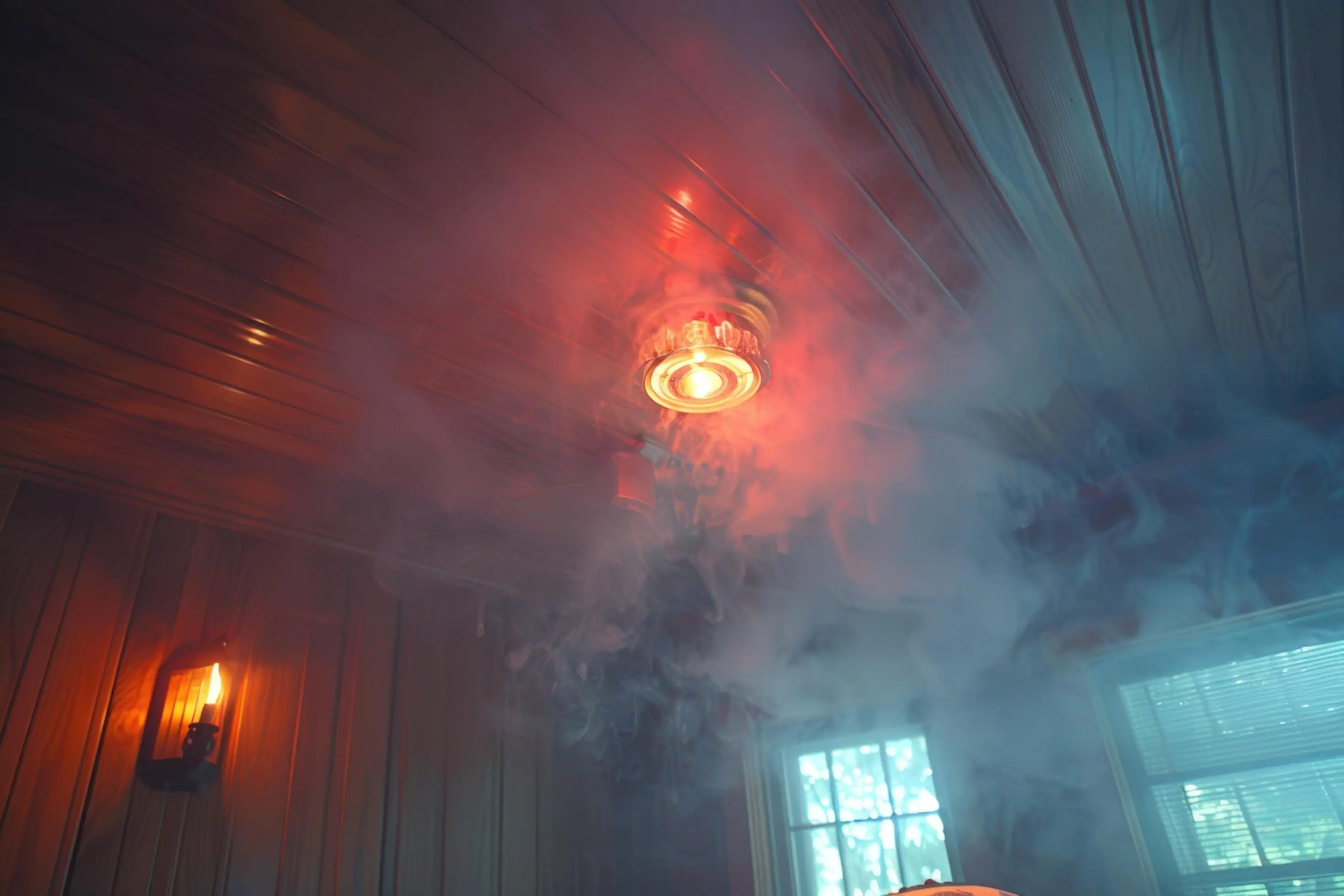
Smoke Damage Restoration
Soot residue, chemical odors, HVAC contamination. We decontaminate surfaces, eliminate odors, and restore air quality.
Learn more
Sewage Cleanup
Sewer backups, contaminated water, biohazard. We extract, sanitize, and restore safely.
Learn moreNearby Service Areas
Also serving nearby: