
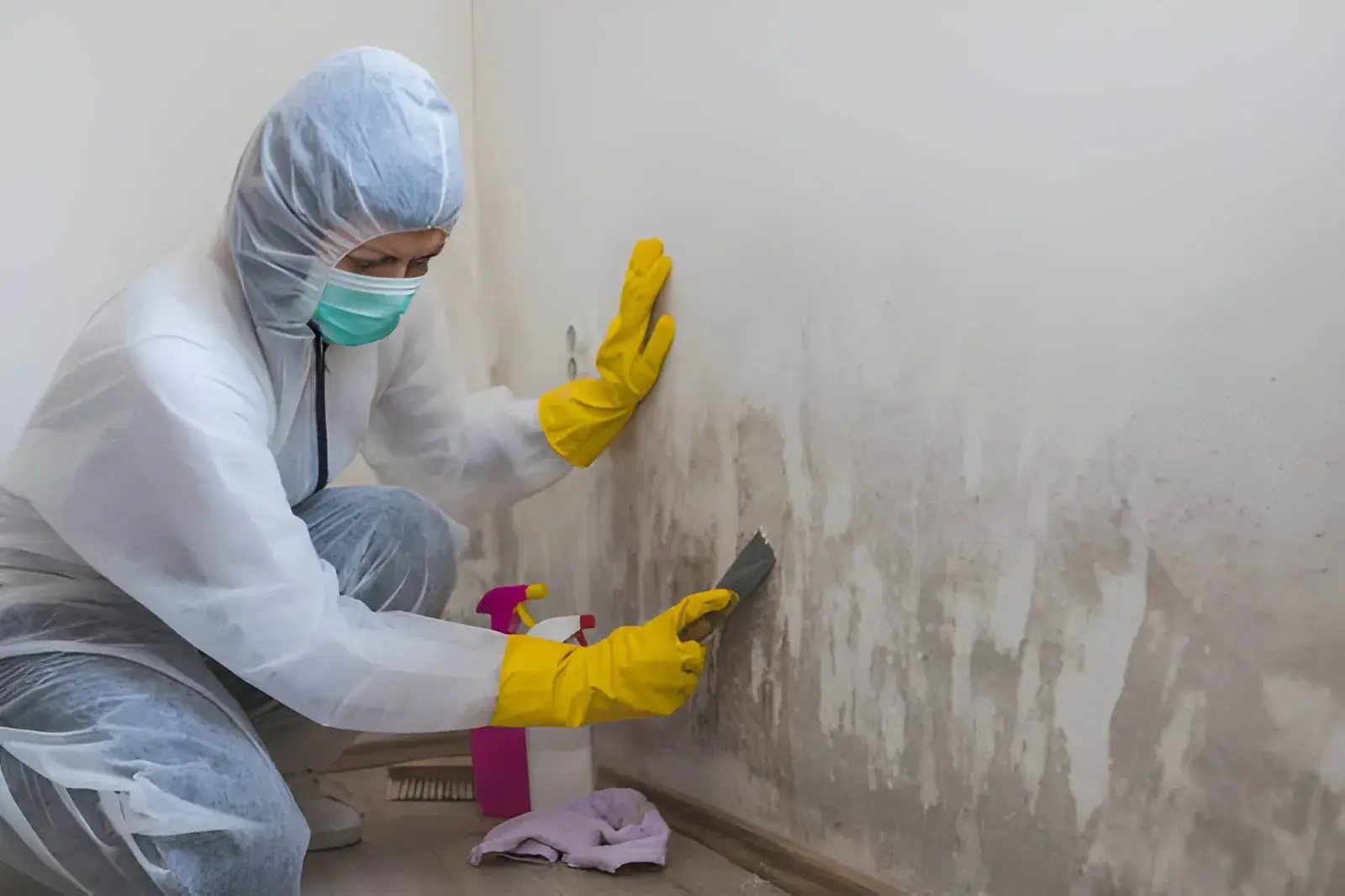
Mold Remediation in Middle River, MD
Fungal spores proliferate rapidly in coastal crawlspaces, threatening structural floor joists and air quality. Our Baltimore County crews mobilize within 60 minutes across Middle River.
What Happens When You Call
Your emergency call connects directly with an environmental coordinator who documents visible growth patterns, water history, and property layout before dispatching crews.
Our certified remediation technicians arrive at your Middle River home within 60 minutes, establishing negative pressure zones and poly containment barriers to isolate mold spores.
Technicians utilize thermal imaging cameras, pin moisture meters, and air particulate counters to identify hidden moisture reservoirs feeding fungal colonies.
We physically remove contaminated materials under HEPA negative air, treat structural framing with EPA-registered botanical fungicides, and run air scrubbers continuously.
When toxic mold colonizes building assemblies, immediate containment is necessary to protect the health of occupants and preserve property value. X Response provides comprehensive mold remediation across Middle River, dispatching certified environmental mitigation technicians equipped with medical-grade HEPA filtration and commercial containment systems directly to your property. From microscopic moisture tracing to physical fungal removal and independent air clearance verification, we ensure permanent resolution without compromises. Call now. Your team is standing by.
Why Middle River Homes Are Vulnerable to Mold
Mold proliferation represents a chronic environmental hazard for residential and commercial structures throughout Middle River, Maryland. It is important to dry water-damaged areas and items within 24-48 hours to prevent mold growth. In this coastal estuarine community situated along Dark Head Creek, Frog Mortar Creek, and the Middle River estuary, maintaining that rapid drying threshold is exceptionally difficult without commercial dehumidification. Sustained summer relative humidity running high, low elevations averaging just 26 feet above sea level, and shallow water tables create ideal conditions for fungal spore colonization inside crawlspaces, basements, and wall assemblies across neighborhoods like Aero Acres, Wilson Point, Kingston, and communities along Martin Boulevard.
Housing characteristics across Middle River further exacerbate fungal vulnerability. Hundreds of compact Cape Cod homes built during the 1940s defense manufacturing boom were constructed over unconditioned crawlspaces without modern polyethylene ground vapor barriers or perimeter drainage. Ground dampness constantly evaporates into wood floor framing and subfloors, feeding dense colonies of Cladosporium, Penicillium, and Aspergillus. Additionally, heavy air conditioning use during humid Mid-Atlantic summers causes severe condensation along uninsulated metal supply ducts, fostering hidden mold amplification inside ceiling joists and wall cavities that can only be resolved through systematic physical containment and HEPA-filtered negative air.
Estuarine Lowlands and High Marine Humidity
Flanked by tidal waterways with nearly nine percent of the area covered by water, Middle River experiences sustained atmospheric humidity from spring through autumn. Ambient moisture prevents damp building framing from drying naturally, allowing airborne spores to colonize drywall paper and carpet backing within 48 hours.
Shallow Water Tables and Unsealed Crawlspaces
Water tables resting only feet below the surface in low-elevation Middle River neighborhoods saturate the soil underneath crawlspaces. Uncovered earth acts as a continuous moisture emitter, driving subfloor wood moisture content well above twenty percent and promoting wood-decay fungal growth.
HVAC Duct Condensation in Unconditioned Attics
Chilled air moving through sheet metal or flexible ductwork located in hot, humid attic spaces causes condensation droplets to form on duct exteriors and within fiberglass insulation. Mold colonies rapidly establish inside air supply plenums, blowing spores into bedrooms throughout the residence.
Aging Defense-Era Plumbing and Microscopic Seepage
Homes built during the 1940s and 1950s often harbor pinhole leaks in aged copper supply lines or minor joint failures in cast-iron drains. These low-volume leaks often persist inside wall cavities behind kitchens and bathrooms for months before discovery, quietly cultivating dense mold colonies.
Recurrent Estuarine Flooding and Incomplete Drying
Properties along Wilson Point Road and Dark Head Creek that suffer seasonal tidal flood events often dry incompletely when cleaned with household equipment. Residual moisture locked within concrete block foundations, wood sill plates, and carpet pads inevitably triggers extensive secondary mold growth.
Addressing mold in Middle River demands rigorous scientific containment rather than surface bleaching. By controlling moisture sources, deploying medical-grade air filtration, and physically removing fungal root structures, our specialists eliminate mold colonies and safeguard your family's indoor living environment.
What Happens to Your Home While You Wait
Within 24 to 48 Hours
Microscopic mold spores settle on damp cellulose surfaces such as drywall paper, ceiling tiles, and wood subflooring, initiating germination and hyphae growth.
2 to 4 Days
Visible fungal colonies appear as fuzzy white, green, or black spots along baseboards and subfloors. Volatile organic compounds (VOCs) produce noticeable musty odors.
1 to 2 Weeks
Mold hyphae penetrate deeply into porous gypsum drywall cores and structural wood framing. Fungal spore counts in the indoor air rise sharply, causing allergy symptoms.
2 to 4 Weeks
Wood fibers begin softening as wood-decay fungi consume structural cellulose. Spores migrate into HVAC supply ducts and return plenums, cross-contaminating distant rooms.
1 Month and Beyond
Extensive biological degradation compromises structural integrity in subfloors, joists, and drywall partitions. Remediating the damage requires total material demolition under full negative air containment.
Act at the first sign of visible discoloration or musty odor. Contact X Response immediately to schedule a certified mold inspection in Middle River.
How We Restore Mold-Affected Middle River Homes
Our mold remediation protocol follows strict IICRC S520 guidelines, ensuring safe physical removal, source moisture elimination, and verifiable post-remediation clearance.
Comprehensive Moisture Mapping and Thermal Imaging
We inspect your Middle River property using FLIR infrared cameras, radio-frequency surface scanners, and pin moisture meters to trace the exact water intrusion source feeding mold growth behind walls and beneath flooring.
Critical Containment and HEPA Negative Air Isolation
Our technicians erect 6-mil polyethylene containment barriers equipped with zippered airlock chambers. Industrial air scrubbers exhaust through HEPA filters to establish continuous negative air pressure, preventing spores from escaping into unaffected rooms.
Controlled Material Removal and HEPA Vacuuming
Unsalvageable porous items like water-damaged drywall, acoustic ceiling tiles, and carpet padding are sealed in heavy-duty disposal bags under negative air. Remaining semi-porous surfaces undergo thorough HEPA vacuuming.
Abrasive Cleaning and EPA Botanical Fungicide Application
Structural framing members are scrubbed using specialized abrasive methods to physically eliminate embedded fungal roots. We apply EPA-registered botanical fungicides to sanitize wood and prevent future colonization.
Encapsulation and Post-Remediation Air Clearance
Exposed wood framing is sealed with an antimicrobial polymer barrier to lock out moisture. An independent environmental testing firm conducts final air sampling to verify that spore levels meet or beat clean outdoor ambient baselines.
The X Response Difference
Trust X Response for professional, scientifically verified mold remediation that permanently removes fungal contaminants from your Middle River property.
Insurance Claim Guidance for Middle River Homeowners
Navigating mold damage insurance coverage in Maryland requires thorough documentation connecting fungal growth directly to sudden and accidental covered water events. Standard homeowner and commercial property policies typically include strict mold coverage caps (often $5,000 to $10,000) or exclude mold entirely unless it directly resulted from a covered domestic plumbing rupture or storm event. Insurance adjusters require clear proof of origin, timeline documentation, and detailed scoping before approving remediation disbursements. Our team compiles meticulous technical reports to support your claim with Maryland insurance adjusters.
How X Response Helps
- Comprehensive photographic documentation detailing visible mold colonies and underlying moisture migration
- Psychrometric drying logs and moisture mapping demonstrating the connection between water intrusion and fungal growth
- Written protocols and scopes of work adhering strictly to IICRC S520 remediation standards
- Coordination with Maryland property insurance adjusters to explain technical containment and environmental remediation costs
- Itemized Xactimate estimates detailing labor, equipment run times, and disposal fees for transparent claims processing
X Response delivers certified microbial remediation and professional mitigation documentation. We do not act as public adjusters or legal representatives; all coverage determinations remain subject to your insurance carrier.
Certified Restoration Specialists Serving Middle River
Our Middle River mold abatement specialists provide unmatched environmental restoration expertise across eastern Baltimore County. Operating from our regional service center, our technicians have extensive field experience with the unique construction patterns of Middle River, from historic wartime Cape Cods in Aero Acres to waterfront residences overlooking Dark Head Creek and Wilson Point Road. We know how estuarine geography, unvented crawlspaces, and humid summers interact with building envelopes.
Every crew leader maintains active certification as an IICRC Applied Microbial Remediation Technician (AMRT) and Water Damage Restoration Technician (WRT). We utilize commercial-grade HEPA filtration units, negative air machines, and botanical antimicrobials to eliminate fungal infestations safely. When mold compromises your Middle River property, our dedicated team restores a healthy, clean living environment.
In Middle River, X Response works with Green Clean Restoration LLC, an independent local restoration partner serving Baltimore County.
Mold Remediation FAQ for Middle River Homeowners
Other Emergency Services in Middle River

Water Damage Restoration
Burst pipes, storm flooding, standing water. We extract, dry, and restore before mold sets in.
Learn more
Fire Damage Restoration
Structural damage, soot, debris. We stabilize, clean, and rebuild what fire destroyed.
Learn more
Smoke Damage Restoration
Soot residue, chemical odors, HVAC contamination. We decontaminate surfaces, eliminate odors, and restore air quality.
Learn more
Sewage Cleanup
Sewer backups, contaminated water, biohazard. We extract, sanitize, and restore safely.
Learn more