
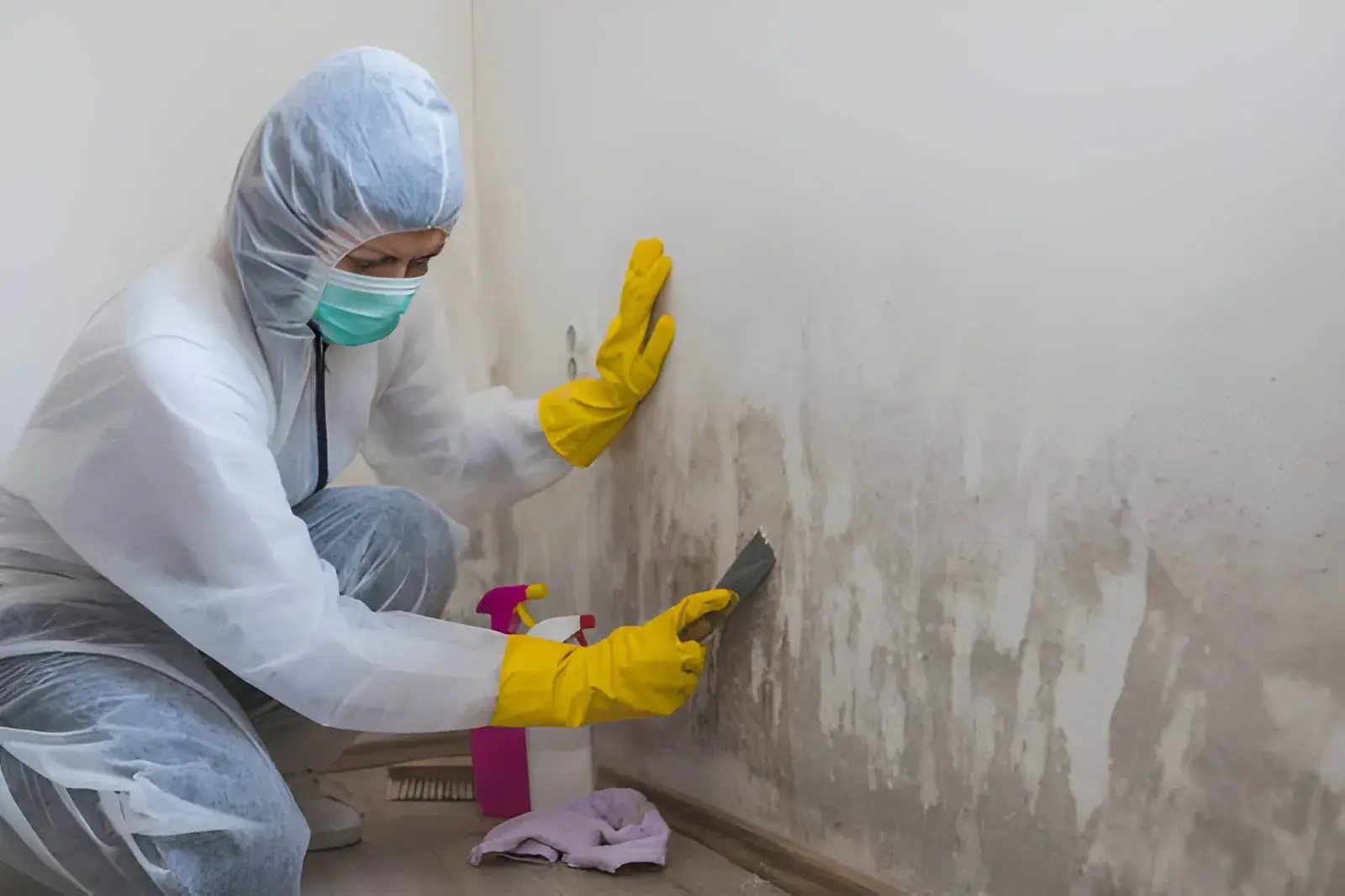
Mold Remediation in Parkton, MD
Elevated basement humidity feeds hidden mold colonies within 48 hours. Our certified Parkton technicians mobilize within 60 minutes.
What Happens When You Call
Your inquiry connects directly with a regional microbial specialist who reviews property symptoms, evaluates moisture sources, and schedules an on-site assessment.
A certified remediation crew arrives at your Parkton location within 60 minutes equipped with thermal imaging cameras and commercial air scrubbers.
Technicians construct physical polyethylene containment zones and install HEPA-filtered negative air machines to prevent spore migration.
Our team physically removes active fungal colonization, cleans structural framing with antimicrobial solutions, and applies fungal-resistant protective coatings.
When toxic mold compromises your Parkton residence or rural estate, immediate professional containment prevents fungal spores from contaminating unaffected living areas. X Response maintains fully certified microbial remediation units serving northern Baltimore County, dispatching IICRC-trained technicians directly to your address with commercial HEPA negative air systems, digital thermal cameras, and EPA-registered botanical antimicrobials. From initial moisture auditing and containment setup to structural sanitization and clearance testing, our crew manages every detail. Call now. Your team is standing by.
Why Parkton Homes Are Vulnerable to Mold
Parkton occupies a unique microclimate in the forested hill country of northern Baltimore County. Prettyboy Reservoir is a 1,500-acre (610 ha) reservoir in the Hereford Zone of northern Baltimore County, Maryland. The surrounding terrain features dense tree canopies, deep river hollows, and elevated groundwater tables that maintain high ambient relative humidity throughout humid summer months. Cool subgrade basements, fieldstone foundations, and vented crawlspaces in Parkton homes frequently accumulate condensation. Without aggressive mechanical dehumidification, damp conditions trigger rapid germination of toxic mold colonies including Aspergillus, Cladosporium, and Penicillium on wood subflooring and drywall assemblies.
The rural building stock in Parkton presents distinctive moisture challenges across historic and modern residences. Older farmhouses feature stone rubble foundation walls and dirt floor cellars that allow groundwater moisture to wick directly into primary timber sills and joists. In custom hillside homes and contemporary estates near Beetree Run and Middletown Road, subterranean walk-out basements suffer from hydrostatic pressure and vapor transmission through concrete slabs. Hidden plumbing leaks, faulty well water filtration lines, or inadequately vented crawlspaces create enclosed microclimates where toxigenic molds proliferate behind finished walls and beneath carpeting, requiring certified negative air containment and hospital-grade remediation.
Forested Hollow Microclimates and Sustained Humidity
Dense forest cover and proximity to Prettyboy Reservoir create damp, shaded microclimates across Parkton. Summer relative humidity frequently runs high, slowing exterior drying and driving moisture into structural building envelopes.
Porous Fieldstone and Rubble Cellar Walls
Historic 19th-century farmhouses feature foundations built of rough fieldstone and lime mortar. Capillary action draws ground moisture upward, saturating structural timber sill plates and floor joists.
Hillside Hydrostatic Pressure and Basement Infiltration
Homes built into sloping hillsides intercept subsurface groundwater flowing toward valley streams. Continuous hydrostatic pressure forces water vapor and liquid seepage through foundation cold joints and basement floor slabs.
Unconditioned Crawlspace Condensation
Rural properties with traditional vented crawlspaces pull warm, humid summer air under air-conditioned living spaces. Condensation forms on cold subfloor surfaces and fiberglass insulation, triggering severe mold growth and wood decay.
Private Well Systems and Hidden Mechanical Seepage
Rural residences rely on private well pumps, water softeners, and pressure tanks located in basements. Slow valve leaks or condensation on cold water supply lines create localized damp zones that nurture mold colonies for months.
Eradicating mold in Parkton requires targeting both active fungal colonies and the structural moisture sources feeding them. Surface bleaching only masks the problem while allowing mycelial roots to destroy framing lumber. X Response provides certified, science-based mold remediation across Baltimore County.
What Happens to Your Home While You Wait
Within 24 to 48 Hours
Microscopic mold spores settle on damp building materials including drywall paper, carpet fibers, and wood framing, initiating cellular germination in Parkton's humid environment.
3 to 5 Days
Hyphae networks expand rapidly, forming visible surface colonies. Fungal metabolism releases volatile organic compounds (VOCs) that produce characteristic earthy, musty odors throughout living spaces.
1 to 2 Weeks
Fungal colonies penetrate deeply into porous materials like sheetrock, insulation, and subflooring. Spores enter HVAC returns, spreading fungal particulate matter into bedrooms and living areas.
3 to 4 Weeks
Severe fungal infestations break down organic wood fibers and degrade cellulose binders in drywall, causing materials to soften, crumble, and fail structural load thresholds.
Several Months
Extensive subterranean mold contamination causes serious wood rot across floor joists and sill plates. Indoor air quality deteriorates significantly, requiring major gut remediation and structural framing replacement.
Do not allow mold to compromise your health and property value. Contact X Response today to deploy our Parkton certified mold remediation crew.
How We Restore Mold-Affected Parkton Homes
Our mold remediation protocol follows strict ANSI/IICRC S520 standards, ensuring safe containment, physical spore removal, and permanent indoor air quality restoration.
Comprehensive Moisture and Mold Inspection
Certified technicians inspect your Parkton property using infrared thermal cameras, digital moisture probes, and air sampling tools to map the full perimeter of hidden moisture intrusion and fungal growth.
Critical Negative Pressure Containment Setup
We erect 6-mil polyethylene isolation chambers equipped with zippered doorways and operate commercial HEPA air filtration machines under negative pressure, guaranteeing zero spore escape into unaffected living spaces.
Controlled Removal of Non-Salvageable Materials
Heavily contaminated porous building materials, including water-damaged drywall, fiberglass insulation, and tack strips, are misted with botanical agents, bagged in sealed disposal sacks, and removed safely.
HEPA Vacuuming and Antimicrobial Surface Treatment
Technicians clean exposed framing timbers using HEPA-filtered vacuuming and apply EPA-registered botanical antimicrobials to eliminate remaining fungal structures without toxic fumes.
Structural Encapsulation and Clearance Verification
We apply fungal-resistant elastomeric sealants over treated lumber to prevent future spore adherence, followed by post-remediation air quality verification testing to certify clean indoor conditions.
The X Response Difference
Choose X Response for certified standards, rigorous containment, and guaranteed mold elimination throughout Parkton.
Insurance Claim Guidance for Parkton Homeowners
Filing an insurance claim for mold remediation in Parkton requires proving that fungal growth stemmed directly from a sudden, covered water intrusion rather than long-term neglected maintenance. Standard Maryland homeowner policies often place caps on mold cleanup unless the infestation resulted directly from a covered peril, such as a sudden plumbing line rupture or storm-driven roof breach. Our restoration team coordinates directly with your insurance carrier, providing diagnostic moisture logs, infrared thermal imaging, and work scopes that clearly link the fungal growth to the underlying sudden loss.
How X Response Helps
- Comprehensive pre-remediation photographic and thermal imaging documentation illustrating the exact moisture source
- Detailed written work scopes prepared under ANSI/IICRC S520 guidelines accepted by Maryland insurance carriers
- Independent third-party laboratory air quality test results detailing baseline spore counts and post-mitigation clearance
- Itemized contents loss inventories identifying contaminated personal possessions and structural components
- Direct coordination with insurance adjusters licensed under the Maryland Insurance Administration
X Response performs certified mold remediation and moisture mitigation services. We do not act as public adjusters; final coverage and policy limit determinations rest entirely with your insurance provider.
Certified Restoration Specialists Serving Parkton
Our Parkton mold remediation specialists combine years of environmental mitigation experience across northern Baltimore County. Operating from our central Maryland facility, our technicians are intimately familiar with local building construction, including historic 19th-century timber farmsteads along York Road, custom stone residences near Prettyboy Reservoir, and modern estates throughout the Hereford Zone. We understand the specific structural challenges presented by forested microclimates, high groundwater tables, and subgrade foundation dampness.
Every crew supervisor holds active IICRC certifications in Applied Microbial Remediation (AMRT) and Water Damage Restoration (WRT), backed by full Maryland commercial licensing. Our service vehicles arrive stocked with commercial HEPA negative air units, industrial dehumidifiers, thermal imaging cameras, and EPA-registered botanical disinfectants. When mold threatens your Parkton home, our team provides reliable, certified, and compassionate service.
In Parkton, X Response works with Green Clean Restoration LLC, an independent local restoration partner serving Baltimore County.
Mold Remediation FAQ for Parkton Homeowners
Other Emergency Services in Parkton

Water Damage Restoration
Burst pipes, storm flooding, standing water. We extract, dry, and restore before mold sets in.
Learn more
Fire Damage Restoration
Structural damage, soot, debris. We stabilize, clean, and rebuild what fire destroyed.
Learn more
Smoke Damage Restoration
Soot residue, chemical odors, HVAC contamination. We decontaminate surfaces, eliminate odors, and restore air quality.
Learn more
Sewage Cleanup
Sewer backups, contaminated water, biohazard. We extract, sanitize, and restore safely.
Learn more