
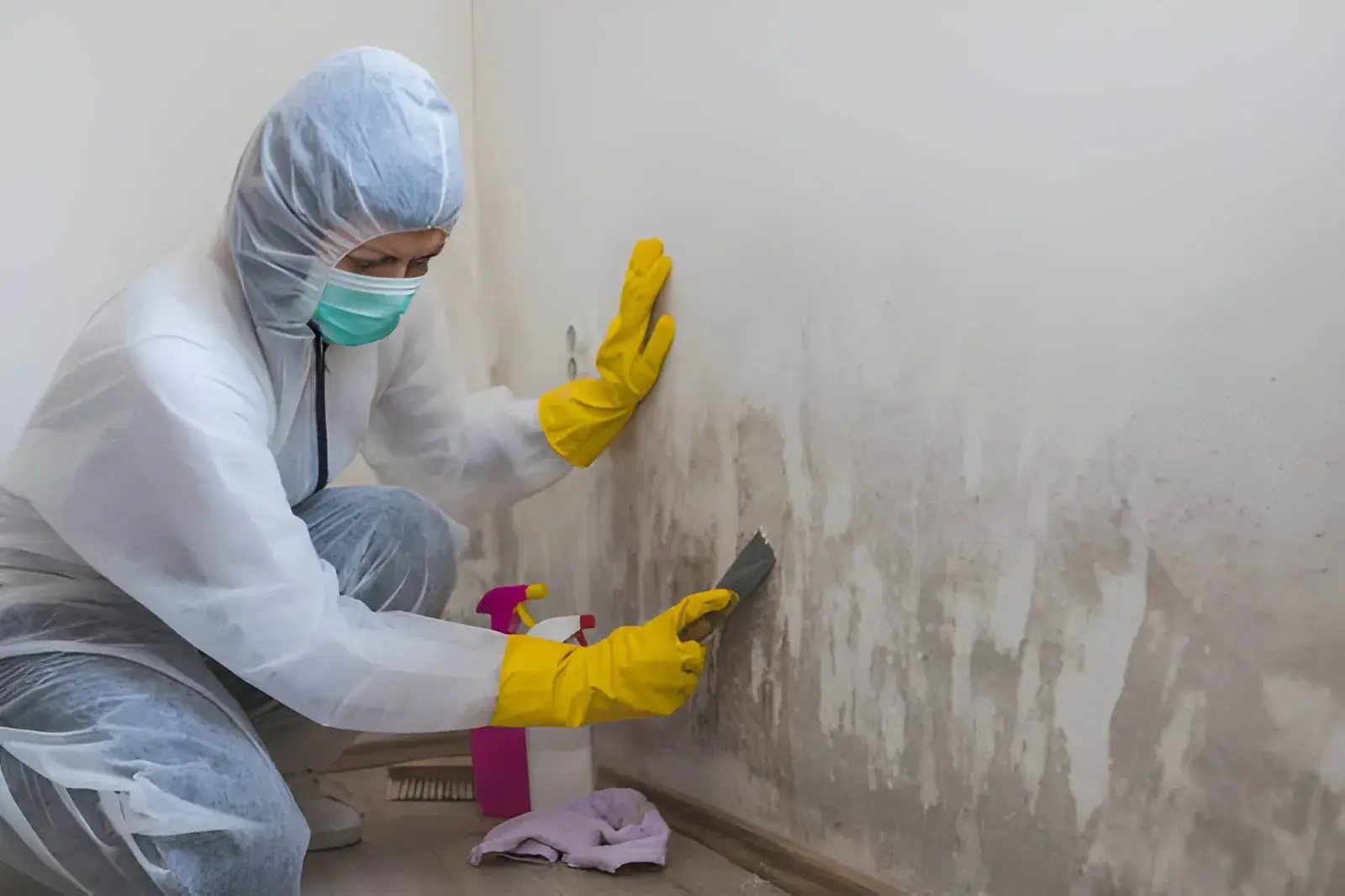
Mold Remediation in Farmington Hills, MI
Mold can establish within 24 to 48 hours wherever moisture lingers in a Farmington Hills finished basement or a humid summer wall cavity. Every day without intervention allows contamination to spread deeper into your home. Our local team responds within 60 minutes.
What Happens When You Call
A real person answers, not a call center. We assess your situation, determine the likely moisture source, and begin coordinating your response immediately.
Your dedicated remediation team is dispatched from our local base serving Farmington Hills and the surrounding Oakland County communities.
Team arrives with moisture detection equipment, air sampling tools, HEPA filtration, and containment materials. Assessment begins immediately to determine the full scope.
Contamination mapped, moisture source identified, containment established, remediation plan documented. You know exactly what comes next.
You have discovered mold in your home. Whether it is visible growth on a lower-level wall, a musty smell from the HVAC system, or a test result confirming elevated spore counts, the contamination is active and expanding right now. In Michigan's humid summers and slow-drying finished basements, mold spreads quickly once moisture is present. X Response exists for exactly this moment. When you reach out, your remediation team is mobilized within minutes. From that point forward, one team manages everything: assessment, containment, removal, and verification. Call now. Your team is standing by.
Why Farmington Hills Homes Are Vulnerable to Mold
The presence of indoor mold is a serious environmental hazard that frequently plagues Farmington Hills homeowners, heavily influenced by the region's distinct geography and climate. Michigan's humid summer months create a pervasive ambient moisture that easily infiltrates older homes, particularly those with poorly ventilated crawl spaces or aging foundational seals. Furthermore, local topography plays a significant role in escalating this risk. The Upper Rouge River, which originates in Farmington Hills at the confluence of the Minnow Pond Drain and Seeley Drain, poses a persistent flood risk that creates ideal conditions for basement mold. When the area experiences heavy spring rains or sudden snowmelt, the elevated water table frequently leads to hydrostatic pressure forcing groundwater through microscopic foundation cracks. Even a minor, slow seepage that goes unnoticed behind a finished basement wall provides the exact sustained moisture required for a toxic mold colony to establish itself. Once established, these colonies release thousands of microscopic spores into the indoor air, threatening both the structural integrity of the home and the respiratory health of its occupants. Snyder Mitigation Restoration deploys IICRC-certified Applied Microbial Remediation Technicians to definitively locate, safely contain, and completely eradicate these insidious infestations.
Ignoring a suspected mold issue is a dangerous gamble with the health and safety of your family. Mold is not simply an unsightly stain; it is an active, living organism that digests the organic building materials of your home, such as the paper backing of drywall, structural wood framing, and ceiling tiles. As the colony feeds and expands, it releases volatile organic compounds (VOCs) and massive quantities of microscopic spores into the HVAC system, rapidly contaminating the breathable air throughout the entire property. Prolonged exposure to these concentrated indoor allergens is directly linked to severe respiratory distress, chronic sinus infections, persistent coughing, and the aggressive exacerbation of asthma symptoms, particularly in vulnerable demographics like young children and the elderly. Certain species, such as Stachybotrys chartarum (commonly known as black mold), are capable of producing potent mycotoxins that can cause profound neurological and immunological complications. Prompt, professional remediation is the only way to safeguard your indoor air quality and protect your loved ones from these hidden dangers.
When homeowners discover a patch of mold in their Farmington Hills residence, the initial instinct is often to scrub the area with household bleach or generic cleaning supplies. This approach is not only ineffective but routinely exacerbates the crisis. Household bleach is largely composed of water; when applied to a porous surface like drywall or wood studs, the chemical component evaporates quickly, leaving the water behind to soak deep into the material. This essentially waters the hidden "roots" (hyphae) of the mold colony, triggering a defensive reaction that causes the organism to release an explosive burst of spores into the air and rapidly accelerate its growth. True remediation requires a scientific understanding of microbiology and building science. It demands the physical removal of the contaminated, porous materials under strict, HEPA-filtered containment, followed by the application of professional-grade, EPA-registered antimicrobial biocides designed to penetrate the substrate and achieve a complete kill.
Snyder Mitigation Restoration approaches every mold infestation with the rigor and precision required of a biohazard cleanup. Our process begins with a comprehensive inspection utilizing thermal imaging cameras and precise moisture meters to identify the hidden water source fueling the growth; if the moisture source is not resolved, the mold will inevitably return. Once the scope is defined, our technicians construct robust physical containment barriers around the affected zone and deploy high-capacity HEPA air scrubbers to establish negative air pressure, guaranteeing that no viable spores escape into the clean areas of your home during the demolition phase. We then meticulously remove and safely bag the compromised porous materials, such as heavily infested drywall and saturated insulation. The exposed structural framing is aggressively cleaned using specialized wire brushing or HEPA-vacuuming techniques, followed by a thorough saturation with commercial antimicrobial treatments. Finally, we apply a specialized fungicidal encapsulant to the treated wood, providing a durable barrier against future moisture intrusion and ensuring your Farmington Hills home is permanently restored to a healthy state.
Finished Basements and Foundation Seepage
Farmington Hills grew through the 1960s, 1970s, and 1980s, and many of its homes now carry finished lower levels that were built or updated decades ago. Those basements sit on full foundations over clay soils near the headwaters of the Rouge River, where the water table rises with every wet spell. Hydrostatic pressure then forces groundwater through aging foundation walls, through the cove joint where the wall meets the floor, and through settlement cracks that have widened over the years. Behind paneling, drywall, and carpet, that slow seepage keeps the framing and the paper facing of the wallboard damp. Because a finished basement is closed in and rarely inspected behind the walls, mold can colonize the studs, the backs of the panels, and the carpet padding for months before a homeowner notices a musty smell or a soft spot near the floor.
Post-Flood and Sump Pump Failure Mold
A finished basement that floods and then dries slowly is the classic Farmington Hills mold loss. The August 2014 storm that overwhelmed the metro and the record rainfall of June 2021 both drove stormwater and sewage into thousands of Oakland County basements through floor drains and failed sump pumps. The heavy storms that flood a basement are frequently the same storms that cut the power a sump pump needs, so water keeps rising while the pump sits idle. Once the standing water is pumped out, saturated carpet, padding, drywall, and cabinetry still hold moisture deep inside, and a finished basement traps that dampness with little airflow. Mold begins within 24 to 48 hours, so any basement that was cleared of water but never dried to a documented standard is at high risk of hidden colonization behind the finished surfaces.
Roof Leaks, Winter Ice Dams, and Spring Rain
Homes built out between the 1960s and the 1990s often carry roofs, flashings, and attic insulation that are well past their prime, which opens a mold path that has nothing to do with the basement. In a Michigan winter, heat escaping into the attic melts the underside of the snow, the meltwater refreezes at the cold eaves into an ice dam, and water backs up under the shingles into the attic and the wall cavities below. There it soaks insulation and the paper on the drywall out of sight. Worn flashings and the steady rains of a Michigan spring add more entry points at chimneys, valleys, and vents. Because attic and wall-cavity moisture is hidden, the first sign is often a ceiling stain or a musty odor that appears only after a colony has been growing for weeks.
Central AC Condensation and Duct Mold in Humid Summers
During a humid Great Lakes summer, a central air conditioning system removes a large volume of moisture from the household air, and that moisture collects on the coldest surfaces in the system. The evaporator coil, the condensate drain pan, and the first sections of supply duct are where condensation forms first. A clogged condensate line lets the pan overflow into the air handler cabinet and the materials around it, and cold ducts running through a humid basement or crawl space sweat and drip onto insulation and framing. When mold takes hold on a wet coil or inside a duct, the blower carries spores to every room each time the system cycles, which is why a home with duct mold often smells musty at the vents and triggers allergy symptoms that ease when the system is off.
No State Mold License and Quality Verification
Michigan does not require contractors performing mold remediation to hold a state-specific mold license. Any general contractor, handyman, or cleaning company can advertise mold removal services without demonstrating competency in containment protocols, safe removal procedures, or post-remediation verification. This creates significant risk for Farmington Hills homeowners who may hire unqualified providers that disturb mold colonies without proper containment, spreading spores throughout the home and making the contamination worse. IICRC S520 is the industry standard for professional mold remediation, specifying requirements for assessment, containment, air filtration, removal, cleaning, and post-remediation verification. When selecting a remediation provider in Michigan, homeowners must verify IICRC certification independently because the state provides no licensing mechanism to filter unqualified operators. X Response's certified remediation teams follow IICRC S520 protocols on every project, with documented containment, HEPA filtration, and third-party post-remediation verification available to confirm the work meets professional standards.
Mold in Farmington Hills grows where homeowners least expect it: behind the walls of a finished basement fed by foundation seepage, in a lower level that flooded and dried too slowly, in attics and wall cavities where aging roofs and winter ice dams let water in, and on air conditioning components that sweat through a humid Great Lakes summer. The common thread is hidden moisture in a closed, still space where a colony can spread for weeks unseen. Effective remediation requires identifying and eliminating the moisture source, containing the affected area, removing contaminated materials safely, and verifying the work with quantitative testing. In a state with no mold license, IICRC S520 compliance is the only reliable quality standard.
What Happens to Your Home While You Wait
Within 24 Hours
Once moisture reaches an organic surface, mold spores begin to germinate. The warm, damp conditions inside a Farmington Hills finished basement or a humid summer wall cavity fall right in the range most common indoor molds favor. Visible growth has not yet appeared, but colonization has already begun. This is the window in which drying the affected area can head off a mold problem entirely.
24 to 48 Hours
Mold becomes visible as fuzzy growth on paper-faced drywall, wood, carpet backing, and stored organic material. In a closed, damp basement or a humid wall cavity, that growth shows up at the faster end of the range. The colony sends out hyphae, the root structures that work into porous materials and make surface cleaning useless. Spore production starts, seeding the air with reproductive cells that settle and colonize new surfaces. If the HVAC system is running, those spores ride the return air throughout the house.
48 Hours to 1 Week
Colony growth accelerates as the organism matures and produces more spores. Growth spreads along the moisture path, following damp drywall, wet insulation, and saturated framing. Secondary colonies establish wherever spores land on surfaces with adequate moisture. The affected area may now extend several feet beyond the original moisture intrusion point. Occupants begin reporting respiratory symptoms, allergic reactions, or musty odors that intensify when the HVAC runs.
1 to 4 Weeks
Mold penetrates deep into porous building materials. Drywall paper becomes fully colonized and structurally weakened. Wood framing shows surface growth and staining. The colony produces mycotoxins in some species, creating a health hazard that goes beyond allergic response. Hidden colonies in wall cavities, beneath flooring, and inside ductwork may now be extensive while visible signs remain limited to a small area of surface growth. Professional assessment typically reveals contamination extending well beyond the visible boundary.
One Month and Beyond
Structural materials require replacement rather than cleaning. Framing, sheathing, and subfloor sections may show rot where persistent moisture combined with mold degradation. The remediation scope now includes demolition, structural repair, and rebuilding in addition to mold removal. HVAC systems that have been distributing spores for weeks require complete duct cleaning or replacement. Insurance claims become more complex as carriers assess whether earlier intervention could have limited the scope.
In a closed finished basement or a humid summer wall cavity, mold can colonize in as little as 24 to 48 hours, so the window to dry a space before it grows is short. Contact X Response now. Our Farmington Hills team responds within 60 minutes.
How We Restore Mold-Affected Farmington Hills Homes
Mold remediation is a controlled, systematic process that protects both your home and its occupants. Here is exactly what it involves in a Farmington Hills home.
Inspection and Moisture Source Identification
Our team arrives with moisture meters, thermal imaging cameras, and air sampling equipment to determine the full extent of mold contamination and identify the moisture source driving growth. In Farmington Hills homes, this means inspecting the common hidden sources: foundation seepage and dampness behind finished basement walls, wet or slow-drying materials left from a past basement flood or sump failure, roof-leak and ice-dam paths into the attic and wall cavities, and condensate drain function at the HVAC air handler. Identifying and eliminating the moisture source is the first priority because removing mold without fixing the moisture problem guarantees recurrence. Air sampling establishes baseline spore counts that guide the remediation scope and provide comparison data for post-remediation verification.
Containment and Air Filtration
Before any mold is disturbed, the affected area is isolated from the rest of the home using polyethylene sheeting and negative air pressure. HEPA air scrubbers within the containment zone capture airborne spores as remediation work disturbs the colony. This prevents cross-contamination to unaffected areas of the home. In Farmington Hills homes where the HVAC system has been distributing spores, supply registers in unaffected rooms are sealed during remediation to prevent the containment zone from communicating with clean spaces through the duct system. The containment remains in place throughout the entire removal process and is not removed until post-remediation air sampling confirms acceptable conditions.
Mold Removal and Material Disposal
Contaminated materials are removed following IICRC S520 protocols. Porous materials that cannot be adequately cleaned, including drywall, insulation, carpet, and carpet padding, are cut away, bagged within the containment zone, and disposed of properly. Non-porous surfaces that can be cleaned, including framing lumber, concrete, and metal components, are treated with appropriate antimicrobial solutions and physically cleaned to remove surface growth. In a Farmington Hills finished basement, this often means removing lower wall panels or drywall along with the carpet and padding on the moisture path, and for an attic colony from a roof leak or ice dam, contaminated insulation is removed and the framing is cleaned and treated. All removed materials are documented with photos for your insurance file.
Drying and Moisture Verification
After contaminated materials are removed, the remaining structure is dried to moisture levels that will not support mold recurrence. In a humid Michigan basement, opening a window adds moisture rather than removing it, so this phase relies on mechanical dehumidification and air movers to pull bound water out of framing, block, and wall cavities. The moisture source identified during inspection must be repaired before or during this phase: foundation seepage is addressed and the sump system restored, a roof leak or ice-dam path is sealed, or a clogged condensate drain is cleared. Moisture readings are taken at multiple points and documented to confirm the structure has reached acceptable dryness before any reconstruction begins.
Post-Remediation Verification and Clearance
After removal, treatment, and drying are complete, post-remediation air sampling verifies that spore counts have returned to normal background levels. These samples are compared against the baseline taken during initial inspection and against outdoor ambient levels to confirm successful remediation. Visual inspection confirms no remaining growth on any surface within the former containment zone. You receive a complete remediation report including before-and-after air sampling results, moisture readings, photos of all work performed, and documentation of the moisture source repair. This report serves as your evidence of professional remediation for your records, your insurance file, and any future real estate transaction.
The X Response Difference
Mold remediation in Michigan requires a provider with verified IICRC certification, proper containment protocols, and quantitative verification because the state provides no licensing oversight. X Response delivers all three on every Farmington Hills project.
Insurance Claim Guidance for Farmington Hills Homeowners
Mold damage insurance coverage in Michigan depends on the moisture source. If mold resulted from a sudden, accidental covered event such as a burst pipe, an appliance failure, or storm damage, the resulting mold remediation is typically covered under your homeowner's policy. However, mold from long-term neglected maintenance, gradual leaks, or chronic humidity is generally excluded. Basement backups and sump pump failures are a common gray area, and in Michigan they are usually covered only if you carry a specific water backup or sump overflow endorsement, a gap many Oakland County homeowners discovered only after a storm filled the basement. The key to a successful claim is documenting the connection between the mold and a sudden event, and demonstrating that you took prompt action once the problem was discovered.
How X Response Helps
- Document the moisture source and connect it to a covered event (burst pipe, storm damage, appliance failure) rather than gradual deterioration
- Photograph all visible mold growth and affected materials before any remediation work begins
- Provide air sampling results that quantify the contamination and establish the scope of required work
- Document prompt response from discovery to remediation engagement, showing you mitigated promptly once aware
- Prepare a detailed scope separating mold remediation, moisture source repair, and reconstruction into distinct cost categories
X Response does not file claims on your behalf, adjust claims, or make coverage determinations. We provide documentation and guidance to help you make informed decisions about your property and your policy. Coverage decisions are made solely by your insurance carrier.
Certified Restoration Specialists Serving Farmington Hills
When you contact X Response for mold remediation in Farmington Hills, your team is drawn from certified professionals who understand the specific mold challenges facing homes across Oakland County. They know where mold hides in an established Michigan home: behind the walls of a finished basement fed by foundation seepage, in a lower level that flooded and dried too slowly after a storm or a sump failure, in attics and wall cavities where an aging roof or a winter ice dam drives water in, and on air conditioning components that sweat through a humid summer. They understand that Michigan's lack of a state mold license means homeowners need a provider they can verify, and they maintain current IICRC certification that demonstrates competency in containment, removal, and verification protocols.
Every technician on your mold remediation team holds current IICRC certification in mold remediation (AMRT) and follows S520 standards on every project. Equipment includes professional moisture meters, thermal imaging cameras, HEPA air scrubbers, negative air machines for containment, and air sampling equipment for pre-and-post verification. When your team arrives, they bring everything needed to assess the full extent of contamination, establish containment, and begin the remediation process immediately.
In Farmington Hills, X Response works with Snyder Mitigation Restoration, an independent local restoration partner serving Oakland County.
Mold Remediation FAQ for Farmington Hills Homeowners
Other Emergency Services in Farmington Hills
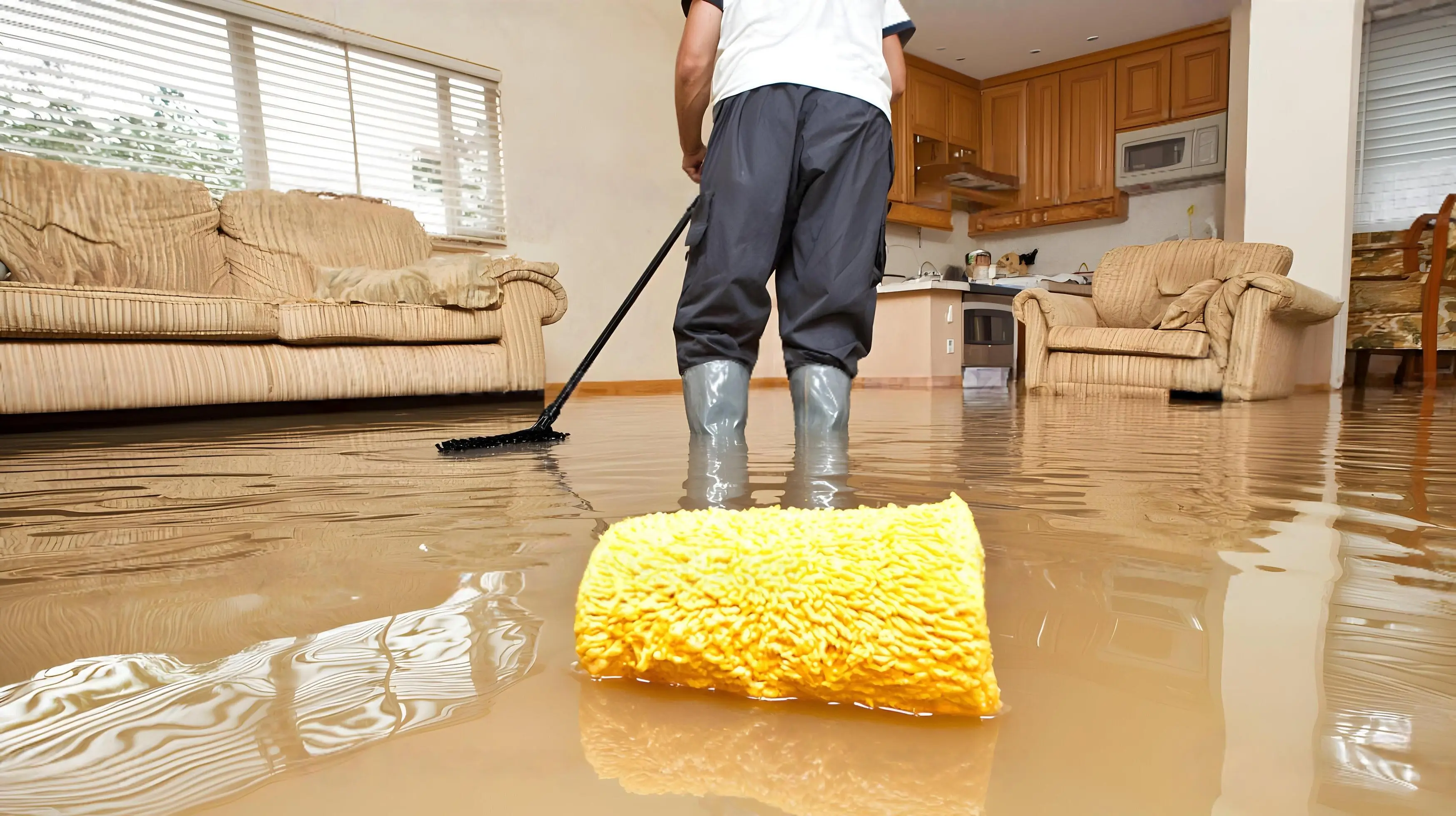
Water Damage Restoration
Burst pipes, storm flooding, standing water. We extract, dry, and restore before mold sets in.
Learn more
Fire Damage Restoration
Structural damage, soot, debris. We stabilize, clean, and rebuild what fire destroyed.
Learn more
Smoke Damage Restoration
Soot residue, chemical odors, HVAC contamination. We decontaminate surfaces, eliminate odors, and restore air quality.
Learn more
Sewage Cleanup
Sewer backups, contaminated water, biohazard. We extract, sanitize, and restore safely.
Learn more