Mold Remediation in Oakville, MO
Subterranean moisture from river bluffs and karst sinkholes drives rapid mold growth inside finished basements. Our Oakville remediation crew responds quickly to contain and eradicate fungal colonies.
What Happens When You Call
Your inquiry connects directly with our regional dispatch manager to schedule an urgent remediation assessment.
Certified specialists arrive with infrared thermal cameras and moisture meters to locate active dampness zones.
Critical containment barriers and negative air pressure systems isolate contaminated rooms from clean areas.
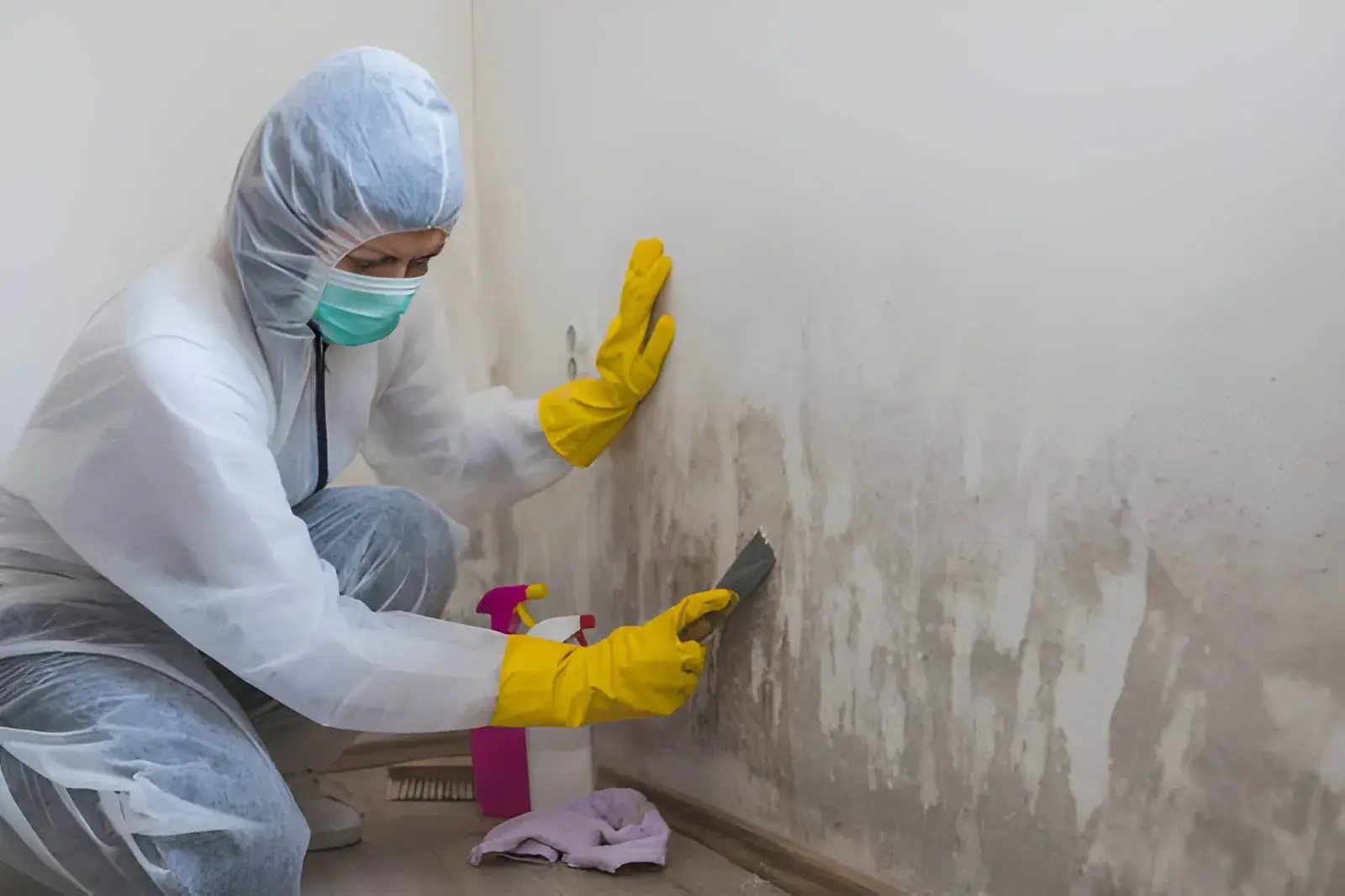
Remediation technicians physically remove colonized materials, clean structural framing with HEPA vacuums, and apply antimicrobials.
Ignoring musty odors or visible mold allows fungal roots to penetrate deeper into wooden framing studs and subfloors. When you contact 911 Water Damage Experts LLC, our certified team mobilizes immediate containment. Call now for certified mold remediation.
Why Oakville Homes Are Vulnerable to Mold
Oakville's unique geographic position between the Meramec and Mississippi rivers creates an environmental microclimate with persistent humidity challenges. The community rests upon an extensive limestone karst plateau containing approximately 160 state-mapped sinkholes and subterranean cavern channels connecting toward Cliff Cave County Park. This geological foundation allows high groundwater tables to fluctuate rapidly following heavy rains, producing constant subsurface vapor drive against residential concrete slabs. The EPA recommends maintaining indoor relative humidity between 30 and 50 percent to prevent persistent mold growth and structural dampness. During humid Missouri summers, when outdoor relative humidity frequently surges above 80 percent and dew points top 70 degrees, maintaining that critical indoor humidity balance becomes exceptionally difficult without commercial dehumidification.
Suburban residences built throughout Oakville from the 1970s onward frequently feature finished lower levels and walkout basements. While poured concrete walls appear impenetrable, concrete is naturally porous, drawing groundwater upward through capillary action. When homeowners install carpet padding, laminate flooring, or drywall directly against cold basement concrete without a proper moisture barrier, warm indoor air condenses on the cold substrate. This trapped moisture creates an ideal dark, damp breeding ground for species such as Aspergillus, Penicillium, and Stachybotrys chartarum, which feed silently on drywall paper backing and tack strips behind finished baseboards.
Attempting to remediate active mold colonies using household chlorine bleach is a dangerous mistake that often worsens the problem. Bleach is primarily water-based; when applied to porous surfaces like wood or unsealed concrete, its chlorine evaporates quickly while residual water soaks into the substrate, feeding the microscopic fungal root system (hyphae). Furthermore, scrubbing dry, active mold colonies without engineering controls dislodges millions of microscopic spores into the air, which are drawn into central HVAC return vents and distributed throughout upper-level bedrooms. Professional remediation requires specialized containment and mechanical air filtration.
Our IICRC-certified remediation specialists follow rigorous ANSI/IICRC S520 standards to ensure mold is permanently removed without contaminating living quarters. Before beginning any physical cleaning, we isolate the work area with 6-mil flame-retardant poly sheeting and establish negative air pressure using industrial HEPA air filtration devices. These units continuously scrub the indoor air, capturing 99.97 percent of airborne particulates down to 0.3 microns. Contaminated porous drywall and carpeting are carefully bagged and discarded, while salvageable structural framing is wire-brushed, HEPA vacuumed, and treated with EPA-registered botanical antimicrobials.
Karst Plateau Groundwater Pressure
Subterranean limestone channels and sinkholes drive intense hydrostatic vapor pressure upward through residential concrete basement floors.
River Confluence Summer Humidity
Dew points regularly surpassing 70 degrees near the Meramec and Mississippi rivers generate severe condensation on cooler basement surfaces.
Finished Basement Vapor Trapping
Carpeting and drywall installed directly over concrete slabs create hidden moisture pockets that accelerate undetected fungal growth.
Erasing fungal contamination in south St. Louis County requires meticulous physical containment, structural micro-cleaning, and permanent moisture control.
What Happens to Your Home While You Wait
24 to 48 Hours
Dormant mold spores germinate on damp drywall, carpet backing, and baseboard lumber, sending microscopic root hyphae into porous building materials.
48 to 72 Hours
Fungal colonies expand and become visible as dark, fuzzy spots. A distinct earthy, musty odor becomes noticeable in enclosed basement areas.
One to Two Weeks
Colonies enter active sporulation, releasing millions of airborne spores that infiltrate central heating and air conditioning ductwork.
One to Three Months
Enzymatic fungal activity breaks down drywall cores and wood cellulose, causing baseboards to rot and indoor air quality to deteriorate severely.
Beyond Three Months
Extensive fungal decay compromises structural floor joists and wall studs, necessitating extensive structural demolition and costly rebuilds.
Prevent mold from spreading throughout your home. Contact 911 Water Damage Experts LLC today to schedule certified inspection and containment.
How We Restore Mold-Affected Oakville Homes
Our IICRC-certified mold remediation process adheres to strict industry guidelines to safeguard your health and property.
Moisture Diagnostic and Thermal Imaging
We inspect your Oakville property using infrared thermal cameras and penetrative moisture meters to identify the hidden water source fueling mold.
Airtight HEPA Negative Air Containment
Using 6-mil poly barriers and commercial air scrubbers, we establish negative air pressure to keep disturbed spores strictly isolated from living areas.
Controlled Material Removal and HEPA Scrubbing
Heavily colonized non-salvageable drywall is bagged and removed, while framing lumber is scrubbed with HEPA vacuum equipment and wire brushes.
Antimicrobial Treatment and Environmental Drying
We treat exposed framing with EPA-registered antimicrobials and run commercial dehumidifiers to ensure structural moisture falls below growth thresholds.
The X Response Difference
Trust 911 Water Damage Experts LLC for permanent, scientifically validated mold remediation across Oakville.
Insurance Claim Guidance for Oakville Homeowners
Securing insurance coverage for mold remediation requires clear documentation linking fungal growth to a covered sudden water event.
How X Response Helps
- Comprehensive pre-remediation inspection reports linking mold damage directly to covered water losses like burst supply lines
- Thorough photo and video records documenting containment barriers, affected framing lumber, and removed materials
- Itemized Xactimate estimates clearly separating emergency water mitigation from specialized microbial remediation
Our staff coordinates directly with property claims adjusters and carriers operating under the Missouri Department of Commerce and Insurance.
Certified Restoration Specialists Serving Oakville
Our south St. Louis County remediation specialists hold advanced credentials as Applied Microbial Remediation Technicians (AMRT) through the IICRC. Knowledgeable in indoor environmental science, building thermodynamics, and regional river valley climate factors, our team approaches every home with professionalism, restoring clean air and peace of mind to Oakville families.
In Oakville, X Response works with 911 Water Damage Experts LLC, an independent local restoration partner serving St. Louis County County.