
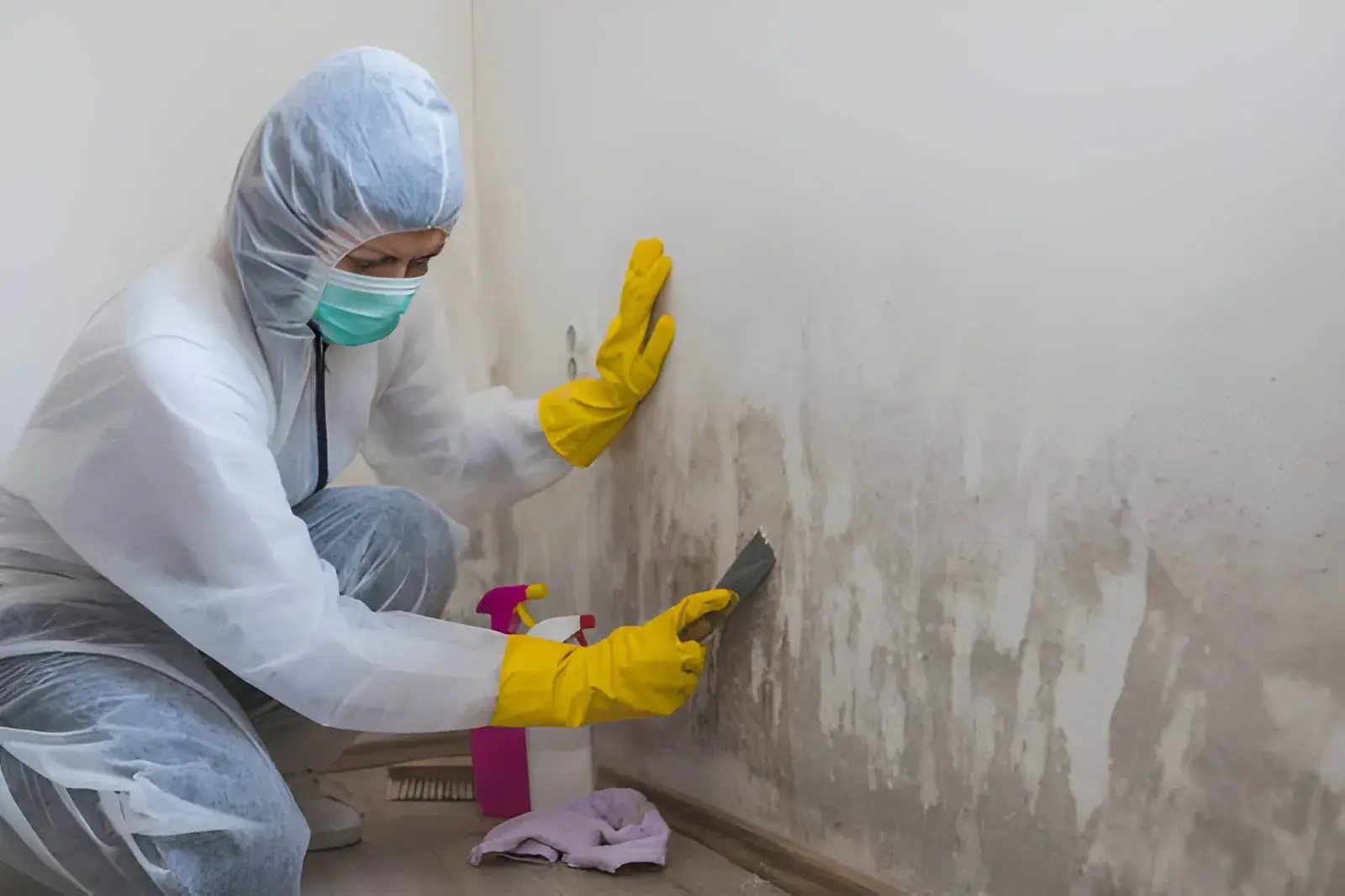
Mold Remediation in Louisville, OH
Nimishillen Creek valley humidity and damp masonry basements fuel aggressive mold growth inside Louisville properties within 48 hours. Our Stark County remediation specialists mobilize immediately to protect your indoor air.
What Happens When You Call
A regional coordinator takes your call directly, records moisture symptoms, and dispatches our Stark County remediation specialists.
Certified technicians arrive with thermal imaging cameras, digital moisture meters, and negative-air containment equipment.
We isolate the affected rooms using 6-mil flame-retardant poly sheeting and establish continuous negative air pressure to trap microscopic spores.
Technicians remove colonized drywall and insulation under HEPA filtration, treat framing with botanical antimicrobials, and apply protective fungicidal coatings.
Discovering active mold growth inside your Louisville home or commercial building demands immediate professional intervention before airborne fungal spores disperse throughout your indoor environment. Wiping surfaces with household bleach merely bleaches surface stains while moisture feeds root hyphae embedded deeply in structural framing and drywall. When you contact X Response, our certified mold remediation crew arrives on site within 60 minutes. From infrared moisture detection and negative-pressure containment to HEPA air filtration and complete antimicrobial decontamination, we eliminate fungal colonies at the source. Call now. Your local Louisville mold remediation team is ready to respond.
Why Louisville Homes Are Vulnerable to Mold
Louisville, Ohio, known as Constitution Town, is an established Stark County community of 9,521 residents situated along the East Branch of Nimishillen Creek. The city's geography and regional climate frequently create ideal conditions for residential and commercial mold colonization. Situated in a humid continental climatic zone, Louisville experiences sustained summer relative humidity levels running high from June through September. When this warm, humid air infiltrates cool below-grade basements and unconditioned crawl spaces, condensation rapidly forms on cold concrete floors, exposed foundation walls, and copper water piping. The Ohio Department of Health advises that mold colonies feed on drywall paper backing, insulation, and wood framing following flood intrusion, requiring immediate source water elimination to halt fungal expansion. In Louisville, unmitigated basement dampness routinely triggers extensive colonies of Aspergillus, Cladosporium, and Penicillium across structural floor assemblies.
The structural characteristics of Louisville's housing inventory compound these indoor air quality risks. Many residential neighborhoods along Main Street, Chapel Street, and Ravenna Avenue feature mid-century ranch homes or older frame dwellings with poured-concrete or concrete block basements. High water tables in the Nimishillen Creek watershed combined with dense glacial clay soils exert persistent lateral hydrostatic pressure against subterranean walls, causing groundwater seepage through mortar joints and foundation seams during wet spring months. Because the State of Ohio does not maintain a state mold licensing board, property owners must depend on certified professionals who adhere strictly to ANSI/IICRC S520 remediation standards. In addition, Ohio Revised Code section 5302.30 requires home sellers to disclose known water intrusion and mold conditions on residential property disclosure forms, making complete remediation and documentation essential for maintaining real estate value. X Response provides scientific mold remediation specifically tailored to Stark County's building dynamics.
Nimishillen Creek Basin Humidity
Elevated creek basin humidity during warm months triggers condensation along cool foundation walls, providing continuous moisture for fungal growth.
Glacial Clay Soil Hydrostatic Seepage
Dense clay soils throughout Louisville trap groundwater against subterranean masonry, forcing moisture through foundation seams and cold joints.
Poorly Ventilated Sub-Grade Spaces
Enclosed below-grade basements trap humid air without adequate ventilation, accelerating spore germination across carpeting and subfloors.
Absence of State Contractor Licensing
With no state mold licensing requirements in Ohio, property owners must rely on certified IICRC technicians who implement verified containment protocols.
From chronic basement dampness to hidden mold growth within insulated walls, Louisville properties require proven remediation protocols. X Response combines certified Stark County expertise with advanced containment technology to restore healthy indoor air.
What Happens to Your Home While You Wait
Within 24 to 48 Hours
Microscopic mold spores settle on damp organic materials, germinating and spreading invisible root hyphae into drywall paper, subflooring, and carpet backing.
2 to 7 Days
Fungal colonies expand across surfaces, producing visible discoloration and releasing musty microbial volatile organic compounds (mVOCs) into living spaces.
1 to 2 Weeks
Hyphae penetrate deep into wood floor framing, degrading structural cellulose and softening drywall. Airborne spore concentrations escalate rapidly, causing allergic reactions and respiratory irritation.
2 to 4 Weeks
Widespread fungal colonization causes wood framing decay and delaminates composite subflooring. Uncontained spores circulate into central HVAC ductwork, contaminating the entire home.
Beyond One Month
Extensive structural contamination causes severe wood rot and pervasive indoor air degradation. Remediation at this stage requires extensive controlled demolition and structural timber replacement.
In Louisville, early mold intervention halts microbial spread and avoids expensive structural reconstruction. Contact X Response immediately to schedule a professional mold inspection.
How We Restore Mold-Affected Louisville Homes
Remediating mold in a Louisville property requires a disciplined, science-based protocol adhering strictly to ANSI/IICRC S520 standards to guarantee complete spore removal and containment.
Comprehensive Moisture Mapping and Assessment
Our technicians inspect the building using thermal imaging cameras, pinless moisture meters, and digital hygrometers to pinpoint hidden moisture sources and map the boundaries of contamination.
Negative-Pressure Containment Setup
We erect sealed containment chambers using heavy 6-mil poly sheeting and commercial zipper doors, utilizing negative-air machines with HEPA filtration to prevent spore dispersal into clean living areas.
HEPA Air Scrubbing and Spore Filtration
Industrial air scrubbers continuously circulate indoor air through certified medical-grade HEPA filters, capturing 99.97 percent of microscopic mold spores down to 0.3 microns.
Controlled Material Removal and Remediation
Heavily contaminated, non-salvageable materials like drywall, carpet padding, and insulation are carefully bagged within containment. Remaining framing is micro-cleaned using HEPA vacuuming and antimicrobial scrubbing.
Antimicrobial Sanitization and Encapsulation
All exposed structural lumber is treated with EPA-registered botanical antimicrobials and coated with a mold-resistant fungicidal sealer to prevent future microbial colonization.
The X Response Difference
When mold threatens your Louisville residence or commercial building, choose a certified remediation partner dedicated to safety, complete spore removal, and long-term prevention.
Insurance Claim Guidance for Louisville Homeowners
Navigating property insurance coverage for mold remediation in Stark County requires clear documentation of the underlying cause. In Ohio, most property insurance policies contain strict mold limitations or exclusions unless the fungal growth directly results from a covered 'sudden and accidental' peril, such as a burst plumbing line or sudden appliance failure. Mold stemming from ongoing groundwater seepage or deferred maintenance is generally excluded. X Response helps property owners establish the precise cause and timeline of moisture intrusion with professional documentation.
How X Response Helps
- Comprehensive photographic documentation detailing mold colonization patterns, moisture meter readings, and affected structural materials.
- Clear technical origin reports linking fungal growth to specific covered plumbing or structural water events.
- Itemized Xactimate estimates detailing containment setup, HEPA filtration, controlled demolition, and antimicrobial treatments.
- Comprehensive moisture logs verifying that structural framing has been dried to industry-standard baseline moisture content.
- Direct coordination with your insurance adjuster to provide technical documentation supporting your claim.
X Response is an emergency mitigation and restoration contractor. We do not act as public adjusters or interpret insurance policy legal language. Coverage determinations are made exclusively by your insurance provider.
Certified Restoration Specialists Serving Louisville
Our Louisville mold remediation technicians live and work throughout Stark County and the Canton area, bringing deep experience in mitigating moisture issues specific to regional architecture. From historic residences along Main Street to mid-century properties off Chapel Street and Route 44, our crew understands the local foundation styles and building materials.
Every field remediation supervisor maintains active certification from the Institute of Inspection, Cleaning and Restoration Certification (IICRC) as an Applied Microbial Remediation Technician (AMRT) and Water Damage Restoration Technician (WRT). Equipped with commercial HEPA air scrubbers, negative-air machines, and electrostatic antimicrobial foggers, our team delivers safe, thorough property restoration.
In Louisville, X Response works with Restoworks Disaster Restoration, an independent local restoration partner serving Stark County County.
Mold Remediation FAQ for Louisville Homeowners
Other Emergency Services in Louisville
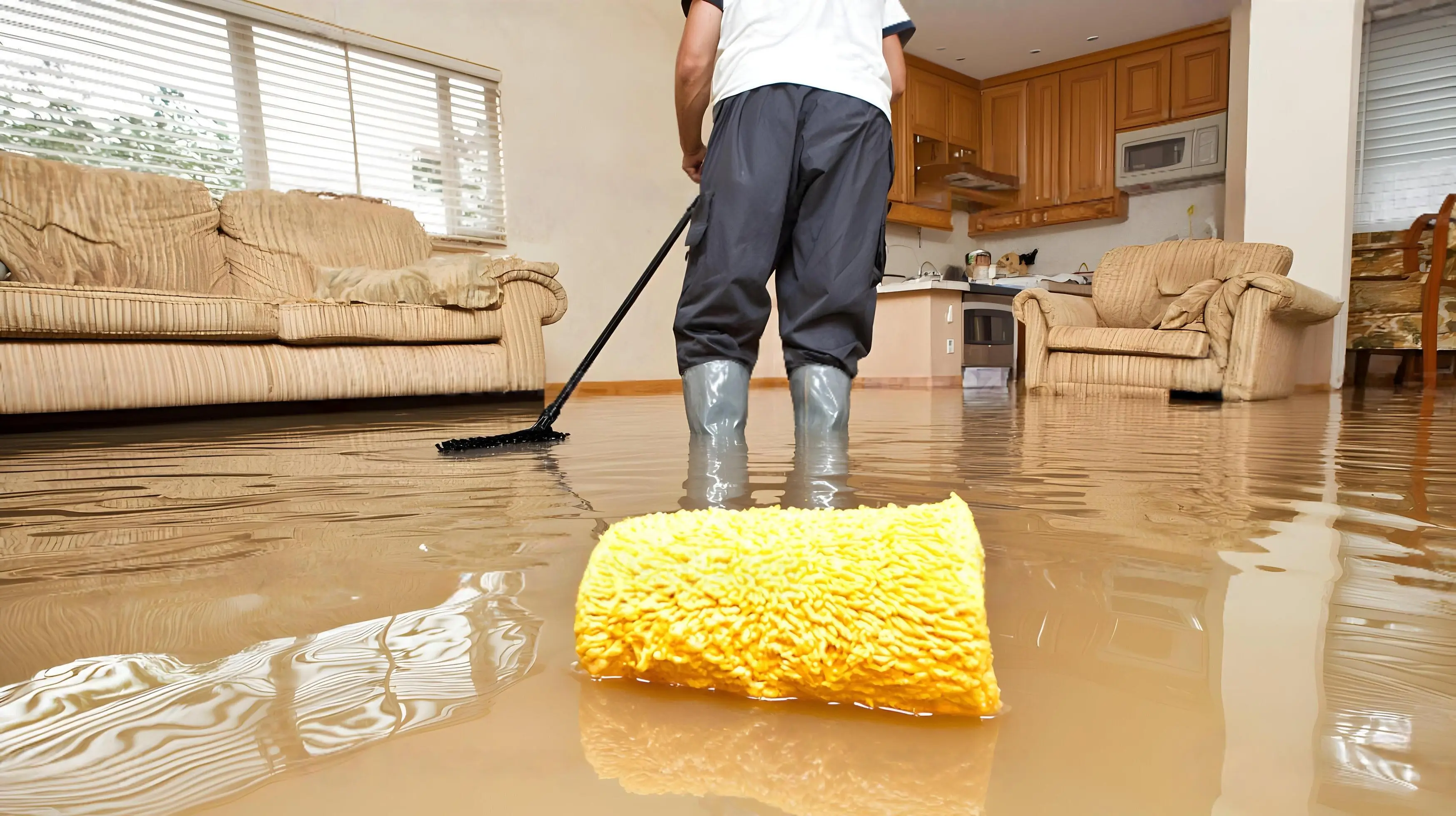
Water Damage Restoration
Burst pipes, storm flooding, standing water. We extract, dry, and restore before mold sets in.
Learn more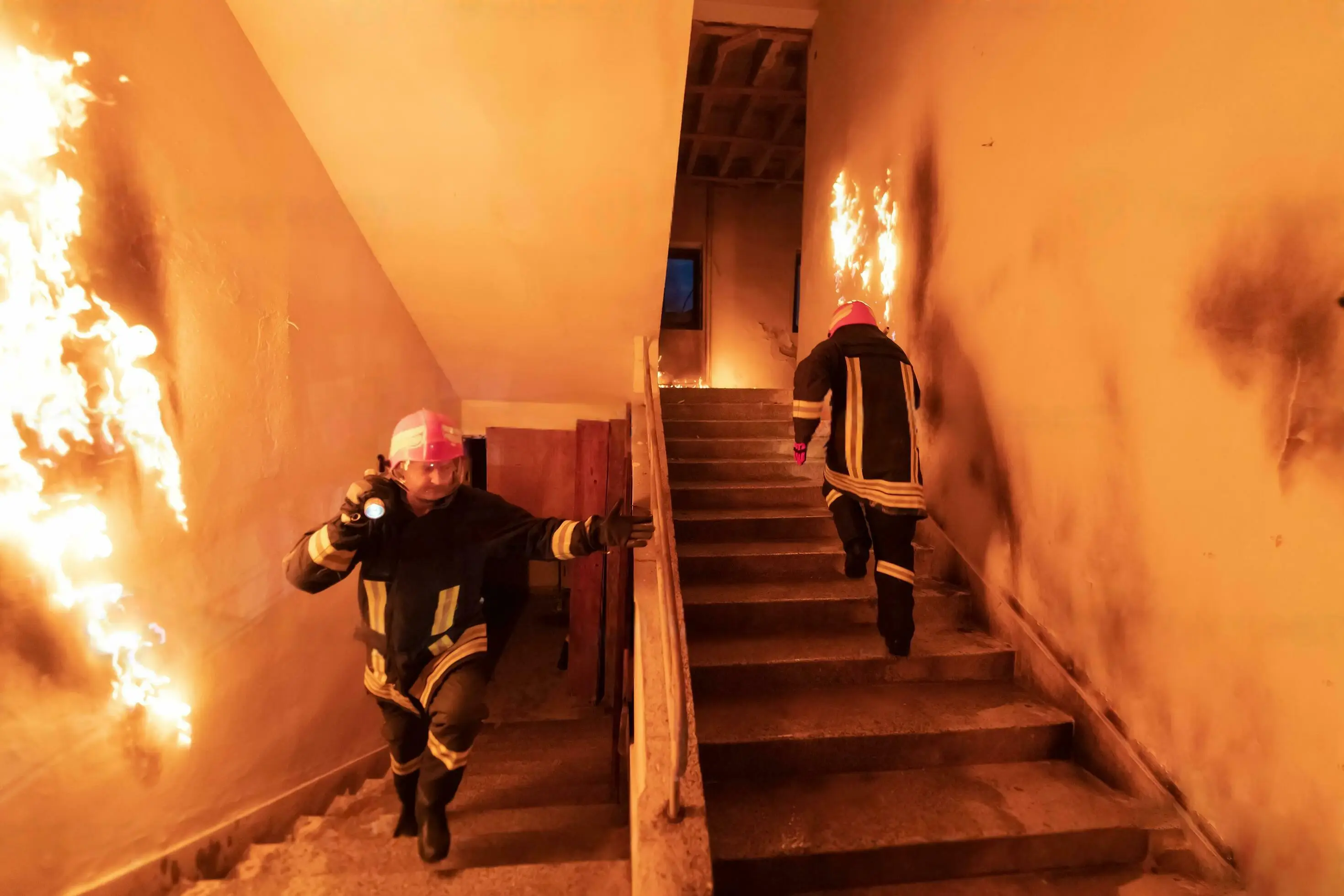
Fire Damage Restoration
Structural damage, soot, debris. We stabilize, clean, and rebuild what fire destroyed.
Learn more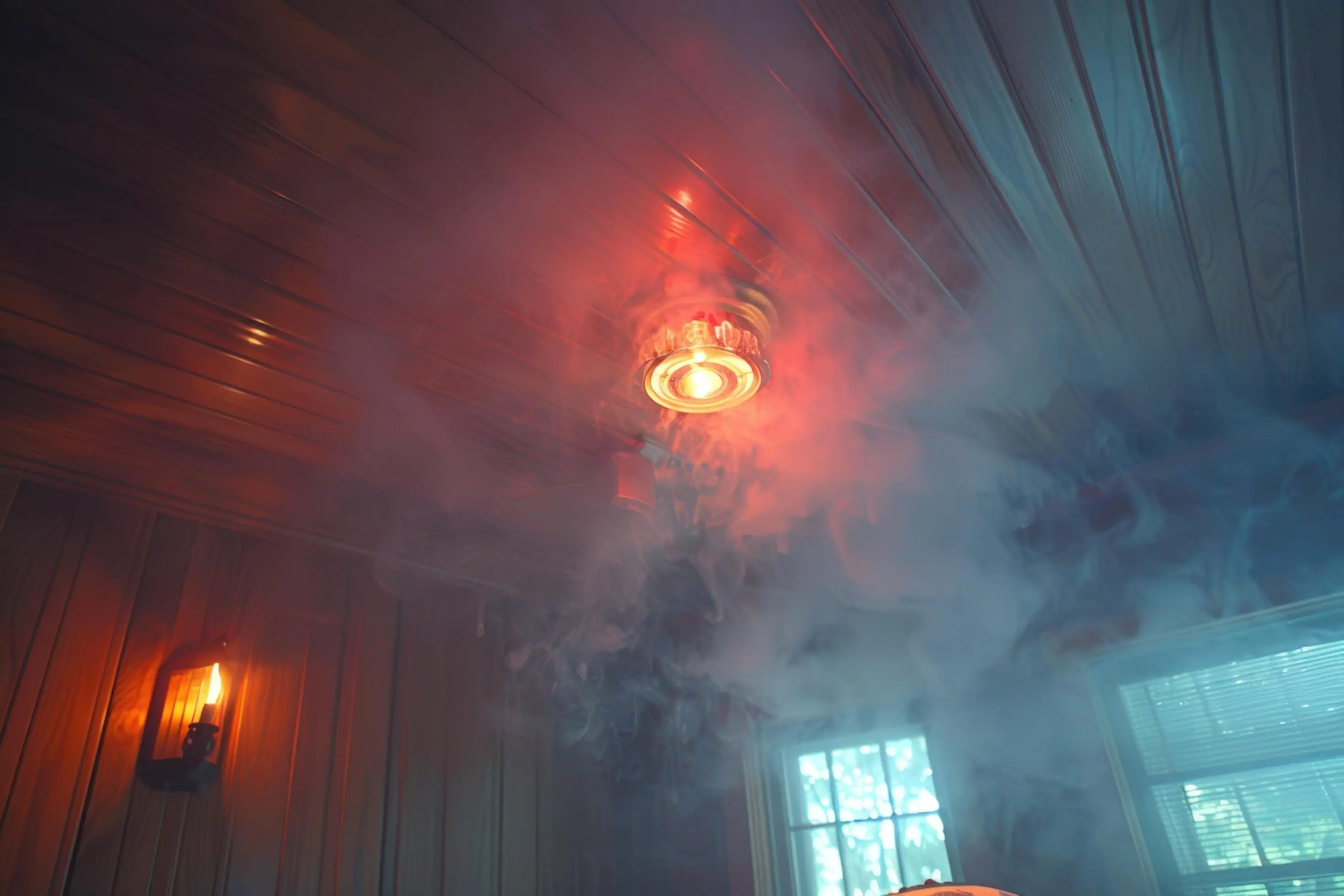
Smoke Damage Restoration
Soot residue, chemical odors, HVAC contamination. We decontaminate surfaces, eliminate odors, and restore air quality.
Learn more