
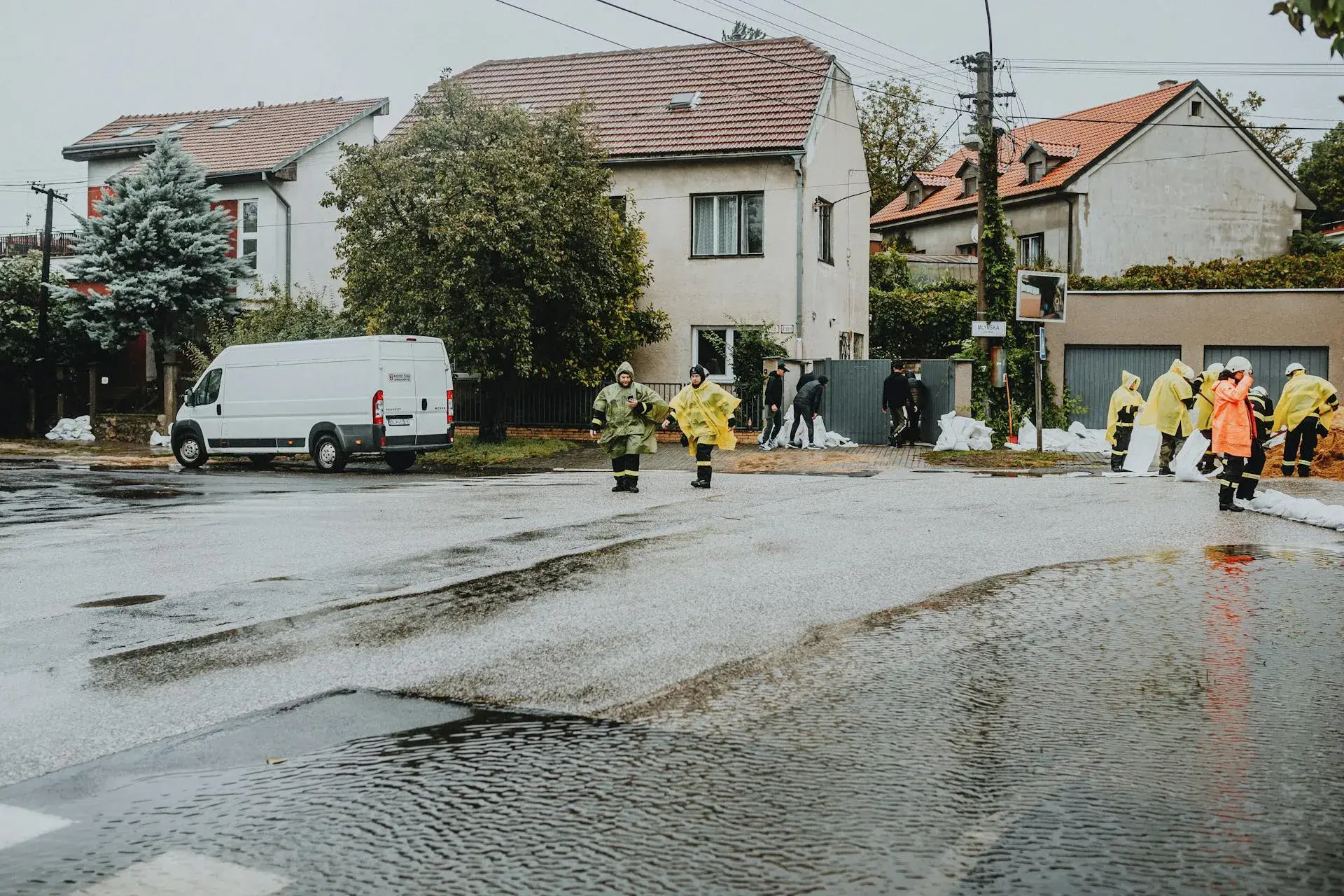
Sewage Cleanup in Atlanta, GA
Raw sewage introduces dangerous biological pathogens and toxics into living spaces. Our Atlanta emergency biohazard crews arrive on site within 60 minutes.
What Happens When You Call
A certified biohazard response coordinator answers your call 24/7, gives immediate safety guidance, and dispatches our local Atlanta emergency crew.
Our response truck arrives at your Atlanta property within 60 minutes equipped with truck-mounted blackwater extractors, containment supplies, and hospital-grade biocides.
Technicians isolate the contaminated zone with sealed plastic barriers and deploy HEPA-filtered negative air machines to trap airborne bio-aerosols.
Raw sewage and non-salvageable porous materials are extracted and safely removed, surfaces are sanitized with EPA-registered hospital disinfectants, and structural drying begins.
A sewage backup inside your Atlanta property is a critical biohazard emergency classified as Category 3 blackwater. Whether triggered by municipal sewer line surcharges in the City of Atlanta Department of Watershed Management network, heavy stormwater infiltration during torrential Piedmont downpours, mature tree root obstruction in an older Inman Park or Grant Park sewer lateral, or a failed sewage ejector pump in a finished Buckhead daylight basement, raw sewage introduces dangerous pathogens including E. coli, Salmonella, Norovirus, Giardia, and Hepatitis directly into your living or working environment. Attempting to mop up sewage with standard cleaning supplies spreads virulent microorganisms across porous materials, creating severe health hazards. X Response provides 24/7 certified sewage extraction, complete biohazard decontamination, and structural drying across Atlanta and surrounding Fulton and DeKalb County communities. Call now for 60-minute emergency sewage response in Atlanta.
Why Atlanta Homes Are Vulnerable to Sewage
Atlanta is a major urban municipality of over 498,000 residents spanning Fulton and DeKalb Counties. Wastewater collection across the city is operated through an extensive, aging infrastructure managed by the City of Atlanta Department of Watershed Management, including both separate sanitary sewer networks and historical combined sewer systems. The city's rolling topography creates natural drainage basins that funnel stormwater and wastewater into local tributaries, including Peachtree Creek, Proctor Creek, Utoy Creek, Nancy Creek, and the South River. In established neighborhoods such as Grant Park, Virginia-Highland, Inman Park, and West End, residential sewer laterals frequently consist of aging vitrified clay or cast-iron piping surrounded by dense root systems of mature oak, pine, and magnolia trees, creating high susceptibility to root intrusion, pipe fractures, and severe blockages.
The waterway is plagued with pollution erosion and high bacteria levels from regular stormwater flooding and sewage overflows. In particular the poor ecological health of this urban creek is attributed to illegal tire dumping/litter and combined and sanitary sewer overflows (CSO) (SSO). This official finding by the U.S. Environmental Protection Agency regarding Atlanta's Proctor Creek watershed highlights the recurring challenges of wastewater surcharge and flooding in the metropolitan area. During intense convective storms, sudden inflow and infiltration (I&I) overwhelm municipal trunk lines, forcing pressurized blackwater backward through lowest-elevation residential plumbing fixtures, basement floor drains, and ground-floor toilets. Because sewage contains live biological pathogens and hazardous toxins, immediate professional containment, complete disposal of contaminated porous items, and hospital-grade sanitization are essential to protect human health.
Stormwater Inflow and Infiltration in Urban Drainage Basins
During heavy Atlanta thunderstorms, massive volumes of stormwater enter municipal sewer lines through manholes, cracked pipes, and surface runoff. Surcharged sewer mains create intense backpressure that forces raw wastewater back up private lateral lines into daylight basements, ground-level apartments, and commercial lower levels.
Mature Tree Root Intrusion in Historic Neighborhoods
Dense, mature tree canopies across Atlanta's established neighborhoods aggressively seek water inside underground sewer lines. Tree roots penetrate pipe joints in older vitrified clay and cast-iron laterals, snagging solid waste and grease until complete mainline blockages trigger sudden indoor backups.
Basement Plumbing Fixtures Below Mainline Grade
Many renovated homes in Buckhead, Virginia-Highland, and Midtown feature finished daylight basements with bathrooms, laundry rooms, and wet bars located below the street sewer main. When gravity lines surcharge or residential sewage ejector pumps fail, blackwater rapidly submerges finished living areas.
Biological Contamination and Rapid Microbial Proliferation
Category 3 blackwater contains millions of virulent bacteria, viruses, and parasites per milliliter. In Atlanta's warm ambient climate, biological pathogens multiply exponentially within hours, penetrating carpet padding, subfloors, baseboards, and drywall framing.
Fats, Oils, and Grease (FOG) Accumulation in Residential Plumbing
Discharge of cooking grease and non-dispersible wipes in residential and multi-family plumbing networks solidifies along pipe interiors. Over time, these obstructions narrow sewer pipe diameters, causing sudden catastrophic wastewater backups into ground-floor fixtures.
Remediating sewage backups across Atlanta requires specialized biohazard containment, commercial extraction machinery, and broad-spectrum antimicrobial treatments. Saturated red clay topography and municipal sewer dynamics demand an experienced restoration partner. X Response delivers certified decontamination protocols to protect your property and your family's health.
What Happens to Your Home While You Wait
Within 1 Hour
Raw sewage inundates flooring surfaces, saturating carpet fibers, subflooring, and porous drywall. Pathogenic bacteria and biological aerosols spread into adjacent rooms, while hazardous sewer gases fill the property.
1-24 Hours
Blackwater wicks upward into interior wall studs, baseplates, and door framing. Highly permeable materials like insulation, carpet padding, and floating laminate flooring become irreversibly contaminated and cannot be salvaged.
24-48 Hours
Bacterial colonies multiply exponentially, emitting noxious hydrogen sulfide and volatile organic compounds. Mold spores germinate on damp organic waste residues, compounding the biohazard crisis with active fungal growth.
3-7 Days
Severe biological degradation. Sewage penetrates deep into structural plywood subfloors, timber joists, and porous foundation concrete. Framing members absorb pathogens deep into wood pores, requiring abrasive cleaning or structural replacement.
One Week and Beyond
Permanent biohazard contamination. Structural framing softens, concrete surfaces absorb dangerous pathogens, and the property becomes completely uninhabitable, requiring extensive demolition and environmental reconstruction.
Immediate extraction halts biological contamination and protects your family from hazardous pathogens. Contact X Response immediately for 24/7 emergency sewage cleanup in Atlanta.
How We Restore Sewage-Damaged Atlanta Homes
Our sewage remediation protocol adheres strictly to IICRC S500 standards for Category 3 blackwater losses, ensuring complete biohazard containment, extraction, and hospital-grade disinfection.
Emergency Biohazard Assessment and Containment Setup
Upon arriving at your Atlanta property, our certified technicians assess the scope of contamination, wear full personal protective equipment (PPE), and seal off the affected areas using heavy-duty plastic containment barriers. We set up HEPA-filtered negative air machines to prevent airborne bio-aerosols from spreading into clean rooms.
Bulk Blackwater Extraction and Solid Waste Removal
We utilize industrial truck-mounted extraction units and submersible trash pumps to rapidly remove liquid sewage and solid waste from living spaces, basements, and crawl spaces. Waste is safely contained and disposed of in compliance with local environmental regulations.
Controlled Removal of Contaminated Porous Materials
Because Category 3 blackwater causes irreversible biological contamination, non-salvageable porous materials, including saturated carpet, padding, vinyl flooring, baseboards, and contaminated drywall, are carefully cut out, sealed in heavy-duty biohazard bags, and removed from the structure.
Hospital-Grade Antimicrobial Sanitization and Deep Scrubbing
All remaining structural surfaces, concrete slabs, and framing timbers are thoroughly scrubbed, pressure-washed with specialized recovery tools, and treated with EPA-registered broad-spectrum hospital-grade disinfectants to eradicate bacteria, viruses, and parasites.
Structural Drying and Odor Elimination
We position industrial low-grain refrigerant (LGR) dehumidifiers and commercial air movers to completely dry framing members and concrete slabs. Hydroxyl generators run continuously to neutralize lingering sewer gas odors, ensuring your property is fully restored to a clean, safe state.
The X Response Difference
Restore your home safely and thoroughly with Atlanta's certified sewage and biohazard extraction team. Call X Response today.
Insurance Claim Guidance for Atlanta Homeowners
Filing an insurance claim for sewage damage in Georgia requires an understanding of specific policy endorsements. Standard homeowners policies generally exclude drain and sewer backups unless the property owner has purchased an optional Sewer and Drain Backup endorsement. If the backup was caused by an on-premise plumbing failure, standard structural coverage may apply. X Response provides complete forensic origin documentation, high-resolution photo logs, and itemized scopes of loss to help you navigate your claim and maximize your coverage under Georgia insurance regulations.
How X Response Helps
- Document the exact point of wastewater entry with detailed photographic evidence and moisture mapping
- Compile itemized scopes of loss using industry-standard pricing schedules recognized across Georgia
- Delineate between structural mitigation costs, biohazard disposal, and personal contents losses
- Coordinate directly with your insurance adjuster, providing daily drying and sanitization logs
- Deliver comprehensive documentation that substantiates emergency mitigation expenses for rapid reimbursement
X Response does not act as a licensed insurance adjuster or make legal coverage determinations. We supply forensic documentation, sanitization logs, and detailed repair estimates to support your property claim.
Certified Restoration Specialists Serving Atlanta
Our Atlanta sewage cleanup team consists of IICRC-certified Applied Microbial Remediation Technicians (AMRT) and Water Damage Restoration Technicians (WRT) trained in hazardous Category 3 blackwater management. Serving communities across Fulton and DeKalb Counties from Buckhead and Midtown to Inman Park, Old Fourth Ward, Virginia-Highland, and West End, our specialists have extensive experience resolving complex wastewater crises in historic properties and modern structures.
We operate specialized biohazard recovery trucks equipped with high-capacity blackwater extraction pumps, hospital-grade antimicrobials, negative air containment machines, and commercial LGR dehumidifiers. Our commitment to safety, discretion, and thorough decontamination makes X Response the trusted partner for sewage emergencies throughout Atlanta.
In Atlanta, X Response works with Boss Contracting, an independent local restoration partner serving Fulton County.
Sewage Cleanup FAQ for Atlanta Homeowners
Other Emergency Services in Atlanta
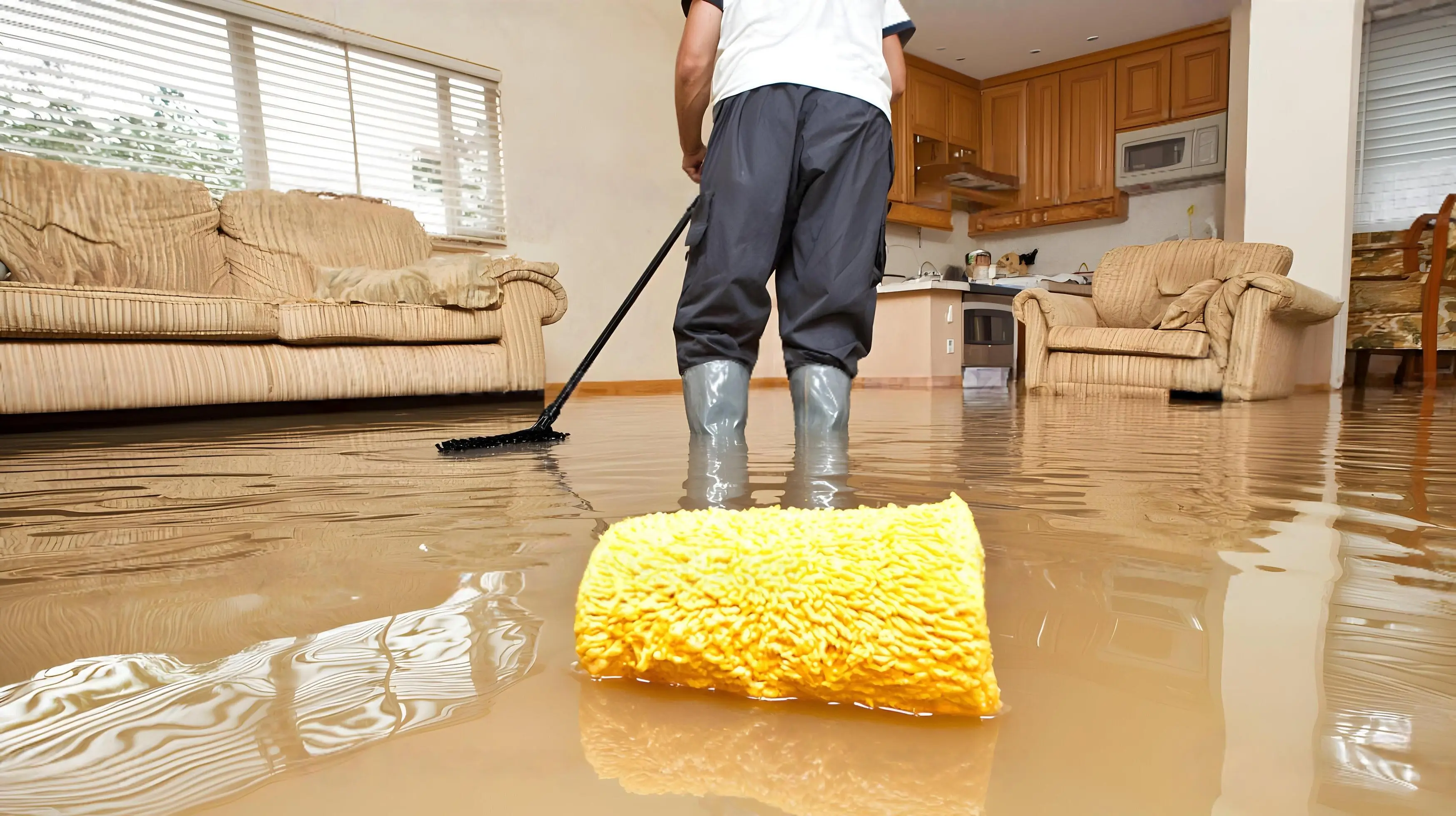
Water Damage Restoration
Burst pipes, storm flooding, standing water. We extract, dry, and restore before mold sets in.
Learn more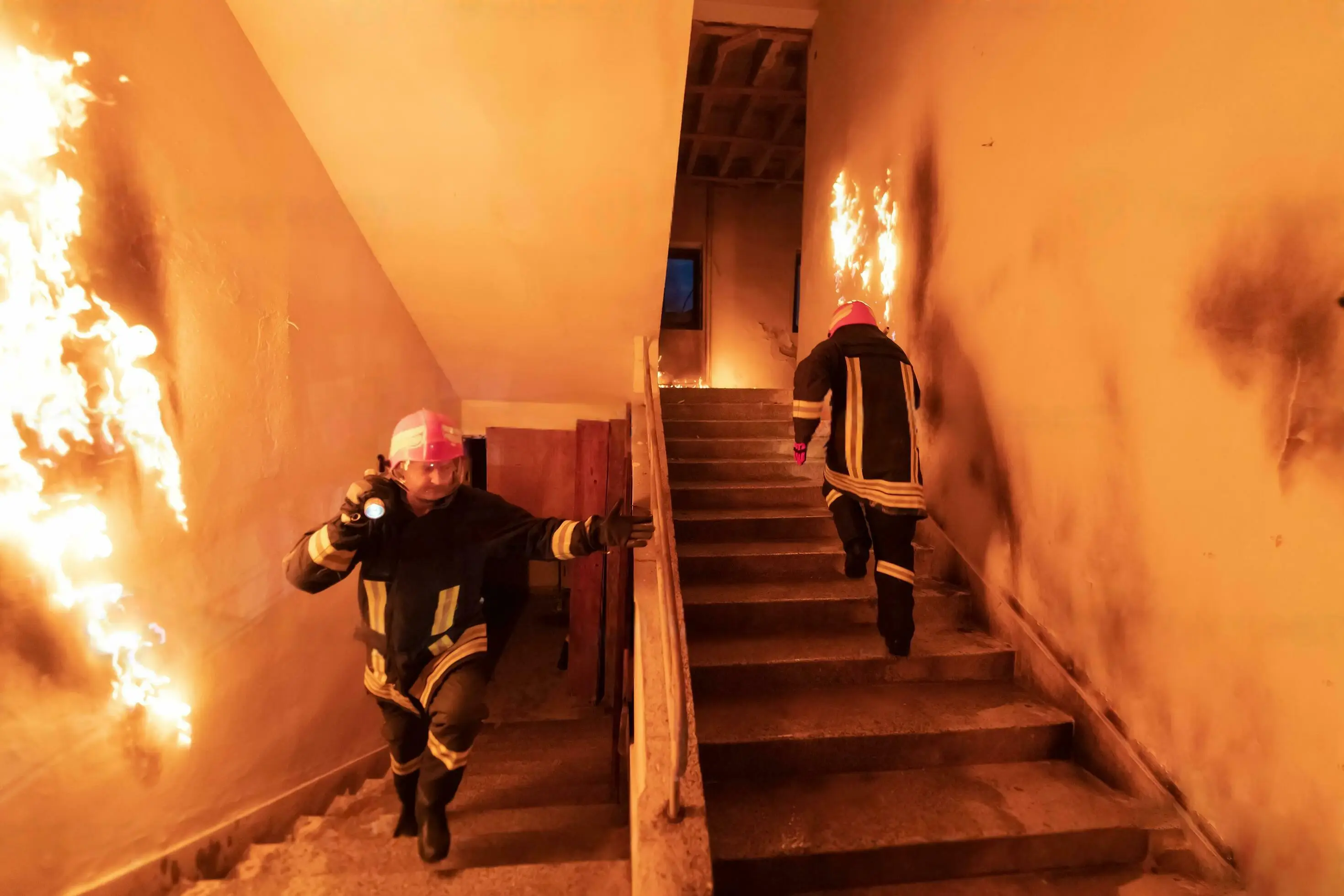
Fire Damage Restoration
Structural damage, soot, debris. We stabilize, clean, and rebuild what fire destroyed.
Learn more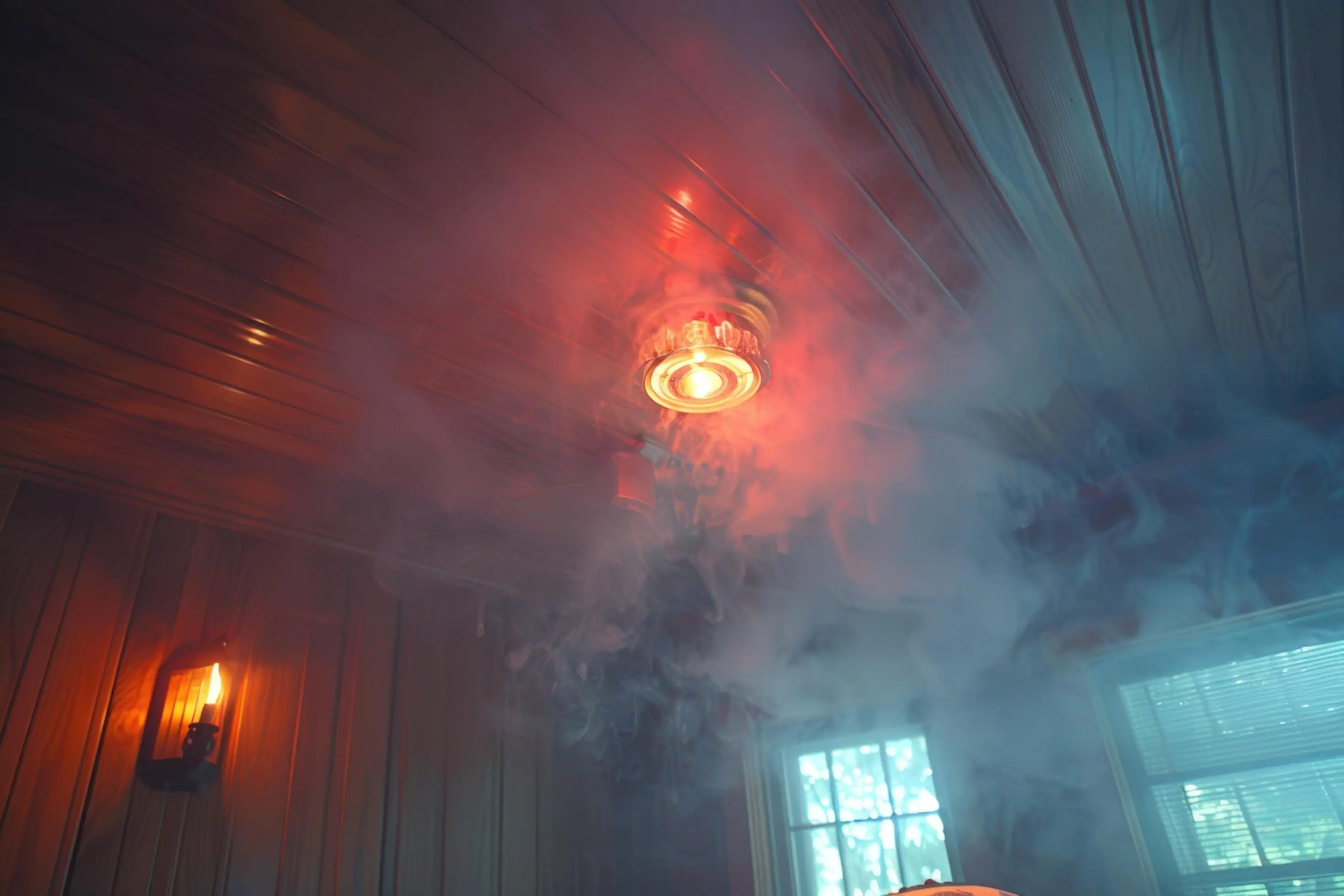
Smoke Damage Restoration
Soot residue, chemical odors, HVAC contamination. We decontaminate surfaces, eliminate odors, and restore air quality.
Learn more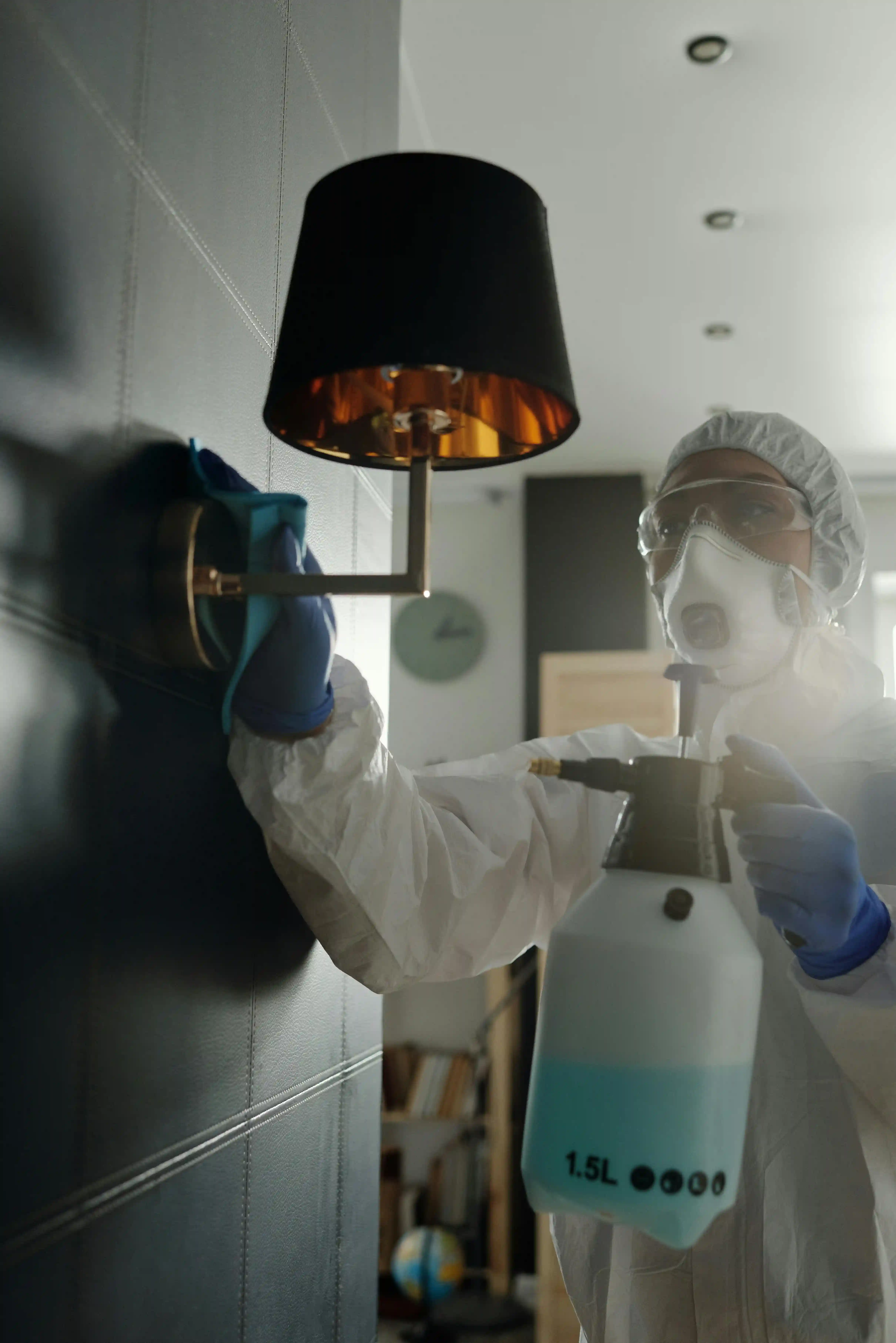
Mold Remediation
Testing, containment, removal, prevention. We find the source, eliminate the growth, and stop it from returning.
Learn more