
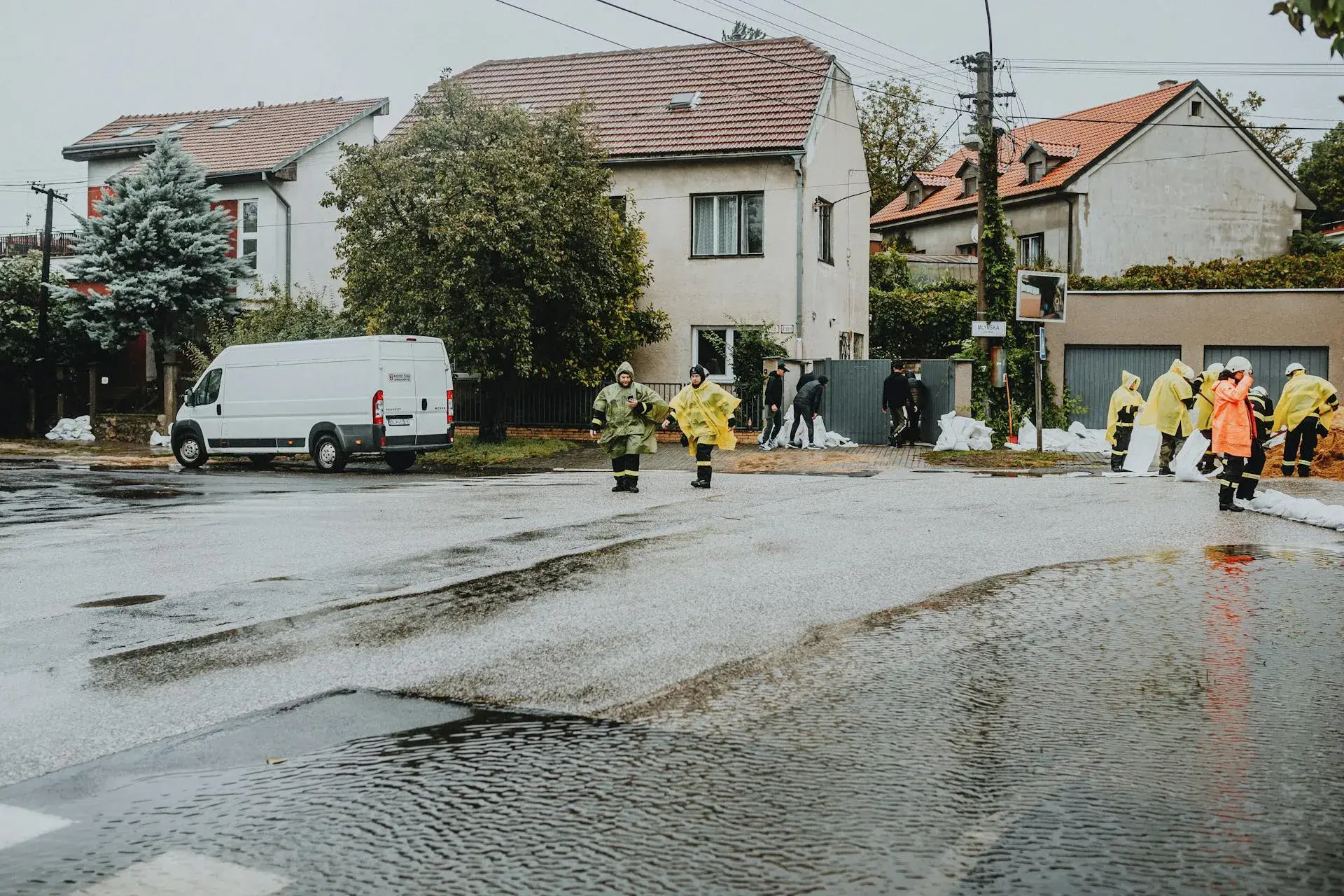
Sewage Cleanup in Decatur, GA
Raw sewage introduces dangerous biological pathogens and toxics into living spaces. Our Decatur emergency biohazard crew arrives within 60 minutes.
What Happens When You Call
A certified biohazard response dispatcher answers 24/7, provides immediate safety guidance, and deploys our nearest DeKalb County emergency crew.
Our response truck arrives in Decatur within 60 minutes equipped with truck-mounted blackwater extractors, containment materials, and hospital-grade biocides.
Technicians isolate the contaminated zone with sealed plastic barriers and deploy negative air filtration to trap airborne bio-aerosols.
Raw sewage and contaminated porous materials are extracted and safely removed, surfaces are sanitized with EPA-registered hospital disinfectants, and structural drying begins.
A sewage backup inside your Decatur property is an urgent biohazard emergency classified as Category 3 blackwater. Whether triggered by municipal mainline surcharges along the DeKalb County Department of Watershed Management system, heavy stormwater infiltration during torrential Piedmont rains, tree root obstruction in an older Oakhurst sewer lateral, or a failed ejector pump in a finished Winnona Park basement, raw sewage introduces dangerous pathogens including E. coli, Salmonella, Norovirus, and Hepatitis A directly into your living areas. Attempting to clean sewage with regular mops spreads virulent microorganisms across porous materials, creating severe health hazards. X Response provides 24/7 certified sewage extraction, complete biohazard sanitization, and structural drying across Decatur and DeKalb County. Call now for 60-minute emergency sewage response in Decatur.
Why Decatur Homes Are Vulnerable to Sewage
Decatur is a historic city in central DeKalb County with a population exceeding 24,000 residents, situated just east of Atlanta. Wastewater collection across the city is managed through a complex network of sanitary sewer mains, gravity interceptors, and lift stations operated by the DeKalb County Department of Watershed Management. The local topography consists of rolling Piedmont ridges with numerous tributary valleys draining into Peavine Creek, Shoal Creek, and Sugar Creek. In mature subdivisions and historic districts like Oakhurst, Winnona Park, and Great Decatur, residential sewer laterals often feature century-old vitrified clay, cast iron, or early PVC piping surrounded by dense root systems of mature oak and maple trees, creating conditions highly prone to root intrusion, joint separation, and pipe collapse.
The U.S. Environmental Protection Agency reported that sanitary sewer overflows occasionally release untreated raw sewage containing bacteria, viruses, and parasites, causing property damage and serious public health threats. In Decatur, sudden severe thunderstorms frequently cause heavy inflow and infiltration (I&I) into sanitary sewer networks along low-elevation creek corridors, overwhelming mainline capacity and forcing untreated blackwater backward through residential basement floor drains, showers, and toilets. Because blackwater contains live biological pathogens, immediate certified containment, complete removal of porous assemblies, and hospital-grade sanitization are required to return properties to safe, sanitary occupancy.
Stormwater Inflow and Infiltration in Peavine and Sugar Creek Basins
During torrential North Georgia thunderstorms, heavy surface runoff enters municipal sewer lines through manholes, cracked pipes, and illegal storm connections. Surcharged mains force pressurized raw sewage back up residential lateral lines, flooding daylight basements and ground-floor bathrooms.
Mature Tree Root Intrusion in Historic Neighborhoods
Mature oak and hardwood canopies across Decatur's historic neighborhoods seek moisture inside underground sewer lines. Roots infiltrate pipe joints in clay and cast-iron laterals, catching solid waste and grease until complete mainline blockages trigger sudden indoor backups.
Basement Plumbing Fixtures Below Mainline Grade
Many renovated historic Decatur homes feature finished daylight basements with bathrooms, wet bars, and laundry connections positioned below the level of the street sewer main. When gravity lines back up or residential sewage ejector pumps fail, blackwater quickly floods lower-level living spaces.
Biological Contamination and Rapid Microbial Proliferation
Category 3 sewage contains millions of bacteria, viruses, and parasites per milliliter. In Decatur's warm, humid environment, biological pathogens multiply exponentially within hours, penetrating carpet padding, subfloors, and drywall baseplates.
Fats, Oils, and Grease (FOG) Accumulation in Residential Laterals
Accumulation of cooking grease and non-dispersible wipes in residential plumbing lines hardens against pipe walls. Over time, these obstructions restrict flow and cause severe localized wastewater backups into first-floor and basement fixtures.
Cleaning up sewage backups in Decatur requires specialized biohazard containment, commercial extraction machinery, and broad-spectrum antimicrobial treatments. Saturated red clay topography and municipal sewer challenges demand an experienced restoration partner. X Response delivers certified decontamination protocols to protect your property and your family's health.
What Happens to Your Home While You Wait
Within 1 Hour
Raw sewage inundates flooring, soaking into carpet fibers, padding, and porous drywall. Pathogenic bacteria and biological aerosols spread into surrounding rooms, and toxic sewer gas odors fill the building.
1-24 Hours
Blackwater wicks upward into interior wall studs, baseplates, and door jambs. Highly permeable materials like insulation, carpet pad, and floating laminate flooring become irreversibly contaminated and cannot be salvaged.
24-48 Hours
Bacterial populations multiply rapidly, releasing foul hydrogen sulfide and volatile organic compounds. Mold spores germinate on organic waste residues, compounding the biohazard crisis with active fungal growth.
3-7 Days
Severe biological degradation. Sewage penetrates deep into plywood subflooring, joists, and porous foundation concrete. Wood framing absorbs pathogens deep into its grain, requiring specialized abrasive cleaning or structural replacement.
One Week and Beyond
Permanent contamination of the building envelope. Unremediated sewage poses severe, long-term health risks to occupants, requiring extensive structural gutting down to the foundation and complete environmental decontamination.
Immediate extraction within hours of a sewage backup is crucial to limit pathogen exposure and salvage structural components. Contact X Response immediately for 24/7 certified biohazard recovery in Decatur.
How We Restore Sewage-Damaged Decatur Homes
Our sewage remediation protocol follows strict IICRC S500 Category 3 standards and OSHA biohazard guidelines to safely extract blackwater, eliminate pathogens, and restore clean indoor air.
Emergency Biohazard Assessment and Safety Containment
Upon arrival, our technicians don full personal protective equipment (PPE), including Tyvek suits, nitrile gloves, and full-face respirators. We isolate the contaminated area using 6-mil polyethylene critical barriers and install HEPA-filtered negative air machines to prevent bio-aerosols from escaping.
Bulk Blackwater Extraction and Waste Removal
We deploy high-volume truck-mounted extraction rovers and specialized waste pumps to remove liquid sewage and solid waste from the property. All extracted biohazard waste is safely contained and disposed of in strict accordance with Georgia environmental regulations.
Removal of Irreversibly Contaminated Porous Materials
Per IICRC Category 3 standards, porous materials that have absorbed blackwater, including carpet padding, drywall up to 24 inches above the water line, baseboards, and insulation, are carefully cut out, double-bagged, and removed from the structure under containment.
Pressure Washing and Hospital-Grade Antimicrobial Disinfection
All remaining non-porous and semi-porous surfaces, such as concrete slabs, tile floors, and wood framing, are thoroughly scrubbed, pressure-washed, and treated with EPA-registered hospital-grade broad-spectrum disinfectants to destroy bacteria, viruses, and fungi.
Controlled Structural Drying and Odor Elimination
Industrial low-grain refrigerant (LGR) dehumidifiers and high-velocity axial air movers are positioned inside the containment zone to dry framing and concrete to verified dry standards. Commercial air scrubbers equipped with activated carbon filters run continuously to eliminate lingering odors.
The X Response Difference
Protect your family and property with Decatur's premier biohazard and sewage cleanup team. Call X Response today.
Insurance Claim Guidance for Decatur Homeowners
Sewage backup insurance claims in Georgia require careful policy review and precise documentation. Standard homeowners and commercial property policies generally exclude damage caused by sewer or drain backups unless the policy includes a specific Water Backup of Sewer or Drain Endorsement. When this endorsement is present, coverage is provided up to the policy limit (typically $5,000 to $25,000) for extraction, structural cleanup, contents replacement, and temporary living expenses. X Response works directly with your insurance carrier to provide photographic proof, cause-of-loss documentation, and itemized estimates that substantiate your claim.
How X Response Helps
- Document the exact point of entry and mechanical or environmental cause of the sewage backup
- Itemize emergency biohazard extraction, containment, demolition, and hospital-grade sanitization costs
- Provide detailed photo inventories of all contaminated personal belongings and structural building materials
- Coordinate directly with your insurance adjuster, ensuring all necessary biohazard safety measures are approved
- Supply post-cleanup moisture and hygiene documentation to verify the home is safe for occupancy
X Response does not act as an insurance adjuster or provide legal coverage advice. We provide comprehensive forensic biohazard documentation and repair estimates to support your property claim.
Certified Restoration Specialists Serving Decatur
Our Decatur sewage cleanup specialists hold advanced IICRC certifications in Water Damage Restoration (WRT) and Applied Microbial Remediation (AMRT), along with comprehensive OSHA biohazard compliance training. Serving neighborhoods across DeKalb County from Oakhurst and Winnona Park to Great Decatur and Clairemont, our team has the specialized equipment and technical training needed to handle hazardous Category 3 blackwater emergencies safely.
We operate heavy-duty emergency response vehicles stocked with commercial truck-mounted extraction rovers, negative air scrubbers, hospital-grade biocides, and advanced moisture diagnostic equipment. We are committed to restoring your Decatur home to a clean, safe, and fully sanitized environment with speed and compassion.
In Decatur, X Response works with Boss Contracting, an independent local restoration partner serving DeKalb County.
Sewage Cleanup FAQ for Decatur Homeowners
Other Emergency Services in Decatur

Water Damage Restoration
Burst pipes, storm flooding, standing water. We extract, dry, and restore before mold sets in.
Learn more
Fire Damage Restoration
Structural damage, soot, debris. We stabilize, clean, and rebuild what fire destroyed.
Learn more
Smoke Damage Restoration
Soot residue, chemical odors, HVAC contamination. We decontaminate surfaces, eliminate odors, and restore air quality.
Learn more
Mold Remediation
Testing, containment, removal, prevention. We find the source, eliminate the growth, and stop it from returning.
Learn more