
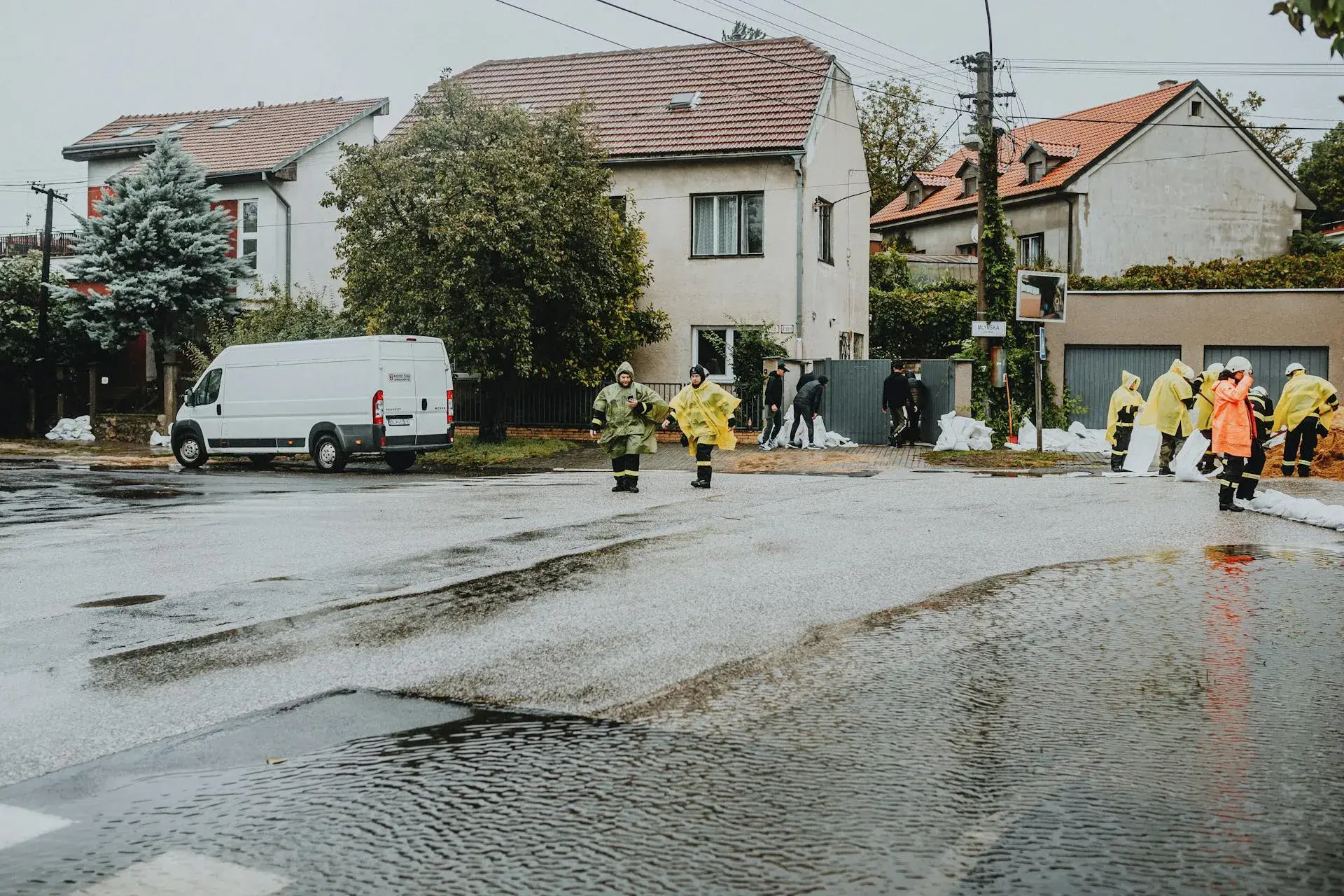
Sewage Cleanup in Powder Springs, GA
Sewage in your home is a biohazard that threatens your health with every hour of exposure. Our certified team responds to Powder Springs emergencies within 60 minutes.
What Happens When You Call
A real person answers, not a call center. We assess the sewage source, affected areas, and exposure risk, and begin coordinating your emergency response immediately.
Your dedicated biohazard-certified team is dispatched from our local base serving Powder Springs and the surrounding southwest Cobb County communities.
Team arrives with personal protective equipment, industrial extractors, antimicrobial agents, and commercial drying equipment. Extraction and containment begin immediately.
Sewage extracted, affected materials removed, surfaces sanitized, drying equipment placed. You know exactly what was contaminated and what the remediation plan involves.
Sewage has entered your home. This is not a situation that can wait for a callback queue or a next-day appointment. Raw sewage contains bacteria, viruses, parasites, and chemical contaminants that pose immediate health risks to everyone in the home. X Response exists for exactly this moment. When you reach out, your biohazard-certified restoration team is mobilized within minutes. From that point forward, one team manages everything: extraction, containment, sanitation, drying, and documentation. Call now. Your team is standing by.
Why Powder Springs Homes Are Vulnerable to Sewage
Powder Springs is served by the Cobb County Water System, which has provided water distribution, wastewater collection, and stormwater management to the city since extending services to its incorporated areas. Wastewater from Powder Springs flows through the county's collection system to one of its water reclamation facilities for treatment. The system operates under a Capacity, Management, Operations, and Maintenance (CMOM) program with National Pollutant Discharge Elimination System permits issued by the Georgia Environmental Protection Division. Despite this regulatory framework, the system experiences overflow events. On January 30, 2026, the Cobb County Water System reported that wastewater overflowed into the tributary to Wildhorse Creek at 3728 Acorn Drive SW in Powder Springs, documenting the event through its CMOM press release program. This was not an isolated incident. The county's CMOM records document multiple overflow events each year across the collection network, and the broader system's history includes the catastrophic January 2019 pump failure at the South Cobb Water Reclamation Facility that released approximately 113 million gallons of raw sewage into Nickajack Creek, leading to a $30 million settlement. A federal consent decree (United States v. Cobb County, Georgia) addresses ongoing Clean Water Act compliance.
For Powder Springs homeowners, sewer backup risk operates at two levels. At the system level, heavy rainfall events overwhelm the Cobb County collection network, pushing wastewater back through surcharged lines and into homes connected to affected segments. The city's rapid growth since the late 1990s has added thousands of homes to the collection system, increasing base flows in mains that may not have been upsized proportionally. Inflow and infiltration during storms adds stormwater volume through deteriorated pipe joints, unsealed manholes, and connected roof drains, compounding the capacity problem. At the property level, individual lateral lines connecting homes to the county main are the homeowner's responsibility. In the older portions of Powder Springs near downtown, these laterals may be original clay or Orangeburg pipe vulnerable to root intrusion and collapse. In the newer subdivisions, PVC laterals are generally more reliable but can be compromised by construction damage, ground movement on the shifting Piedmont clay, or blockages from fats, oils, and grease. Both scenarios put Category 3 (black water) contamination inside your home.
Documented Sewer Overflows in Powder Springs
The Cobb County Water System's CMOM press release program documents sanitary sewer overflow events across the collection network. On January 30, 2026, the system reported a wastewater overflow into the tributary to Wildhorse Creek at 3728 Acorn Drive SW in Powder Springs. This event is representative of an ongoing pattern: the county's records show multiple overflows each year across its service area, triggered by heavy rainfall events, equipment failures, and capacity limitations in the aging collection system. The broader system context includes the January 2019 pump failure at the South Cobb Water Reclamation Facility that spilled approximately 113 million gallons into Nickajack Creek over nine days, and the May 2025 overflow at the Northwest Water Reclamation Facility that released 288,000 gallons into a Proctor Creek tributary. A federal consent decree between the United States and Cobb County addresses the county's Clean Water Act compliance obligations.
Rapid Growth Straining Collection Capacity
Powder Springs grew more than 50 percent between 2010 and 2025, adding thousands of homes and the associated wastewater flows to the Cobb County collection system. When subdivisions and townhome developments connect to existing mains, they increase base flows in pipes that were sized for a smaller community. During heavy rainfall, the increased base flow leaves less capacity for the inflow and infiltration that inevitably enters through system defects. The result is a collection network operating closer to capacity during normal conditions and more prone to surcharging during storms. Properties in low-lying areas or near the system's downstream collection points face elevated backup risk because they sit at the points where capacity limitations manifest as pressure buildup that pushes sewage back through the lowest available exit: floor drains and first-floor fixtures in connected homes.
Storm-Driven Surcharging and System Vulnerability
During heavy rainfall, the Cobb County sewer collection system receives excess water from inflow through unsealed manholes, connected roof drains, and broken cleanout caps, and from infiltration through deteriorated pipe joints, cracks, and root-damaged connections. Both sources add stormwater volume to a system designed for sanitary sewage only. When combined flows exceed pipe capacity, the system surcharges: pressure builds in the lines and sewage backs up through the lowest available exits. Powder Springs' intense spring and summer thunderstorms can add enormous volumes of stormwater to the collection system within a short period. The January 2026 overflow at Acorn Drive SW demonstrates that the system remains vulnerable to these storm-driven events in the Powder Springs area specifically.
Category 3 Contamination and Health Hazards
All sewage intrusions are classified as Category 3 water damage under the IICRC S500 standard, the most contaminated and hazardous category. This classification carries bacteria including E. coli, salmonella, and other pathogens, viruses including hepatitis, rotavirus, and norovirus, parasites including giardia and cryptosporidium, and chemical contaminants from the combined waste stream. Category 3 water damages all porous materials it contacts beyond restoration: carpet, padding, drywall below the flood line, insulation, upholstered furniture, and paper products. These materials cannot be cleaned to a safe standard and must be removed as contaminated waste. The health risk to occupants is immediate upon exposure, and contamination risk to the structure increases with every hour sewage remains in contact with materials.
Humid Climate Accelerates Biological Hazards
North Georgia's warm, humid climate accelerates the biological hazards present in sewage contamination. Bacteria multiply exponentially in warm, moist environments, and Powder Springs' ambient conditions from May through October provide ideal temperatures for pathogenic growth. After a backup, contaminated materials sitting in summer humidity for even 24 hours develop bacterial concentrations far beyond the initial level. Mold colonization begins simultaneously on any wet material, compounding the biohazard with secondary fungal contamination. The humid climate also means that even after visible sewage is removed, moisture in wall cavities, crawl spaces, and subfloor materials sustains both bacterial and mold growth unless aggressive mechanical drying is applied. Speed of remediation is a public health imperative, not merely a property concern.
These factors create a sewage risk environment in Powder Springs that combines documented system-level vulnerabilities in the Cobb County collection network with property-level risks from growth-driven capacity strain and aging laterals, all within a climate that maximizes biological hazard from any contamination event. When sewage enters a Powder Springs home, the response must be immediate, comprehensive, and performed by biohazard-certified teams. The contamination cannot be cleaned with household products, affected materials cannot be salvaged, and health risk does not diminish until professional extraction, removal, and sanitation are complete.
What Happens to Your Home While You Wait
Within 1 Hour
Sewage spreads across flooring and wicks into porous materials. Bacteria, viruses, and parasites are active on every contaminated surface. In Powder Springs' warm climate, pathogenic organisms begin multiplying immediately. Every porous material the sewage contacts becomes unsalvageable. Health risk to occupants is immediate.
1–24 Hours
Bacterial concentrations multiply exponentially in the warm, humid environment. Sewage wicks upward through drywall via capillary action, contaminating wall cavities above the visible line. The contamination zone expands well beyond visible sewage. Gases from decomposing organic matter create noxious air quality. Additional wall height, flooring, and personal property become unsalvageable.
24–48 Hours
Mold colonization begins on all wet surfaces, compounding bacterial contamination with fungal growth. Structural materials begin absorbing contaminated water and developing biofilm. The HVAC system, if running, distributes airborne pathogens throughout the home. Remediation scope expands significantly as contamination migrates through capillary action and air movement.
48–72 Hours
Mold growth becomes visible. Structural wood begins degrading from combined bacterial and fungal activity. Odor permeates soft materials and structural components. The home is increasingly unsafe for unprotected occupants. What began as extraction and sanitation transitions toward significant demolition and rebuild.
One Week and Beyond
Extensive biological contamination throughout the affected area. Structural integrity of saturated framing compromised. Full gut renovation required for all affected areas. HVAC system requires complete decontamination or replacement. Insurance claims become contested regarding timely mitigation.
Sewage contamination is the most time-critical restoration emergency because biological hazards multiply rather than stabilize. Contact X Response now. Our biohazard-certified Powder Springs team responds within 60 minutes.
How We Restore Sewage-Damaged Powder Springs Homes
Sewage cleanup requires biohazard-trained technicians, specialized equipment, and strict protocols that exceed standard water damage restoration. Here is exactly what our process involves for Powder Springs properties.
Emergency Containment and Extraction
Our team arrives in full personal protective equipment including Tyvek suits, respiratory protection, and chemical-resistant gloves and boots. The first priority is extracting standing sewage using truck-mounted and portable extraction units while establishing containment to prevent spread to unaffected areas. For Powder Springs homes where the backup entered through a floor drain or first-floor fixture, we isolate the affected zone and begin extraction from the lowest point. If the Cobb County system is still surcharged during a storm event, we monitor incoming flow and establish temporary pumping to manage ongoing intrusion. All extracted material is disposed of as contaminated waste following Georgia EPD regulations.
Contaminated Material Removal
All porous materials contacted by sewage are removed and disposed of as biohazard waste. This includes carpet, padding, drywall below the contamination line plus a safety margin above, baseboards, insulation in affected wall cavities, and paper or fabric products. We cut drywall a minimum of 12 inches above the visible contamination line because sewage wicks upward through paper facing beyond visible discoloration. In Powder Springs homes with crawl spaces, if sewage reached the crawl space it contaminates the vapor barrier, insulation, and potentially the soil beneath. Removal is performed within containment and materials are bagged before transport.
Antimicrobial Sanitation
Once contaminated materials are removed, all remaining structural surfaces are treated with EPA-registered antimicrobial agents rated for Category 3 water. This includes exposed wall framing, subfloor sheathing, sill plates, and any structural member that contacted contaminated water. Treatment is applied at manufacturer-specified concentration and dwell time for pathogenic bacteria and viruses. For crawl spaces, framing, foundation walls, and remaining materials receive the same protocol. HEPA air scrubbers run continuously to capture airborne particulate and biological material throughout sanitation.
Structural Drying
After sanitation, the exposed structure must dry completely before reconstruction. We position commercial dehumidifiers and air movers to dry wall framing, subfloor, sill plates, and remaining structural material. In Powder Springs' humid climate, mechanical drying is essential because ambient conditions will not dry the structure quickly enough to prevent mold on freshly sanitized surfaces. Our team returns daily to take moisture readings and verify progress. Equipment remains until meters confirm all materials have reached dry standard.
Clearance and Reconstruction Preparation
Before reconstruction begins, we verify all contaminated materials have been removed, all surfaces properly sanitized, and the structure completely dried. Moisture readings are documented at multiple points. Visual inspection confirms no remaining organic contamination. The completed remediation is documented with photos, moisture readings, sanitation verification, and detailed scope of work. This supports your insurance claim and confirms the home is safe for reconstruction and occupancy.
The X Response Difference
When you contact X Response after a sewage backup in Powder Springs, you get a biohazard-certified team that follows Category 3 protocols from extraction to clearance. No shortcuts, no porous materials left in place, no documentation gaps.
Insurance Claim Guidance for Powder Springs Homeowners
Sewer backup coverage in Georgia is not included in standard homeowner's policies by default. It typically requires a separate endorsement, often called sewer and drain backup coverage or water backup coverage, available for a modest additional premium. Coverage limits are commonly $10,000 to $25,000 as a sublimit, which may not cover full sewage restoration in a finished home. If the backup was caused by a Cobb County system failure rather than your private lateral, you may have a claim against the county for damages exceeding your insurance coverage, though such claims involve specific notice requirements and sovereign immunity considerations. The January 2026 overflow at Acorn Drive SW in Powder Springs demonstrates that system-level events do occur in the city specifically. In either case, thorough documentation of the contamination source, scope, and professional remediation is essential.
How X Response Helps
- Verify whether your policy includes sewer and drain backup coverage and confirm your coverage limit before filing
- Document the contamination source: Cobb County system surcharging, private lateral failure, or interior blockage
- Photograph and video all affected areas before extraction or material removal begins
- Maintain detailed scope of work documenting Category 3 protocols, material removal, antimicrobial treatment, and drying verification
- Preserve evidence of the backup source, including plumber camera inspection footage if the lateral is the cause
X Response does not file claims on your behalf, adjust claims, or make coverage determinations. We provide documentation and guidance to help you make informed decisions about your property and your policy. Coverage decisions are made solely by your insurance carrier.
Certified Restoration Specialists Serving Powder Springs
When you contact X Response for sewage cleanup in Powder Springs, your team holds certifications specifically for biohazard and contaminated water restoration. They understand that sewage events in Powder Springs operate within the Cobb County Water System context, where the collection network has documented overflow events including the January 2026 spill at Acorn Drive SW. They know the difference between a system-level surcharging event during a Cobb County storm, a lateral failure in aging pipes near the older downtown, and an interior blockage in a newer subdivision home, and they document the source because it affects both your insurance claim and prevention strategy. They have responded to backups across the full range of Powder Springs' housing, from the original homes near Marietta Street to the modern subdivisions off New Macland Road.
Every technician is certified in biohazard handling with current bloodborne pathogen training, IICRC water damage restoration certification, and specialized Category 3 contaminated water protocols. The team carries full PPE, industrial extraction units, EPA-registered antimicrobial agents rated for pathogenic organisms, commercial drying systems, and containment materials. When your team arrives, they bring complete capability to contain, extract, remove, sanitize, and dry without waiting for specialized equipment or subcontractor scheduling.
In Powder Springs, X Response works with Atlanta's Best Restoration, an independent local restoration partner serving Cobb County.
Sewage Cleanup FAQ for Powder Springs Homeowners
Other Emergency Services in Powder Springs

Water Damage Restoration
Burst pipes, storm flooding, standing water. We extract, dry, and restore before mold sets in.
Learn more
Fire Damage Restoration
Structural damage, soot, debris. We stabilize, clean, and rebuild what fire destroyed.
Learn more
Smoke Damage Restoration
Soot residue, chemical odors, HVAC contamination. We decontaminate surfaces, eliminate odors, and restore air quality.
Learn more
Mold Remediation
Testing, containment, removal, prevention. We find the source, eliminate the growth, and stop it from returning.
Learn more