
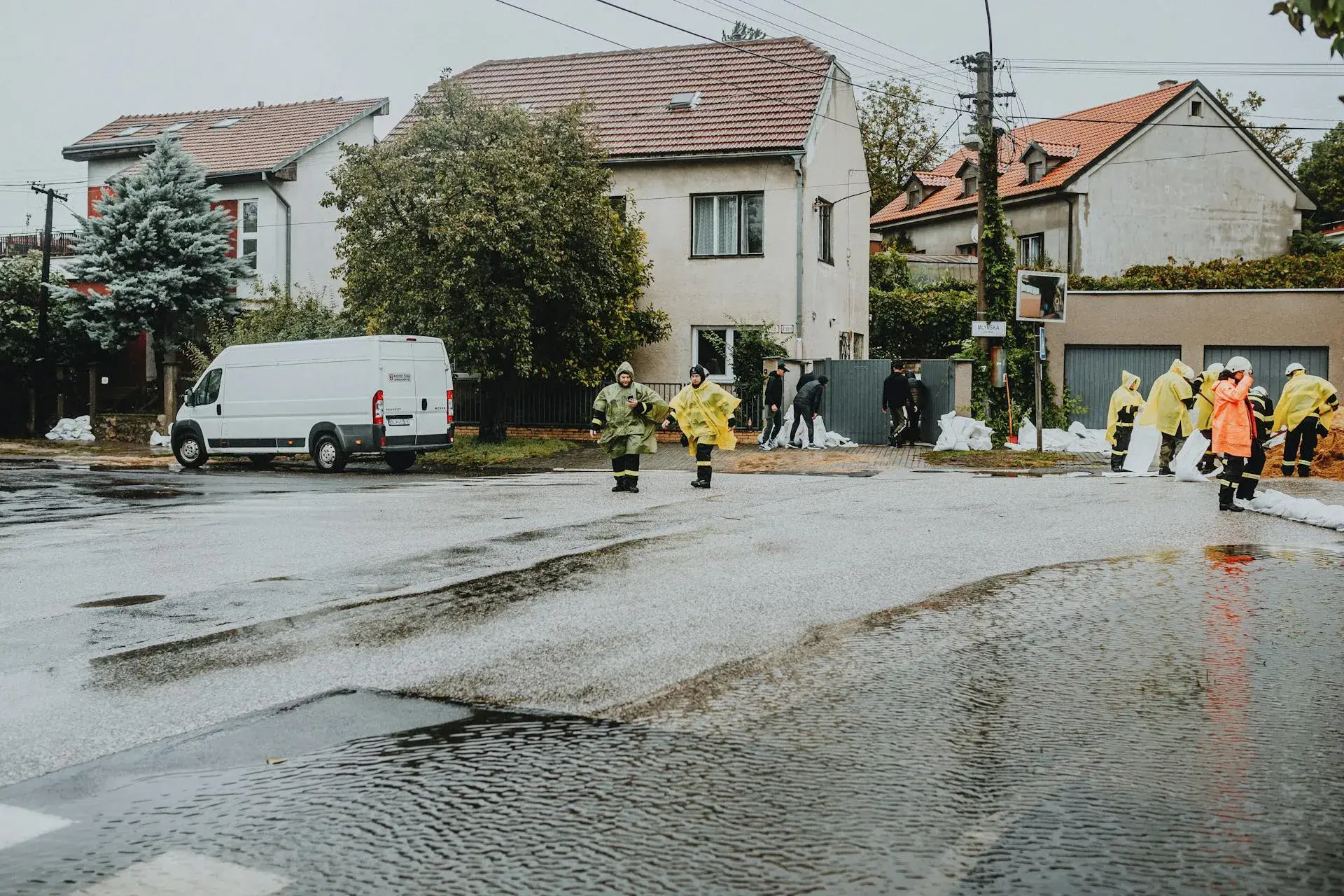
Sewage Cleanup in Noblesville, IN
Sewage contains dangerous bacteria, viruses, and parasites that threaten your family's health every minute it remains in your home. Our local team responds to Noblesville emergencies within 60 minutes.
What Happens When You Call
A real person answers, not a call center. We assess your situation, identify the sewage source, and begin coordinating your response immediately.
Your dedicated restoration team is dispatched from our local base serving Noblesville and the surrounding Hamilton County communities.
Team arrives with sewage-rated extraction equipment, personal protective gear, and professional-grade disinfection systems. Emergency extraction begins immediately.
Sewage extracted, contaminated materials removed, disinfection applied, drying equipment placed. You know exactly what comes next.
Sewage in your home is a health emergency. It is not a plumbing problem you can schedule for next week. Category 3 black water contains pathogens including E. coli, Salmonella, hepatitis, and parasitic organisms that pose immediate health risks to everyone in the home, particularly children, elderly residents, and anyone with compromised immunity. In Noblesville, where century-old sewer infrastructure still serves portions of the city and the White River creates hydrostatic pressure during high water, sewage backup is not a theoretical risk. It is an active, documented problem. X Response exists for exactly this moment. When you reach out, your restoration team is mobilized within minutes and on site within the hour. Call now. Your team is standing by.
Why Noblesville Homes Are Vulnerable to Sewage
Noblesville is the county seat of Hamilton County, Indiana, with approximately 75,239 residents served by the Noblesville Wastewater Utility, a city-operated collection and treatment system. The city of Noblesville's Embrace Downtown project is modernizing aging storm sewer and sanitary sewer systems beneath the historic core, replacing over 100-year-old water main and service lines that have deteriorated to the point of requiring full replacement rather than repair. The 2024 Conner Street infrastructure project documented the removal of century-old subsurface pipes so deteriorated that rehabilitation was impossible, confirming what residents along downtown corridors have experienced: a collection system in portions of the city that predates modern capacity planning, modern pipe materials, and modern separation standards. The same system that backed sewage through drainage lines into downtown basements during the catastrophic 1913 flood still carries waste beneath streets where only portions have been replaced in the 110 years since.
Noblesville's sewage infrastructure challenges are compounded by the White River running directly through the city center. When the river rises during heavy rainfall, hydrostatic pressure increases against sewer outfall pipes, manholes, and any connection point where the collection system intersects the river corridor. This backpressure slows or reverses flow in portions of the system closest to the river, and in older sections where check valves are absent or deteriorated, the result is sewage backing up through the lowest connected fixtures in nearby homes: basement floor drains, ground-floor toilets, and shower drains. The Hamilton County Regional Utility District serves some areas adjacent to the city, creating jurisdictional boundaries that can complicate response coordination. Outside the downtown core being addressed by the Embrace Downtown project, many neighborhoods still rely on sewer infrastructure from the mid-20th century that was not designed for current population density or current rainfall intensity patterns.
Century-Old Sewer Infrastructure Downtown
The Embrace Downtown Noblesville project confirmed what utility engineers and residents already knew: the sewer and water infrastructure beneath the historic downtown core is over 100 years old and deteriorated beyond repair. The 2024 Conner Street phase documented pipes so collapsed, cracked, and root-infiltrated that lining or spot repair was not viable. These century-old lines use materials that predate modern standards, including clay tile, brick-lined tunnels, and early concrete that has degraded over a century of service. When these pipes fail, they fail completely: a collapsed section creates an immediate blockage that backs sewage into every connected fixture upstream of the failure. The same century-old infrastructure problem that caused the 1913 sewer-to-basement backup still exists in pipes not yet replaced by the ongoing downtown modernization project. Until the full infrastructure replacement is complete, homes and businesses connected to unreplaced sections remain at elevated risk of backup events from catastrophic pipe failure.
White River Hydrostatic Backpressure
The White River flows through the center of Noblesville with no engineered flood control infrastructure, meaning river levels respond directly to upstream rainfall. When the river rises significantly, it creates hydrostatic pressure against any sewer infrastructure that outfalls to or crosses the river corridor. This pressure can slow gravity-flow sewage movement, overwhelm pump stations near the river, and in older sections without functioning backflow prevention, reverse flow direction entirely, pushing river water mixed with sewage back through the collection system and into connected buildings. Properties along Logan Street, River Road, and the downtown blocks closest to the river are most vulnerable to this backpressure effect during high water events. The 1913 flood, documented by Purdue's Midwestern Regional Climate Center, pushed water and sewage backward through drainage systems into basements throughout the downtown area, and the same hydraulic dynamic occurs on a smaller scale during modern high-water events in the sections not yet upgraded.
Noblesville Wastewater Utility Capacity Constraints
The Noblesville Wastewater Utility operates the city's sanitary sewer collection system and treatment facility. The system was designed and expanded incrementally as the city grew, but portions of the collection network, particularly in the historic core and mid-century neighborhoods, were built for a smaller population generating less wastewater per capita than modern usage produces. As Noblesville's population grew from under 30,000 in 2000 to over 75,000 today, the system absorbed additional connections without wholesale replacement of undersized trunk lines in older sections. During peak flow events, whether from legitimate wastewater volume or from inflow and infiltration during rainfall, these undersized sections reach capacity before downstream infrastructure does. The result is localized surcharging that pushes sewage back through the lowest connected fixtures in affected neighborhoods.
Hamilton County Regional Utility District Boundaries
Some areas within and adjacent to Noblesville are served by the Hamilton County Regional Utility District rather than the city's wastewater utility. This jurisdictional split means that during a sewage backup event, the responsible utility depends on the specific location. Properties near municipal boundaries may connect to either system, and coordination between the two utilities during widespread events adds complexity to emergency response. For homeowners, the immediate priority during a backup is stopping the source and extracting the contamination regardless of which utility bears responsibility. X Response coordinates with both the City of Noblesville Wastewater Utility and the Hamilton County Regional Utility District as needed to confirm upstream issues are resolved before completing extraction and restoration in your home.
Inflow and Infiltration in Mid-Century Pipe Networks
Outside the downtown core where the oldest pipes are being replaced, Noblesville's mid-century neighborhoods (built 1950s through 1980s) connect to sewer mains from the same era. These pipes, typically vitrified clay or early PVC at joints, have experienced decades of ground movement, tree root infiltration, and joint degradation in Hamilton County's expansive clay soils. Groundwater infiltrates through deteriorated joints year-round, and stormwater enters through cracked manholes and improperly connected sump pumps or downspouts. During heavy rain events, this inflow and infiltration adds volume to a sanitary system already running near capacity in older sections. The additional volume overwhelms pipe capacity and pushes sewage back through the lowest-elevation fixtures in connected homes. Homes without backwater valves on their private laterals bear the full impact of these surcharging events.
Sewage backup in Noblesville results from the convergence of century-old infrastructure that predates modern design standards, the White River's uncontrolled hydrostatic pressure during high water events, a collection system serving more than double the population it was built for, and mid-century pipe networks degraded by decades of root intrusion and ground movement. Whether the backup comes from a collapsed century-old downtown main, river backpressure pushing flow in reverse, a capacity surcharge during heavy rain, or a root-blocked private lateral, the contamination is the same: Category 3 black water containing dangerous pathogens that require professional extraction, disinfection, and structural restoration.
What Happens to Your Home While You Wait
Within 1 Hour
Sewage spreads across flooring and wicks into porous materials including drywall, baseboards, carpet padding, and stored items at ground level. Pathogenic organisms including E. coli, Salmonella, and parasites contaminate every surface the water contacts. In Noblesville's older homes with basement stone or brick foundations, sewage seeps into mortar joints and porous masonry where surface disinfection alone cannot reach. The contamination zone expands with every minute the source is not stopped.
1–24 Hours
Contaminated water wicks upward through drywall (12 to 24 inches of rise is common within 24 hours) and saturates carpet, pad, and subfloor. Bacterial multiplication accelerates in the warm, nutrient-rich environment. Odor intensifies as anaerobic decomposition begins. In Hamilton County's humid conditions, the moisture creates ideal conditions for simultaneous mold colonization in concealed areas. Any porous material contacted by sewage becomes a permanent biohazard that cannot be cleaned and must be removed.
24–48 Hours
Mold colonization begins on organic surfaces that remain wet. The combination of sewage nutrients and moisture produces aggressive mold growth faster than clean water alone. Structural wood in contact with sewage begins absorbing contaminants that cannot be removed through surface cleaning. In Noblesville's older homes with wood subfloors over crawl spaces, the sewage can travel along floor joists and spread contamination well beyond the original entry point. Subfloor delamination begins in areas with sustained contact.
48–72 Hours
Extensive contamination through wall cavities, floor systems, and any HVAC ductwork at floor level. Mold growth visible on multiple surfaces. Structural materials require professional assessment for contamination depth. The home becomes increasingly unsafe to occupy without respiratory protection. Restoration scope expands significantly as contamination migrates beyond the original contact area through wicking, capillary action, and gravity drainage into lower spaces.
One Week and Beyond
Severe structural damage, extensive mold growth, and deep contamination of materials requiring full demolition and reconstruction. In Noblesville homes with historic stone foundations, sewage that penetrated porous masonry creates conditions for ongoing bacterial activity and odor that simple surface treatment cannot resolve. Insurance claims become contested as carriers assess whether timely mitigation could have reduced scope. Health risk to occupants becomes serious enough that the home should not be occupied until professional remediation is complete.
Sewage is the most dangerous water damage category. Every hour of delay increases both the health risk and the restoration cost. Contact X Response now. Our Noblesville team responds within 60 minutes with sewage-rated equipment and biohazard protocols.
How We Restore Sewage-Damaged Noblesville Homes
Sewage cleanup is not standard water damage restoration. It requires biohazard protocols, personal protective equipment, specialized disinfection, and material handling procedures that address both the moisture damage and the biological contamination simultaneously. In Noblesville, where the sewage source may be a century-old main collapse, river backpressure, or a private lateral failure, identifying and confirming resolution of the source is the critical first step.
Source Control and Safety Assessment
Before extraction begins, the sewage source must be identified and stopped. If the backup results from a collapsed or blocked city main in the downtown core, we coordinate with the Noblesville Wastewater Utility or Hamilton County Regional Utility District to confirm the upstream issue is resolved. If it is a private lateral blockage from tree root intrusion, we arrange for a plumber to clear the line. If White River backpressure caused the event, we monitor river levels and verify conditions have subsided. The home is assessed for safe entry: electrical hazards from water near outlets or panels, structural concerns from saturated flooring, and air quality risks from sewage gases including hydrogen sulfide and methane. Personal protective equipment including respirators, gloves, and Tyvek suits is required for all personnel.
Sewage Extraction
Standing sewage is removed using truck-mounted extraction systems with sewage-rated pumps and hoses. Unlike clean water extraction, sewage extraction produces contaminated wastewater that must be disposed of properly rather than discharged to storm drains. In Noblesville homes with below-grade basements, we pump from the lowest point using submersible units designed for solid-laden water. For properties with historic stone or brick foundations where sewage has pooled against porous masonry walls, extraction includes removal from wall cavities and mortar joints where contaminated water has collected. All extracted sewage is disposed of in accordance with Indiana Department of Environmental Management requirements.
Contaminated Material Removal
Any porous material that contacted sewage must be removed. There is no safe or effective way to clean Category 3 contamination from porous materials including drywall, insulation, carpet, carpet padding, particleboard, or cardboard. Drywall is cut at least 12 to 24 inches above the visible water line because wicking carries contamination above the surface contact point. Carpet and padding in the affected zone are removed entirely. Baseboards, lower cabinet sections, and any other porous material at or below the sewage contact level are removed. In Noblesville's older homes, this may include original plaster walls that absorbed contamination through their porous surface. All contaminated materials are double-bagged within the work zone and disposed of as biohazard waste.
Disinfection and Antimicrobial Treatment
All remaining surfaces that contacted sewage, including concrete slabs, stone or brick foundations, wood framing, sill plates, and non-porous materials retained in place, are treated with EPA-registered hospital-grade disinfectants effective against the pathogenic organisms present in sewage. Treatment follows a clean-apply-dwell-wipe protocol where the disinfectant must maintain wet contact for the manufacturer-specified dwell time to achieve full pathogen elimination. For Noblesville's older homes with porous stone or brick foundation walls, multiple applications are required because the porous surface absorbs the first application before adequate dwell time is achieved. HEPA air scrubbers run continuously to capture airborne pathogens disturbed during removal and cleaning.
Structural Drying and Dehumidification
Once contaminated materials are removed and surfaces are disinfected, the structure must be dried completely before reconstruction. Commercial dehumidifiers and air movers are positioned to dry exposed framing, foundation walls, concrete slabs, and any remaining structural surfaces. In Hamilton County's humid climate, mechanical dehumidification is essential, particularly for below-grade spaces where ambient humidity is already elevated. Drying basements in Noblesville's White River corridor takes longer than in upland neighborhoods because the elevated water table maintains exterior moisture pressure against foundation walls even during the drying process. Daily moisture readings confirm progress, and equipment is repositioned as the drying front moves through the structure.
Reconstruction and Post-Clearance
After drying is verified and final disinfection is confirmed through ATP (adenosine triphosphate) testing or visual and olfactory inspection, reconstruction begins. New drywall, insulation, flooring, baseboards, and any other removed materials are installed to code. In Noblesville, that means meeting Hamilton County building code requirements for any structural or electrical work. For homes that experienced backup due to absence of a backwater valve, we recommend installation during reconstruction to prevent future events. We manage the full reconstruction so you are not left with a gutted space and a separate contractor to coordinate. Final walkthrough confirms all work is complete and documented.
The X Response Difference
When you contact X Response for sewage cleanup in Noblesville, you get biohazard-certified professionals who follow Category 3 protocols, remove what cannot be cleaned, disinfect what remains, dry the structure completely, and rebuild it to code. One team handles the entire process from emergency response through final reconstruction.
Insurance Claim Guidance for Noblesville Homeowners
Sewage backup insurance coverage in Indiana requires specific attention because standard homeowner's policies treat it differently than other water damage. Most standard policies do NOT cover sewer or drain backup unless you have purchased a specific endorsement, often called 'sewer and drain backup coverage' or 'water backup coverage.' This endorsement is optional, costs $40 to $100 per year in most Indiana markets, and many homeowners do not realize they lack it until sewage is on their basement floor. When coverage exists, it typically carries a sublimit ($5,000 to $25,000 is common) separate from your dwelling coverage limit. If your backup resulted from a city infrastructure failure rather than your private lateral, you may have a claim against the city, but municipalities in Indiana have liability protections under the Indiana Tort Claims Act that limit recoverable damages.
How X Response Helps
- Determine immediately whether your policy includes sewer and drain backup coverage and its sublimit
- Document the sewage source: city main collapse or surcharge versus private lateral blockage, as this affects both coverage and potential third-party claims
- Photograph all contamination before any cleanup begins, including the water level on walls, affected content, and the entry point
- Preserve evidence of the source if possible, such as camera footage of a deteriorated lateral or documentation from the city confirming a main failure
- Track all restoration costs against your policy's sewage-specific sublimit so you understand your out-of-pocket exposure before work begins
X Response does not file claims on your behalf, adjust claims, or make coverage determinations. We provide documentation and guidance to help you make informed decisions about your property and your policy. Coverage decisions are made solely by your insurance carrier.
Certified Restoration Specialists Serving Noblesville
When you contact X Response for sewage cleanup in Noblesville, your restoration team is drawn from biohazard-certified professionals who work across Hamilton County and understand the specific sewer infrastructure challenges of the county seat. They know how century-old downtown mains fail and produce sudden, large-volume backups. They understand how White River hydrostatic pressure reverses flow in unprotected connections during high water events. They have cleaned backups caused by infrastructure collapse beneath the historic core, tree-root blockages in mid-century clay laterals, capacity surcharges during heavy rain events, and river-driven backpressure reversals in properties along the downtown corridor.
Every technician on your team holds current IICRC WRT (Water Restoration Technician) certification with specific training in Category 3 biohazard protocols. Equipment includes sewage-rated extraction pumps, professional-grade EPA-registered disinfectants, HEPA air filtration for airborne pathogen control, personal protective equipment meeting OSHA bloodborne pathogen standards, and commercial dehumidification systems for post-extraction structural drying. When your team arrives, they bring everything needed to begin safe extraction and decontamination immediately, without waiting for additional equipment or personnel.
In Noblesville, X Response works with The Cleaning Source, an independent local restoration partner serving Hamilton County.
Sewage Cleanup FAQ for Noblesville Homeowners
Other Emergency Services in Noblesville
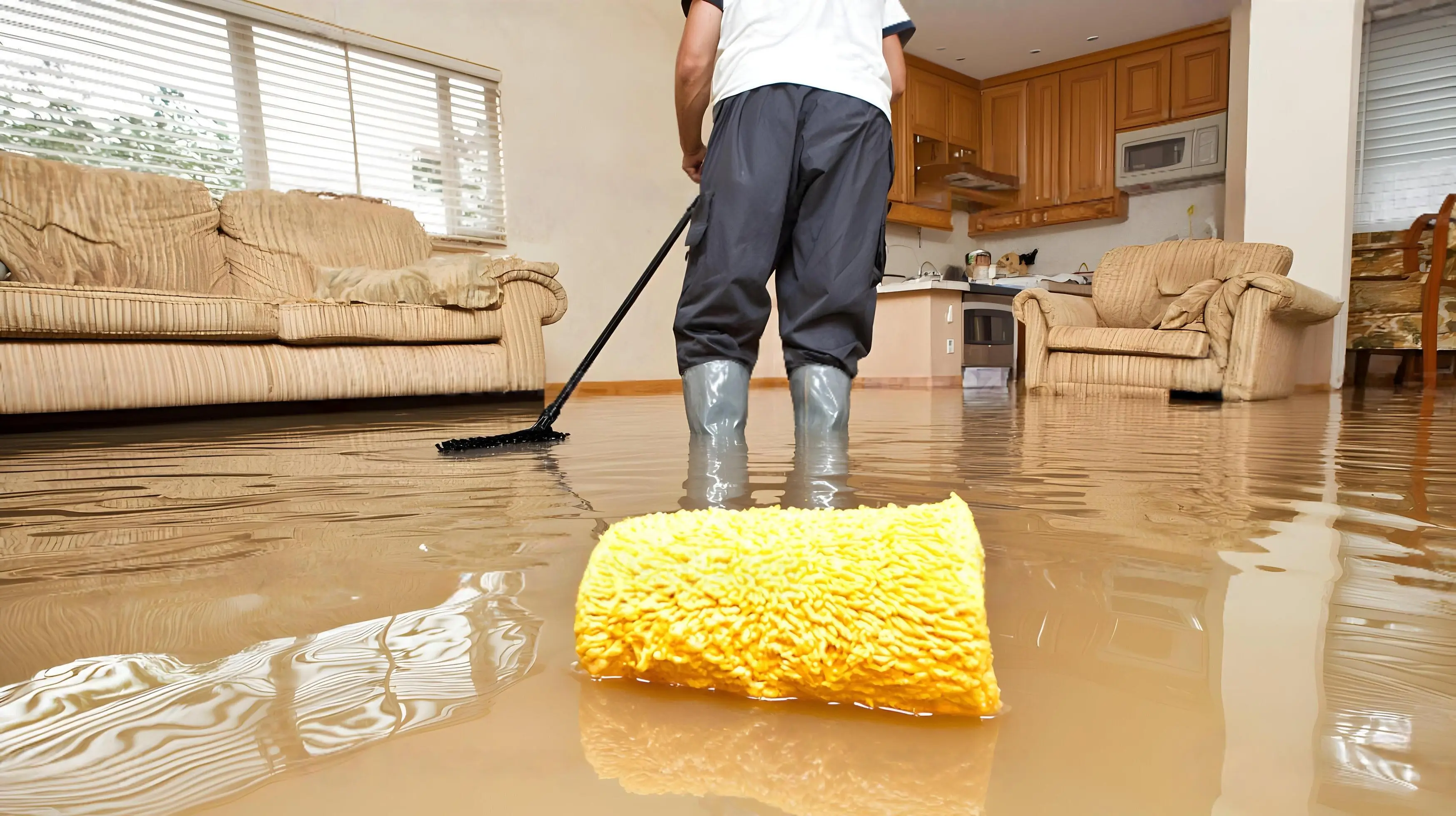
Water Damage Restoration
Burst pipes, storm flooding, standing water. We extract, dry, and restore before mold sets in.
Learn more
Fire Damage Restoration
Structural damage, soot, debris. We stabilize, clean, and rebuild what fire destroyed.
Learn more
Smoke Damage Restoration
Soot residue, chemical odors, HVAC contamination. We decontaminate surfaces, eliminate odors, and restore air quality.
Learn more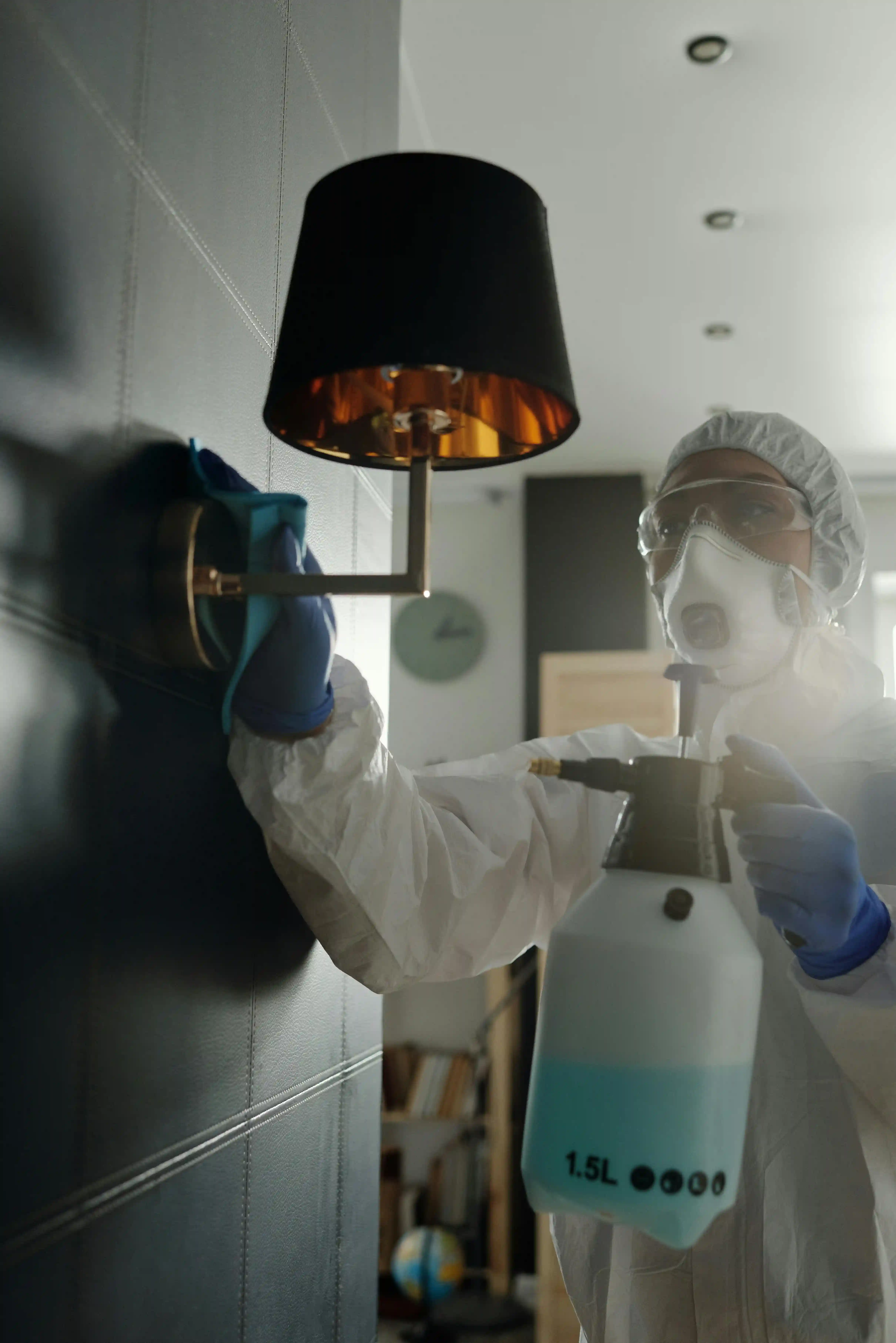
Mold Remediation
Testing, containment, removal, prevention. We find the source, eliminate the growth, and stop it from returning.
Learn more