
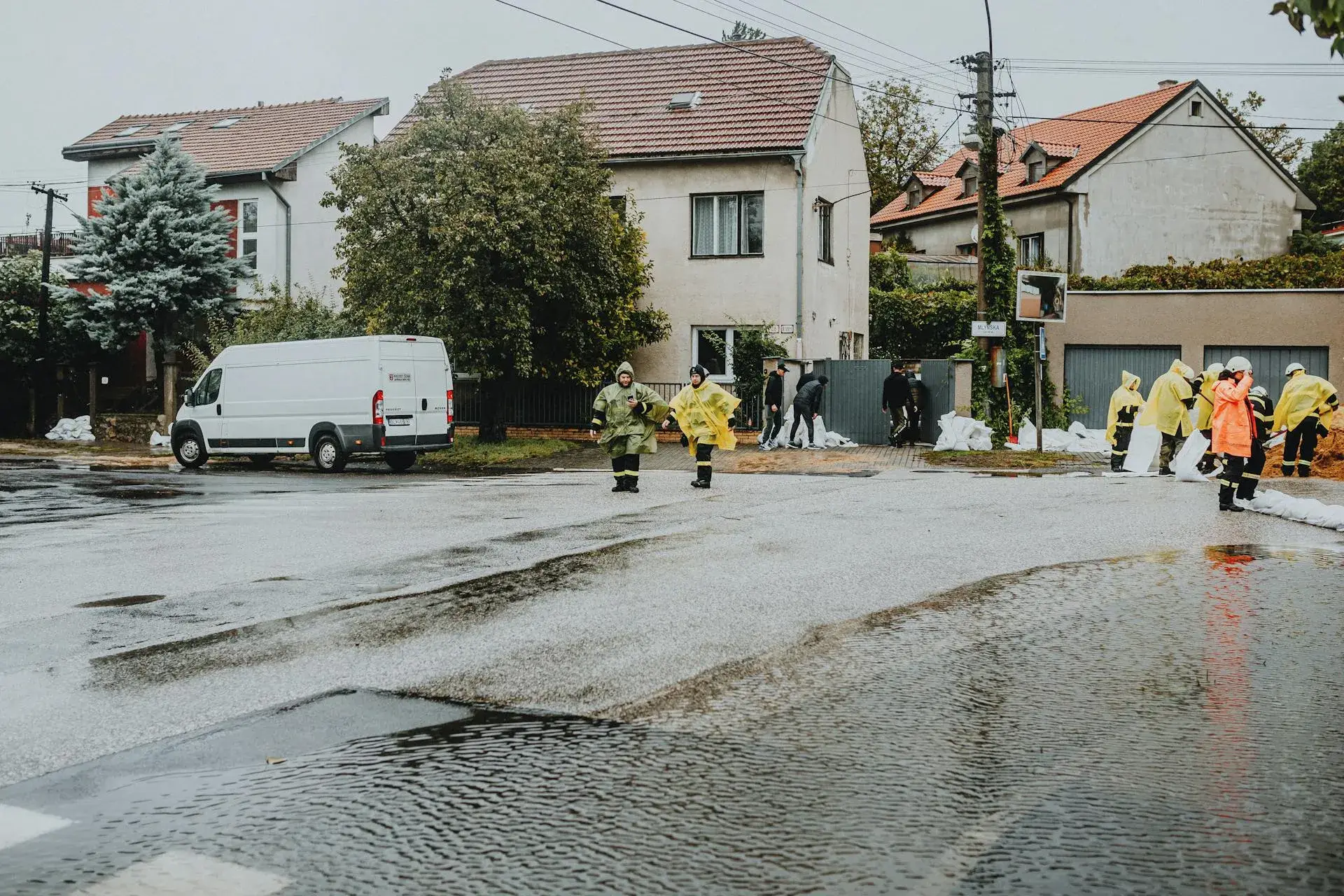
Sewage Cleanup in Kansas City, MO
Raw sewage and drain backups introduce hazardous pathogens, bacteria, and toxic biohazards into living areas. Our Kansas City emergency response unit arrives on scene within 60 minutes.
What Happens When You Call
Your emergency call connects directly to a certified biohazard supervisor who assesses sewage volume, contamination boundaries, and immediate containment protocols.
Our mobile remediation crew arrives at your Kansas City address within 60 minutes, equipped with personal protective gear, truck-mounted extractors, and hospital-grade biocides.
Technicians isolate the affected area with sealed containment walls, extract standing Category 3 black water, and safely bag all porous contaminated contents.
Exposed masonry, concrete slabs, and structural framing are treated with EPA-registered broad-spectrum disinfectants and dried using industrial air movers and LGR dehumidifiers.
Immediate biohazard remediation is imperative when raw sewage backs up into your Kansas City home or commercial facility. Whether your property faces a municipal combined sewer overflow along the Blue River basin, a basement floor drain backup in Waldo, or an aged cast-iron lateral collapse in historic Midtown, X Response delivers certified, clinical-grade mitigation. A dedicated biohazard remediation specialist directs your recovery from rapid black water extraction through certified ATP bioluminescence clearance testing. Contact our 24/7 emergency dispatch line now for immediate response.
Why Kansas City Homes Are Vulnerable to Sewage
The storms of September 12 and 13, 1977 delivered as much as 16 inches of rain to the Kansas City metro, with twenty-five lives lost and damages over $80 million. The hydrology of Kansas City is defined by major natural corridors including the Missouri River, the Blue River, Brush Creek, and Turkey Creek, which receive surface runoff from a sprawling municipal footprint exceeding 318 square miles. KC Water says portions of its sewer system are up to 150 years old and still in use. Portions of that system are combined sewers, which hold both wastewater and rainwater in the same pipes. When it rains, those pipes can fill up quickly and reach capacity. When a full system has nowhere to send the water, it can back up through basement floor drains and sewer laterals.
KC Water is working through its Smart Sewer program under a federal consent decree signed in 2010. The goal is to capture 85 percent of combined sewer overflows by 2040, and capture has risen from 45 percent to 68.5 percent so far. The work continues, so older homes can still face backup risks. Mature street trees throughout older neighborhoods like Brookside, Hyde Park, and Coleman Highlands frequently infiltrate residential sewer laterals, where aggressive root intrusion cracks aged clay and cast-iron sewer pipes. When heavy rainfall saturates clay soils, ground movement can shift pipe joints, while urban stormwater enters compromised sewer joints through inflow and infiltration. This hydraulic overload forces dangerous Category 3 black water, containing enteric bacteria such as E. coli, Salmonella, protozoa, and toxic viral agents, up through low-lying plumbing fixtures and basement floor drains, requiring specialized biohazard extraction and clinical-grade sanitization.
Combined Sewer System Hydraulic Surcharges
Portions of Kansas City are served by combined stormwater and wastewater pipes. Intense thunderstorms can fill them quickly, and a full system can push sewage back through basement floor drains.
Tree Root Infiltration in Historic Clay Laterals
Mature elm, maple, and oak trees lining established Kansas City streets penetrate joints in aged vitrified clay and cast-iron sewer laterals, creating dense root blockages that obstruct domestic wastewater flow.
Expansive Clay Soil Shifting and Pipe Offsets
Clay-rich Jackson County soils such as Snead and Sharpsburg rate high for shrink and swell. Soil movement can crack or shift older underground sewer pipes, leading to collapsed laterals and sudden backups.
Groundwater Inflow and Infiltration Overload
During prolonged Midwestern rain cycles, saturated soil water enters degraded municipal sewer mains through cracked joints and manholes, creating severe main line surcharges across low-lying neighborhoods.
Mechanical Sump and Sewage Ejector Failures
Midwestern summer thunderstorms frequently cause power outages across Kansas City neighborhoods. Submersible sewage ejector pumps and basement sump pumps lose electrical service, allowing raw waste to overflow.
Resolving a sewage backup in Kansas City requires certified biohazard containment, advanced antimicrobial chemistry, and deep familiarity with local combined sewer infrastructure. From emergency backups in Waldo to commercial failures in the River Market, X Response provides certified, 24/7 biohazard mitigation.
What Happens to Your Home While You Wait
Within 1 Hour
Raw Category 3 wastewater spreads across concrete slabs and finished flooring, depositing pathogenic bacteria, viruses, and parasites. Porous subfloors and drywall immediately absorb infectious contaminants.
1–24 Hours
Dangerous bacteria and microbes multiply exponentially, releasing hazardous gases including hydrogen sulfide and methane. Porous building materials like carpet padding and trim become permanently contaminated.
24–48 Hours
Severe biological degradation penetrates into subfloor plywood and structural wood framing. Volatile organic compounds and noxious sewage odors permeate the home, while secondary fungal growth initiates.
48–72 Hours
Bacterial pathogens and mold spores become airborne as wastewater dries, posing severe respiratory and systemic health risks. Contaminated drywall binder disintegrates, and structural timber softens.
One Week and Beyond
Persistent black water saturation causes deep rot in wood framing and permanently contaminates porous concrete foundation slabs, necessitating major structural demolition and costly biohazard reconstruction.
Immediate intervention within the first 24 hours stops infectious biohazards from spreading and salvages structural assemblies. Call X Response immediately for 24/7 emergency sewage cleanup in Kansas City.
How We Restore Sewage-Damaged Kansas City Homes
Our sewage cleanup operations adhere strictly to the ANSI/IICRC S500 Standard for Category 3 Black Water Mitigation, combining rapid extraction, biohazard containment, and hospital-grade EPA disinfection.
Hazard Isolation and Personal Safety Protocols
Our certified technicians deploy to your Kansas City property within 60 minutes equipped with full Level C personal protective equipment (PPE). We isolate the contaminated zone using sealed physical barriers and install negative-air HEPA scrubbers.
High-Volume Black Water Extraction
We utilize industrial truck-mounted vacuum extractors and heavy submersible pumps to evacuate raw sewage and wastewater. Contaminated effluent is pumped directly into dedicated sanitary disposal receptacles in compliance with local environmental codes.
Controlled Removal of Porous Contaminated Materials
Because Category 3 water introduces severe pathogens, porous materials such as carpet padding, drywall, baseboards, and contaminated fiberglass insulation are excised, sealed in biohazard disposal containers, and safely removed.
Hospital-Grade Antimicrobial Disinfection
All remaining structural framing, concrete foundation walls, and basement slabs are washed with hot water and treated with EPA-registered, broad-spectrum hospital-grade disinfectants to eradicate bacteria and viruses.
Engineered Dehumidification and Clearance Verification
We deploy commercial low-grain refrigerant (LGR) dehumidifiers and high-velocity axial air movers to dry the structure to scientific baselines. We verify total sanitation using digital adenosine triphosphate (ATP) surface hygiene testing.
The X Response Difference
When raw sewage contaminates your Kansas City property, depend on X Response for rapid biohazard arrival, clinical-grade sanitization, and comprehensive insurance claim support.
Insurance Claim Guidance for Kansas City Homeowners
Filing an insurance claim for a sewage backup in Kansas City requires precise technical documentation demonstrating that the loss is covered under your specific policy provisions. Standard homeowners insurance policies generally exclude damage from sewer, drain, or sump pump backups unless the homeowner has purchased an optional Water Backup and Sump Discharge or Overflow endorsement. These endorsements pay up to a limit shown on your policy. In older Kansas City neighborhoods where municipal combined sewer lines are prone to storm surcharges, establishing whether the backup originated from an external municipal sewer main surcharge or a private lateral blockage is essential for proper claim adjustment. Our team compiles meticulous photographic logs, identifies the precise backup mechanism, and prepares standardized Xactimate line-item estimates to expedite your claim review.
How X Response Helps
- Perform comprehensive photographic documentation of the sewage intrusion source and structural water level marks
- Document the operational status of municipal sewer mains, backflow preventers, and private lateral drain lines
- Establish itemized inventories of biohazard-contaminated personal belongings and unsalvageable finishes
- Prepare standardized Xactimate estimates detailing Category 3 biohazard extraction and clinical disinfection procedures
- Coordinate directly with your insurance claims adjuster to provide certified sanitization and drying records
X Response is an independent emergency disaster restoration contractor. We are not licensed insurance adjusters, public adjusters, or legal counsel. We provide objective technical documentation and professional biohazard mitigation services to assist your insurance claim.
Certified Restoration Specialists Serving Kansas City
Our Kansas City sewage and biohazard mitigation specialists bring exceptional expertise and technical dedication to property owners across Jackson, Clay, and Platte counties. Having managed complex black water emergencies in historic Midtown basements, commercial facilities along the Blue River corridor, and residential homes in the Northland, our technicians understand the distinct challenges posed by regional wastewater infrastructure and severe weather surcharges. We arrive with professionalism, clear communication, and compassionate care to restore safety and cleanliness to your property.
Every crew leader maintains active certification through the Institute of Inspection, Cleaning and Restoration Certification (IICRC), including Water Damage Restoration Technician (WRT) and Applied Microbial Remediation Technician (AMRT) designations. We maintain an extensive inventory of specialized biohazard mitigation equipment, including truck-mounted extraction units, industrial HEPA air scrubbers, and hospital-grade biocides. By adhering strictly to ANSI/IICRC S500 Category 3 standards, we return your Kansas City property to clinical-grade safety.
In Kansas City, X Response works with Best Option Restoration, an independent local restoration partner serving Jackson County.
Sewage Cleanup FAQ for Kansas City Homeowners
Other Emergency Services in Kansas City
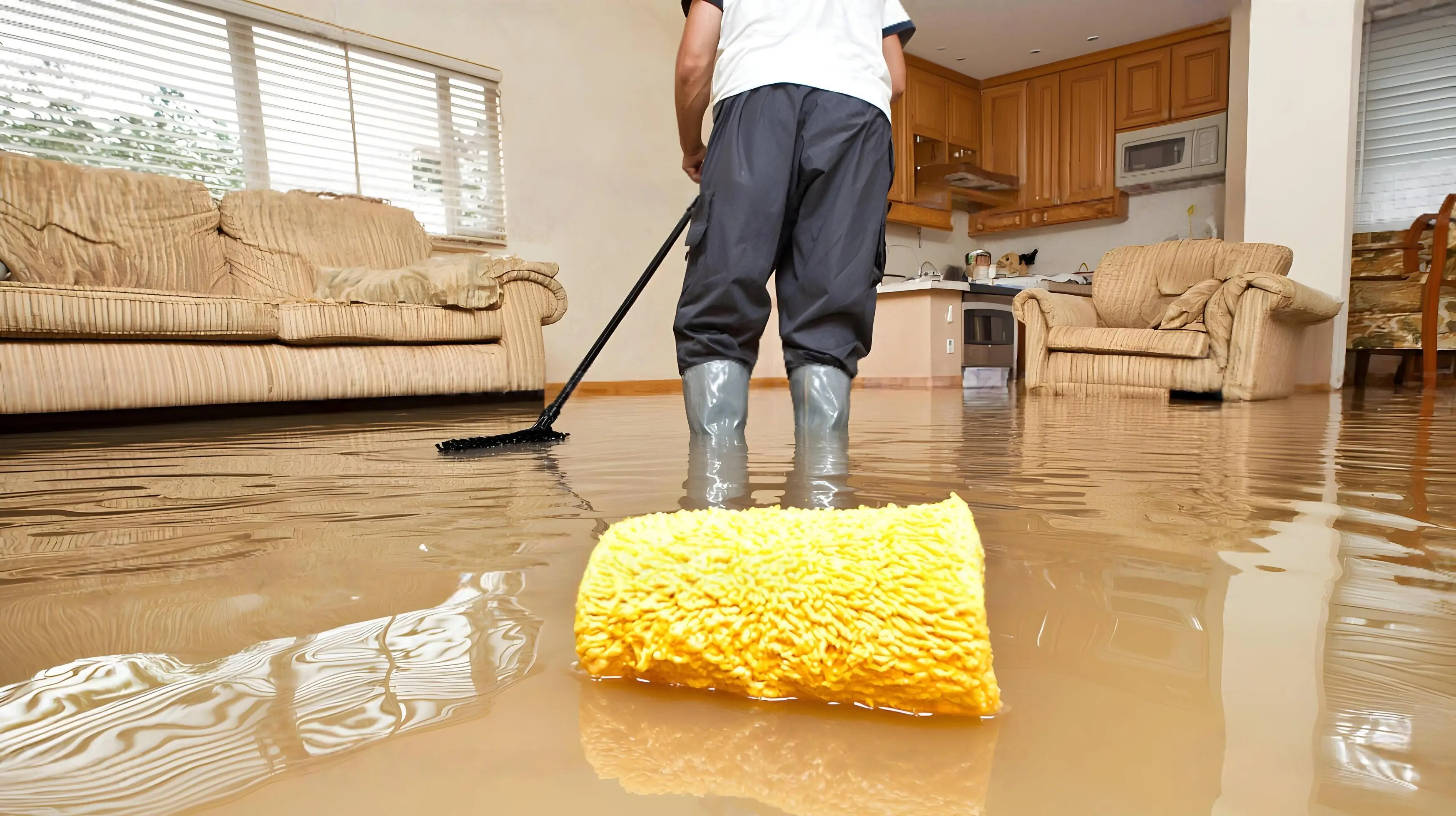
Water Damage Restoration
Burst pipes, storm flooding, standing water. We extract, dry, and restore before mold sets in.
Learn more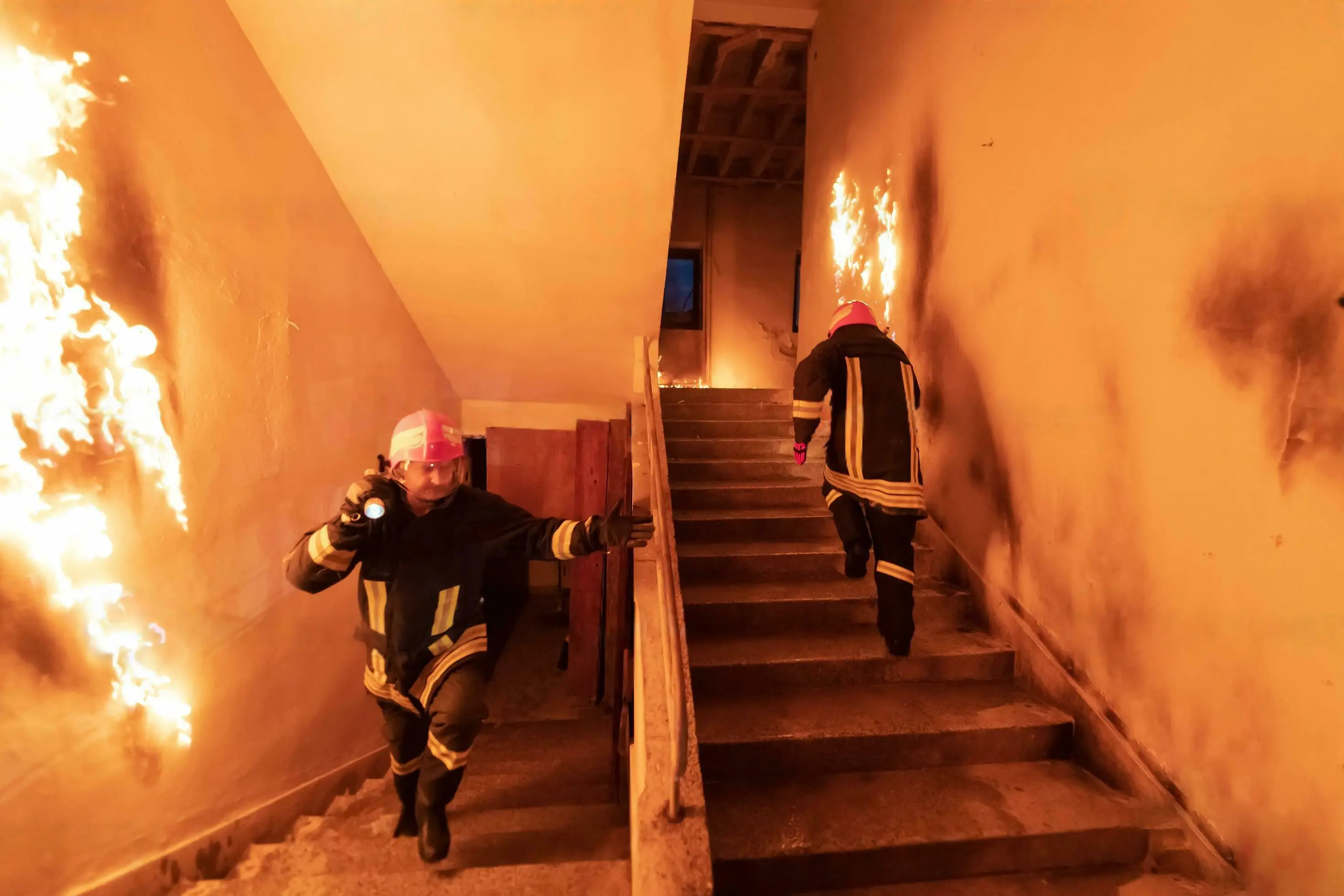
Fire Damage Restoration
Structural damage, soot, debris. We stabilize, clean, and rebuild what fire destroyed.
Learn more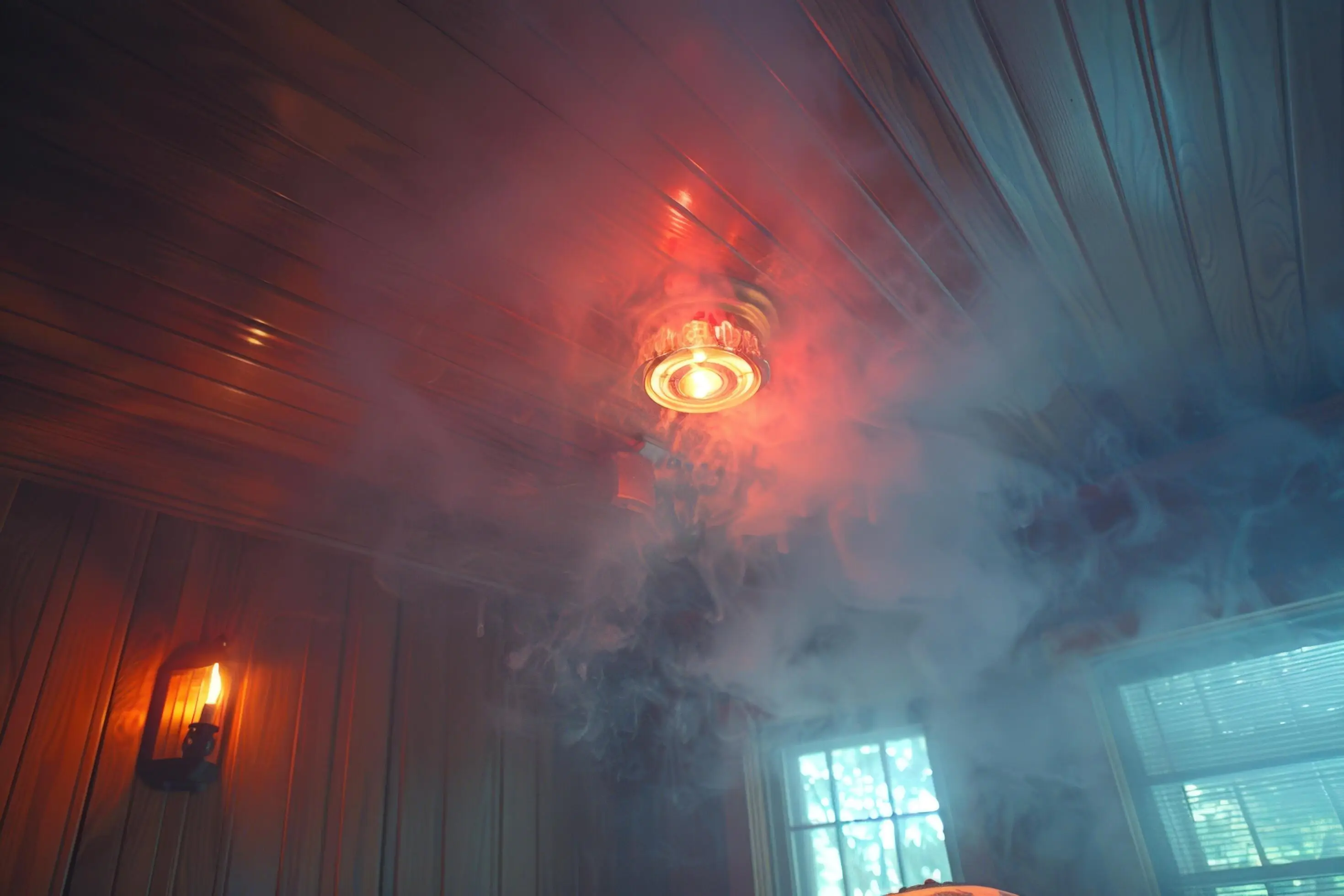
Smoke Damage Restoration
Soot residue, chemical odors, HVAC contamination. We decontaminate surfaces, eliminate odors, and restore air quality.
Learn more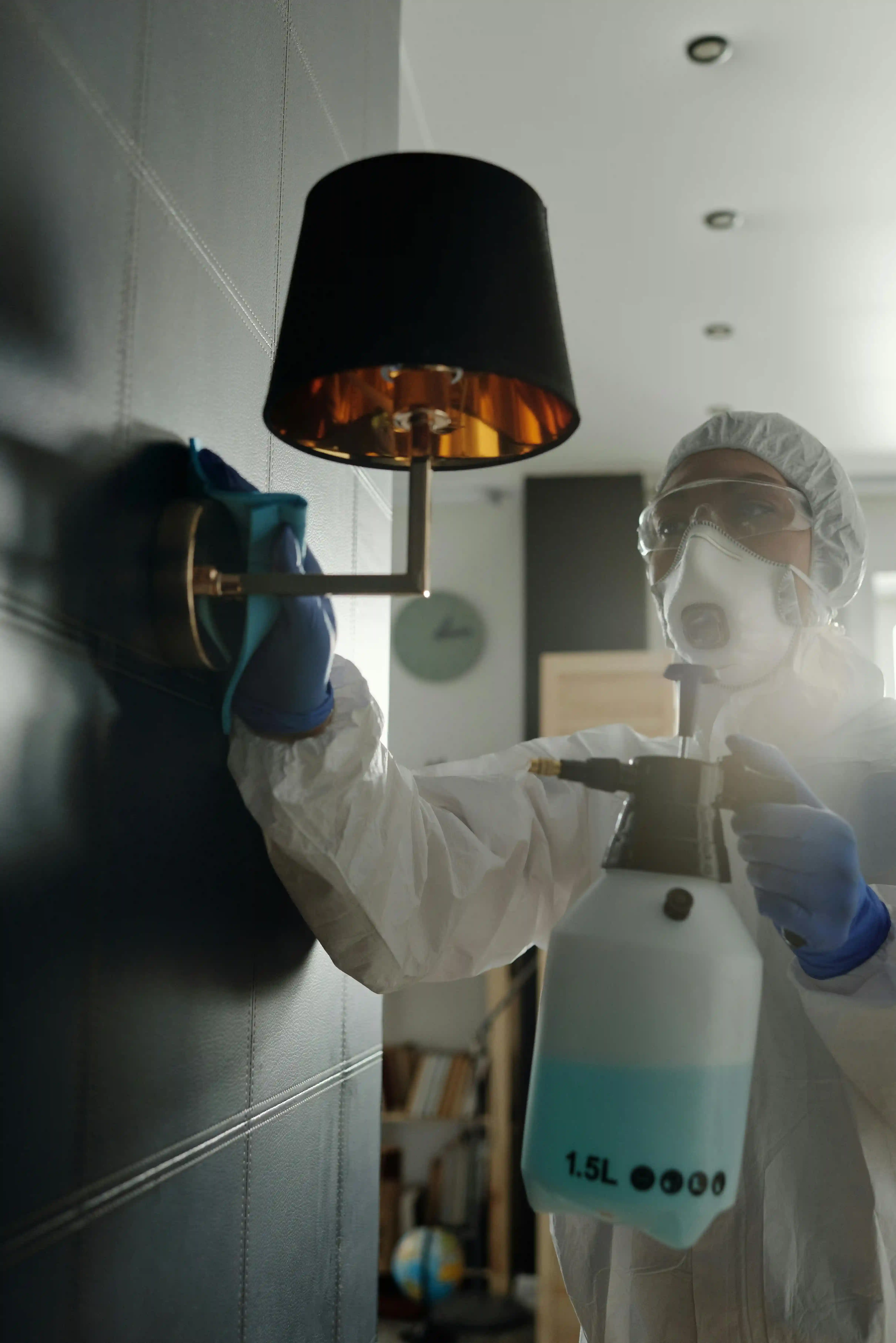
Mold Remediation
Testing, containment, removal, prevention. We find the source, eliminate the growth, and stop it from returning.
Learn moreNearby Service Areas
Also serving nearby: