
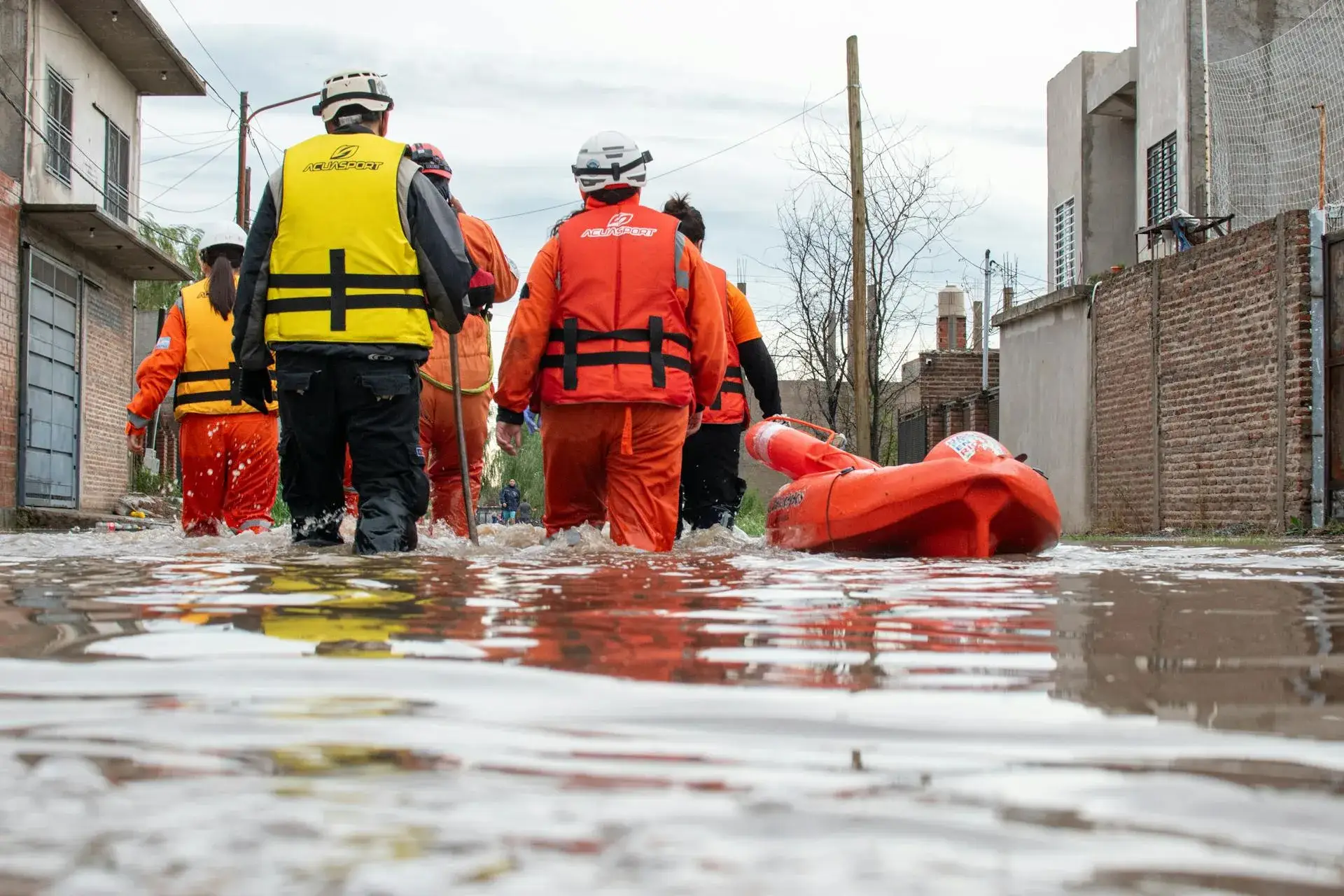
Water Damage Restoration in Kansas City, MO
Standing water and flooded basements compromise structural foundations and subflooring within hours. Our Kansas City emergency response team arrives on site within 60 minutes.
What Happens When You Call
Your emergency call connects directly to a certified restoration supervisor who evaluates contamination category, assesses structural risks, and mobilizes our Jackson County rapid-mitigation team.
Our mobile emergency unit arrives at your Kansas City address within 60 minutes, equipped with industrial truck-mounted vacuum extractors, heavy submersible pumps, and thermal imaging cameras.
Technicians map moisture boundaries behind plaster, drywall, and subfloors, isolate active plumbing leaks, and extract standing water from living spaces and basements.
Industrial low-grain refrigerant dehumidifiers and commercial high-velocity air movers are configured to initiate scientific structural drying across affected materials.
Rapid water extraction is critical to protect load-bearing structures, prevent floorboard warping, and arrest mold spores throughout Kansas City properties. Whether your home experiences a broken supply line in Brookside, groundwater intrusion through historic limestone foundations in Midtown, or flash flooding along the Brush Creek corridor, X Response provides immediate, scientific restoration. A dedicated local disaster coordinator manages your recovery from initial thermal mapping through verified structural clearance. Contact our 24/7 emergency dispatch line now for immediate response.
Why Kansas City Homes Are Vulnerable to Water Damage
The National Weather Service establishes flood stage on the Missouri River at Kansas City at 32 feet. Positioned at the confluence of the Missouri and Kansas rivers, Kansas City spans more than 318 square miles of varied topography across Jackson, Clay, Platte, and Cass counties. The municipal terrain features steep limestone bluffs, expansive river valley bottoms, and intricate natural drainage tributaries including Brush Creek, the Blue River, Turkey Creek, and Indian Creek. In high-density urban corridors such as the Country Club Plaza, Westport, and the Crossroads Arts District, extensive impervious asphalt and concrete cover accelerates stormwater velocity during severe Midwestern convective storms. When intense storm cells track across the Kansas City metro, runoff rapidly overwhelms municipal stormwater conduits, causing sudden street flooding and backwater surges that threaten commercial properties and residential basements.
Kansas City's residential architecture spans over a century of diverse building techniques, ranging from historic stone-foundation foursquares and brick colonials built before 1930 in Hyde Park, Pendleton Heights, and Brookside, to mid-century ranches and modern split-levels throughout southern and northern neighborhoods. Regional Jackson County soils are dominated by the Sharpsburg, Ladoga, and Snead silt loam series, noted for deep profiles and expansive montmorillonite clay mineralogy. During extended wet spring cycles or torrential summer downpours, these clay soils swell substantially, creating powerful lateral hydrostatic pressure against subterranean basement masonry. Unreinforced stone foundations, hollow concrete blocks, and cold joints develop mortar fractures under this recurring load, allowing pressurized groundwater to penetrate basement perimeter cove joints and cause severe indoor flooding.
River Basin and Urban Creek Flash Inundation
Convective storm systems over the Blue River and Brush Creek watersheds generate rapid stormwater accumulation. Saturated urban surfaces channel high-velocity runoff into low-lying properties throughout the Country Club Plaza, Waldo, and River Market districts.
Expansive Claypan Soils and Hydrostatic Pressure
Jackson County's dense clay soils swell dramatically when saturated, exerting immense lateral force against foundation walls. Groundwater is forced through microscopic settlement fissures, stone mortar joints, and floor seams across Kansas City basements.
Aging Historic Plumbing and Supply Ruptures
Thousands of residences in Kansas City's historic Midtown and Northeast neighborhoods retain aging galvanized water lines or weathered cast-iron waste stacks that suffer sudden corrosion ruptures, discharging pressurized water into finished walls and subflooring.
Severe Summer Convective Storms and Sump Outages
Violent Midwestern thunderstorms routinely down trees and trigger power outages across Kansas City grid zones. When residential electrical service disconnects during heavy downpours, mechanical sump pumps fail instantly, causing basement flood reservoirs to overflow.
Winter Polar Vortex Deep Freezes and Pipe Bursts
Arctic air masses descending into Western Missouri drive temperatures well below zero degrees, penetrating crawl spaces, cantilevered overhangs, and exterior wall plumbing chases. Trapped water freezes and ruptures domestic pipes, releasing catastrophic flooding when temperatures thaw.
Water intrusion in Kansas City requires nuanced knowledge of local soil mechanics, historic foundation construction, and urban watershed hydrology. From sudden pipe ruptures along Main Street to groundwater intrusion near Loose Park, X Response provides certified, rapid-recovery restoration.
What Happens to Your Home While You Wait
Within 1 Hour
Standing water migrates swiftly across finished flooring, saturating carpet pads, engineered hardwoods, and baseboards. Drywall and lath-and-plaster assemblies begin capillary wicking, drawing water upward into wall cavities.
1–24 Hours
Moisture wicks 12 to 24 inches up wall assemblies, degrading drywall binder and softening joint compounds. Solid hardwoods cup and buckle, while interior ambient humidity exceeds 75 percent, initiating condensation on cool concrete basements.
24–48 Hours
Microbial spores germinate on moist paper facings, fiberglass insulation backings, and wood framing members. Ferrous metals begin surface oxidation, and electronic equipment in damp spaces suffers corrosion damage.
48–72 Hours
Fungal colonies expand rapidly, releasing musty microbial volatile organic compounds into HVAC ducts. Carpet delamination occurs, drywall panels sag under accumulated weight, and structural framing begins cellular degradation.
One Week and Beyond
Wood sill plates and floor joists suffer progressive structural decay. Saturated subflooring deteriorates, concrete slabs absorb deep moisture requiring extended desiccant dehumidification, and remediation expenses multiply significantly.
Immediate intervention within the first 24 hours prevents progressive structural degradation and halts dangerous mold proliferation. Call X Response immediately for 24/7 emergency water extraction in Kansas City.
How We Restore Water-Damaged Kansas City Homes
Our water mitigation procedures follow the rigorous ANSI/IICRC S500 Standard for Professional Water Damage Restoration, combining high-volume industrial extraction with precision psychrometric drying protocols.
Emergency Mobilization and Infrared Diagnostic Mapping
Our certified technicians deploy to your Kansas City property within 60 minutes. We conduct comprehensive diagnostic inspections using FLIR infrared thermal cameras and penetrating moisture meters to map moisture migration behind walls, under cabinetry, and below finished flooring.
High-Volume Extraction and Water Evacuation
We deploy industrial truck-mounted vacuum extractors and submersible pumps to eliminate standing water rapidly. Weighted extraction rovers compress carpet pile and underlayment, removing up to 95 percent of absorbed moisture without premature demolition.
Antimicrobial Treatment and Source Stabilization
Exposed framing, subflooring, and foundation walls receive an application of EPA-registered botanical antimicrobials to eliminate pathogens and inhibit mold growth. Active plumbing breaches are isolated and secured.
Engineered Dehumidification and Aerodynamic Airflow
We position commercial low-grain refrigerant (LGR) dehumidifiers and high-velocity axial air movers in calculated arrangements to maximize evaporation rates and draw trapped moisture from deep structural assemblies.
Daily Psychrometric Monitoring and Insurer Documentation
Our technicians inspect the site every 24 hours to record temperature, relative humidity, and specific humidity metrics. We adjust drying equipment dynamically until structural materials achieve certified baseline dry standards.
The X Response Difference
When water threatens your Kansas City home or business, trust X Response for swift arrival, scientific drying procedures, and comprehensive insurance claim support.
Insurance Claim Guidance for Kansas City Homeowners
Managing an insurance claim for water damage in Kansas City demands thorough technical documentation that conforms to Missouri insurance standards. Standard homeowners policies in Missouri typically cover sudden and accidental direct physical losses, such as a ruptured copper pipe, an exploded water heater tank, or an appliance supply hose failure. In contrast, damage resulting from rising surface water, such as flash flooding along the Blue River or Brush Creek, is excluded from standard coverage and requires a specialized National Flood Insurance Program (NFIP) or private flood insurance policy. Furthermore, water that backs up through subterranean sewer lines or basement floor drains requires a specific Water Backup and Sump Overflow endorsement. Our team documents the exact physical point of failure, records initial thermal imaging, and compiles standardized line-item data to streamline your adjuster's claim evaluation.
How X Response Helps
- Compile comprehensive photographic and thermal imaging records of all affected building assemblies prior to structural tear-out
- Identify and document the precise mechanical or structural failure source to support applicable policy endorsements
- Maintain daily psychrometric drying logs validating the technical requirement for all deployed drying machinery
- Itemize unsalvageable personal contents and structural finishes using standardized Xactimate pricing schedules
- Coordinate directly with your insurance claims adjuster to provide verified drying logs and expedite claim resolution
X Response is an independent emergency disaster restoration contractor. We are not licensed insurance adjusters, public adjusters, or legal counsel. We provide objective technical documentation and professional mitigation services to support your claim.
Certified Restoration Specialists Serving Kansas City
Our Kansas City restoration team brings decades of collective disaster mitigation experience across Jackson, Clay, and Platte counties. Having restored historic limestone properties in Hyde Park, commercial spaces throughout the Crossroads Arts District, and suburban residences in the Northland, our technicians possess an intimate understanding of local building architecture and soil hydrology. We approach every emergency with empathy, clear communication, and decisive operational expertise to safeguard your property and alleviate stress.
Every crew leader holds professional certifications from the Institute of Inspection, Cleaning and Restoration Certification (IICRC), including Water Damage Restoration Technician (WRT) and Applied Structural Drying (ASD) credentials. We maintain a modern fleet of rapid-response mitigation vehicles fully stocked with industrial extractors, precision moisture meters, and commercial LGR dehumidifiers. By adhering to scientific drying protocols, our team ensures your Kansas City home or facility is restored to safe baselines promptly.
In Kansas City, X Response works with Best Option Restoration, an independent local restoration partner serving Jackson County.
Water Damage Restoration FAQ for Kansas City Homeowners
Other Emergency Services in Kansas City
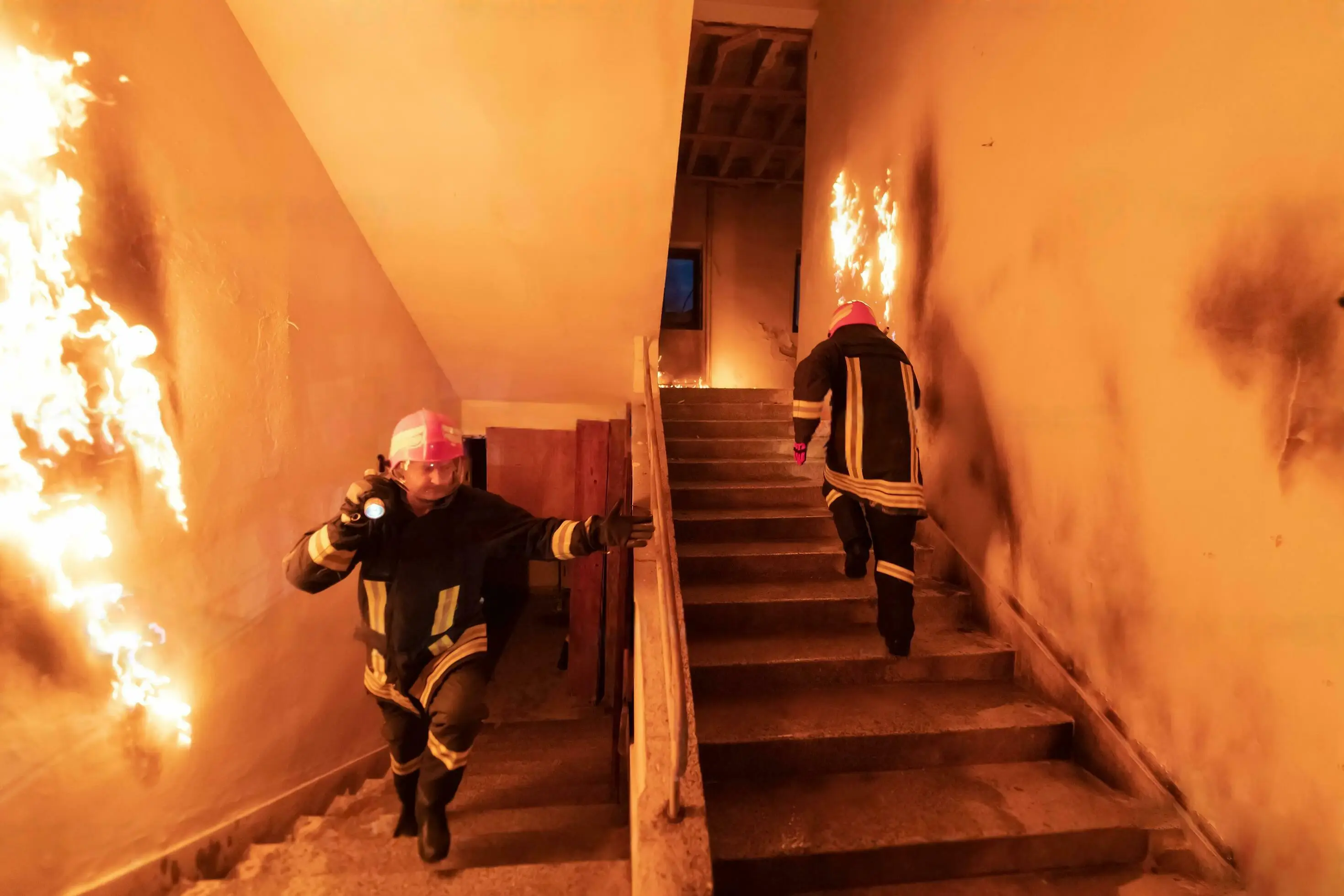
Fire Damage Restoration
Structural damage, soot, debris. We stabilize, clean, and rebuild what fire destroyed.
Learn more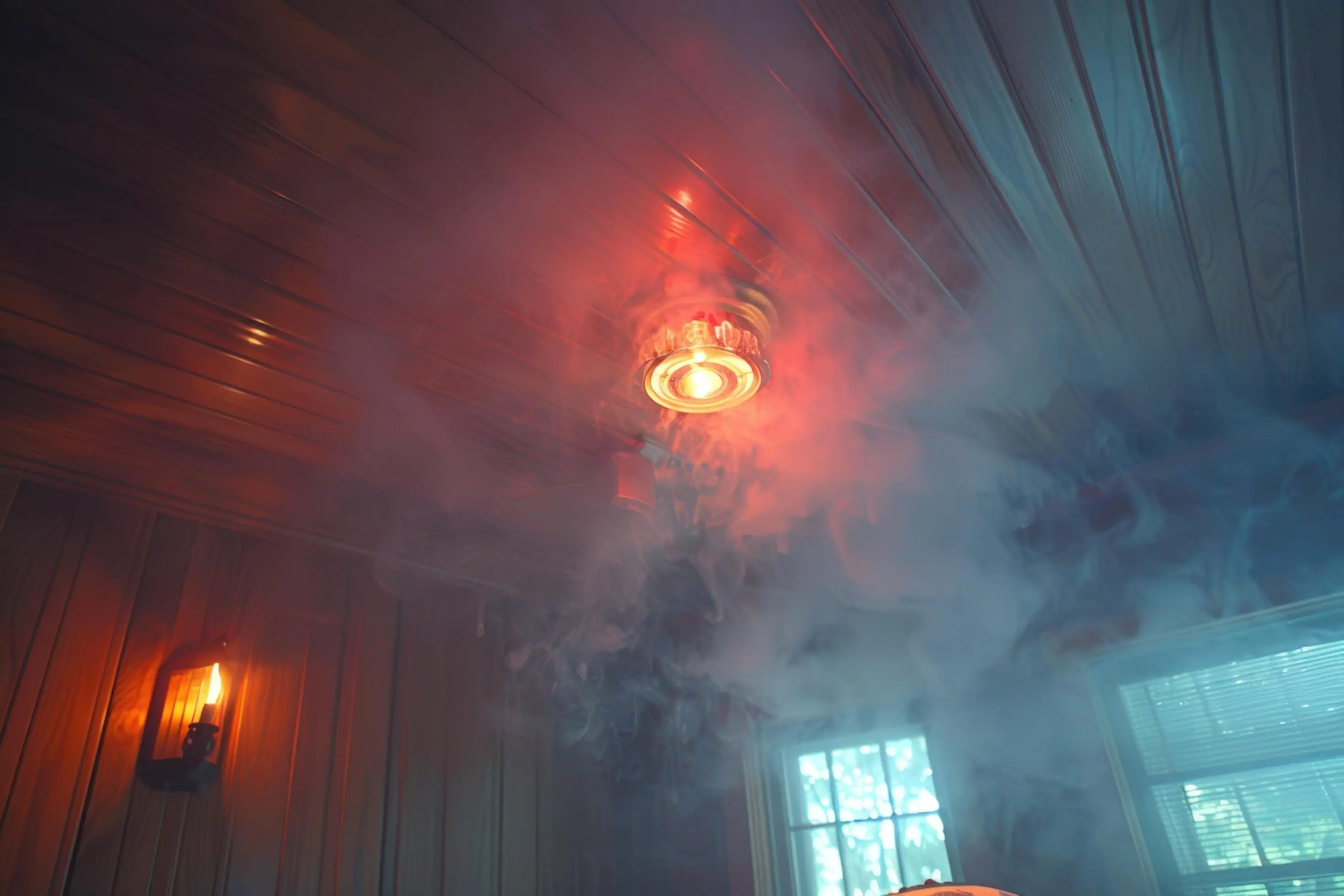
Smoke Damage Restoration
Soot residue, chemical odors, HVAC contamination. We decontaminate surfaces, eliminate odors, and restore air quality.
Learn more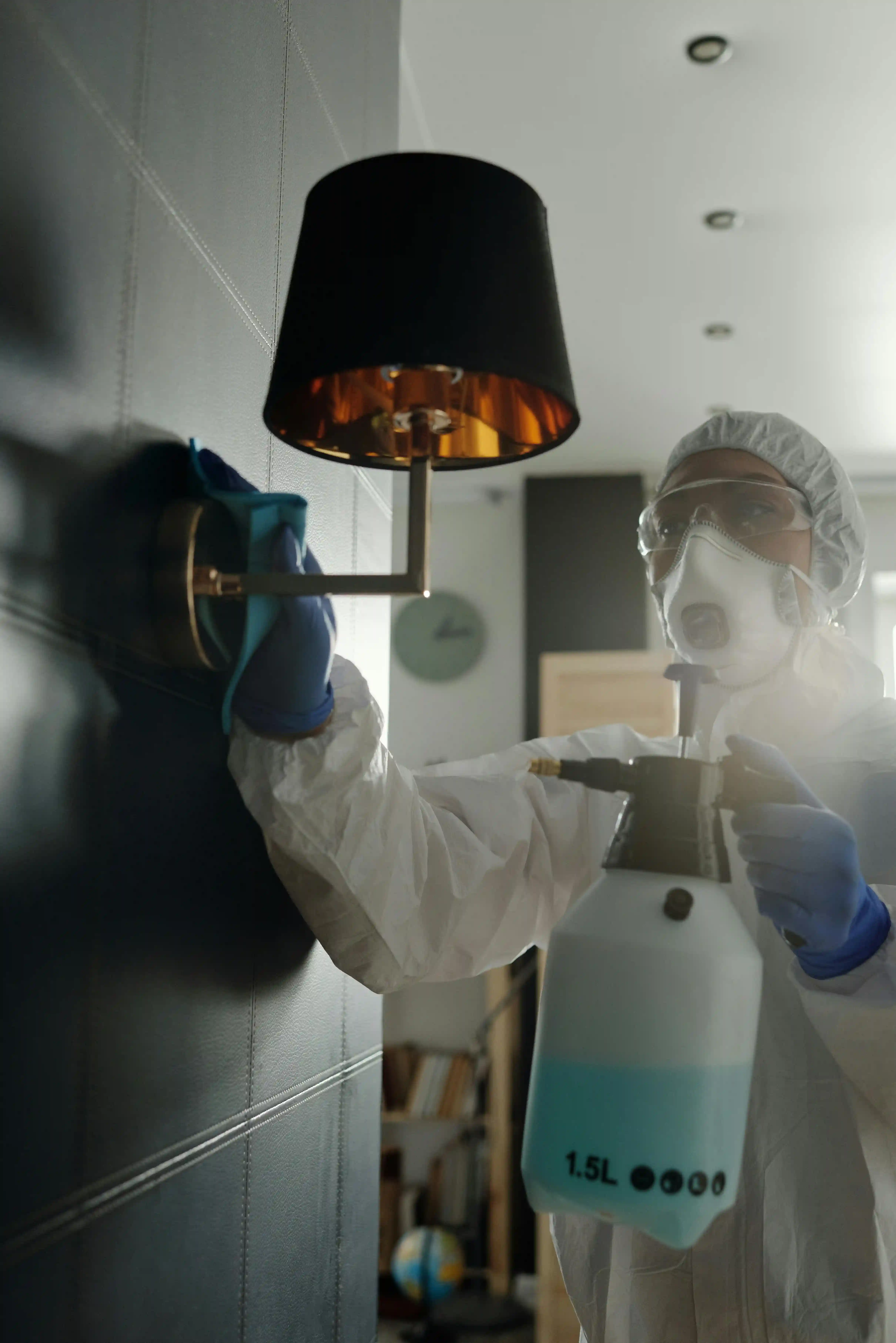
Mold Remediation
Testing, containment, removal, prevention. We find the source, eliminate the growth, and stop it from returning.
Learn more
Sewage Cleanup
Sewer backups, contaminated water, biohazard. We extract, sanitize, and restore safely.
Learn moreNearby Service Areas
Also serving nearby: