
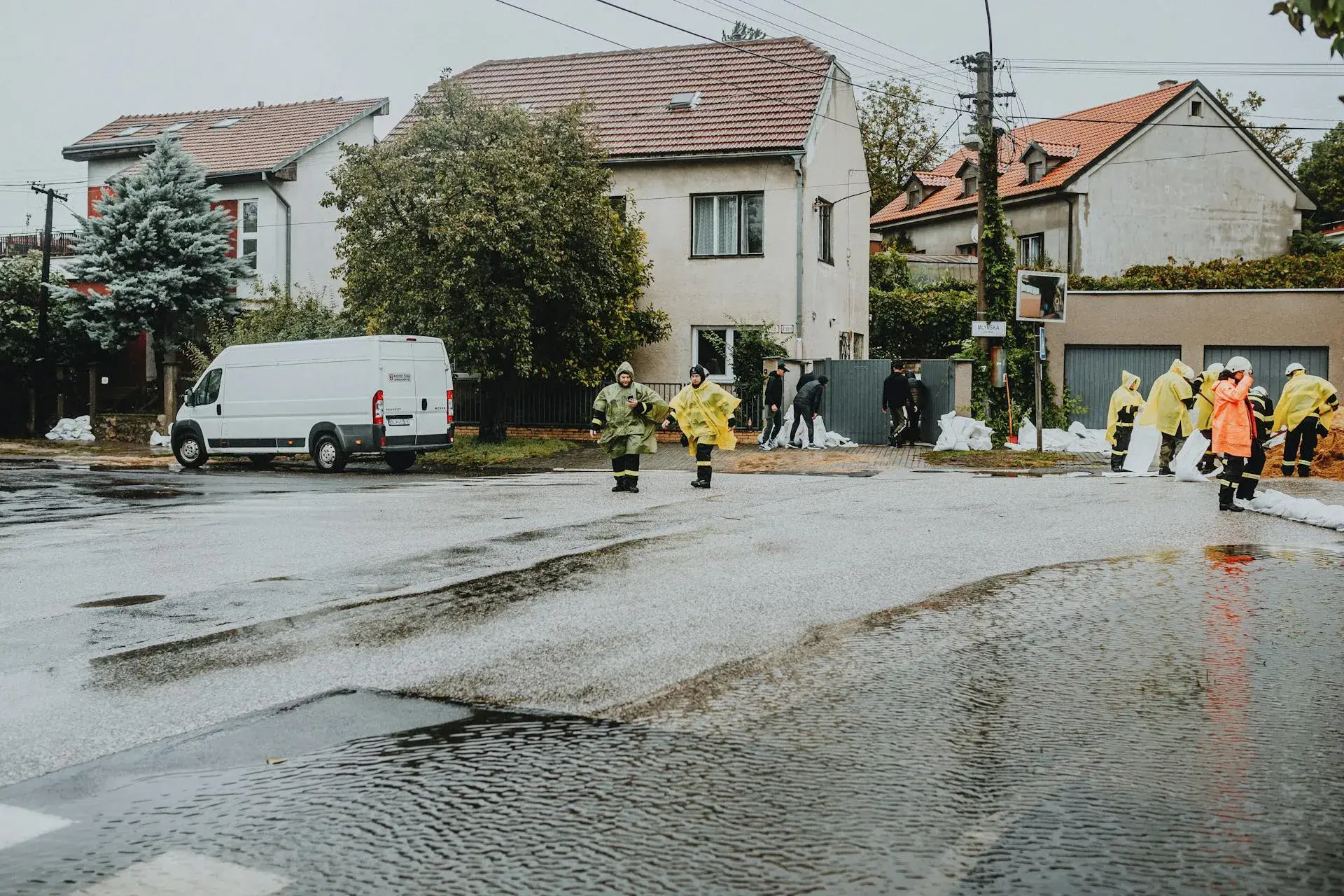
Sewage Cleanup in Cleveland, TX
Municipal sewer main overtopping, septic tank hydraulic backups, and hazardous Category 3 blackwater overflows threaten health across Cleveland homes. Our certified biohazard cleanup specialists arrive on site within 60 minutes.
What Happens When You Call
A specialized biohazard response coordinator evaluates the contamination level and routes a Liberty County emergency unit to your address.
Certified technicians arrive in full OSHA Level C personal protective gear with truck-mounted vacuum extractors, trash pumps, and antimicrobial agents.
Crews isolate the affected areas with physical containment barriers, extract toxic blackwater slurry, and halt cross-contamination into clean rooms.
Saturated porous materials are removed, structural concrete and framing are sanitized with EPA-registered disinfectants, and structural drying begins.
A sewage backup inside a northern Liberty County property represents an urgent biological emergency requiring immediate professional intervention. Raw wastewater contains hazardous enteric bacteria, viral pathogens, and parasitic organisms that contaminate porous flooring, drywall, and structural framing. X Response coordinates rapid, certified sewage cleanup throughout Cleveland, deploying fully equipped biohazard technicians within minutes of your dispatch. From high-capacity extraction of blackwater slurry through controlled demolition of non-salvageable materials and multi-stage hospital-grade sanitization, our specialists restore complete environmental safety. Contact our emergency dispatch team right now. Certified biohazard crews are on standby.
Why Cleveland Homes Are Vulnerable to Sewage
Cleveland is an established residential and commercial center located in northwestern Liberty County, Texas, positioned at the junction of Interstate 69 (US Highway 59) and State Highway 105, forty-five miles northeast of Houston. According to the 2020 United States Census, Cleveland had a population of 7,471 residents across Liberty County. Founded in 1878 as a rail shipping hub for timber, Cleveland is bordered to the north by the Sam Houston National Forest and to the west by the East Fork of the San Jacinto River. Residential housing features a mix of historic early twentieth-century pine-framed homes near downtown Washington Avenue, rural acreage properties along FM 2025, and rapidly expanding slab-on-grade subdivisions along State Highway 321 and Pin Oak Road.
Wastewater backups in Cleveland are heavily exacerbated by the city's undulating terrain, dense clay loam soils, and high seasonal water tables. The community relies on a mixed wastewater infrastructure combining municipal gravity sewer mains and lift stations operated by the City of Cleveland with hundreds of private on-site septic tanks and aerobic treatment units in outlying subdivisions and rural tracts. During intense rainfall events, which are frequent across Southeast Texas due to Gulf convective systems, river flooding, and tropical storms like Harvey and Imelda, stormwater runoff floods roadway bar ditches and infiltrates aging sewer mains through manhole covers and cleanouts. This severe inflow and infiltration overwhelms municipal lift stations, creating intense hydraulic backpressure that forces raw, untreated Category 3 blackwater backward into residential toilet bowls, bathtubs, and slab floor drains. Additionally, saturated soils prevent septic absorption fields from percolating, leading to severe residential wastewater inundation. Because raw sewage carries hazardous enteric pathogens including Escherichia coli, Salmonella, and hepatitis A, thorough biological extraction and scientific sanitization are critical to protect property occupants.
Stormwater Inflow and Sewer Main Hydraulic Surcharge
Cleveland's heavy seasonal rainfall overwhelms municipal sewer infrastructure. Intense inflow and infiltration through roadway cleanouts and manhole covers flood collection mains, exceeding lift station capacities and forcing pressurized wastewater into low-lying home plumbing fixtures.
Shallow Forest Groundwater and Septic Drainfield Failure
In outlying areas along State Highway 321 and FM 2025, residences depend on private septic tanks. High groundwater levels and saturated clay soils prevent drainfield absorption, causing domestic effluent to back up into ground-floor bathrooms and laundry rooms.
Category 3 Gross Pathogenic Contamination
Wastewater backups consist of Category 3 blackwater teeming with dangerous biohazards, including rotavirus, norovirus, parasitic protozoa, and enteric bacteria. Contact with contaminated building materials presents severe health risks without professional biohazard containment.
Slab Foundation and Wall Cavity Absorption
Because most modern Cleveland residences sit on slab-on-grade foundations, backed-up sewage spreads horizontally across living areas. Contaminated water wicks rapidly into porous sheetrock, wooden bottom plates, and subfloor adhesives, establishing hidden microbial reservoirs.
High Subtropical Humidity and Airborne Spore Activation
Cleveland's persistent coastal relative humidity exceeding 80% to 90% accelerates bacterial multiplication and fungal germination on sewage-soaked surfaces within 24 hours, turning plumbing backups into complex indoor air quality emergencies.
Resolving sewage backups in Cleveland requires specialized biohazard containment, high-capacity vacuum extraction, and extensive understanding of San Jacinto River basin wastewater dynamics. Our certified crews eliminate biological hazards and restore sanitary baseline conditions.
What Happens to Your Home While You Wait
Within 1 Hour
Blackwater overflows spread across floor finishes, soaking carpets, unsealed tile grout, and baseboards. Pathogenic bacteria and biological waste emit severe, noxious odors throughout the property.
1–24 Hours
Gross contaminants soak deeply into concrete slab pores, timber sill plates, and drywall. Bacteria multiply exponentially in warm ambient temperatures, and organic gas emissions intensify.
24–48 Hours
Dangerous mold colonies germinate alongside bacterial biofilms on contaminated drywall and insulation. Flooring adhesives break down, laminate swells and delaminates, and living spaces become toxic biohazards.
48–72 Hours
Bacterial pathogens penetrate structural wood framing, causing deep fiber degradation. Airborne bioaerosols circulate through the central HVAC system, contaminating unaffected rooms and personal belongings.
One Week and Beyond
Unremediated sewage creates severe structural wood decay and permanent biohazard saturation within slab assemblies, requiring extensive structural demolition and hazardous waste disposal.
Immediate professional remediation eliminates dangerous biohazards before they permanently contaminate living spaces. Connect with X Response right now for emergency sewage cleanup in Cleveland.
How We Restore Sewage-Damaged Cleveland Homes
Our sewage remediation protocols strictly follow IICRC S500 and S520 guidelines, integrating strict biological containment, surgical demolition of contaminated materials, and hospital-grade sanitization.
Emergency Biohazard Containment and Hazard Assessment
Technicians isolate the contaminated zone using 6-mil poly containment barriers, critical airlocks, and negative air HEPA filtration units to prevent pathogenic aerosols from escaping into clean rooms.
Commercial Blackwater Slurry Extraction
Using specialized heavy-duty vacuum extraction units and submersible trash pumps, crews extract standing sewage, biological solids, and contaminated effluent into secure containment tanks for legal disposal.
Controlled Material Removal and Hazardous Disposal
Contaminated carpets, saturated baseboards, wet drywall, and porous insulation are cut out cleanly, sealed into biohazard transport bags, and removed in accordance with Texas waste management regulations.
Multi-Stage Antimicrobial Wash and Decontamination
All remaining structural surfaces, including concrete slabs and exposed yellow pine studs, are hot-water pressure-washed and treated with broad-spectrum, EPA-registered hospital-grade disinfectants.
Psychrometric Drying and ATP Sanitary Verification
We deploy commercial LGR dehumidifiers and air movers to thoroughly dry structural materials, performing adenosine triphosphate (ATP) bioluminescence surface swab testing to verify complete sanitization.
The X Response Difference
Partner with certified biohazard restoration professionals committed to total biological decontamination, certified safety, and transparent documentation.
Insurance Claim Guidance for Cleveland Homeowners
Filing an insurance claim for a sewage backup in Cleveland requires specialized policy documentation proving the origin of the overflow. Standard Texas homeowners insurance policies typically exclude water that backs up through sewers or drains unless the policyholder has purchased a specific Water Backup and Sump Overflow Endorsement (Form HO-0487 or HO-161 in Texas policies). In coastal counties like Liberty, adjusters require clear forensic documentation separating indoor drain backups from rising surface floodwaters covered exclusively by the National Flood Insurance Program (NFIP). Our documentation specialists build comprehensive claim files conforming to Texas Department of Insurance requirements.
How X Response Helps
- High-resolution photographic documentation and sewer scope camera records detailing the exact point of wastewater entry
- Comprehensive line-item estimates written in industry-standard Xactimate pricing software with biohazard itemization
- Biohazard disposal manifests and certified EPA disinfectant product data sheets supporting mitigation steps
- Adenosine triphosphate (ATP) surface swab test records verifying that structural components have met sanitary benchmarks
- Direct coordination with insurance adjusters to expedite claim adjudication under the Texas Prompt Payment of Claims Act
X Response delivers independent professional biohazard remediation and structural restoration services. Final insurance claim approval, endorsement limits, and deductible applications remain the exclusive responsibility of your insurance carrier.
Certified Restoration Specialists Serving Cleveland
Our Cleveland sewage remediation specialists possess comprehensive training in biohazard safety, wastewater microbiology, and Liberty County building construction. Whether managing a major municipal sewer backup in a slab-on-grade subdivision along State Highway 105 or restoring an overflowing septic failure in a rural timber-framed home off FM 2025, our technicians deploy rigorous engineering controls to safeguard health and property. Our emergency biohazard teams maintain continuous 24/7 readiness.
Every field supervisor holds active certifications from the Institute of Inspection, Cleaning and Restoration Certification (IICRC), including Water Damage Restoration Technician (WRT) and Applied Microbial Remediation Technician (AMRT), along with OSHA Bloodborne Pathogen training. Utilizing advanced testing tools like ATP bioluminescence meters and moisture detectors, we guarantee verified biological decontamination.
In Cleveland, X Response works with First Response Restoration, an independent local restoration partner serving Liberty County.
Sewage Cleanup FAQ for Cleveland Homeowners
Other Emergency Services in Cleveland
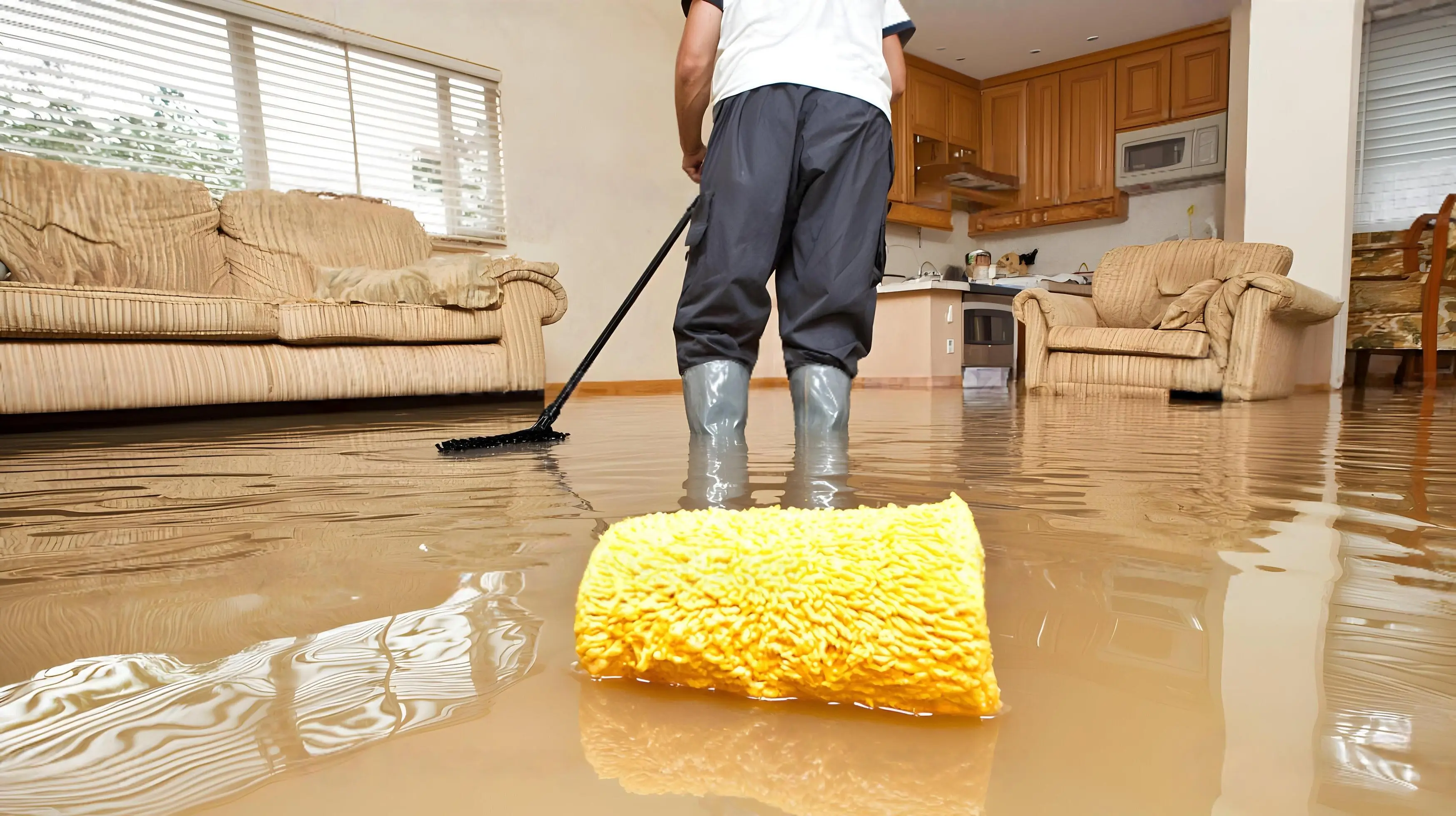
Water Damage Restoration
Burst pipes, storm flooding, standing water. We extract, dry, and restore before mold sets in.
Learn more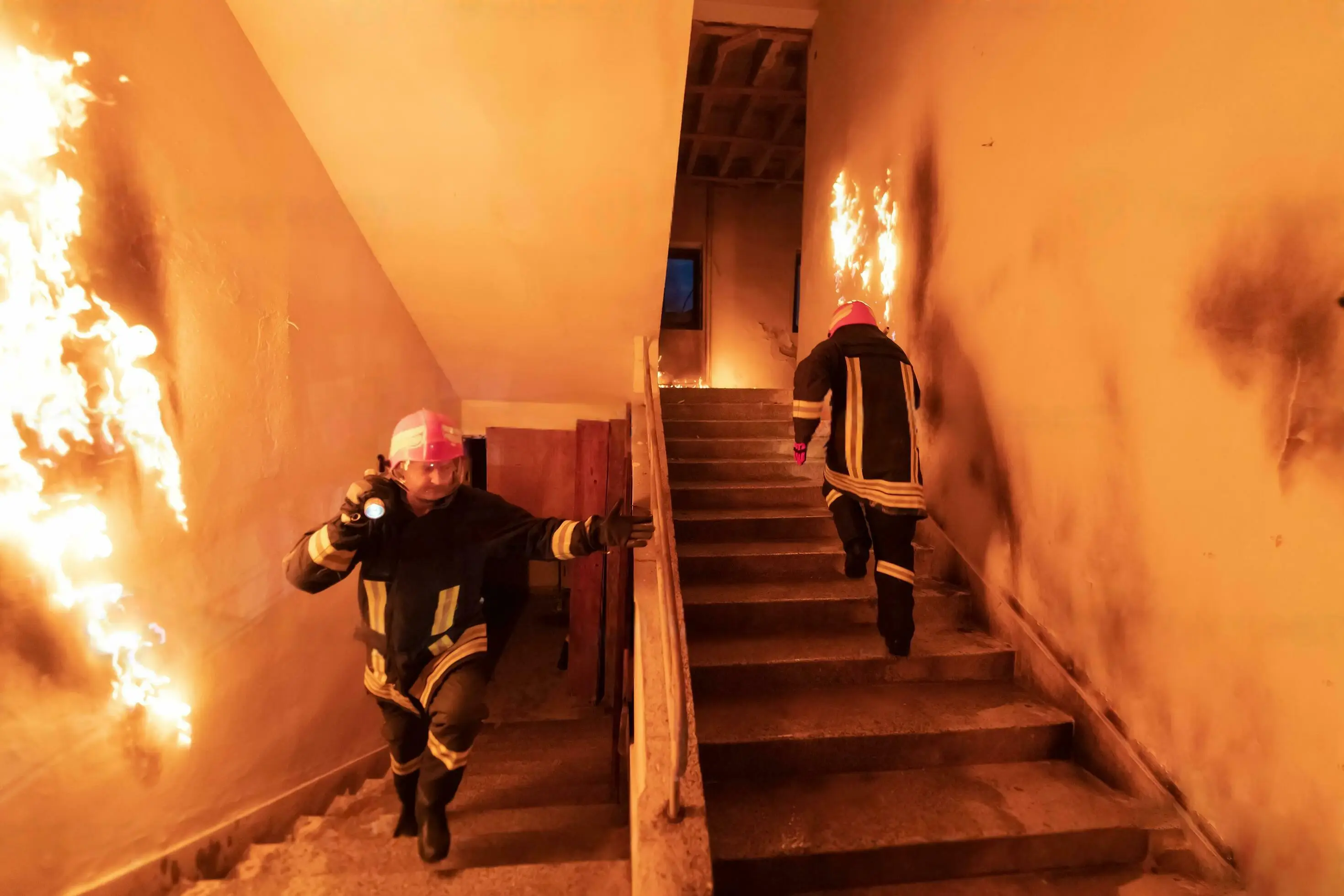
Fire Damage Restoration
Structural damage, soot, debris. We stabilize, clean, and rebuild what fire destroyed.
Learn more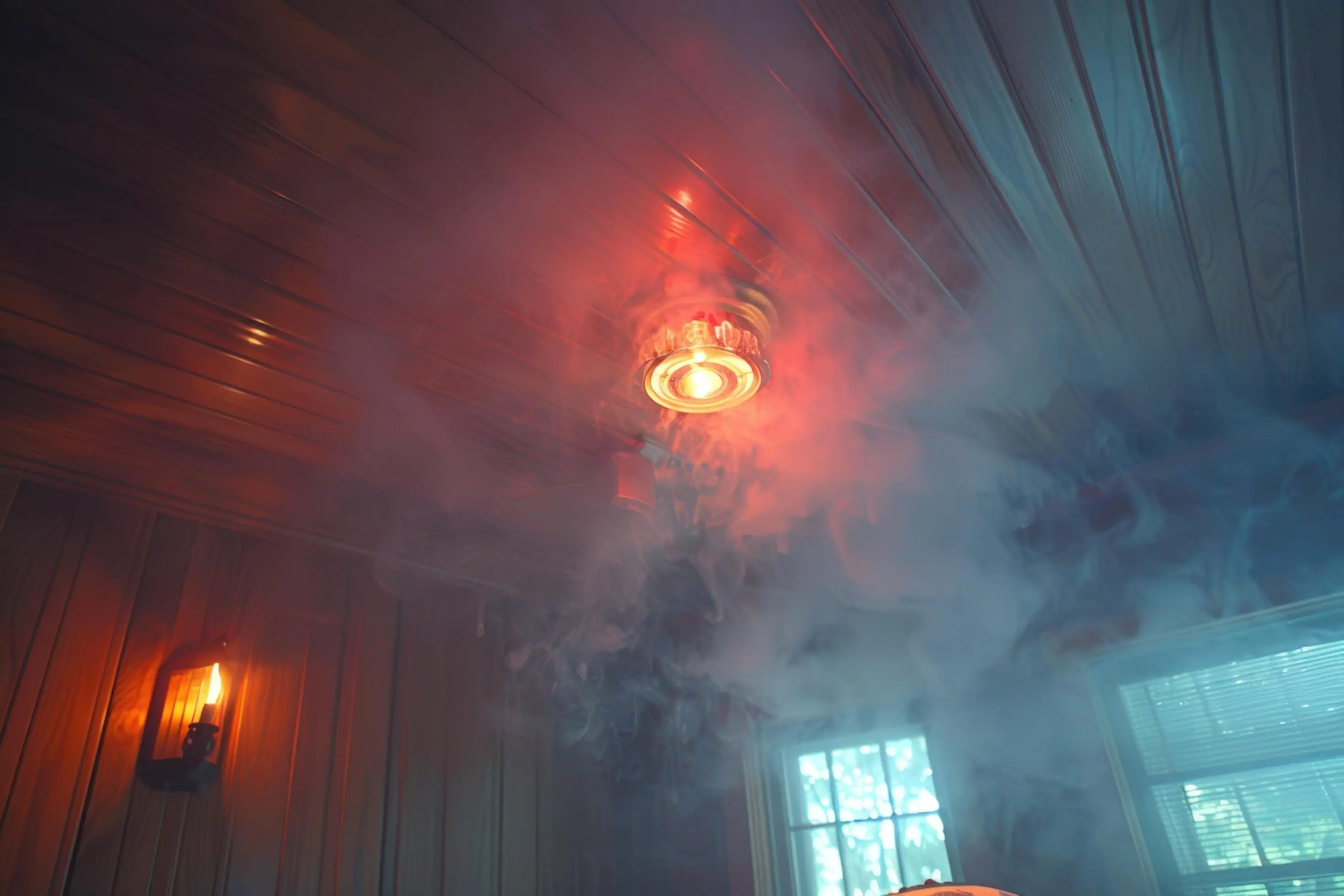
Smoke Damage Restoration
Soot residue, chemical odors, HVAC contamination. We decontaminate surfaces, eliminate odors, and restore air quality.
Learn more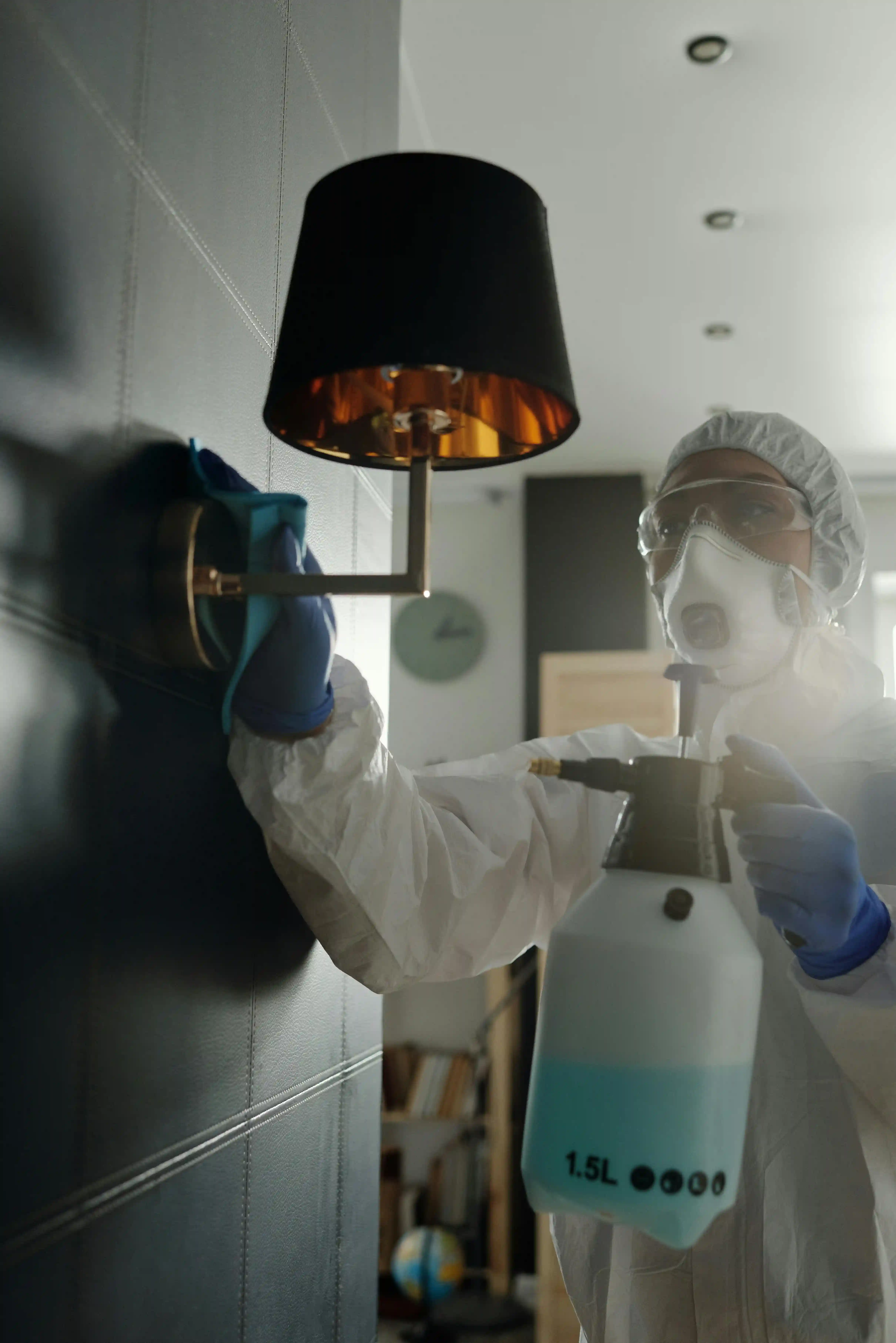
Mold Remediation
Testing, containment, removal, prevention. We find the source, eliminate the growth, and stop it from returning.
Learn moreNearby Service Areas
Also serving nearby: