
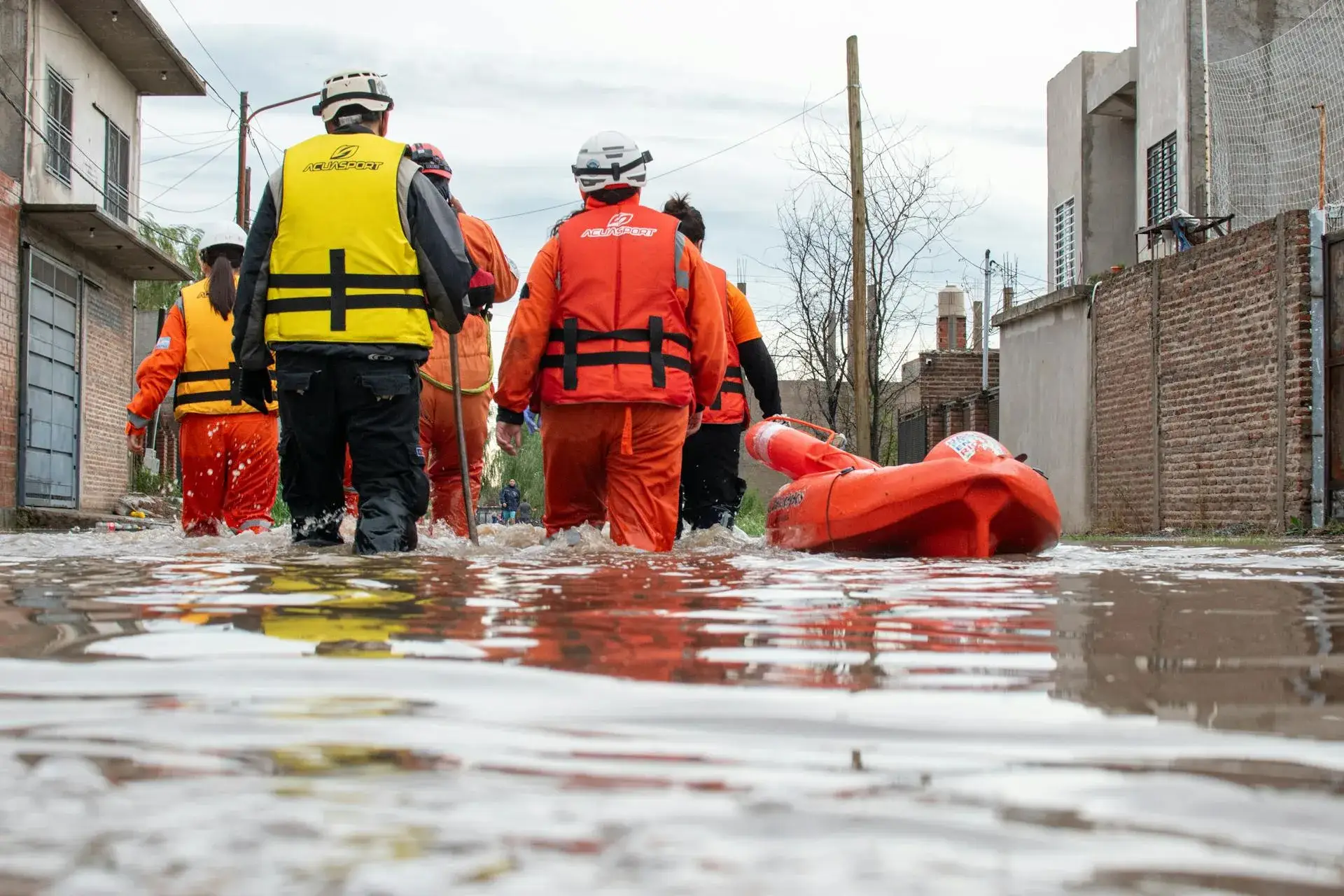
Water Damage Restoration in Cleveland, TX
East Fork San Jacinto River overtopping, torrential tropical deluges, and domestic plumbing supply breaks cause rapid structural saturation across Cleveland homes. Our certified emergency mitigation team arrives on site within 60 minutes.
What Happens When You Call
An emergency response dispatcher collects critical loss details and immediately mobilizes a Liberty County mobile restoration unit to your property.
Certified technicians arrive on site with high-volume extraction units, industrial LGR dehumidifiers, and calibrated moisture diagnostic sensors.
Crews chart all moisture migration pathways across concrete slabs, interior partition walls, and crawl space timber framing while extracting standing water.
Industrial low-grain refrigerant dehumidifiers and centrifugal air movers are deployed to stabilize indoor humidity and dry structural assemblies to verified standards.
When torrential runoff or plumbing supply line failures flood residential properties in northern Liberty County, structural saturation begins within minutes. Saturated concrete slabs absorb groundwater through capillary action, porous drywall wicks moisture upward into electrical boxes, and unsealed timber framing initiates fungal germination. X Response delivers rapid, certified water damage restoration throughout Cleveland, deploying trained emergency crews within minutes of your dispatch. From advanced infrared thermal mapping through high-capacity truck-mounted water extraction and scientific psychrometric dehumidification, our specialists manage every stage of structural recovery. Call our 24/7 emergency line right away. Your local restoration crew is ready to respond.
Why Cleveland Homes Are Vulnerable to Water Damage
Cleveland is a growing commercial and residential hub located in northwestern Liberty County, Texas, situated at the strategic junction of Interstate 69 (US Highway 59) and State Highway 105, approximately forty-five miles northeast of downtown Houston. According to the 2020 United States Census, Cleveland had a population of 7,471 residents across Liberty County. Founded in 1878 around the historic intersection of the Houston East and West Texas Railway and the Gulf, Colorado and Santa Fe line, modern Cleveland bridges the heavily urbanized Greater Houston metropolitan area with the rolling pine timberlands of the Piney Woods. Residential neighborhoods include established timber-framed communities near downtown Washington Avenue, rural acreage tracts, and rapidly expanding slab-on-grade subdivisions flanking State Highway 321, FM 2025, and the southern approaches toward Plum Grove.
The physical geography of Cleveland is defined by dense woodland basins and the volatile hydrology of the San Jacinto River watershed. Cleveland's northern city limits directly border the Sam Houston National Forest, while its western perimeter is flanked by the East Fork of the San Jacinto River and secondary drainage tributaries including Peach Creek, Winter Creek, and Tarkington Bayou. Because elevations in the area range between one hundred thirty and one hundred sixty feet above sea level with undulating terrain, low-lying valleys and roadway culverts become funnel points during heavy precipitation. The community faces severe, repetitive flood challenges. During Hurricane Harvey in August 2017, localized rainfall exceeding forty inches caused the East Fork of the San Jacinto River to smash historical flood stage records, submerging major thoroughfares including Interstate 69 and flooding hundreds of residential properties. Subsequent tropical systems, including Tropical Storm Imelda in 2019 and severe spring convective storms, have repeatedly triggered sudden flash flooding across subdivisions along State Highway 105 and Pin Oak Road. Because local housing ranges from older raised timber cottages to sprawling modern slab-on-grade homes, rising floodwaters saturate dense subfloors and wall framing, necessitating immediate industrial extraction and scientific dehumidification.
East Fork San Jacinto River and Peach Creek Overtopping
Cleveland sits within the upper catchment of the East Fork San Jacinto River. During sustained torrential storms across Montgomery and San Jacinto counties, rapid runoff swells the East Fork and Peach Creek, backing up local tributaries and inundating low-lying residential roads.
Piney Woods Drainage Inversion and Flash Inundation
Dense pine timber stands and clay loam soils surrounding Cleveland saturate quickly during heavy storms. Sheet runoff overwhelms natural swales and drainage ditches along US-59 and SH-105, funneling floodwaters directly into residential driveways and ground-floor living spaces.
Concrete Slab Foundation Capillary Absorption
Most modern residences in Cleveland are constructed on slab-on-grade concrete foundations. Floodwaters and broken plumbing lines pool over horizontal surfaces, forcing moisture through porous concrete into interior sheetrock, baseboards, and structural bottom plates.
Historic Pier-and-Beam Crawl Space Flooding
Vintage homes in older central neighborhoods feature elevated wood-frame construction over crawl spaces. Standing water accumulates beneath flooring, saturating structural subfloor timbers and creating heavy secondary humidity that warps solid wood flooring.
Subtropical Piney Woods Atmospheric Humidity
Surrounded by dense forest canopies, Cleveland experiences average summer relative humidity levels exceeding 80% to 90%. Natural ventilation cannot dry moisture-soaked building materials, creating ideal microclimates for aggressive mold growth within 24 to 48 hours.
Restoring water-damaged structures in Cleveland demands high-capacity extraction pumps, continuous thermal monitoring, and a comprehensive understanding of San Jacinto River basin hydrology. Our certified crews protect your home or business from permanent structural damage.
What Happens to Your Home While You Wait
Within 1 Hour
Standing water migrates across slab surfaces and crawl spaces, soaking carpets, pad underlayments, and baseboards. Unsealed sheetrock absorbs water through capillary action, wicking moisture up wall assemblies.
1–24 Hours
Moisture rises over twelve inches up interior drywall assemblies. Wood framing swells, metal fasteners begin surface oxidation, and high indoor humidity levels trigger strong musty odors.
24–48 Hours
Microbial organisms begin active colonization on damp drywall backing, wood framing, and carpet adhesives. Hardwood flooring cups, laminate subfloors buckle, and door frames bind in their openings.
48–72 Hours
Visible colonies of mold appear on baseboards and inside wall cavities. Fungal spores enter air currents and distribute through the central HVAC system, elevating indoor air contamination.
One Week and Beyond
Structural framing lumber experiences progressive dry rot, gypsum cores crumble, and secondary humidity generates paint blistering and ceiling damage in unaffected rooms.
Decisive professional mitigation prevents controllable water emergencies from turning into costly structural degradation. Connect with X Response right away for dependable 24/7 water restoration in Cleveland.
How We Restore Water-Damaged Cleveland Homes
Our water damage mitigation framework strictly adheres to IICRC S500 guidelines, integrating rapid surface extraction, controlled material excising, and scientific structural dehumidification.
Diagnostic Thermal Imaging and Moisture Mapping
Technicians scan the property using FLIR infrared cameras and electronic pinless moisture meters to track hidden water migration through concrete slabs, interior walls, and ceiling cavities.
High-Volume Floodwater Extraction
Using commercial truck-mounted extraction units and heavy-duty submersible trash pumps, we rapidly evacuate standing river water or domestic plumbing runoff from living areas and crawl spaces.
Controlled Material Excising and Decontamination
Saturated drywall and contaminated fiberglass insulation are cut away cleanly above the moisture line. Exposed wall framing and concrete slabs are treated with EPA-registered botanical antimicrobials.
Industrial Psychrometric Dehumidification
We deploy commercial Low Grain Refrigerant (LGR) dehumidifiers and high-velocity axial air movers to create balanced evaporation and draw embedded moisture from structural framing.
Daily Psychrometric Monitoring and Documentation
Our technicians measure ambient temperature, relative humidity, and grains per pound daily, adjusting drying equipment until all structural assemblies meet verified dry standards.
The X Response Difference
Partner with a certified restoration service dedicated to technical excellence, transparent communication, and complete property recovery.
Insurance Claim Guidance for Cleveland Homeowners
Navigating an insurance claim following a major water loss in Cleveland requires thorough documentation distinguishing the cause of loss, water category, and progression of damage. Standard Texas homeowners insurance policies generally cover sudden and accidental internal plumbing line bursts, while rising surface runoff or East Fork San Jacinto River flooding requires separate flood insurance coverage through the National Flood Insurance Program (NFIP) or private flood underwriters. In coastal counties like Liberty, wind-driven rain penetration during severe storms frequently involves the Texas Windstorm Insurance Association (TWIA). Our documentation packages provide the comprehensive evidence insurance adjusters require.
How X Response Helps
- Comprehensive thermal diagnostic scans and high-resolution photographic evidence of all affected building assemblies
- Daily psychrometric logs recording ambient temperature, relative humidity, and material moisture content readings
- Itemized restoration scopes developed using insurance-approved Xactimate estimating systems
- Clear forensic categorization separating sudden plumbing ruptures from overland stormwater or flood events
- Direct communication with insurance carrier adjusters to facilitate timely review under the Texas Prompt Payment of Claims Act
X Response provides independent emergency structural restoration and mitigation services. Final claim approval, coverage applicability, and payout limits remain the sole determination of your insurance company.
Certified Restoration Specialists Serving Cleveland
Our Cleveland water restoration team combines extensive technical training with hands-on experience navigating the unique geographic and climatic challenges of northern Liberty County. From restoring suburban slab-on-grade homes along State Highway 105 to rehabilitating historic timber-framed properties near Washington Avenue, our technicians design customized drying protocols that overcome Southeast Texas's extreme ambient humidity and high river stages. We remain on continuous standby 24 hours a day, every day of the year.
Every field supervisor holds active certifications from the Institute of Inspection, Cleaning and Restoration Certification (IICRC), including Water Damage Restoration Technician (WRT) and Applied Structural Drying (ASD). Utilizing digital hygrometers, thermal imaging cameras, and advanced moisture probes, our crews deliver verifiable, fully documented structural restoration.
In Cleveland, X Response works with First Response Restoration, an independent local restoration partner serving Liberty County.
Water Damage Restoration FAQ for Cleveland Homeowners
Other Emergency Services in Cleveland
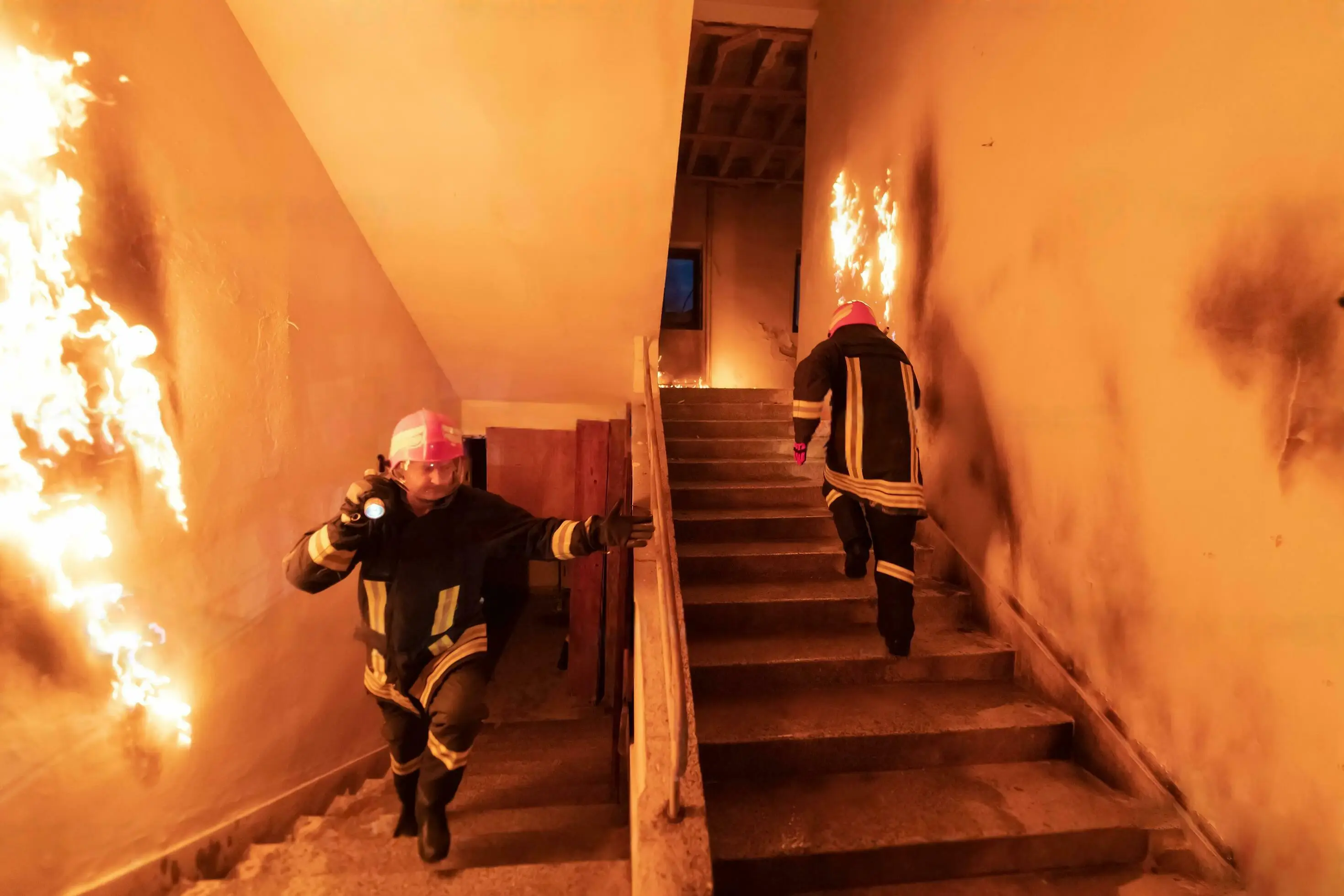
Fire Damage Restoration
Structural damage, soot, debris. We stabilize, clean, and rebuild what fire destroyed.
Learn more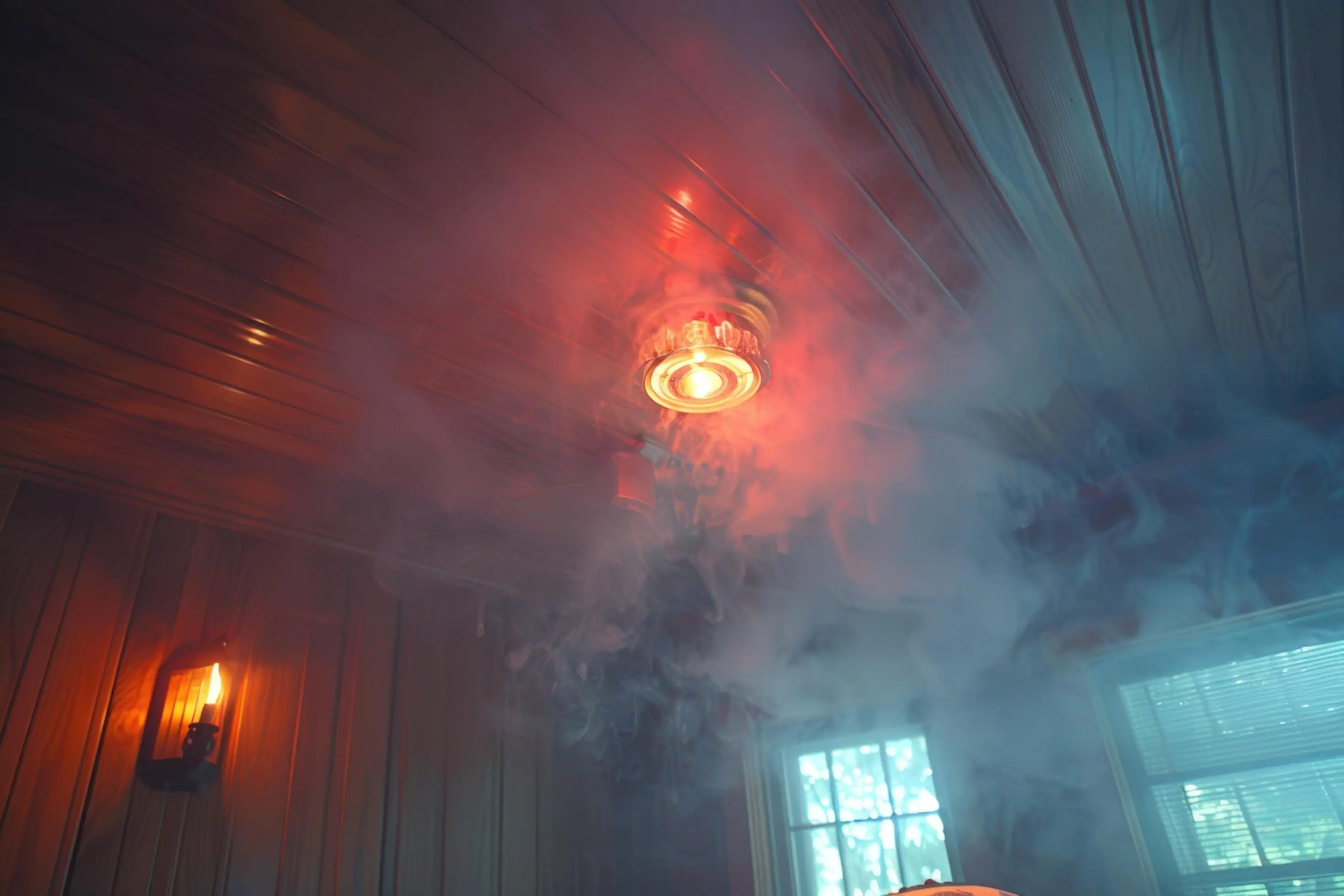
Smoke Damage Restoration
Soot residue, chemical odors, HVAC contamination. We decontaminate surfaces, eliminate odors, and restore air quality.
Learn more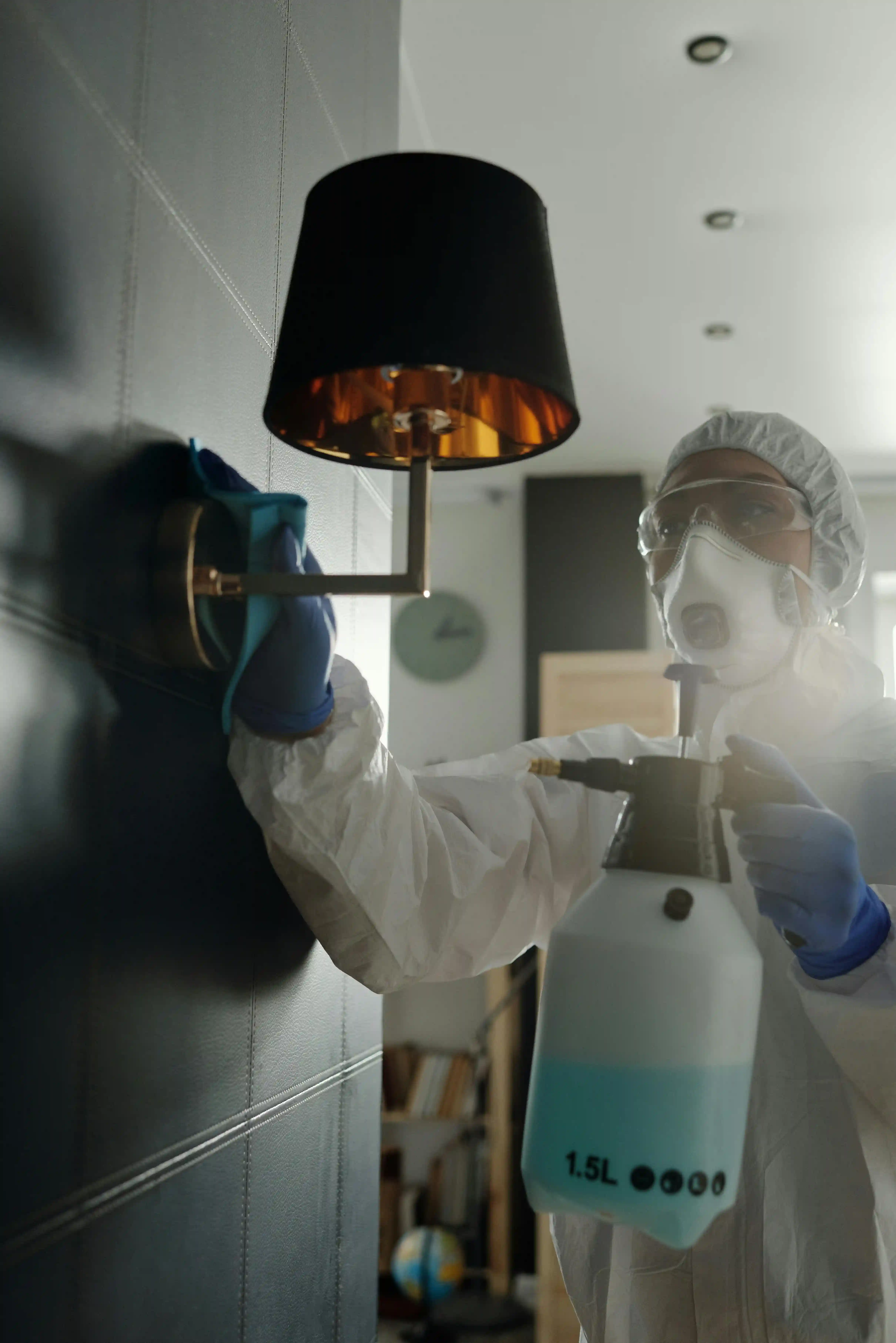
Mold Remediation
Testing, containment, removal, prevention. We find the source, eliminate the growth, and stop it from returning.
Learn more
Sewage Cleanup
Sewer backups, contaminated water, biohazard. We extract, sanitize, and restore safely.
Learn moreNearby Service Areas
Also serving nearby: