
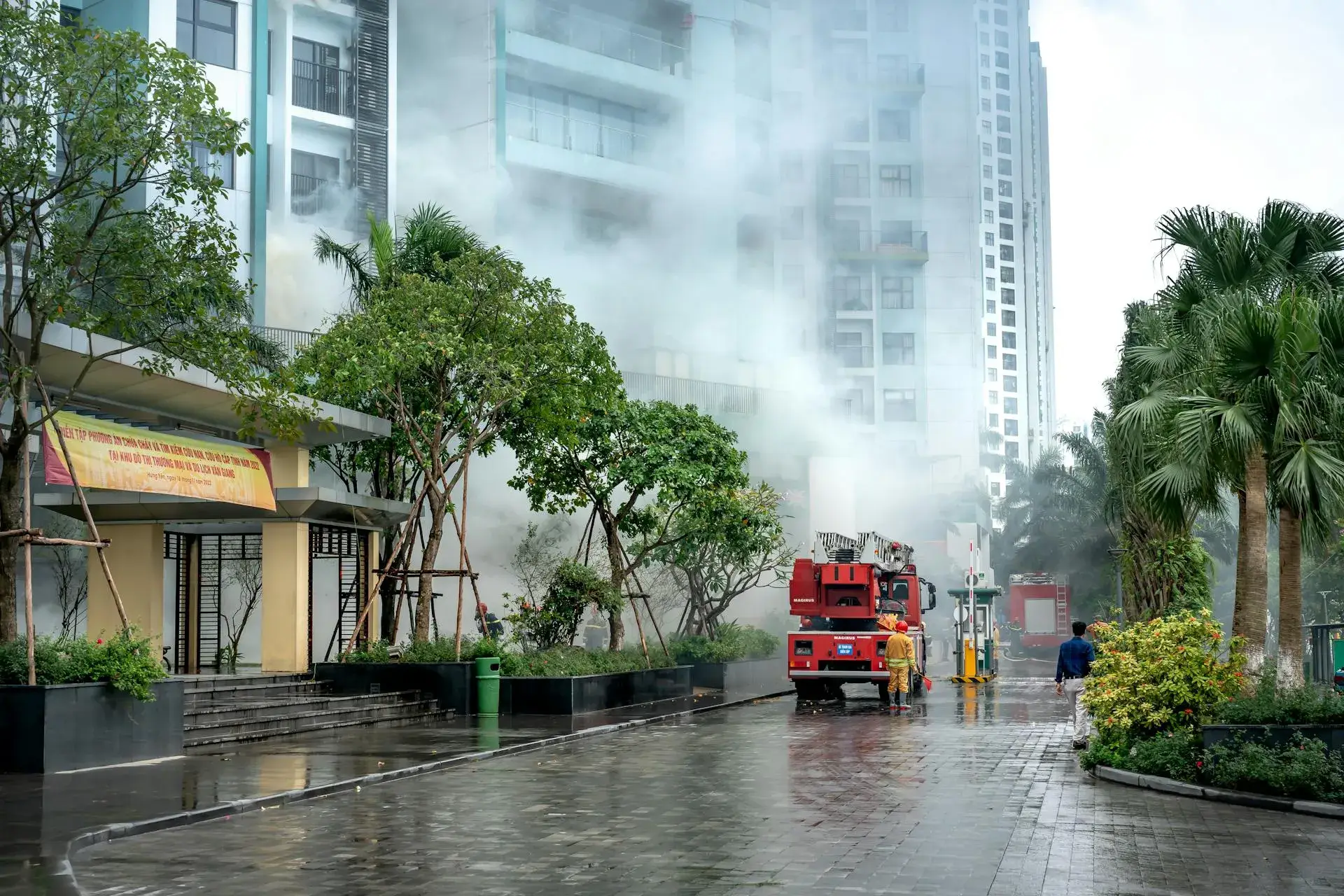
Smoke Damage Restoration in Bonita Springs, FL
Smoke doesn't stay confined to the room where the fire started. It permeates ductwork, fabrics, and wall cavities, leaving a toxic, lingering odor. Our local Bonita Springs team eliminates smoke residue at the molecular level.
What Happens When You Call
We answer your call and immediately schedule an assessment to determine how far the smoke has traveled through your home.
Our technicians arrive in Bonita Springs with specialized dry-cleaning tools and odor neutralization equipment.
We isolate the affected areas and seal off the HVAC system to prevent further cross-contamination of soot.
Deep cleaning begins, utilizing chemical sponges to lift soot from surfaces without driving it into the drywall.
Even a small kitchen protein fire can leave your entire Bonita Springs home smelling awful and covered in a fine, sticky residue. Scrubbing with household cleaners only makes it worse. When you need real smoke odor removal, X Response is ready. Our Lee County specialists deploy advanced neutralization technology immediately. Call now. Your team is standing by.
Why Bonita Springs Homes Are Vulnerable to Smoke Damage
Bonita Springs, Florida, known for its beautiful Gulf Coast access and growing neighborhoods in Lee County, has a warm, humid climate that complicates smoke damage. According to the 2020 United States census, Bonita Springs had a population of 53,644. In this densely populated coastal area, even minor fires - such as a kitchen grease fire or an electrical short in a lanai - can result in smoke permeating the entire structure. The high ambient humidity acts as a binder, causing soot particles to adhere stubbornly to walls, ceilings, and personal belongings.
When smoke infiltrates a home here, it often gets pulled into the central air conditioning system, which runs almost constantly in Southwest Florida. This distributes toxic, microscopic soot particles into every room, embedding them into carpets, upholstery, and insulation. Without professional intervention, the acidic nature of these residues will slowly degrade materials and create a persistent, unhealthy environment for the residents.
HVAC System Contamination
Because air conditioning runs year-round in Bonita Springs, smoke is quickly drawn into the return vents during a fire. This coats the interior ductwork with soot, turning the HVAC system into a distribution network for toxic odors long after the fire is out.
Humidity-Driven Soot Adhesion
The heavy moisture in the Southwest Florida air mixes with airborne soot, creating a sticky, acidic film that clings to walls and ceilings. This residue is incredibly difficult to remove and will permanently stain paint if wiped with water.
Protein Fire Residues
Kitchen fires involving burnt food or grease create protein smoke. This type of smoke is virtually invisible but leaves a greasy, foul-smelling residue that coats cabinets and walls, requiring specialized enzymatic cleaners to neutralize.
Porous Building Materials
Many Florida homes utilize porous materials like unsealed drywall, stucco, and lightweight insulation that easily absorb smoke molecules. Eradicating the smell requires penetrating these materials with advanced gaseous treatments.
Corrosion of Coastal Metals
Homes in Bonita Springs already face the corrosive effects of salt air. When acidic smoke residue is introduced, the corrosion of aluminum window frames, plumbing fixtures, and electronics accelerates dramatically.
Smoke damage is insidious. It hides in ductwork and chemically bonds with your belongings. True restoration in Lee County requires advanced science, not just soap and water.
What Happens to Your Home While You Wait
Within Minutes
Smoke billows through the home, depositing a fine layer of soot on horizontal surfaces. The central AC system pulls the smoke into the ductwork, spreading the contamination.
Within Hours
Acidic soot begins to interact with the high indoor humidity, forming a corrosive film. White appliances begin to yellow, and porous fabrics absorb the heavy smoke odor.
Within Days
The foul odor becomes deeply embedded in drywall, carpeting, and clothing. The acidic residue begins to permanently etch glass surfaces and tarnish bathroom fixtures.
Within Weeks
Untreated soot causes permanent discoloration of paint and wallpaper. The corrosive effects ruin sensitive electronics and circuit boards, necessitating complete replacement.
One Month and Beyond
The home is plagued by a permanent, toxic smell that worsens on hot, humid Florida days. The cost of remediation becomes exorbitant as materials are beyond saving.
Do not let smoke residue destroy your home's interior. Contact X Response immediately for professional soot neutralization in Bonita Springs.
How We Restore Smoke-Damaged Bonita Springs Homes
Our smoke damage restoration process relies on advanced chemistry and specialized equipment to remove soot and destroy odor molecules at their source.
Comprehensive Residue Analysis
We test the soot to determine the type of fire (e.g., synthetic, protein, or natural wood). This dictates the specific chemical sponges and cleaning agents required to safely remove the residue.
HVAC Sealing and Cleaning
We shut down and seal the HVAC system to prevent further spread. The ductwork is then meticulously cleaned and treated to ensure no soot is blown back into the Bonita Springs home.
Dry Sponge Surface Cleaning
Using specialized vulcanized rubber sponges, we dry-clean walls and ceilings. This lifts the soot off the surface without using water, which would otherwise smear the residue and drive it into the paint.
Chemical Neutralization
For sticky protein smoke or heavily stained areas, we apply targeted degreasers and enzymatic cleaners that break down the acidic film safely and effectively.
Molecular Odor Eradication
We deploy thermal foggers and hydroxyl generators that produce a deodorizing gas. This gas penetrates wall cavities and fabrics, chemically destroying the smoke molecules permanently.
The X Response Difference
X Response brings the specialized knowledge and industrial equipment necessary to truly eradicate smoke damage from your Bonita Springs property.
Insurance Claim Guidance for Bonita Springs Homeowners
Smoke damage is a covered peril under standard Florida homeowner's insurance, even if the fire did not originate in your home (e.g., a neighbor's house fire or a nearby brush fire). However, adjusters need precise documentation to justify the cost of advanced odor removal techniques like thermal fogging and HVAC duct cleaning. Our team provides the detailed scopes of work and scientific justification required to ensure your claim covers the full extent of the necessary restoration.
How X Response Helps
- Document the specific type of smoke residue (protein, synthetic, etc.) for the adjuster
- Provide evidence of HVAC contamination requiring professional duct cleaning
- Itemize all contents and structural materials that require specialized odor treatment
- Supply detailed logs of hydroxyl and ozone generator usage
- Ensure the restoration plan meets all industry standards for smoke remediation
X Response does not file claims on your behalf, adjust claims, or make coverage determinations. We provide documentation and guidance to help you make informed decisions about your property and your policy. Coverage decisions are made solely by your insurance carrier.
Certified Restoration Specialists Serving Bonita Springs
Smoke remediation is highly technical work. Our Bonita Springs team is composed of IICRC-certified professionals trained in Fire and Smoke Restoration. They understand the complex chemistry of soot and know exactly how different materials in your home will react to various cleaning agents. They are experts in identifying hidden smoke damage that untrained eyes often miss.
We equip our Lee County technicians with the industry's most advanced odor eradication technology. From hydroxyl generators that are safe to use in occupied spaces to heavy-duty thermal foggers, our team brings the firepower necessary to restore the air quality and comfort of your Southwest Florida home.
In Bonita Springs, X Response works with Florida Restoration, an independent local restoration partner serving Lee County.
Smoke Damage Restoration FAQ for Bonita Springs Homeowners
Other Emergency Services in Bonita Springs
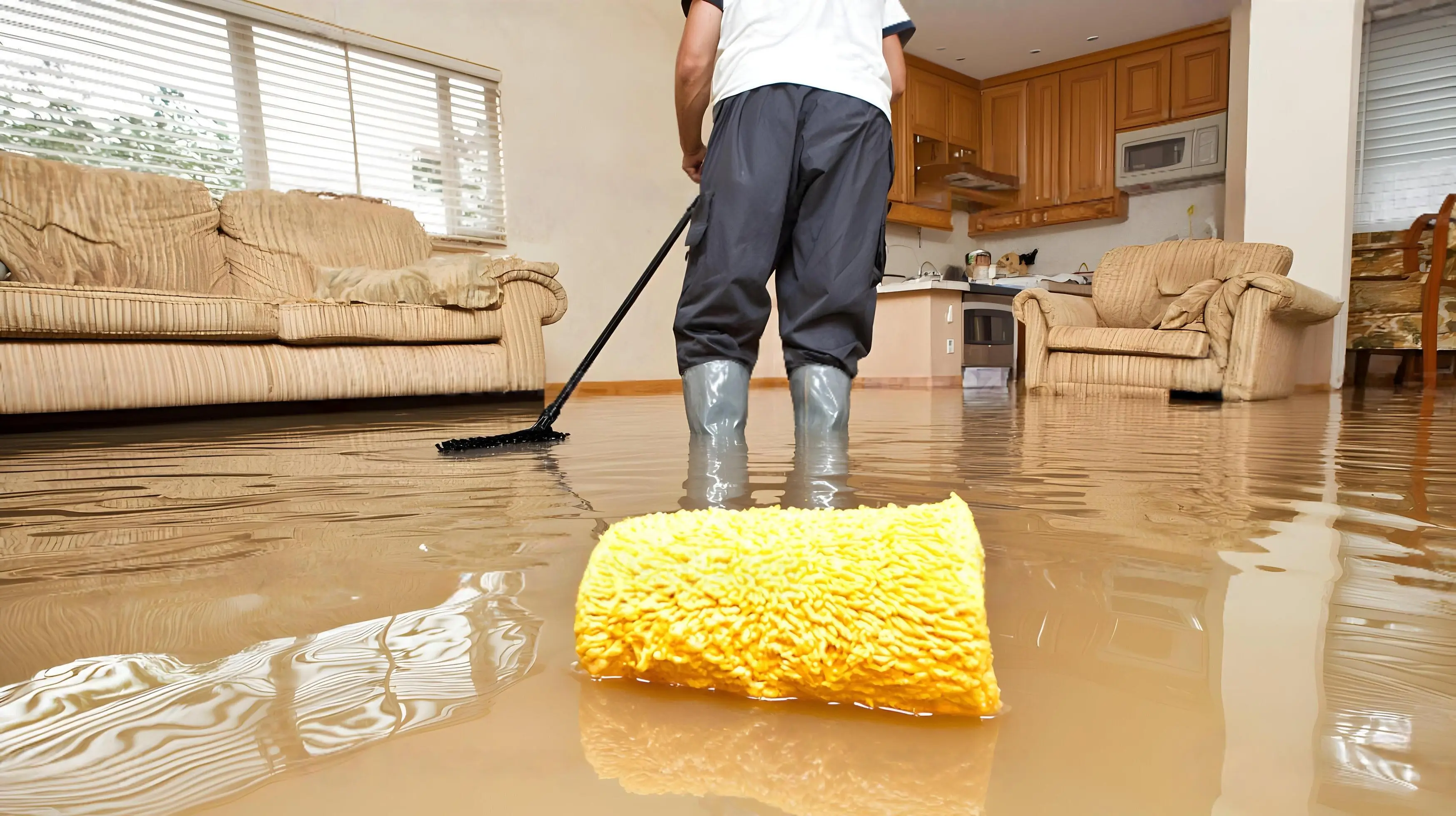
Water Damage Restoration
Burst pipes, storm flooding, standing water. We extract, dry, and restore before mold sets in.
Learn more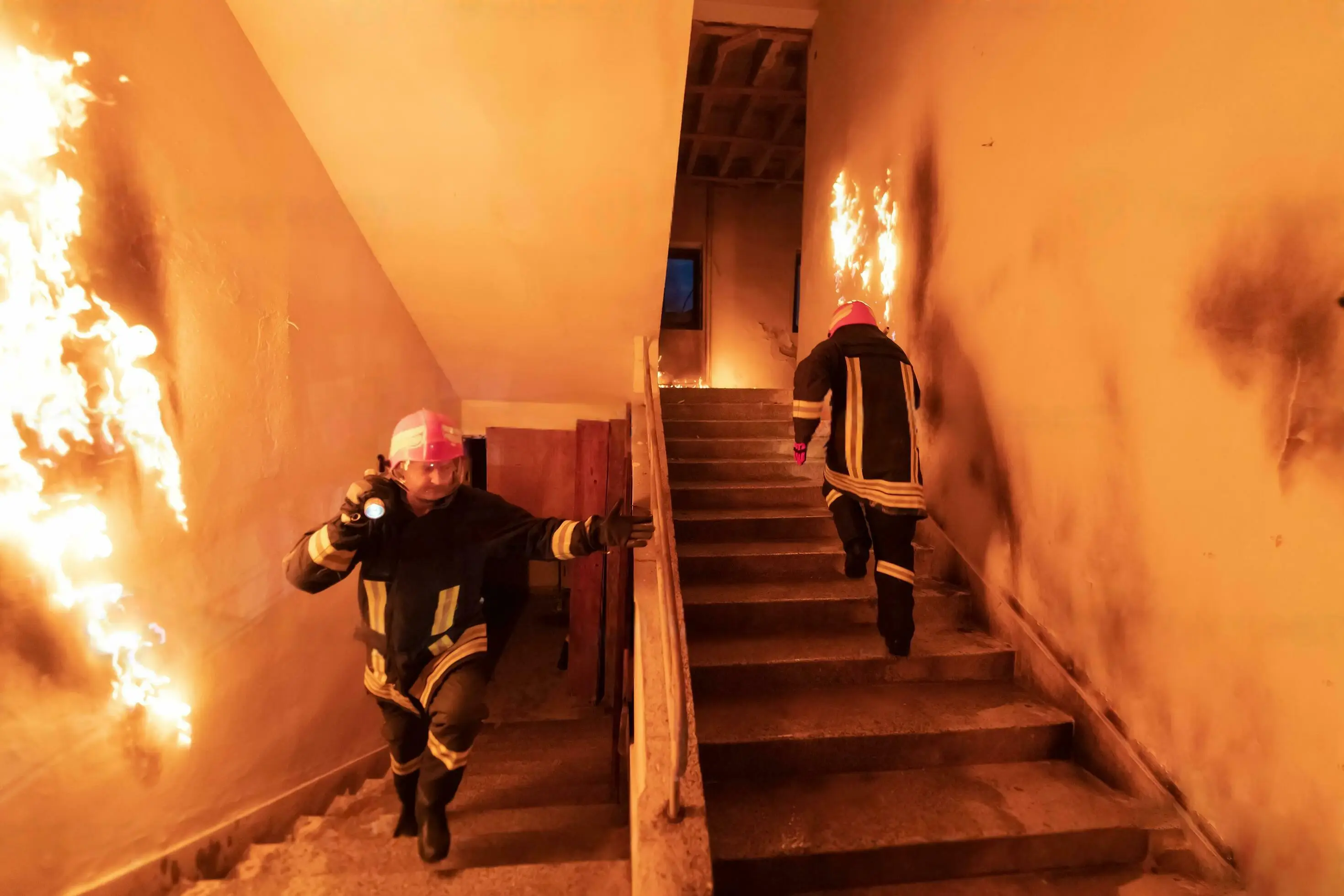
Fire Damage Restoration
Structural damage, soot, debris. We stabilize, clean, and rebuild what fire destroyed.
Learn more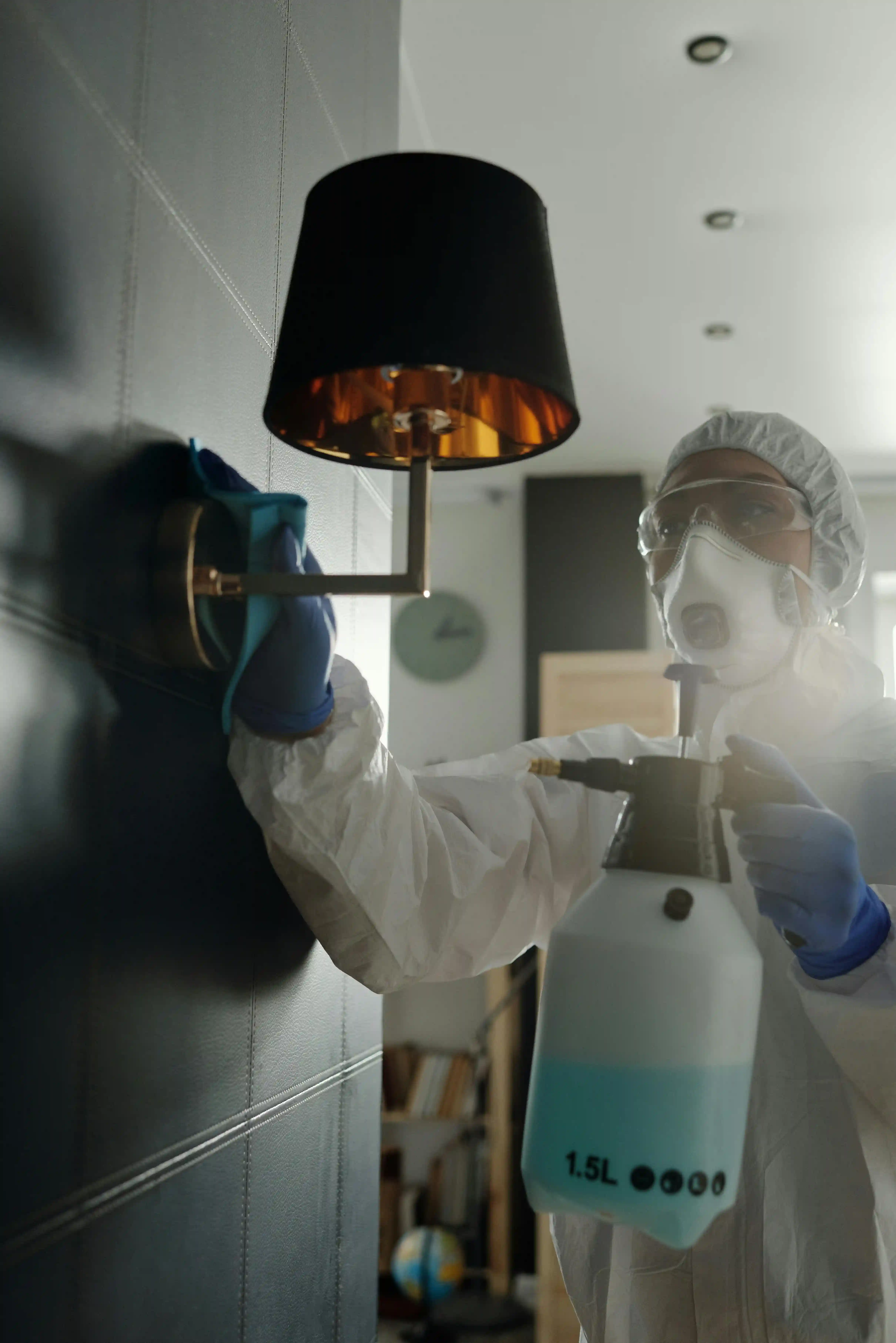
Mold Remediation
Testing, containment, removal, prevention. We find the source, eliminate the growth, and stop it from returning.
Learn more
Sewage Cleanup
Sewer backups, contaminated water, biohazard. We extract, sanitize, and restore safely.
Learn more